
The Cultural Significance of Trade Goods in Ancient India

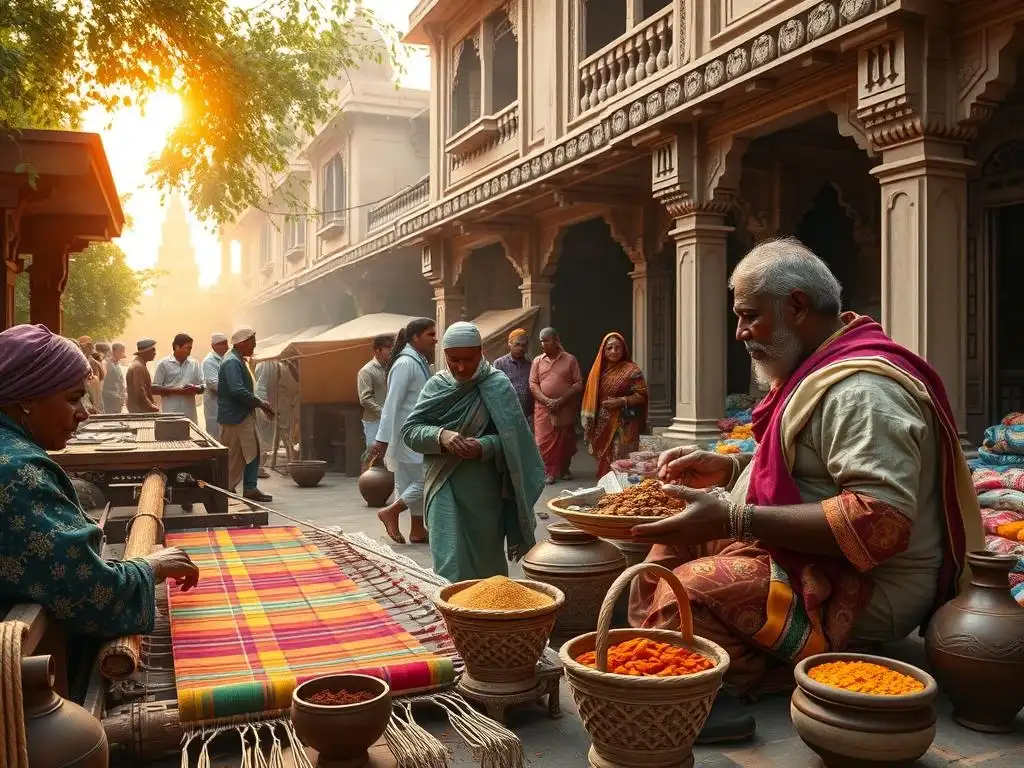
Welcome to Ancient India History, where we embark on a fascinating journey through the rich tapestry of India's past! In our exploration today, we delve into the cultural significance of ancient Indian trade, uncovering how trade goods not only fueled the economy but also shaped the very fabric of society. What secrets do these trade routes hold, and how did they influence the diverse cultures that thrived in ancient India? Join us as we unravel these intriguing connections and invite you to discover the profound impact of trade on our shared heritage. Your adventure through history starts here!
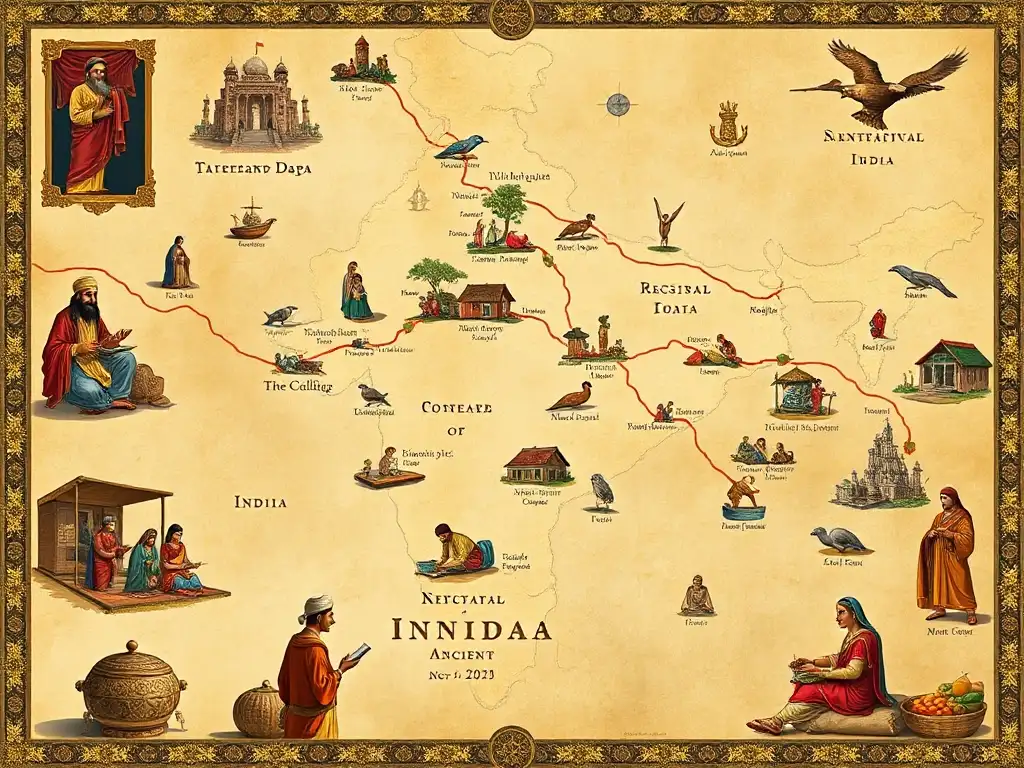
Introduction to Ancient Indian Trade
The cultural significance of ancient Indian trade extends far beyond mere economic transactions; it encapsulates the very essence of how ancient civilizations interacted, evolved, and flourished. From the bustling markets of the Indus Valley Civilization to the vibrant trade routes established during the Gupta Empire, trade goods served as vital conduits of cultural exchange, influencing everything from art and religion to social structures and daily life.
As we explore the intricate tapestry of trade practices in ancient India, we uncover how these exchanges not only facilitated economic prosperity but also fostered a rich cultural dialogue that shaped the identity of civilizations.
Overview of Trade in Ancient India
Trade in ancient India was characterized by a diverse array of goods and an extensive network of routes, both overland and maritime. Key trade hubs emerged in strategic locations, such as:
- Indus Valley Cities: Harappa and Mohenjo-Daro were known for their sophisticated urban planning and trade with Mesopotamia.
- Silk Route: This critical overland route connected India to the West, allowing for the exchange of silk, spices, and precious stones.
- Maritime Trade: Coastal cities like Lothal thrived on trade with Southeast Asia and beyond, exporting textiles and importing exotic goods.
Goods traded included:
- Spices: Essential for culinary and medicinal purposes.
- Textiles: Renowned Indian cotton and silk fabrics attracted global demand.
- Metals and Precious Stones: Gold, silver, and gemstones were highly sought after.
The interconnection between trade and culture was evident as these goods traveled, carrying stories, beliefs, and practices that transcended geographical boundaries.
Importance of Trade Goods in Cultural Exchange
Trade goods were not merely commodities; they were carriers of culture. The flow of these items facilitated cultural exchange in several ways:
- Artistic Influence: The exchange of goods led to the diffusion of artistic styles and techniques. For instance, the introduction of Persian motifs in Indian art during trade interactions enriched local craftsmanship.
- Religious Ideas: Religious artifacts exchanged through trade contributed to the spread of philosophies and spiritual practices, such as Buddhism and Hinduism, influencing regional belief systems.
- Language and Literature: Trade interactions fostered the exchange of languages and literary traditions, enriching the linguistic landscape of the subcontinent.
These dynamics highlight the intrinsic link between trade and the cultural fabric of ancient India.
Understanding the Cultural Significance of Ancient Indian Trade
Defining Cultural Significance in the Context of Trade
In order to appreciate the cultural significance of ancient Indian trade, it is crucial to define what we mean by "cultural significance." It encompasses the ways in which trade goods and practices influenced:
- Social Structures: The emergence of merchant classes and their role in society.
- Cultural Narratives: The stories and myths surrounding trade goods, shaping identity and heritage.
- Culinary Practices: The introduction of new ingredients and cooking methods, transforming local cuisines.
Understanding these dimensions allows us to see trade as a transformative force in shaping the cultural landscape of ancient India.
The Role of Trade Goods in Shaping Cultural Identity
Trade goods played a pivotal role in shaping cultural identity across various ancient Indian civilizations. Specific examples include:
- Textiles: The production of unique textiles like Kanchipuram silk and Banarasi sarees became emblematic of regional identities, influencing fashion and social status.
- Spices: The use of spices in cuisine not only enhanced flavors but also fostered a sense of community and belonging through shared culinary traditions.
- Artifacts: Objects such as pottery, sculptures, and jewelry found in trade contexts reveal the values, beliefs, and aesthetics of different cultures, serving as tangible connections to the past.
The cultural significance of ancient Indian trade extends beyond economic implications; it reflects the complex interplay of goods, ideas, and identities that shaped the subcontinent's rich historical tapestry.
Major Trade Goods of Ancient India
Ancient India was a hub of trade, evidenced by its vast array of goods that were highly sought after both domestically and internationally. The cultural significance of these trade goods transcended mere economic value; they played a vital role in shaping social identities, artistic expressions, and intercultural interactions. Key trade goods included textiles, spices, precious metals and stones, and everyday household items, each contributing uniquely to the cultural tapestry of the time.
Textiles and Their Cultural Impact
Textiles were among the most significant trade goods in ancient India, renowned for their quality and diversity. Indian cotton and silk fabrics were highly prized across trade networks, with regions like Gujarat and Tamil Nadu becoming famous for their weaving techniques. The cultural impact of textiles extended beyond their utility; they served as symbols of status, regional identity, and cultural heritage.
The intricate patterns and motifs often reflected local traditions and beliefs. For example, the use of natural dyes and designs in textiles from Varanasi represented the spiritual ethos of the region. Furthermore, textiles facilitated cultural exchanges, as they were often adorned with elements from different traditions, fostering a blend of artistic styles that enriched Indian culture.
Spices and Their Role in Global Trade Networks
Spices were a cornerstone of ancient Indian trade, not only for their culinary uses but also for their medicinal properties and preservation capabilities. India was the world's leading supplier of spices like black pepper, cardamom, and turmeric, making it a crucial player in global trade networks. These spices were highly sought after in markets as far as Rome and China, leading to significant cultural exchanges.
The allure of Indian spices sparked interest among foreign traders and explorers, contributing to the establishment of trade routes such as the Silk Road and maritime paths connecting India to Southeast Asia and beyond. The demand for these spices also influenced social structures, as merchants and traders gained prominence, creating a new class that contributed to the economic and cultural dynamism of ancient India.
Precious Metals and Stones: Symbols of Wealth and Status
Precious metals and stones held immense cultural significance in ancient India, functioning as symbols of wealth, power, and divine favor. Gold and silver were not only used for currency but also crafted into intricate jewelry and religious artifacts, showcasing the artistry of Indian craftsmen. Gemstones like diamonds, rubies, and emeralds, often sourced from local mines, were highly coveted both within and outside India.
These materials were integral to religious and royal ceremonies, signifying the status of the elite. The craftsmanship involved in creating jewelry also reflected the cultural values of the society, emphasizing beauty, spirituality, and social hierarchy. Thus, precious metals and stones played a dual role as economic assets and cultural identifiers.
Everyday Goods: Pottery and Household Items
Everyday goods, including pottery and household items, were essential components of ancient trade, serving practical needs while also reflecting cultural practices. Pottery from different regions displayed unique designs and functions, often used for storage, cooking, and religious rituals. The styles and techniques of pottery varied widely across India, influenced by local resources and cultural traditions.
These goods provided insights into daily life and social structures, as they were often traded in local markets or exchanged in larger trade networks. The decorative elements on pottery could convey stories, beliefs, or social status, making them not just functional but also culturally significant artifacts that linked people to their heritage and community.
Trade Routes and Cultural Interactions
Trade routes in ancient India were not merely arteries for commerce; they were vital corridors of cultural interaction and exchange. The movement of goods facilitated the blending of ideas, customs, and artistic expressions, deeply influencing the cultural landscape of the region.
Key Trade Routes of Ancient India
Several key trade routes traversed ancient India, connecting it to various regions and civilizations. The Silk Road, for instance, linked India with Central Asia and China, while maritime routes connected it with Southeast Asia and the Arabian Peninsula. The overland routes facilitated the exchange of not only goods but also cultural practices, languages, and technologies.
These routes were well-established and strategically important, with cities like Taxila, Ujjain, and Pataliputra emerging as bustling trade centers. The infrastructure supporting these routes included caravanserais for travelers and markets for merchants, reflecting the organized nature of trade in ancient India.
Cross-Cultural Exchanges Along Trade Routes
The cross-cultural exchanges along these trade routes were profound, as they allowed for the mingling of diverse traditions and practices. Traders from different regions brought their customs, beliefs, and art forms, enriching the cultural fabric of Indian society. For example, the introduction of Buddhism from India to Central Asia and beyond was facilitated by these trade networks, leading to the establishment of cultural and religious ties.
Moreover, the exchange of art, literature, and technology was common. Indian mathematical concepts, medicinal practices, and artistic techniques traveled along these routes, influencing neighboring civilizations and fostering a shared cultural heritage.
The Influence of Trade on Local Cultures and Practices
Trade significantly influenced local cultures and practices in ancient India, shaping social norms, lifestyles, and artistic expressions. The influx of foreign goods often led to the adoption of new customs and culinary practices, enriching local traditions. For instance, the introduction of new spices and cooking methods transformed regional cuisines, making them more diverse and elaborate.
Additionally, the wealth generated from trade allowed local artisans to flourish, leading to advancements in crafts such as metallurgy, weaving, and pottery. The cultural significance of trade goods thus extended beyond mere economic transactions; they were instrumental in fostering innovation, creativity, and cultural exchange, leaving an indelible mark on the history of ancient India.
The Economic Framework Supporting Trade
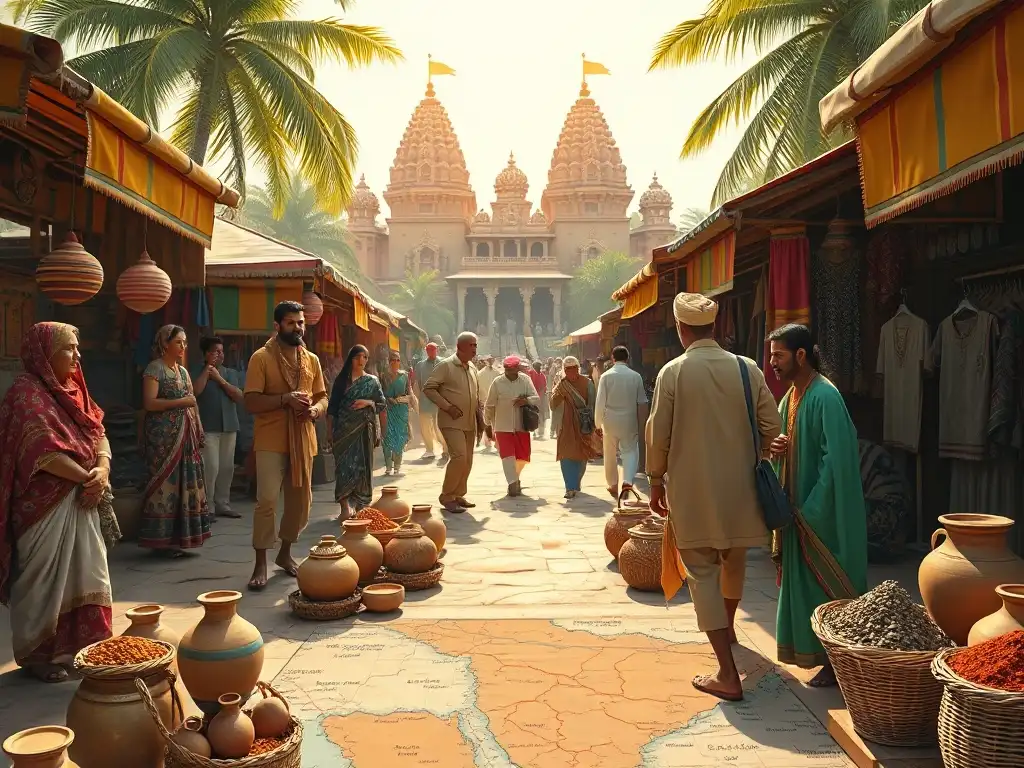
The economic framework of ancient India was intricately designed to support a thriving trade network that not only facilitated commerce but also fostered cultural exchange. This framework was characterized by a series of structured systems, including agriculture, handicrafts, and metallurgy, which provided the necessary goods for trade. The interconnectedness of various regions allowed for a diverse array of products to circulate, leading to a rich tapestry of cultural interactions.
Ancient Indian trade routes, both overland and maritime, were vital in linking various civilizations, such as those in Mesopotamia and the Roman Empire, with Indian producers. This economic structure was not merely transactional; it also embodied social and cultural dimensions that influenced the societies involved. The economic practices of the time were underpinned by a complex understanding of value, labor, and resource allocation, allowing ancient Indians to engage in trade that was both profitable and culturally significant.
Ancient Indian Economic Systems and Trade Practices
Ancient India boasted a diverse array of economic systems, including agrarian economies, artisanal craft production, and trade-based practices. The agrarian system was foundational, with surplus production enabling communities to engage in trade. Key products included grains, textiles, and metalwork. Artisans crafted goods that were not only functional but also held aesthetic value, which was particularly important in trade as cultural significance often enhanced the desirability of these items.
Trade practices were further defined by the establishment of trade routes and marketplaces, which became hubs of cultural exchange. The use of barter was common, but as trade expanded, the need for standardized measures and values led to the introduction of currency. This evolution allowed for more sophisticated trading practices, enabling merchants to engage easily in regional and international commerce.
The Role of Guilds and Merchants in Cultural Exchange
Guilds played a crucial role in the ancient Indian economy, acting as associations of merchants and artisans who regulated trade practices and maintained standards. These guilds not only facilitated economic transactions but also served as cultural institutions, fostering a sense of community among traders and craftsmen. They provided a platform for sharing knowledge, skills, and cultural practices, which were essential in shaping the identity of various trade goods.
Merchants, as key players in the trade network, were often the bearers of cultural exchange. They traveled extensively, not only transporting goods but also ideas, languages, and traditions. This movement contributed to the diffusion of cultural practices across regions, highlighting the interconnectedness of trade and culture in ancient India. The relationships formed through trade often transcended mere economic transactions, leading to deeper cultural ties between different communities.
Currency and Its Cultural Implications in Trade
The introduction of currency in ancient India marked a significant shift in trade practices and had profound cultural implications. Initially, barter systems dominated, but as trade grew more complex, coins emerged as a standardized medium of exchange. This allowed for more fluid transactions and greater economic interaction between diverse regions.
Coins were often inscribed with symbols and images that held cultural significance, reflecting the values and beliefs of the societies that produced them. For instance, certain coins depicted deities or motifs related to local customs, thereby serving as cultural artifacts in their own right. The use of currency not only enhanced trade efficiency but also became a vehicle for cultural expression, showcasing the rich heritage of ancient Indian civilizations.
Case Studies of Trade Goods and Their Cultural Impact
The Silk Trade: A Cultural and Economic Exchange
The Silk Trade was one of the most significant trade routes linking ancient India with Central Asia and beyond. Indian silk was highly sought after for its quality and intricate designs, making it a valuable commodity. The exchange of silk not only enriched the economy but also facilitated cultural interactions between diverse civilizations.
As silk traversed these routes, it carried with it artistic traditions and techniques that influenced textile production across regions. The cultural significance of silk in ancient India can also be seen in its representation in art and literature, symbolizing luxury and sophistication. This trade not only bolstered the economy but also played a pivotal role in cultural diplomacy, establishing relationships between Indian kingdoms and foreign powers.
The Spices Trade: Culinary Impact on Ancient Civilizations
The spices trade was another cornerstone of ancient Indian commerce, significantly impacting culinary practices far beyond its borders. India was renowned for its variety of spices, such as black pepper, cardamom, and cinnamon, which were highly coveted in international markets. The trade of these spices not only enhanced the flavors of cuisines but also had medicinal and preservative properties that were valued in various cultures.
The economic implications of this trade were enormous, as spices became a major export, driving trade routes across the Indian Ocean and into Europe. Culturally, the exchange of spices facilitated interactions between different societies, leading to the blending of culinary practices and the introduction of new flavors and techniques. This culinary exchange has left a lasting legacy, influencing global cuisine even today.
The Influence of Trade on Religion and Philosophy
Trade in ancient India was not solely an economic endeavor; it also played a significant role in the dissemination of religious and philosophical ideas. As merchants traveled along trade routes, they carried with them not only goods but also beliefs and practices. This exchange was particularly evident in the spread of Buddhism and Jainism, which gained traction as traders shared their philosophies with distant lands.
The intermingling of cultures through trade allowed for the adaptation and reinterpretation of religious ideas, leading to a rich dialogue between different faiths. The cultural significance of this exchange is profound, as it contributed to the evolution of thought and belief systems, ensuring that ancient Indian philosophies had a far-reaching impact on societies across Asia. This interplay between trade and culture underscores the importance of economic practices in shaping the spiritual landscape of ancient civilizations.
Conclusion
The cultural significance of ancient Indian trade extends far beyond mere economic transactions; it encapsulates the very essence of social interaction, cultural exchange, and the diffusion of ideas. Through trade, ancient Indian civilizations established intricate networks that connected diverse regions, facilitating not only the movement of goods but also the sharing of customs, beliefs, and art forms. The evolution of trade practices in India has left an indelible mark on its cultural heritage, shaping the identities of communities and influencing future generations.
Recap of the Cultural Significance of Trade Goods
Trade goods in ancient India were pivotal in shaping the cultural landscape of the time. From textiles and spices to metals and gemstones, these commodities were not just items of commerce but also carriers of cultural exchange. Each trade item represented a connection to different regions, showcasing the diversity of craftsmanship, techniques, and traditions. For instance, the export of Indian textiles introduced foreign cultures to intricate weaving patterns and dyeing techniques, while the trade of spices highlighted the culinary richness and agricultural practices of the subcontinent.
Moreover, the interactions fostered by trade led to the mingling of various cultural influences, which can still be observed in contemporary Indian art, architecture, and cuisine. The trade routes, such as the Silk Road and maritime paths, served as conduits for not only goods but also philosophies, religions, and innovations that enriched Indian civilization.
The Legacy of Ancient Indian Trade in Modern Culture
The legacy of ancient Indian trade continues to resonate in modern culture, influencing everything from economic practices to artistic expressions. Many contemporary Indian crafts, such as handloom textiles and traditional pottery, can trace their origins back to ancient trade practices, demonstrating the enduring nature of these skills. Furthermore, the global demand for Indian spices and textiles has persisted, showcasing the lasting appeal of these goods.
In addition, the cross-cultural exchanges initiated through trade have contributed significantly to the pluralistic nature of Indian society. The amalgamation of various cultural elements has fostered a rich tapestry of traditions, festivals, and artistic expressions, which are celebrated and preserved in modern times. The impact of ancient trade is visible in the contemporary socio-economic landscape, where India continues to be a vital player in international trade.
References
Suggested Further Reading on Ancient Indian Trade Practices
- "Trade and Traders in Ancient India" - This book delves into the various trade routes and practices that characterized ancient Indian commerce, offering insights into the economic systems in place during that era.
- "The Spice Trade of the Roman Empire" - It provides a broader context of how Indian spices influenced trade dynamics globally, including their significance in ancient Roman society.
- "Merchants and Trade in Ancient India" - This publication focuses on the roles that merchants played in ancient Indian society and how trade practices evolved over time.
Academic Sources on Cultural Significance in Trade
- "Cultural Exchange in Ancient India: A Study of Trade Routes": - This academic article explores the impact of trade routes on cultural interactions and the dissemination of ideas in ancient India.
- "The Role of Trade in Shaping Indian Civilization" - This comprehensive study investigates how trade influenced social structures, economic practices, and cultural exchanges in historical contexts.
- "Artifacts and Cultural Identity in Ancient Indian Trade" - This research paper examines the relationship between trade goods and cultural identity, highlighting how specific artifacts reflect the socio-cultural fabric of ancient Indian societies.
- Introduction to Ancient Indian Trade
- Understanding the Cultural Significance of Ancient Indian Trade
- Major Trade Goods of Ancient India
- Trade Routes and Cultural Interactions
- The Economic Framework Supporting Trade
- Case Studies of Trade Goods and Their Cultural Impact
- Conclusion
- References
Frequently Asked Questions
What were the main trade goods in ancient India?
Ancient India was known for its spices, textiles, and precious stones. These goods were highly sought after and contributed significantly to economic prosperity.
How did trade influence ancient Indian culture?
Trade facilitated cultural exchange, introducing new ideas, religions, and technologies. This interaction enriched the social fabric and artistic expressions of ancient Indian civilizations.
What role did the Indus Valley play in ancient trade?
The Indus Valley Civilization was a key player in trade, known for its advanced urban planning and commercial networks. Its cities, like Harappa and Mohenjo-Daro, were pivotal for trade routes connecting to Mesopotamia.
How did trade impact the Gupta Empire?
During the Gupta Empire, trade flourished, leading to economic stability and cultural advancements. The exchange of goods and ideas during this period contributed to significant developments in science and philosophy.
What was the significance of trade routes in ancient India?
Trade routes, such as the Silk Road, were vital for connecting ancient India with other civilizations. They facilitated the movement of goods, ideas, and cultures, enhancing the global influence of Indian societies.
Final Reflection: The Enduring Legacy of Ancient Indian Trade
The cultural significance of ancient Indian trade resonates profoundly in today's interconnected world, where the exchange of goods transcends borders and fosters relationships. The intricate networks established by ancient traders not only facilitated commerce but also served as conduits for cultural exchange, shaping societies and influencing civilizations across continents. This historical legacy reminds us that trade is not merely an economic activity; it is a powerful force that can unite diverse cultures and promote mutual understanding.
The impact of ancient Indian trade continues to echo through our cultural and social landscapes, as we witness the blending of traditions and ideas that originated from these early exchanges. The rich tapestry of Indian culture, woven with threads of influence from various regions, speaks to the importance of trade in shaping identities. As Mahatma Gandhi once said, A nation's greatness is measured by how it treats its weakest members.
This sentiment underscores the idea that trade can uplift communities, fostering a sense of shared humanity and interconnectedness that remains vital in our global society today.
As we reflect on the lessons from the cultural significance of ancient Indian trade, let us embrace the spirit of collaboration and openness in our own lives. Consider how you can contribute to the exchange of ideas and cultures in your community, fostering connections that celebrate diversity and promote understanding. In a world that often feels divided, let us take inspiration from the past and strive to build bridges through trade, dialogue, and shared experiences, ensuring that the legacy of ancient Indian trade continues to inspire future generations.
Unveil the Rich History of Trade Goods!
Thank you for diving into the fascinating world of trade goods in Ancient India! By exploring this vibrant aspect of history, you've uncovered the intricate relationships between culture, commerce, and society. Now, it’s time to take the next step in your journey of discovery.
Here are some practical suggestions to enrich your understanding and deepen your connection with this topic:
- Join a local or online historical society to engage in discussions about ancient trade practices and artifacts.
- Visit museums or exhibitions showcasing ancient trade goods and their cultural significance, and share your experiences with friends or on social media.
- Consider starting a blog or journal to document your thoughts and findings related to ancient Indian trade—who knows, you might inspire someone else!
What unique trade good or cultural exchange from ancient times do you find most intriguing, and why? We invite you to share your thoughts below!