
Economic Resilience: How Ancient India Weathered Crises


Welcome to Ancient India History, where we embark on a fascinating journey through the vibrant tapestry of India’s past. In our featured article, “Economic Resilience: How Ancient India Weathered Crises,” we delve into the remarkable story of how ancient Indian civilizations navigated challenges and thrived against the odds.
Discover the innovative trade practices and adaptive strategies that not only sustained their economies but also left a lasting legacy on the subcontinent. Join us as we unravel the secrets of ancient India’s economic resilience and inspire your curiosity to explore the rich cultural heritage that shaped one of the world’s most enduring civilizations.
- Economic Resilience in Ancient India: An Overview
- Historical Context of Ancient India’s Economy
- Key Factors Contributing to Economic Resilience
- Case Studies of Economic Resilience in Ancient India
- Economic Challenges Faced by Ancient India
- Lessons from Ancient India’s Economic Resilience
- Conclusion: The Legacy of Ancient India's Economic Resilience
-
Frequently Asked Questions
- What is the significance of economic resilience in ancient India?
- How did ancient Indian civilizations contribute to economic resilience?
- Can you name some key periods that showcased economic resilience in ancient India?
- What role did trade play in ancient India's economic resilience?
- How did ancient Indian cultures influence their economic resilience?
- Final Reflection: Embracing the Lessons of Ancient India's Economic Resilience
- Unleash the Power of Economic Wisdom!
Economic Resilience in Ancient India: An Overview
Economic resilience in ancient India is a fascinating topic that sheds light on how the various civilizations that flourished in this region managed to navigate and overcome economic challenges throughout their histories. From the early urban centers of the Indus Valley Civilization to the prosperous realms of the Gupta Empire, ancient India exhibited remarkable adaptability and resourcefulness in the face of crises.
This resilience was not merely a function of geographical advantages or abundant resources; rather, it stemmed from sophisticated economic practices, social structures, and a deep understanding of trade dynamics that allowed these societies to thrive even during tumultuous times.
As we delve into the intricate tapestry of ancient India's economy, we will explore the various factors that contributed to its resilience. By examining the strategies employed to mitigate the impact of natural disasters, invasions, and shifts in trade routes, we can gain valuable insights into the economic systems that underpinned these civilizations. Understanding how ancient India weathered crises provides a broader perspective on historical economic practices and their relevance in today's context.
Understanding Economic Resilience
Economic resilience refers to the ability of a society to withstand, adapt to, and recover from economic shocks and stresses. In the context of ancient India, several key elements contributed to this resilience:
- Diverse Economic Activities: Ancient Indian economies were characterized by a mix of agriculture, trade, and craftsmanship. This diversity allowed communities to rely on various sources of income, reducing their vulnerability to specific economic downturns.
- Trade Networks: The establishment of extensive trade routes, both inland and maritime, facilitated the exchange of goods and resources. This interconnectedness not only boosted local economies but also provided access to essential commodities during times of scarcity.
- Innovative Agricultural Practices: The adoption of advanced agricultural techniques, such as crop rotation and irrigation, played a crucial role in ensuring food security. This agricultural resilience was vital for sustaining populations during periods of drought or famine.
- Cultural Adaptability: The ability of ancient Indian societies to adapt culturally and economically in response to external pressures was pivotal. The integration of various cultural influences often led to the development of new economic practices and trade relationships.
Importance of Economic Resilience in Ancient Civilizations
The significance of economic resilience cannot be overstated when examining ancient civilizations. For ancient India, several critical aspects highlight its importance:
- Sustaining Population Growth: Economic resilience enabled the sustenance of growing populations, ensuring that food, resources, and employment opportunities were available even during challenging times.
- Cultural Flourishing: A stable economy allowed for the flourishing of arts, literature, and philosophy. The patronage of scholars and artists was often a product of economic stability, leading to a rich cultural heritage that has influenced generations.
- Political Stability: Resilient economies contributed to political stability by reducing the likelihood of civil unrest caused by economic hardship. This stability, in turn, fostered an environment conducive to governance and social cohesion.
- Historical Legacy: The economic practices developed in ancient India laid the groundwork for future economic systems. Understanding these practices not only enriches our knowledge of history but also provides lessons applicable to contemporary economic challenges.
Ancient India's economic resilience was a multifaceted phenomenon that played a crucial role in shaping its civilizations. By examining the underlying factors and their implications, we can appreciate the depth of ancient Indian economic practices and their relevance to modern economic discussions.
Historical Context of Ancient India’s Economy
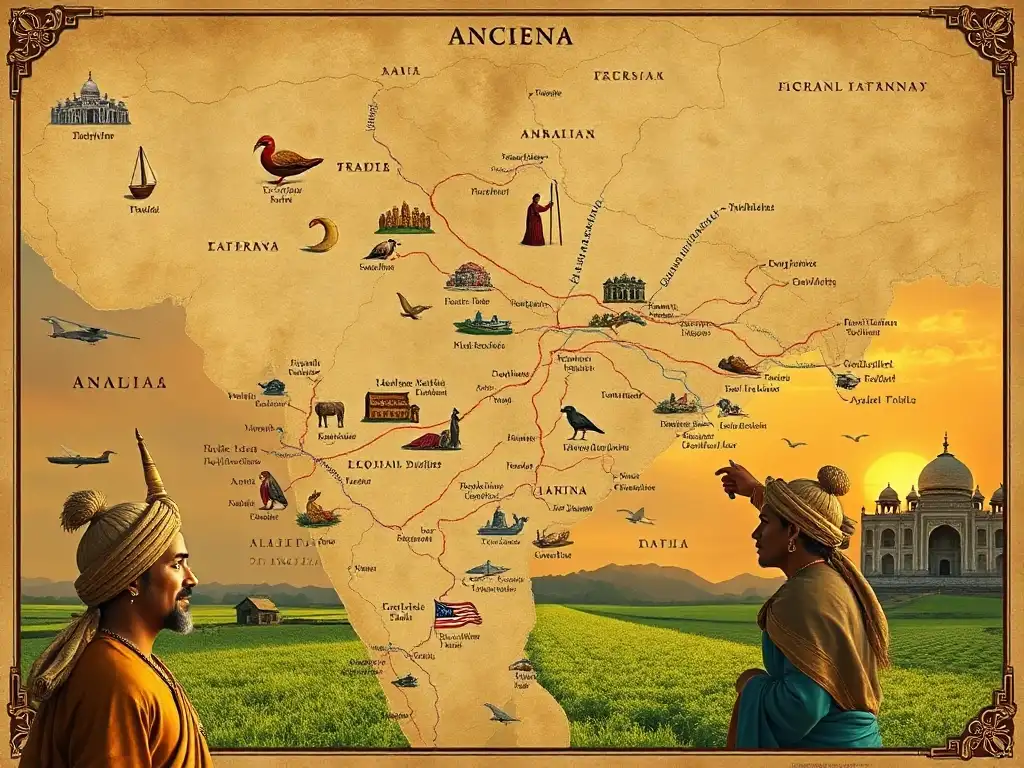
The Indus Valley Civilization: Foundations of Economic Practices
The Indus Valley Civilization (IVC), flourishing from approximately 3300 to 1300 BCE, laid the groundwork for economic practices in ancient India. This civilization is characterized by its sophisticated urban planning, advanced drainage systems, and standardized weights and measures, which indicate a highly organized economy.
Key Features of the Indus Valley Economy:
- Agriculture: The fertile plains of the Indus River supported agriculture, with wheat, barley, and cotton being primary crops. The IVC utilized advanced irrigation methods, which significantly boosted agricultural productivity.
- Trade Networks: The IVC established extensive trade networks, both internally and with other civilizations, notably Mesopotamia. Artifacts such as seals, pottery, and beads indicate the exchange of goods like textiles and metalwork.
- Craftsmanship: The civilization was renowned for its craftsmanship, producing high-quality pottery, jewelry, and tools. This artisanal production was crucial for both local consumption and trade.
The economic resilience of the Indus Valley Civilization can be attributed to its ability to adapt to environmental changes, such as shifts in river patterns and climate, which influenced agricultural productivity and trade routes.
The Vedic Period: Agricultural Innovations and Trade Systems
Following the decline of the Indus Valley Civilization, the Vedic Period (circa 1500 to 500 BCE) emerged, marked by significant developments in agriculture and trade. This era saw the transition from a predominantly urban economy to one that emphasized agrarian practices and pastoralism.
Agricultural Innovations:
- Iron Plough: The introduction of iron tools, particularly the plough, revolutionized agriculture. It allowed for the cultivation of previously uncultivated land, thus increasing food production.
- Crop Diversification: The Vedic texts mention diverse crops, including rice, millet, and legumes, fostering food security and resilience against famine.
Trade Systems:
- Barter Economy: The Vedic economy relied on barter systems for trade, where goods were exchanged without a standardized currency. Livestock, grain, and textiles were commonly traded commodities.
- Regional Trade: Increased interactions between different tribes and regions led to the establishment of trade routes that facilitated the exchange of goods and cultural practices.
The economic resilience during the Vedic Period was primarily due to advancements in agriculture, which supported population growth and urbanization, enabling societies to withstand periods of crisis.
The Maurya Empire: Centralized Economic Policies
The Maurya Empire (322 to 185 BCE) marked a significant evolution in the economic landscape of ancient India, characterized by strong centralized governance and innovative economic policies.
Centralized Economic Policies:
- State Control: The Mauryan rulers, particularly Chandragupta Maurya and Ashoka, implemented state control over key economic activities, including trade and taxation. This centralization helped stabilize the economy and ensured the efficient collection of taxes.
- Infrastructure Development: The empire invested in infrastructure, such as roads and irrigation systems, which enhanced trade connectivity and agricultural productivity. The Grand Trunk Road is a notable example that facilitated trade across vast distances.
Trade Expansion:
- International Trade: The Maurya Empire established trade routes that extended beyond India, reaching regions as far as the Mediterranean and Southeast Asia. This expansion allowed for the exchange of silk, spices, and precious stones.
- Market Regulation: The state regulated markets to prevent monopolies and ensure fair pricing, fostering a healthy economic environment where trade could thrive.
The economic resilience of the Maurya Empire was a result of its strategic governance and infrastructure investments, which allowed it to navigate through crises, such as invasions and natural disasters, while maintaining a robust economy.
Ancient India’s economic resilience evolved through various stages, from the agricultural foundations of the Indus Valley Civilization, through the innovations of the Vedic Period, to the centralized policies of the Maurya Empire. Each era contributed uniquely to the adaptability and strength of ancient Indian economies in the face of challenges.
Key Factors Contributing to Economic Resilience

Diversification of Economic Activities
The economic resilience of ancient India can be attributed significantly to the diversification of its economic activities. This multifaceted approach allowed the civilization to withstand various crises, be they environmental, social, or political. By not relying solely on a single source of income or production, ancient Indian societies created a robust economic framework that could adapt to changing circumstances.
Agriculture: The Backbone of Ancient Indian Economy
Agriculture was undeniably the backbone of the ancient Indian economy, contributing significantly to food security and trade. The fertile plains of the Indus Valley, along with the Ganges and other rivers, provided ideal conditions for growing various crops, including wheat, rice, and pulses.
- Crop Rotation and Diversity: Farmers practiced crop rotation, which not only maximized yield but also improved soil fertility. The cultivation of multiple crops ensured that, even in the event of crop failure due to pests or unfavorable weather, alternate food sources were available.
- Irrigation Techniques: Advanced irrigation techniques, such as canals and wells, were developed to address water scarcity during dry spells. This investment in infrastructure allowed for sustained agricultural productivity, which was essential during periods of drought.
Trade and Commerce: Internal and External Networks
Ancient India was a hub of trade and commerce, characterized by a complex network of internal and external trade routes. This vast trading system contributed to economic resilience by facilitating the exchange of goods, ideas, and cultural practices.
- Internal Trade: The establishment of markets and trade fairs within city-states encouraged local commerce. Products such as textiles, spices, and metalwork were exchanged, creating a vibrant economy that thrived even during localized turmoil.
- External Trade: The maritime routes to Southeast Asia and the overland Silk Road connected India to global markets. The exchange of luxury goods like silk, gemstones, and spices not only brought wealth but also fostered diplomatic relationships with other civilizations, enhancing economic stability.
Adaptability to Environmental Changes
Adaptability to environmental changes played a crucial role in ancient India’s economic resilience. The ability to respond effectively to climatic challenges and resource fluctuations ensured the survival and prosperity of its civilizations.
Climate Variability and Agricultural Practices
Ancient Indian societies faced significant climate variability, including monsoon fluctuations that directly impacted agricultural output. To mitigate these risks, they developed several adaptive strategies:
- Seasonal Crop Selection: Farmers selected crops based on seasonal weather patterns, planting drought-resistant varieties during uncertain weather periods. This flexibility helped maintain food supply stability.
- Storage and Preservation: Techniques for storing grains safely for long periods, such as the use of granaries and pottery, minimized losses during lean seasons. The ability to store surplus grain contributed to resilience during periods of famine or drought.
Resource Management Strategies
Effective resource management strategies were vital for sustaining the economy amidst environmental challenges. Ancient Indians exhibited remarkable foresight in managing their natural resources.
- Sustainable Practices: The use of organic fertilizers and traditional farming techniques demonstrated an understanding of ecological balance. These practices ensured long-term productivity while preserving soil health.
- Water Conservation: The construction of step wells, water tanks, and reservoirs reflected a sophisticated approach to water management. Such infrastructure was critical during periods of water scarcity, allowing communities to remain resilient in the face of changing environmental conditions.
The ancient Indian civilization's economic resilience was rooted in the diversification of economic activities, adaptability to environmental changes, and effective resource management strategies. This multifaceted approach not only sustained the economy during crises but also laid the groundwork for future generations.
Case Studies of Economic Resilience in Ancient India
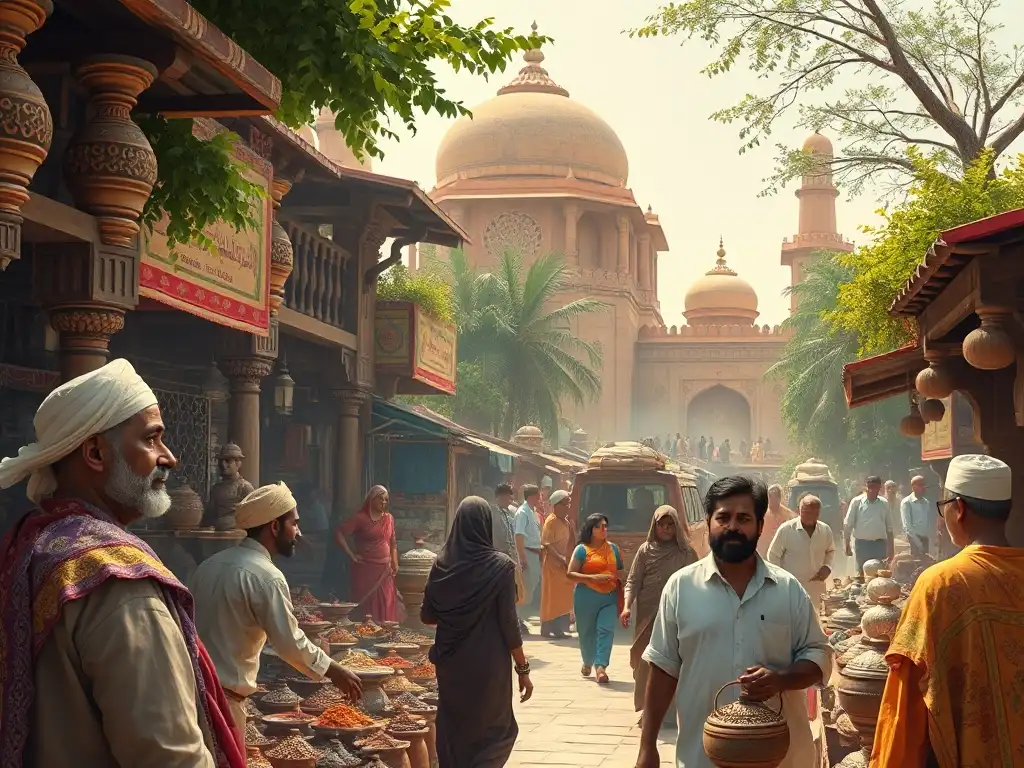
The Gupta Empire: Prosperity through Trade and Innovation
The Gupta Empire, often referred to as the Golden Age of India, was marked by significant economic resilience and prosperity from approximately 320 to 550 CE. This period was characterized by substantial advancements in trade, agriculture, and crafts, which collectively contributed to the empire's economic stability.
- Trade Networks: The Gupta Empire established extensive trade networks that connected India with regions as far as Southeast Asia, the Middle East, and even the Mediterranean. This trade facilitated the exchange of goods such as spices, textiles, and precious stones, which were highly valued in foreign markets. The flourishing trade routes not only brought wealth but also promoted cultural exchanges that enriched the empire.
- Innovative Agricultural Practices: Agricultural productivity saw remarkable improvements during this period. The introduction of advanced irrigation techniques, crop rotation, and the cultivation of cash crops allowed for surplus production. This surplus not only supported a growing population but also provided the necessary resources for trade.
- Currency Standardization: The Gupta rulers standardized currency, which simplified trade transactions and enhanced economic efficiency. The introduction of gold coins, known as dinars, facilitated commerce and further integrated local economies into a broader market system.
The combination of these factors showcases how the Gupta Empire exemplified ancient India economic resilience through a well-organized trade system and innovative agricultural practices, creating a robust economy that could withstand various challenges.
The Role of Guilds and Craftsmen in Economic Stability
Guilds played a pivotal role in maintaining economic stability in ancient India, particularly during the medieval periods when urban trade flourished. These organizations were instrumental in regulating industries, ensuring quality control, and providing a support network for craftsmen and merchants.
- Organized Labor: Guilds were composed of skilled artisans and traders who worked together to protect their interests. By organizing labor, they ensured that skilled craftsmen could maintain standards of quality and craftsmanship, which was essential for consumer trust and market stability.
- Market Regulation: Guilds often set prices for goods and services, creating a stable market environment. Through this regulation, they could prevent price wars and maintain fair wages for laborers, which contributed to overall economic health.
- Social Security: Beyond their economic functions, guilds provided social security for their members. They offered support during times of illness, loss, or economic hardship, which helped to maintain a sense of community and stability among craftsmen and traders.
The activities of these guilds underscore the interconnectedness of social and economic factors in ancient India, demonstrating how organized labor and community support contributed to economic resilience in the face of various challenges.
Urban Centers: Economic Hubs during Ancient Times
Urban centers in ancient India were crucial to the economic landscape, acting as vibrant hubs of trade, culture, and innovation. These cities were strategically located along trade routes and served as focal points for the exchange of goods, ideas, and technologies.
- Key Urban Centers: Prominent cities such as Pataliputra, Ujjain, and Taxila emerged as significant economic powerhouses. Each city specialized in different sectors, including textiles, metallurgy, and commerce, attracting traders and craftsmen from various regions.
- Infrastructure Development: The growth of urban centers was accompanied by significant infrastructure development. Well-planned streets, marketplaces, and warehouses facilitated efficient trade practices. The establishment of marketplaces, or "mandis," allowed for the aggregation of goods, providing a structured environment for transactions.
- Cultural Exchange: These urban centers also served as melting pots of culture and innovation. The confluence of diverse peoples and ideas led to advancements in sciences, mathematics, and the arts, further enhancing the economic landscape. This cultural flourishing attracted scholars and traders, reinforcing the cities' roles as economic hubs.
Urban centers were more than just geographical locations; they were dynamic ecosystems that fostered ancient India economic resilience through trade, innovation, and cultural exchange, highlighting the integral role of cities in sustaining and enhancing the economy during ancient times.
Economic Challenges Faced by Ancient India

Invasions and Their Impact on the Economy
Throughout its history, ancient India faced numerous invasions that significantly impacted its economy. These invasions, primarily by various foreign powers, disrupted trade routes, led to the plundering of wealth, and caused widespread devastation in agricultural areas.
- The Persian Invasions (6th century BCE): The incursions by Persian empires introduced significant political instability. The satrapies established by the Persians disrupted local governance, leading to economic disarray. However, these invasions also facilitated the introduction of coinage, altering trade dynamics.
- The Alexander Campaign (326 BCE): While the direct impact of Alexander's invasion was short-lived, it opened up new trade routes between India and the Mediterranean regions, leading to a mix of cultural exchanges. However, local economies suffered during the conflict due to the disruption of agriculture and local trade.
- The Huns and the Decline of the Gupta Empire (5th-6th centuries CE): The invasions by the Huns devastated the agrarian economy of the Gupta Empire. As agricultural productivity declined, the central authority weakened, leading to a breakdown in trade networks and the collapse of urban centers.
The resilience of ancient India’s economy during these invasions can be attributed to several factors, including the adaptability of local populations and the reestablishment of trade routes post-invasion. Additionally, the introduction of new goods and practices often enriched local economies in the long term, demonstrating the complex interplay between crisis and economic innovation.
Natural Disasters and Economic Recovery Mechanisms
Natural disasters, such as floods, droughts, and earthquakes, posed significant challenges to ancient Indian economies. The ability of ancient Indian civilizations to recover from these disasters showcases their economic resilience and innovative recovery mechanisms.
- Floods in the Indus Valley Civilization: Archaeological evidence suggests that the Indus Valley faced periodic flooding that could devastate agricultural lands. However, the civilization developed advanced drainage systems and urban planning that mitigated some impacts. The excavation of sites like Mohenjo-Daro reveals sophisticated water management techniques that helped sustain agricultural productivity.
- Droughts and Agricultural Resilience: The cyclical nature of monsoons often led to droughts, particularly in regions dependent on rain-fed agriculture. Ancient Indians employed crop diversification and resilient agricultural practices to cope with these fluctuations. For instance, the introduction of drought-resistant crop varieties, such as millets, helped sustain food supplies during lean years.
- Community Cooperation and Redistribution: In times of crisis, communities often rallied together to support one another. Mechanisms such as communal granaries allowed for the distribution of food during famines, showcasing a high degree of social resilience. Additionally, trade networks facilitated the movement of goods from surplus to deficit areas, ensuring that resources were available where needed most.
The economic resilience of ancient India in the face of natural disasters illustrates a remarkable adaptability. The combination of innovative agricultural practices, effective resource management, and community solidarity contributed to the long-term sustainability of these ancient economies, allowing them to weather crises and emerge stronger.
Lessons from Ancient India’s Economic Resilience

Ancient India’s economic resilience serves as a profound lesson for modern economies navigating crises. The ability of ancient Indian civilizations to adapt, innovate, and sustain their economies during periods of turmoil is rooted in a combination of strategic practices, cultural values, and strong community ties.
Strategies for Modern Economies
- Diversification of Resources
- Ancient India showcased the importance of diversifying agricultural and trade practices. By cultivating a variety of crops and engaging in trade with different regions, they minimized the risk associated with crop failure or trade disruptions. Modern economies can learn from this by developing varied industries and trade partnerships that buffer against economic shocks.
- Community Support Systems
- The social fabric of ancient Indian societies emphasized mutual support. Guilds and local communities provided a safety net during crises, sharing resources and knowledge. Today's economies might benefit from fostering community-oriented programs that promote collaboration and resource sharing, particularly in times of economic distress.
- Innovation and Adaptation
- Historical records indicate that ancient Indian traders adapted their methods in response to changing market conditions. For instance, the introduction of new trade routes and practices allowed them to maintain economic stability. Modern economies should encourage innovation and flexibility within industries to adapt quickly to new challenges.
- Investment in Infrastructure
- The construction of roads, ports, and irrigation systems facilitated trade and agricultural productivity in ancient India. Investing in modern infrastructure can similarly enhance economic resilience by improving connectivity and accessibility, thereby supporting trade and local economies.
- Cultural Values and Ethical Trade
- Ancient Indian trade was intertwined with cultural norms and ethical practices, such as fairness and integrity in transactions. Emphasizing ethical standards in modern trade can foster trust among consumers and businesses, contributing to a more resilient economic environment.
The Importance of Cultural and Historical Context in Economic Practices
Understanding the cultural and historical context of ancient India is crucial in analyzing its economic resilience. Economic practices were not just a function of material conditions but were deeply influenced by social norms, religious beliefs, and philosophical principles.
- Interconnectedness of Economy and Culture
- The ancient Indian economy was characterized by an intricate relationship between economic activities and cultural practices. Festivals, rituals, and community gatherings often coincided with trade activities, enhancing economic interactions. Recognizing this interconnectedness can help modern economies develop culturally relevant economic policies that resonate with societal values.
- Historical Precedents of Crisis Management
- Ancient texts, such as the Arthashastra, provide insights into crisis management strategies employed by rulers. These strategies included stockpiling resources, regulating prices, and implementing taxation policies that ensured stability. Modern policymakers can draw lessons from these historical precedents to formulate effective economic responses during times of crisis.
- Sustainable Practices Rooted in Tradition
- Many ancient Indian economic practices emphasized sustainability, such as crop rotation and the use of organic fertilizers. By integrating traditional wisdom into contemporary economic practices, modern economies can promote sustainability while enhancing resilience against environmental and economic challenges.
The economic resilience of ancient India offers valuable insights for contemporary societies. By studying the strategies employed by these civilizations and understanding the cultural and historical contexts of their practices, modern economies can cultivate resilience that withstands the test of time.
Conclusion: The Legacy of Ancient India's Economic Resilience

The economic resilience of ancient India serves as a testament to the ingenuity and adaptability of its civilizations. From the sophisticated trade networks established in the Indus Valley to the robust economic systems of the Gupta Empire, ancient India demonstrated a remarkable ability to weather various crises, including natural disasters, invasions, and economic downturns.
Through a combination of strategic agricultural practices, diversified trade routes, and a flexible approach to governance, ancient Indian societies were able to sustain their economies even in the face of adversity. The use of irrigation systems, crop rotation, and the domestication of various animals contributed to agricultural stability, while the establishment of trade links with neighboring regions facilitated the exchange of goods, ideas, and technologies.
Additionally, the impact of philosophical and cultural frameworks — such as the emphasis on dharma (duty) and the interconnectedness of society — played a crucial role in fostering a sense of community resilience. This legacy continues to resonate today, reminding us of the importance of adaptability and cooperation in the face of economic challenges.
Reflections on Ancient India Economic Resilience Today
The lessons learned from ancient India's economic resilience are highly relevant in today's globalized economy. Modern economies can draw parallels to ancient practices, utilizing diversification, sustainability, and community involvement as strategies to navigate crises. For instance, the emphasis on local production and consumption seen in ancient times can be mirrored in contemporary movements advocating for sustainable practices and local economies.
Moreover, the historical understanding of trade routes and economic interactions can inform current policies regarding international trade and economic partnerships. By studying the successes and challenges faced by ancient Indian civilizations, policymakers and economists can identify strategies that promote economic stability and resilience in the modern era.
The cultural and philosophical underpinnings of ancient Indian economic systems also offer insights into creating a more equitable society. The principles of cooperation and shared responsibility can guide current economic practices toward fostering a sense of community and solidarity, vital in addressing modern economic inequalities.
Future Research Directions in Ancient Economic Practices
Continued research into ancient India’s economic practices holds significant potential for uncovering further insights into its resilience. Future studies could focus on several key areas:
- Agricultural Strategies: Investigating ancient agricultural techniques, including crop rotation and irrigation, can reveal sustainable practices that may be applicable today.
- Trade Networks: Analyzing the extensive trade networks established by ancient civilizations can provide valuable lessons about globalization and the importance of trade partnerships in economic resilience.
- Crisis Management: Examining specific historical instances of economic crises and the responses of ancient societies can offer frameworks for modern economic policy design.
- Cultural Influences: Understanding how philosophical and cultural values influenced economic decisions and practices can inform contemporary approaches to economic development.
- Technological Innovations: Researching the technological advancements used in ancient India, such as metallurgy and textile production, may inspire modern innovations in various industries.
By pursuing these research directions, scholars can contribute to a deeper understanding of ancient India's economic resilience, enriching our knowledge and potentially guiding future economic practices in a rapidly changing world.
Frequently Asked Questions
What is the significance of economic resilience in ancient India?
Ancient India's economic resilience played a crucial role in enabling civilizations to withstand crises such as natural disasters, invasions, and trade disruptions, ensuring their sustainability and growth.
How did ancient Indian civilizations contribute to economic resilience?
Ancient civilizations in India utilized innovative agricultural practices, established robust trade networks, and maintained diverse economies, which collectively enhanced their ability to adapt and thrive during challenging times.
Can you name some key periods that showcased economic resilience in ancient India?
Prominent periods include the Indus Valley Civilization, known for its advanced urban planning, and the Gupta Empire, which flourished due to strong trade relations and a vibrant economy, demonstrating economic resilience.
What role did trade play in ancient India's economic resilience?
Trade was vital as it connected ancient India with other civilizations, facilitating the exchange of goods, ideas, and culture. This interaction bolstered local economies and provided a cushion during economic downturns.
How did ancient Indian cultures influence their economic resilience?
Ancient Indian cultures emphasized community support, sustainable practices, and adaptability, which fostered a strong sense of cohesion and resourcefulness, key components of their economic resilience in the face of adversities.
Final Reflection: Embracing the Lessons of Ancient India's Economic Resilience
The story of ancient India’s economic resilience is not just a historical account; it is a powerful reminder of the strength and adaptability that societies can harness in times of crisis. In an era where global economies face unprecedented challenges, the strategies employed by ancient Indian civilizations resonate profoundly. Their ability to innovate, diversify, and sustain their communities amidst adversity offers a blueprint for contemporary societies striving for stability and growth.
The enduring legacy of ancient India’s economic practices continues to shape our understanding of resilience in the modern world. From trade networks that spanned continents to agricultural innovations that supported vast populations, these historical lessons are invaluable. As we navigate our own economic uncertainties, we can draw inspiration from the words of Mahatma Gandhi: The future depends on what you do today.
This sentiment underscores the importance of learning from the past to forge a more resilient future.
As we reflect on the insights gleaned from ancient India’s economic resilience, I invite you to consider how these lessons can be applied in your own life and community. What strategies can you adopt to foster resilience in your personal or professional endeavors? By embracing adaptability and innovation, we can cultivate a culture of resilience that not only honors the wisdom of our ancestors but also empowers us to face the challenges of tomorrow with confidence and strength.
Unleash the Power of Economic Wisdom!
Thank you for exploring the remarkable resilience of Ancient India's economy. You've uncovered valuable insights that can inspire modern strategies for navigating today's challenges. Now, it's time to take action and apply this knowledge to enhance your understanding of economic resilience!
- Reflect on the lessons learned: Take a moment to consider how Ancient India's methods can be applied to the contemporary economy or your personal circumstances. Which strategies resonate with you?
- Share your thoughts: Start a conversation! Discuss these insights with friends, family, or on social media. Encouraging dialogue helps reinforce these lessons and inspires others to think critically.
- Explore further: Look for additional resources or books on ancient economies. You might discover even more fascinating strategies that have proven effective over time!
What ancient practices could you incorporate into your life today to foster a more resilient future?