
Navigating the Seas: Ancient Indian Mariners and Their Trade Expeditions

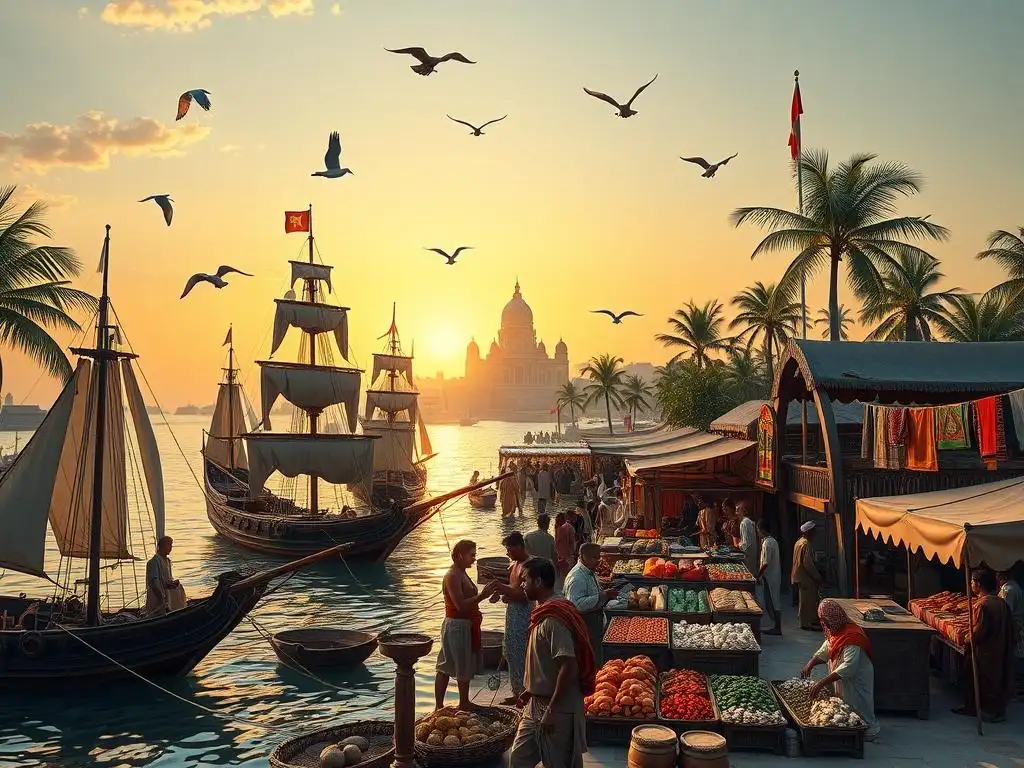
Welcome to Ancient India History, where we embark on a fascinating journey through the vibrant tapestry of ancient Indian civilizations. From the bustling streets of the Indus Valley to the scholarly realms of the Gupta Empire, discover how maritime trade shaped the economy and culture of this remarkable era. In our featured article, “Navigating the Seas: Ancient Indian Mariners and Their Trade Expeditions,” we dive deep into the Ancient Indian maritime trade history and unravel the stories of skilled mariners who connected distant shores.
Join us as we explore the intricate networks of trade that not only enriched ancient India but also left an indelible mark on the world. Prepare to set sail into a sea of knowledge!
The maritime trade history of ancient India is a captivating journey that reflects the ingenuity, resilience, and expansive vision of its civilizations. From the bustling ports of the Indus Valley to the dynamic trade networks established during the Gupta Empire, Indian mariners played a pivotal role in connecting the subcontinent with far-flung regions across the globe. These maritime expeditions were not merely commercial ventures; they served as cultural exchanges that enriched the Indian society and influenced neighboring civilizations.
In this article, we will delve into the various aspects of ancient Indian maritime trade, exploring the technologies, routes, and cultural interactions that defined this vibrant chapter of history. We will highlight the contributions of different dynasties, the significance of trade goods, and the impact of these exchanges on the economic landscape of ancient India.
Through a detailed examination of historical records and archaeological findings, we aim to shed light on how ancient Indian mariners navigated the seas, establishing trade routes that would lay the foundation for centuries of commerce and cultural interaction. Join us as we set sail into the depths of ancient Indian maritime trade history.
- Introduction to Ancient Indian Maritime Trade History
- The Role of Indian Mariners in Ancient Trade
- Major Trade Routes of Ancient Indian Mariners
- Goods Traded by Ancient Indian Mariners
- Cultural Exchange Through Maritime Trade
- The Decline of Ancient Indian Maritime Trade
- Conclusion: Legacy of Ancient Indian Maritime Trade History
- References and Further Reading on Ancient Indian Maritime Trade History
- Frequently Asked Questions
- Final Reflection: The Enduring Legacy of Ancient Indian Maritime Trade
- Embark on Your Journey of Discovery!
Introduction to Ancient Indian Maritime Trade History
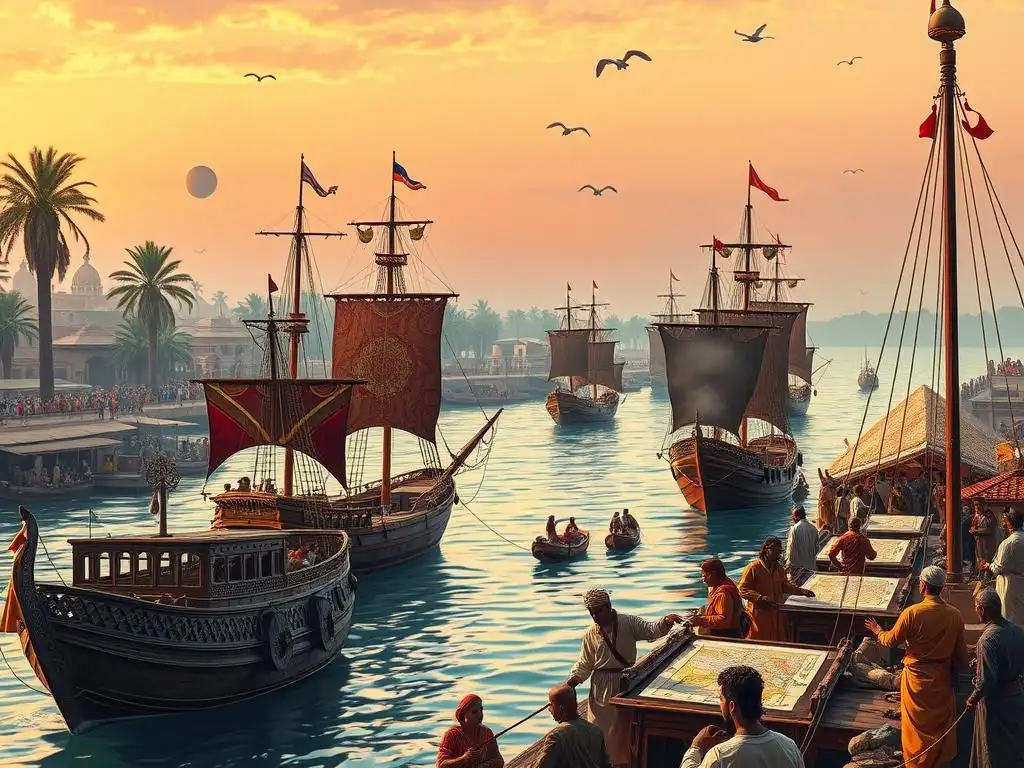
Exploring the ancient Indian maritime trade history reveals a complex network of commerce that thrived long before the advent of modern transportation. This trade was not merely an economic activity; it significantly influenced the cultural, social, and political landscapes of ancient Indian civilizations. The Indian subcontinent, surrounded by the Arabian Sea, the Indian Ocean, and the Bay of Bengal, served as a geographical advantage for seafaring and trade, enabling interactions with various cultures across Asia, Africa, and beyond.
The maritime trade routes facilitated the exchange of goods, ideas, and technologies, laying the foundation for the rich tapestry of ancient Indian history. From the early days of the Indus Valley Civilization to the flourishing trade during the Gupta Empire, the legacy of ancient Indian maritime activities continues to resonate in modern times.
Overview of Maritime Trade in Ancient India
Maritime trade in ancient India can be traced back to the Indus Valley Civilization (approximately 3300–1300 BCE), where evidence of dockyards and ships suggests that these early inhabitants engaged in extensive maritime activities. The port city of Lothal, located in present-day Gujarat, is one of the most notable examples, featuring a dockyard that enabled trade with Mesopotamia, Persia, and even Africa.
Key Trade Goods and Routes
Ancient Indian traders were known for exporting:
- Spices: Such as black pepper, cardamom, and turmeric, which were highly sought after in foreign markets.
- Textiles: Including cotton and silk fabrics, which became synonymous with quality and craftsmanship.
- Metals: Such as gold, silver, and iron goods.
- Precious Stones: Including diamonds and pearls, which were traded extensively.
The main maritime routes included:
- The Arabian Sea Route: Connecting India to the Arabian Peninsula and East Africa.
- The Indian Ocean Route: Linking India with Southeast Asia and the Far East.
- The Bay of Bengal Route: Facilitating trade with the regions of Southeast Asia, including the Malay Archipelago.
Cultural Exchanges
Maritime trade was a conduit for cultural exchanges as well. Traders often acted as cultural ambassadors, introducing religious beliefs, artistic styles, and scientific knowledge across vast distances. For instance, the spread of Buddhism to Southeast Asia can be attributed to maritime trade networks, where Indian merchants played a crucial role in disseminating both goods and ideas.
Importance of Trade for Ancient Indian Civilizations
The significance of maritime trade for ancient Indian civilizations cannot be overstated. It not only contributed to economic prosperity but also had profound social and political implications.
Economic Growth and Prosperity
Maritime trade enriched various kingdoms and empires. The Mauryan Empire, for instance, saw a surge in wealth due to trade, which allowed for the expansion of infrastructure and the enhancement of cultural institutions. Similarly, during the Gupta Empire (approximately 320–550 CE), maritime trade flourished, leading to a golden age of art, science, and philosophy.
Political Alliances and Influence
Trade routes often dictated political power dynamics. Control over key ports and trade routes became a source of influence among rival kingdoms. The strategic significance of ports was recognized by rulers, leading to fortified coastal cities that served as both trade hubs and military outposts.
Social Stratification
The wealth generated from maritime trade contributed to social stratification, as a merchant class emerged alongside traditional agrarian societies. This new class played a vital role in urbanization and the growth of cities, where markets became vibrant centers of commerce and culture.
The ancient Indian maritime trade history not only highlights the economic ingenuity of Indian civilizations but also illustrates how trade shaped their identities, facilitated cultural exchanges, and influenced global interactions. Through an understanding of this rich history, we gain valuable insights into the interconnectedness of ancient societies and the profound impact of trade on their development.
The Role of Indian Mariners in Ancient Trade
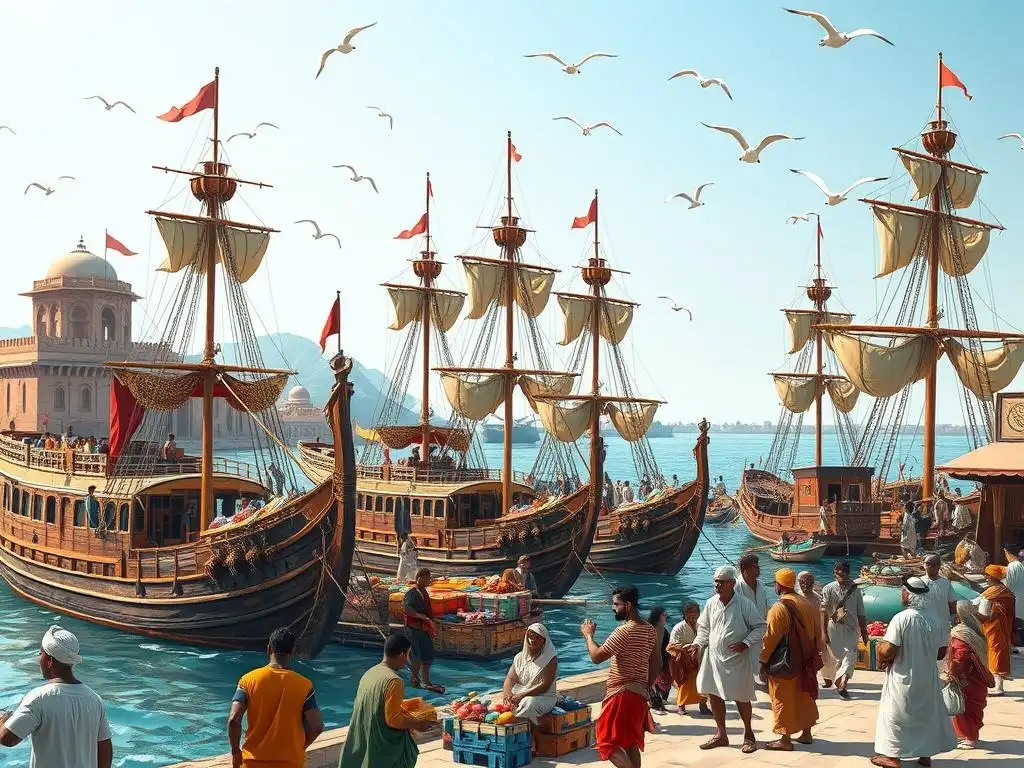
Ancient Indian maritime trade history is a rich tapestry woven from the skills and endeavors of Indian mariners who navigated vast seas and established trade routes that connected India to distant lands. These seafarers played a crucial role in the economic and cultural exchanges between India and other civilizations, significantly impacting trade patterns and fostering connections.
Maritime trade in ancient India can be traced back to the Indus Valley Civilization, where evidence of dockyards in Lothal suggests an early understanding of navigation and shipbuilding. Over the centuries, as maritime technology evolved, Indian mariners expanded their reach, navigating both the Indian Ocean and the Arabian Sea, and establishing thriving trade networks.
Indian traders engaged in commerce with regions such as Southeast Asia, the Middle East, and Africa, exchanging goods, ideas, and cultures. Prominent ports like Bharukachchha (present-day Bharuch) and Sopara became bustling hubs of trade, facilitating the exchange of spices, textiles, precious stones, and other commodities.
The expertise of Indian mariners was not merely in navigation but also in understanding monsoon winds, which they harnessed to optimize their voyages. This knowledge allowed them to plan expeditions during favorable weather conditions, ensuring successful trade journeys across the seas.
Ancient Indian mariners employed a variety of navigational techniques that showcased their deep understanding of the maritime environment. Some of the key techniques included:
- Celestial Navigation: Mariners used celestial bodies, such as the sun, moon, and stars, to determine their position at sea. The North Star, in particular, served as a reliable point of reference for navigation during the night.
- Coastal Navigation: Knowledge of coastal landmarks and currents allowed mariners to navigate near shorelines. They utilized local topography and geography to guide their vessels safely to ports.
- Wind Patterns: Understanding seasonal wind patterns, especially the monsoons, was vital. Mariners timed their voyages to take advantage of these winds, which enabled them to travel faster and more efficiently.
- Dead Reckoning: Mariners calculated their current position based on a previously known point, considering factors like speed, heading, and time traveled. This technique was crucial for longer voyages where visual markers were not available.
These navigational techniques were documented in ancient texts, including the "Arthashastra" by Kautilya, which emphasizes the importance of maritime knowledge in trade and commerce.
Types of Ships and Vessels in Ancient Indian Maritime Trade
The maritime trade activities of ancient Indian civilizations were facilitated by a variety of ships and vessels, each designed for specific purposes and conditions. The prominent types of ships included:
- Dhows: These were traditional sailing vessels with one or more masts and lateen sails. Dhows were commonly used for trade along the Arabian Sea and the Indian Ocean, providing stability and ample cargo space.
- Skiffs: Smaller than dhows, skiffs were fast and agile boats used for fishing and transporting goods along coastal routes. Their design allowed for easy maneuverability in shallow waters.
- Cargo Ships: Larger vessels were employed for transporting bulk goods such as spices, textiles, and precious metals. These ships were often constructed with sturdy hulls to withstand long journeys.
- Fishing Boats: Essential for local trade and sustenance, fishing boats varied in size and design, equipped with nets and traps for catching fish.
| Type of Vessel | Description | Primary Use |
|---|---|---|
| Dhows | Traditional sailing ships with lateen sails | Long-distance trade |
| Skiffs | Small, agile boats for coastal navigation | Fishing and local trade |
| Cargo Ships | Larger ships for transporting bulk goods | Long-distance cargo |
| Fishing Boats | Varied in design, used for catching fish | Local sustenance |
These vessels were crafted from indigenous materials, showcasing the shipbuilding prowess of ancient Indian artisans. The combination of advanced navigation techniques and robust vessels enabled Indian mariners to thrive in maritime trade, leaving a lasting legacy on the ancient Indian maritime trade history.
Major Trade Routes of Ancient Indian Mariners
The Indian Ocean Trade Network
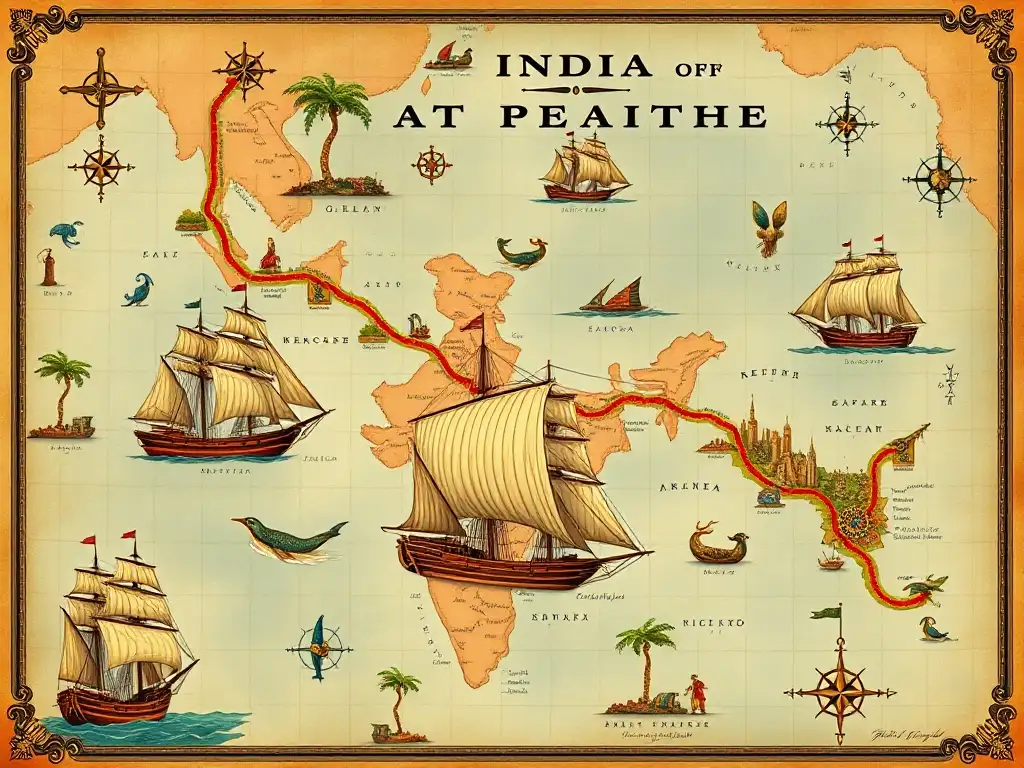
The Indian Ocean Trade Network was a crucial element in the ancient Indian maritime trade history, serving as a vibrant conduit for commerce and cultural exchange. Spanning from the eastern coasts of Africa to the shores of Southeast Asia, this extensive network facilitated the movement of goods, ideas, and technologies. Ancient Indian mariners were adept navigators who utilized monsoon winds to traverse this vast ocean, significantly enhancing trade efficiency.
Key Features of the Indian Ocean Trade Network
- Monsoon Winds: The predictable seasonal winds allowed sailors to plan voyages with remarkable precision. Mariners took advantage of the southwest monsoon to sail from India to Africa and the northeast monsoon to return.
- Ports and Trade Hubs: Prominent ports such as Calicut (Kozhikode), Kochi (Cochin), and Surat became bustling trade hubs. These cities were not only economic centers but also melting pots of cultures.
- Diverse Cargo: The trade network facilitated the exchange of a myriad of goods, including:
- Spices (pepper, cardamom)
- Textiles (cotton, silk)
- Gems and precious metals
- Exotic animals and food items
| Good Type | Exported from India | Imported to India |
|---|---|---|
| Spices | Yes | Yes |
| Textiles | Yes | Yes |
| Gems | Yes | Yes |
| Agricultural Goods | Yes | Yes |
The exchange of goods was often accompanied by cultural interactions, leading to the spread of religions such as Buddhism and Hinduism along these maritime routes. The influence of Indian art and architecture also reached distant shores, as evidenced by the remnants of Indian styles found in regions like Southeast Asia.
Land-Based Trade Routes Connecting to Maritime Trade
While the Indian Ocean was a significant avenue for maritime trade, land-based trade routes were equally vital to the ancient Indian maritime trade history. These overland pathways connected the coastal ports of India to the interior regions and adjacent territories, enhancing the overall trade framework.
Prominent Land Routes
- Silk Road: This ancient trade route linked India with Central Asia and beyond, facilitating the exchange of silk, spices, and precious stones.
- Grand Trunk Road: One of the oldest and longest major roads, it connected various regions of India and provided access to ports on the eastern and western coasts.
- Trade Routes to Persia and Arabia: These routes facilitated direct trade between India and the Persian Gulf, allowing for the exchange of goods like textiles and spices for horses and silver.
Impact on Maritime Trade
- Integrated Trade Systems: Land routes allowed merchants to transport goods to coastal ports where they could be shipped overseas. This integration ensured a steady flow of products, enriching both land and maritime economies.
- Cultural Exchange: The movement of traders along these routes led to a rich cultural exchange, fostering a blend of traditions and practices. For example, the spread of Indian numerals to the Arab world, which later influenced European mathematics.
- Emergence of Trading Communities: Various communities, such as the Chettiars and the Gujarati merchants, emerged as prominent players in both land and maritime trade, establishing networks that spanned vast distances.
The interplay between maritime and land trade routes was fundamental to the prosperity of ancient Indian civilizations. This intricate web of commerce not only drove economic growth but also played a pivotal role in shaping the cultural landscape of the region.
Goods Traded by Ancient Indian Mariners
The ancient Indian maritime trade history is marked by a rich tapestry of goods exchanged across the seas. Mariners from ancient India were not only skilled navigators but also astute traders, actively participating in commerce that spanned vast distances. The trade routes, primarily across the Indian Ocean, facilitated the movement of a plethora of goods, both exported and imported, shaping the economic landscape of ancient Indian civilizations.
Exported Commodities: Spices, Textiles, and More
Ancient Indian mariners were renowned for their exports, which played a crucial role in the global trade network. Among the most significant exported commodities were:
- Spices: India was often referred to as the "land of spices." Black pepper, cardamom, cinnamon, and cloves were highly sought after in foreign markets. The Kerala region, in particular, was famous for its spice plantations, with pepper being dubbed "black gold" due to its high value.
- Textiles: The quality and variety of Indian textiles were unparalleled. Cotton, silk, and woolen fabrics adorned the markets of ancient Rome, Persia, and beyond. The use of intricate dyeing techniques and patterns, such as those found in the famous chintz fabric, made Indian textiles a favorite among wealthy patrons.
- Metals and Gems: Ancient Indian mariners also traded in precious metals like gold and silver, as well as gemstones such as diamonds, rubies, and sapphires. The mines in regions like Golconda and the cutting and trading centers in Gujarat were pivotal in this trade.
- Medicinal Herbs: The knowledge of Ayurveda and the use of medicinal herbs became a significant export. Products like turmeric and indigo were used not only for culinary purposes but also for their therapeutic properties.
- Cultural Artifacts: Ancient Indian art and culture found their way into foreign lands through trade. Artifacts such as sculptures and religious items were exchanged, contributing to cultural diffusion.
The demand for these commodities fueled the growth of bustling port cities along the Indian coastline, such as Lothal and Sopara, which became key hubs of trade.
Imported Goods: Luxury Items and Raw Materials
While ancient Indian mariners were prolific exporters, they also actively engaged in importing a variety of goods that enriched Indian culture and economy. Key imported commodities included:
- Luxury Items: The allure of luxury goods, such as silk from China and glassware from the Middle East, captivated the Indian elite. These items were often displayed as symbols of status and wealth.
- Raw Materials: Many raw materials were imported to support the burgeoning industries in India. For instance, timber from Southeast Asia was crucial for shipbuilding and construction, while metals like tin and lead were essential for alloy production.
- Wine and Olive Oil: The Mediterranean regions traded wines and olive oil, which were regarded as delicacies in ancient Indian courts. These imports contributed to the culinary diversity of the time.
- Cultural Influences: Beyond physical goods, ancient maritime trade facilitated the exchange of ideas, religions, and philosophies. The spread of Buddhism and Hinduism across regions like Southeast Asia was significantly influenced by maritime interactions.
- Exotic Animals: Traders sometimes brought exotic animals, such as elephants and peacocks, which were prized in royal courts and became part of the cultural fabric of ancient India.
This intricate web of exports and imports not only bolstered the economy but also enriched the cultural landscape of ancient India, making it a pivotal player in the ancient maritime trade history. The legacy of these trade practices continues to influence modern India, echoing the spirit of exploration and commerce that characterized its ancient civilizations.
Cultural Exchange Through Maritime Trade
Influence of Trade on Ancient Indian Culture and Society
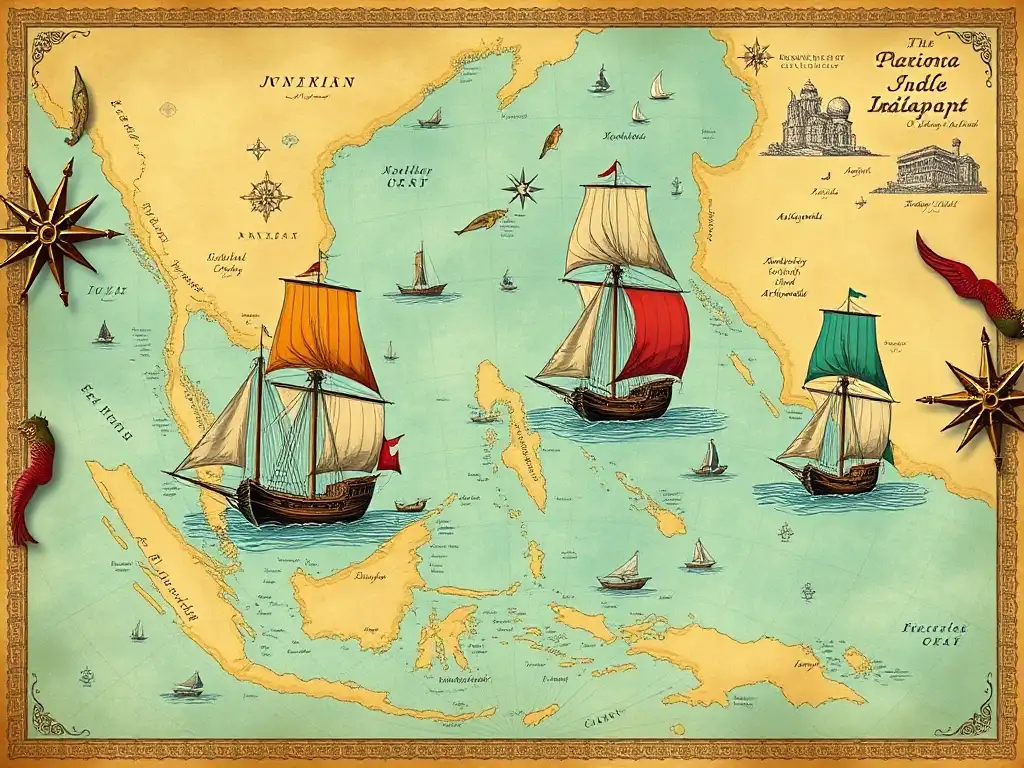
Ancient Indian maritime trade history significantly influenced the social and cultural fabric of Indian societies. The bustling ports along the coasts of the Indian subcontinent, such as Lothal, Sopara, and Kochi, served as vibrant hubs for commerce and cultural exchange. These trade routes facilitated not only the movement of goods but also the exchange of ideas, customs, and traditions among diverse communities.
- Economic Impact: The wealth generated from trade enriched local economies, allowing for investments in infrastructure, arts, and education. The influx of goods such as spices, textiles, and precious stones contributed to the prosperity of cities, fostering a sense of identity and pride among their inhabitants.
- Cultural Syncretism: As merchants and sailors from different regions interacted, they shared not only products but also beliefs and practices. This led to a blend of traditions, seen in various art forms, culinary practices, and religious customs. For instance, the introduction of Buddhism to Southeast Asia was largely facilitated through maritime trade routes, showcasing the profound impact of trade on cultural diffusion.
- Technological Advancements: The necessity for efficient shipbuilding and navigation techniques prompted advancements in technology. The invention of the triple mast ship and the use of the astrolabe are examples of innovations that emerged from maritime activities, further enhancing trade capabilities and fostering a culture of scientific inquiry.
Interactions with Other Civilizations: The Spread of Ideas and Technologies
The ancient Indian maritime trade network extended far beyond the Indian Ocean, linking India with distant civilizations such as the Greco-Roman world, the Middle East, and Southeast Asia. These interactions were pivotal in the exchange of not just goods but also ideas and technologies.
- Trade Routes and Connections: Ancient Indian traders navigated the Silk Road and maritime routes that connected India with places like Africa, Arabia, and China. This extensive network enabled the flow of not only spices and textiles but also philosophical and scientific knowledge.
- Cultural Exchanges: The arrival of foreign merchants brought new ideas and practices to Indian shores. For example, the introduction of cereal cultivation techniques from Mesopotamia influenced agricultural practices in India. Similarly, Indian numerals and concepts of mathematics found their way to the Arab world, demonstrating the bidirectional flow of knowledge.
- Art and Architecture: The influence of maritime trade is also evident in the art and architecture of ancient India. Architectural styles and motifs from other cultures were integrated into local designs, leading to the creation of unique structures. The Buddhist stupas and temples in Southeast Asia exhibit Indian architectural influences, a direct result of cultural exchanges fostered by trade.
Ancient Indian maritime trade history played a crucial role in shaping the cultural and technological landscape of its time, leaving a legacy of interactions that enriched both India and the civilizations it engaged with. The profound impact of these exchanges continues to resonate in various aspects of contemporary culture and society.
The Decline of Ancient Indian Maritime Trade
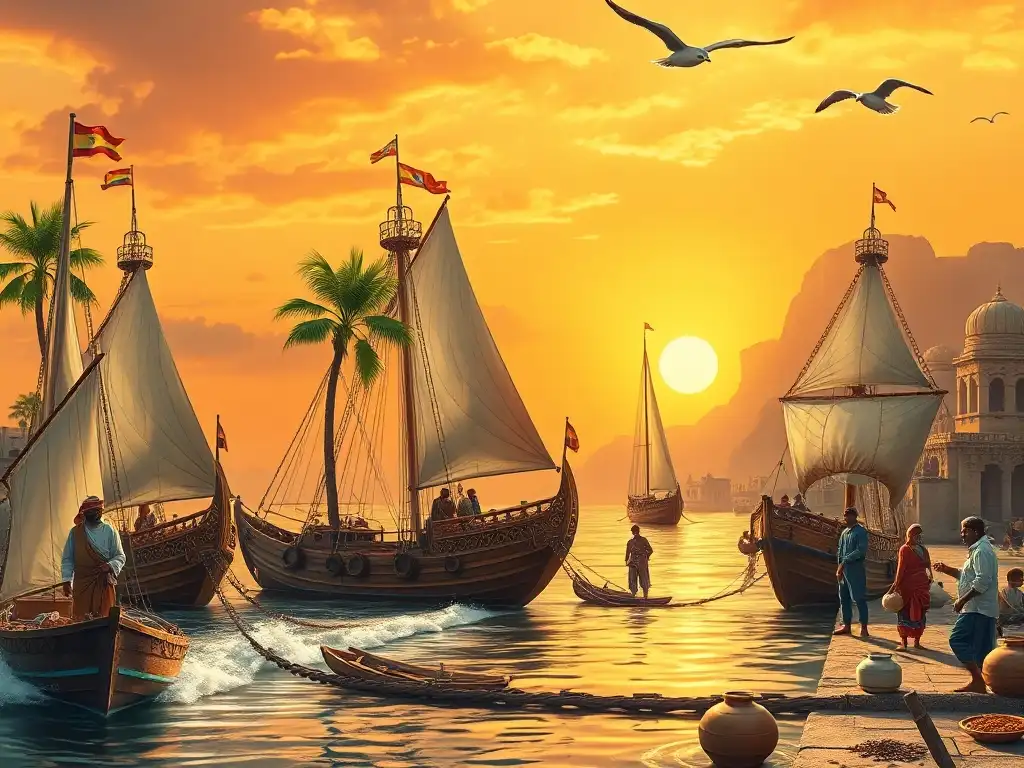
The decline of ancient Indian maritime trade is a significant chapter in the broader narrative of the Indian subcontinent's economic history. Between the 1st century BCE and the 7th century CE, Indian merchants engaged in vibrant maritime activities, connecting with several regions, including the Arabian Peninsula, Southeast Asia, and even East Africa. However, by the end of the 8th century, this thriving trade network began to diminish. Understanding the decline involves examining various interrelated factors that contributed to this pivotal change.
Factors Leading to the Decline of Maritime Trade in Ancient India
The decline of ancient Indian maritime trade can be attributed to a combination of internal and external factors:
- Political Instability:
- Fragmentation of Power: The rise of regional kingdoms led to fragmented political authority. As empires like the Maurya and Gupta weakened, local rulers often lacked the resources or interest to support expansive trade networks.
- Invasions and Conflicts: Frequent invasions, such as those by the Huns in the 5th century, disrupted trade routes and created an environment of uncertainty that deterred merchants.
- Economic Shifts:
- Decline in Demand: The demand for Indian goods, particularly spices and textiles, fluctuated due to changing preferences in international markets. The emergence of new trade centers in the East, particularly in Southeast Asia, diverted trade away from Indian ports.
- Resource Depletion: Over time, the exploitation of natural resources and trade routes led to a decline in the quality and quantity of exportable goods.
- Technological Stagnation:
- Lack of Innovation: Compared to contemporary maritime powers, Indian shipbuilding technology did not evolve significantly, limiting the capacity for long-distance travel and trade.
- Navigation Challenges: Although ancient Indian sailors were skilled, the lack of advancements in navigation tools impeded further exploration and trade expansion.
- Cultural Changes:
- Shift in Focus: As the socio-political landscape changed, the focus of communities shifted towards land-based agricultural economies rather than maritime commerce.
- Religious Influences: The rise of Buddhism and Jainism promoted a more introspective lifestyle, which may have contributed to a decline in the outward-looking trade mentality.
Historical Context: Changes in Global Trade Dynamics
The decline of ancient Indian maritime trade did not occur in isolation but was part of broader global trade dynamics that reshaped the economic landscape of the region:
- Emergence of New Trade Routes: The rise of the Silk Road and the eventual dominance of Arab traders in the Indian Ocean shifted the center of trade away from Indian ports. These new routes offered alternative paths for the exchange of goods, diminishing the importance of traditional Indian maritime trading hubs.
- Rise of Competing Powers: By the 8th century, other regions, particularly China and the Arabian Peninsula, began to establish themselves as dominant players in maritime trade. The Chinese, with advanced shipbuilding techniques, and the Arabs, with their expansive trade networks, challenged India’s previous status as a maritime trade leader.
- Economic Integration: The integration of different economies through trade led to more competition, and Indian traders faced challenges maintaining their market share amidst increasing competition from emerging powers.
- Cultural Exchanges: As new trade routes developed, the cultural exchanges between regions also shifted, influencing demand and trade patterns. The influx of foreign goods and ideas contributed to a transformation in local economies, further marginalizing Indian maritime trade.
The decline of ancient Indian maritime trade was a complex phenomenon influenced by a myriad of factors, including political instability, economic shifts, technological stagnation, and major changes in global trade dynamics. This decline not only affected the economic landscape of ancient India but also had lasting impacts on its cultural and societal structures. Understanding this decline provides valuable insights into the historical context of ancient Indian maritime trade history.
Conclusion: Legacy of Ancient Indian Maritime Trade History
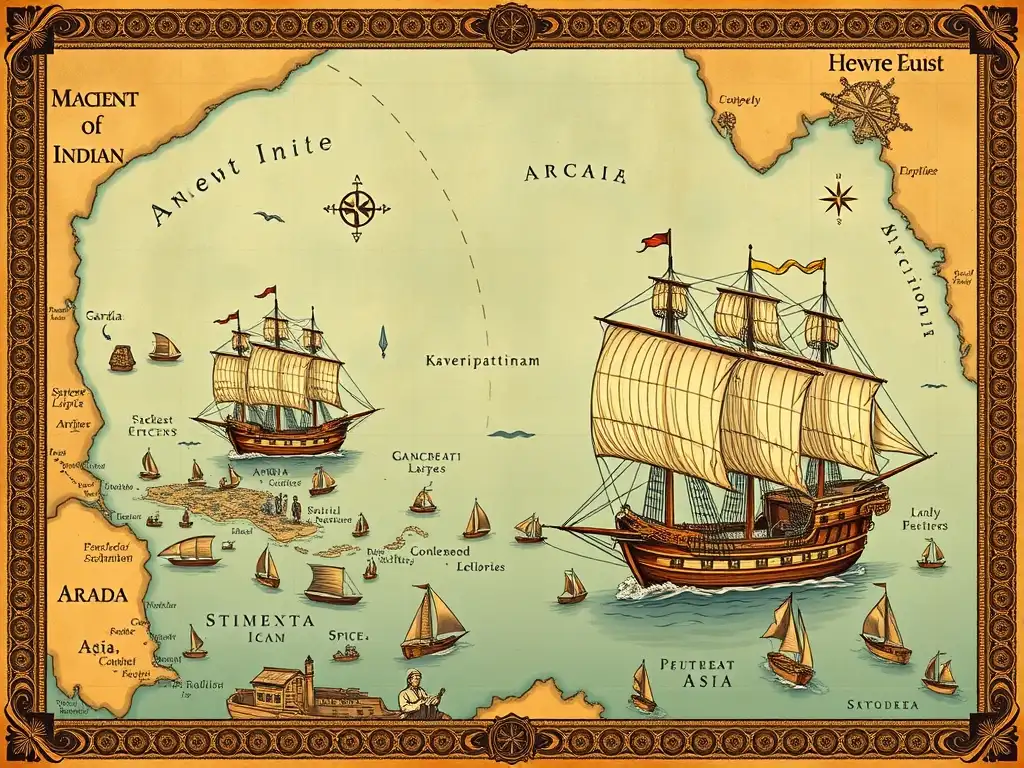
The legacy of ancient Indian maritime trade history is profound, influencing not only the economies of the region but also the cultural exchanges that shaped civilizations across Asia and beyond. Ancient Indian mariners were instrumental in creating complex trade networks that facilitated the exchange of goods, ideas, and technologies. These exchanges not only enriched the Indian subcontinent but also allowed other cultures to absorb and adapt aspects of Indian civilization, ranging from art to religion.
The trade routes established during this period laid the groundwork for modern trade practices. The navigational skills and techniques developed by ancient mariners contributed to the evolution of maritime navigation, which is crucial in today’s globalized economy. Additionally, the commodities traded, such as spices, textiles, and precious stones, continue to hold significant value in modern markets, underscoring the enduring legacy of ancient Indian trade.
Lasting Impact on Modern Trade Practices
The impact of ancient Indian maritime trade is evident in several modern trade practices:
- Global Trade Networks:
- The trade routes established by ancient Indian mariners set a precedent for today's global trade networks. These routes connected India with East Africa, the Arabian Peninsula, Southeast Asia, and even China, demonstrating the early understanding of supply chain logistics.
- Cultural Exchange:
- The cultural exchanges that occurred through trade have influenced modern multiculturalism. The introduction of various goods and ideas fostered a rich tapestry of cultural interactions that can still be seen today in art, cuisine, and languages throughout the Indian Ocean region.
- Maritime Laws and Practices:
- Ancient Indian maritime laws and practices have contributed to the development of contemporary maritime law. The emphasis on trade ethics and security during voyages established foundational principles that shape modern shipping regulations.
- Economic Models:
- The economic models based on trade and commerce developed during ancient times inform current economic theories and practices. Concepts such as barter, trade partnerships, and market dynamics can trace their roots back to these early trade practices.
Reflection on the Importance of Preserving Maritime Heritage
Preserving the maritime heritage of ancient India is essential for multiple reasons:
- Cultural Identity:
- Understanding and preserving maritime history contributes to a collective cultural identity. It highlights the achievements of ancient civilizations and fosters pride in heritage among contemporary societies.
- Educational Value:
- The narratives of ancient mariners provide rich material for educational curricula, inspiring future generations to learn about navigation, trade, and cultural exchanges. This understanding can cultivate a greater appreciation for the interconnectedness of societies throughout history.
- Sustainable Practices:
- By studying ancient maritime trade practices, there is an opportunity to adopt sustainable practices in modern trade. The environmental consciousness exhibited by ancient traders can guide current practices in a world increasingly aware of ecological impacts.
- Tourism Potential:
- Maritime heritage sites can attract tourism, contributing to local economies. Preserving these sites offers opportunities for educational tourism that highlights the significance of India's maritime past.
The ancient Indian maritime trade history provides invaluable insights into the complex networks of trade and cultural exchange that shaped not just India, but the entire world. Recognizing and preserving this heritage is crucial for understanding our past and informing our future.
References and Further Reading on Ancient Indian Maritime Trade History
Recommended Books and Articles
-
"The Mercantile Community of Ancient India" by R.S. Sharma
This comprehensive work delves into the various merchant groups that thrived along the ancient trade routes, offering insights into their societal roles and economic contributions. Sharma provides a detailed account of maritime commerce, including the tribes and communities involved in trade along the coasts.
-
"Ancient Indian Maritime History" by K.K. Ray
Ray's research emphasizes the significance of maritime trade in ancient India, detailing the navigational techniques and shipbuilding practices of the time. The book includes extensive references to archaeological findings that shed light on ancient Indian ports and trade networks.
-
"India and the Indian Ocean: An Interdisciplinary Approach" edited by R. B. Bhattacharya
This edited volume compiles various scholarly perspectives on the role of India in the Indian Ocean trade system. It covers trade routes, cultural exchanges, and the impact of maritime activities on Indian civilization.
-
"Trade and Political Economy in Ancient India" by P. Thapar
Thapar's work explores the intersection of trade and politics in ancient Indian societies, providing a nuanced understanding of how maritime trade influenced political structures and international relations.
-
"Maritime India: Trade, Society and Culture" by R. N. Misra
This book focuses on the cultural exchanges facilitated by maritime trade, examining the impact on social practices, art, and cuisine in ancient Indian civilizations.
Online Resources for Further Exploration
-
Digital South Asia Library (DSAL)
A treasure trove of resources related to South Asian history, including maps, texts, and scholarly articles focusing on ancient maritime activities.
-
The Indian National Trust for Art and Cultural Heritage (INTACH)
INTACH offers a variety of publications and reports on the maritime heritage of India, including detailed studies on historic ports and trade routes.
-
The Archaeological Survey of India (ASI) Official Website
This site provides access to research and findings from excavations that have uncovered ancient ports and maritime artifacts, crucial for understanding the maritime trade history of India.
-
Ancient India: A Comprehensive History (YouTube Channel)
This educational channel features documentaries and lectures discussing various aspects of ancient Indian history, including maritime trade, navigation techniques, and cultural exchanges.
-
Google Scholar
For those seeking academic papers and theses, Google Scholar is an excellent platform to access research articles focused on ancient Indian maritime trade history, providing a wealth of knowledge from various authors and institutions.
By exploring these resources, readers can deepen their understanding of Ancient Indian maritime trade history and its profound influence on the development of trade routes and cultural exchanges across the seas.
Frequently Asked Questions
What were the main routes used in ancient Indian maritime trade?
The main routes included the Indian Ocean, connecting India to regions like Southeast Asia, Africa, and the Middle East. These routes facilitated the exchange of goods, culture, and ideas.
What goods were commonly traded by ancient Indian mariners?
Ancient Indian mariners traded a variety of goods, including spices, textiles, gems, and metals. These products were highly sought after in global markets, boosting India's economic stature.
How did ancient Indian maritime trade impact cultural exchanges?
Maritime trade led to significant cultural exchanges between India and other civilizations. This resulted in the spread of religions, languages, and artistic influences across continents.
What role did ancient ports play in maritime trade?
Ancient ports like Lothal and Arikamedu served as crucial hubs for trade. They facilitated the loading and unloading of goods, and were vital for economic growth and interactions with foreign merchants.
How did the maritime trade of ancient India decline?
The decline in maritime trade was influenced by factors such as political instability, the rise of overland trade routes, and the arrival of European powers, which shifted trade dynamics in the region.
Final Reflection: The Enduring Legacy of Ancient Indian Maritime Trade
The exploration of ancient Indian maritime trade history reveals not only the ingenuity of early mariners but also their profound impact on global commerce and cultural exchange. Today, as we navigate a world increasingly defined by globalization, the lessons from these ancient expeditions resonate more than ever. The ability of these mariners to connect distant lands through trade routes serves as a reminder of the power of collaboration and understanding across cultures.
The influence of ancient Indian maritime trade is woven into the very fabric of our cultural and social landscape. From the spices that flavored distant cuisines to the textiles that adorned royal courts, the legacy of these trade expeditions continues to shape our world. As historian K. N. Chaudhuri aptly noted, The Indian Ocean was not merely a geographical entity; it was a dynamic space of interaction and exchange.
This perspective invites us to reflect on how the interconnectedness fostered by these ancient mariners laid the groundwork for the globalized society we inhabit today.
As you contemplate the rich tapestry of ancient Indian maritime trade, consider how its principles of exploration, trade, and cultural exchange can inspire your own journey. Embrace the spirit of curiosity and connection in your life, seeking to build bridges across cultures and ideas. Let the stories of these ancient mariners guide you in navigating the complexities of our modern world, reminding you that every journey begins with a single step towards understanding and collaboration.
Embark on Your Journey of Discovery!
Thank you for diving into the fascinating world of ancient Indian mariners and their trade expeditions! You've just uncovered a rich tapestry of history that speaks to **innovation**, **adventure**, and **cultural exchange**. Now, let’s take the next step together to bring this history to life!
- Explore further by reading about specific maritime routes and the unique goods traded. Check out our related articles for deeper insights into the fascinating exchanges that occurred across ancient seas.
- Share your newfound knowledge! Engage with friends or join online communities to discuss the impact of ancient trade on modern cultures and how these historical connections continue to influence us today.
- Get creative: Consider starting a blog or social media page dedicated to exploring and sharing captivating stories about global maritime history!
What aspect of ancient maritime trade intrigues you the most, and how do you think it has shaped the world we live in today?