
The Role of Slavery and Labor in Ancient Indian Economic Systems


Welcome to Ancient India History, where we embark on a fascinating journey through the intricate tapestry of ancient Indian civilizations. Today, we delve into a pivotal aspect of this rich heritage: Ancient Indian economic systems. Discover how the roles of slavery and labor shaped the economic landscape, influencing trade, agriculture, and societal structures from the Indus Valley to the Gupta Empire. Intrigued? Join us as we uncover the complexities of these systems and their lasting impact on the fabric of Indian history. Your exploration begins here!
Introduction to Ancient Indian Economic Systems
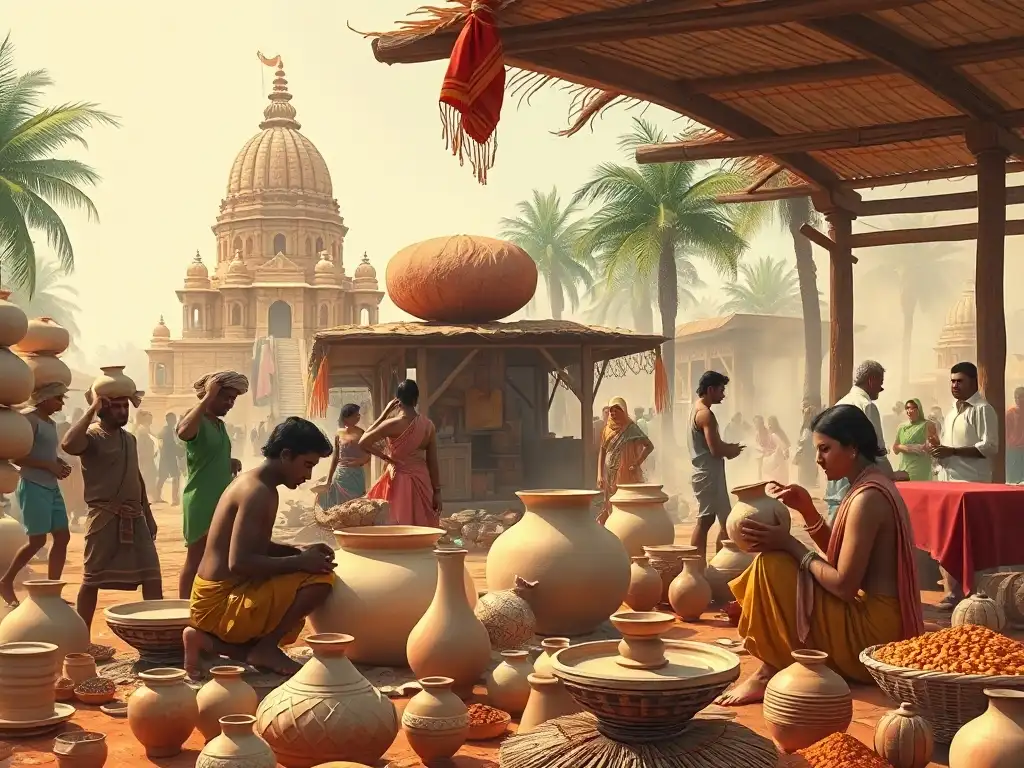
The study of Ancient Indian economic systems reveals a complex tapestry woven from diverse practices, cultural influences, and evolving societal norms. From the flourishing cities of the Indus Valley Civilization to the expansive trade networks during the Gupta Empire, ancient India exhibited a variety of economic structures that contributed to its prosperity and resilience. Central to these systems were the concepts of labor and slavery, which played crucial roles in shaping the economic landscape. Understanding these elements provides insight into the daily lives of individuals and the overall functioning of ancient Indian societies.
Overview of Economic Practices in Ancient India
Ancient India's economy was characterized by a blend of agricultural, artisanal, and trade activities. Key features of these economic practices included:
- Agriculture: The backbone of the economy, with staple crops such as rice, wheat, and barley cultivated extensively.
- Trade: Both inland and maritime trade flourished, connecting India with other civilizations, notably through the Silk Road and maritime routes to Southeast Asia and beyond.
- Artisan Production: Skilled artisans produced textiles, pottery, and metalwork, contributing to both local markets and long-distance trade.
This multifaceted approach allowed ancient Indian civilizations to thrive, facilitating cultural exchange and economic growth.
Importance of Labor in Economic Development
Labor, both free and enslaved, was essential for sustaining and expanding the economic frameworks of ancient India. The division of labor among various social classes, including farmers, artisans, and traders, enabled specialized production, which enhanced efficiency and output. Additionally, labor contributed to:
- Infrastructure Development: The construction of irrigation systems, roads, and urban centers was vital for economic activities.
- Cultural Contributions: Labor facilitated the creation of art, literature, and religious practices, enriching the cultural heritage of the region.
- Social Hierarchies: The organization of labor often reflected and reinforced social stratification, influencing power dynamics within ancient societies.
Historical Context of Slavery in Ancient India
Definition and Forms of Slavery in Ancient Indian Society
Slavery in ancient India was not monolithic; it manifested in various forms and practices. Slaves were often acquired through warfare, debt, or as a result of crime. The roles of slaves ranged from domestic servants to laborers in agriculture and industry. Key points to consider include:
- Types of Slavery: Various categories existed, including temporary servitude and lifelong bondage, with differing rights and duties.
- Legal Status: Slaves had limited rights, often dependent on the prevailing legal framework of the time, which could vary significantly across regions and periods.
Key Historical Periods Influencing Slavery Practices
The evolution of slavery in ancient India can be traced through several key historical periods:
- Indus Valley Civilization (c. 3300–1300 BCE): Evidence suggests a complex society with a possible system of laborers, but the exact nature of slavery is still debated.
- Vedic Period (c. 1500–500 BCE): Texts from this era mention groups such as the Dasa, often associated with servitude, reflecting early forms of slavery.
- Maurya and Gupta Empires (c. 322 BCE–550 CE): These periods saw the institutionalization of slavery, with greater documentation and legal structures governing slave ownership and rights.
Comparative Analysis with Slave Systems in Other Civilizations
When comparing ancient Indian slavery to systems in other civilizations, notable differences and similarities emerge:
- Similarities: Like in ancient Greece and Rome, slavery in India was often linked to economic necessity and social status.
- Differences: Unlike the harsh treatment of slaves seen in some Western societies, ancient Indian texts also emphasize the potential for social mobility and the possibility of manumission for slaves.
Understanding the nuances of slavery and labor in ancient Indian economic systems not only enriches our knowledge of the past but also highlights the complexities of social and economic interactions that shaped the destinies of ancient civilizations.
The Economic Impact of Slavery on Ancient Indian Economic Systems
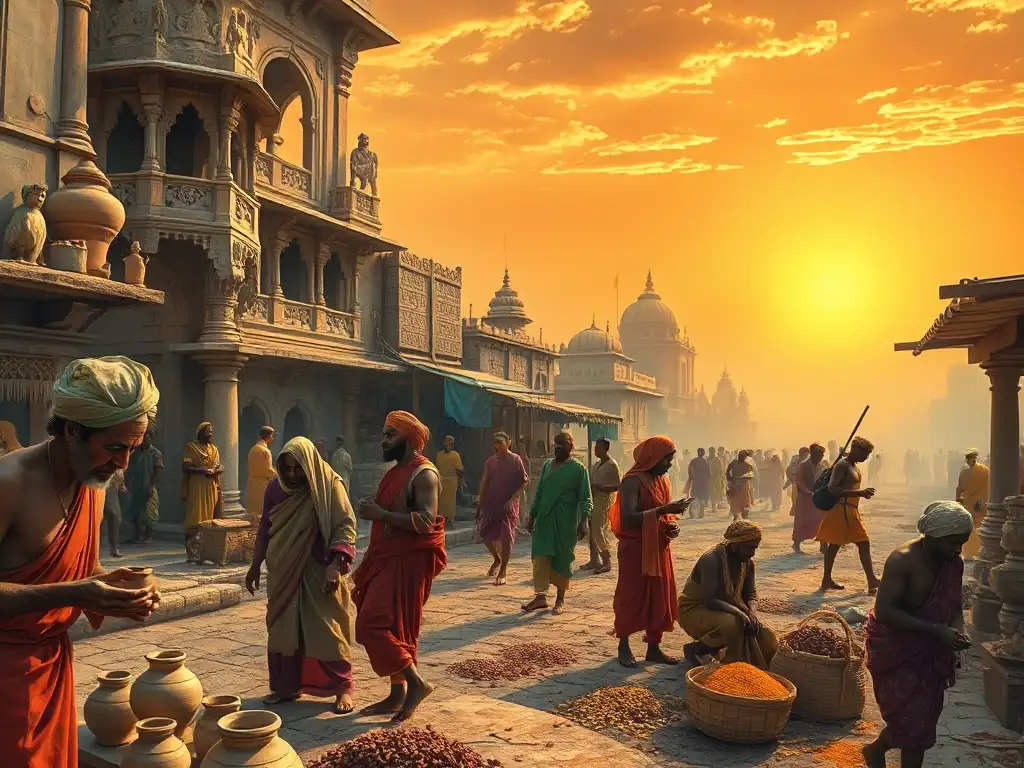
Slavery played a crucial role in shaping the economic landscape of ancient India. The presence of enslaved individuals contributed significantly to agricultural productivity, trade, and urban development. Evidence from various historical texts and archaeological findings indicates that slavery was a tolerated institution, integrated into the fabric of society and the economy. The economic impact of slavery can be assessed through its contributions to labor supply, wealth accumulation, and social stratification.
Enslaved individuals formed a substantial part of the workforce, particularly in agriculture, which was the backbone of ancient Indian economies. Their forced labor helped sustain agricultural output, enabling landowners to cultivate larger plots and increase production. This economic model not only ensured food security but also facilitated the growth of trade networks, as surplus produce could be exchanged for goods and services.
Moreover, the wealth generated through the exploitation of enslaved labor contributed to the prosperity of certain classes within society, reinforcing existing social hierarchies. The economic benefits derived from slavery ultimately influenced the political and cultural dynamics of ancient Indian civilizations, creating a complex interplay between wealth, power, and labor.
Slavery as a Source of Labor in Agriculture
Agriculture was the dominant economic activity in ancient India, and enslaved labor was vital for its success. Enslaved individuals worked on large estates, often owned by wealthy landowners or temples, contributing to the cultivation of staple crops like rice, wheat, and barley. The use of slaves allowed landowners to maximize their agricultural output, as they could employ them in labor-intensive tasks such as plowing, sowing, and harvesting.
The reliance on slave labor enabled the agricultural sector to thrive, providing not only sustenance for local populations but also surplus for trade. This surplus was essential for the development of market economies and facilitated the exchange of goods across regions. In some cases, enslaved labor was even utilized in the construction of irrigation systems, which further enhanced agricultural productivity.
Additionally, the agricultural practices of ancient India were often linked to seasonal cycles, requiring a flexible labor force. Enslaved individuals could be mobilized quickly to meet the demands of peak agricultural seasons, thus ensuring that production targets were met without incurring additional costs associated with hiring free laborers.
Role of Slaves in Trade and Craftsmanship
In addition to their contributions to agriculture, enslaved individuals played significant roles in trade and craftsmanship within ancient Indian economic systems. Slaves were often employed in various artisan trades, where their skills were utilized in producing goods ranging from textiles to metalwork. These goods were crucial for both local consumption and long-distance trade, creating an interconnected web of economic exchange.
The presence of skilled slaves in workshops and markets increased efficiency and output, allowing for the mass production of items that were highly sought after. This, in turn, contributed to the prosperity of urban centers, where trade flourished. Enslaved individuals could also serve as laborers in guilds, further intertwining their roles with the economic fabric of society.
Moreover, the involvement of slaves in trade networks extended beyond mere production. They often acted as intermediaries, facilitating transactions and contributing to the distribution of goods. This integration of enslaved individuals into the trade system underscores their importance not just as laborers but as active participants in the economy.
Economic Contributions of Enslaved Individuals to Urban Development
The economic contributions of enslaved individuals extended significantly into urban development in ancient India. As cities grew, the demand for labor increased across various sectors, including construction, trade, and services. Enslaved individuals were often employed in urban centers, where they engaged in diverse roles that supported the burgeoning economy.
Their labor was instrumental in the construction of public infrastructure, including temples, roads, and markets, which facilitated trade and enhanced urban living conditions. The ability to mobilize a large workforce of enslaved individuals allowed city planners to undertake ambitious projects that would have been difficult to achieve with free labor alone.
Furthermore, the economic activities generated by enslaved labor contributed to the wealth of urban elites, who thrived on the productivity of these individuals. This wealth accumulation not only fostered social stratification but also led to the development of complex urban societies, characterized by diversity and commercial dynamism.
Labor Systems in Ancient India
Ancient India exhibited a variety of labor systems that were vital to its economic structure. These systems included both free and unfree labor, each playing distinct roles within the broader economic context. The dynamics of labor in ancient India were heavily influenced by social hierarchies, particularly the caste system, which shaped the interactions between different labor groups.
Types of Labor: Free vs. Unfree Labor
In ancient Indian economic systems, labor was categorized primarily into two types: free labor and unfree labor. Free laborers were individuals who had the autonomy to negotiate their wages and terms of employment. They often engaged in various occupations, including agriculture, trade, and craftsmanship, and enjoyed a degree of social mobility.
Conversely, unfree labor, predominantly represented by enslaved individuals, lacked such freedoms. These laborers were bound to their masters and had no control over their working conditions or remuneration. Unfree labor was essential for the functioning of many economic activities, particularly in sectors requiring intensive labor, such as agriculture and construction.
The coexistence of free and unfree labor created a complex economic landscape. While free laborers contributed to innovation and economic diversification, enslaved individuals provided a steady and controllable labor force that ensured the continuity of essential agricultural and industrial processes.
The Role of Artisans and Craftsmen in Economic Growth
Artisans and craftsmen were pivotal to the economic growth of ancient India. They produced a wide range of goods, including textiles, pottery, jewelry, and metalwork, which were integral to local markets and long-distance trade. The skills of artisans were often passed down through generations, leading to the development of specialized crafts that enhanced economic productivity.
The guild system played a significant role in organizing artisans and craftsmen, providing them with the necessary support and resources to thrive. These guilds regulated production standards, facilitated trade, and offered a sense of community among members. The collective efforts of artisans contributed to the richness of ancient Indian culture and economy, making their crafts highly sought after both domestically and abroad.
Furthermore, the economic contributions of artisans were not limited to production alone. They also played vital roles in urban development, often working in close proximity to markets where their goods were sold. This centralization of production and trade fostered economic interactions, leading to the growth of cities and trade networks.
The Influence of Caste Systems on Labor Dynamics
The caste system significantly influenced labor dynamics in ancient India, dictating the roles and responsibilities of individuals based on their social status. Each caste was associated with specific occupations, which shaped the labor market and determined access to resources and opportunities.
Within this framework, certain castes were designated as laboring classes, often relegated to unfree labor roles. This stratification created barriers to social mobility and limited the potential for economic advancement among lower castes. Conversely, higher castes often enjoyed privileges that allowed them to engage in trade and administration, further entrenching social inequalities.
The rigid structure of the caste system also affected the distribution of labor. It restricted the movement of individuals between castes, thereby limiting the capacity for a fluid labor market. This dynamic had profound implications for economic growth, as the potential contributions of skilled individuals from lower castes were often overlooked or undervalued.
The interplay between slavery, labor systems, and caste dynamics in ancient India created a complex economic tapestry that shaped the development of ancient Indian economic systems. Understanding these relationships provides valuable insights into the economic practices that influenced one of the world's oldest civilizations.
Case Studies of Economic Practices Involving Labor and Slavery
The exploration of ancient Indian economic systems reveals the complex interplay of slavery and labor across various sectors. By examining specific case studies, we gain insight into how labor exploitation shaped agricultural practices, trade networks, and urban economies. These practices not only reflect economic conditions but also highlight the social hierarchies and cultural norms prevalent in ancient India.
Case Study 1: Agricultural Systems and Labor Use
Agriculture was the backbone of the ancient Indian economy, with a significant portion of the population engaged in farming. The agricultural systems often relied on a mix of free laborers and slaves. Landowners, or ksetrins, utilized slave labor to maximize productivity and reduce costs. Slaves were often employed in the cultivation of staple crops such as rice, wheat, and barley.
The use of slaves in agriculture had profound implications for crop yields and land management. For instance, in regions like the Indus Valley, archaeological evidence suggests that advanced irrigation techniques were employed to enhance agricultural output. Slaves played a crucial role in maintaining these systems, as they were tasked with labor-intensive activities such as plowing, planting, and harvesting. The reliance on slave labor allowed landowners to amass wealth and control over agricultural production, reinforcing social hierarchies based on land ownership.
Case Study 2: Trade Networks and Slave Labor
Trade networks in ancient India were extensive, connecting various regions and facilitating the exchange of goods. Slavery played a significant role in these networks, particularly in urban centers where merchants employed slaves for transportation and trade. For example, in Pataliputra, the capital of the Maurya Empire, slaves were often utilized as porters and traders, assisting in the movement of goods between cities and regions.
The presence of slave labor in trade contributed to the efficiency of commerce. Merchants could rely on a steady supply of labor to manage logistics, allowing them to focus on strategic aspects of trade, such as negotiating prices and establishing trade routes. This integration of slave labor into trade practices not only enhanced the economic viability of trade networks but also contributed to the emergence of a merchant class that had the means to influence political and social systems.
Case Study 3: Urban Economic Structures and Workforce Composition
In urban centers, labor dynamics reflected a complex structure involving various forms of labor, including skilled artisans, laborers, and slaves. Cities like Taxila and Varanasi were bustling hubs of economic activity, where artisans produced goods that catered to both local and distant markets. Slaves were often integrated into these urban economies, working alongside free laborers in workshops and marketplaces.
The workforce composition in these urban areas was diverse, with slaves performing essential tasks across different trades. For instance, in textiles and pottery, slave labor was utilized to meet the demands of a growing population and expanding markets. The reliance on slaves in urban economies not only fueled economic growth but also shaped social interactions, as the presence of slaves contributed to the stratification of urban society.
The Decline of Slavery and Evolution of Labor Practices
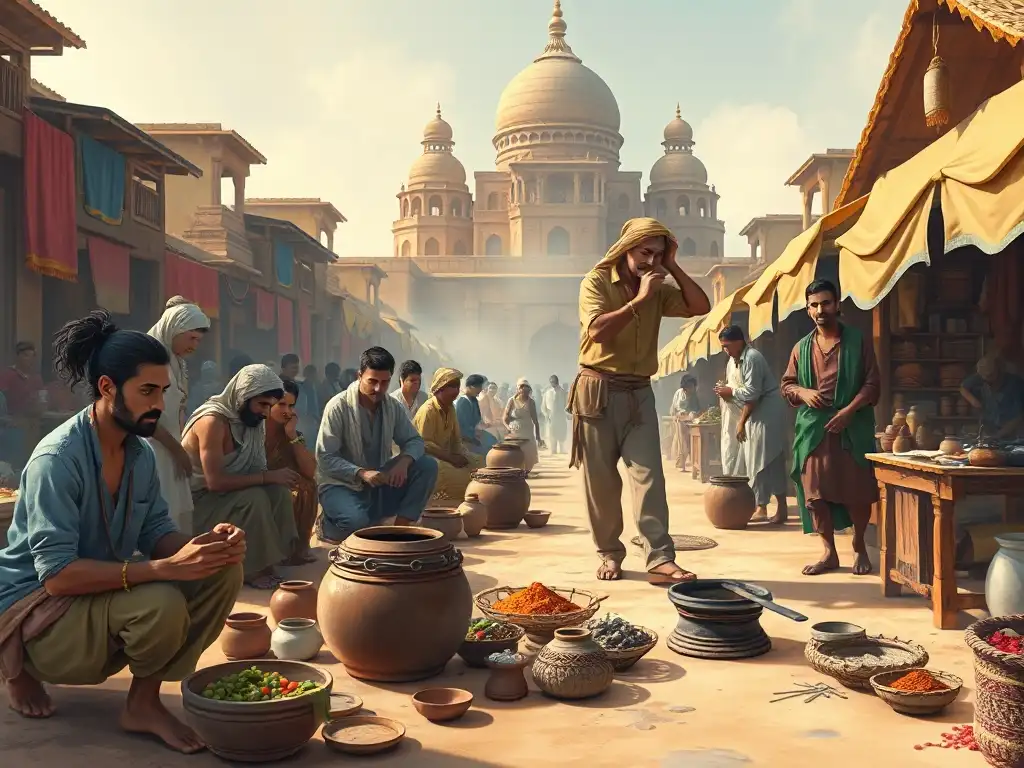
As ancient Indian economic systems evolved, so too did the practices surrounding labor and slavery. Various factors contributed to the decline of slavery, leading to a transformation in labor practices that reflected broader economic and social changes.
Factors Leading to Changes in Slavery Practices
Several key factors influenced the decline of slavery in ancient India. Increased agricultural productivity, driven by advancements in technology, reduced the reliance on slave labor for farming. Additionally, the rise of new socio-political structures, including the emergence of feudal systems, shifted the focus from slavery to alternative forms of labor, such as tenant farming and hired labor.
The spread of religious and philosophical ideas, particularly those advocating for compassion and social equality, also contributed to changing perceptions of slavery. Movements that emphasized the dignity of all individuals began to challenge the moral foundations of slavery, leading to a gradual decline in its acceptance.
Transition to Different Labor Systems in Ancient India
As slavery waned, ancient Indian societies began transitioning to different labor systems. The rise of zamindari and ryotwari systems marked a shift towards a more structured approach to land tenancy. Farmers became tenants, cultivating land owned by landlords in exchange for a share of the produce. This transition facilitated a more equitable distribution of land and labor, fostering a new economic landscape.
Moreover, the growth of guilds and trade associations provided a framework for skilled laborers to organize and negotiate better working conditions. This shift towards cooperative labor practices reflected the changing economic priorities of ancient Indian societies, emphasizing mutual benefit over exploitation.
Impact of Economic Changes on Social Structures
The evolution of labor practices had profound implications for social structures in ancient India. As slavery declined and new labor systems emerged, social hierarchies began to shift. The rise of a merchant class, coupled with the empowerment of tenant farmers and artisans, contributed to a more dynamic economy and social mobility.
These changes also led to the reconfiguration of caste systems, as individuals from different backgrounds began to interact and collaborate in economic endeavors. As labor practices evolved, so too did the understanding of social roles and responsibilities, leading to a more interconnected society that valued contributions from various sectors of the economy. This transformation ultimately laid the groundwork for the diverse social fabric of later Indian civilizations.
Conclusion
The examination of slavery and labor within ancient Indian economic systems reveals a complex interplay of social structures, economic demands, and cultural values. From the sophisticated labor systems established in the Indus Valley to the more structured forms of slavery seen in later empires, labor played a critical role in shaping the economic landscape of ancient India. Understanding these systems not only provides insights into the economic practices of the time but also sheds light on the societal hierarchies and cultural norms that influenced them.
Summary of Key Points on Labor and Slavery in Ancient Indian Economic Systems
- Diverse Labor Systems: Ancient India witnessed various forms of labor, including skilled artisans, agricultural workers, and laborers engaged in trade and construction. Each contributed significantly to the economy.
- Role of Slavery: Slavery existed in various forms, often intertwined with social status and economic necessity. While some individuals were born into slavery, others became enslaved due to debts or warfare, highlighting the multifaceted nature of servitude.
- Economic Contributions: Labor and slavery were crucial for agricultural production, crafts, and trade. The contributions of enslaved individuals and laborers supported the prosperity of cities and trade networks, allowing for economic growth and cultural exchange.
- Legal and Social Frameworks: Ancient texts and legal codes, such as the Manusmriti, provide insights into the rights and responsibilities of laborers and slaves, indicating a regulated but complex system of labor relations.
- Cultural Perspectives: The perception of labor and slavery was influenced by religious and philosophical beliefs, which shaped societal views on work, service, and status.
Reflection on the Legacy of Ancient Indian Economic Practices on Modern India
The legacy of ancient Indian economic systems continues to resonate in modern India. Elements of caste-based labor dynamics and social stratification can still be observed today, reflecting historical practices. Furthermore, the traditions of craftsmanship and trade established during ancient times have evolved but remain integral to contemporary Indian economy and culture.
The economic practices of ancient India also serve as a foundation for understanding contemporary labor issues and the ongoing dialogues about social justice, labor rights, and economic equality. By reflecting on these historical practices, modern society can draw lessons that inform current economic policies and promote a more equitable system for all individuals.
References
Suggested Readings on Ancient Indian Economic Systems
- "The Economic History of India: 1857-1947" by B.R. Tomlinson: This book provides a comprehensive overview of Indian economic practices, including historical labor systems.
- "Ancient Indian Economic Thought" by K.K. Dutta: This work explores the philosophical underpinnings of economic systems in ancient India.
- "The Indus Civilization: A Contemporary Perspective" by Gregory L. Possehl: This book investigates the economic practices of the Indus Valley Civilization and their impact on subsequent Indian societies.
Key Historical Texts and Archaeological Findings
- "Arthashastra" by Kautilya: A foundational text that outlines economic theory, administrative practices, and governance in ancient India, providing insight into labor and taxation.
- "Manusmriti": This ancient legal text offers perspectives on social hierarchy, including the roles and rights of various labor classes.
- Indus Valley Archaeological Sites: Excavations at sites like Mohenjo-Daro and Harappa have uncovered evidence of advanced urban planning, trade, and labor systems, highlighting the economic sophistication of early Indian civilizations.
- Introduction to Ancient Indian Economic Systems
- Overview of Economic Practices in Ancient India
- Importance of Labor in Economic Development
- Historical Context of Slavery in Ancient India
- The Economic Impact of Slavery on Ancient Indian Economic Systems
- Labor Systems in Ancient India
- Case Studies of Economic Practices Involving Labor and Slavery
- The Decline of Slavery and Evolution of Labor Practices
- Conclusion
- References
- What were the primary economic systems in ancient India?
- How did slavery impact the economic systems in ancient India?
- What role did labor play in the development of ancient Indian economy?
- Were there different types of laborers in ancient India?
- How did the Gupta Empire influence ancient Indian economic systems?
Frequently Asked Questions
What were the primary economic systems in ancient India?
Ancient Indian economic systems were primarily based on agriculture, trade, and craftsmanship, with significant contributions from various regions and cultures.
How did slavery impact the economic systems in ancient India?
Slavery provided a source of labor that supported various industries and agricultural practices, influencing the overall structure of the economy and social hierarchy.
What role did labor play in the development of ancient Indian economy?
Labor was essential for the production of goods, with skilled artisans and farmers contributing significantly to both local and long-distance trade.
Were there different types of laborers in ancient India?
Yes, ancient India had various types of laborers, including artisans, farmers, and slaves, each playing a distinct role in the economic framework of their societies.
How did the Gupta Empire influence ancient Indian economic systems?
The Gupta Empire fostered trade, technological advancements, and cultural exchanges, leading to the flourishing of economic systems and enhancing India's global economic standing.
Final Reflection: Understanding the Legacy of Ancient Indian Economic Systems
The exploration of slavery and labor within ancient Indian economic systems reveals profound insights into the complexities of human society and its evolution. Today, as we grapple with issues of labor rights and economic disparities, understanding the historical context of these systems is crucial. The legacies of past practices continue to shape our modern economic frameworks, reminding us that history is not merely a record of events but a living narrative that influences our present and future.
The impact of slavery and labor in ancient India has left an indelible mark on the cultural and social landscape of the region. From the caste system to contemporary labor practices, the echoes of these ancient economic systems resonate in various facets of life today. As we reflect on this history, we are reminded of the words of historian Romila Thapar: History is not just a record of the past; it is a lens through which we understand our present.
This perspective invites us to critically examine how historical injustices inform current societal structures and economic inequalities.
As we conclude this exploration, I invite you to reflect on the lessons learned from ancient Indian economic systems and their relevance in today's world. Consider how the dynamics of labor and economic systems shape your own life and community. Let this reflection inspire you to engage with history not just as a series of events but as a powerful tool for understanding and addressing contemporary issues. By acknowledging the past, we can work towards a more equitable future, ensuring that the lessons of history guide our actions and decisions today.
Unveil the Legacy: Take Action in Understanding Ancient Economic Systems!
Thank you for immersing yourself in the rich history of ancient Indian economic systems! We hope you've discovered valuable insights into the complex interplay between slavery and labor. Now, it's time to turn that knowledge into action and deepen your understanding further.
Here’s how you can continue your journey:
- Dive Deeper: Explore scholarly articles and books on ancient Indian economies to gain a broader perspective and uncover lesser-known facts.
- Share Your Knowledge: Discuss your insights with friends or engage in online history forums; exchanging viewpoints can significantly enrich your understanding.
- Engage with the Community: Join local or online history groups where you can ask questions, share your thoughts, and connect with fellow history enthusiasts!
What aspect of ancient Indian economies surprised you the most, and how can we incorporate these lessons into our modern understanding of labor and ethics?