
Celebrating Womanhood: Festivals and Rituals Honoring Women in Ancient India

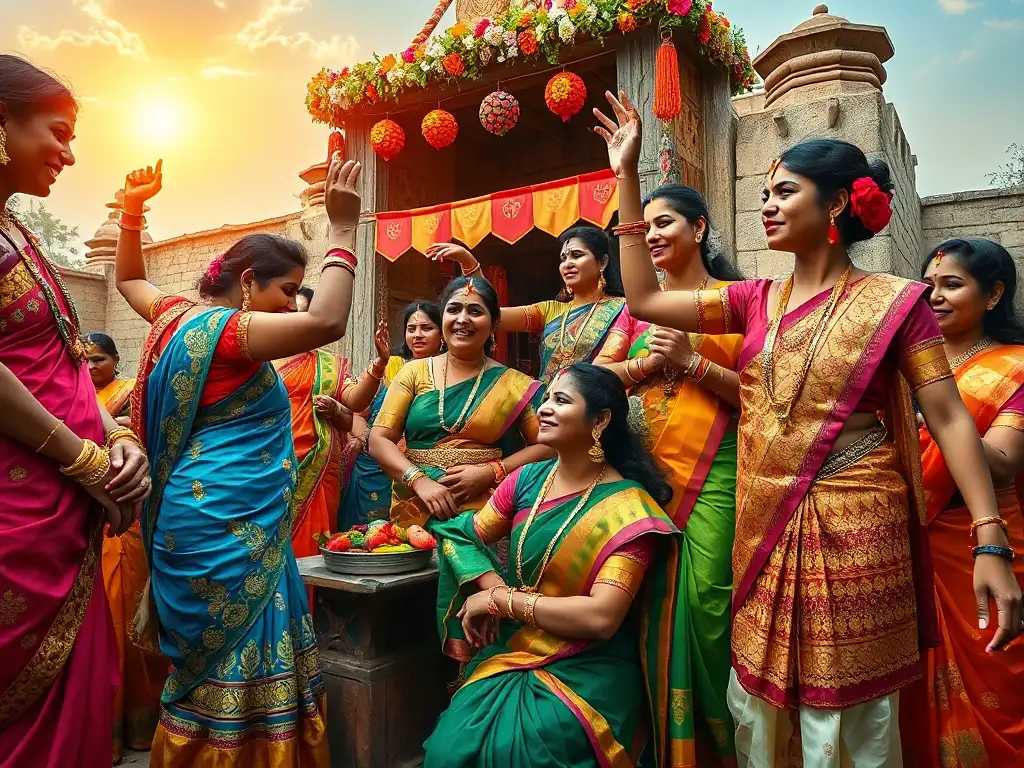
Welcome to Ancient India History, where we unravel the rich tapestry of cultures and traditions that shaped one of the world's oldest civilizations. In this journey, we invite you to explore the vibrant world of ancient Indian women festivals, a celebration of womanhood and empowerment that played a pivotal role in society. From the joyous rituals to the profound meanings behind these festivals, each story reveals the strength and contributions of women throughout history. Dive deeper with us as we celebrate the remarkable legacy of women in ancient India and discover how these traditions continue to resonate today.
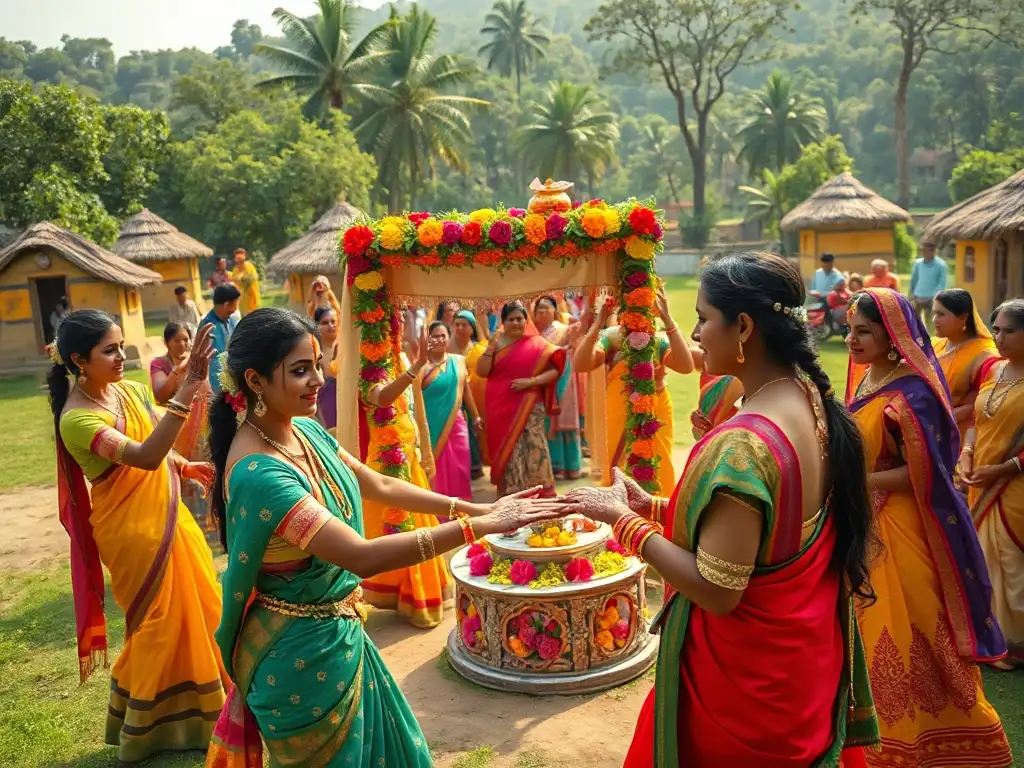
Introduction to Ancient Indian Women Festivals
Ancient India is renowned for its rich tapestry of festivals and rituals, many of which hold profound significance in celebrating womanhood. These festivals serve not only as expressions of cultural identity but also as a means to honor the vital roles that women played in society. From the vibrant festivities of Durga Puja to the intimate rituals of Karva Chauth, each event reflects the reverence for feminine principles and contributions. These celebrations provide a fascinating glimpse into the lives of ancient Indian women, showcasing their strength, resilience, and the sacredness attributed to their roles within the family and community.
Importance of Festivals in Ancient Indian Society
Festivals in ancient India were more than just occasions for joy and merriment; they were integral to the social fabric of society. The importance of these celebrations can be summarized as follows:
- Cultural Preservation: Festivals helped preserve the cultural heritage and traditions of various communities, passing down stories and practices through generations.
- Social Cohesion: They served as a platform for bringing people together, fostering community bonds and reinforcing social ties.
- Spiritual Significance: Many festivals were deeply rooted in spirituality, offering opportunities for worship, reflection, and connection with the divine.
In this context, festivals honoring women played a crucial role in acknowledging their contributions and fostering a sense of pride and identity among women in ancient India.
Overview of Rituals Celebrating Womanhood
The rituals associated with women’s festivals often varied across regions and communities, yet they shared common themes that emphasized reverence for femininity. Some prominent rituals include:
- Puja and Offerings: Ritual worship (puja) dedicated to goddesses, where women would offer prayers and symbolic offerings, representing their devotion and respect for the divine feminine.
- Fasting and Abstinence: Many festivals involved fasting as a form of penance or devotion, showcasing women’s commitment to their families and spiritual beliefs.
- Cultural Performances: Traditional songs and dances performed during festivals not only entertained but also conveyed stories celebrating women's strength and virtues.
These rituals not only highlighted the significance of women in spiritual practices but also reinforced their roles within the domestic sphere.
Historical Context of Women in Ancient India
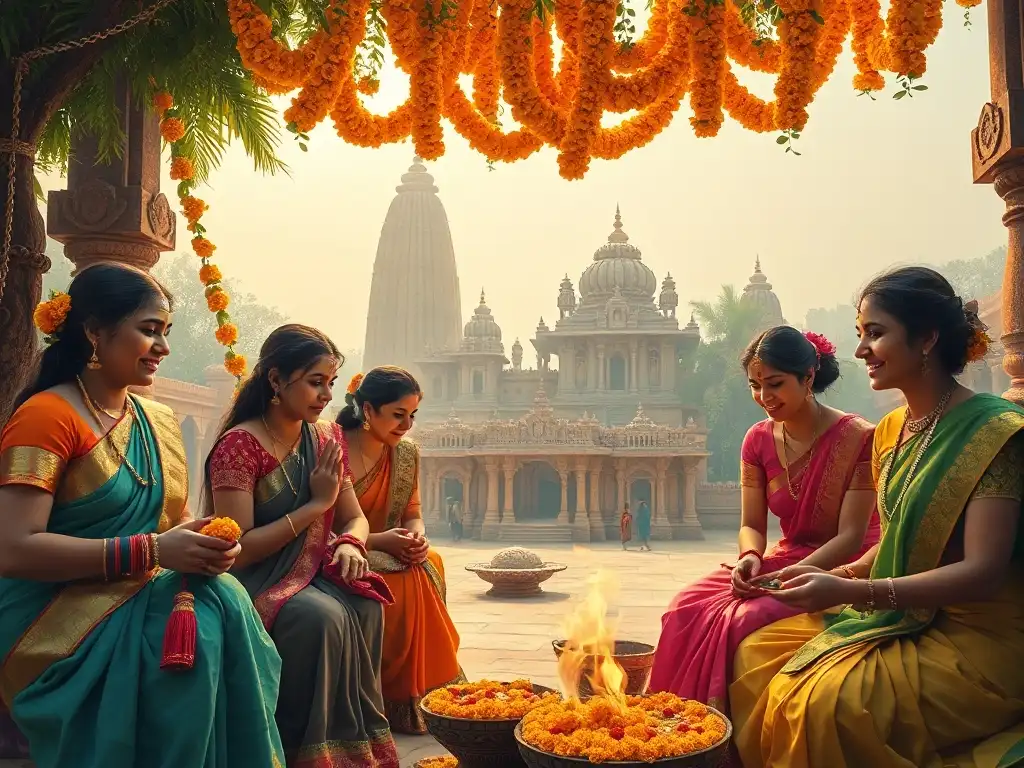
Understanding the festivals honoring women requires a look into the historical context of women in ancient India. The societal roles and contributions of women have evolved significantly over time, influenced by various cultural, religious, and political factors.
Societal Roles of Women in Ancient Indian Civilizations
In ancient Indian civilizations, women occupied diverse roles that were pivotal to both family and society. Their responsibilities often included:
- Caretakers of Tradition: Women were responsible for transmitting cultural values and traditions through storytelling and rituals.
- Economic Contributors: Many women participated in agricultural activities, crafts, and trade, contributing to the family’s economic well-being.
- Educators: Women played a crucial role in the education of children, particularly in imparting moral and ethical values.
Despite facing various societal challenges, women often emerged as central figures in the household, symbolizing strength and continuity.
Contributions of Women to Culture and Society
The contributions of women to ancient Indian culture and society are both profound and multifaceted. Some key contributions include:
- Art and Literature: Women contributed to literature, poetry, and arts, with many notable female poets and artists leaving a lasting legacy.
- Religious Leadership: Women often held important roles in religious rituals and practices, sometimes even acting as spiritual leaders within their communities.
- Philosophy and Thought: Many ancient texts and philosophies reflect the intellectual contributions of women, whose insights shaped societal values and beliefs.
These contributions underscore the vital role women played in shaping the cultural and social landscape of ancient India, providing a context for understanding the significance of festivals dedicated to honoring their legacy.
Major Festivals Honoring Women in Ancient India
In ancient India, festivals and rituals played a significant role in celebrating and honoring the contributions of women. These events often highlighted the strength, resilience, and nurturing qualities of women within the family and society. Below are some of the major festivals that specifically honored women, reflecting their pivotal roles in various cultural narratives.
Durga Puja: A Celebration of Strength and Empowerment
Durga Puja is one of the most prominent festivals in India, particularly celebrated in West Bengal. This festival not only honors Goddess Durga, the epitome of feminine strength and power, but also symbolizes the triumph of good over evil. It typically occurs in late September or early October and lasts for several days.
During Durga Puja, women partake in various rituals, including the 'Bodhon,' which marks the arrival of the goddess. The festival includes elaborate decorations, cultural performances, and community feasting. Women dress in traditional attire, showcasing their cultural heritage, and actively participate in the rituals, thereby reinforcing their role as nurturers and protectors in society. This festival serves as a powerful reminder of women's strength and their critical role in the socio-cultural fabric of ancient India.
Navaratri: Nine Nights of Feminine Power
Navaratri, which translates to 'nine nights,' is another significant festival dedicated to the worship of Goddess Durga. Celebrated across India, Navaratri signifies the divine feminine energy and is observed with various rituals and festivities spanning nine nights, culminating in Dussehra.
Each night of Navaratri is dedicated to a different form of the goddess, representing various aspects of womanhood, such as wisdom, strength, and prosperity. The festival includes vibrant dance forms like Garba and Dandiya, where women actively participate, celebrating their femininity. Navaratri promotes unity among women and empowers them, as they come together to honor the goddess and each other, expressing their cultural identity and strength.
Teej: Celebrating the Bond of Marriage and Womanhood
Teej is a popular festival in North India, particularly celebrated by married women. It honors the bond of marriage and the importance of women in familial and societal contexts. Teej is observed during the monsoon season, typically in July or August, and is marked by various rituals, including fasting, prayers, and singing traditional songs.
Women dress in beautiful traditional attire, often adorned with henna, and engage in festivities that celebrate their marital bliss and connection to their husbands. The festival fosters solidarity among women, as they come together to celebrate their roles as wives and mothers, reinforcing the importance of womanhood in ancient Indian society.
Karva Chauth: A Festival of Love and Devotion
Karva Chauth is a significant festival observed by married Hindu women across India, where they fast from sunrise to moonrise for the well-being and longevity of their husbands. This festival usually takes place in October or November and is characterized by elaborate rituals and prayers.
Women begin the day with a pre-dawn meal and spend the day in devotion, often engaging in community gatherings to share stories and support each other. As the moon rises, women perform a ritual to break their fast, symbolizing their love and commitment to their spouses. Karva Chauth underscores the themes of devotion, love, and the revered status of women as caretakers within the family structure.
Regional Variations of Women Festivals in Ancient India
The celebration of women in festivals is not uniform across India; it varies significantly by region, reflecting the diverse cultural practices and beliefs. Each region has its unique traditions and rituals that honor women, showcasing their roles in society and the importance of femininity in various cultural narratives.
North India: Unique Practices and Celebrations
In North India, festivals like Teej and Karva Chauth highlight the roles of married women. These festivals focus on the celebration of marriage, love, and the bond between husband and wife. Rituals often include fasting and prayer, reflecting devotion and the nurturing aspect of womanhood. Additionally, regional variations in celebrations can be observed, with specific customs that differ from state to state, showcasing the diversity in honoring women.
South India: Festivals Celebrating Female Deities
In South India, festivals such as Pongal and Navaratri also honor women, particularly through the worship of female deities like Durga and Lakshmi. Women play an active role in these celebrations, performing rituals, cooking traditional dishes, and decorating their homes. The emphasis on female deities in these festivals reflects a deep-rooted reverence for women as powerful figures in both familial and spiritual contexts.
East India: Traditions and Cultural Practices
East India, particularly West Bengal, celebrates Durga Puja with fervor, focusing on the strength and empowerment of women. The festival includes intricate rituals, artistic performances, and community involvement, where women take center stage. Additionally, the cultural practices in this region often interweave traditional tales and folklore that celebrate women's roles, enhancing their significance within society.
West India: Diverse Rituals Honoring Women
In West India, festivals like Gudi Padwa and Navratri are celebrated with unique customs that honor women. Gudi Padwa marks the Marathi New Year and includes rituals that symbolize prosperity and growth, with women playing a crucial role in the festivities. Similarly, during Navratri, vibrant dance festivities provide an opportunity for women to express their cultural identity and strength, showcasing the diversity of rituals honoring women in this region.
The festivals and rituals honoring women in ancient India are a testament to their vital roles in society. These celebrations not only highlight the strength, devotion, and nurturing qualities of women but also reinforce their significance in the rich tapestry of Indian culture.
Rituals and Practices Associated with Women in Festivals
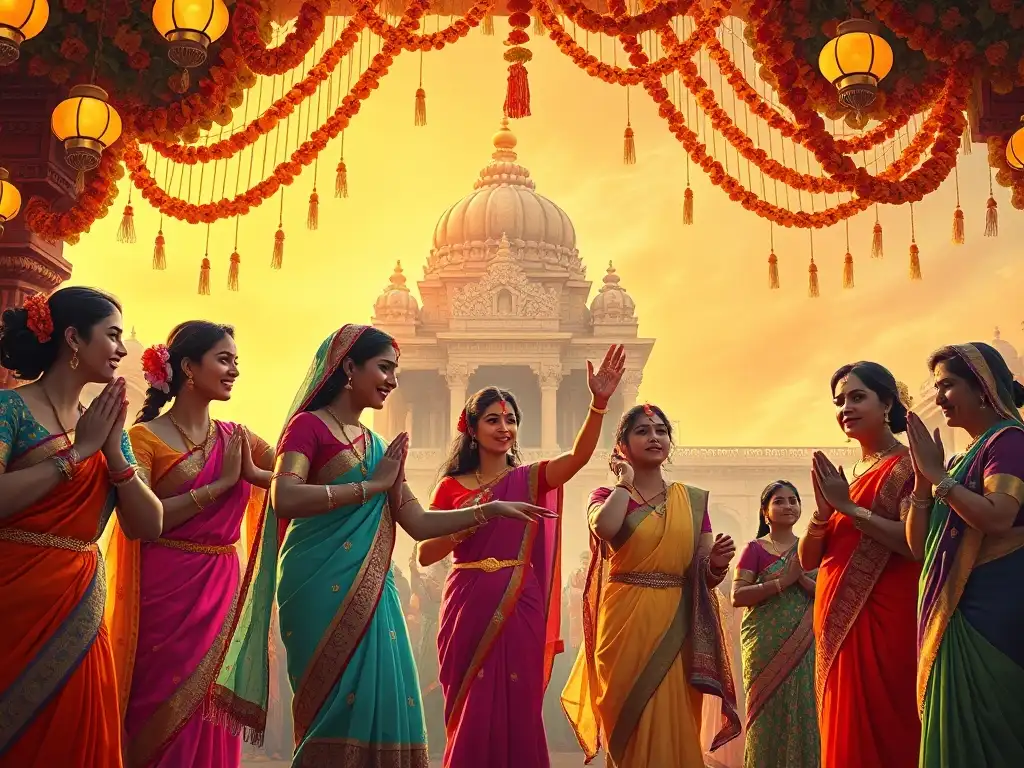
In ancient India, festivals celebrating womanhood were marked by a variety of rituals and practices that emphasized the reverence for feminine principles. These rituals often included elaborate ceremonies, prayers, and offerings, reflecting the cultural significance placed on women within society.
Women played a central role in these festivals, often acting as the primary participants in rituals dedicated to goddesses or feminine deities. For instance, during Navratri, women engage in fasting, dance, and worship, embodying the divine feminine. Additionally, rituals like Karva Chauth, where married women fast for the well-being and longevity of their husbands, highlight the importance of women's roles in family and societal structures.
The rituals were often accompanied by traditional music and dance, fostering a sense of community and shared identity among women. Such practices not only honored women but also reinforced their positions as nurturers and caretakers within their households and larger communities.
Symbolic Offerings and Their Meanings
Symbolic offerings during festivals dedicated to women were imbued with deep meanings, often reflecting fertility, prosperity, and spiritual well-being. Common offerings included:
- Rice and grain: Symbolizing fertility and abundance, these were frequently offered to deities during festivals like Sankranti, which celebrated the harvest season.
- Flowers and fruits: Representing beauty and nourishment, these offerings were used in rituals to honor goddesses, such as during Durga Puja, where intricate flower arrangements were essential.
- Henna (Mehndi): Applied on the palms of women, mehndi was not just a beautifying practice but also symbolized joy and good fortune during celebrations like Teej and Karva Chauth.
These offerings were more than mere tokens; they were acts of devotion that connected women to their cultural heritage and spiritual beliefs, reinforcing their identity and role within the community.
Role of Community in Celebrating Women’s Festivals
Community played a pivotal role in the celebration of women’s festivals in ancient India. These events were often communal gatherings where women, families, and neighbors participated together, fostering a sense of solidarity and mutual support.
- Collective Celebrations: Festivals like Navratri saw entire neighborhoods come together for dance and worship, highlighting the importance of female camaraderie and collective identity.
- Sharing of Responsibilities: During these festivals, tasks such as cooking, decorating, and performing rituals were shared, promoting collaboration and unity among women of all ages.
- Cultural Transmission: Elders often passed down traditions, stories, and rituals to younger generations during these communal celebrations, ensuring that the legacy of women’s contributions was preserved and honored.
This communal aspect not only enhanced the festival experience but also reinforced the social fabric of ancient Indian society, where women were seen as integral to community life.
The Influence of Ancient Texts on Modern Celebrations
Ancient texts such as the Vedas, Puranas, and Dharmashastras provide valuable insights into the rituals and customs associated with women’s festivals. These texts often detail the significance of women’s roles in society and the importance of celebrating femininity.
- Scriptural References: Many festivals are rooted in stories and teachings found in these texts, which emphasize the strength, beauty, and resilience of women.
- Modern Adaptations: Today’s celebrations often draw inspiration from these ancient practices, adapting them to contemporary contexts while maintaining their core values. For example, the essence of Sita Navami, celebrating the virtues of Sita, continues to inspire modern observances, emphasizing devotion and ideal womanhood.
- Cultural Preservation: The ongoing reference to ancient texts in festivals helps preserve cultural identity and ensures that the values associated with femininity are celebrated across generations.
By understanding the influence of these texts, we can appreciate how ancient wisdom continues to shape modern celebrations honoring women.
Conclusion: Legacy of Ancient Indian Women Festivals
The legacy of ancient Indian women festivals is profound, impacting both cultural practices and societal perceptions of femininity. These festivals celebrated not just the roles of women but also their contributions to society, family, and spirituality.
Lasting Impact on Contemporary Celebrations
The impact of ancient women’s festivals can be seen in various contemporary celebrations across India. Many modern festivals still honor the goddess and feminine principles, reflecting the deep-seated reverence for women in Indian culture.
- Revival of Traditions: There is a growing movement to revive traditional rituals and practices, ensuring that the essence of these festivals is not lost. Events that celebrate Gudi Padwa or Baisakhi often include components that honor women's contributions, linking the past to the present.
- Empowerment through Celebration: Today, these festivals serve as platforms for advocating women’s rights and empowerment, connecting ancient practices with contemporary movements aimed at gender equality.
The Evolution of Women’s Roles Through Festivals and Rituals
The evolution of women’s roles in society as reflected through festivals and rituals showcases a journey of empowerment and recognition.
- From Rituals to Rights: While ancient festivals emphasized traditional roles, modern interpretations are increasingly focusing on women’s rights and equality, reflecting broader societal changes.
- Adaptability of Traditions: The ability of these festivals to adapt to changing social dynamics demonstrates their resilience and enduring significance. Women are now celebrated not only as caretakers but also as leaders and contributors to various fields.
In essence, the rich tapestry of festivals honoring women in ancient India continues to evolve, ensuring that the legacies of the past inform and inspire future generations.
Reflecting on the Importance of Honoring Women
In ancient India, women held a revered position in society, and festivals honoring them served as a testament to their significant roles. Celebrating womanhood through various rituals and festivities was not merely an act of recognition but a profound acknowledgment of women's contributions to family, community, and spirituality. These celebrations often revolved around themes of fertility, motherhood, and the sustenance of the household, reflecting a deep-seated respect for the feminine energy that nurtures life.
Festivals like Navratri and Karva Chauth highlight the integral role of women in maintaining cultural values and traditions. During Navratri, women are worshipped as embodiments of divine energies, representing strength and resilience. This festival emphasizes the idea of feminine power, where women come together in collective celebration, dancing and singing, thereby reinforcing community bonds. Similarly, Karva Chauth, which involves fasting for the well-being of husbands, illustrates the devotion and strength of women, highlighting their influential role within family structures.
The rituals associated with these festivals often invoke blessings for health, prosperity, and protection, showcasing the belief in women's ability to shape the destiny of their families. By honoring women through such festivals, ancient Indian societies not only celebrated their contributions but also instilled a sense of respect and dignity towards the feminine spirit, which has profound implications even today.
How Ancient Festivals Continue to Inspire Modern Society
The legacy of ancient Indian women festivals continues to resonate in modern society, serving as a source of inspiration for contemporary celebrations. Many of these festivals have evolved while retaining their core values, emphasizing themes such as empowerment, respect, and unity among women. For instance, the practice of Gharwa, a festival celebrating married women and their roles within the family, has seen a resurgence in various forms, encouraging the recognition of women's sacrifices and contributions in today's fast-paced world.
Modern interpretations of traditional festivals often incorporate discussions around gender equality and women's rights, illustrating the adaptability of these cultural practices to contemporary issues. Events that celebrate women's achievements in various fields—be it arts, sciences, or sports—draw upon the rich heritage of ancient festivals, fostering a collective identity that encourages women to take pride in their roles and contributions.
Moreover, the resurgence of interest in these ancient practices has sparked movements to reclaim and redefine womanhood in the context of modern challenges. By learning from the past and integrating these lessons into current practices, society can cultivate a more inclusive and equitable environment for women.
Encouraging the Preservation of Cultural Heritage Celebrating Womanhood
Preserving the cultural heritage associated with ancient Indian women festivals is crucial for fostering a sense of identity and continuity for future generations. As globalization and modernization sweep across societies, the risk of losing these rich traditions looms large. However, by actively engaging in and celebrating these festivals, communities can ensure that the significance of honoring women remains alive.
Educational institutions and cultural organizations play a pivotal role in this preservation effort. By incorporating traditional festivals into educational curricula and community events, they can instill an appreciation for the historical values associated with womanhood. Workshops, seminars, and cultural programs that explore the significance of these festivals can further highlight their relevance in contemporary society.
Additionally, social media and digital platforms can serve as powerful tools for promoting awareness and participation in these festivals. By sharing stories, experiences, and the cultural significance of these celebrations, a broader audience can be engaged, inspiring a renewed commitment to honoring women.
Overall, the celebration of womanhood through ancient festivals is not just a nod to the past; it is an essential step towards creating a future that respects and values women's contributions across all facets of life. By preserving these cultural practices, societies can ensure that the spirit of honoring women continues to thrive, fostering a deeper appreciation for the feminine role in history and modernity alike.
- Introduction to Ancient Indian Women Festivals
- Importance of Festivals in Ancient Indian Society
- Overview of Rituals Celebrating Womanhood
- Historical Context of Women in Ancient India
- Major Festivals Honoring Women in Ancient India
- Regional Variations of Women Festivals in Ancient India
- Rituals and Practices Associated with Women in Festivals
- Conclusion: Legacy of Ancient Indian Women Festivals
- Reflecting on the Importance of Honoring Women
- What were some key festivals honoring women in ancient India?
- How did ancient Indian women participate in these festivals?
- What was the significance of rituals related to women in ancient festivals?
- Were there specific goddesses associated with women's festivals?
- How do these ancient traditions influence modern celebrations?
Frequently Asked Questions
What were some key festivals honoring women in ancient India?
Several festivals celebrated women, such as Navratri and Teej, which honored feminine deities and acknowledged women's roles in society.
How did ancient Indian women participate in these festivals?
Ancient Indian women actively participated in festivals through rituals, dances, and communal gatherings, showcasing their cultural significance and social roles.
Rituals often symbolized the celebration of femininity, fertility, and motherhood, reinforcing the importance of women in both family and society.
Were there specific goddesses associated with women's festivals?
Yes, many festivals were dedicated to goddesses like Durga, Sita, and Parvati, representing different aspects of femininity and strength in ancient Indian culture.
How do these ancient traditions influence modern celebrations?
Many modern festivals in India still reflect ancient traditions, with a continued emphasis on honoring women, showcasing the lasting impact of ancient Indian women festivals.
Final Reflection: Embracing the Legacy of Ancient Indian Women Festivals
The rich tapestry of ancient Indian women festivals serves as a powerful reminder of the strength and resilience of women throughout history. These celebrations not only honored the divine feminine but also recognized the pivotal role women played in society. In today's world, where gender equality remains a pressing issue, revisiting these traditions can inspire a renewed appreciation for the contributions of women and the importance of their voices in shaping culture and community.
The influence of these ancient festivals continues to resonate in contemporary society, reminding us of the sacredness of womanhood. From Durga Puja to Karva Chauth, these rituals encapsulate the reverence for women and their multifaceted roles. As we reflect on this legacy, we can draw from the words of the poet Maya Angelou: I am a woman, phenomenally. Phenomenal woman, that's me.
This sentiment echoes the spirit of ancient celebrations, urging us to honor and uplift women in all their forms.
As we move forward, let us take a moment to reflect on the lessons these ancient festivals impart. How can we incorporate the values of respect, celebration, and empowerment into our daily lives? I invite you to explore the significance of womanhood in your own journey and to actively participate in honoring the women around you. By embracing the essence of these ancient traditions, we can create a more inclusive and equitable future for all.
Embrace and Celebrate the Spirit of Womanhood!
Thank you for exploring the rich tapestry of womanhood in ancient Indian festivals and rituals! We hope this journey has inspired you to appreciate the deep-rooted traditions that honor women throughout history. Now, let's take this inspiration further and celebrate the strength and beauty of women in our modern lives.
Here are some immediate actions you can take:
- Participate in a local cultural festival: Discover how you can honor women in your community by getting involved in upcoming events dedicated to celebrating womanhood.
- Share this article with your friends and family: Spread the knowledge and spark conversations about the importance of women in history—your voice can inspire others.
- Start your own family tradition: Create a personal or family ritual that acknowledges and honors the women in your life, drawing inspiration from the customs you’ve learned about.
How do you envision celebrating the incredible women around you in your daily life?