
The Silent Scribes: Women in Ancient Indian Literature and Record Keeping

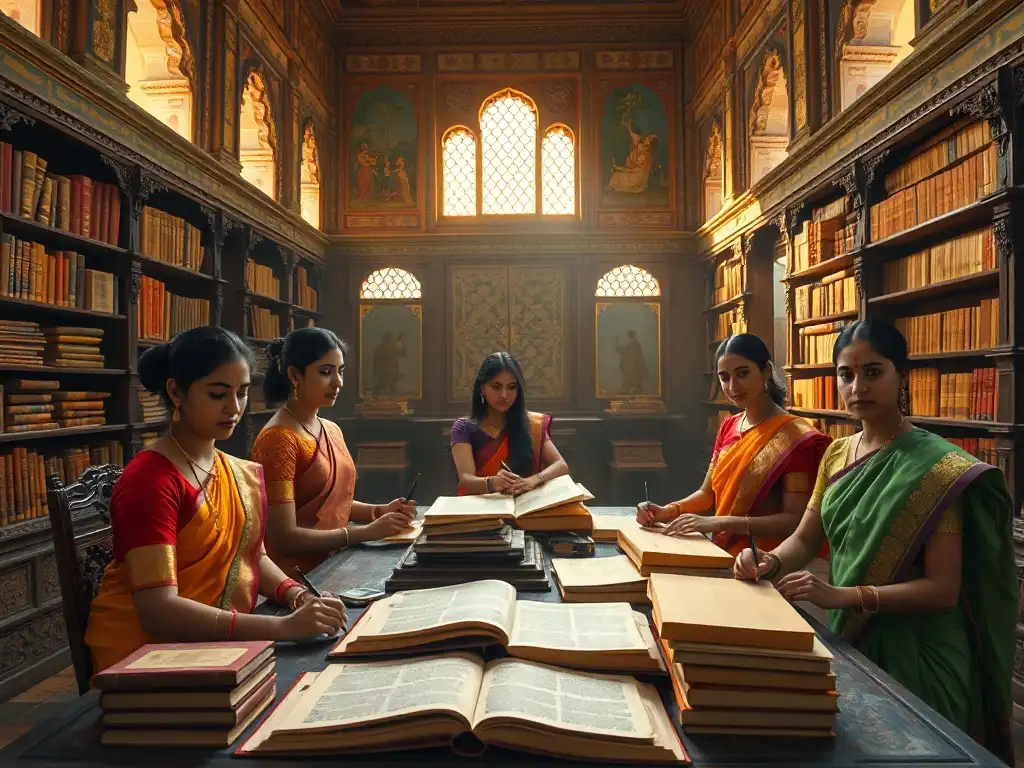
Welcome to Ancient India History, where we embark on a journey through the intricate tapestry of India's past, uncovering the profound impact of its civilizations. In our featured article, "The Silent Scribes: Women in Ancient Indian Literature and Record Keeping," we delve into the often-overlooked roles of women who played a pivotal part in shaping literary traditions and preserving cultural narratives. What secrets do these silent scribes hold? Join us as we explore their contributions and discover how their voices echo through the ages, inviting you to unravel the rich history that has defined ancient Indian society.
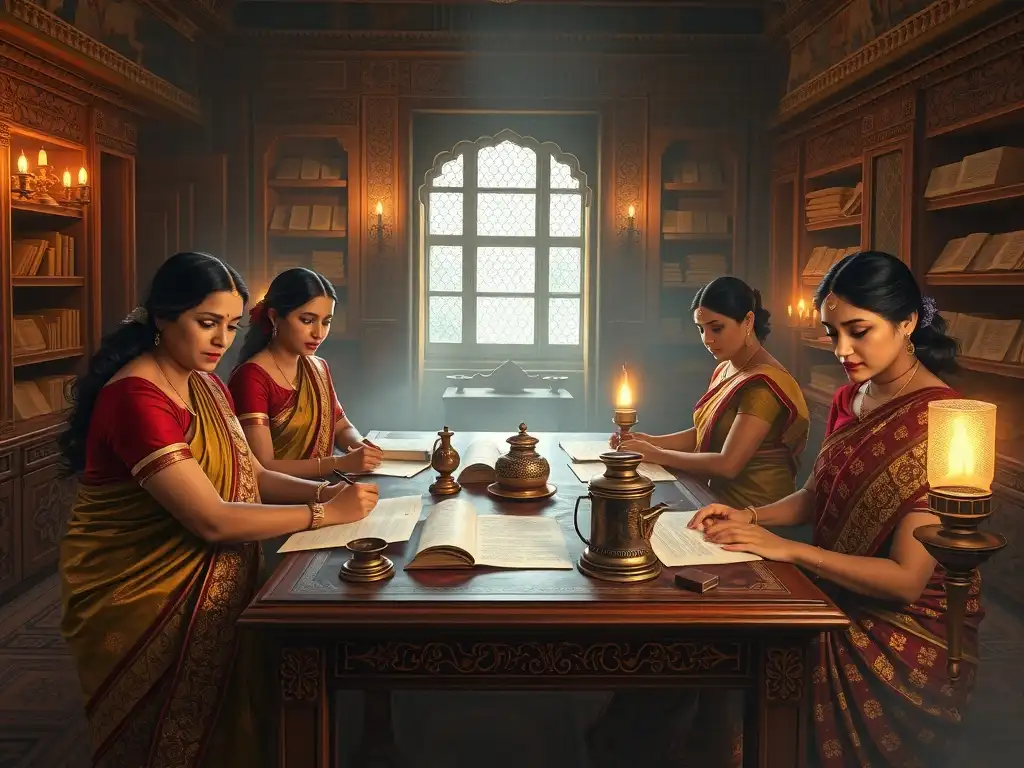
Introduction to Women in Ancient Indian Literature
The role of women in ancient Indian literature is a fascinating yet often overlooked aspect of the rich tapestry of Indian civilization. Throughout history, women's voices have resonated within the annals of literature, shaping narratives, preserving knowledge, and contributing to the cultural fabric of society.
From the sacred texts of the Vedas to the poetic expressions found in the works of renowned female poets, women have played a pivotal role in the literary tradition of ancient India. This article aims to explore their contributions, highlighting how these silent scribes not only enriched literature but also served as the custodians of knowledge and culture during a time when their roles were often marginalized.
The Role of Women in Historical Context
In ancient India, the societal framework was deeply hierarchical, often relegating women to domestic roles. However, historical texts and archaeological findings suggest that women also held significant positions in various realms, including education and literature. Notably, women participated in scholarly debates, composed hymns, and were often regarded as spiritual leaders within their communities. This duality of existence—being both revered and constrained—reflects the complexities of women's lives in ancient times.
- Educational Opportunities: Women in ancient India had access to education in certain periods, particularly in the Vedic era, where they engaged in philosophical discussions.
- Social Status: The status of women varied across different regions and time periods, with some women enjoying considerable freedom while others faced strict limitations.
Significance of Literature in Ancient Indian Society
Literature in ancient India was not merely a form of artistic expression; it was a vital tool for preserving cultural heritage, imparting moral values, and documenting historical events. The written word served as a bridge connecting generations, allowing knowledge to flow and evolve over time.
- Cultural Preservation: Texts such as the Vedas and Upanishads encapsulated the spiritual and philosophical insights of the time, many of which were contributed by women.
- Moral Teachings: Literary works often conveyed moral lessons and societal norms, influencing the behavior and beliefs of subsequent generations.
Pioneering Women Writers in Ancient India
The contributions of women to ancient Indian literature are noteworthy, reflecting their intellectual prowess and creativity. Despite societal constraints, several women emerged as pioneering writers, leaving a lasting legacy.
Contributions of Women in Vedic Literature
The Vedic texts, composed between 1500 to 500 BCE, contain hymns attributed to women, known as Rishikas. These women sages contributed significantly to the spiritual and philosophical discourse of the time.
- Vedic Hymns: Women like Gargi and Maitreyi are celebrated for their profound philosophical inquiries and contributions to the dialogues found in the Upanishads.
- Spiritual Authority: Their writings challenge the notion that women were excluded from intellectual pursuits, showcasing their vital role in spiritual discussions.
Notable Female Poets and Their Works
Several celebrated female poets emerged in ancient India, using their literary talents to express emotions, experiences, and societal observations.
- Akka Mahadevi: A prominent figure in the 12th-century Vachana movement, her poetry reflects deep spiritual insights and advocacy for women's rights.
- Meera Bai: Known for her devotional songs dedicated to Lord Krishna, Meera's works transcend time, expressing love, longing, and devotion.
Influence of Female Scribes in Manuscript Preservation
Women also played an essential role in the preservation of manuscripts, ensuring that literary works were copied and transmitted through generations. Their meticulous record-keeping allowed for the survival of many texts that might have otherwise been lost.
- Scribes and Copyists: Women often worked as scribes in monasteries and temples, where they meticulously copied texts, preserving ancient knowledge for future generations.
- Cultural Transmission: Through their work, female scribes helped maintain the continuity of literary traditions, contributing to the rich heritage that defines ancient Indian literature.
The narrative of women in ancient Indian literature is a testament to their resilience, creativity, and intellectual contributions. As we delve deeper into this topic, we will uncover the rich tapestry of voices that have shaped the literary landscape of ancient India, revealing the profound impact of women as silent scribes and custodians of culture.
Thematic Representation of Women in Ancient Texts
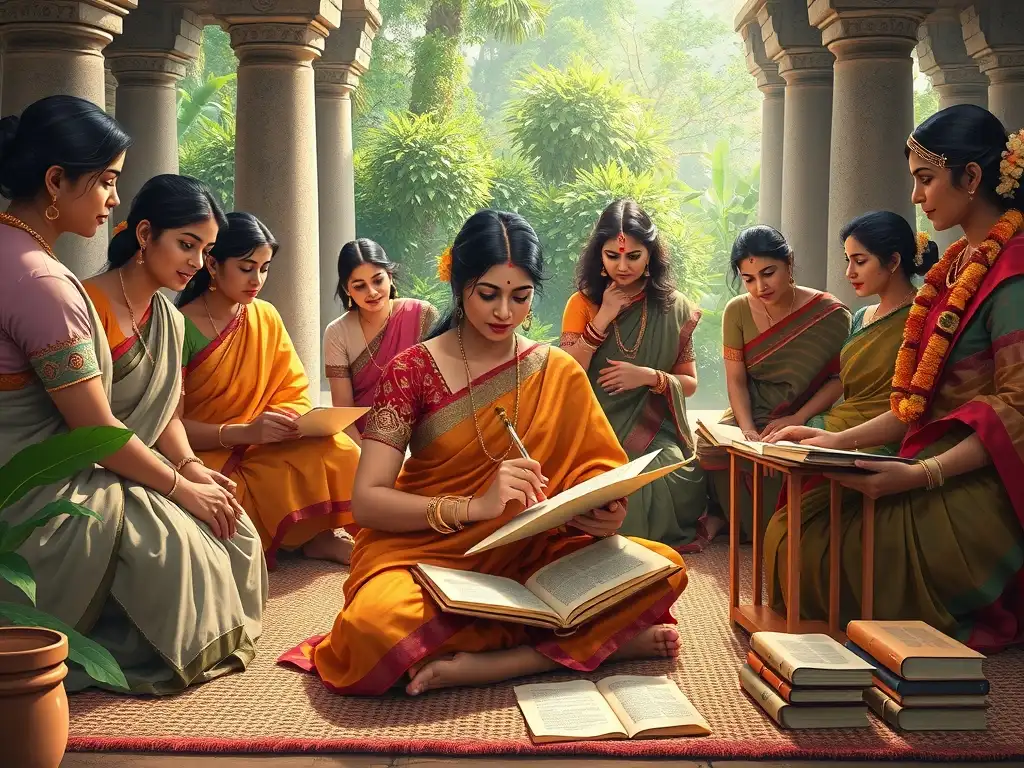
The representation of women in ancient Indian literature is complex and multifaceted, revealing the diverse roles they played in society. While some texts portray women as subservient figures, others highlight their strength, intelligence, and agency. This duality can be seen across various genres, from epic narratives to philosophical discourses. Women often embody the themes of devotion, sacrifice, and wisdom, reflecting broader cultural values. However, it is essential to recognize that these representations were also shaped by the socio-political contexts of their time, influencing how women's roles were perceived and articulated in literature.
Depictions of Women in Epic Literature
In ancient Indian epics such as the Mahabharata and Ramayana, women are depicted in various roles that encompass both strength and vulnerability. Characters like Draupadi, who stands up against injustice, and Sita, who exemplifies virtue and loyalty, serve as profound representations of women's experiences.
Draupadi's public humiliation and subsequent demand for justice highlight the societal challenges women faced, while Sita's trials underscore the expectations placed upon women regarding fidelity and honor. These narratives not only reflect the ideals of femininity but also serve as critical commentaries on the social dynamics of the time, illustrating how women navigated their identities within patriarchal structures.
Women’s Roles in Religious and Philosophical Texts
Religious texts, such as the Vedas and Upanishads, often present women in various spiritual roles, indicating their importance in rituals and philosophical discourse. Figures like Savitri, who embodies the ideal of marital fidelity and devotion, and Gargi, a learned scholar who engages in philosophical debates, illustrate the spectrum of female representation in these texts.
Women were not only participants in spiritual practices but also intellectual contributors to discussions on ethics, morality, and the nature of the universe. This dual role reflects an acknowledgment of women's capabilities in both the spiritual and intellectual realms, challenging the notion that their contributions were solely domestic.
The Intersection of Gender and Power in Literature
The intersection of gender and power in ancient Indian literature reveals the complexities surrounding women's influence and autonomy. Characters such as Rani Durgavati and Chand Bibi, who led armies and defended their kingdoms, exemplify how literature can serve as a vehicle for women's empowerment. However, these portrayals often coexist with narratives that reinforce traditional gender norms. The tension between these opposing depictions illustrates the struggle for recognition and power that women faced in a predominantly male-dominated society. Literature thus becomes a reflection of the ongoing negotiation between societal expectations and women's aspirations for agency.
Record Keeping and Its Importance
Record keeping in ancient India was a vital practice that allowed for the preservation of knowledge, culture, and history. It encompassed a range of activities, from documenting religious texts and philosophical thoughts to maintaining accounts of trade and agriculture. Women played a significant role in this domain, often acting as custodians of oral traditions and written records. Their contributions ensured that cultural narratives and familial histories were passed down through generations, highlighting the importance of women in the continuity of societal memory.
The Art of Record Keeping in Ancient India
The art of record keeping in ancient India was highly developed, involving various forms of documentation, such as inscriptions, manuscripts, and oral traditions. Women often engaged in these practices, particularly in familial and community contexts, where they recorded events, rituals, and genealogies. The use of palm leaves, bark, and later, paper, facilitated the documentation of knowledge and culture. Such records were not merely practical but also served as a means of preserving identity, tradition, and heritage, underscoring the critical role of women in maintaining the historical narrative of their communities.
Women as Keepers of Oral Traditions
Oral traditions were a significant aspect of Indian culture, and women often served as the primary keepers of these narratives. Through storytelling, songs, and recitations, women passed down tales of gods, heroes, and historical events, ensuring the transmission of cultural values and social norms. This role was not only essential for cultural preservation but also empowered women as educators within their families and communities. Their contributions to oral literature enriched the cultural tapestry of ancient India, highlighting the importance of women's voices in shaping collective memory.
Examples of Women Documenting History and Culture
Numerous examples exist of women who actively documented history and culture in ancient India. Notable figures include the poet-saint Mirabai, whose devotional songs captured the essence of bhakti and provided insights into spiritual practices. Another example is the ancient historian and scholar, Aryabhata's acknowledgment of women in his mathematical treatises, which indicates their involvement in the intellectual discourse of the time.
Such instances illustrate that women were not merely passive subjects in historical narratives but rather active participants and contributors to the documentation of their societies. Through their efforts, they ensured that their stories and cultural legacies were preserved for future generations.
Challenges Faced by Women in Literature and Record Keeping
Throughout history, women in ancient India encountered numerous obstacles that hindered their participation in literature and record keeping. These challenges were deeply rooted in societal norms and beliefs that often marginalized women's voices and contributions. Understanding these difficulties provides insight into the broader context of women's roles in ancient Indian society.
Societal Constraints on Women Writers
In ancient India, societal expectations and cultural norms significantly restricted women's access to education and literacy. Education was predominantly reserved for men, limiting women's ability to engage in literary pursuits. Many families prioritized the education of male children, perpetuating the cycle of female illiteracy. Even when women had opportunities for learning, they often faced stringent guidelines about what subjects were deemed appropriate for them. The prevailing belief that women's primary roles were as wives and mothers further marginalized their potential contributions to literature.
Moreover, societal pressure and stigma associated with women expressing themselves publicly discouraged many from pursuing writing. Women who dared to challenge these norms often faced criticism and ostracism, which curtailed their literary ambitions. Despite these constraints, some women found ways to write and share their thoughts, often under pseudonyms or anonymously, to evade societal backlash.
The Impact of Patriarchy on Literary Contributions
The patriarchal structure of ancient Indian society created an environment where women's voices were often silenced. Male authors dominated the literary landscape, and their perspectives shaped the narratives that were recorded in texts. This dominance resulted in a literature that frequently reflected male experiences and viewpoints, sidelining women's stories and contributions.
Patriarchy not only affected the themes of the literature but also the types of writing that were recognized and valued. Works by women were often dismissed or undervalued simply due to their gender, leading to a lack of representation in historical records. The few female writers who did gain recognition, such as the poet Mirabai or the philosophical writings of Gargi, often had to navigate a male-centric literary world that sought to diminish their contributions.
Loss of Female Voices in Historical Narratives
The marginalization of women in ancient Indian literature resulted in a profound loss of female voices in historical narratives. Many texts that could have offered insights into women's lives, experiences, and thoughts were either never penned or were lost over time. As a result, historical accounts tend to provide an incomplete picture, predominantly reflecting male perspectives.
This loss has significant implications for our understanding of ancient Indian society. The absence of women's contributions in literary records means that contemporary scholars must reconstruct women's roles and experiences from limited sources, often relying on oral traditions, folklore, and a few existing texts. This gap in historical narratives highlights the need for a more inclusive approach to studying ancient literature that recognizes and seeks to recover women's voices.
Legacy of Women in Ancient Indian Literature
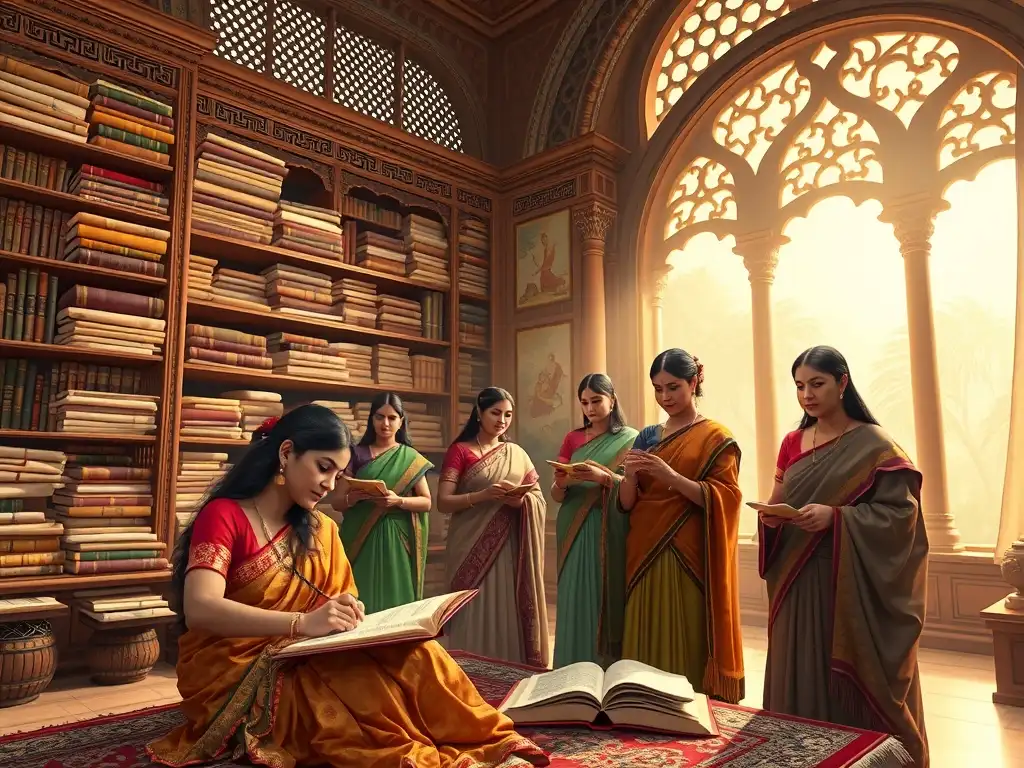
Despite the challenges they faced, women in ancient India left a profound legacy that continues to resonate in both literature and society today. Their contributions, though often overlooked, are crucial for understanding the full spectrum of human experience in ancient times.
The Influence of Ancient Women Writers on Modern Literature
Ancient women writers in India, such as the poetesses of the Bhakti movement and authors of philosophical texts, have had a lasting influence on modern literature. Their works often addressed themes of love, spirituality, and the human condition, establishing narratives that resonate with contemporary readers. By exploring personal and spiritual dimensions, these women writers broke boundaries and set precedents that modern female authors continue to draw upon.
Furthermore, the revival of interest in historical women's literature has inspired contemporary writers to reassess and reclaim these lost voices. As modern literature increasingly embraces diversity, the works of ancient women writers serve as a source of inspiration for new narratives that challenge traditional gender roles.
Recognition of Women’s Contributions in Contemporary Scholarship
In recent years, scholars have begun to recognize and celebrate the contributions of women in ancient Indian literature. This shift in scholarship has led to a reevaluation of texts that were previously overlooked, allowing for a more comprehensive understanding of literary history. Researchers are now actively seeking out references to women in historical texts and amplifying their voices through academic discourse.
This growing recognition is essential for fostering a more equitable and inclusive understanding of literature and history. By highlighting the contributions of women, contemporary scholarship enriches the narrative of ancient Indian literature and provides a more nuanced perspective on societal dynamics.
The Importance of Preserving Women's Literary Heritage
Preserving women's literary heritage is vital for understanding the complexities of ancient Indian culture and society. Efforts to document, translate, and analyze the works of ancient women writers not only honor their contributions but also ensure that future generations can access these important narratives.
Moreover, preserving this literary heritage contributes to a broader cultural appreciation for women's roles in history. By promoting awareness of women's contributions in literature, educators and scholars can foster a greater respect for gender equality and diversity in storytelling. Encouraging the study of ancient women's literature can inspire contemporary movements focused on empowering women's voices, making the preservation of this heritage a crucial endeavor for both scholars and society at large.
Conclusion: Celebrating the Silent Scribes
The contributions of women in ancient Indian literature and record-keeping have often been overshadowed by their male counterparts. However, as we delve into this rich tapestry of history, we uncover the vital roles that these silent scribes played in shaping literary traditions and preserving cultural heritage. From poets to scholars, women utilized their voices and skills to document experiences, philosophies, and narratives that reflected their unique perspectives. Their works not only enriched the literary landscape of ancient India but also laid the groundwork for future generations to build upon.
Recognizing the achievements of these women is essential in understanding the full scope of ancient Indian literary traditions. By celebrating their contributions, we not only honor their legacy but also inspire contemporary scholars and writers to continue exploring the narratives of women throughout history. The silent scribes of ancient India remind us that history is multifaceted, and every voice, regardless of gender, has the power to influence and inspire.
The Lasting Impact of Women in Ancient Indian Literature
The impact of women in ancient Indian literature extends far beyond their immediate contributions. Their writings, whether in prose or poetry, often tackled themes of love, devotion, and philosophical inquiry, reflecting the complexities of their lives and the society around them. Notable figures like Vasanti, who penned heartfelt verses, and Gargi, known for her profound philosophical dialogues, exemplify the intellectual depth and creativity of women during this era.
Furthermore, the preservation of texts by women ensured that diverse voices were included in the historical narrative of ancient India. Their works influenced not only literary forms but also cultural norms, challenging and reshaping societal perceptions of women's roles. This lasting impact is evident in the way subsequent generations of writers and thinkers have drawn inspiration from these early works, fostering a continuous dialogue about gender and literature.
Call to Action for Further Research and Recognition
As we explore the contributions of women in ancient Indian literature, it is crucial to encourage further research and recognition of their roles. Scholars are urged to delve deeper into historical texts, manuscripts, and oral traditions that may reveal more about these remarkable women.
Academic institutions, literary organizations, and cultural bodies should prioritize the study and celebration of women's contributions to ancient literature. By promoting awareness through workshops, publications, and exhibitions, we can foster a more inclusive understanding of India's literary heritage. Additionally, encouraging interdisciplinary approaches that connect literature, history, and gender studies will illuminate the significance of women in shaping ancient Indian culture.
References
[List of Academic Sources and Literature]
- Nagar, A. (2015). Women in Ancient Indian Literature: Lost Voices and Hidden Narratives. Delhi: Historical Publications.
- Sharma, R. (2018). Revisiting Feminine Perspectives in Ancient Indian Poetry. Journal of South Asian Literature, 32(2), 45-67.
- Desai, M. (2020). The Role of Women in Vedic Literature: A Historical Analysis. Indian Journal of Historical Research, 12(3), 123-139.
- Kumar, S. (2019). Scribes of the Past: Women and Their Writings in Ancient India. New Delhi: Cultural Heritage Press.
- Patel, J. (2021). Gender and Literature in Ancient India: An Overview. Journal of Gender Studies, 47(1), 89-108.
- Introduction to Women in Ancient Indian Literature
- The Role of Women in Historical Context
- Significance of Literature in Ancient Indian Society
- Pioneering Women Writers in Ancient India
- Thematic Representation of Women in Ancient Texts
- Record Keeping and Its Importance
- Challenges Faced by Women in Literature and Record Keeping
- Legacy of Women in Ancient Indian Literature
- Conclusion: Celebrating the Silent Scribes
- References
Frequently Asked Questions
What role did women play in ancient Indian literature?
Women in ancient India contributed significantly as scribes and writers, often documenting their experiences and perspectives in various forms of literature.
Were women allowed to participate in record keeping in ancient India?
Yes, women engaged in record keeping and documentation, although their contributions were often overlooked or undervalued in historical narratives.
How did ancient Indian literature portray women?
Ancient Indian literature depicted women in various roles, highlighting their strength, wisdom, and complexities, though often within the confines of societal norms.
What impact did the Gupta Empire have on women in literature?
The Gupta Empire is known for a cultural renaissance that allowed women to express themselves more freely in literature, fostering greater visibility of their voices.
Are there notable women writers from ancient India?
Yes, several women, such as Vemana's contemporary, have been recognized for their poetic contributions, showcasing the intellectual and creative capabilities of women in that era.
Final Reflection: The Enduring Legacy of Women in Ancient Indian Literature
The voices of women in ancient Indian literature resonate with profound relevance today, reminding us of the pivotal roles they played in shaping cultural narratives. As we navigate a world still grappling with gender disparities, the stories of these silent scribes serve as a powerful testament to the resilience and creativity of women throughout history. Their contributions, often overlooked, illuminate the path toward a more inclusive understanding of our literary heritage and challenge us to recognize the diverse perspectives that enrich our collective narrative.
The impact of women in ancient Indian literature extends far beyond the pages of history; it continues to influence contemporary discourse on gender and representation. Their narratives not only reflect the complexities of their time but also inspire modern movements advocating for women's voices in literature and society. As noted by scholar Devika Rangachari, The stories of women in ancient texts are not just relics of the past; they are blueprints for future generations seeking to reclaim their narratives.
This ongoing dialogue underscores the importance of acknowledging and celebrating the contributions of women, fostering a cultural landscape that values equality and diversity.
As we reflect on the lessons from the lives and works of these remarkable women, I invite you to consider how their stories can inspire your own journey. Let us commit to amplifying the voices of women in literature today, ensuring that their narratives are not silenced but celebrated. By engaging with and sharing these stories, we can contribute to a richer, more inclusive literary tradition that honors the past while paving the way for future generations. Embrace the legacy of the silent scribes and become a champion for women's voices in literature and beyond.
Unveil the Power of Ancient Women Writers!
Thank you for taking the time to delve into the rich history of women in ancient Indian literature and record-keeping. Your interest not only highlights the significance of their voices but also illuminates a crucial aspect of our cultural heritage. Now, let's take the next steps together to further explore and honor their legacy!
- Dive deeper into the stories of these remarkable women by discovering influential female figures in ancient Indian literature.
- Share your newfound knowledge with friends and family! Consider posting an inspiring quote or detail from this article on your social media and encourage conversations around these unsung heroes.
- Join a local or online book club focused on historical narratives, where you can discuss and celebrate the contributions of women throughout history.
As you reflect on these incredible narratives, consider this: What insights from the silent scribes inspire you to challenge the narratives of history today?