
The Role of Women in Ancient Indian Warfare and Strategies

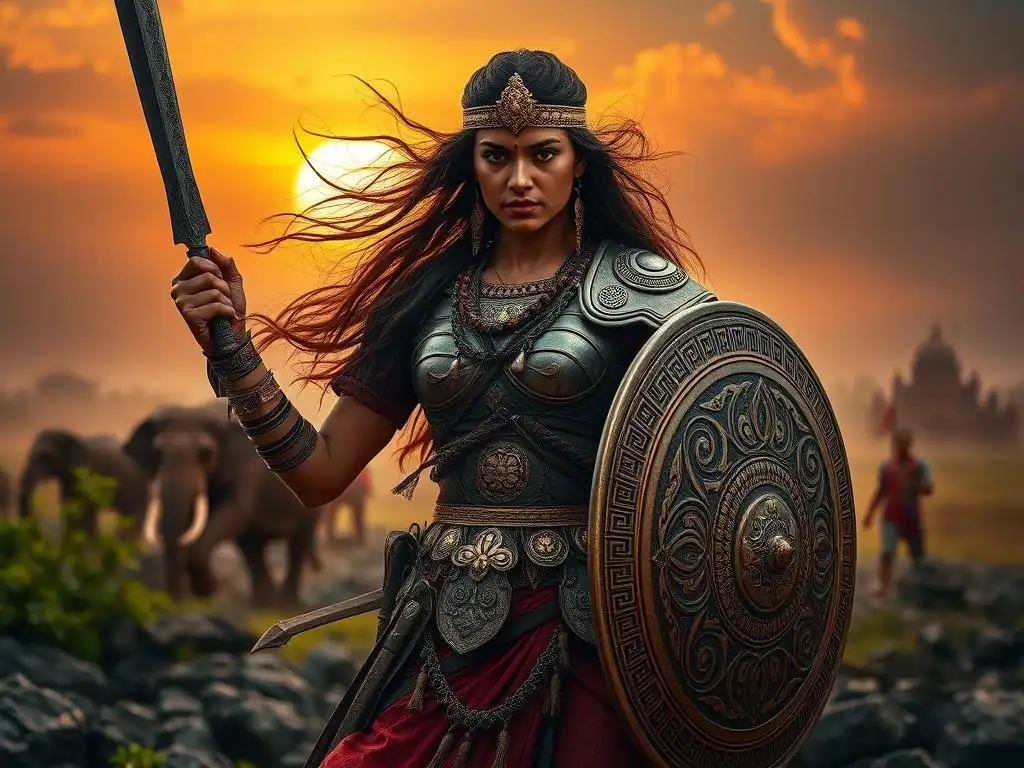
Welcome to Ancient India History, where we delve deep into the rich tapestry of India's past, uncovering the remarkable stories that shaped our world today. In this exploration, we shine a spotlight on a lesser-known but fascinating aspect: Women in Ancient Indian Warfare. Discover the powerful roles women played on the battlefield, their strategic contributions, and how they influenced the course of history. Are you ready to challenge your perceptions and uncover the strength of women in ancient times? Join us as we unravel this captivating narrative and more!
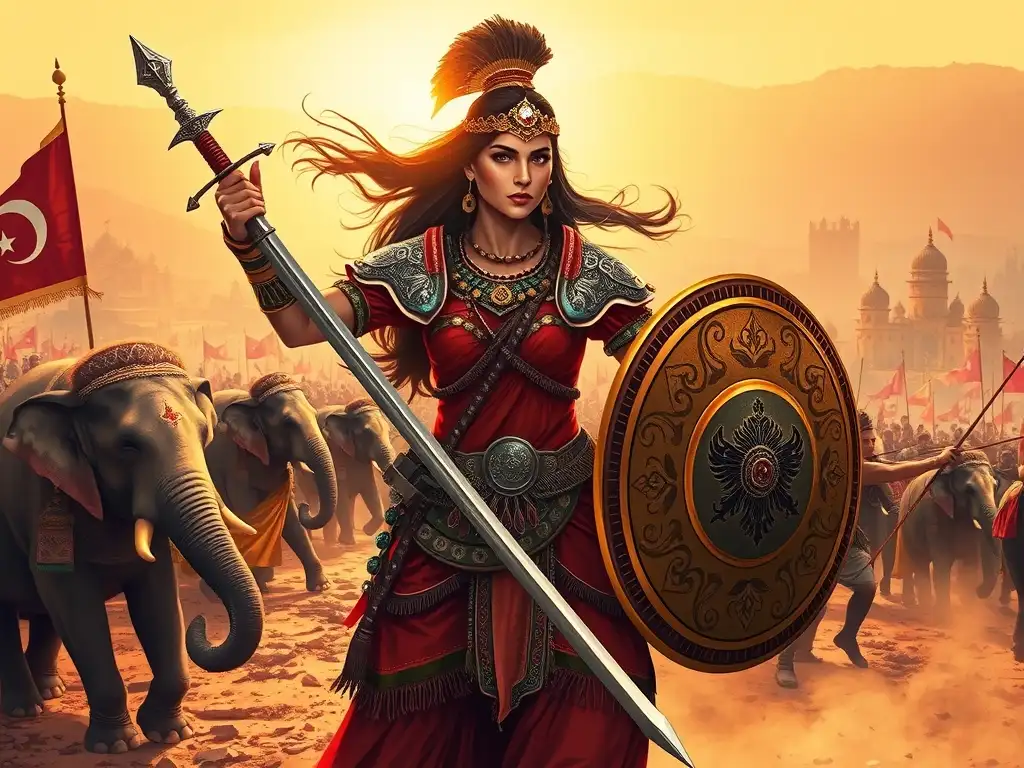
Introduction to Women in Ancient Indian Warfare
The history of ancient India is a tapestry woven with the threads of valor, strategy, and resilience, where women played pivotal roles that are often overlooked. While many narratives focus predominantly on male warriors and kings, it is essential to explore the contributions of women in ancient Indian warfare. Their involvement transcended traditional boundaries, showcasing their capabilities as strategists, warriors, and leaders. By examining the roles women held in ancient Indian military contexts, we can gain a deeper understanding of their influence on warfare strategies and outcomes, thus enriching our historical perspective.
Overview of Women’s Contributions in Warfare
Women in ancient India were not mere bystanders in the theater of war; they actively participated in various capacities. Historical texts and accounts reveal that women like Rani Durgavati and Jhansi Ki Rani Lakshmibai emerged as formidable leaders, commanding troops and leading battles against invaders. Additionally, many women served as spies, messengers, and strategists, utilizing their unique positions within society to gather intelligence and influence military decisions.
- Key Contributions:
- Leadership in battle
- Strategic planning and execution
- Roles as spies and informants
- Psychological warfare and morale boosting
Understanding these contributions allows us to appreciate the multifaceted roles women played in shaping the outcomes of significant conflicts in ancient India.
Importance of Understanding Their Role in History
Recognizing the roles of women in ancient Indian warfare is crucial for several reasons. First, it challenges the traditional narratives that often marginalize women's contributions in history. Second, it highlights the social and cultural dynamics that permitted women to transcend typical gender roles during times of conflict. By acknowledging their contributions, we not only enrich our understanding of ancient Indian history but also empower modern discussions about gender roles and equality in contemporary society.
Historical Context of Warfare in Ancient India
To fully grasp the role of women in ancient Indian warfare, it is essential to explore the historical context of warfare itself. Ancient India was marked by various dynasties, each with distinct military strategies and conflicts. The evolution of warfare strategies also played a significant role in how women were integrated into military efforts.
The Evolution of Warfare Strategies in Ancient India
Warfare in ancient India underwent significant transformations, influenced by factors such as geography, technology, and cultural exchanges. From the early use of chariots and elephants in battle to more organized infantry formations, the strategies evolved over centuries.
- Key Phases:
- The Vedic Period: Introduction of warfare concepts and the role of kshatriyas (warrior class).
- The Maurya Empire: Notable for its organized military structure and strategies.
- The Gupta Empire: Marked advancements in military tactics and the use of women in various capacities.
As warfare became more complex, the involvement of women also adapted, reflecting their evolving roles in society.
Significant Wars and Battles Involving Women
Throughout ancient Indian history, several notable battles featured women prominently. These conflicts not only showcased their martial prowess but also the societal acknowledgment of women as legitimate participants in warfare.
- Examples of Significant Battles:
- The Battle of Garha Katanga, led by Rani Durgavati against the Mughal forces.
- The Siege of Jhansi, where Rani Lakshmibai fought valiantly against British colonizers.
These historical instances serve as testaments to the courage and determination of women in ancient Indian warfare, further solidifying their legacy in the annals of history.
The exploration of women's roles in ancient Indian warfare reveals a rich and nuanced narrative that deserves recognition and appreciation, reflecting not only their contributions but also the broader societal implications of their involvement in military affairs.
Prominent Women in Ancient Indian Warfare
Throughout ancient Indian history, women played significant roles in warfare, often stepping beyond traditional boundaries to influence military strategies, leadership, and combat. These women were not just passive figures but were actively involved in various aspects of warfare, from direct combat to strategic planning. Their contributions have been documented in texts, folklore, and historical narratives, highlighting their prowess and resilience.
One notable figure is Rani Lakshmibai of Jhansi, often celebrated as a symbol of resistance against British colonial rule during the 1857 Rebellion. Although slightly later than the ancient period, her legacy draws parallels with earlier warrior queens. Additionally, Chennamma of Kittur led her troops against the British and became a key figure in the anti-colonial struggle.
Another prominent warrior was Durga, the goddess of war, who symbolizes strength and valor in Hindu mythology. Many historical female figures, inspired by such divine representations, took up arms to protect their kingdoms and uphold their honor. The existence of these warriors illustrates the vital role women played in the military landscape of ancient India.
Women Warriors: Legends and Historical Figures
Women warriors in ancient India often emerged from royal lineages, military families, or were inspired by cultural narratives that celebrated female strength. Legends abound of women who took up arms to defend their homeland, such as Queen Durgavati, who valiantly fought against Mughal forces in the 16th century. Her fierce resistance and valiant efforts are chronicled in various historical accounts, showcasing her as a formidable figure in warfare.
The tales of Goddess Kali, who is depicted as a fierce warrior, also underscore the cultural reverence for women in combat roles. Such figures inspired many women to embody similar strength and take an active part in warfare.
Historical records also mention women like Rani Padmini, whose story, while steeped in legend, reflects the bravery and strategic acumen of women in wartime. These narratives not only highlight the individual achievements of these women but also their symbolic significance in society.
Contributions of Women in Military Leadership
Women in ancient India often held positions of considerable military leadership, commanding troops and influencing battle tactics. Rani Rudrama Devi, who ruled the Kakatiya dynasty, is one of the earliest documented queens to take on military leadership, leading her forces into battle and directly participating in warfare. Her reign is notable for its emphasis on equitable governance and military prowess.
Similarly, Queen Chand Bibi, who ruled Ahmednagar, was another prominent leader who played a crucial role in defending her kingdom against the Mughal empire. Her strategic acumen and leadership during sieges are often highlighted in historical texts, showcasing how women not only participated in warfare but also shaped military strategies.
Moreover, women often acted as advisors and strategists. The presence of female leaders in military councils indicates that they were integral to decision-making processes regarding warfare, demonstrating their significant influence in shaping military outcomes.
The involvement of women in warfare had profound social and cultural implications in ancient India. Their active participation challenged traditional gender roles and redefined societal perceptions of women.
The Role of Women in Society During Times of War
During wartime, women often assumed responsibilities that extended beyond domestic spheres. They managed households, took charge of resources, and even organized support for soldiers. The Mahabharata illustrates how women like Draupadi played pivotal roles in rallying support and influencing the course of events, showcasing women's involvement in both strategy and morale.
Additionally, the necessity of women in wartime often led to shifts in societal structures. Women from various classes, including those from warrior lineages and common families, united in their efforts to support their communities, thus fostering a sense of solidarity among them.
How Warfare Influenced Women’s Status in Ancient India
The dynamics of warfare often elevated the status of women in ancient Indian society. Their contributions were recognized and celebrated, as women were seen as symbols of strength and resilience. The valor displayed by women warriors helped to shift societal views, allowing for a broader acceptance of women's capabilities beyond traditional roles.
Moreover, the aftermath of wars frequently led to changes in inheritance rights and property ownership, with some women gaining more autonomy. As warriors and leaders, they often earned respect and recognition, which laid the groundwork for future generations of women to claim their voices in society.
The role of women in ancient Indian warfare was multifaceted and impactful, shaping not only the dynamics of military engagements but also the cultural and social fabric of the time. Their legacies continue to inspire and resonate, reminding us of the significant contributions women made throughout history.
Strategies Employed by Women in Warfare
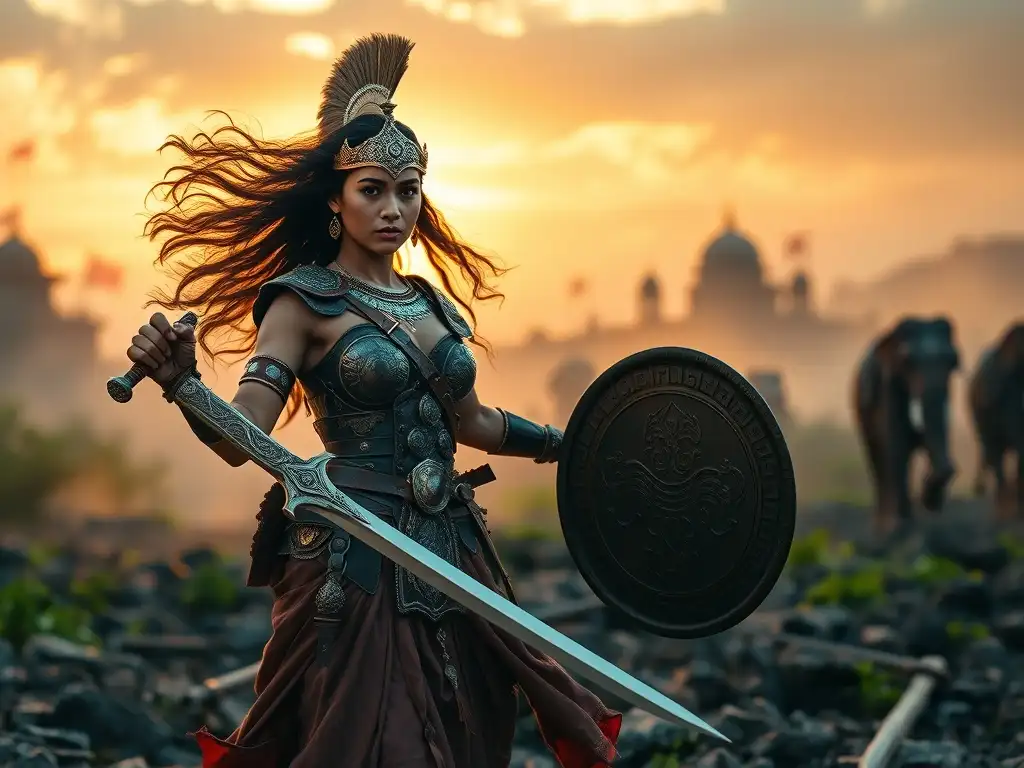
Women in ancient Indian warfare were not mere bystanders; they played crucial roles that often involved strategic thinking and tactical execution. From the early days of the Indus Valley Civilization through various dynasties, women employed a variety of strategies that reflected their unique positions within society. These strategies often revolved around leveraging their societal roles, utilizing intelligence gathering, and sometimes leading troops into battle.
One notable strategy involved the use of espionage. Women, often seen as less threatening, were able to gather intelligence from enemy camps and relay crucial information back to their leaders. This intelligence was instrumental in planning military campaigns and avoiding ambushes. Moreover, women warriors were also involved in direct combat, showcasing their valiance and combat skills, which were often underestimated by their opponents.
Furthermore, women utilized their roles as mothers and wives to mobilize community support for warfare efforts, rallying men and inspiring them through emotional appeals. They often played pivotal roles in motivating troops and maintaining morale, which was essential for sustaining long-term conflicts. The multifaceted strategies employed by women in warfare highlight their significant contributions to military efforts in ancient India.
Unique Tactical Approaches Used by Women
Women in ancient Indian warfare developed unique tactical approaches that were both innovative and effective. For instance, some women commanders were known to employ guerrilla warfare tactics, utilizing the terrain to their advantage. These tactics included ambushing enemy forces in narrow passes or dense forests, where their smaller numbers could be offset by the element of surprise.
Additionally, women often engaged in psychological warfare. They would use their status and social roles to intimidate enemies, spreading rumors about their prowess and valor. Such psychological strategies not only instilled fear but also disrupted enemy morale, making them more vulnerable during battles.
Women also participated in the design and execution of specific military formations. Historical texts suggest that women leaders would often create strategies that maximized the strengths of their troops while minimizing weaknesses. They were adept at recognizing the importance of adaptability in warfare, often adjusting their tactics based on the evolving dynamics of a battlefield.
The Role of Women in Building Alliances and Diplomacy
In ancient India, women played a significant role in building alliances and fostering diplomacy, which were essential components of warfare. Marriages were often used as strategic tools to forge alliances between kingdoms. Women, particularly princesses, were married off to kings of neighboring states to ensure political stability and military support. This practice not only strengthened ties but also facilitated communication and cooperation among different regions.
Moreover, women acted as ambassadors of peace. They often participated in negotiations and peace talks, leveraging their influence to broker deals that would benefit their kin and community. Historical examples indicate that women were sometimes entrusted with important diplomatic missions, showcasing their capabilities in negotiation and conflict resolution.
Additionally, women were instrumental in maintaining the cultural and social bonds between different groups, which was critical during times of war. By promoting shared traditions and values, women helped to create a sense of unity and purpose that was vital for rallying support during conflicts.
Myths and Realities of Women in Ancient Indian Warfare
The role of women in ancient Indian warfare has often been shrouded in myths and misconceptions. Many narratives portray women solely as passive figures, overlooking their active participation and strategic involvement in military affairs. This section aims to debunk some common myths and highlight the realities of women's contributions to warfare.
Common Misconceptions About Women Warriors
One prevalent misconception is that women were seldom involved in direct combat. While it is true that societal norms often dictated women's roles, numerous historical accounts document the presence of women in battles. For instance, texts from the Maurya and Gupta empires reference women warriors who fought valiantly alongside men, challenging the narrative of passivity.
Another myth suggests that women’s involvement in warfare was limited to noble or royal women. In reality, women from various social strata participated in military activities, whether as soldiers, strategists, or supporters. This involvement demonstrated a broader acceptance of women's roles in combat than is typically recognized.
Lastly, there is a belief that women's contributions were insignificant compared to their male counterparts. However, historical evidence indicates that women not only participated in battles but also influenced military strategies and decisions. Their roles were often crucial to the success of various campaigns, proving that they were not merely ancillary figures.
Historical Evidence Supporting Women’s Involvement in Warfare
Historical records provide substantial evidence of women's involvement in warfare throughout ancient India. For instance, the Mahabharata and Ramayana, two of the most revered epics, feature strong female characters who take part in battles and showcase their martial prowess. Characters like Draupadi and Durga embody the spirit of warrior women, symbolizing their strength and agency.
Archaeological findings also support the existence of women warriors. Inscriptions and sculptures from ancient temples depict women in combat, often armed and engaged in battle. These artifacts attest to the societal recognition of women as warriors and their contributions to the military.
Additionally, historical texts from various dynasties document instances of women leading troops into battle or serving as commanders. Figures such as Rani Durgavati and Rani Lakshmibai are celebrated for their leadership and bravery, emphasizing that women's roles in warfare were significant and impactful.
The historical evidence and accounts strongly affirm that women were integral to ancient Indian warfare, countering the myths that have long overshadowed their contributions. Their strategic involvement, combat skills, and diplomatic efforts played a vital role in shaping the military landscape of ancient India.
Conclusion: Legacy of Women in Ancient Indian Warfare
The legacy of women in ancient Indian warfare is a multifaceted narrative that transcends the conventional boundaries of gender roles. Historical accounts and archaeological findings reveal that women were not merely passive observers but active participants in military strategy and execution. Figures like Rani Durgavati and Chand Bibi exemplify how women could command armies, defend territories, and influence political landscapes. Their involvement in warfare illustrates that the contributions of women were integral to the fabric of ancient Indian society, challenging the prevailing notions of femininity and power.
The acknowledgment of these historical figures encourages a reevaluation of women's roles across various domains, including warfare. By recognizing their contributions, we not only honor their legacy but also inspire future generations to appreciate the complexities of gender in historical contexts. This legacy continues to resonate today, as the narratives of these women are increasingly integrated into discussions about equality and empowerment within military and societal frameworks.
Lasting Impact on Modern Perspectives of Women in Military Roles
The historical contributions of women in ancient Indian warfare have significantly influenced modern perspectives on women's roles in the military. As societies evolve, the recognition of women's capabilities in combat and leadership positions has gained momentum. Historical figures from ancient India serve as powerful examples, illustrating that women have always been capable of taking on roles traditionally held by men.
This legacy has contributed to a broader acceptance of women in military roles across various cultures. Today, women serve not only as soldiers but also in leadership positions within armed forces, shaping policies and strategies. The narratives of women like Rani Lakshmibai, who fought valiantly in the 1857 uprising, further underscore the ongoing relevance of women's contributions to military history. Their stories serve as a reminder that women have always played pivotal roles in shaping the course of history, paving the way for future generations to break gender barriers.
Reflection on the Importance of Recognizing Women’s Contributions in History
Recognizing women's contributions in history, especially in areas like warfare, is crucial for a comprehensive understanding of the past. Women in ancient Indian warfare were not just participants; they were strategists, leaders, and symbols of resilience. Their stories challenge traditional narratives that often downplay or overlook women's roles in significant historical events.
By amplifying these voices, we foster a more inclusive historical narrative that acknowledges the complexity of human experiences. This recognition is vital not only for honoring the past but also for inspiring future scholarship and activism. Understanding the contributions of women encourages a more equitable representation in history, ensuring that the legacies of these remarkable figures are passed down through generations.
References
Suggested Readings on Women in Ancient Indian Warfare
- Women Warriors in Ancient India by R. Sharma
- The Role of Women in Indian History by A. Desai
- Feminine Power: Women in Ancient Indian Warfare by S. Gupta
Historical Texts and Archaeological Evidence
- Historical accounts from the Mahabharata and Ramayana highlight the roles of female warriors.
- Archaeological sites in regions like Rajasthan and Maharashtra reveal artifacts and inscriptions portraying women in combat.
- Texts such as Ain-i-Akbari document the participation of women in military campaigns during the Mughal era, reflecting a continuity of women's roles in warfare throughout Indian history.
- Introduction to Women in Ancient Indian Warfare
- Historical Context of Warfare in Ancient India
- Prominent Women in Ancient Indian Warfare
- Social and Cultural Impact of Women in Warfare
- Strategies Employed by Women in Warfare
- Myths and Realities of Women in Ancient Indian Warfare
- Conclusion: Legacy of Women in Ancient Indian Warfare
- References
- What was the role of women in ancient Indian warfare?
- Did women hold leadership positions in ancient Indian military?
- How were women portrayed in ancient Indian texts regarding warfare?
- Were there any specific strategies employed by women in warfare?
- How did societal perceptions of women in warfare change over time?
Frequently Asked Questions
What was the role of women in ancient Indian warfare?
Women in ancient Indian warfare played significant roles, often serving as warriors, strategists, and sometimes even leaders. They were known to participate in battles alongside men, showcasing their courage and skill.
Did women hold leadership positions in ancient Indian military?
Yes, women occasionally held leadership positions in ancient Indian military contexts. Notable figures, such as Rani Durgavati, led armies and displayed exceptional strategic acumen in battles.
How were women portrayed in ancient Indian texts regarding warfare?
Ancient texts often depicted women as fierce warriors and capable leaders. They were celebrated for their valor and strategic insight, challenging the traditional gender roles of their time.
Were there any specific strategies employed by women in warfare?
Women employed a range of strategies in warfare, including guerrilla tactics and psychological warfare. Their intelligence and resourcefulness often gave them an edge in combat situations.
How did societal perceptions of women in warfare change over time?
Over time, societal perceptions fluctuated, with women being both revered and marginalized in military roles. While some periods celebrated their contributions, others sought to confine them to domestic spheres, impacting their involvement in warfare.
Final Reflection: The Enduring Legacy of Women in Ancient Indian Warfare
**The exploration of women's roles in ancient Indian warfare reveals a profound truth: **women were not merely passive figures in the backdrop of history but active participants who shaped the very fabric of military strategies and societal norms. Today, as we strive for gender equality and recognition of women's contributions across various fields, understanding their historical significance in warfare becomes increasingly relevant. The stories of these formidable women remind us that strength and leadership know no gender boundaries.
Culture and society are continuously influenced by the narratives we choose to remember or forget. The remarkable contributions of women in ancient Indian warfare challenge the conventional narratives that often marginalize their roles. The history of women is not just a history of oppression; it is a history of resilience and strength.
These words resonate deeply as we reflect on how the legacies of these women continue to inspire modern movements for equality and empowerment. Their stories serve as a reminder that the fight for recognition and respect is ongoing, and that the past holds valuable lessons for the present.
As we conclude this exploration, I invite you to reflect on the lessons learned from the indomitable spirit of women in ancient Indian warfare. Consider how their courage and strategic prowess can inspire you in your own life, whether in leadership roles, community involvement, or personal challenges. Let their stories empower you to break barriers and advocate for change, ensuring that the legacy of women warriors continues to inspire future generations. Embrace the call to action, and let us honor these remarkable women by recognizing and amplifying the voices of women everywhere today.
Unleash Your Curiosity About Women Warriors!
Thank you for exploring the world of ancient Indian warfare and discovering the remarkable roles women played in shaping history. Their **courage** and **strategic brilliance** offer us profound lessons and inspiration. Now, it's time to take that newfound knowledge and delve even deeper!
Take Action Today:
- Dive deeper into the story of a specific warrior woman from ancient India. Research her achievements and share your findings with friends or fellow history enthusiasts.
- Join or start a discussion in an online forum or social media group dedicated to ancient history, focusing on the significant contributions of women in warfare.
- Create a visual project—such as an infographic or a short video—highlighting the strategies utilized by women warriors, and share it to inspire others.
Which aspect of women's contributions to ancient warfare surprised you the most? How can you apply their lessons to today's world?