
Ancient Wisdom for Modern Living: The Role of Ayurveda in Holistic Wellness

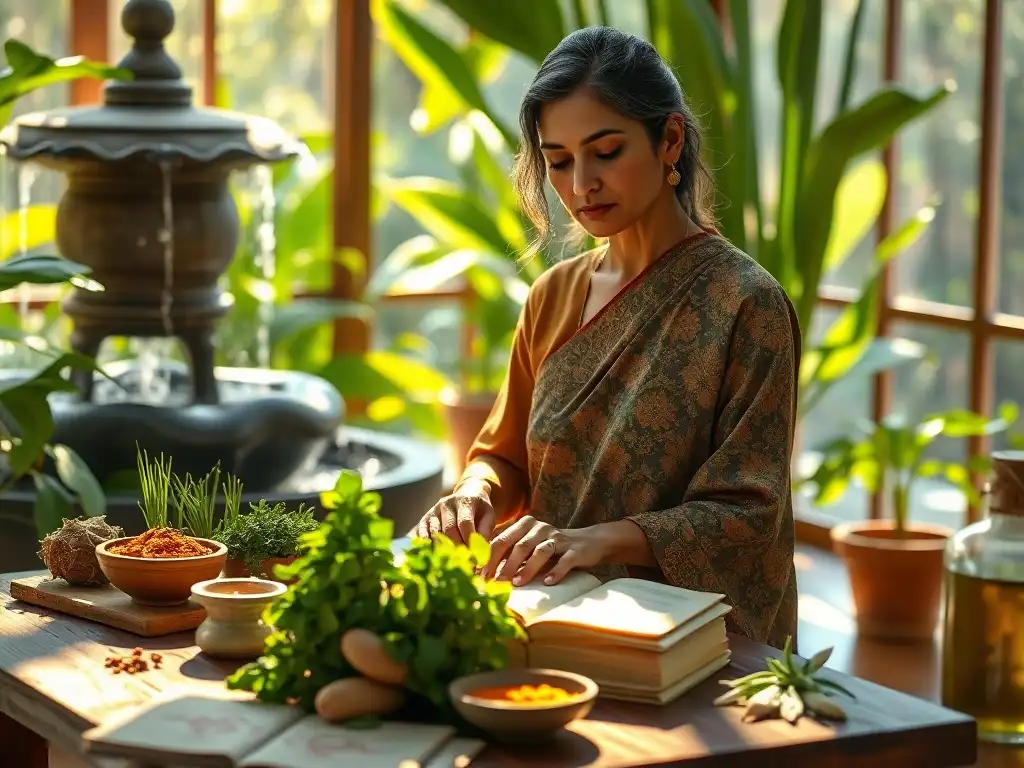
Welcome to Ancient India History, where we embark on a fascinating journey through the rich tapestry of India's past. Delve into the profound wisdom of ancient civilizations, from the awe-inspiring Indus Valley to the illustrious Gupta Empire. In our featured article, “Ancient Wisdom for Modern Living: The Role of Ayurveda in Holistic Wellness,” we uncover the timeless benefits of ayurveda and how its holistic approach to wellness can transform your life today. Are you ready to explore the secrets of ancient practices that continue to shape our understanding of well-being? Join us as we unravel these insights and more!
- Introduction to Ayurveda and Holistic Wellness
- The Core Principles of Ayurveda
- Ayurveda Holistic Wellness Benefits
- Ayurvedic Practices for Holistic Wellness
- Ayurvedic Treatments and Therapies
- Integrating Ayurveda into Modern Living
- Conclusion: Embracing Ayurveda for a Balanced Life
- Frequently Asked Questions
- Final Reflection: Embracing Ancient Wisdom for Modern Wellness
- Embrace Ayurveda for a Vibrant Life!
Introduction to Ayurveda and Holistic Wellness
Ayurveda, an ancient system of medicine that originated in India over 3,000 years ago, offers profound insights into the interconnectedness of mind, body, and spirit. This holistic approach emphasizes the importance of balance in achieving optimal health and well-being.
As modern society increasingly seeks alternatives to conventional medicine, the relevance of Ayurveda has surged, highlighting its potential benefits in the realm of holistic wellness. In this exploration of Ayurveda and holistic wellness benefits, we will delve into the ancient roots of Ayurveda, its principles, and how they can be applied to modern living, ultimately enriching our daily lives with its timeless wisdom.
Understanding Ayurveda: Ancient Roots and Modern Relevance
Ayurveda, derived from the Sanskrit words "Ayur" (life) and "Veda" (knowledge), translates to "the knowledge of life." This comprehensive system of medicine encompasses various aspects of health, including diet, herbal remedies, physical therapies, and mental wellness practices. Rooted in ancient Indian texts, such as the Charaka Samhita and Sushruta Samhita, Ayurveda offers a holistic perspective that transcends the mere treatment of symptoms.
- Core Principles of Ayurveda:
- Doshas: Ayurveda identifies three primary energies, or doshas—Vata, Pitta, and Kapha—that govern physiological and psychological functions. Each person has a unique constitution, or prakriti, which determines their dosha balance and health predispositions.
- Five Elements: The universe is composed of five elements—earth, water, fire, air, and ether. Ayurveda teaches that these elements manifest in the human body and influence health.
- Diet and Lifestyle: Central to Ayurvedic practice is the concept of Sattva, Rajas, and Tamas, which categorize foods and behaviors that promote clarity, activity, or lethargy, respectively.
In contemporary times, Ayurveda has gained recognition not only for its extensive herbal pharmacopoeia but also for its lifestyle practices, such as yoga and meditation, which align with its principles.
The Concept of Holistic Wellness in Ayurveda
Holistic wellness in Ayurveda encompasses a multi-dimensional approach to health that integrates physical, mental, emotional, and spiritual well-being. Unlike conventional medicine, which often compartmentalizes health issues, Ayurveda addresses the whole person, recognizing that imbalance in one area can affect others.
- Key Aspects of Holistic Wellness in Ayurveda:
- Mind-Body Connection: Ayurveda emphasizes the importance of mental health in physical well-being. Practices such as mindfulness and meditation are integral to maintaining this balance.
- Personalized Healing: Recognizing individual differences, Ayurveda advocates for personalized treatment plans that consider one’s dosha, lifestyle, and environmental factors.
- Preventive Care: By focusing on lifestyle modifications and dietary choices, Ayurveda promotes preventive healthcare, reducing the risk of chronic diseases and enhancing overall wellness.
By embracing the wisdom of Ayurveda, individuals can cultivate a lifestyle that harmonizes their physical and mental health, leading to profound benefits in holistic wellness.
The Core Principles of Ayurveda

Ayurveda, a time-honored system of medicine originating from ancient India, is founded on a holistic understanding of health and wellness. It emphasizes the balance between the body, mind, and spirit, advocating for a harmonious lifestyle that aligns with nature. Central to Ayurveda's philosophy are its core principles, which include the concepts of Doshas, Agni (digestive fire), Ama (toxins), and Ojas (vital energy). These principles guide individuals toward achieving Ayurveda holistic wellness benefits, promoting overall well-being and longevity.
At the heart of Ayurveda is the belief that every individual is unique, characterized by a specific combination of the three Doshas: Vata, Pitta, and Kapha. Understanding these energies is crucial for tailoring personalized wellness strategies, dietary choices, and lifestyle modifications. Additionally, Ayurveda integrates the importance of digestion; it posits that a strong Agni is essential for metabolizing food and eliminating toxins. When Agni is weak, Ama can accumulate, leading to imbalances and health issues. Conversely, maintaining Ojas is vital for sustaining vitality and resilience against diseases.
The holistic approach of Ayurveda extends beyond mere physical health. It encompasses mental and emotional well-being, recognizing that stress, emotions, and psychological factors can significantly impact a person’s health. Thus, Ayurvedic practices often include meditation, yoga, and breathing exercises to foster mental clarity and emotional stability. By embracing these principles, individuals can unlock the potential of Ayurveda, experiencing its profound benefits in their daily lives.
The Doshas: Vata, Pitta, and Kapha Explained
The concept of Doshas is foundational to Ayurveda, representing the three primary energies that govern physiological and psychological processes within the body. Each Dosha comprises a unique blend of the five elements: earth, water, fire, air, and ether. The balance of these energies influences an individual's physical characteristics, temperament, and health conditions.
- Vata (Air and Ether)
- Characteristics: Vata individuals are typically creative, energetic, and adaptable. Physically, they may be slender with dry skin and cold hands.
- Functions: Vata governs movement, circulation, and communication. It plays a crucial role in bodily functions like breathing and muscle contractions.
- Imbalances: When Vata is out of balance, individuals may experience anxiety, insomnia, or digestive issues.
- Pitta (Fire and Water)
- Characteristics: Pitta types are often fiery, ambitious, and focused. They tend to have a medium build and warm skin.
- Functions: Pitta regulates metabolism, body temperature, and digestion. It is responsible for the transformation of food into energy.
- Imbalances: An excess of Pitta can lead to irritability, inflammation, or digestive disorders.
- Kapha (Earth and Water)
- Characteristics: Kapha individuals are nurturing, stable, and calm. Physically, they often have a larger frame and smooth skin.
- Functions: Kapha provides structure, lubrication, and immunity. It supports bodily strength and resilience.
- Imbalances: When Kapha is imbalanced, it can result in lethargy, weight gain, or allergies.
Understanding one’s dominant Dosha and its characteristics can help tailor lifestyle and dietary choices that promote balance and well-being.
Balancing the Doshas for Optimal Health
Achieving balance among the Doshas is crucial for maintaining optimal health and preventing disease. Each Dosha has its own unique qualities, and balancing them involves incorporating lifestyle changes, dietary adjustments, and Ayurvedic practices tailored to individual needs.
- Dietary Adjustments:
- Vata: To balance Vata, consume warm, moist, and oily foods. Favor cooked grains, soups, and sweet fruits. Avoid dry and cold foods.
- Pitta: To calm Pitta, include cooling foods like cucumbers, leafy greens, and sweet fruits. Reduce spicy and acidic foods.
- Kapha: To balance Kapha, focus on light, warm, and stimulating foods. Incorporate spices like ginger and turmeric while minimizing heavy and oily foods.
- Lifestyle Changes:
- Vata: Establish a regular routine, prioritize rest, and engage in calming activities such as yoga or meditation.
- Pitta: Practice stress-reduction techniques, avoid overheating, and ensure adequate hydration.
- Kapha: Increase physical activity, vary the routine to avoid stagnation, and engage in stimulating activities.
- Ayurvedic Practices:
- Daily Routines: Following a daily routine (Dinacharya) that aligns with the natural rhythms of the day can help maintain balance.
- Cleansing Practices: Periodic detoxification, such as Panchakarma, can aid in eliminating accumulated Ama and restoring balance.
By implementing these strategies, individuals can harness the benefits of Ayurveda, leading to enhanced vitality, improved mental clarity, and a greater sense of well-being. Embracing the principles of Ayurveda not only addresses physical health but also nurtures the mind and spirit, promoting a holistic approach to wellness that resonates with the needs of modern living.
Ayurveda Holistic Wellness Benefits

Ayurveda, an ancient Indian system of medicine, is deeply rooted in the principles of holistic wellness. It emphasizes the interconnectedness of the body, mind, and spirit, advocating for a lifestyle that promotes balance and harmony. The benefits of Ayurveda extend beyond mere physical health, encompassing emotional and mental well-being, making it a comprehensive approach to wellness.
Physical Health Benefits: Strengthening the Body
Ayurveda offers a plethora of physical health benefits that contribute to overall strength and vitality. One of its core principles is the concept of doshas (Vata, Pitta, and Kapha), which represent different body types and physiological functions. By understanding an individual's dosha, personalized wellness plans can be created to enhance physical health.
- Detoxification:
- Ayurvedic practices such as Panchakarma are designed to cleanse the body of toxins. This detoxification process helps in the removal of impurities and rejuvenates the body's systems, leading to improved digestion and energy levels.
- Nutritional Guidance:
- Ayurveda emphasizes a balanced diet tailored to an individual's constitution. Foods are categorized based on their qualities (guna) and effects on doshas. For example, incorporating seasonal fruits and vegetables enhances vitality and supports bodily functions.
- Herbal Remedies:
- The use of natural herbs, such as Ashwagandha and Turmeric, is prevalent in Ayurveda. These herbs possess anti-inflammatory and antioxidant properties, contributing to overall physical health and aiding in the recovery from illnesses.
- Yoga and Movement:
- Integrating yoga into daily routines strengthens the body and enhances flexibility. Specific asanas are recommended based on one’s dosha, promoting physical resilience and overall fitness.
| Ayurvedic Practice | Physical Benefit |
|---|---|
| Panchakarma | Detoxification |
| Dietary Adjustments | Nutritional Balance |
| Herbal Treatments | Inflammation Reduction |
| Yoga | Strength & Flexibility |
Mental Clarity and Emotional Balance Through Ayurvedic Practices
Ayurveda recognizes the profound impact of mental clarity and emotional well-being on overall health. It offers various practices designed to enhance cognitive function and emotional stability.
- Meditation and Mindfulness:
- Regular meditation practices rooted in Ayurvedic tradition promote mental clarity and reduce stress. Techniques such as Trataka (candle gazing) help improve concentration and focus.
- Breathing Techniques (Pranayama):
- Pranayama exercises are vital in Ayurveda, as they regulate the breath and enhance the flow of prana (life force) in the body. This practice not only calms the mind but also balances emotions, fostering resilience against anxiety and depression.
- Herbs for Mental Health:
- Certain herbs like Brahmi and Gotu Kola are known to support cognitive function and emotional balance. They are often used to combat stress, enhance memory, and promote a positive outlook on life.
- Daily Routines (Dinacharya):
- Establishing a daily routine that includes specific times for meals, sleep, and activities can create stability, reducing stress and enhancing mental clarity. This structure helps in managing time effectively and maintaining emotional balance.
Boosting Immunity and Resilience with Ayurveda
A robust immune system is essential for maintaining health, and Ayurveda provides a holistic approach to enhancing immunity.
- Balanced Diet and Nutrition:
- An Ayurvedic diet rich in seasonal fruits, vegetables, and whole grains provides essential nutrients that boost immunity. Specific foods like ghee and honey are considered immunomodulatory and can support the body’s defense mechanisms.
- Adaptogenic Herbs:
- Adaptogens such as Ashwagandha, Tulsi, and Amla are integral to Ayurvedic practices. They help the body adapt to stress and enhance overall resilience, reducing the likelihood of illness.
- Lifestyle Practices:
- Regular exercise, adequate sleep, and stress management techniques are emphasized in Ayurveda. These practices contribute to a stronger immune system by ensuring the body is well-rested and stress-free.
- Seasonal Detox:
- Conducting seasonal detoxifications aligned with natural cycles can help maintain optimal immune function. This practice allows the body to adapt to environmental changes and enhances its ability to fend off diseases.
The implementation of Ayurvedic principles in daily life offers a multitude of holistic wellness benefits that are crucial for physical health, mental clarity, and robust immunity. By embracing these ancient practices, individuals can cultivate a lifestyle that promotes enduring health and well-being.
Ayurvedic Practices for Holistic Wellness

The ancient system of Ayurveda offers a comprehensive approach to health and wellness, emphasizing the balance between body, mind, and spirit. Through various practices, Ayurveda promotes holistic wellness by encouraging individuals to align their lifestyle with the natural rhythms of the world. Central to this practice are daily and seasonal routines, as well as a mindful approach to diet. This section explores these integral Ayurvedic practices that contribute to holistic wellness.
Daily Rituals: Dinacharya for Wellness
Dinacharya, or the daily routine, is a cornerstone of Ayurvedic practice. It emphasizes the importance of establishing a consistent daily schedule that aligns with natural cycles. Following Dinacharya can lead to significant improvements in physical health, mental clarity, and emotional stability. Here are some key components:
- Waking Early: Ayurveda recommends waking before sunrise, ideally during the Brahma Muhurta (the time just before dawn), to harness the peaceful energy of the early morning.
- Hydration: Starting the day with a glass of warm water or lemon water helps to hydrate the body and flush out toxins accumulated overnight.
- Meditation and Yoga: Engaging in meditation and yoga promotes mental clarity and physical flexibility. Practicing mindful breathing techniques can also reduce stress levels.
- Self-Massage (Abhyanga): Daily oil massage nourishes the skin and enhances circulation. Warm sesame or coconut oil is typically recommended, which can also help balance the body's doshas.
- Balanced Meals: Following a regular meal schedule aligns with the body's digestive cycles. Eating warm, freshly prepared meals can enhance digestion and nutrient absorption.
By incorporating these daily rituals, practitioners of Ayurveda can cultivate a sense of balance and well-being, leading to improved overall health and vitality.
Seasonal Routines: Ritucharya and Its Importance
Ritucharya refers to the seasonal routines in Ayurveda, which emphasize the need to adapt one’s lifestyle and dietary practices according to the changing seasons. Each season brings unique qualities and influences on the body, and aligning with these changes can optimize health. Here are key aspects of Ritucharya:
- Spring (Vasant): Emphasizing lighter meals and detoxifying foods to cleanse the body after winter. Green leafy vegetables and fresh herbs are ideal during this season.
- Summer (Grishma): Focusing on cooling foods and staying hydrated. Incorporating fruits like watermelon and cucumber helps maintain body temperature and hydration.
- Monsoon (Varsha): Strengthening immunity by consuming warm, cooked foods and spices like ginger and turmeric to protect against dampness and colds.
- Autumn (Sharad): Enhancing digestion with slightly heavier foods while balancing the Pitta dosha. Seasonal fruits and whole grains are recommended.
- Winter (Hemant and Shishir): Nourishing and grounding foods such as root vegetables and warm soups help combat cold and dry conditions.
By understanding and incorporating Ritucharya, individuals can enhance their well-being, prevent seasonal ailments, and maintain a harmonious balance throughout the year.
The Role of Ayurvedic Diet: Sattvic Foods for Harmony
The Ayurvedic diet plays a vital role in achieving holistic wellness. Emphasizing Sattvic foods—those that promote clarity, health, and vitality—is essential. Sattvic foods are typically fresh, organic, and minimally processed, fostering a sense of balance and harmony. Key characteristics include:
- Freshness: Consuming seasonal and locally sourced foods ensures maximum nutrient content and energy.
- Lightness: Sattvic foods are easy to digest, such as fruits, vegetables, whole grains, nuts, and seeds, which can enhance digestive health.
- Purity: Avoiding overly processed or artificial ingredients supports overall well-being and aligns with Ayurvedic principles.
- Mindfulness in Eating: Practicing mindful eating by focusing on the flavors, textures, and colors of food can enhance the dining experience and promote emotional stability.
Incorporating Sattvic foods into daily meals not only nourishes the body but also supports mental clarity and emotional balance, reflecting the core Ayurvedic tenet of living in harmony with oneself and the universe.
By embracing these Ayurvedic practices—daily rituals, seasonal routines, and a Sattvic diet—individuals can experience profound benefits on their journey toward holistic wellness. The timeless wisdom of Ayurveda continues to offer valuable insights that are highly relevant in today’s fast-paced world.
Ayurvedic Treatments and Therapies

Ayurveda, often regarded as the "science of life," encompasses a variety of treatments and therapies that aim to restore balance and promote holistic wellness. By integrating physical, mental, and spiritual health, Ayurvedic therapies provide a comprehensive approach to well-being. Here, we explore some of the most prominent Ayurvedic treatments and therapies that have been cherished for centuries.
Panchakarma: Detoxification and Rejuvenation Techniques
Panchakarma is a cornerstone of Ayurvedic healing, designed to detoxify the body and rejuvenate the mind and spirit. This five-fold therapy is tailored to cleanse accumulated toxins (ama) that can lead to various diseases and imbalances. The five procedures involved in Panchakarma include:
- Vamana (Therapeutic Vomiting):
- This technique helps eliminate excess mucus and phlegm from the lungs and digestive tract, promoting respiratory health.
- Virechana (Purgation Therapy):
- Aimed at cleansing the lower gastrointestinal tract, Virechana helps in the removal of excess bile and toxins.
- Basti (Enema Therapy):
- Utilizing herbal oils and decoctions, this therapy detoxifies the colon and nourishes the body, particularly beneficial for Vata imbalances.
- Nasya (Nasal Administration):
- This involves administering medicated oils or powders through the nasal passages, targeting head-related ailments and enhancing mental clarity.
- Raktamokshana (Bloodletting):
- Though less common, this technique can be effective in treating specific conditions by purifying the blood.
Panchakarma is not merely a detox but a comprehensive rejuvenation experience that enhances overall vitality, making it a pivotal aspect of ayurveda holistic wellness benefits.
Abhyanga: The Benefits of Ayurvedic Massage
Abhyanga, or Ayurvedic oil massage, is another significant therapy in Ayurveda. This treatment is performed using warm, herbal-infused oils tailored to the individual's dosha (body constitution), which may be Vata, Pitta, or Kapha. The benefits of Abhyanga include:
- Improved Circulation:
- The rhythmic strokes enhance blood flow, promoting overall health and vitality.
- Detoxification:
- The massage aids in the elimination of toxins and impurities through the lymphatic system.
- Nourishment of Skin:
- Herbal oils penetrate the skin, providing nourishment and improving texture and elasticity.
- Stress Relief:
- Abhyanga induces deep relaxation, reducing stress and anxiety through its calming effects.
- Balance of Doshas:
- Regular practice can help maintain equilibrium among the body's doshas, leading to improved physical and mental health.
Abhyanga is not only a luxurious experience but also an essential practice for holistic wellness, making it a key component of ayurveda holistic wellness benefits.
Herbal Remedies: Effective Ayurvedic Products for Wellness
Herbal remedies are integral to Ayurveda, providing natural solutions for various health concerns. These remedies utilize a plethora of plants, herbs, and minerals, each carefully selected for their therapeutic properties. Some notable herbal products include:
- Turmeric (Curcuma longa):
- Known for its anti-inflammatory and antioxidant properties, turmeric is often used to enhance immunity and support liver health.
- Ashwagandha (Withania somnifera):
- This adaptogenic herb helps combat stress and fatigue, promoting overall vitality and mental clarity.
- Triphala:
- A blend of three fruits (Amalaki, Bibhitaki, and Haritaki), Triphala is renowned for its digestive benefits and detoxification capabilities.
- Brahmi (Bacopa monnieri):
- Often used to enhance cognitive function and memory, Brahmi is a popular choice for mental wellness.
- Tulsi (Holy Basil):
- Valued for its immune-boosting properties, Tulsi also provides stress relief and promotes respiratory health.
Incorporating herbal remedies into daily life can effectively enhance wellness and prevent ailments, aligning perfectly with the principles of ayurveda holistic wellness benefits.
By embracing these Ayurvedic treatments and therapies, individuals can unlock the profound wisdom of ancient practices, paving the way for a balanced and fulfilling life.
Integrating Ayurveda into Modern Living

How to Incorporate Ayurvedic Principles into Daily Life
Integrating Ayurvedic principles into daily life can profoundly enhance overall well-being and promote a balanced lifestyle. Here’s how you can seamlessly adopt these ancient practices:
-
Understanding Your Dosha
The foundation of Ayurveda is the concept of Doshas, which are the energies that govern our physical and mental characteristics. There are three primary Doshas: Vata, Pitta, and Kapha. Identifying your unique Dosha can help tailor lifestyle choices, including diet, exercise, and daily routines, to enhance your wellness.
- Vata: Air and space; associated with creativity and flexibility.
- Pitta: Fire and water; linked to intelligence and determination.
- Kapha: Earth and water; related to stability and nurturing.
-
Daily Routines (Dinacharya)
Establishing a daily routine that aligns with Ayurvedic principles can optimize health. This includes:
- Waking Early: Rise before sunrise to harness the calm of the morning.
- Hydration: Start the day with warm water or herbal teas to stimulate digestion.
- Self-Massage (Abhyanga): Incorporate warm oil massages to nourish the skin and promote circulation.
-
Mindful Eating
Ayurveda emphasizes eating meals that are fresh, seasonal, and suited to your Dosha. Here are some guidelines:
- Eat with Awareness: Focus on your food, savoring each bite without distractions.
- Spices and Herbs: Use Ayurvedic spices like turmeric, ginger, and cumin to enhance digestion and boost immunity.
-
Balanced Lifestyle
Strive for a balance between work, relaxation, and physical activity. Incorporate yoga and breathing exercises (Pranayama) to promote physical health and mental clarity.
Mindfulness and Meditation in Ayurveda
Mindfulness and meditation are integral components of Ayurveda that facilitate a deeper connection between mind, body, and spirit. These practices can be incorporated into everyday life to harness significant wellness benefits:
- Mindful Breathing: Focus on your breath to cultivate awareness and reduce stress. Practicing Pranayama (breath control) can enhance mental focus and emotional stability.
- Meditation Techniques: Various techniques can be employed, such as:
- Guided Visualization: Imagine peaceful landscapes to calm the mind.
- Chanting Mantras: Repeating specific sounds or phrases can create vibrational harmony within the body.
Benefits of Mindfulness and Meditation:
- Stress Reduction: Regular practice reduces cortisol levels, promoting relaxation.
- Enhanced Concentration: Improves cognitive function and attention span.
- Emotional Balance: Helps regulate emotions, leading to a more fulfilling life.
Case Study: A Modern Wellness Journey with Ayurveda
Incorporating Ayurveda into modern living can lead to transformative wellness journeys. Consider the case of Anita, a busy professional who struggled with stress and fatigue.
- Initial Assessment: Anita underwent a Dosha assessment and discovered she was predominantly Pitta. This insight helped her understand her tendencies towards stress and irritability.
- Personalized Plan: Based on her Dosha, Anita adopted a holistic wellness plan:
- Diet: She shifted to a Pitta-pacifying diet, incorporating cooling foods like cucumbers and coconut.
- Daily Routine: Included morning yoga and evening meditation sessions, promoting relaxation.
- Results: Within a few months, Anita experienced remarkable changes:
- Improved Energy Levels: She felt more energized and focused at work.
- Reduced Stress: Practicing mindfulness and meditation significantly lowered her stress levels.
- Overall Well-being: Her holistic approach led to a balanced lifestyle and enhanced emotional health.
This case exemplifies how Ayurveda's holistic wellness benefits can be harnessed in modern life, highlighting the profound impact of ancient wisdom on contemporary health practices.
Conclusion: Embracing Ayurveda for a Balanced Life

The journey toward holistic wellness through Ayurveda is not merely a trend but a return to ancient wisdom that emphasizes balance and harmony within oneself. By integrating Ayurvedic practices into daily life, individuals can experience a multitude of benefits, ranging from improved mental clarity to enhanced physical well-being. The principles of Ayurveda encourage us to recognize our unique constitution (Prakriti) and tailor our lifestyle accordingly, which is essential for achieving optimal health.
Ayurveda's holistic approach provides tools for self-care that encompass diet, exercise, meditation, and herbal remedies. This ancient system of medicine teaches us the importance of prevention over cure, advocating for a proactive approach to health. The emphasis on natural and organic ingredients in Ayurvedic treatments nurtures not just the body but also the mind and spirit, promoting an overall sense of wellness.
In a world often dominated by fast-paced lifestyles and stress, embracing Ayurveda offers a sanctuary for healing and rejuvenation, urging us to reconnect with our roots and foster a balanced life.
The Future of Ayurveda in Holistic Wellness
As the global interest in natural and holistic approaches to health continues to rise, Ayurveda is poised to play a significant role in the future of wellness. With increasing awareness of the limitations of conventional medicine and the side effects associated with pharmaceutical treatments, more individuals are turning to Ayurveda as a viable alternative or complementary option.
- Integration with Modern Medicine: The blending of Ayurvedic principles with modern medical practices can lead to more comprehensive treatment plans. This integrative approach encourages collaboration between healthcare providers and Ayurvedic practitioners, offering patients the best of both worlds.
- Research and Validation: Ongoing research into the efficacy of Ayurvedic treatments will help validate its practices and expand its acceptance within the healthcare community. Studies focusing on specific herbs, dietary practices, and treatment modalities are essential for establishing a scientific basis for Ayurveda.
- Education and Accessibility: Increasing educational initiatives and workshops about Ayurveda can empower individuals to take charge of their health. By making Ayurvedic knowledge accessible, more people can learn to harness its benefits for their well-being.
- Sustainable Practices: As sustainability becomes a key concern in health and wellness, Ayurveda’s emphasis on natural, eco-friendly practices aligns perfectly with modern values. This approach not only promotes personal health but also contributes to the well-being of the planet.
Call to Action: Explore Ayurvedic Products and Services for Wellness
Are you ready to start your journey toward holistic wellness with Ayurveda? Discover a wide range of Ayurvedic products and services designed to enhance your well-being:
- Herbal Supplements: Explore natural remedies that support various health concerns.
- Personalized Consultations: Seek guidance from certified Ayurvedic practitioners to create a customized wellness plan.
- Wellness Retreats: Join immersive experiences that offer yoga, meditation, and Ayurvedic treatments for deep healing.
- Cooking Classes: Learn how to prepare Ayurvedic meals that nourish your body and mind.
Embrace the transformative power of Ayurveda and its holistic wellness benefits. Start your exploration today and unlock the full potential of your health and happiness!
Frequently Asked Questions
What is Ayurveda and its significance in holistic wellness?
Ayurveda is an ancient Indian system of medicine that promotes holistic wellness by balancing the mind, body, and spirit. Its practices aim to enhance overall health and longevity.
How does Ayurveda contribute to modern health practices?
Ayurveda provides natural remedies and lifestyle recommendations that are increasingly integrated into modern health practices, emphasizing the importance of preventative care and personalized healing.
What are the key benefits of Ayurveda for wellness?
The key benefits of Ayurveda include improved digestion, enhanced immunity, stress reduction, and emotional balance, all contributing to overall well-being.
Can Ayurveda be used alongside conventional medicine?
Yes, Ayurveda can complement conventional medicine by providing additional strategies for wellness and recovery, but it's essential to consult with healthcare providers before integrating both approaches.
What lifestyle changes are recommended in Ayurveda for better health?
Ayurveda recommends a balanced diet, regular physical activity, mindfulness practices, and adequate rest to promote holistic health and well-being, tailored to individual body types or doshas.
Final Reflection: Embracing Ancient Wisdom for Modern Wellness
The teachings of Ayurveda resonate profoundly in our contemporary lives, reminding us that the quest for holistic wellness is not a new endeavor but rather a journey rooted in ancient wisdom. In a world increasingly dominated by fast-paced lifestyles and superficial solutions, the principles of Ayurveda offer a refreshing perspective on health that emphasizes balance, self-awareness, and the interconnectedness of body, mind, and spirit. This age-old system of medicine invites us to reconsider our approach to wellness, urging us to cultivate habits that nurture our entire being rather than merely addressing symptoms.
The influence of Ayurveda on our cultural and social landscape is undeniable, as more individuals seek to integrate its holistic practices into their daily routines. From mindfulness in eating to herbal remedies that promote overall well-being, the principles of Ayurveda are woven into the fabric of modern wellness culture.
As we navigate the complexities of contemporary life, we find solace in the wisdom of the past. > “Health is a state of complete harmony of the body, mind, and spirit.” This quote encapsulates the essence of Ayurveda, reminding us that true wellness transcends physical health and encompasses our emotional and spiritual well-being.
As you reflect on the insights shared in this article, consider how you can incorporate the timeless teachings of Ayurveda into your own life. Take a moment to pause, breathe, and evaluate your current wellness practices. Are they aligned with the principles of balance and harmony that Ayurveda champions? Embrace the opportunity to cultivate a deeper connection with yourself and the world around you, allowing the ancient wisdom of Ayurveda to guide you toward a more holistic and fulfilling life. The journey to wellness is ongoing, and each step you take can lead to profound transformation.
Embrace Ayurveda for a Vibrant Life!
Thank you for taking the time to explore the profound insights of Ayurveda in achieving holistic wellness! We hope you feel inspired to incorporate this ancient wisdom into your modern lifestyle. The journey to a healthier, more balanced life begins with action, so why not take the first steps today?
- Start your day with intention: Incorporate a simple Ayurvedic morning routine, such as drinking warm lemon water or practicing mindfulness for five minutes.
- Explore Ayurvedic recipes: Experiment with cooking a new dish that aligns with your unique constitution to nourish both your body and soul.
- Share your journey: Connect with friends or join online communities to discuss your experiences and learn more about Ayurveda together.
What changes are you excited to make in your daily routine to integrate Ayurveda into your life? We’d love to hear your thoughts!