
The Art of Healing: Exploring Traditional Ayurvedic Spa Techniques

Welcome to Ancient India History, where we invite you to embark on a fascinating journey through the rich tapestry of India's past. Discover how the wisdom of traditional Ayurvedic spa techniques not only reflects the sophisticated healing practices of ancient civilizations but also continues to influence modern wellness. As you delve into The Art of Healing, prepare to uncover the secrets of holistic health that have stood the test of time. What ancient rituals might transform your approach to wellness? Let your curiosity guide you as you explore the profound contributions of ancient Indian culture!
Ayurveda, the ancient system of medicine that originated in India over 5,000 years ago, emphasizes a holistic approach to health and well-being. One of the most captivating aspects of Ayurveda is its focus on wellness through natural therapies, particularly the traditional Ayurvedic spa techniques. These techniques are not merely about physical treatments but encompass a profound understanding of the body, mind, and spirit. In this article, we will delve into the various traditional Ayurvedic spa techniques that have been cherished for centuries, exploring their origins, methodologies, and the benefits they offer to those seeking holistic healing.
Introduction to Traditional Ayurvedic Spa Techniques
Traditional Ayurvedic spa techniques are deeply rooted in the principles of Ayurveda, which posits that health is a balance of three doshas: Vata, Pitta, and Kapha. Each individual possesses a unique combination of these doshas, influencing their physical, emotional, and spiritual well-being. Ayurvedic spas utilize various therapies to restore this balance, employing methods that include:
- Abhyanga: A full-body massage with warm herbal oils tailored to the individual's dosha.
- Shirodhara: A soothing treatment where warm oil is poured on the forehead, promoting relaxation and mental clarity.
- Panchakarma: A detoxification process involving five therapeutic actions aimed at cleansing and rejuvenating the body.
- Udvartana: A vigorous herbal powder massage that enhances circulation and aids in weight management.
In these tranquil spa environments, practitioners use natural ingredients and ancient techniques to create a serene atmosphere conducive to healing. The experience is often complemented by soothing music, aromatic scents, and calming rituals, making each visit a journey towards rejuvenation and self-discovery.
By understanding the essence of these traditional Ayurvedic spa techniques, individuals can not only enhance their physical health but also embrace a more balanced and harmonious lifestyle. This exploration of Ayurveda invites you to experience the profound benefits of ancient wisdom in our modern world.
Key Principles of Ayurveda in Spa Treatments
In traditional Ayurvedic spa techniques, the foundational principles of Ayurveda guide the approach to healing and wellness. Ayurveda, a holistic healing system originating in ancient India, emphasizes balance in the body, mind, and spirit. The spa treatments leverage these principles to create an environment conducive to healing, relaxation, and rejuvenation.
The Doshas: Vata, Pitta, and Kapha
The concept of doshas is pivotal in Ayurveda, representing three primary energies or biological forces that govern our physical and mental characteristics. Each individual possesses a unique combination of these doshas, which influences their health and well-being. Understanding these doshas is essential for customizing spa treatments to suit individual needs.
- Vata: Associated with air and space, Vata is characterized by qualities such as dryness, lightness, and coolness. Individuals with a dominant Vata dosha may experience conditions like anxiety or dryness in the skin.
- Spa Techniques: Treatments for Vata include nourishing oils and warm herbal compresses that promote hydration and grounding.
- Recommended Therapies: Abhyanga (oil massage) with sesame oil and warm herbal baths.
- Pitta: Linked to fire and water, Pitta embodies qualities such as heat, intensity, and sharpness. Those with a Pitta imbalance may suffer from conditions such as inflammation or irritability.
- Spa Techniques: Cooling therapies, including soothing herbal pastes and calming essential oils, are ideal for Pitta types.
- Recommended Therapies: Shirodhara (pouring of warm oil on the forehead) and cooling body wraps with sandalwood.
- Kapha: Representing earth and water, Kapha is associated with heaviness, stability, and moisture. Individuals with a Kapha predominance may face issues like lethargy or congestion.
- Spa Techniques: Stimulating treatments that invigorate and detoxify the body are beneficial for Kapha types.
- Recommended Therapies: Dry brushing and invigorating herbal infusions.
By tailoring treatments based on an individual’s dosha, traditional Ayurvedic spa techniques promote holistic healing and balance, ensuring that each person receives care suited to their unique constitution.
The Role of Energy (Prana) in Healing
In Ayurveda, prana refers to the vital life force that flows within every living being. This energy is believed to influence health, vitality, and overall well-being. Spa treatments that incorporate the principles of prana aim to enhance, balance, and harmonize this energy within the body.
- Pranayama: Breathing techniques, known as pranayama, are often integrated into spa experiences. These practices help to increase the flow of prana, reduce stress, and promote relaxation.
- Benefits: Improved respiratory function, increased mental clarity, and enhanced emotional stability.
- Meditation: Many Ayurvedic spas incorporate meditation sessions, allowing individuals to connect with their inner selves and restore balance.
- Benefits: Reduces anxiety, fosters a sense of calm, and promotes emotional healing.
- Energy Work: Techniques such as Reiki or chakra balancing may also be employed to clear blockages in the flow of prana, facilitating optimal energy circulation throughout the body.
- Benefits: Enhances physical and emotional health, promotes relaxation, and supports the body's natural healing processes.
Incorporating the concept of prana into traditional Ayurvedic spa techniques enhances the overall experience, ensuring a comprehensive approach to wellness that nurtures both the body and the spirit. Through this harmonious integration, individuals can achieve deeper relaxation, improved health, and a more profound connection to their inner selves.
Popular Traditional Ayurvedic Spa Techniques
Ayurveda, the ancient Indian system of medicine, is not only a holistic approach to health but also a treasure trove of spa techniques that promote physical, mental, and spiritual well-being. Traditional Ayurvedic spa techniques focus on harmonizing the body, mind, and spirit through natural methods. Below are some of the most popular techniques that reflect the essence of Ayurvedic healing.
Abhyanga: The Art of Ayurvedic Massage
Abhyanga is a traditional Ayurvedic massage technique that utilizes warm herbal oils to nourish the body. This practice is deeply rooted in the principles of Ayurveda, emphasizing the need for balance among the body's doshas (Vata, Pitta, and Kapha).
- Benefits of Abhyanga:
- Improves Circulation: The rhythmic strokes used in Abhyanga enhance blood flow and lymphatic drainage.
- Detoxification: The warm oils help release toxins stored in the body, promoting detoxification.
- Nourishes the Skin: Herbal oils are rich in nutrients, providing hydration and improving skin texture.
- Relaxes the Mind: The soothing nature of the massage calms the nervous system, reducing stress and anxiety.
The technique involves the application of oil in a specific sequence, often starting from the head and moving down to the feet. Practitioners may use different oils depending on the individual's dosha, ensuring a personalized experience.
Shirodhara: A Unique Oil Therapy
Shirodhara is a distinctive Ayurvedic therapy that involves gently pouring warm herbal oil onto the forehead, specifically on the "third eye" area. This practice is known for its profound effects on mental clarity and relaxation.
- Key Features of Shirodhara:
- Mind-Body Connection: The continuous flow of oil calms the mind, promoting deep relaxation and mental clarity.
- Alleviates Stress: Shirodhara is particularly effective for reducing stress, anxiety, and insomnia.
- Supports Hair Health: The herbal oils used can nourish the scalp, promoting healthy hair growth.
The process typically lasts around 30 to 60 minutes and is often combined with other therapies, such as massage, to enhance the overall experience. Shirodhara is especially recommended for individuals dealing with psychological stress or fatigue.
Pindaswedana: Herbal Bolus Massage
Pindaswedana is an Ayurvedic spa technique that involves the use of heated herbal boluses, or "pindas," for massage. These boluses are made from a blend of medicinal herbs, rice, and other natural ingredients, wrapped in a cloth and heated to provide therapeutic benefits.
- Benefits of Pindaswedana:
- Relieves Muscular Tension: The heat and pressure from the boluses help relax tense muscles and soothe joint pain.
- Enhances Flexibility: This technique is particularly beneficial for athletes and individuals with stiff muscles.
- Promotes Detoxification: The herbs used in the boluses stimulate the body's detoxification processes.
During the treatment, the practitioner applies the boluses to specific areas of the body, using gentle pressure. This technique is often recommended for those suffering from chronic pain or muscular discomfort, as it combines the benefits of heat therapy with herbal medicine.
By integrating these traditional Ayurvedic spa techniques into wellness routines, individuals can experience profound benefits that promote overall health and balance. Whether through the nourishing strokes of Abhyanga, the relaxing flow of Shirodhara, or the therapeutic application of Pindaswedana, each technique offers a unique pathway to holistic healing rooted in ancient wisdom.
Udwarthanam: The Herbal Powder Massage
Udwarthanam is a unique and deeply therapeutic traditional Ayurvedic spa technique that utilizes herbal powders to invigorate the body. This ancient practice is renowned for its ability to stimulate circulation, detoxify the body, and promote overall well-being. During an Udwarthanam session, a blend of herbal powders, often including ingredients like barley, chickpea flour, and various herbs, is applied to the body in a vigorous massage.
The process begins with the selection of a specific herbal powder tailored to the individual’s dosha (body constitution) and health concerns. The massage is performed in a specific direction - against the natural flow of the lymphatic system - which enhances lymphatic drainage and encourages the removal of toxins. This technique is particularly beneficial for those seeking to reduce body fat and improve skin texture.
Benefits of Udwarthanam:
- Weight Loss: Regular sessions can support weight management by breaking down fat deposits.
- Improved Circulation: The vigorous motions promote better blood flow, which can enhance nutrient delivery throughout the body.
- Skin Health: The exfoliating properties of the herbal powders help in removing dead skin cells, leading to a smoother and more radiant complexion.
- Muscle Tone and Strength: The massage stimulates muscle tone and strength, making it an excellent choice for those looking to enhance physical fitness.
Udwarthanam is not just a physical treatment; it also promotes mental clarity and emotional balance. The aromatic herbs used in the powders can create a soothing atmosphere, allowing for a holistic approach to wellness. As a result, individuals often leave feeling revitalized and rejuvenated, making Udwarthanam a cherished component of traditional Ayurvedic spa experiences.
Choosing the Right Ayurvedic Spa Experience
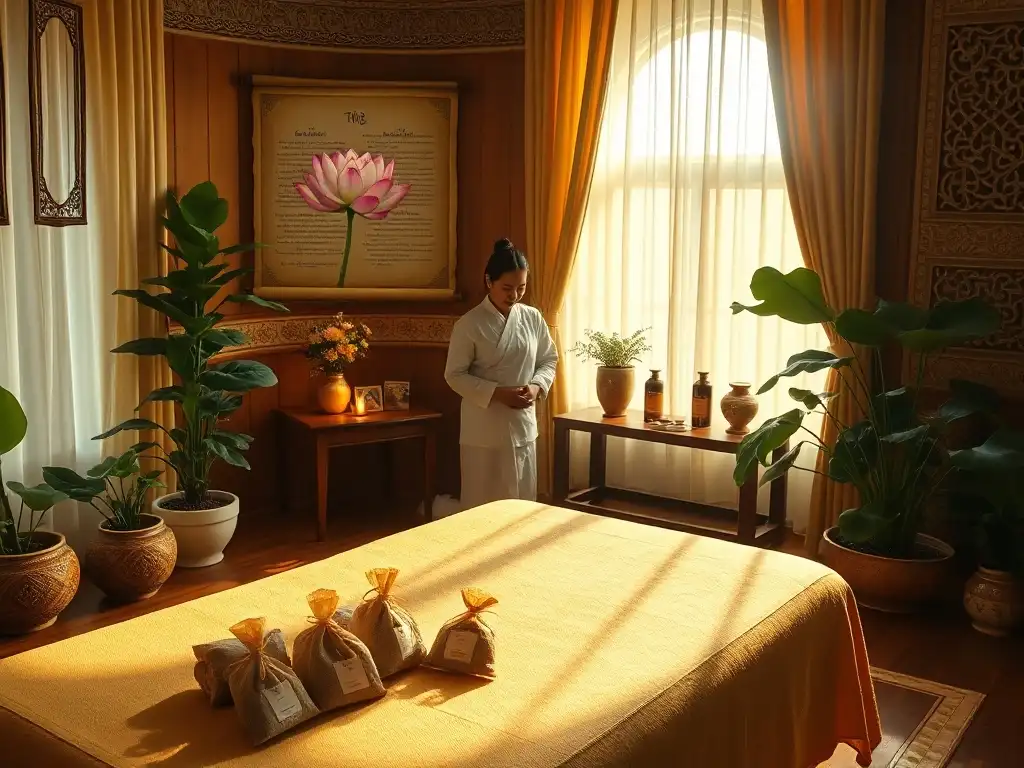
Embarking on a journey to rejuvenate your body and mind through traditional Ayurvedic spa techniques requires thoughtful consideration. The myriad options available can be overwhelming, so understanding what to look for will enhance your experience.
Factors to Consider When Selecting an Ayurvedic Spa
When selecting an Ayurvedic spa, several key factors should guide your decision-making process to ensure an authentic and beneficial experience.
- Authenticity of Ayurvedic Practices
- Verify that the spa adheres to traditional Ayurvedic principles. Look for practitioners with certification from recognized Ayurvedic institutions.
- Research the spa's offerings to ensure they utilize natural and organic products, as Ayurvedic principles emphasize the importance of using pure ingredients.
- Qualified Practitioners
- Seek out spas that employ licensed Ayurvedic doctors or practitioners with extensive training. Their expertise is crucial for personalized treatments that align with your specific dosha (body constitution).
- Consider the practitioner's experience and specialties; some may focus on rejuvenation, while others may excel in detoxification or stress relief.
- Facility Environment
- The ambiance of an Ayurvedic spa should promote relaxation and tranquility. Look for spas with serene surroundings, soothing decor, and a peaceful atmosphere.
- Check for cleanliness and hygiene practices, as these are vital to a safe and pleasant experience.
- Range of Treatments Offered
- Evaluate the variety of traditional Ayurvedic spa techniques available, such as Abhyanga (oil massage), Shirodhara (oil pouring on the forehead), and Panchakarma (detoxification).
- A comprehensive menu allows you to choose treatments that best suit your wellness goals.
- Personalization of Services
- An effective Ayurvedic experience should be tailored to individual needs. Inquire whether the spa conducts a dosha assessment to customize your treatments.
- Personalized wellness plans can include dietary recommendations, lifestyle advice, and follow-up consultations.
- Location and Accessibility
- Consider the spa's location. A retreat in a tranquil setting can enhance your experience, providing a peaceful environment to unwind.
- Accessibility is also important; ensure the spa is reachable without undue difficulty, allowing you to arrive relaxed and stress-free.
- Customer Reviews and Recommendations
- Look for testimonials from previous clients to gauge their experiences. Positive reviews often indicate a high level of service and satisfaction.
- Personal recommendations from friends or online wellness communities can also be valuable in choosing the right spa.
Recommended Ayurvedic Spas and Retreats
Here is a curated list of renowned Ayurvedic spas and retreats that exemplify excellence in traditional Ayurvedic spa techniques:
| Spa Name | Location | Specialties | Notable Treatments |
|---|---|---|---|
| Ananda in the Himalayas | Uttarakhand, India | Luxury wellness retreats | Panchakarma, Abhyanga |
| Kumarakom Lake Resort | Kerala, India | Traditional Kerala treatments | Shirodhara, Ayurvedic diet |
| Kalari Kovilakom | Kerala, India | Authentic Ayurvedic therapies | Marma therapy, detox |
| Swaswara | Karnataka, India | Integrative wellness and yoga | Abhyanga, wellness coaching |
| Vana Retreat | Uttarakhand, India | Holistic healing and wellness | Customized packages |
These spas not only offer authentic treatments but also focus on providing an immersive experience that aligns with Ayurvedic principles. Prioritize your wellness by choosing a retreat that resonates with your personal needs and preferences.
Selecting the right Ayurvedic spa experience involves careful consideration of various factors, from the authenticity of treatments to the qualifications of practitioners. By making informed choices, you can fully enjoy the benefits of traditional Ayurvedic spa techniques and enhance your overall wellness journey.
Benefits of Traditional Ayurvedic Spa Techniques
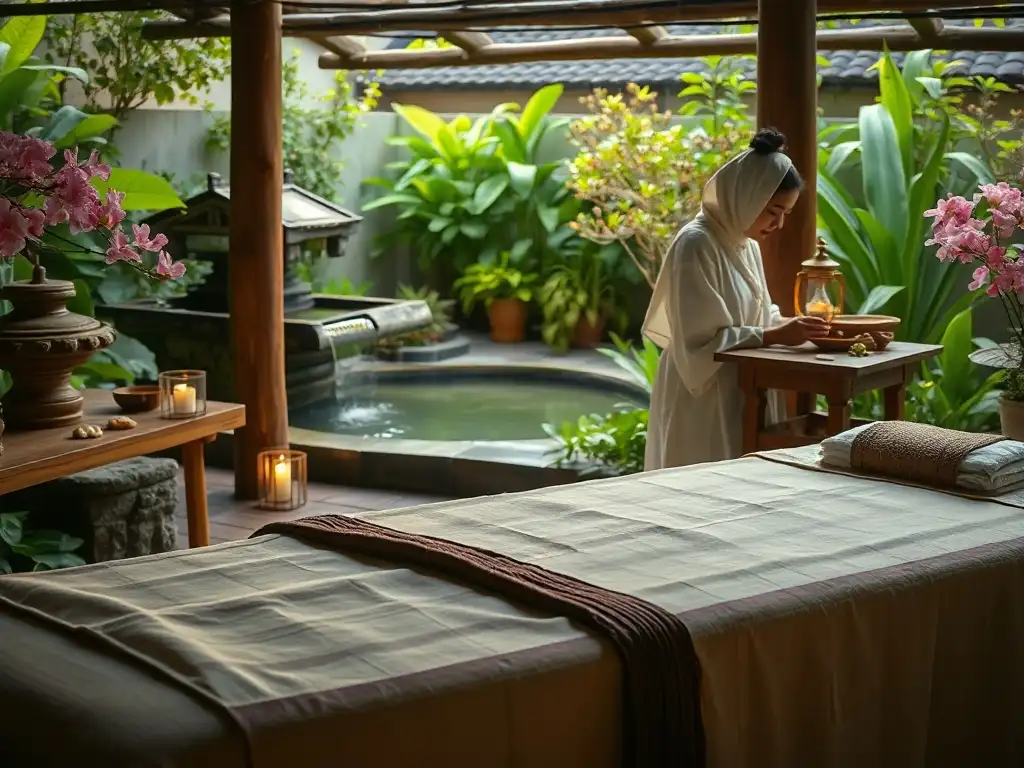
Traditional Ayurvedic spa techniques are deeply rooted in the ancient practices of Ayurveda, which emphasizes balance, harmony, and holistic well-being. By integrating natural elements with therapeutic methods, these techniques offer a plethora of benefits that cater to both physical and mental wellness. Understanding these benefits is essential for anyone looking to explore the transformative power of Ayurvedic spa experiences.
Physical Benefits: Detoxification and Relaxation
One of the primary physical benefits of traditional Ayurvedic spa techniques is detoxification. The methods employed in these spas focus on cleansing the body of toxins and impurities, promoting overall health. Common practices include:
- Abhyanga (Oil Massage): This full-body massage uses warm herbal oils tailored to individual doshas (body types), which aids in improving circulation and stimulating the lymphatic system, thus facilitating detoxification.
- Swedana (Herbal Steam Therapy): Following an oil massage, patients often undergo herbal steam therapy, which opens the pores and allows for deeper toxin elimination through sweating.
- Panchakarma: A more intensive detoxification process, Panchakarma involves five therapeutic actions designed to cleanse the body. This may include Vamana (therapeutic vomiting), Virechana (purging), and Basti (enema), all of which help in removing accumulated toxins from the body.
In addition to detoxification, traditional Ayurvedic spa techniques promote relaxation, which is crucial for physical health. Techniques such as:
- Shirodhara: This involves a steady stream of warm oil poured over the forehead, inducing a deep state of relaxation and calming the nervous system.
- Marma Therapy: By stimulating specific points on the body, marma therapy not only relaxes muscles but also enhances the flow of energy, contributing to overall physical rejuvenation.
Mental and Emotional Benefits: Stress Reduction
The mental and emotional benefits of traditional Ayurvedic spa techniques are equally significant. By focusing on the mind-body connection, these practices foster a state of tranquility and psychological well-being. Some key aspects include:
- Mindfulness through Rituals: The rituals involved in Ayurvedic treatments are often meditative, encouraging mindfulness and presence in the moment. This helps in reducing anxiety and promoting emotional balance.
- Aromatherapy: The use of essential oils during treatments not only enhances relaxation but also stimulates the brain's limbic system, which plays a vital role in regulating emotions. Oils such as lavender and sandalwood are commonly used for their calming properties.
- Customized Treatments: Each individual's treatment is designed according to their unique constitution, or dosha, which promotes a sense of personal care and attention. This tailored approach can significantly enhance emotional well-being, as clients feel understood and valued.
The cumulative effect of these techniques leads to a profound reduction in stress levels. Regular engagement with traditional Ayurvedic spa methods can cultivate resilience against daily stressors, leading to a more balanced and harmonious life.
Traditional Ayurvedic spa techniques provide a holistic approach to wellness, with notable physical benefits like detoxification and relaxation, as well as mental and emotional advantages, particularly in stress reduction. Embracing these ancient practices can lead to a transformative journey toward health and well-being.
Integrating Ayurvedic Spa Techniques into Daily Life
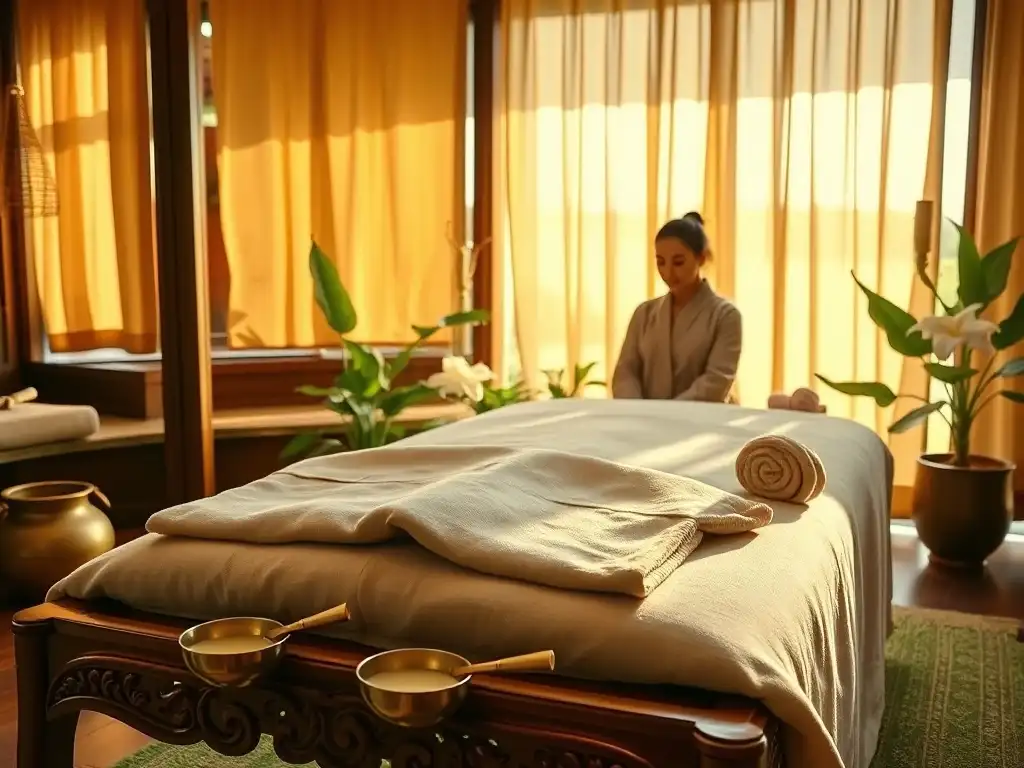
Integrating traditional Ayurvedic spa techniques into daily life can significantly enhance overall well-being and promote a holistic approach to health. By incorporating these methods, individuals can experience the therapeutic benefits of Ayurveda beyond the spa environment.
Daily Practices for Wellness: Self-Care Rituals
Adopting self-care rituals based on traditional Ayurvedic spa techniques can lead to improved physical and mental health. Here are some essential practices:
-
Abhyanga (Self-Massage):
This warm oil massage is a cornerstone of Ayurvedic self-care. It promotes circulation, detoxifies the body, and nourishes the skin. Use oils suitable for your dosha (body type):
- Vata: Sesame oil
- Pitta: Coconut or olive oil
- Kapha: Mustard oil
-
Udvartana (Herbal Scrub):
This invigorating treatment uses herbal powders to exfoliate the skin. It helps in stimulating circulation and reducing excess fat. Incorporate this scrub into your weekly routine for a refreshing experience.
-
Nasya (Nasal Therapy):
Applying herbal oils to the nostrils can clear the sinuses and improve mental clarity. This technique is especially beneficial in dry climates or during allergy seasons.
-
Meditation and Pranayama:
Engage in meditation and breath control exercises to harmonize the mind and body. These practices can reduce stress and enhance focus, a perfect complement to the physical treatments of Ayurveda.
-
Dietary Adjustments:
Incorporate Ayurvedic principles into your diet by consuming fresh, seasonal, and locally sourced foods. Focus on balancing the six tastes (sweet, sour, salty, bitter, pungent, and astringent) to support your dosha.
By making these practices a part of your daily routine, you can cultivate a sustainable self-care regimen that aligns with traditional Ayurvedic spa techniques.
Combining Ayurveda with Other Wellness Practices
Integrating traditional Ayurvedic spa techniques with other wellness practices can create a comprehensive approach to health. Here are some effective combinations:
-
Yoga and Ayurveda:
The synergy between yoga and Ayurveda is profound. Practicing yoga not only improves flexibility and strength but also enhances the benefits of Ayurvedic treatments. Specific yoga poses can be tailored to support the cleansing and revitalization processes initiated by Ayurvedic therapies.
-
Mindfulness and Ayurveda:
Incorporating mindfulness practices, such as mindful eating and conscious breathing, can enhance the effectiveness of Ayurvedic techniques. This approach encourages individuals to be present and aware of their body's needs, leading to better health outcomes.
-
Holistic Nutrition:
Combining Ayurvedic dietary guidelines with holistic nutrition can optimize health. Focus on whole, unprocessed foods, and follow Ayurvedic principles to choose foods that nourish your dosha while also meeting your nutritional needs.
-
Natural Skincare:
Integrate Ayurvedic principles into your skincare routine by using natural ingredients like turmeric, neem, and sandalwood. These ingredients not only align with Ayurvedic philosophy but also promote healthy skin without harsh chemicals.
-
Energy Healing:
Techniques such as Reiki or chakra balancing can complement Ayurvedic treatments by addressing energetic blockages in the body. This holistic approach can enhance emotional and physical healing.
By merging traditional Ayurvedic spa techniques with these additional wellness practices, individuals can create a personalized and effective health regimen that nurtures both body and mind. Incorporating these elements can lead to a more enriched and balanced lifestyle, embodying the essence of Ayurveda in everyday life.
Frequently Asked Questions
What are traditional Ayurvedic spa techniques?
Traditional Ayurvedic spa techniques are holistic healing practices derived from ancient Indian medicine that aim to promote balance, relaxation, and overall well-being through natural therapies.
How do Ayurvedic spa treatments differ from modern spa treatments?
Ayurvedic spa treatments focus on individual constitution and utilize natural herbs, oils, and therapeutic practices, whereas modern spas often emphasize luxury and relaxation without a holistic approach.
Can anyone benefit from Ayurvedic spa techniques?
Yes, anyone can benefit from Ayurvedic spa techniques as they are tailored to individual needs and focus on restoring balance in the body, mind, and spirit, making them suitable for various health conditions.
What are some common therapies used in Ayurvedic spas?
Common therapies include Abhyanga (oil massage), Shirodhara (oil pouring on the forehead), and Panchakarma (detoxification treatments), which all aim to enhance wellness and promote healing.
How can one find a reputable Ayurvedic spa?
To find a reputable Ayurvedic spa, look for certified practitioners, read reviews, and ensure that the spa follows traditional practices rooted in authentic Ayurvedic principles and philosophies.
Final Reflection: Embracing the Wisdom of Traditional Ayurvedic Spa Techniques
The exploration of traditional Ayurvedic spa techniques is not just a journey into ancient practices; it is a vital reminder of the importance of holistic well-being in our fast-paced modern lives. As we navigate the complexities of contemporary existence, the principles of Ayurveda offer a sanctuary of balance and harmony, urging us to reconnect with our inner selves and the natural world around us. The relevance of these time-honored practices is more pronounced than ever, as we seek effective ways to manage stress and cultivate wellness in our daily routines.
The influence of traditional Ayurvedic spa techniques extends beyond mere relaxation; it permeates our cultural and social landscapes, fostering a deeper understanding of health and self-care. These practices encourage us to honor our bodies and minds, promoting a lifestyle that values prevention over cure. As the renowned Ayurvedic practitioner Dr. Vasant Lad once said, Ayurveda is the science of life, and it teaches us how to live in harmony with nature.
This wisdom resonates today, as more individuals turn to holistic approaches to enhance their quality of life and seek sustainable wellness solutions.
As you reflect on the insights shared in this article, I invite you to consider how you can incorporate the principles of traditional Ayurvedic spa techniques into your own life. Take a moment to explore the rituals that resonate with you, whether it be through mindful meditation, herbal treatments, or simply embracing the art of self-care. By embracing these practices, you not only nurture your own well-being but also contribute to a collective shift towards a more balanced and harmonious existence. Let the wisdom of Ayurveda guide you on your journey to healing and self-discovery.
Embrace Your Wellness Journey Today!
Thank you for taking the time to explore the world of traditional Ayurvedic spa techniques! Your curiosity opens a door to holistic healing and rejuvenation. Now it's time to take action on this enriching knowledge and integrate these practices into your life.
- Start your journey by scheduling a consultation to understand your unique body type and health needs.
- Experiment with at-home Ayurvedic rituals, such as oil massages or herbal baths, using natural ingredients readily available in your kitchen.
- Share your experience with friends and family to ignite meaningful conversations about wellness and holistic health practices!
What’s one Ayurvedic practice you’re eager to try, and how do you believe it will transform your overall wellbeing?