
From the Vedas to Your Spa: How Ancient Indian Practices Enhance Wellness

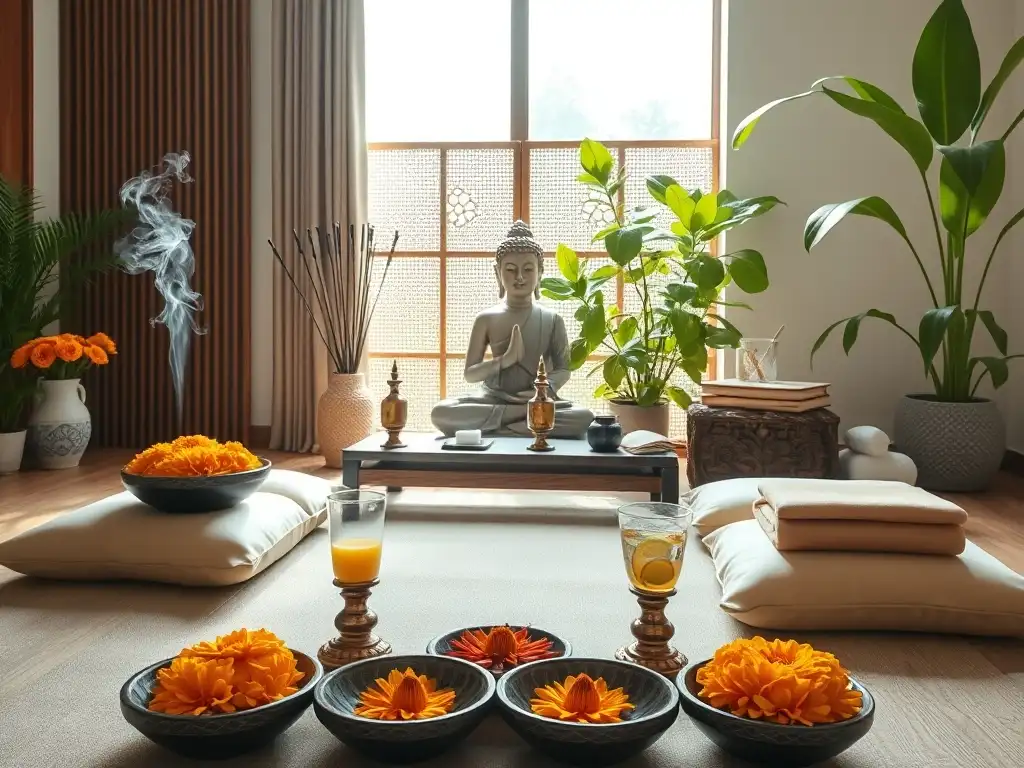
Welcome to Ancient India History, where we embark on a fascinating journey through the rich tapestry of ancient Indian civilizations. Here, we delve into the profound wisdom of wellness practices that have transcended time, revealing how the teachings from the Vedas continue to inspire modern self-care rituals.
In our featured article, "From the Vedas to Your Spa: How Ancient Indian Practices Enhance Wellness," we invite you to discover the secrets of rejuvenation and holistic health that have shaped the lives of countless individuals. Prepare to be intrigued as we unveil the ancient methods that could transform your approach to wellness today!
- Introduction to Ancient Indian Wellness Practices
- The Historical Roots of Ancient Indian Wellness Practices
- Essential Elements of Ancient Indian Wellness Practices
- Spa Treatments Inspired by Ancient Indian Wellness Practices
- Creating an Authentic Ayurvedic Spa Experience
- Transformative Benefits of Adopting Ancient Indian Wellness Practices
- Real-Life Examples: Successful Spas Integrating Ancient Indian Wellness Practices
- Conclusion: Embracing Ancient Indian Wellness Practices in Daily Life
- Additional Resources on Ancient Indian Wellness Practices
- Frequently Asked Questions
- Final Reflection: Embracing Ancient Wisdom for Modern Wellness
- Unveil Your Wellness Journey Today!
Introduction to Ancient Indian Wellness Practices
Ancient Indian wellness practices have long been revered for their holistic approach to health and well-being. Rooted in the rich tapestry of Indian civilization, these practices encompass a wide array of philosophies and techniques, notably Ayurveda and Yoga. From the spiritual teachings contained in the Vedas to practical applications in contemporary wellness, the wisdom of ancient India continues to resonate today. The exploration of these traditions reveals not only their historical significance but also their profound impact on modern spa experiences, reflecting a deep understanding of the mind-body connection.
In this article, we will delve into the essence of Ayurveda and Yoga, examining how these time-honored practices enhance wellness in today’s fast-paced world. By integrating ancient wisdom into modern spa therapies, individuals can experience a rejuvenating journey that honors both their physical and spiritual health. Join us as we uncover the transformative power of ancient Indian wellness practices and their relevance in contemporary wellness and spa experiences.
Understanding the Essence of Ayurveda and Yoga
Ayurveda, often referred to as the "science of life," is a comprehensive system of medicine that emphasizes balance within the body, mind, and spirit. Originating over 5,000 years ago, Ayurveda offers a unique perspective on health, focusing on the individual's constitution or Prakriti and the dynamic interplay of the three doshas: Vata, Pitta, and Kapha. This system advocates for personalized wellness strategies, including dietary recommendations, herbal remedies, and lifestyle adjustments tailored to one's specific needs.
Yoga, on the other hand, is a spiritual practice that aims to unify the mind, body, and spirit through physical postures ( asanas), breath control ( pranayama), and meditation. This ancient discipline not only enhances physical flexibility and strength but also fosters mental clarity and emotional stability. The combination of Ayurveda and Yoga forms a holistic framework for wellness, promoting both physical healing and spiritual growth.
The Relevance of Ancient Practices in Modern Spa Experiences
In recent years, there has been a resurgence of interest in ancient Indian wellness practices, particularly within the spa and wellness industry. Modern spas are increasingly incorporating Ayurvedic principles and Yoga techniques into their offerings, creating unique experiences that cater to the growing demand for holistic health solutions.
- Ayurvedic Treatments: Spas are now providing customized treatments based on individual dosha profiles, utilizing herbal oils, therapeutic massages, and detoxification therapies such as Panchakarma. These treatments not only aim to relax the body but also to restore balance and harmony within.
- Yoga Integration: Many spas have begun to integrate Yoga sessions into their wellness programs, offering guests opportunities to engage in mindful movement and meditation. This holistic approach not only enhances the physical aspects of wellness but also nurtures mental and emotional well-being.
The fusion of ancient Indian wellness practices with modern spa experiences not only enriches the journey of self-care but also honors the deep-rooted traditions that have stood the test of time. As individuals seek more authentic and transformative experiences, the relevance of these practices in today’s wellness landscape continues to grow, guiding us towards a healthier and more balanced way of living.
The Historical Roots of Ancient Indian Wellness Practices
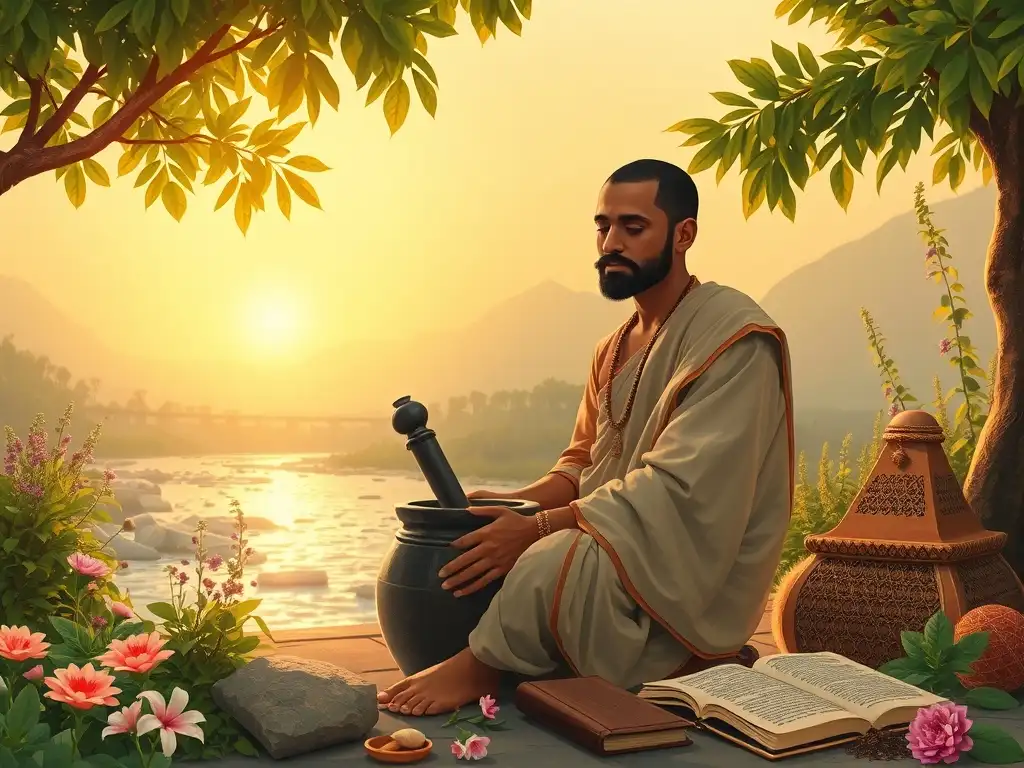
The Vedas: Foundations of Health and Well-being
The Vedas, composed between 1500 BCE and 500 BCE, are the oldest sacred texts of Hinduism and serve as the cornerstone of ancient Indian wellness practices. These texts are divided into four main collections: the Rigveda, Samaveda, Yajurveda, and Atharvaveda, each contributing significantly to the understanding of health and well-being.
Holistic View of Health
In the Vedic tradition, health is not merely the absence of illness but a harmonious balance of the body, mind, and spirit. The concept of swasthya, often translated as health, is derived from the Sanskrit words swa (self) and stha (established), emphasizing wellness as a state of self-establishment. This holistic view laid the groundwork for various wellness practices that persist today.
Rituals and Healing Practices
The Atharvaveda, in particular, contains numerous hymns and mantras that address healing and wellness. It includes herbal remedies, rituals for protection from diseases, and techniques for promoting mental well-being. For example, the use of specific herbs like turmeric and ginger, which are still prevalent in modern Ayurvedic practices, can be traced back to these ancient texts.
Key Concepts of Ayurveda and Their Historical Significance
Ayurveda, meaning "the science of life," stems from the teachings of the Vedas and has evolved over thousands of years to become a comprehensive system of medicine and wellness. It is based on the principles of balance among the body's three doshas: Vata, Pitta, and Kapha.
The Three Doshas
- Vata: Represents air and space; it governs movement, communication, and creativity.
- Pitta: Corresponds to fire and water; it regulates digestion, metabolism, and energy production.
- Kapha: Embodies earth and water; it is responsible for structure, stability, and immunity.
The historical significance of these doshas lies in their application to personal health. Ancient texts classify individuals based on their dominant dosha, allowing for personalized wellness strategies that remain a cornerstone of modern Ayurvedic practice.
The Role of Sattva, Rajas, and Tamas
In addition to the doshas, Ayurveda also incorporates the concepts of sattva (purity), rajas (activity), and tamas (inertia). These three qualities influence mental states and behaviors, guiding individuals toward a balanced lifestyle. This nuanced understanding of psychological and emotional wellness reflects an advanced comprehension of human health, which informs contemporary practices such as mindfulness and meditation.
Conclusion
The historical roots of ancient Indian wellness practices are deeply embedded in the Vedic texts and the development of Ayurveda. These foundational elements continue to influence modern wellness practices, demonstrating the enduring legacy of ancient Indian wisdom in promoting holistic health and well-being. By integrating these principles into contemporary spa experiences, individuals can connect with a rich tradition that values balance, harmony, and self-awareness.
Essential Elements of Ancient Indian Wellness Practices
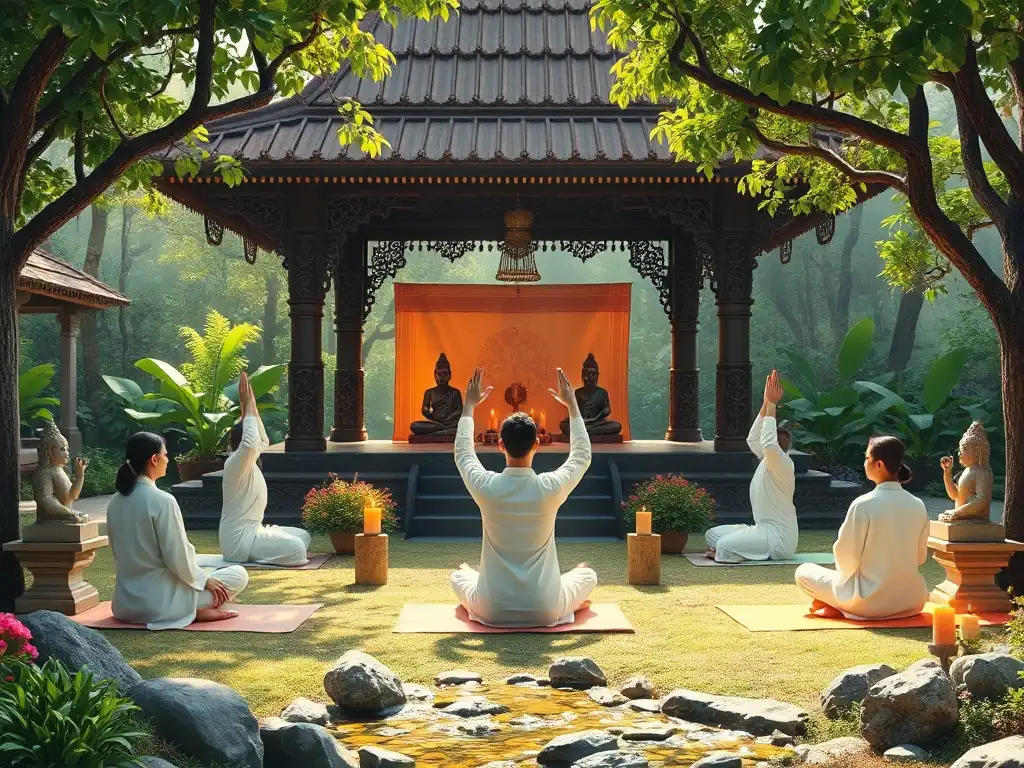
Ancient Indian wellness practices are deeply rooted in the holistic approach of Ayurveda, which emphasizes the balance of body, mind, and spirit. This traditional system of medicine, which has been practiced for thousands of years, integrates various elements that contribute to overall well-being. These elements include diet, lifestyle, and natural therapies, all aimed at achieving harmony and health.
Among the key components of ancient Indian wellness practices are herbal remedies, meditation, and yoga, each playing a significant role in promoting physical health and mental clarity. Understanding these essential elements provides insight into how they contribute to a balanced lifestyle and enhance contemporary wellness experiences, such as spa treatments.
The Role of Herbal Remedies in Ayurvedic Treatments
Herbal remedies are a cornerstone of Ayurveda, utilized for their therapeutic properties to treat various ailments and promote general health. The ancient texts, including the Charaka Samhita and the Sushruta Samhita, detail the use of plants, roots, and minerals in healing practices. Here are some of the key aspects of herbal remedies in Ayurvedic treatments:
- Diverse Applications: Herbs are categorized based on their properties and effects. For instance:
- Adaptogens such as Ashwagandha help combat stress.
- Detoxifiers like Triphala aid in digestion and cleansing.
- Anti-inflammatory herbs like Turmeric are used to reduce pain and inflammation.
- Personalization: Ayurvedic practitioners often tailor herbal treatments to the individual's dosha (body constitution), which can be Vata, Pitta, or Kapha. This personalized approach ensures maximum efficacy and minimal side effects.
- Preparation Techniques: Herbs can be administered in various forms, including:
- Teas and Decoctions: Boiling herbs to extract their medicinal properties.
- Powders: Ground herbs that can be mixed with food or water.
- Oils and Pastes: Infused oils for topical applications.
- Scientific Support: Modern research increasingly validates the efficacy of these ancient remedies. For example, studies have shown that Turmeric contains curcumin, which has potent anti-inflammatory and antioxidant effects.
The integration of these herbal remedies not only aligns with the principles of Ayurveda but also enhances the wellness experience in contemporary settings like spas, where herbal treatments are often incorporated into therapies.
Importance of Meditation and Mindfulness in Wellness
Meditation and mindfulness are pivotal in ancient Indian wellness practices, offering profound benefits for mental health and overall well-being. Rooted in spiritual traditions, these practices have gained recognition in today's fast-paced world for their therapeutic effects. Key points include:
- Stress Reduction: Regular practice of meditation is known to lower cortisol levels, the hormone associated with stress. Techniques such as Vipassana and Transcendental Meditation promote relaxation and mental clarity.
- Enhanced Focus and Clarity: Mindfulness practices help improve concentration and cognitive function. By training the mind to remain present, individuals can enhance their productivity and decision-making abilities.
- Emotional Balance: Meditation fosters a deeper understanding of one's thoughts and emotions, leading to improved emotional regulation. This can be particularly beneficial in managing anxiety and depression.
- Physical Health Benefits: Studies indicate that meditation can lower blood pressure, improve heart health, and boost the immune system. These physical benefits are essential for a holistic wellness approach.
- Integration in Spa Experiences: Many modern wellness spas incorporate meditation sessions or mindfulness exercises into their treatment offerings. This combination of physical and mental wellness can enhance the overall spa experience, providing clients with a comprehensive approach to health.
The essential elements of ancient Indian wellness practices—herbal remedies and meditation—play a significant role in enhancing well-being. By understanding and integrating these practices into modern wellness experiences, individuals can achieve a greater sense of balance and health in their lives.
Spa Treatments Inspired by Ancient Indian Wellness Practices
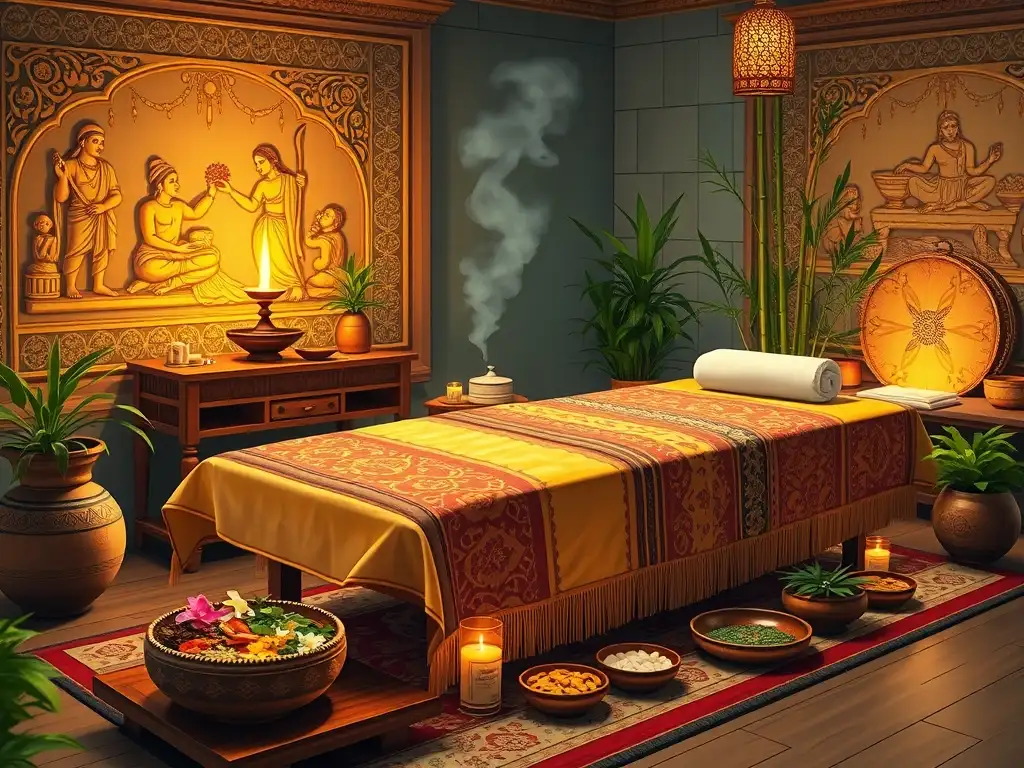
The integration of ancient Indian wellness practices into modern spa treatments provides a holistic approach to relaxation and rejuvenation. Ancient Indian civilizations, particularly through the teachings of Ayurveda, have laid the groundwork for effective wellness strategies that promote balance and harmony within the body. These practices not only aim to alleviate physical ailments but also foster a sense of mental and spiritual well-being.
In contemporary spas, the incorporation of ancient techniques often includes the use of specific oils, herbal remedies, and specialized massage techniques. This fusion of traditional wisdom with modern spa environments enhances the overall experience, providing clients with a deeper connection to their wellness journey.
Ayurvedic Massage: Techniques and Benefits
Ayurvedic massage is a cornerstone of ancient Indian wellness practices, known for its therapeutic benefits and unique techniques. This type of massage emphasizes the use of warm herbal oils tailored to the individual's dosha, or body constitution, ensuring a personalized experience.
- Benefits of Ayurvedic Massage:
- Detoxification: Helps in the removal of toxins from the body.
- Improved Circulation: Enhances blood flow, promoting better oxygenation of tissues.
- Stress Relief: Alleviates stress and anxiety through calming techniques.
- Joint Pain Relief: Eases aches and discomfort in joints and muscles.
- Balance of Energy: Restores the balance of vital energies (Prana) within the body.
Ayurvedic massage techniques often include rhythmic strokes and pressure points, enhancing the healing process. Practitioners usually focus on specific areas of tension, allowing for a tailored approach that addresses individual needs.
Types of Ayurvedic Massages: Abhyanga, Shirodhara, and More
- Abhyanga:
- A full-body massage using warm, herb-infused oils, Abhyanga is designed to nourish the skin and promote relaxation. This technique balances the doshas and is often recommended for overall well-being.
- Shirodhara:
- Involves a gentle stream of warm oil poured onto the forehead. This treatment calms the mind, enhances mental clarity, and addresses conditions like insomnia and anxiety.
- Pindasweda:
- Utilizes herbal pouches filled with medicinal plants, which are heated and massaged over the body. This technique is particularly beneficial for relieving muscle stiffness and joint pain.
- Udvartana:
- A vigorous, herbal powder massage that exfoliates the skin and aids in weight management. It stimulates circulation and helps reduce cellulite.
Herbal Infusions and Natural Therapies in Spa Treatments
Herbal infusions play a vital role in ancient Indian wellness practices, serving as natural remedies that enhance the effectiveness of spa treatments. The use of specific herbs and oils in conjunction with massage therapies can elevate the overall wellness experience, offering both physical and emotional benefits.
- Key Benefits of Herbal Infusions:
- Anti-inflammatory Properties: Many herbs reduce inflammation and promote healing.
- Calming Effects: Certain herbal blends are known to soothe the mind and body.
- Antioxidant Benefits: Herbal infusions can combat oxidative stress, promoting healthier skin.
Integrating these natural therapies into spa treatments allows clients to experience the profound benefits of ancient wisdom combined with modern spa techniques.
Recommended Products: Brahmi Oil and Lavender Essential Oil
- Brahmi Oil:
- Known for its ability to enhance cognitive function and reduce stress, Brahmi oil is derived from the Brahmi herb (Bacopa monnieri). It is commonly used in Ayurvedic massage for its cooling properties and mental clarity benefits.
- Lavender Essential Oil:
- Renowned for its calming aroma, lavender essential oil is a staple in many spa treatments. It promotes relaxation, aids in sleep, and can alleviate symptoms of anxiety. Its versatility makes it an excellent choice for various wellness applications.
By incorporating these products into spa treatments, practitioners can provide an authentic experience that resonates with the principles of ancient Indian wellness practices, ensuring a holistic approach to well-being.
Creating an Authentic Ayurvedic Spa Experience
Creating an authentic Ayurvedic spa experience involves integrating ancient Indian wellness practices into the modern spa environment. This approach not only enhances relaxation but also promotes holistic healing by addressing the mind, body, and spirit in a harmonious manner.
Incorporating Ancient Indian Rituals into Modern Spas
To create an authentic Ayurvedic spa experience, it is essential to incorporate ancient Indian rituals that have stood the test of time. These rituals focus on balancing the doshas (Vata, Pitta, and Kapha) and often include the following elements:
- Panchakarma: A detoxification and rejuvenation process consisting of five therapeutic treatments aimed at cleansing the body and restoring balance.
- Abhyanga: This traditional oil massage uses warm herbal oils tailored to individual dosha types, promoting circulation and relaxation.
- Shirodhara: A calming treatment that involves gently pouring warm oil on the forehead, which helps alleviate stress and enhance mental clarity.
- Herbal Steam Treatments: Utilizing herbs such as eucalyptus and tulsi to detoxify the body while providing aromatic relaxation.
Each of these rituals is designed to not only relax but also to restore harmony and vitality, drawing from the wisdom of ancient Indian wellness practices.
Essential Tools for an Ayurvedic Spa Setup
Setting up an Ayurvedic spa requires specific tools and equipment to ensure an authentic experience. Here are some essential components:
- Massage Tables: Comfortable, adjustable tables that can accommodate various treatments.
- Steam Boxes: For herbal steam therapies, these can be customized to enhance the healing experience.
- Essential Oil Diffusers: To fill the space with calming aromas that complement the treatments.
- Meditation Areas: A serene space for clients to relax and meditate before or after treatments.
By equipping the spa with these essential tools, practitioners can provide a genuine connection to ancient Indian wellness practices while ensuring modern comfort.
Must-Have Products: Meditation Cushions and Ayurvedic Spa Kits
To enhance the Ayurvedic spa experience, incorporating specific products is crucial. Here are two must-have items:
- Meditation Cushions: These cushions support proper posture during meditation, allowing clients to sit comfortably for extended periods. Look for cushions made from organic materials and filled with natural fibers to align with Ayurvedic principles.
- Ayurvedic Spa Kits: These kits often include a collection of herbal oils, scrubs, and other treatments that embody the essence of Ayurvedic healing. They can be tailored to individual dosha types, providing a personalized experience that resonates with the ancient traditions.
By integrating these products into the spa environment, practitioners can elevate the wellness experience while honoring the rich heritage of ancient Indian wellness practices.
Transformative Benefits of Adopting Ancient Indian Wellness Practices
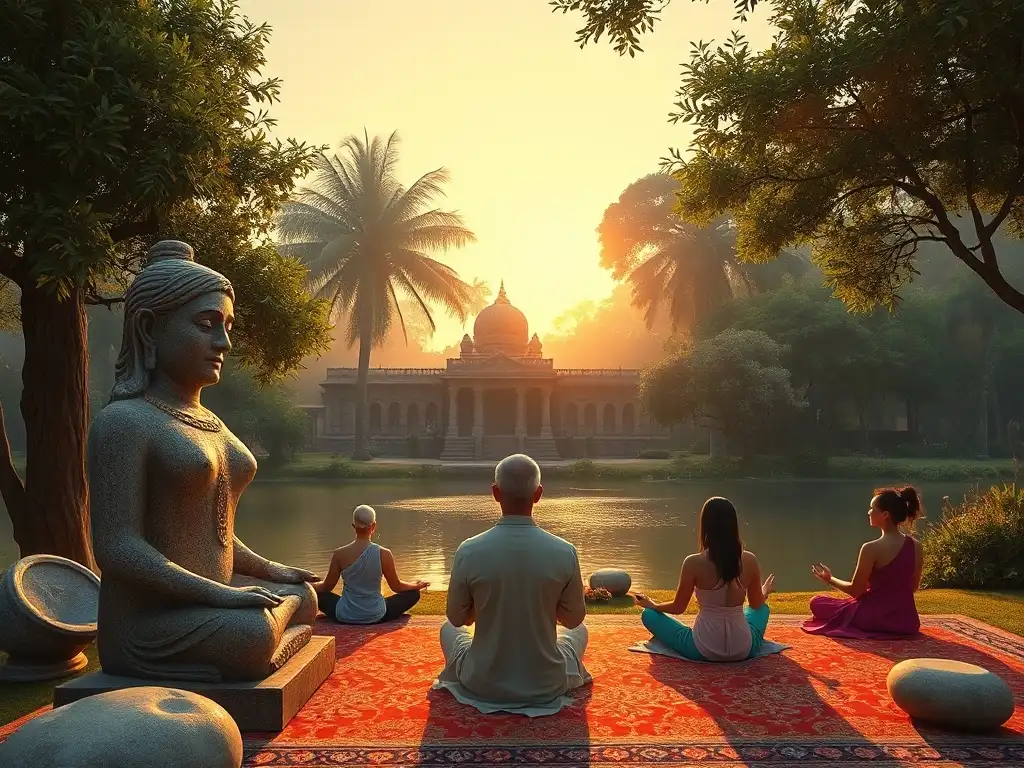
The adoption of ancient Indian wellness practices, particularly those rooted in Ayurveda, can lead to a significant transformation in both physical health and mental well-being. These practices are not just therapies; they embody a holistic approach to health that emphasizes balance in the body, mind, and spirit. By integrating these time-honored methods into daily life, individuals can experience profound improvements in their overall quality of life.
Physical and Mental Health Benefits of Ayurveda
Ayurveda, which translates to "the science of life," offers a comprehensive framework to understand health. It is based on the belief that optimal health is achieved through balance among the three doshas: Vata, Pitta, and Kapha. Each person has a unique constitution, and understanding this can lead to personalized health strategies. Here are some key benefits:
-
Enhanced Digestion and Nutrient Absorption
Ayurveda emphasizes digestive health, prescribing various herbs and dietary adjustments tailored to individual needs. This approach can improve metabolism, reduce bloating, and help with conditions like irritable bowel syndrome (IBS).
-
Stress Reduction and Emotional Well-being
Practices like yoga, meditation, and pranayama (breath control) are integral to Ayurveda. Regular engagement in these activities can significantly lower stress levels, reduce anxiety, and improve overall emotional resilience. Studies have shown that mindfulness and meditation enhance mental clarity and emotional stability.
-
Detoxification and Rejuvenation
Ayurvedic detoxification methods, such as Panchakarma, help eliminate toxins from the body, promoting rejuvenation at a cellular level. This process can result in increased energy levels, improved skin health, and a stronger immune system.
-
Improved Sleep Quality
Many ancient Indian wellness practices incorporate relaxation techniques that are beneficial for sleep. The use of herbal remedies, calming teas, and soothing routines before bedtime can lead to deeper, more restorative sleep.
-
Holistic Pain Management
Ayurveda offers a variety of natural remedies, including herbal formulations, dietary changes, and lifestyle modifications, to manage pain effectively. Conditions such as arthritis and chronic pain can find relief through personalized Ayurvedic treatments.
Incorporating these practices into daily life does not require a complete overhaul; even small changes can yield significant benefits. For example, starting the day with warm lemon water or incorporating herbal teas can be a gentle introduction to Ayurvedic principles.
Enhancing Spa Experiences with Ancient Techniques
Integrating ancient Indian wellness practices into spa experiences can elevate relaxation and rejuvenation, providing clients with a truly transformative experience. Here are several techniques used in modern spas that draw inspiration from Ayurveda and other traditional methods:
-
Abhyanga (Oil Massage)
This traditional Ayurvedic massage uses warm herbal oils tailored to the individual's dosha. The benefits include improved circulation, lymphatic drainage, and deep relaxation. Clients often report feeling a sense of harmony and balance after an Abhyanga session.
-
Shirodhara (Oil Pouring Therapy)
In this treatment, warm oil is poured gently over the forehead, which calms the mind and alleviates anxiety. Shirodhara is known for its effectiveness in enhancing mental clarity and promoting deep relaxation.
-
Herbal Steam Therapy
Incorporating steam infused with Ayurvedic herbs can detoxify the body while soothing the respiratory system. This therapy also enhances skin health by opening pores and facilitating the absorption of nutrients.
-
Ayurvedic Facial Treatments
Utilizing natural ingredients like turmeric, sandalwood, and neem, these facials nourish the skin while aligning with the principles of Ayurveda. They promote a youthful appearance and can help treat various skin conditions.
-
Meditation and Yoga Sessions
Many spas now offer guided meditation and yoga sessions, allowing clients to connect with their inner selves while promoting physical flexibility and mental peace. These sessions can be designed to suit all skill levels, making them accessible to everyone.
By blending these ancient techniques with modern spa services, practitioners can create unique experiences that not only offer relaxation but also empower clients with knowledge about their own health and well-being. This holistic approach not only enhances the spa experience but also encourages a deeper connection to ancient Indian wellness practices.
Real-Life Examples: Successful Spas Integrating Ancient Indian Wellness Practices
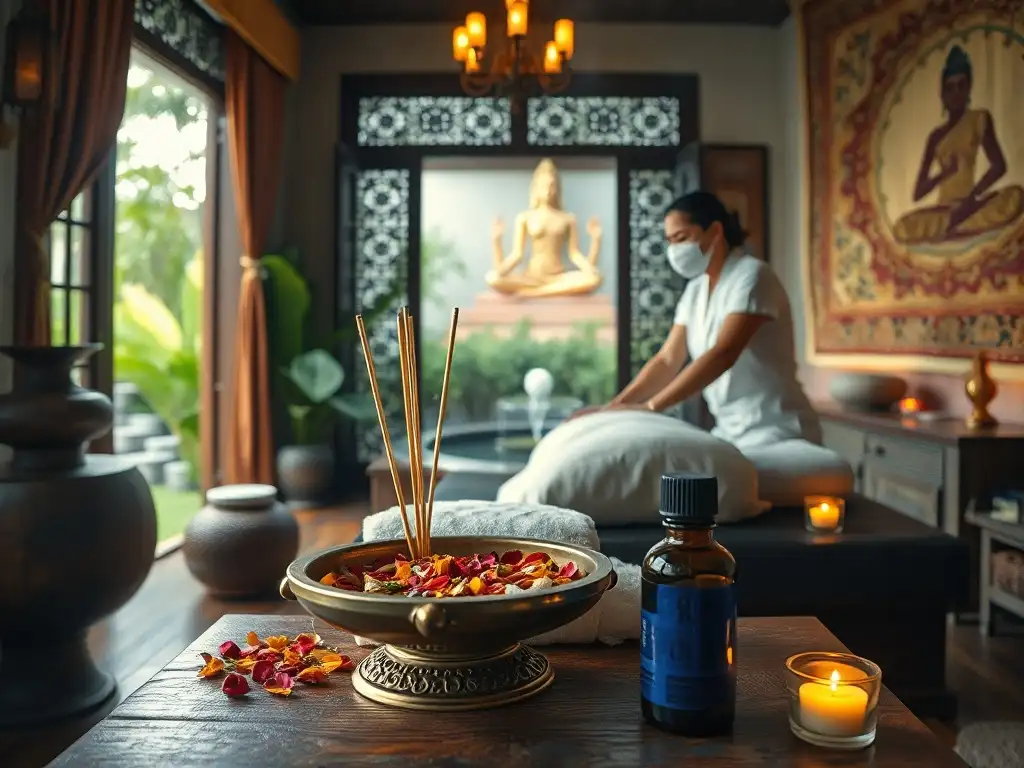
The integration of ancient Indian wellness practices in modern spa settings has become increasingly popular as individuals seek holistic approaches to health and well-being. Spas that successfully incorporate these traditions not only enhance their offerings but also provide guests with authentic experiences that resonate with the rich cultural heritage of India. Below are some notable examples of spas that have embraced these ancient practices.
Case Study: Ananda in the Himalayas – Blending Tradition with Modernity
Ananda in the Himalayas, located in the foothills of the Himalayas, is renowned for its seamless blend of ancient Indian wellness practices and contemporary luxury. The spa is rooted in Ayurveda, offering a comprehensive range of treatments that align with the principles of this ancient system of medicine.
- Ayurvedic Treatments: Ananda’s offerings include traditional Ayurvedic therapies such as Abhyanga (oil massage), Shirodhara (pouring of warm oil on the forehead), and Panchakarma (detoxification treatments). Each program is tailored to individual doshas (body constitutions), ensuring personalized care.
- Yoga and Meditation: Daily yoga sessions and meditation classes are conducted against the backdrop of serene mountain landscapes. This not only enhances physical well-being but also promotes mental clarity and emotional balance.
- Nutrition: The menu at Ananda emphasizes Ayurvedic principles, featuring organic and locally sourced ingredients. Meals are crafted to support individual health needs, integrating the philosophy that food is medicine.
- Holistic Approach: The spa combines various elements like nature walks, wellness workshops, and spiritual guidance, allowing guests to immerse themselves fully in the ancient Indian wellness philosophy.
Ananda exemplifies how ancient practices can be harmoniously integrated into a luxurious spa experience, making it a benchmark for others in the industry.
Guest testimonials provide valuable insight into the effectiveness and appeal of Ayurvedic treatments at modern spas. Here are some experiences shared by visitors who have benefited from these ancient Indian wellness practices:
-
Transformational Journey:
My time at Ananda was life-changing. The Ayurvedic treatments not only rejuvenated my body but also cleared my mind. I left feeling more balanced than I have in years.
– Priya R. -
Personalized Care:
The therapists took the time to understand my body type and health concerns. Every treatment felt customized, and I could feel the difference immediately.
– Mark T. -
Holistic Wellness:
I appreciated how the spa focused on wellness as a whole, not just physical treatments. The combination of yoga, meditation, and Ayurvedic therapies made my stay truly enriching.
– Samantha K. -
Cultural Immersion:
Staying at a spa that respects and honors ancient Indian traditions made my experience unique. I learned so much about Ayurveda and its benefits.
– James L.
These testimonials highlight the profound impact that ancient Indian wellness practices can have on guests, reaffirming the value of integrating these traditions into modern wellness experiences. By embracing the wisdom of the past, spas not only enhance their offerings but also contribute to the revival and appreciation of ancient Indian wellness practices in contemporary society.
Conclusion: Embracing Ancient Indian Wellness Practices in Daily Life
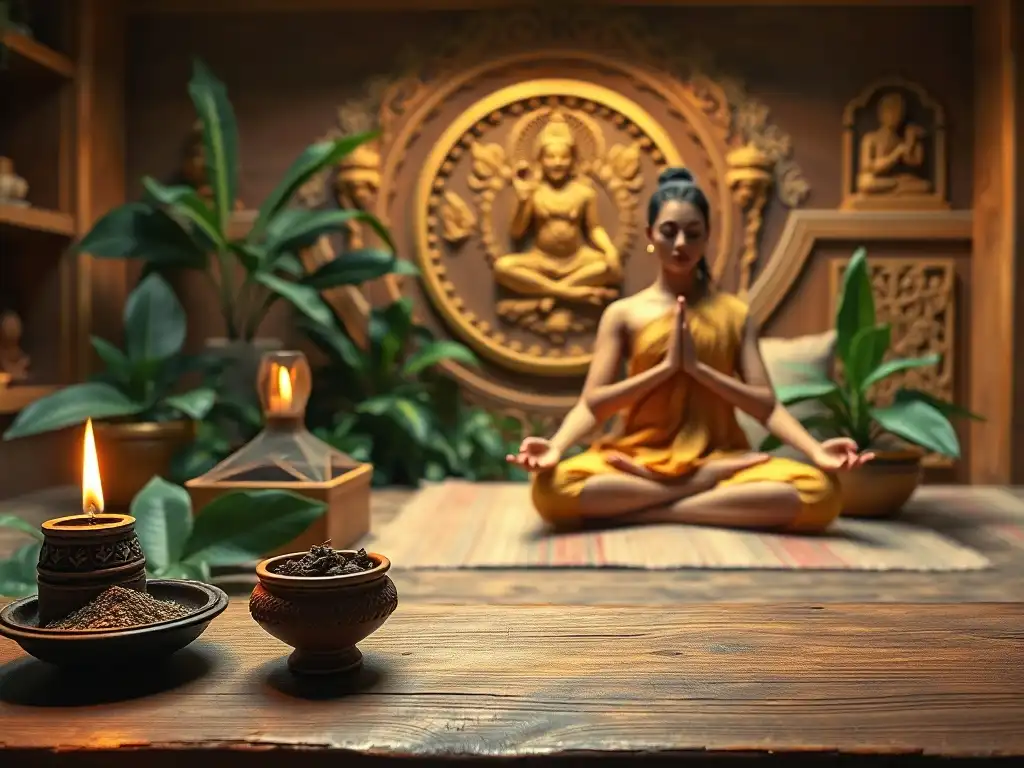
The journey into ancient Indian wellness practices reveals a treasure trove of knowledge and techniques that have been passed down through generations. These practices emphasize a holistic approach to health, intertwining physical, mental, and spiritual well-being. By embracing these age-old traditions, individuals can enhance their overall quality of life, promoting not just physical health but also mental clarity and emotional stability.
Incorporating ancient Indian wellness practices into daily life encourages a more mindful existence. Whether through the rhythmic flow of yoga, the balancing principles of Ayurveda, or the meditative practices rooted in spirituality, these traditions offer practical and accessible ways to foster well-being. Ultimately, the integration of these practices can lead to a more harmonious and fulfilling lifestyle.
How to Integrate Ayurveda into Your Wellness Routine
Integrating Ayurveda into your daily routine can be a transformative experience. Here are several practical steps to help you weave these ancient practices into your life:
-
Assess Your Dosha
Understanding your body type, or dosha, is fundamental in Ayurveda. The three doshas—Vata, Pitta, and Kapha—represent different combinations of the five elements. Identify your dosha to tailor your diet, exercise, and lifestyle to your unique needs.
-
Adopt a Seasonal Diet
Ayurveda emphasizes eating according to the seasons. In summer, focus on cooling foods like cucumbers and melons, while winter calls for warming spices such as ginger and cinnamon. This approach helps maintain balance and optimal health throughout the year.
-
Practice Daily Routines (Dinacharya)
Establishing a daily routine is central to Ayurvedic practice. This can include:
- Waking up early to align with nature's rhythms.
- Tongue scraping to detoxify your body.
- Abhyanga (self-massage) using warm oils to improve circulation and nourish the skin.
-
Mindful Meditation
Incorporate meditation into your routine to enhance mental clarity and emotional stability. Even a few minutes a day can significantly impact your overall well-being.
-
Herbal Remedies
Explore the use of Ayurvedic herbs like Turmeric, Ashwagandha, and Tulsi, which can support various aspects of health. Consult with an Ayurvedic practitioner to find the right herbs for your specific needs.
Recommendations for Further Reading on Ancient Indian Wellness
To deepen your understanding of ancient Indian wellness practices, consider exploring the following resources:
-
"The Complete Book of Ayurvedic Home Remedies" by Vasant Lad
This comprehensive guide offers practical advice on using Ayurvedic principles for everyday health challenges.
-
"Yoga and the Quest for the True Self" by Stephen Cope
This book explores the transformative power of yoga and its role in achieving self-awareness and well-being.
-
"The Science of Being and Art of Living" by Maharishi Mahesh Yogi
A classic that delves into the principles of Ayurveda and how they can be applied in modern life.
-
"Ayurveda: The Science of Self-Healing" by Vasant Lad
An insightful introduction to the fundamentals of Ayurveda, its philosophy, and its application in self-care.
By immersing yourself in these texts, you can gain a richer appreciation of how ancient Indian wellness practices not only enhance personal health but also contribute to a broader understanding of holistic living.
Additional Resources on Ancient Indian Wellness Practices
Books and Guides on Ayurveda and Indian Wellness
Ancient Indian wellness practices, particularly those rooted in Ayurveda, have garnered significant attention in recent years. A wealth of literature exists that dives deep into these practices, providing insights into their principles, applications, and benefits. Here are some essential books and guides to consider:
- "The Complete Book of Ayurvedic Home Remedies" by Vasant Lad
- This comprehensive guide offers practical solutions for common ailments using Ayurvedic principles. It's a go-to resource for anyone looking to integrate ancient healing techniques into their daily life.
- "Ayurveda: The Science of Self-Healing" by Dr. Vasant Lad
- This book provides a thorough introduction to Ayurveda, detailing its fundamental concepts and how they can be applied to achieve balance and wellness.
- "The Ayurvedic Cookbook" by Amadea Morningstar and Urmila Desai
- This cookbook not only shares recipes but also explains the Ayurvedic philosophy behind food choices, helping readers understand how to nourish their bodies according to their unique constitutions.
- "The Yoga of Herbs" by David Frawley and Vasant Lad
- This text merges the teachings of Ayurveda with herbal medicine, offering an in-depth look at how various herbs can be used to enhance health and vitality.
- "Prakriti: Your Ayurvedic Constitution" by Dr. Robert Svoboda
- This book focuses on the concept of Prakriti (individual constitution) in Ayurveda, helping readers identify their unique body types and how to maintain balance through diet and lifestyle choices.
These resources serve as foundational texts for anyone interested in exploring the depths of ancient Indian wellness practices.
Online Courses for Deepening Your Understanding of Ancient Techniques
In addition to reading, engaging in structured learning can significantly enhance your understanding of ancient Indian wellness practices. Here are some online courses that offer comprehensive insights into Ayurveda and related techniques:
- Ayurvedic Wellness Counselor Certification (Himalayan Institute)
- This program provides a deep dive into Ayurvedic principles, focusing on practical applications for enhancing wellness. Participants learn about dietary practices, lifestyle adjustments, and holistic health.
- Introduction to Ayurveda (Coursera)
- Offered by various universities, this introductory course covers the basics of Ayurvedic philosophy, including its historical context, core concepts, and methods for self-care.
- Ayurveda and Yoga: A Holistic Approach to Wellness (Udemy)
- This course explores the interconnection between Ayurveda and yoga, offering techniques for integrating these practices into daily routines for improved health and well-being.
- Advanced Ayurveda (The Ayurveda Experience)
- Aimed at those with prior knowledge of Ayurveda, this advanced course delves into complex topics such as the science of herbs, advanced dietary principles, and Ayurvedic detoxification practices.
- Herbal Medicine and Ayurveda (Institute of Integrative Nutrition)
- This course teaches participants how to incorporate herbs into their wellness practices, exploring the medicinal properties of various plants used in Ayurvedic traditions.
These online courses provide an opportunity for individuals to deepen their understanding and practice of ancient Indian wellness techniques, making them accessible regardless of geographic location.
Incorporating these resources into your journey can significantly enhance your knowledge and appreciation of ancient Indian wellness practices, enabling you to apply these rich traditions in modern contexts.
Frequently Asked Questions
What are ancient Indian wellness practices?
Ancient Indian wellness practices encompass a range of holistic approaches aimed at promoting physical, mental, and spiritual well-being. These include Ayurveda, yoga, and meditation, which have been integral to Indian culture for centuries.
How did the Vedas influence wellness practices?
The Vedas, the oldest sacred texts of India, provide foundational knowledge on health, diet, and lifestyle. They emphasize the importance of living in harmony with nature and understanding the mind-body connection.
What is Ayurveda and how does it relate to wellness?
Ayurveda is an ancient system of medicine that focuses on achieving balance through natural remedies, dietary practices, and lifestyle changes. It promotes individualized care based on one's unique constitution, or dosha.
How can modern individuals incorporate these practices into their lives?
Individuals can incorporate ancient Indian wellness practices by integrating yoga, meditation, and Ayurvedic principles into their daily routines. Even small changes, like mindful breathing and herbal teas, can enhance overall well-being.
What are the benefits of these ancient practices?
The benefits of ancient Indian wellness practices include stress reduction, improved mental clarity, enhanced physical health, and a deeper connection to oneself and the environment, leading to a more balanced life.
Final Reflection: Embracing Ancient Wisdom for Modern Wellness
In a world increasingly driven by fast-paced lifestyles and technological distractions, the relevance of ancient Indian wellness practices has never been more pronounced. These time-honored traditions offer a holistic approach to health that transcends mere physical fitness, emphasizing the interconnectedness of body, mind, and spirit. As we navigate the complexities of modern living, the wisdom of the Vedas and other ancient texts serves as a guiding light, reminding us that true wellness is not just a destination but a journey rooted in self-awareness and balance.
The influence of these practices is palpable in today’s cultural and social landscape, where mindfulness, yoga, and Ayurvedic principles have found their way into mainstream wellness routines. This integration of ancient wisdom into contemporary life not only enriches our personal health journeys but also fosters a collective consciousness around well-being. As the renowned author Deepak Chopra once said, In the midst of movement and chaos, keep stillness inside of you.
This quote encapsulates the essence of ancient Indian wellness practices, urging us to cultivate inner peace amidst the external noise of our lives.
As we reflect on the lessons imparted by these ancient traditions, I invite you to take a moment to consider how you can incorporate these practices into your daily routine. Whether it's through meditation, yoga, or simply embracing the principles of Ayurveda, each small step can lead to profound changes in your overall well-being. Let us honor the wisdom of the past as we forge a healthier future, recognizing that the journey toward wellness is a personal and transformative experience that begins within.
Unveil Your Wellness Journey Today!
Thank you for exploring the rich tapestry of ancient Indian practices and their role in enhancing wellness! You've uncovered valuable insights that can transform your spa experience. Now, it's time to take that knowledge and weave it into your life.
Here are a few actionable steps you can take right away:
- Transform your spa routine by incorporating **Ayurvedic principles**—explore herbal oils and therapies that align with your unique constitution.
- Share your newfound wisdom with friends—host a mini wellness workshop and introduce them to the benefits of these ancient practices.
- Dive deeper into the world of spiritual wellness: Consider practicing meditation or yoga daily to foster a holistic approach to health.
What ancient practice will you start incorporating into your wellness routine? **Share your thoughts below! **