
Unlock the Healing Properties of Ayurveda: A Guide to Spa Therapies

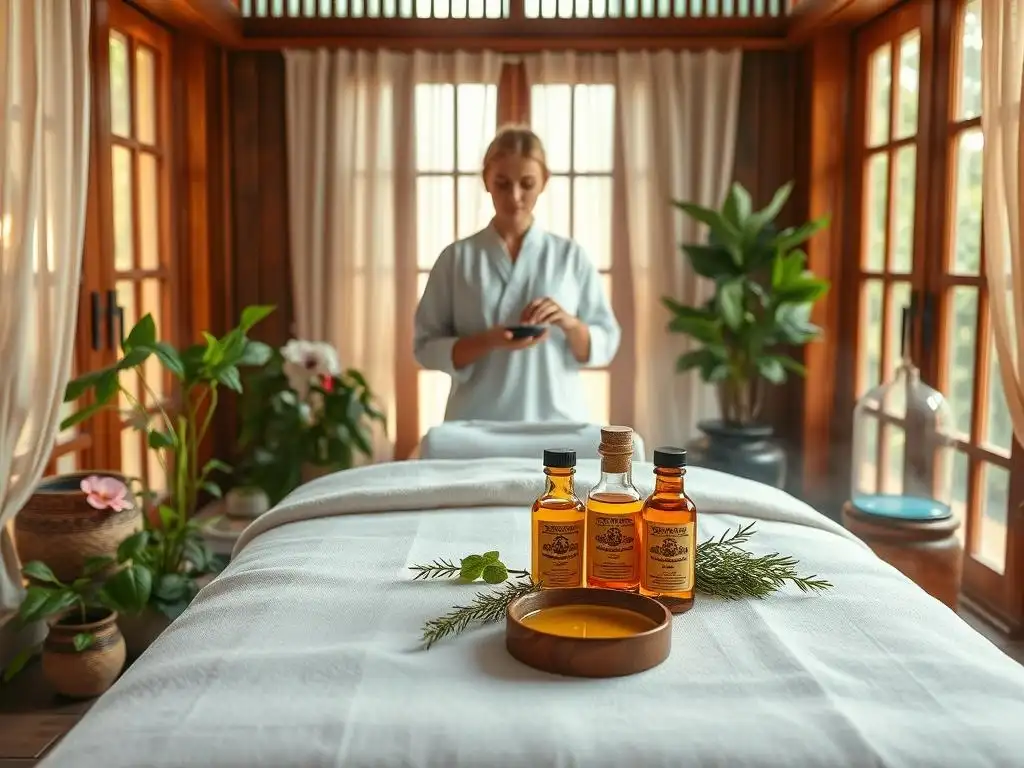
Welcome to Ancient India History, where we embark on a fascinating journey through the rich tapestry of India's past. Delve into the world of Ancient Indian Ayurveda spa therapies, a practice steeped in centuries of wisdom and holistic healing. Discover how these time-honored techniques not only promote wellness but also connect us to the vibrant civilizations that shaped modern India.
As you explore our in-depth guide, prepare to unlock the secrets of Ayurveda and uncover how it continues to influence contemporary wellness practices. Join us on this enlightening adventure and let the healing properties of ancient traditions transform your understanding of health and well-being!
- Introduction to Ancient Indian Ayurveda Spa Therapies
- The Core Principles of Ayurveda
- Popular Ancient Indian Ayurveda Spa Therapies
- Choosing the Right Ayurveda Spa Therapy
- The Benefits of Ayurveda Spa Therapies
- Real-Life Experiences: Testimonials from Ayurveda Spa Therapy Clients
- Recommended Ayurveda Spa Centers
- Conclusion: Embracing the Healing Benefits of Ayurveda
- Call to Action: Start Your Journey with Ancient Indian Ayurveda Spa Therapies Today!
- Frequently Asked Questions
- Final Reflection: Embracing the Wisdom of Ancient Indian Ayurveda Spa Therapies
- Embrace Your Ayurvedic Journey Today!
Introduction to Ancient Indian Ayurveda Spa Therapies
Ayurveda, a holistic healing system that originated in ancient India, offers profound insights into wellness and rejuvenation through its time-honored practices. At its core, Ayurveda emphasizes the balance of body, mind, and spirit, guiding individuals towards optimal health and harmony. As we explore the ancient Indian Ayurveda spa therapies, we uncover not only the therapeutic rituals that have been preserved for centuries but also their cultural significance in promoting well-being. This guide aims to highlight the intricate relationship between Ayurveda and spa therapies, illustrating how these ancient practices continue to enrich our modern wellness experiences.
Understanding Ayurveda and Its Historical Significance
Ayurveda, which translates to "the science of life" (from Ayus meaning life and Veda meaning knowledge), is rooted in the ancient texts known as the Vedas. Dating back over 5,000 years, Ayurveda is not merely a system of medicine but a comprehensive approach to health that encompasses diet, lifestyle, and therapeutic practices.
- Core Principles of Ayurveda:
- Doshas: Central to Ayurvedic philosophy are the three doshas— Vata, Pitta, and Kapha—which represent various combinations of the five elements (earth, water, fire, air, and space). Each individual possesses a unique dosha constitution that influences their physical and mental characteristics.
- Balance and Harmony: Ayurveda posits that health is achieved through the balance of the doshas. Imbalances can lead to disease, prompting the need for therapeutic interventions.
- Historical Context:
- Ancient Texts: The foundational texts of Ayurveda, such as the Charaka Samhita and Sushruta Samhita, provide detailed accounts of medicinal plants, surgical techniques, and holistic health practices.
- Cultural Integration: Ayurveda was not only practiced by physicians but integrated into the daily lives of individuals, influencing diet, lifestyle, and spiritual practices.
The Role of Spa Therapies in Ancient Indian Culture
Spa therapies in Ayurveda are designed to cleanse, detoxify, and rejuvenate the body, reflecting the deep interconnection between physical health and spiritual well-being. These therapies serve as a vital extension of Ayurvedic principles, emphasizing the need for self-care and holistic healing.
- Types of Spa Therapies:
- Abhyanga (Oil Massage): A warm oil massage that promotes relaxation and circulatory health, tailored to balance the doshas.
- Shirodhara: A soothing therapy involving the continuous flow of warm oil on the forehead, known for its calming effects on the mind.
- Panchakarma: A detoxification process that includes various treatments such as enemas, nasal cleansing, and herbal therapies to restore balance.
- Cultural Significance:
- Community and Rituals: Spa therapies were often communal experiences, fostering social bonds and a sense of community. Rituals surrounding these therapies were integral to cultural practices.
- Spiritual Connection: Beyond physical benefits, these therapies were believed to purify the mind and spirit, aligning with the Ayurvedic principle of holistic health.
The ancient Indian Ayurveda spa therapies not only provide a pathway to physical wellness but also connect us to a rich cultural heritage that emphasizes the importance of balance, self-care, and spiritual well-being. As we delve deeper into these therapeutic practices, we can appreciate their enduring legacy and transformative power in our modern lives.
The Core Principles of Ayurveda
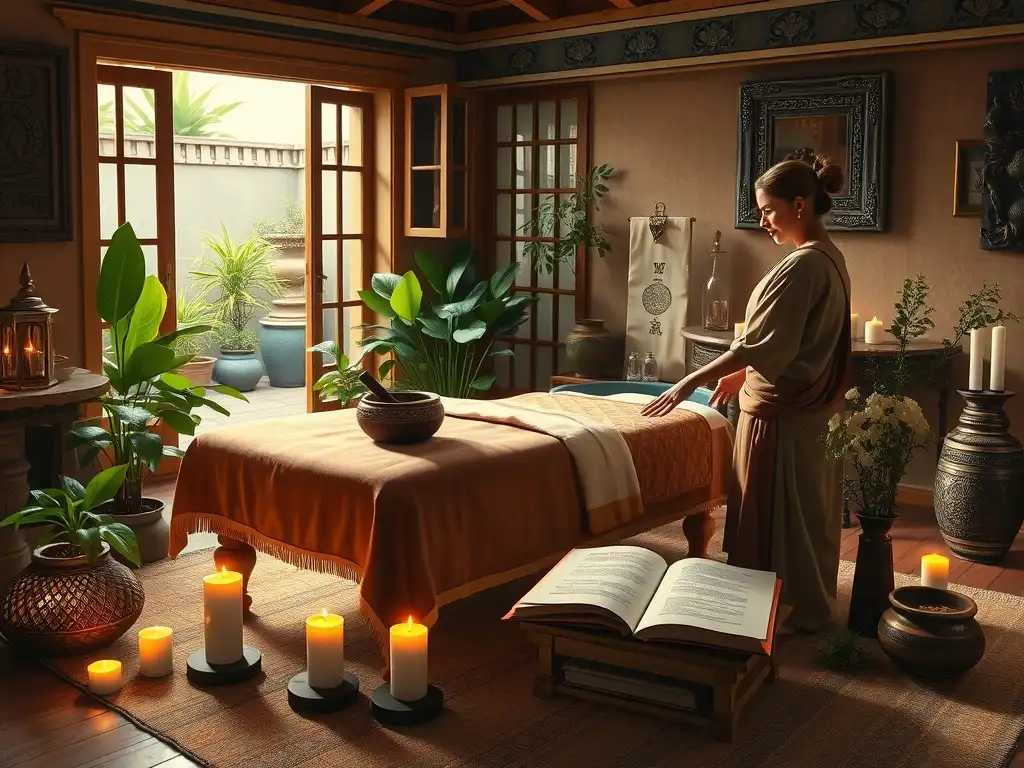
Ayurveda, a holistic healing system that originated in ancient India, is built upon a rich tapestry of philosophical and practical principles. Central to Ayurveda is the understanding of health as a state of balance among the body, mind, and spirit. By emphasizing the importance of natural harmony, Ayurveda provides a comprehensive framework for wellness that incorporates diet, lifestyle, and therapies—specifically, spa therapies that promote healing and rejuvenation.
At the heart of Ayurvedic practice are the concepts of doshas, subdoshas, dhatus, and malas, which collectively form the foundation of individual health and balance. This ancient wisdom, passed down through generations, not only addresses physical ailments but also nurtures emotional and spiritual well-being, making it a cornerstone of holistic health practices today.
Doshas: The Three Vital Energies
In Ayurveda, the concept of doshas refers to the three fundamental energies that govern physical and mental processes within the body. These are Vata, Pitta, and Kapha:
- Vata: Representing air and space, Vata is associated with movement, vitality, and creativity. It governs bodily functions such as circulation, breathing, and communication. An imbalance in Vata can lead to anxiety, digestive issues, and irregular sleep patterns.
- Pitta: Linked to fire and water, Pitta is responsible for metabolism, digestion, and transformation. It embodies qualities of heat and intensity. When Pitta is balanced, it promotes clarity and focus; however, excess Pitta can result in irritability, inflammation, and digestive disorders.
- Kapha: Comprising earth and water, Kapha provides stability, structure, and nourishment. It plays a vital role in immune function and bodily fluid regulation. An imbalance in Kapha can cause lethargy, weight gain, and respiratory problems.
The unique combination of these doshas within an individual creates a Prakriti, or constitution, which influences their physical characteristics, tendencies, and health outcomes. Understanding one’s dosha is crucial for tailoring Ayurvedic treatments and spa therapies to restore balance and promote overall well-being.
The Importance of Balance in Ayurvedic Wellness
Achieving balance among the doshas is essential for optimal health in Ayurvedic philosophy. This balance is not static; it fluctuates with factors such as age, seasons, diet, and lifestyle. The goal of Ayurvedic wellness is to identify and restore this equilibrium, preventing disease and enhancing vitality.
In the context of Ayurvedic spa therapies, various treatments are designed to harmonize the doshas. These therapies often include:
- Abhyanga: A full-body oil massage that promotes relaxation and rejuvenation, tailored to one’s dosha.
- Shirodhara: A therapy involving the gentle pouring of warm oil on the forehead, which calms the mind and alleviates stress.
- Panchakarma: A detoxification process that includes five therapeutic treatments to cleanse the body and restore balance.
The effectiveness of these therapies lies in their ability to address the individual needs of each person, taking into consideration their dosha and overall health status. By engaging in these ancient Indian Ayurveda spa therapies, individuals can experience profound benefits, including improved physical health, emotional stability, and spiritual clarity.
The core principles of Ayurveda highlight the importance of balance and the intricate relationship between body and mind. Embracing these principles through targeted spa therapies can lead to a holistic approach to wellness that transcends mere symptom relief, fostering a deeper connection to oneself and the natural world.
Popular Ancient Indian Ayurveda Spa Therapies
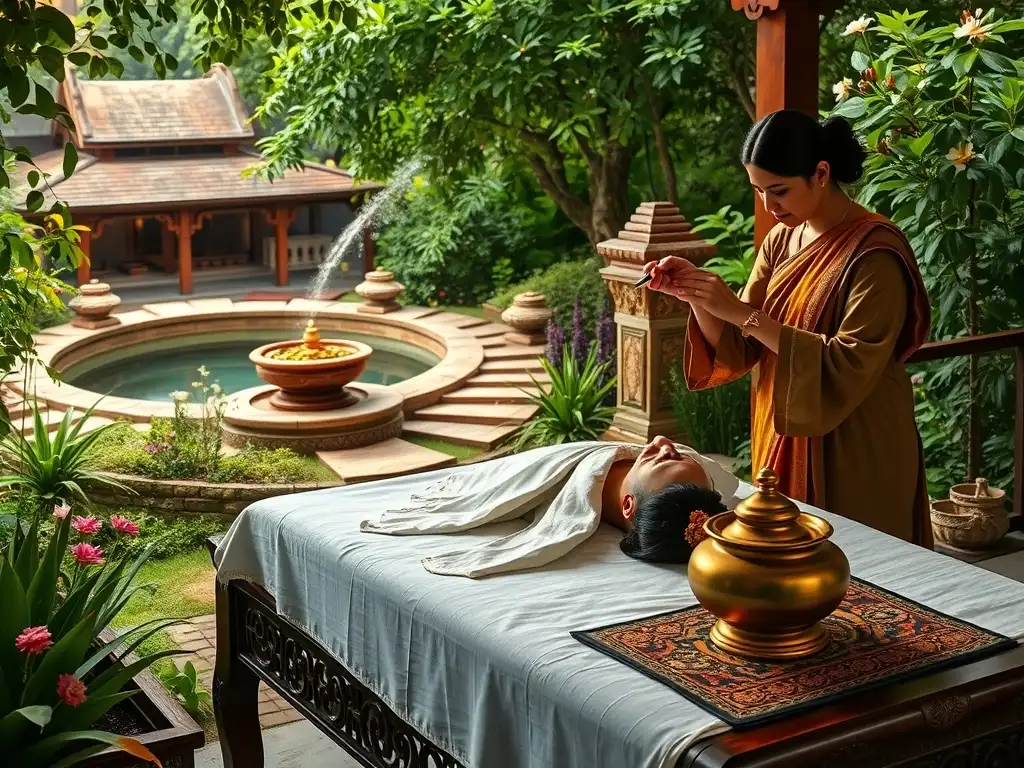
Ancient Indian Ayurveda spa therapies are integral to promoting holistic wellness, combining physical, mental, and spiritual health. Rooted in the principles of Ayurveda, these therapies harness the healing properties of natural elements, aiming to restore balance and harmony within the body. Below are two of the most popular Ayurvedic therapies, each with unique benefits and techniques that have stood the test of time.
Abhyanga: The Ayurvedic Oil Massage
Abhyanga is a traditional Ayurvedic oil massage that plays a pivotal role in maintaining health and wellness in ancient Indian practices. This therapeutic massage involves the application of warm herbal oils to the body, performed in a rhythmic and synchronized manner.
Benefits of Abhyanga for Body and Mind
- Detoxification: Abhyanga helps in flushing out toxins accumulated in the body, enhancing the natural detoxification process.
- Improved Circulation: The massage stimulates blood flow and lymphatic circulation, promoting overall vitality.
- Muscle Relaxation: The warmth of the oil and the massage technique work together to relieve muscle tension and soreness.
- Nourishment of Skin: The oils used are rich in nutrients, providing deep hydration and nourishment to the skin.
- Mental Clarity: Abhyanga not only addresses physical health but also calms the mind, reducing stress and anxiety levels.
Recommended Oils for Abhyanga Massage
The choice of oil in Abhyanga is crucial, as it should align with the individual's dosha (body constitution). Here are some recommended oils:
| Dosha Type | Recommended Oils |
|---|---|
| Vata | Sesame oil, Almond oil |
| Pitta | Coconut oil, Olive oil |
| Kapha | Mustard oil, Sunflower oil |
Using these oils can enhance the effectiveness of the massage, ensuring that it caters to the specific needs of the individual.
Shirodhara: The Art of Liquid Tranquility
Shirodhara is a unique Ayurvedic therapy that involves the gentle pouring of warm oil onto the forehead, specifically targeting the third eye area. This technique is celebrated for its profound calming effects and is often described as a "liquid tranquility" experience.
How Shirodhara Promotes Mental Clarity and Calmness
- Stress Relief: By stimulating the nervous system, Shirodhara effectively alleviates stress and anxiety, promoting a deep sense of relaxation.
- Enhanced Sleep Quality: Regular sessions can improve sleep patterns, making it easier to fall asleep and stay asleep.
- Mental Clarity: The treatment is known to sharpen cognitive functions, improving focus and clarity of thought.
- Emotional Balance: Shirodhara helps in balancing emotions, reducing feelings of overwhelm and promoting a sense of peace.
Ideal Oils and Ingredients for Shirodhara Treatments
The choice of oil in Shirodhara varies according to the individual's needs, but some of the most beneficial ingredients include:
| Ingredient | Benefits |
|---|---|
| Brahmi oil | Calms the mind and improves concentration |
| Bhringraj oil | Nourishes hair and promotes mental clarity |
| Coconut oil | Cools the body, ideal for Pitta dosha |
| Sesame oil | Provides warmth and nourishment |
These oils, when used in Shirodhara, enhance the therapeutic effects and tailor the experience to the individual's specific requirements, making it a truly personalized Ayurvedic treatment.
Pindaswedana: Herbal Bolus Therapy
Pindaswedana, a revered therapy in Ayurveda, involves the application of warm herbal boluses or poultices to the body. This unique treatment is designed to promote healing, enhance circulation, and relieve muscle tension. The boluses, typically made from a combination of medicinal herbs, grains, and oils, are steamed and then applied to specific areas of the body, allowing the therapeutic properties of the herbs to penetrate deeply into the skin and muscles.
The roots of Pindaswedana trace back to ancient Indian practices, where the integration of natural elements was paramount to holistic healing. This therapy not only addresses physical ailments but also aims to balance the mind and spirit, making it a comprehensive approach to wellness.
Understanding the Healing Properties of Herbal Boluses
The herbal boluses used in Pindaswedana are composed of various ingredients, each selected for its unique therapeutic benefits. Common components include:
- Herbs: Such as ginger, turmeric, and fenugreek, known for their anti-inflammatory and antioxidant properties.
- Grains: Like rice or barley, which provide nourishment and gentle exfoliation to the skin.
- Oils: Typically medicated oils infused with herbs, which enhance lubrication and further promote healing.
The combination of heat and herbal essence stimulates blood circulation, relaxes muscles, and detoxifies the body. Additionally, the aromatic properties of the herbs can elevate mood and alleviate stress, promoting a sense of overall well-being.
Research indicates that Pindaswedana can be particularly effective for conditions such as arthritis, muscle stiffness, and chronic pain. It also aids in improving flexibility and mobility, making it a popular choice among athletes and individuals seeking recovery and rejuvenation.
Best Practices for Pindaswedana Sessions
To maximize the benefits of Pindaswedana, consider the following best practices:
- Consultation with an Ayurvedic Practitioner: Before beginning any therapy, it is crucial to consult with a qualified Ayurvedic practitioner who can assess your individual constitution (Prakriti) and recommend the most suitable herbs and oils.
- Preparation of Herbal Boluses: The preparation of the boluses should be performed with care. Fresh herbs should be used whenever possible, and the boluses should be steamed to ensure the release of their healing properties.
- Setting the Atmosphere: A calm and soothing environment enhances the therapeutic experience. Dim lighting, gentle music, and aromatic essential oils can create a tranquil setting.
- Proper Application Technique: The application of boluses should be done in a rhythmic and gentle manner, focusing on areas of tension. The practitioner should ensure that the temperature of the boluses is comfortable to avoid burns.
- Post-Therapy Care: After a Pindaswedana session, it is beneficial to rest and hydrate. This allows the body to absorb the therapeutic benefits fully. Avoid strenuous activities immediately after the session.
By adhering to these best practices, individuals can experience the profound healing effects of Pindaswedana, helping to restore balance and vitality to both body and mind.
Choosing the Right Ayurveda Spa Therapy
Factors to Consider When Selecting Spa Treatments
Selecting the appropriate Ayurveda spa therapy involves a careful assessment of various factors that align with your individual needs and wellness goals. Here are some crucial elements to consider:
- Personal Health Status: Understand your current health conditions, including any chronic ailments or recent illnesses. This awareness is vital, as certain treatments may not be suitable for specific health concerns.
- Dosha Imbalance: According to Ayurveda, doshas (Vata, Pitta, and Kapha) influence our physical and mental health. Identifying your dosha type and any imbalances can guide you toward treatments that restore harmony.
- Treatment Goals: Define what you hope to achieve through the therapy. Are you looking for stress relief, detoxification, rejuvenation, or pain alleviation? Different treatments cater to different needs.
- Duration and Intensity: Consider how much time you can dedicate to the spa experience. Some therapies are brief, while others require more extended sessions. Additionally, assess your comfort with the intensity of treatments, such as deep tissue massages versus lighter techniques.
Personal Health Concerns and Dosha Imbalances
Understanding your unique health profile is imperative in choosing the right Ayurveda spa therapy. Each individual has a distinct constitution influenced by their dosha, which can be affected by lifestyle, diet, and emotional state.
-
Identifying Dosha: Each dosha manifests specific physical and emotional characteristics. For example:
- Vata: Typically thin, quick-thinking, and prone to anxiety.
- Pitta: Medium build, ambitious, and often experiences irritability.
- Kapha: Solid and sturdy, calm, but may struggle with lethargy.
Knowing your dosha type can help tailor therapies to restore balance. For instance, Vata imbalances may benefit from grounding treatments like Abhyanga (oil massage), while Pitta types might find relief in cooling therapies such as Shirodhara (oil poured on the forehead).
-
Addressing Health Concerns: If you have conditions such as hypertension, diabetes, or skin disorders, consult with a qualified Ayurvedic practitioner. They can recommend specific treatments that consider your health status, ensuring safety and efficacy.
Spa Environment and Authenticity of Treatments
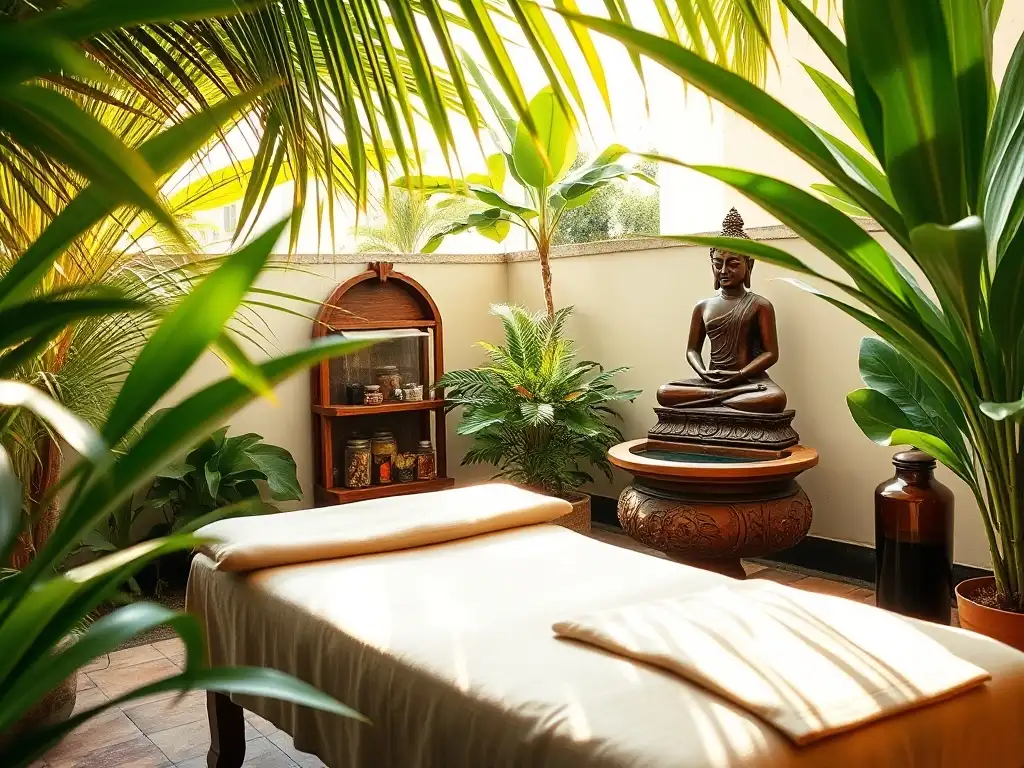
The ambiance and authenticity of an Ayurveda spa significantly impact your overall experience. A spa that embodies Ayurvedic principles creates a conducive environment for healing and relaxation.
- Atmosphere: Look for spas that incorporate elements of nature, calming sounds, and soothing aromas. An authentic Ayurveda spa often features natural materials, soft lighting, and tranquil spaces, enhancing the therapeutic experience.
- Qualified Practitioners: Ensure that the spa employs trained Ayurvedic therapists who understand the philosophy and practices of Ayurveda. Authentic treatments rely on skilled practitioners who can assess your dosha and customize therapies accordingly.
- Quality of Products: Check if the spa uses high-quality, natural ingredients. Authentic Ayurveda emphasizes the use of herbal oils, natural powders, and organic products that align with Ayurvedic principles, ensuring that the treatments are both effective and safe.
Choosing the right Ayurveda spa therapy is a personal journey that requires consideration of your health status, dosha imbalances, and the authenticity of the spa environment. Engaging in this process not only enhances your overall wellness experience but also allows you to unlock the profound healing properties of ancient Indian Ayurveda spa therapies.
The Benefits of Ayurveda Spa Therapies
Ayurveda, the ancient Indian system of medicine, is renowned for its holistic approach to health and wellness, combining physical, mental, and spiritual aspects. Ayurvedic spa therapies leverage this rich tradition to provide a plethora of benefits that cater to the diverse needs of individuals seeking rejuvenation and healing. Here, we explore the multifaceted advantages of these therapies, focusing on their physical health benefits, mental and emotional healing, and long-term wellness strategies.
Physical Health Benefits of Ancient Indian Ayurveda Spa Therapies
Ayurveda spa therapies are designed to enhance physical health through various treatments that promote balance and vitality. Here are some key physical health benefits:
- Detoxification: Many Ayurvedic treatments, such as Panchakarma, focus on detoxifying the body by eliminating toxins (ama) that accumulate due to poor diet, stress, and lifestyle choices. This process enhances bodily functions and improves overall health.
- Improved Circulation: Techniques like Abhyanga (oil massage) boost blood circulation, delivering vital nutrients to tissues while promoting lymphatic drainage. Enhanced circulation can alleviate muscle tension and promote relaxation.
- Pain Relief: Ayurvedic therapies often incorporate herbal remedies and therapeutic massages to relieve chronic pain conditions such as arthritis and back pain. For example, the use of warm herbal oils can soothe inflamed joints and muscles.
- Enhanced Digestion: Treatments like Shirodhara, where warm oil is poured over the forehead, can help alleviate digestive issues by calming the mind and promoting relaxation, which is essential for healthy digestion.
| Ayurvedic Therapy | Physical Benefit |
|---|---|
| Panchakarma | Detoxification and rejuvenation |
| Abhyanga | Improved circulation and muscle relaxation |
| Shirodhara | Enhanced digestion and mental clarity |
| Kati Basti | Targeted back pain relief |
Mental and Emotional Benefits of Ayurvedic Treatments
Beyond physical health, Ayurveda spa therapies offer significant mental and emotional benefits. These therapies are rooted in the belief that emotional well-being is crucial for overall health. Key benefits include:
- Stress Reduction: The calming techniques used in Ayurvedic treatments, such as aromatherapy and gentle massage, significantly reduce stress levels and promote a feeling of tranquility.
- Enhanced Mood: Regular Ayurvedic treatments can lead to improvements in mood and emotional resilience. The use of specific herbs and oils, like sandalwood and lavender, can stimulate the release of endorphins, enhancing feelings of happiness.
- Mindfulness and Presence: Many Ayurvedic practices encourage mindfulness and present-moment awareness, fostering a deeper connection with oneself and reducing anxiety.
- Improved Sleep Quality: Ayurvedic therapies often address sleep disorders through specific treatments and lifestyle recommendations, leading to more restful and restorative sleep.
Ayurveda emphasizes that a calm mind is essential for good health; hence, its treatments focus on nourishing the body and soothing the mind.
Long-Term Wellness and Preventative Care
Ayurveda not only addresses immediate health issues but also promotes long-term wellness and preventative care strategies. Some notable aspects include:
- Personalized Treatments: Ayurveda recognizes that each individual is unique, and treatments are tailored to one's specific constitution (Prakriti) and imbalances (Vikriti). This personalized approach ensures that the therapies are effective and sustainable.
- Lifestyle Integration: Ayurvedic wisdom extends beyond spa therapies to encompass diet, exercise, and daily routines. By integrating these elements, individuals can cultivate healthier lifestyles that support long-term wellness.
- Preventative Focus: By emphasizing balance and harmony within the body, Ayurvedic practices aim to prevent illness before it manifests. Regular treatments can strengthen the immune system and improve resilience against diseases.
- Holistic Approach: Ayurveda's holistic perspective acknowledges the interconnectedness of mind, body, and spirit. This comprehensive view fosters a deeper understanding of health and encourages individuals to take an active role in their wellness journeys.
The benefits of ancient Indian Ayurveda spa therapies are extensive, addressing physical, mental, and emotional well-being while promoting long-term health and preventative care. Embracing these therapies can lead to a profound transformation, enhancing the quality of life through a balanced and holistic approach to wellness.
Real-Life Experiences: Testimonials from Ayurveda Spa Therapy Clients
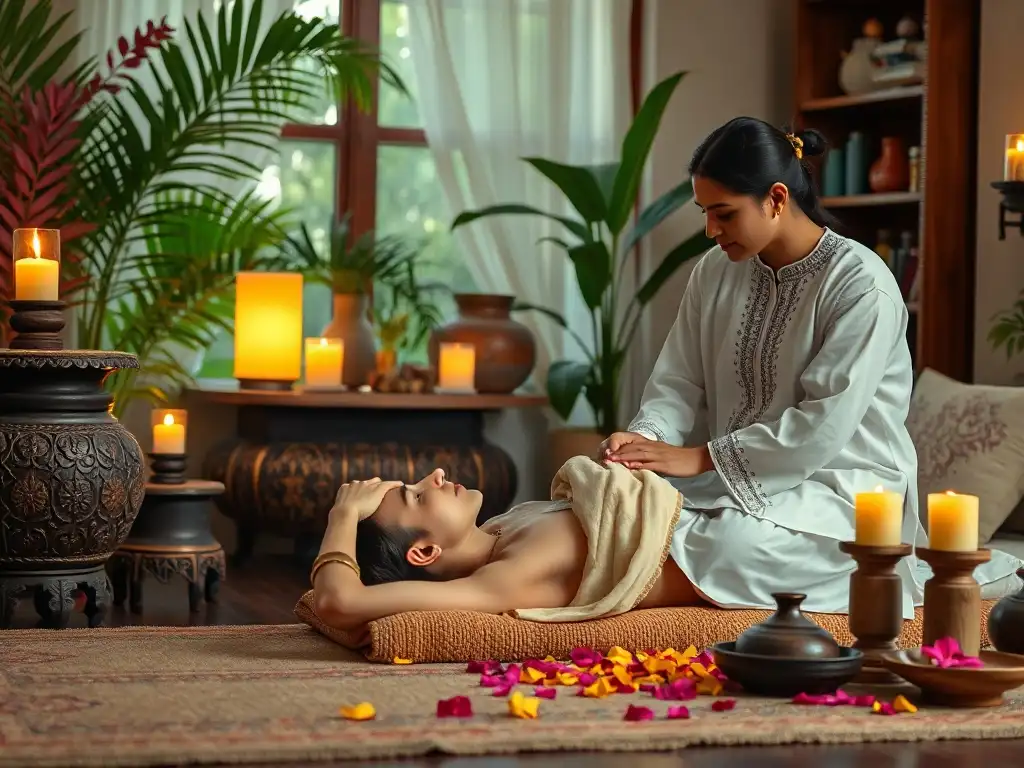
Case Study: Transformative Effects of Ayurveda Spa Therapies
Ayurveda spa therapies have garnered attention not only for their holistic approach to wellness but also for their transformative effects on clients. One notable case study involves a 35-year-old woman named Priya, who sought relief from chronic stress and anxiety. After a comprehensive consultation with an Ayurvedic practitioner, Priya embarked on a tailored spa therapy regimen that included Shirodhara, Abhyanga, and Pizhichil.
Key Highlights of Priya's Experience:
- Initial Condition: Priya reported severe anxiety, insomnia, and fatigue. She struggled to balance her demanding job and personal life, leading to a significant decline in her overall health.
- Therapy Overview:
- Shirodhara: Warm oil was gently poured over her forehead, promoting deep relaxation and mental clarity.
- Abhyanga: A full-body massage using herbal oils enhanced circulation and detoxification.
- Pizhichil: A combination of oil pouring and massage provided relief from muscle tension and stiffness.
- Results:
- Stress Reduction: After just a few sessions, Priya experienced notable reductions in her anxiety levels. She shared, “I felt my mind quieting down, as if a weight had been lifted.”
- Improved Sleep: Within two weeks, she reported sleeping soundly for the first time in months, attributing this improvement to the calming effects of the therapies.
- Enhanced Well-being: By the end of her therapy course, Priya described feeling rejuvenated and more in control of her life.
This case exemplifies how Ayurveda spa therapies can lead to significant transformations by addressing both physical and mental health.
Insights from Practitioners on Authentic Practices
Practitioners of Ayurveda emphasize the importance of authenticity and personalization in spa therapies to achieve the best results. According to Dr. Anjali, an experienced Ayurvedic practitioner, the foundation of effective Ayurveda spa therapies lies in understanding the unique constitution (Prakriti) of each client.
Core Insights from Dr. Anjali:
- Personalized Approaches: Each therapy should be customized based on an individual’s dosha (body type) and specific health concerns. For instance, clients with a Vata constitution may benefit from more grounding and warming therapies, while those with a Pitta constitution may require cooling treatments.
- Integration of Elements: Authentic Ayurveda incorporates various elements such as herbal formulations, oils, and traditional techniques. Dr. Anjali states, “The synergy of these elements creates a holistic experience that not only focuses on physical relaxation but also nurtures the mind and spirit.”
- Focus on Education: Practitioners encourage clients to educate themselves about Ayurveda and its principles. This understanding enhances the therapeutic experience and fosters a sense of empowerment towards personal health.
- Role of Environment: The ambiance of the spa plays a crucial role in the effectiveness of therapies. Natural elements, soothing sounds, and aromatic herbs can significantly enhance relaxation and healing.
Testimonials from clients and insights from practitioners underscore the profound impact of ancient Indian Ayurveda spa therapies. By embracing authentic practices and personalized approaches, individuals can unlock the full potential of these healing traditions, leading to transformative wellness experiences.
Recommended Ayurveda Spa Centers

Top Ayurveda Spa Centers to Experience Authentic Treatments
When seeking the benefits of Ancient Indian Ayurveda spa therapies, it's essential to choose a center that offers authentic treatments rooted in the rich traditions of Ayurveda. Here are some of the top Ayurveda spa centers renowned for their commitment to holistic wellness:
- Kerala Ayurveda and Wellness Center
- Location: Kerala, India
- Specialties: Tailored detox programs, Panchakarma, and rejuvenation therapies.
- Highlight: Offers traditional Ayurvedic treatments using locally sourced herbs and oils.
- The Ayurvedic Sanctuary
- Location: Rishikesh, India
- Specialties: Mindfulness and stress relief therapies, yoga integration.
- Highlight: Combines Ayurvedic principles with modern wellness practices.
- Vishranti Ayurvedic Retreat
- Location: Goa, India
- Specialties: Customizable wellness packages, detoxification, and rejuvenation.
- Highlight: Focuses on creating a serene environment amidst nature.
- Ananda in the Himalayas
- Location: Uttarakhand, India
- Specialties: Luxury spa experiences with traditional Ayurvedic treatments.
- Highlight: Offers a fusion of Ayurveda, yoga, and meditation.
- Kalari Kovilakom
- Location: Kerala, India
- Specialties: Authentic Panchakarma treatments and Ayurvedic consultations.
- Highlight: Emphasizes ancient healing practices in a royal setting.
Kerala Ayurveda and Wellness Center: Unique Offerings and Specialization
The Kerala Ayurveda and Wellness Center is a premier destination for those looking to immerse themselves in the ancient healing practices of Ayurveda. Known for its unique offerings, the center specializes in:
- Panchakarma: A comprehensive detoxification program that includes five therapeutic procedures.
- Rejuvenation Therapies: Treatments designed to restore vitality and promote longevity.
- Customized Wellness Plans: Each visitor receives a personalized assessment to tailor treatments according to their specific health needs.
With experienced practitioners and a tranquil environment, Kerala Ayurveda and Wellness Center is dedicated to providing an authentic Ayurvedic experience that rejuvenates both the body and the mind.
The Ayurvedic Sanctuary: Holistic Approach to Wellness
The Ayurvedic Sanctuary stands out for its holistic approach to wellness, integrating ancient Ayurvedic practices with modern therapeutic techniques. This center focuses on:
- Mindfulness and Stress Relief: Utilizing Ayurvedic principles to promote mental well-being.
- Yoga Classes: Daily sessions are designed to complement the spa therapies and enhance physical and mental health.
- Nutritional Guidance: Personalized dietary plans based on Ayurvedic doshas to support healing and balance.
Visitors can expect a comprehensive wellness journey that not only addresses physical ailments but also nurtures emotional and spiritual health.
How to Choose the Right Spa for Your Needs
Selecting the right Ayurveda spa center is crucial for a fulfilling experience. Consider the following factors when making your choice:
- Authenticity of Treatments
- Look for spas that adhere to traditional Ayurvedic practices and employ qualified practitioners.
- Specialization
- Choose a center that specializes in the specific treatments you are interested in, such as detoxification, rejuvenation, or wellness retreats.
- Facilities and Atmosphere
- Visit the spa's website or contact them to understand their facilities, ambiance, and overall environment.
- Reviews and Recommendations
- Read reviews and seek recommendations from previous visitors to gauge the quality of services offered.
- Customization of Programs
- Ensure the spa provides personalized treatment plans tailored to your individual health needs and goals.
By considering these factors, you can make an informed decision and fully enjoy the healing properties of Ancient Indian Ayurveda spa therapies.
Conclusion: Embracing the Healing Benefits of Ayurveda

The ancient Indian practice of Ayurveda offers a holistic approach to health and wellness, emphasizing the balance between the mind, body, and spirit. As we delve into Ayurvedic spa therapies, it becomes clear that these treatments are not merely luxurious indulgences but are deeply rooted in centuries of tradition and knowledge. By harnessing the healing properties of natural ingredients and therapeutic techniques, Ayurveda provides a pathway to rejuvenation and wellness that resonates with both historical significance and modern necessity.
The benefits of Ayurvedic spa therapies extend beyond physical relaxation; they include mental clarity and emotional balance. With a focus on personalized treatments tailored to individual constitutions (or doshas), Ayurveda promotes a customized wellness experience. This personal touch ensures that each therapy is effective, addressing specific needs and health goals.
As we move forward, the integration of Ayurvedic practices into contemporary wellness trends reflects a growing recognition of alternative healing methods. The resurgence of interest in Ancient Indian Ayurveda spa therapies serves as a testament to the enduring wisdom of this ancient system.
The Future of Ancient Indian Ayurveda Spa Therapies
The future of Ancient Indian Ayurveda spa therapies looks promising, with an increasing number of spas and wellness centers worldwide adopting Ayurvedic principles. As people become more aware of the importance of holistic health, there is a rising demand for treatments that not only pamper but also heal.
Several trends are likely to shape the future of Ayurvedic spa therapies:
- Integration with Modern Practices:
- Combining traditional Ayurvedic techniques with modern spa treatments is becoming popular. This integration allows for a broader range of offerings that cater to diverse customer preferences.
- Techniques such as abhyanga (oil massage) can be combined with contemporary aromatherapy to enhance relaxation.
- Personalized Wellness Programs:
- The focus on individual doshas will continue to grow, leading to highly personalized spa experiences. Practitioners and therapists will increasingly assess clients’ unique physical and emotional needs, tailoring therapies accordingly.
- The use of technology, such as apps for dosha assessment, may play a role in providing personalized recommendations.
- Sustainable Practices:
- With a global shift towards sustainability, Ayurvedic spas are likely to adopt eco-friendly practices, using organic and locally sourced ingredients for treatments.
- This approach not only benefits the environment but also aligns with Ayurveda's philosophy of living in harmony with nature.
- Global Expansion:
- As Ayurveda garners international interest, there will be an expansion of Ayurvedic wellness centers outside India. This globalization will help spread awareness and appreciation for Ayurvedic healing.
- Partnerships with local cultures can lead to innovative adaptations of Ayurvedic therapies, making them accessible and relevant to a wider audience.
Encouragement to Explore Ayurvedic Wellness Practices
Exploring Ayurvedic wellness practices is an enriching journey that can lead to profound changes in one's health and lifestyle. Here are some ways to begin this exploration:
- Visit an Ayurvedic Spa: Experience a range of treatments firsthand, from traditional massages to herbal steam therapies.
- Incorporate Ayurvedic Principles at Home:
- Start with dietary changes based on your dosha, focusing on whole foods, spices, and herbs that enhance health.
- Practice daily routines (Dinacharya) that align with Ayurvedic teachings, such as meditation, yoga, and self-massage (abhyanga).
- Educate Yourself: Read books or attend workshops on Ayurveda to deepen your understanding of its principles and practices.
- Consult with Professionals: Seek guidance from certified Ayurvedic practitioners who can provide personalized assessments and treatment plans.
Embracing Ancient Indian Ayurveda spa therapies is not just about seeking relaxation; it's about embarking on a journey of holistic healing and self-discovery. By integrating these practices into daily life, individuals can unlock a myriad of health benefits that honor the wisdom of ancient traditions while addressing modern-day wellness needs.
Call to Action: Start Your Journey with Ancient Indian Ayurveda Spa Therapies Today!
Embarking on a journey into the world of Ancient Indian Ayurveda spa therapies offers a unique opportunity to rejuvenate your body, mind, and spirit. These therapies are not just treatments; they are holistic experiences rooted in a rich tradition, emphasizing balance and harmony within oneself.
To truly appreciate the benefits of Ayurveda, consider integrating these practices into your life. Whether you're seeking relief from stress, a boost in vitality, or simply a moment of tranquility, the ancient wisdom of Ayurveda provides a pathway to wellness that has stood the test of time.
Explore Local Ayurveda Spa Centers
Finding a local Ayurveda spa center can be the first step toward embracing these ancient healing practices. Many spas offer a range of treatments inspired by traditional Ayurveda, tailored to meet individual needs. Here are some key points to consider when exploring local options:
- Research local offerings: Look for centers that specialize in Ayurveda, offering authentic treatments based on ancient techniques.
- Qualified practitioners: Ensure that the therapists are trained in Ayurvedic practices. Their expertise can significantly enhance the quality of your experience.
- Treatment variety: Many spas offer a diverse range of services, including:
- Abhyanga: A full-body massage using warm herbal oils.
- Shirodhara: A soothing treatment involving a steady stream of warm oil poured on the forehead.
- Panchakarma: A detoxification and rejuvenation program.
By visiting local Ayurveda spa centers, you not only engage in self-care but also support local businesses that uphold traditional practices.
Invest in Your Health with Ayurvedic Products and Services
Investing in Ayurvedic products and services can significantly enhance your wellness journey. Here are some avenues to explore:
- Herbal supplements: Many Ayurvedic formulations are designed to support specific health concerns. Consider products with ingredients like:
- Ashwagandha: Known for its stress-relieving properties.
- Turmeric: Celebrated for its anti-inflammatory effects.
- Brahmi: Often used to enhance cognitive function.
- Essential oils: Incorporating essential oils into your daily routine can promote mental clarity and relaxation. Look for oils derived from:
- Sandalwood: Calming and grounding.
- Lavender: Effective for stress relief and relaxation.
- Personalized consultations: Many Ayurvedic practitioners offer consultations to tailor therapies and products to your unique constitution, or Dosha. This personalized approach ensures that the treatments resonate with your specific health needs.
By investing in these products and services, you are not only nurturing your own well-being but also embracing a time-honored tradition that has been cherished for centuries.
Incorporating Ancient Indian Ayurveda spa therapies into your lifestyle can lead to profound benefits for your overall health. Begin your journey today and experience the transformative power of Ayurveda!
Frequently Asked Questions
What is Ayurveda and its significance in ancient Indian culture?
Ayurveda is an ancient Indian system of medicine that emphasizes natural healing and balance of the body, mind, and spirit. It has shaped healthcare practices in India for centuries.
How do Ayurveda spa therapies work?
Ayurveda spa therapies utilize natural herbs, oils, and techniques to promote overall wellness. These therapies aim to balance the doshas (body energies) and enhance physical and mental health.
What are some common Ayurveda spa treatments?
Common treatments include Abhyanga (oil massage), Shirodhara (pouring oil on the forehead), and Panchakarma (detoxification). Each therapy targets specific health conditions and aims to restore well-being.
Can Ayurveda spa therapies be beneficial for modern lifestyles?
Yes, Ayurveda spa therapies can be highly beneficial for modern lifestyles, as they focus on stress relief, relaxation, and rejuvenation. They help individuals reconnect with their inner balance amidst the chaos of daily life.
Are Ayurveda spa therapies safe for everyone?
While many people can safely enjoy Ayurveda spa therapies, it's important to consult with a qualified practitioner beforehand, especially for those with pre-existing health conditions or concerns.
Final Reflection: Embracing the Wisdom of Ancient Indian Ayurveda Spa Therapies
The healing properties of Ayurveda are not just relics of the past; they resonate profoundly in our modern lives, offering a holistic approach to wellness that is more relevant than ever. As we navigate the complexities of contemporary living, the ancient wisdom of Ayurveda provides us with tools to restore balance and harmony in our bodies and minds. In a world where stress and disconnection are rampant, the principles of Ayurveda remind us of the importance of nurturing our well-being through natural and mindful practices.
Ayurveda's influence extends beyond individual wellness; it shapes our cultural and social landscapes by promoting a deeper connection to nature and self-awareness. The resurgence of interest in spa therapies rooted in Ayurveda illustrates a collective yearning for authentic healing experiences that honor our heritage. As the renowned Ayurvedic practitioner Dr. Vasant Lad once said, Ayurveda is the science of life. It teaches us how to live in harmony with ourselves and our environment.
This enduring philosophy encourages us to cultivate a lifestyle that prioritizes balance, health, and sustainability, fostering a sense of community and shared responsibility for our well-being.
As you reflect on the insights shared in this article, I invite you to explore how the ancient practices of Ayurveda can enrich your life. Consider integrating these spa therapies into your wellness routine, not just as a luxury, but as a vital component of your self-care regimen. By embracing the teachings of Ayurveda, you can unlock a path to healing that honors both your body and spirit, paving the way for a more harmonious existence. Let us take this journey together, nurturing ourselves and the world around us through the timeless wisdom of Ayurveda.
Embrace Your Ayurvedic Journey Today!
Thank you for taking the time to explore the remarkable healing properties of Ayurveda through our guide to spa therapies! You’ve gained insights into how these ancient practices can enhance your well-being and transform your life. Now, it's time to take those insights and put them into action!
Here are some simple steps to help you embark on your Ayurvedic journey:
- Schedule a Consultation: Reach out to a local Ayurvedic practitioner to discuss personalized therapies that cater to your unique body type and health objectives.
- Create a Home Spa Experience: Gather essential oils, herbs, and natural ingredients to recreate Ayurvedic spa therapies in the comfort of your home.
- Join Our Community: Share your experiences with Ayurveda by participating in our online forum or social media group, connecting with others who are on a similar path.
What aspect of Ayurveda are you most excited to explore further in your wellness routine?