
A Journey Through Time: The Evolution of Ayurvedic Wellness in Spa Culture

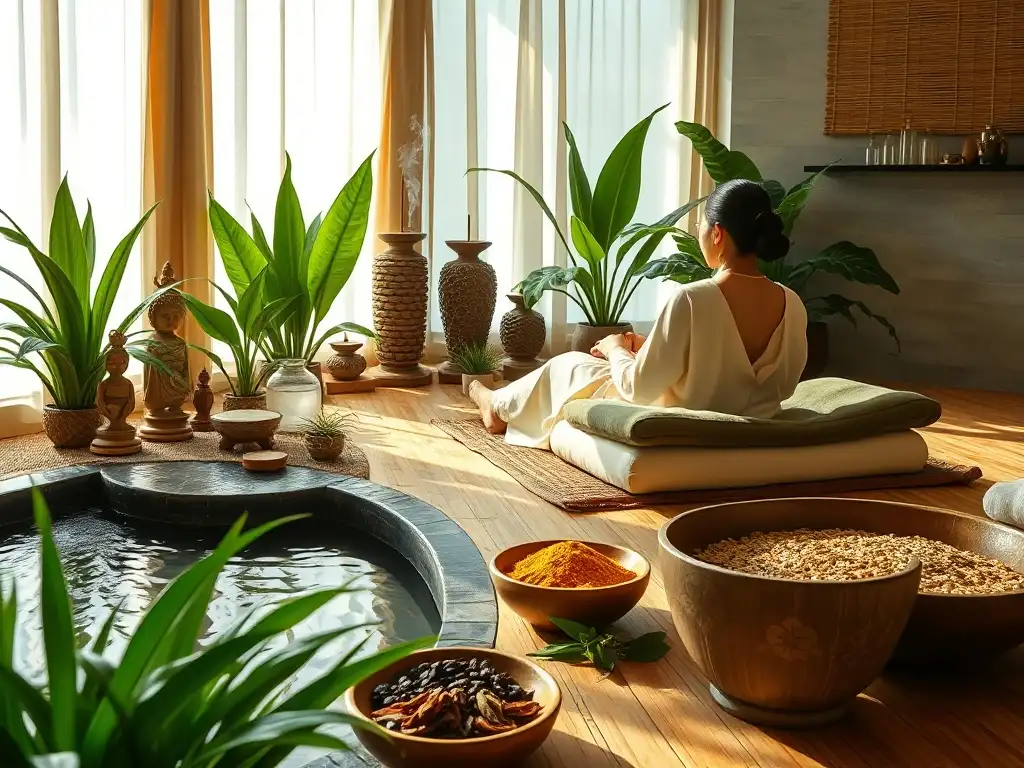
Welcome to Ancient India History, where we embark on an enlightening journey through time to uncover the rich tapestry of ancient Indian civilizations. In our featured article, "A Journey Through Time: The Evolution of Ayurvedic Wellness in Spa Culture," we delve into the age-old practices that have shaped the modern wellness landscape. Discover how the wisdom of Ayurveda not only nurtures the body but also enriches the soul, weaving seamlessly into the fabric of contemporary spa culture. Prepare to ignite your curiosity and explore the profound contributions of ancient India that continue to inspire wellness seekers today!
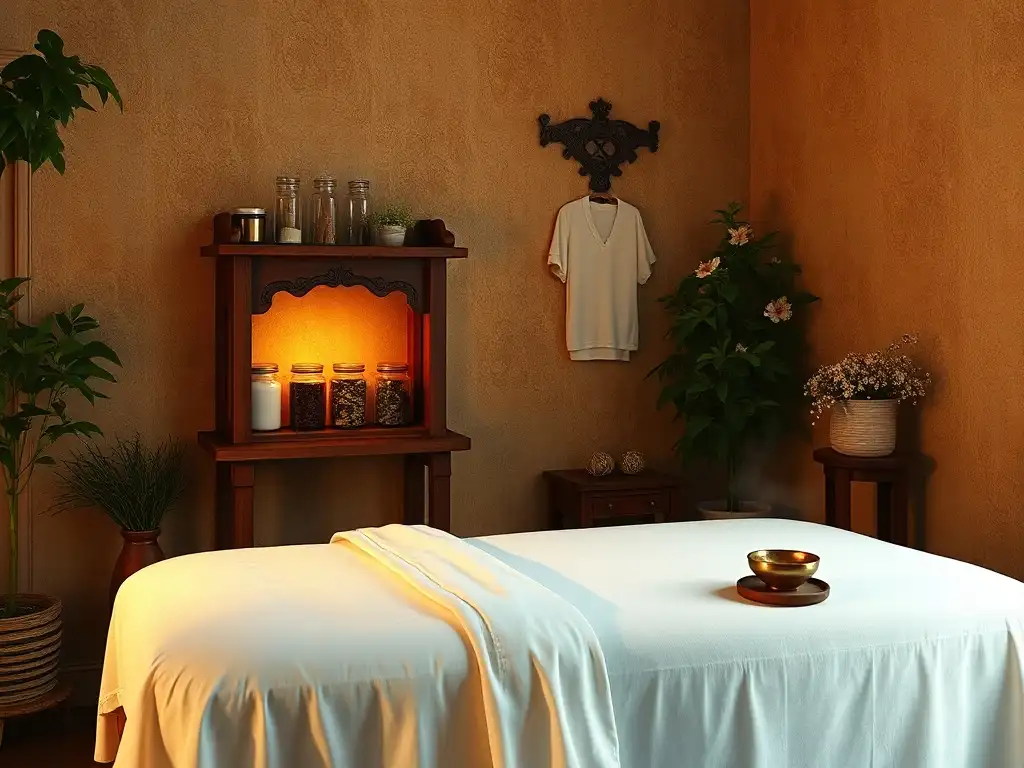
Introduction to Ayurvedic Wellness and Spa Culture
Ayurvedic wellness has gained significant attention in recent years, becoming a cornerstone of spa culture around the globe. Rooted in ancient Indian traditions, Ayurveda offers a holistic approach to health and well-being, emphasizing balance and harmony within the body, mind, and spirit. This article embarks on a comprehensive journey through time to explore the evolution of Ayurvedic wellness as it intertwines with modern spa practices.
By understanding the historical context and foundational principles of Ayurveda, we can appreciate its profound influence on contemporary wellness experiences. From luxurious spa treatments to personalized wellness regimens, the integration of Ayurvedic wisdom into spa culture showcases the enduring legacy and relevance of ancient Indian civilizations.
The Historical Roots of Ayurvedic Wellness
The Origins of Ayurveda in Ancient India
Ayurveda, which translates to the "science of life," originated over 5,000 years ago in ancient India. It is one of the oldest holistic healing systems in the world, with its roots deeply embedded in the Vedic texts, specifically the Atharva Veda. The foundational principles of Ayurveda focus on the balance of three vital energies, known as doshas: Vata, Pitta, and Kapha. These doshas govern various physiological and psychological functions, and maintaining their equilibrium is essential for optimal health.
- Key Concepts of Ayurveda:
- Doshas: The three fundamental energies that influence bodily functions.
- Five Elements: Ayurveda posits that everything in the universe, including the human body, is composed of five basic elements: earth, water, fire, air, and space.
- Prakriti: An individual's unique constitution, determined at birth, which influences health and wellness.
The systematic study of Ayurvedic practices led to the development of various treatments, such as herbal remedies, dietary adjustments, and detoxification techniques. These practices were not only designed for physical healing but also aimed at spiritual and mental well-being, highlighting the comprehensive approach of Ayurvedic philosophy.
Influence of Ancient Indian Philosophies on Spa Culture
The impact of Ayurveda extends beyond mere medicinal practices; it has significantly shaped modern spa culture worldwide. Ancient Indian philosophies, particularly those rooted in holistic well-being, have inspired contemporary wellness trends that emphasize a connection between body, mind, and spirit.
- Philosophical Foundations:
- Yoga: The practices of yoga, which developed alongside Ayurveda, focus on physical postures, breath control, and meditation to promote overall health.
- Meditation: Mindfulness and meditation techniques derived from ancient Indian traditions are now integral components of spa experiences.
- Natural Remedies: The use of herbs, oils, and natural ingredients in spa treatments draws directly from Ayurvedic practices, promoting healing and rejuvenation.
The integration of these ancient philosophies into modern spa culture not only enhances the therapeutic experience but also fosters a deeper understanding of wellness. As Ayurvedic wellness continues to gain recognition, it invites individuals to reconnect with their roots and prioritize holistic health in an increasingly fast-paced world.
The Integration of Ayurveda into Spa Experiences
The integration of Ayurveda into spa experiences marks a significant evolution in wellness practices, blending ancient healing traditions with modern spa culture. Traditionally rooted in the holistic approach of Ayurveda, which emphasizes balance among the mind, body, and spirit, these spa experiences aim to offer personalized treatments that cater to individual needs. This integration is characterized by the incorporation of Ayurvedic principles, such as the use of natural ingredients, herbal remedies, and therapeutic techniques, into spa services.
As spa-goers increasingly seek authentic and holistic wellness experiences, Ayurveda’s emphasis on prevention and natural healing has gained popularity. Clients are often introduced to Ayurvedic concepts, including the importance of lifestyle choices, dietary considerations, and the role of seasonal changes in health. By creating a serene environment that reflects Ayurvedic philosophy, spas can enhance the overall experience, offering not just treatments but a journey toward well-being.
Evolution of Ayurvedic Treatments in Spa Settings
The evolution of Ayurvedic treatments within spa settings has seen a significant transformation over the years. Initially, Ayurvedic practices were confined to traditional settings, often involving lengthy consultations and complex treatments that could last several hours or even days. However, with the rise of spa culture, these treatments have been adapted to fit a more contemporary lifestyle while retaining their core principles.
Today, Ayurvedic treatments in spas often include signature therapies such as Abhyanga (oil massage), Shirodhara (oil pouring on the forehead), and Panchakarma (detoxification rituals). These treatments have been streamlined to accommodate shorter time frames without compromising their effectiveness. Additionally, many spas now offer specialized packages that combine Ayurvedic treatments with other wellness practices like yoga and meditation, creating a comprehensive approach to health and relaxation. This evolution has made Ayurvedic wellness more accessible to a broader audience, promoting a deeper understanding of its benefits.
The Rise of Ayurvedic Spas Worldwide
The rise of Ayurvedic spas worldwide reflects a growing global interest in holistic health and wellness. In recent years, there has been an increasing awareness of the benefits of Ayurvedic treatments, leading to a surge in the establishment of Ayurvedic spas, particularly in wellness destinations. Countries such as India, Sri Lanka, and Thailand have capitalized on this trend, creating luxurious spa experiences that highlight traditional Ayurvedic therapies.
These spas often attract clients seeking natural and effective ways to enhance their well-being. By offering a serene environment that emphasizes relaxation, many Ayurvedic spas incorporate elements such as herbal gardens, Ayurvedic cuisine, and wellness consultation into their services. Furthermore, as the demand for sustainable and ethical wellness practices rises, Ayurvedic spas are increasingly focusing on organic and locally sourced ingredients, aligning with the principles of Ayurveda and appealing to conscious consumers.
Ayurvedic Principles in Modern Spa Culture
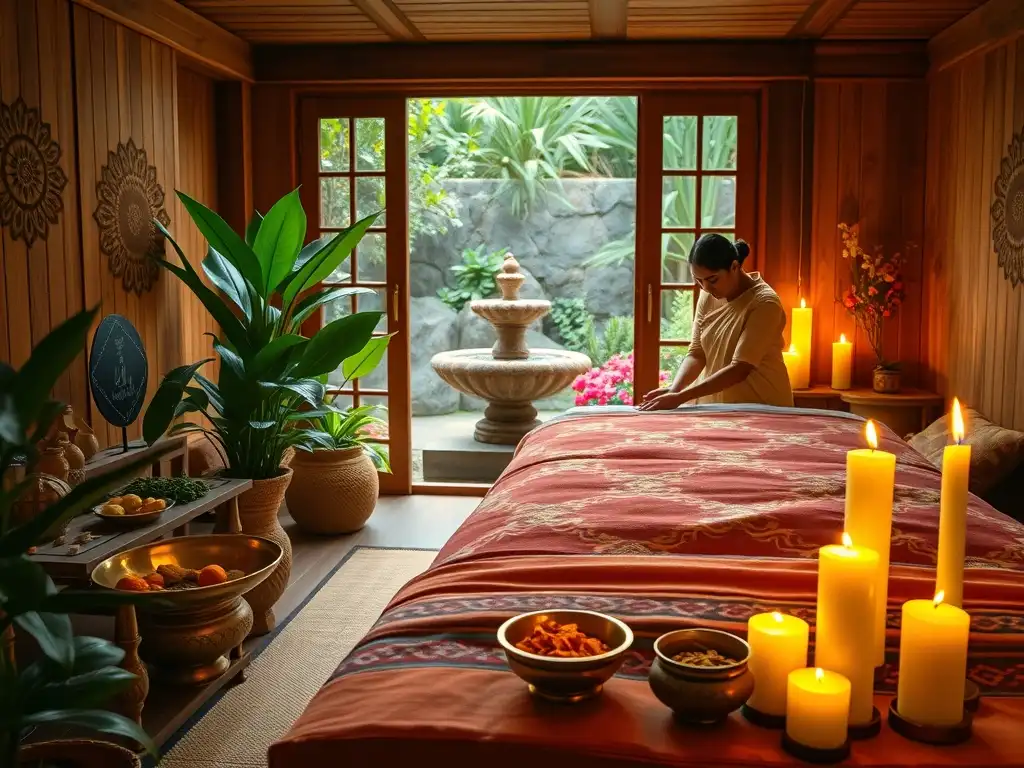
Ayurvedic principles play a crucial role in shaping modern spa culture, providing a framework for holistic wellness that transcends mere relaxation. Central to Ayurvedic philosophy is the concept of balance—specifically the balance between the three doshas: Vata, Pitta, and Kapha. Understanding these doshas is essential for creating personalized spa experiences that address individual health concerns and promote overall well-being.
Modern spas are increasingly incorporating Ayurvedic diagnostics to assess clients' dosha imbalances, tailoring treatments to restore harmony. This approach not only enhances the effectiveness of spa therapies but also empowers clients to take an active role in their wellness journeys. By integrating Ayurvedic principles, spas offer a unique experience that combines traditional knowledge with contemporary wellness practices.
Understanding Doshas: Vata, Pitta, and Kapha in Spa Treatments
An essential component of Ayurvedic wellness in spa culture is the understanding of doshas: Vata, Pitta, and Kapha. Each dosha represents a unique combination of elements and qualities, influencing an individual's physical, emotional, and mental state.
- Vata: Composed of air and ether, Vata is characterized by qualities such as lightness, dryness, and coldness. Spa treatments for Vata types often focus on grounding and calming techniques, utilizing warm oils and soothing massages to restore balance.
- Pitta: Representing fire and water, Pitta embodies qualities of heat, intensity, and sharpness. Treatments for Pitta types may include cooling therapies, such as refreshing herbal wraps and soothing aromatherapy, aimed at reducing inflammation and promoting relaxation.
- Kapha: Consisting of earth and water, Kapha is associated with stability, heaviness, and moisture. Spa therapies for Kapha individuals typically emphasize energizing treatments, such as invigorating scrubs and stimulating massages, to enhance circulation and uplift mood.
By understanding these doshas, modern spas can create tailored experiences that align with clients' unique needs and promote a deeper sense of well-being.
The Role of Herbal Remedies in Spa Wellness
Herbal remedies play a pivotal role in enhancing the wellness offerings of Ayurvedic spas. Grounded in the principles of Ayurveda, these natural ingredients are selected for their therapeutic properties, aiming to address various health concerns and promote holistic healing.
Common herbal remedies used in spa treatments include turmeric, which is known for its anti-inflammatory properties; neem, recognized for its purifying effects; and ashwagandha, celebrated for its stress-relieving benefits. These herbs are often incorporated into oils, masks, and teas, enriching the spa experience and providing clients with natural alternatives to synthetic products.
Moreover, many Ayurvedic spas emphasize the use of locally sourced and organic herbs, aligning with sustainability practices and enhancing the authenticity of the treatments. By integrating herbal remedies into spa wellness, practitioners not only honor ancient traditions but also foster a deeper connection between clients and the natural world, promoting overall health and vitality.
The Benefits of Ayurvedic Wellness in Spa Culture
Ayurvedic wellness has increasingly become a significant aspect of spa culture, intertwining ancient healing practices with modern relaxation techniques. The unique blend of holistic treatments aims not only to rejuvenate the body but also to restore balance between physical, mental, and spiritual health. Here are some key benefits that have made Ayurvedic wellness a sought-after experience in spas around the world.
Physical and Mental Health Benefits of Ayurvedic Treatments
Ayurvedic treatments are designed to promote overall well-being, addressing both physical ailments and mental stresses. Here are some notable benefits:
- Detoxification: Ayurvedic therapies like Panchakarma focus on detoxifying the body, removing toxins that accumulate due to an unhealthy lifestyle or environmental factors.
- Stress Reduction: Techniques such as Abhyanga (oil massage) and Shirodhara (oil pouring on the forehead) help reduce stress and anxiety, promoting mental clarity and relaxation.
- Improved Digestion: Ayurvedic practices often include dietary recommendations that enhance digestion, thus improving nutrient absorption and overall health.
- Enhanced Immunity: Regular Ayurvedic treatments can strengthen the immune system, making the body more resilient to diseases.
- Pain Relief: Many Ayurvedic therapies target chronic pain conditions, utilizing herbal remedies and therapeutic massages to alleviate discomfort.
In addition to these physical benefits, practitioners often report improved emotional well-being, greater mindfulness, and a renewed sense of purpose in life after engaging in Ayurvedic spa treatments.
Customer Testimonials and Real-Life Experiences
Real-life experiences from individuals who have embraced Ayurvedic wellness in spa culture provide compelling insights into its impact. Here are a few testimonials:
- Emma, 34: "After a week at an Ayurvedic retreat, not only did I feel physically rejuvenated, but I also found my mental clarity improving. The Shirodhara treatment was a transformative experience for my stress levels."
- Raj, 45: "I had been struggling with chronic back pain for years. The combination of herbal treatments and targeted massages made a significant difference. I can now enjoy activities I had to avoid for so long."
- Lisa, 29: "The detox program was intense but worth it. I lost weight, felt lighter, and my skin has never looked better. The guidance from Ayurvedic practitioners was invaluable."
These testimonials reflect a growing trend of individuals seeking authentic Ayurvedic experiences in spas, highlighting the effectiveness and appeal of these ancient practices in contemporary wellness.
The Future of Ayurvedic Wellness in Spa Culture
The future of Ayurvedic wellness in spa culture appears promising, with a continuous rise in interest and integration into modern wellness practices. As more people seek alternative and holistic approaches to health, Ayurvedic principles are likely to play an increasingly pivotal role in shaping spa offerings.
Innovations in Ayurvedic Treatments
Innovations in Ayurvedic treatments are emerging, blending traditional methods with modern techniques. Some advancements include:
- Technological Integration: The use of technology in diagnosing dosha imbalances through apps and wearables is becoming more common, allowing personalized treatment plans based on individual needs.
- Customized Experiences: Spas are offering tailored packages that combine Ayurvedic treatments with other wellness practices, such as yoga and meditation, to create a holistic experience.
- Sustainable Practices: There is a growing emphasis on using organic and sustainably sourced herbs and oils, aligning with eco-conscious consumer trends.
These innovations not only enhance the effectiveness of Ayurvedic treatments but also make them more accessible and appealing to a broader audience.
The Growing Popularity of Ayurvedic Wellness Retreats
Ayurvedic wellness retreats are witnessing a surge in popularity as more individuals seek immersive experiences that promote healing and self-discovery. Key factors contributing to this growth include:
- Global Awareness: Increasing awareness about the benefits of Ayurveda, facilitated by social media and wellness influencers, is drawing attention to Ayurvedic retreats.
- Wellness Tourism: The rise of wellness tourism has seen consumers actively seeking retreats that provide comprehensive wellness programs, often centered around Ayurvedic principles.
- Cultural Experiences: Many retreats offer a deep dive into the cultural aspects of Ayurveda, including workshops on herbal medicine, cooking classes, and yoga, providing guests with a holistic understanding of the practice.
As the demand for authentic wellness experiences continues to grow, Ayurvedic wellness retreats are positioned to become a cornerstone of spa culture, bridging ancient traditions with modern desires for health and well-being.
Conclusion: Embracing the Legacy of Ayurvedic Wellness in Spa Culture
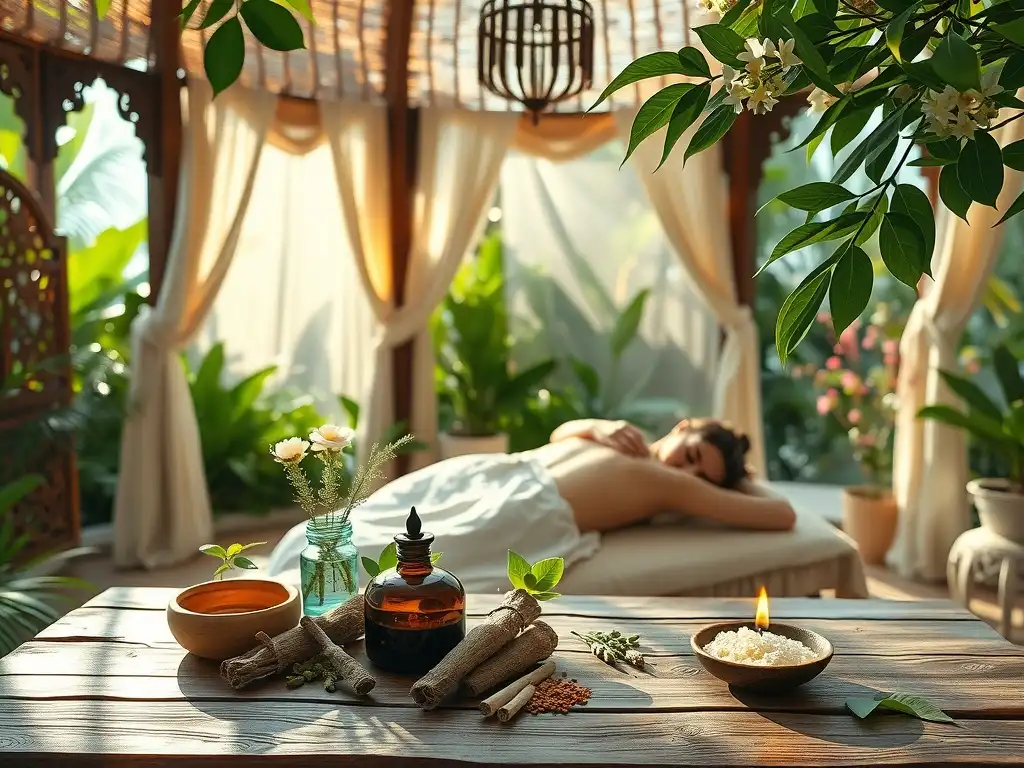
The integration of Ayurvedic wellness into spa culture represents a significant evolution in the way we approach health and wellness. Rooted in ancient Indian traditions, Ayurveda emphasizes a holistic approach to well-being, focusing on the balance of body, mind, and spirit. This legacy is not just about treatments; it encompasses a philosophy that promotes preventive care, natural healing, and a deep connection to the self and the environment.
As modern spa cultures continue to blend ancient practices with contemporary wellness trends, the essence of Ayurveda remains a guiding force. The use of herbal remedies, personalized treatments, and mindfulness practices within spa settings allows individuals to reconnect with their roots while enjoying the benefits of modern luxury. By embracing this legacy, we pay homage to the wisdom of ancient civilizations and their understanding of health as a harmonious state.
Call to Action: Experience Ayurvedic Wellness
Are you ready to embark on your own journey of healing and rejuvenation? Experience the transformative power of Ayurvedic wellness in a spa setting. Seek out spas that offer authentic Ayurvedic treatments, where trained practitioners can guide you through personalized therapies tailored to your unique constitution (Prakriti).
Consider trying:
- Abhyanga: A traditional full-body oil massage that promotes circulation and detoxification.
- Shirodhara: A soothing treatment involving a steady stream of warm oil poured onto the forehead, designed to calm the mind and enhance mental clarity.
- Panchakarma: An extensive detoxification process that eliminates toxins and revitalizes the body.
Visit local wellness centers or explore retreats that specialize in Ayurvedic practices. Immerse yourself in the ancient wisdom of Ayurveda and discover a pathway to holistic wellness that honors both tradition and modernity. Your journey to rejuvenation awaits!
References and Further Reading
- Lad, Vasant. Textbook of Ayurveda: Fundamental Principles of Ayurveda. Ayurvedic Press, 2002.
- Frawley, David. Ayurveda and the Mind: The Healing of Consciousness. Lotus Press, 2000.
- Sharma, P. D., & Sharma, S. (Eds. ). Ayurvedic Medicine: The Principles of Traditional Practice. Journal of Alternative and Complementary Medicine, vol. 21, no. 1, 2015.
- Bhishagratna, Kaviraj K. Sushruta Samhita: The Ayurvedic Text on Surgery. Chaukhambha Sanskrit Series Office, 1999.
- Mehta, R. (2018). "The Role of Ayurveda in Modern Spa Practices." International Journal of Ayurveda Research, 9(2), 56-62.
These resources provide valuable insights into the principles and practices of Ayurveda, enriching your understanding of its integration into spa culture and wellness.
- Introduction to Ayurvedic Wellness and Spa Culture
- The Historical Roots of Ayurvedic Wellness
- The Integration of Ayurveda into Spa Experiences
- Ayurvedic Principles in Modern Spa Culture
- The Benefits of Ayurvedic Wellness in Spa Culture
- The Future of Ayurvedic Wellness in Spa Culture
- Conclusion: Embracing the Legacy of Ayurvedic Wellness in Spa Culture
- Call to Action: Experience Ayurvedic Wellness
- References and Further Reading
Frequently Asked Questions
What is Ayurvedic wellness?
Ayurvedic wellness is an ancient holistic healing system from India that emphasizes balance in the body, mind, and spirit through natural remedies and lifestyle practices.
How has Ayurveda influenced modern spa culture?
Ayurveda has significantly contributed to modern spa culture by integrating traditional healing practices into spa treatments, promoting relaxation, wellness, and rejuvenation.
What are the key components of Ayurvedic treatments in spas?
Key components of Ayurvedic treatments in spas include herbal therapies, oil massages, and personalized wellness plans designed to balance the body's doshas.
Can Ayurveda be beneficial for mental health?
Yes, Ayurvedic practices can be beneficial for mental health by promoting stress relief, mindfulness, and overall emotional balance through meditation and lifestyle adjustments.
How can I incorporate Ayurvedic wellness into my daily routine?
You can incorporate Ayurvedic wellness by adopting a balanced diet, practicing daily self-care rituals, and engaging in activities that promote mind-body harmony.
Final Reflection: Embracing Ayurvedic Wellness in Spa Culture
The journey through the evolution of Ayurvedic wellness in spa culture highlights its profound relevance in today's fast-paced world. As we navigate the complexities of modern life, the principles of Ayurveda offer a holistic approach to well-being that resonates deeply with our innate desire for balance and harmony. The resurgence of interest in these ancient practices underscores a striking truth: in our quest for wellness, we are often drawn back to the wisdom of the past.
The integration of Ayurvedic principles into contemporary spa culture is not merely a trend; it is a testament to our collective yearning for deeper connections with ourselves and our environment. This evolution has influenced how we perceive health and self-care, fostering a culture that values mindfulness and individualized treatment. As the renowned Ayurvedic practitioner Dr. Vasant Lad once said, The greatest gift you can give yourself is the gift of your own attention.
This quote encapsulates the essence of Ayurvedic wellness, reminding us that true healing begins with self-awareness and intentionality.
As we reflect on this journey, I invite you to explore how the lessons of Ayurvedic wellness can enrich your own life. Consider how you can incorporate these timeless practices into your daily routine, fostering a deeper connection to your mind, body, and spirit. Whether through mindful eating, meditation, or simply taking a moment to breathe, each step you take toward embracing Ayurvedic principles can lead to profound transformation. Let us honor this ancient wisdom and allow it to guide us toward a more balanced and fulfilling existence.
Embrace the Wisdom of Ayurveda Today!
Thank you for joining us on this journey through the rich history and evolution of Ayurvedic wellness in spa culture! You've discovered the profound benefits and timeless practices that can enhance your well-being. Now, it's time to take what you've learned and integrate it into your life.
Here’s how you can get started:
- Try a Holistic Spa Treatment: Book a session at a spa that specializes in Ayurvedic therapies to experience the harmony of mind, body, and spirit.
- Learn More About Ayurvedic Practices: Explore Ayurvedic cooking or meditation techniques by enrolling in local classes or utilizing online resources.
- Share the Wisdom: Discuss your newfound insights with friends or family to help them discover the benefits of Ayurveda as well!
What aspect of Ayurvedic wellness are you most excited to explore in your life? We invite you to share your thoughts in the comments below!