
The Ultimate Guide to Ayurvedic Ingredients Used in Spa Treatments

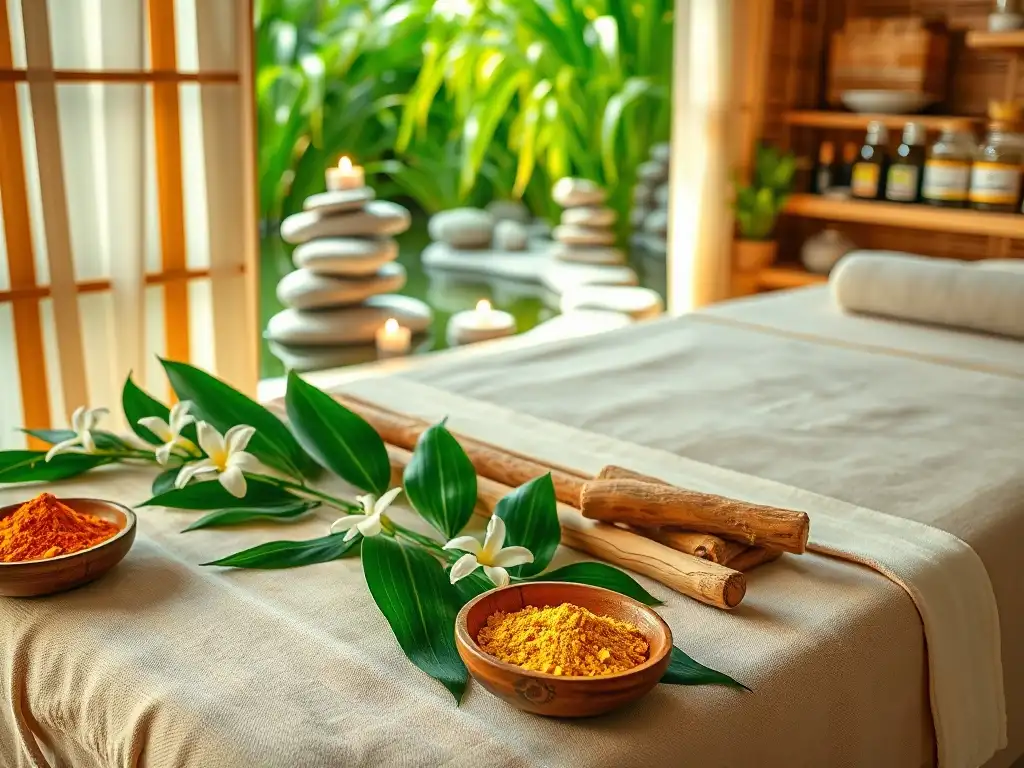
Welcome to Ancient India History, where we embark on a captivating journey through time to uncover the rich tapestry of ancient Indian civilizations. From the awe-inspiring Indus Valley to the illustrious Gupta Empire, we delve into the profound cultural and historical contributions that continue to influence the world today. In our featured article, The Ultimate Guide to Ayurvedic Ingredients Used in Spa Treatments, we explore the ancient wisdom of Ayurveda and its remarkable ingredients that enhance wellness and relaxation.
Are you ready to discover how these timeless practices can transform your spa experience? Join us as we unravel the fascinating connections between history, health, and harmony that await you!
- Introduction to Ayurvedic Ingredients for Spa Treatments
- Key Ayurvedic Ingredients Used in Spa Treatments
- How Ayurvedic Ingredients Enhance Spa Experiences
- Comparative Analysis of Popular Ayurvedic Spa Products
- Buying Guide: Choosing the Right Ayurvedic Ingredients for Spa Treatments
- Myths and Realities of Ayurvedic Ingredients in Spa Treatments
- Pros and Cons of Using Ayurvedic Ingredients in Spa Treatments
- Conclusion: Embracing Ayurvedic Ingredients for Optimal Spa Experiences
- Frequently Asked Questions
- Final Reflection: Embracing the Healing Power of Ayurvedic Ingredients
- Unleash Your Inner Wellness with Ayurveda!
Introduction to Ayurvedic Ingredients for Spa Treatments
Ayurveda, the ancient Indian system of medicine, emphasizes a holistic approach to wellness that intertwines the mind, body, and spirit. It encompasses a vast array of practices, one of which is the use of natural ingredients in spa treatments. This guide delves into the Ayurvedic ingredients for spa treatments, exploring their origins, benefits, and the integral role they play in enhancing relaxation, rejuvenation, and overall wellness.
By integrating these time-honored substances into contemporary spa experiences, practitioners can unlock a deeper connection to holistic health, rooted in centuries of wisdom. Whether you're a spa enthusiast or a wellness practitioner, understanding these ingredients can significantly enrich your approach to self-care and client experiences.
Understanding Ayurveda and Its Relevance in Spa Wellness
Ayurveda translates to "the science of life," and it is grounded in the belief that health is achieved through balancing the three doshas: Vata, Pitta, and Kapha. Each dosha represents different physical and emotional characteristics, and their balance is crucial for maintaining well-being.
In the context of spa wellness, Ayurveda promotes the use of natural, plant-based ingredients that align with these dosha principles. For instance:
- Vata: Often characterized by dryness and coolness, Vata individuals benefit from warm, nourishing oils such as sesame and almond.
- Pitta: Known for their fiery nature, Pitta individuals can find relief with cooling ingredients like coconut and aloe vera.
- Kapha: With their tendency toward heaviness, Kapha individuals thrive on stimulating ingredients like ginger and eucalyptus.
By tailoring spa treatments to the individual's dosha, practitioners can enhance not only physical relaxation but also emotional balance and spiritual nourishment. This personalized approach is what makes Ayurvedic spa treatments uniquely effective.
Importance of Natural Ingredients in Spa Treatments
The emphasis on natural ingredients in Ayurvedic spa treatments is rooted in the philosophy that nature holds the key to holistic health. These ingredients are often rich in therapeutic properties, offering a range of benefits that go beyond mere relaxation. Some notable aspects include:
- Nutrient-Rich: Ayurvedic ingredients are often packed with vitamins, minerals, and antioxidants, promoting skin health and overall vitality.
- Healing Properties: Many natural substances, such as herbs and essential oils, possess anti-inflammatory or analgesic properties that can help alleviate discomfort and promote healing.
- Sustainability: Using natural ingredients fosters a connection to the earth and promotes sustainability, aligning with the growing trend towards eco-friendly practices in wellness.
Incorporating Ayurvedic ingredients into spa treatments not only enhances the experience but also respects the ancient traditions that have celebrated the power of nature for millennia. This commitment to natural wellness is essential for anyone seeking a comprehensive and fulfilling spa experience.
Key Ayurvedic Ingredients Used in Spa Treatments
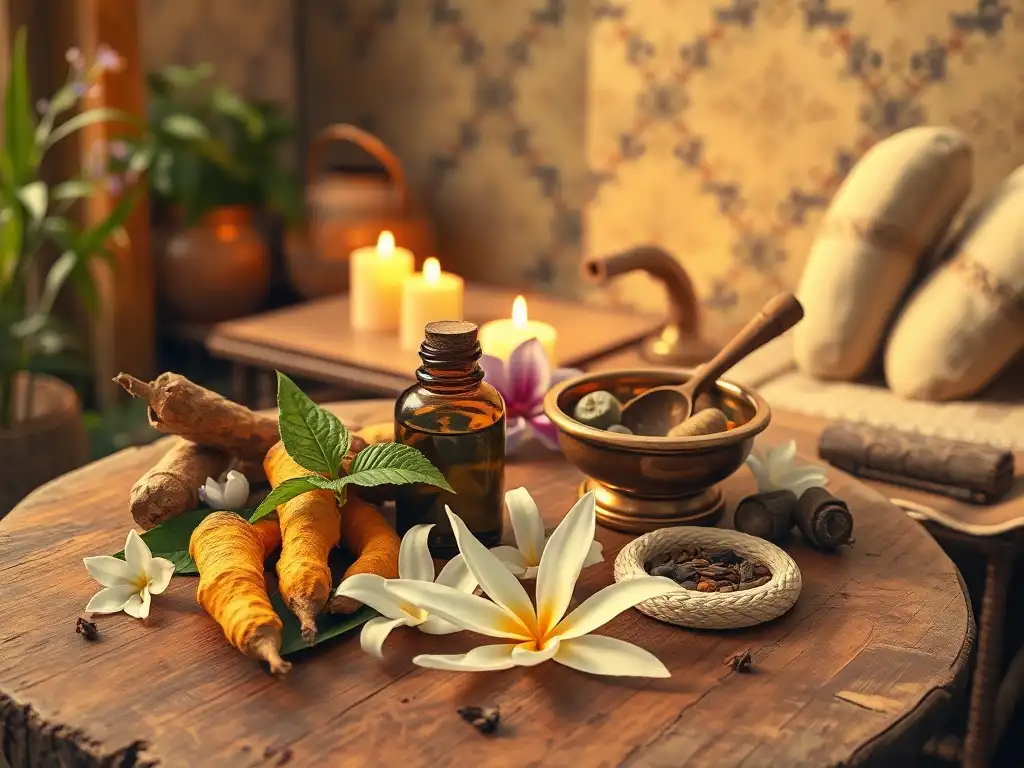
Ayurvedic spa treatments are deeply rooted in the ancient Indian philosophy of holistic wellness, utilizing natural ingredients that have been revered for centuries. These ingredients not only enhance the spa experience but also promote healing and rejuvenation. Below, we delve into some of the most significant Ayurvedic ingredients used in spa treatments, focusing on their benefits and popular applications.
Turmeric: The Golden Spice for Skin and Healing
Turmeric, known as "Haldi" in Hindi, is one of the most celebrated spices in Ayurveda, primarily for its powerful anti-inflammatory and antioxidant properties. This vibrant yellow spice is not just a culinary delight but a potent ingredient in spa treatments aimed at enhancing skin health and overall wellness.
Benefits of Turmeric in Spa Treatments
- Anti-Inflammatory Properties: Turmeric contains curcumin, which helps reduce inflammation in the skin, making it ideal for treating conditions like acne and eczema.
- Antioxidant Benefits: The antioxidants in turmeric help combat free radicals, promoting youthful and radiant skin.
- Skin Brightening: Regular use of turmeric can lead to a brighter complexion, as it helps in reducing pigmentation and evening out skin tone.
- Healing Wounds: Turmeric possesses antiseptic properties that can accelerate the healing of minor cuts and blemishes.
Popular Spa Treatments Incorporating Turmeric
- Turmeric Face Masks: Often combined with yogurt or honey, these masks hydrate and brighten the skin while providing a soothing effect.
- Turmeric Body Scrubs: Exfoliating scrubs featuring turmeric can help in removing dead skin cells, revealing a smoother texture.
- Turmeric-infused Oils: Massage oils infused with turmeric are used in traditional Ayurvedic massages to enhance relaxation and rejuvenation.
Neem: Nature's Antibiotic for Skin Purification
Neem, known as "Azadirachta indica," is another cornerstone of Ayurvedic medicine, recognized for its purity and medicinal properties. Often referred to as a natural antibiotic, neem is a staple in spa treatments focused on skin purification and detoxification.
Benefits of Neem in Spa Treatments
- Antibacterial Properties: Neem is effective in combating bacteria and fungi, making it suitable for acne-prone skin.
- Skin Detoxification: Its purifying qualities help cleanse the skin of impurities and toxins, promoting a clearer complexion.
- Soothing and Cooling: Neem has a cooling effect, which can relieve skin irritation and redness.
- Anti-Aging Benefits: Rich in antioxidants, neem helps in preventing premature aging by reducing fine lines and wrinkles.
Neem-infused Treatments You Should Try
- Neem Facials: These treatments often include neem extracts in masks that cleanse, purify, and rejuvenate the skin.
- Neem Oil Massages: Incorporating neem oil in massages can help soothe irritated skin while providing deep hydration.
- Neem Bath Soaks: Adding neem leaves or extracts to bathwater can enhance skin detoxification and leave the body feeling refreshed.
Incorporating these Ayurvedic ingredients into spa treatments not only enhances the overall experience but also aligns with the principles of holistic wellness, ensuring that both body and mind benefit from nature's bounty.
Aloe Vera: The Moisturizing Miracle
Aloe Vera, often referred to as the "moisturizing miracle," is a succulent plant revered in Ayurvedic practices for its extensive therapeutic properties. This versatile ingredient is not only known for its soothing effects on the skin but also for its ability to deeply hydrate and rejuvenate. Rich in vitamins, minerals, and amino acids, Aloe Vera is a staple in many spa treatments aimed at promoting skin health and overall wellness. Its gel-like consistency makes it ideal for topical applications, providing a cooling sensation that is particularly beneficial for sunburned or irritated skin.
Benefits of Aloe Vera in Spa Treatments
The benefits of Aloe Vera in spa treatments are numerous and well-documented. Here are some key advantages:
- Deep Hydration: Aloe Vera is renowned for its ability to penetrate the skin deeply, offering intense hydration without leaving a greasy residue. This makes it an excellent choice for all skin types, especially dry and sensitive skin.
- Healing Properties: The anti-inflammatory and antimicrobial properties of Aloe Vera help in soothing skin irritations, cuts, and burns, making it a go-to ingredient for post-sun exposure treatments.
- Anti-Aging Effects: Packed with antioxidants, Aloe Vera helps combat the signs of aging by promoting collagen production and improving skin elasticity.
- Skin Repair: The polysaccharides found in Aloe Vera aid in skin repair and regeneration, making it beneficial for acne-prone skin and scarring.
Spa Treatments Featuring Aloe Vera
Aloe Vera is incorporated into various spa treatments, enhancing the experience and efficacy of the treatments. Some popular applications include:
- Aloe Vera Facials: These treatments utilize fresh Aloe Vera gel to cleanse, hydrate, and rejuvenate the skin, leaving it radiant and refreshed.
- Body Wraps: Aloe Vera body wraps provide a nourishing and hydrating experience, often combined with other herbal ingredients to enhance the detoxifying effects.
- Massage Oils: Many spas use Aloe Vera-infused oils for massages, which not only hydrate the skin but also soothe muscle aches and tension.
- After-Sun Treatments: Aloe Vera is a key ingredient in post-sun exposure treatments, helping to cool and repair sun-damaged skin.
Rose: The Fragrant Healer
Rose, with its delicate fragrance and therapeutic properties, holds a significant place in Ayurvedic wellness practices. Known for its uplifting scent and emotional benefits, rose extracts are often used in spa treatments to create a serene and calming atmosphere. The flower’s essence transcends beyond mere fragrance; it is believed to embody love, compassion, and healing, making it a perfect choice for holistic spa experiences.
Benefits of Rose in Ayurvedic Spa Treatments
The benefits of rose in Ayurvedic spa treatments are manifold, contributing to both physical and emotional well-being:
- Emotional Balance: The scent of rose is known to reduce anxiety and promote feelings of relaxation and tranquility, enhancing the overall spa experience.
- Skin Nourishment: Rose has natural astringent properties, which help tighten pores and improve skin tone. It is also rich in antioxidants, aiding in skin rejuvenation and protection.
- Hydration: Rose water is a popular ingredient in spa treatments for its hydrating qualities, making it ideal for dry or sensitive skin.
- Anti-Inflammatory Effects: The anti-inflammatory properties of rose can help soothe skin irritations and reduce redness, making it suitable for various skin types.
Rose Oil and Its Applications in Spas
Rose oil, extracted from the petals of the rose flower, is highly prized for its versatility and effectiveness in spa treatments. Some notable applications include:
- Aromatherapy: Rose oil is frequently used in aromatherapy diffusers to create a calming ambiance, helping clients unwind during their spa experience.
- Massage Therapy: Blended with carrier oils, rose oil is often used in massages to enhance relaxation and improve skin texture.
- Facial Treatments: Rose oil is incorporated into facial serums and masks for its hydrating and rejuvenating properties, providing a luxurious experience for clients.
- Bath Soaks: Rose oil is also added to bath products, allowing clients to indulge in a soothing soak that envelops them in the flower's soothing aroma.
Incorporating these Ayurvedic ingredients into spa treatments not only enhances skin health but also promotes holistic well-being, making them essential components of any Ayurvedic wellness regimen.
How Ayurvedic Ingredients Enhance Spa Experiences

Ayurvedic ingredients play a crucial role in enhancing spa experiences by promoting holistic wellness and rejuvenation. Rooted in ancient Indian philosophy, Ayurveda emphasizes the balance of body, mind, and spirit, and this principle is deeply embedded in spa treatments that utilize these natural components. The incorporation of Ayurvedic ingredients—such as herbs, oils, and minerals—can significantly elevate the effectiveness of spa therapies, making them not just a luxury but a path to overall well-being.
The Role of Essential Oils in Ayurvedic Spa Treatments
Essential oils are a cornerstone of Ayurvedic spa treatments, revered for their therapeutic properties. Each essential oil is derived from specific plants and is believed to carry unique benefits that align with Ayurvedic principles. Here are some key oils commonly used:
- Lavender Oil: Known for its calming effects, lavender oil helps reduce anxiety and promotes better sleep.
- Brahmi Oil: This oil is traditionally used to enhance memory and concentration, making it an excellent choice for mind-clearing massages.
- Eucalyptus Oil: Renowned for its invigorating properties, eucalyptus oil aids in respiratory health and provides a refreshing experience.
Benefits of Using Essential Oils
- Stress Relief: The aromatic properties of essential oils can significantly reduce stress and anxiety levels, leading to a more relaxing spa experience.
- Skin Nourishment: Many essential oils possess hydrating and nourishing qualities, contributing to healthier skin.
- Enhanced Circulation: The application of essential oils during massages can improve blood circulation, promoting overall vitality.
Balancing Body and Mind with Ayurvedic Ingredients
In the realm of Ayurvedic spa treatments, the focus extends beyond mere physical relaxation; it encompasses a holistic approach aimed at balancing the body and mind. Various Ayurvedic ingredients contribute to this harmony:
- Herbal Pastes and Masks: Ingredients like neem, turmeric, and sandalwood are frequently used in herbal pastes that detoxify and rejuvenate the skin. These pastes provide deep nourishment and can help in treating specific skin conditions.
- Natural Scrubs: Ayurvedic scrubs often include ingredients like chickpea flour and rice powder, which exfoliate the skin while infusing it with beneficial nutrients. This not only enhances skin texture but also promotes a sense of renewal.
- Therapeutic Baths: Infusing bath waters with Ayurvedic herbs and oils can create a serene environment that calms the mind and revitalizes the body. For example, adding rose petals and milk can enhance relaxation and soothe the senses.
Achieving Balance Through Treatments
- Customized Therapies: Ayurvedic spa treatments are often tailored to individual doshas (body types), ensuring that the experience is not only enjoyable but also effective in restoring balance.
- Mindfulness Practices: Many Ayurvedic spas incorporate mindfulness techniques such as meditation and breathing exercises, further enhancing the overall experience and fostering mental clarity.
In essence, the strategic use of Ayurvedic ingredients in spa treatments not only amplifies relaxation but also aligns with the core principles of Ayurveda—fostering a profound connection between body, mind, and spirit. The journey through Ayurvedic wellness is not just about physical rejuvenation; it is a holistic experience that nurtures the inner self.
Comparative Analysis of Popular Ayurvedic Spa Products

In the realm of Ayurvedic wellness, spa treatments often harness the power of natural ingredients to promote healing and relaxation. Among the vast array of Ayurvedic ingredients for spa treatments, turmeric and neem stand out for their potent properties. This section delves into a comparative analysis of popular Ayurvedic spa products, focusing on their effectiveness and benefits.
Comparing Turmeric-based Products for Spa Treatments
Turmeric, known for its anti-inflammatory and antioxidant properties, is a staple in Ayurvedic practices. When it comes to spa treatments, turmeric-based products are frequently used to enhance skin health and promote a sense of well-being.
Product A vs. Product B: Which One to Choose?
| Feature | Product A: Turmeric Body Scrub | Product B: Turmeric Face Mask |
|---|---|---|
| Main Ingredients | Turmeric, sugar, coconut oil | Turmeric, yogurt, honey |
| Target Area | Body | Face |
| Benefits | Exfoliates skin, removes dead cells, nourishes | Brightens skin, reduces blemishes |
| Skin Type Compatibility | All skin types | Sensitive to normal skin |
| Application Method | Apply in circular motions, rinse off | Apply for 15 minutes, rinse off |
| Frequency of Use | 2-3 times a week | Once a week |
Both products harness the power of turmeric, but they serve different purposes. Product A, the body scrub, is ideal for physical exfoliation and deep nourishment of the skin, making it suitable for those looking to revitalize their entire body. Product B, the face mask, focuses on facial rejuvenation with a gentler approach, perfect for those aiming to brighten their complexion.
Neem-infused Spa Products: A Side-by-Side Comparison
Neem, revered for its antibacterial and antifungal properties, is often incorporated into spa treatments to cleanse and purify the skin. Its versatility makes it an excellent choice for various formulations, especially for those with acne-prone or sensitive skin.
The Best Neem Products for Spa Treatments
| Product Name | Description | Key Benefits | Price Range |
|---|---|---|---|
| Neem Oil | Pure oil extracted from neem leaves | Antiseptic, hydrates skin | $15 - $25 |
| Neem Soap | Organic soap with neem extract | Cleanses skin, fights acne | $5 - $10 |
| Neem Face Pack | Powdered neem mixed with herbs | Deep cleanses, reduces inflammation | $8 - $15 |
Neem Oil is particularly effective for both topical application and as an ingredient in massage oils, providing a soothing experience while combating skin issues. Neem Soap offers daily cleansing benefits, making it a staple in Ayurvedic skincare routines. Lastly, the Neem Face Pack serves as a detoxifying mask, perfect for those wanting to target specific skin concerns.
By understanding the unique properties and applications of these Ayurvedic ingredients for spa treatments, individuals can make informed choices that align with their wellness goals, maximizing the benefits of their spa experiences.
Buying Guide: Choosing the Right Ayurvedic Ingredients for Spa Treatments

When selecting Ayurvedic ingredients for spa treatments, it is essential to consider several factors that can significantly impact the overall effectiveness and experience. The right ingredients can enhance relaxation, promote healing, and rejuvenate the body and mind. Below are some key elements to consider when choosing quality Ayurvedic ingredients.
What to Look for in Quality Ayurvedic Ingredients
-
Purity and Authenticity
Ensure that the ingredients are sourced from reputable suppliers who adhere to traditional Ayurvedic practices. Look for certifications that guarantee the authenticity and purity of the ingredients. Avoid products with synthetic additives or artificial fragrances.
-
Sourcing and Harvesting
Investigate how the ingredients are sourced and harvested. Ingredients that are sustainably grown and harvested not only support the environment but also ensure higher potency and effectiveness. Organic certification is a good indicator of quality.
-
Formulation
Consider the formulation of the products. Ayurvedic treatments often combine multiple ingredients to enhance their therapeutic properties. Look for blends that are thoughtfully created to address specific concerns, such as stress relief or skin rejuvenation.
-
Freshness
Ayurvedic ingredients retain their potency and efficacy when they are fresh. Check the packaging for manufacturing and expiration dates. Fresh ingredients contribute to a more effective spa treatment experience.
-
Specific Benefits
Different Ayurvedic ingredients offer various benefits. Familiarize yourself with the properties of key ingredients, such as:
- Turmeric: Anti-inflammatory and antioxidant properties.
- Aloe Vera: Hydrating and soothing for the skin.
- Sesame Oil: Rich in nutrients, excellent for massage and skin nourishment.
- Ashwagandha: Known for its stress-relieving properties.
Recommended Brands and Products for Spa Treatments
When it comes to Ayurvedic ingredients for spa treatments, several brands stand out for their commitment to quality and efficacy. Here are some highly recommended brands:
- Forest Essentials: Known for luxurious Ayurvedic products, their formulations use natural ingredients and traditional methods.
- Kama Ayurveda: Offers a wide range of authentic Ayurvedic products that are cruelty-free and sustainably sourced.
- Patanjali: Provides a variety of Ayurvedic wellness products, focusing on natural healing and traditional practices.
- Biotique: Combines Ayurvedic wisdom with modern science, offering a range of effective skincare products.
- Himalaya: Known for its herbal products, Himalaya focuses on holistic wellness with a blend of ancient wisdom and modern research.
Top 5 Ayurvedic Products for Spa Treatments in 2024
Here’s a curated list of the top Ayurvedic products for spa treatments to consider in 2024:
| Product Name | Key Ingredients | Benefits | Brand |
|---|---|---|---|
| Rejuvenating Night Cream | Saffron, Almond Oil | Hydrates and revitalizes skin | Forest Essentials |
| Herbal Massage Oil | Sesame Oil, Ashwagandha | Relieves muscle tension and stress | Kama Ayurveda |
| Turmeric Face Pack | Turmeric, Sandalwood | Brightens and evens skin tone | Biotique |
| Aloe Vera Gel | Aloe Vera, Neem | Soothes and hydrates the skin | Patanjali |
| Stress Relief Bath Soak | Lavender, Brahmi | Calms the mind and relaxes the body | Himalaya |
Understanding how to choose quality Ayurvedic ingredients for spa treatments can enhance the effectiveness of your wellness experience. By prioritizing purity, sourcing, formulation, and specific benefits, you can create a spa environment that fully embraces the ancient wisdom of Ayurveda.
Myths and Realities of Ayurvedic Ingredients in Spa Treatments
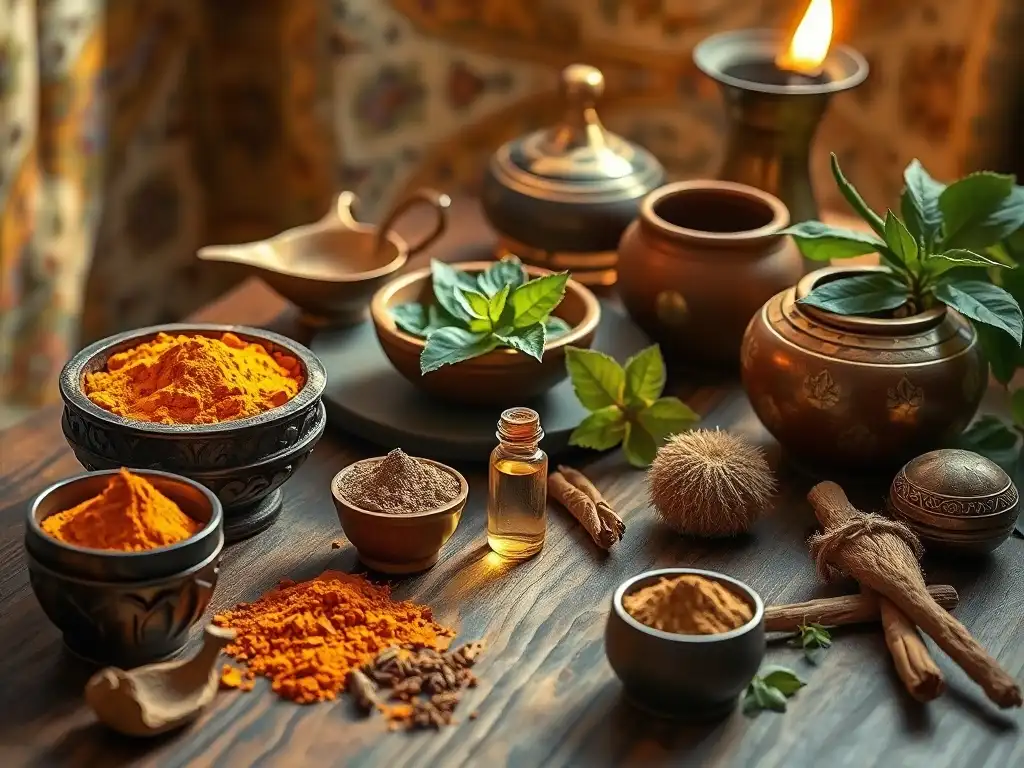
Common Myths About Ayurvedic Ingredients
Ayurvedic ingredients have been used for centuries in spa treatments, yet several myths persist that may lead to misconceptions about their effectiveness and application. Here are some of the most prevalent myths surrounding Ayurvedic ingredients:
-
Myth of Instant Results
Many believe that products derived from Ayurvedic ingredients provide instant results similar to synthetic treatments. However, Ayurveda emphasizes holistic healing, which often requires consistent use and integration into one’s lifestyle for optimal benefits.
-
All Natural Means No Side Effects
While Ayurvedic ingredients are derived from natural sources, it is a common misconception that they are entirely free from side effects. Factors such as individual allergies, improper use, or interactions with other substances can lead to adverse effects.
- One Size Fits All Approach
It is often assumed that Ayurvedic treatments can be universally applied to everyone. In reality, Ayurveda advocates for personalized approaches based on an individual’s dosha (body constitution), which means that not all ingredients are suitable for every person.
- Only for Physical Healing
Many people believe that Ayurvedic ingredients are solely for physical ailments. However, Ayurveda also addresses mental and emotional wellness, emphasizing a comprehensive approach to health that includes the mind, body, and spirit.
- Neglect of Scientific Validation
There is a belief that Ayurvedic practices lack scientific support. While some may argue this point, recent studies have begun to highlight the efficacy of various Ayurvedic ingredients, bridging the gap between traditional wisdom and modern science.
Evidence-Based Realities Supporting Ayurvedic Practices
Numerous studies and research efforts have begun to validate the efficacy of Ayurvedic ingredients in spa treatments, shedding light on their benefits. Here are some evidence-based realities that support the use of Ayurvedic ingredients:
-
Clinical Studies on Efficacy
Research has demonstrated that certain Ayurvedic ingredients, such as turmeric and neem, possess anti-inflammatory and antimicrobial properties. For example, a study published in the Journal of Ethnopharmacology found that turmeric can significantly reduce inflammation when applied topically, making it an excellent ingredient for spa treatments.
-
Holistic Health Benefits
Ayurveda’s comprehensive approach is supported by evidence indicating that treatments such as Abhyanga (oil massage) promote blood circulation, enhance relaxation, and reduce stress levels. These benefits have been documented in numerous wellness studies focused on holistic health.
-
Adaptogenic Properties
Many Ayurvedic ingredients are classified as adaptogens, substances that help the body adapt to stress. Ingredients like Ashwagandha have been shown in studies to reduce cortisol levels, thereby helping to alleviate stress and promote relaxation in spa settings.
-
Customizable Treatments
Evidence suggests that personalized Ayurvedic treatments can lead to better health outcomes. A study in Ayurveda and Integrative Medicine highlighted that treatments tailored to individual dosha types resulted in higher patient satisfaction and effectiveness.
-
Integration into Modern Wellness
The increasing integration of Ayurvedic principles into modern wellness practices is supported by an expanding body of research. Many spas worldwide have begun adopting Ayurvedic treatments, which is a testament to their growing recognition and validation within the wellness community.
While there are many myths surrounding Ayurvedic ingredients for spa treatments, the realities backed by scientific evidence demonstrate the profound benefits these natural elements can offer. Understanding these aspects can enhance the appreciation and application of Ayurvedic practices in contemporary wellness contexts.
Pros and Cons of Using Ayurvedic Ingredients in Spa Treatments

Ayurvedic ingredients have gained popularity in spa treatments due to their holistic approach to wellness and the natural benefits they provide. However, like any treatment modality, there are both advantages and disadvantages to consider when incorporating these ingredients into spa experiences.
Advantages of Ayurvedic Ingredients for Skin and Wellness
Ayurvedic ingredients are derived from natural sources and have been used for centuries in traditional Indian medicine. Their benefits for skin and overall wellness include:
- Natural Healing Properties: Many Ayurvedic ingredients, such as turmeric, neem, and sandalwood, possess anti-inflammatory, antibacterial, and antioxidant properties. This makes them effective in treating various skin conditions, including acne, eczema, and signs of aging.
- Holistic Benefits: Ayurvedic treatments focus on balancing the body, mind, and spirit. Ingredients used in spa treatments often aim to enhance not only physical appearance but also emotional and mental well-being, promoting relaxation and stress relief.
- Customized Treatments: Ayurvedic spa treatments can be tailored to individual doshas (body types) and specific needs, allowing for a personalized experience. For example, a person with a Vata constitution may benefit from hydrating oils like coconut oil, while a Pitta individual might prefer soothing ingredients like rose water.
- Sustainability: Many Ayurvedic ingredients are sourced sustainably, making them an eco-friendly choice for spa treatments. The focus on natural and locally available components helps reduce environmental impact.
- Cultural Richness: Incorporating Ayurvedic ingredients into spa treatments provides an opportunity to explore and appreciate the rich cultural heritage of ancient India. This can enhance the overall experience for clients seeking authenticity in wellness practices.
Disadvantages and Considerations When Choosing Ayurvedic Treatments
While there are numerous benefits to using Ayurvedic ingredients in spa treatments, there are also some drawbacks and considerations to keep in mind:
- Potential Allergies: Some individuals may have allergies or sensitivities to certain Ayurvedic ingredients. It is crucial to conduct a patch test prior to treatment to avoid adverse reactions.
- Quality Variability: The quality of Ayurvedic ingredients can vary significantly based on sourcing, processing, and storage. Low-quality ingredients may not provide the desired therapeutic effects and could even cause harm.
- Lack of Scientific Evidence: While many Ayurvedic ingredients have been used traditionally, scientific studies validating their efficacy are limited. This may concern clients looking for evidence-based treatments.
- Individual Variability: The effectiveness of Ayurvedic ingredients can vary from person to person. What works for one individual may not yield the same results for another, which can lead to dissatisfaction with spa treatments.
- Cultural Misunderstandings: As Ayurvedic practices are deeply rooted in Indian culture, there may be misunderstandings or misrepresentations when these practices are adopted in different cultural contexts. It is essential for spa practitioners to have a thorough understanding of Ayurveda to provide authentic experiences.
While Ayurvedic ingredients offer numerous advantages for spa treatments, including their natural healing properties and holistic benefits, it is essential to consider potential drawbacks, such as allergies and variability in ingredient quality. This balanced approach allows for informed decision-making when integrating Ayurvedic ingredients into wellness practices.
Conclusion: Embracing Ayurvedic Ingredients for Optimal Spa Experiences
Ayurvedic ingredients for spa treatments offer a unique blend of ancient wisdom and holistic healing practices that cater to both physical and mental well-being. By incorporating these natural elements into spa treatments, guests can experience a profound connection to the rich traditions of Ayurveda, which emphasize balance and harmony within the body. The use of herbs, oils, and other natural substances not only enhances the therapeutic effects of treatments but also aligns with a growing demand for sustainable and organic wellness practices.
As we reflect on the significant benefits of Ayurvedic ingredients, it's important to recognize that the true power of these treatments lies in their ability to address individual needs. Personalization in spa experiences, guided by Ayurvedic principles, enables practitioners to tailor treatments that resonate with each client's unique constitution (dosha). This individualized approach not only maximizes the effectiveness of the treatments but also fosters a deeper connection between the client and the ancient practices of Ayurveda.
The Future of Ayurvedic Wellness in Modern Spa Treatments
The future of Ayurvedic wellness in spa treatments looks promising as more wellness centers and spas embrace these traditional practices. With a growing awareness of holistic health and the benefits of natural ingredients, Ayurvedic principles are being integrated into modern spa experiences. This fusion not only preserves the essence of ancient wisdom but also adapts it to contemporary wellness trends.
Key Trends Shaping the Future
- Personalization: Spas are increasingly focusing on treatments tailored to individual doshas, enhancing the effectiveness of therapies and promoting overall well-being.
- Sustainability: There is a rising demand for eco-friendly and organic products, leading spas to source Ayurvedic ingredients that are sustainably harvested.
- Education: As awareness of Ayurveda grows, educational workshops and sessions are being offered in spas, providing guests with insights into the benefits of Ayurvedic practices and ingredients.
- Integration with Technology: Innovative approaches, such as apps that help individuals determine their dosha, are making Ayurvedic wellness more accessible.
These trends indicate a shift towards a more inclusive and comprehensive approach to wellness, where Ayurvedic ingredients play a pivotal role in enhancing spa experiences.
Encouraging a Holistic Approach to Wellness with Ayurveda
Embracing Ayurvedic ingredients for spa treatments encourages a holistic approach to wellness that encompasses mind, body, and spirit. Ayurveda teaches that health is not merely the absence of disease but a state of balance and harmony within the individual. By integrating Ayurvedic principles into spa practices, wellness centers can foster this holistic perspective.
Benefits of a Holistic Approach
- Enhanced Healing: By considering the emotional and spiritual aspects of health, Ayurvedic spa treatments can provide deeper healing experiences.
- Mindfulness: Incorporating mindfulness practices, such as meditation and breathing exercises, into spa treatments aligns with Ayurvedic philosophy, promoting relaxation and mental clarity.
- Preventive Care: Ayurveda emphasizes prevention and maintaining balance, which can empower individuals to take proactive steps towards their well-being.
- Community Connection: Engaging with local Ayurvedic practitioners and artisans creates a sense of community and supports traditional practices.
The integration of Ayurvedic ingredients for spa treatments not only enriches the spa experience but also aligns with a broader understanding of wellness. By embracing these practices, individuals can embark on a journey toward optimal health, rooted in the timeless wisdom of Ayurveda.
Frequently Asked Questions
What are Ayurvedic ingredients commonly used in spa treatments?
Ayurvedic treatments often incorporate natural ingredients like herbs, oils, and spices known for their healing properties, such as turmeric, neem, and sandalwood.
How do Ayurvedic ingredients benefit spa treatments?
These ingredients provide therapeutic benefits by promoting relaxation, enhancing skin health, and balancing doshas (body energies), leading to an overall sense of well-being.
Are there any specific Ayurvedic oils recommended for spa use?
Yes, sesame oil, coconut oil, and almond oil are popular choices in Ayurvedic spa treatments due to their moisturizing properties and ability to nourish the skin.
Can anyone use Ayurvedic spa treatments?
While generally safe, it's important for individuals to consult with a qualified practitioner to determine the best treatments and ingredients based on their unique body constitution (Prakriti).
Where can I learn more about Ayurvedic ingredients for spa treatments?
You can explore detailed information on Ayurvedic principles and various spa treatments in resources like books, workshops, and trusted websites such as "Ancient India History."
Final Reflection: Embracing the Healing Power of Ayurvedic Ingredients
The integration of Ayurvedic ingredients into spa treatments is not just a trend; it is a profound return to holistic wellness that resonates deeply in our modern lives. As we navigate a world increasingly filled with stress and disconnection, the wisdom of Ayurveda offers us a path to rejuvenation and balance. The significance of these ancient practices is more relevant than ever, reminding us that self-care is not merely a luxury but a necessity for our well-being.
The influence of Ayurvedic principles on the spa industry has sparked a cultural renaissance in how we perceive health and beauty. From the soothing properties of sandalwood to the revitalizing effects of turmeric, these natural ingredients are reshaping our understanding of self-care rituals. As we immerse ourselves in these practices, we find a deeper connection to our roots and a greater appreciation for the earth's gifts. Nature itself is the best physician.
– Hippocrates. This quote encapsulates the essence of Ayurveda, emphasizing the importance of natural healing in our lives.
As you reflect on the insights shared in this guide, I invite you to explore how you can incorporate Ayurvedic ingredients into your own self-care routine. Consider the power of these natural elements not just in spa treatments, but as a daily practice for nurturing your mind, body, and spirit. Let this be a call to action to embrace the wisdom of Ayurveda, allowing it to guide you toward a more balanced and harmonious life. Your journey to wellness begins with a single step—why not take it today?
Unleash Your Inner Wellness with Ayurveda!
Thank you for exploring the fascinating world of Ayurvedic ingredients in spa treatments! You’ve uncovered the secrets to rejuvenation and holistic healing. Now, it’s time to put this knowledge into practice and elevate your wellness journey.
Here are some empowering actions you can take today:
- Transform your routine by incorporating Ayurvedic herbs like turmeric and ashwagandha into your daily wellness rituals.
- Visit a local spa that specializes in Ayurvedic treatments to experience the magic firsthand — your body will thank you!
- Share your discoveries with friends and family! Invite them to join you for a spa day, and discuss the benefits of Ayurveda together.
What unique Ayurvedic practices can you introduce into your life to foster a deeper sense of well-being?