
Indian Contributions to Persian Gardens: A Historical Exploration

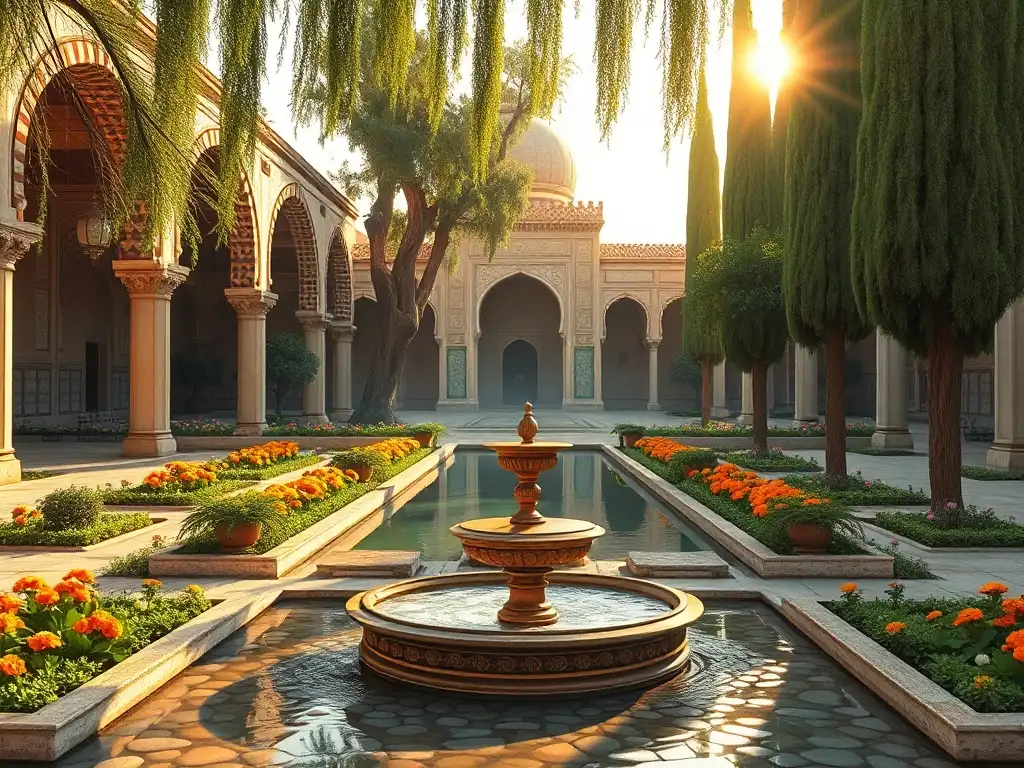
Welcome to Ancient India History, where we embark on a fascinating journey through the rich tapestry of ancient Indian civilizations! Here, we delve into the profound interactions with other cultures, uncovering the remarkable ways in which India has shaped the world. In our featured article, "Indian Contributions to Persian Gardens: A Historical Exploration," we invite you to discover how the lush artistry and intricate designs of Indian gardens have left an indelible mark on Persian landscapes.
Prepare to be captivated as we reveal the threads of influence and connection that continue to resonate through time. Join us as we explore the legacy of Indian influence on Persian gardens and much more!
Introduction to Indian Influence on Persian Gardens
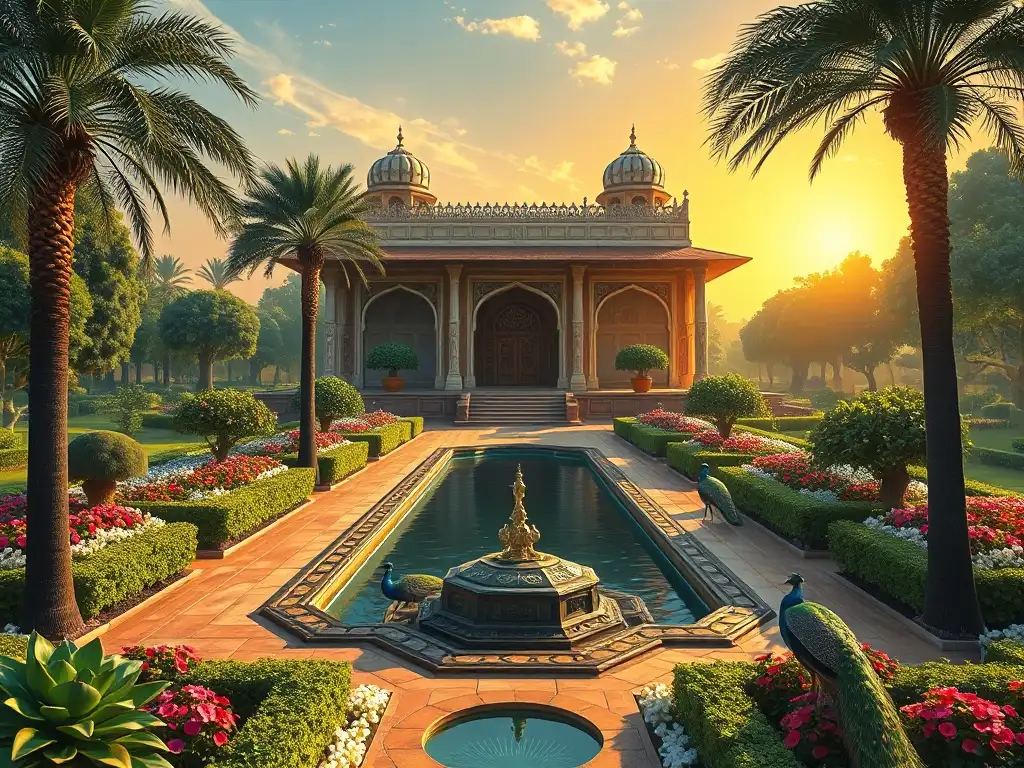
The intricate relationship between Indian and Persian civilizations has led to a profound exchange of culture, art, and architecture throughout history. One of the most fascinating aspects of this interaction is the Indian influence on Persian gardens, which reflects a unique blend of aesthetics, philosophy, and horticulture.
Persian gardens, known for their serene beauty and geometric layouts, were significantly enriched by Indian gardening techniques, styles, and plant varieties. This article aims to delve into the historical contexts and significance of these contributions, illuminating how Indian traditions shaped the design and essence of Persian gardens, ultimately contributing to the cultural tapestry of the region.
Overview of Persian Gardens in Historical Context
Persian gardens, often referred to as "paradise gardens," have a rich historical lineage that dates back to the ancient Achaemenid Empire. Characterized by their symmetrical designs, water features, and lush greenery, these gardens served as symbols of paradise on Earth, reflecting the ideals of beauty and tranquility. The concept of the garden in Persian culture was not merely for aesthetic pleasure; it was also deeply intertwined with social and spiritual life.
Key features of Persian gardens include:
- Four-fold layout (Chahar Bagh): Representing the four rivers of Paradise, this layout divides the garden into four quadrants.
- Water channels and fountains: Essential for irrigation and providing a soothing ambiance, water plays a central role in Persian garden design.
- Diverse flora: A variety of plants, including fruit trees, flowers, and herbs, were meticulously arranged to create a harmonious environment.
The introduction of Indian elements into this already established tradition marked a significant evolution in the design and cultural meaning of Persian gardens.
Significance of Indian Influence on Garden Design
The Indian influence on Persian gardens is evident in various elements that transformed the aesthetics and functionality of these spaces. Indian gardens, particularly those from the Mughal era, introduced several distinctive features:
- Symbolism of Nature: Indian gardens often incorporated symbolic elements that represented spiritual beliefs, which were later adopted into Persian designs.
- Varied Plant Species: The introduction of indigenous Indian plants and flowers, such as jasmine and lotus, enriched the biodiversity found in Persian gardens.
- Architectural Elements: Mughal architectural styles, characterized by intricate carvings and ornamental designs, influenced the construction of pavilions and gateways within Persian gardens.
This fusion of Indian and Persian gardening styles not only enhanced the visual landscape but also deepened the cultural and spiritual significance of these gardens, making them vital spaces for reflection and social interaction.
Historical Background of Indian-Persian Interactions
Understanding the Indian influence on Persian gardens necessitates a closer look at the historical interactions between these two great civilizations. Their contact can be traced back to ancient times, marked by trade, diplomacy, and cultural exchanges.
Early Contacts Between Indian and Persian Civilizations
The early interactions between Indian and Persian civilizations began as far back as the Achaemenid Empire in the 6th century BCE when the Persian Empire extended into the Indian subcontinent. These interactions were facilitated by:
- Trade: The Silk Road and maritime routes enabled the exchange of goods, ideas, and cultural practices.
- Cultural Exchange: Persian scholars and traders traveled to India, while Indian artisans and philosophers visited Persia, leading to the sharing of gardening techniques and styles.
This mutual influence laid the groundwork for the later, more significant exchanges that occurred during the Mughal Empire.
The Role of Trade Routes in Cultural Exchange
Trade routes played a crucial role in the dissemination of ideas and cultural practices between India and Persia. The interaction along these routes can be summarized as follows:
- Economic Exchange: The trade of spices, textiles, and precious stones fostered relationships that transcended mere commerce, encouraging cultural dialogue.
- Cultural Fusion: As merchants and travelers moved between the two regions, they brought with them not only goods but also their customs, stories, and artistic expressions, including gardening techniques.
Through these dynamic exchanges, the gardens of Persia were profoundly influenced by Indian traditions, resulting in a unique landscape that reflects the rich heritage of both civilizations.
This historical exploration reveals how the intricate tapestry of Indian-Persian interactions has shaped the essence of Persian gardens, marking a significant chapter in the broader narrative of ancient civilizations.
Key Elements of Indian Influence on Persian Garden Design
The influence of Indian culture on Persian gardens is unmistakable, manifesting through various elements that define the aesthetics and functionality of these green spaces. Indian contributions primarily include architectural features, specific horticultural practices, and sophisticated water management systems, all of which have left a lasting impact on the design principles of Persian gardens. This cross-cultural exchange not only enhanced the beauty of these gardens but also emphasized their role as a representation of paradise on earth, a concept deeply rooted in both Indian and Persian traditions.
Architectural Features Inspired by Indian Styles
Indian architectural styles significantly influenced the layout and construction of Persian gardens. One prominent feature is the use of chhatris (elevated domed pavilions) that provide shade and serve as focal points within the garden. These structures often incorporate intricate carvings and motifs, showcasing the craftsmanship of Indian artisans. Additionally, the use of jalis (latticework screens) reflects Indian aesthetics while serving practical purposes, such as providing privacy and allowing airflow.
Furthermore, the incorporation of terraces and symmetrical layouts in Persian gardens can be traced back to Indian designs, particularly those found in Mughal gardens such as the famous Shalimar Bagh in Kashmir. These terraces not only enhance the visual appeal but also create microclimates conducive to diverse plant growth. The overall emphasis on axial symmetry and geometric patterns in garden design can also be attributed to Indian influences, merging seamlessly with Persian traditions to create harmonious landscapes.
Plant Species and Horticultural Techniques from India
Indian horticultural practices introduced a variety of plant species and cultivation techniques that enriched Persian gardens. Notable plants such as lotus, mango, and jasmine were incorporated into Persian landscapes, enhancing their sensory appeal and symbolic meanings. For instance, the lotus is often associated with purity and spirituality in Indian culture, making it a fitting addition to the serene ambiance of Persian gardens.
Moreover, Indian techniques in intercropping and seasonal planting were adopted by Persian gardeners to maximize productivity and aesthetic diversity. The detailed knowledge of climate adaptation, as seen in the cultivation of fruits and flowers, allowed Persian gardens to thrive in varied environments. This blend of plant species and cultivation methods not only diversified the flora but also created a unique fusion of Indian and Persian horticultural practices.
Water Management Systems: Indian Innovations in Persian Gardens
Water management is a critical aspect of garden design, and Indian innovations played a significant role in shaping the hydraulic systems of Persian gardens. The introduction of aquaducts and kanat (underground irrigation systems) from India facilitated the efficient distribution of water, essential for maintaining lush landscapes in arid regions. These systems ensured a sustainable water supply, crucial for the survival of various plant species in Persian gardens.
The concept of reflecting pools and water channels also has roots in Indian gardening practices, where water serves both aesthetic and functional purposes. These features not only enhance the visual beauty of gardens but also symbolize the life-giving properties of water, echoing themes found in ancient Indian texts that celebrate the sacred nature of water. The integration of these advanced water management techniques exemplifies the collaborative spirit of Indian and Persian cultures in creating sustainable and visually stunning garden environments.
Prominent Historical Figures in Indian-Persian Garden Development
The development of Persian gardens was significantly influenced by prominent historical figures who bridged Indian and Persian cultures. Their contributions were pivotal in merging artistic traditions, horticultural practices, and architectural styles from both civilizations, resulting in unique garden landscapes that reflected a blend of cultural identities.
The Role of Mughal Emperors in Persian Garden Aesthetics
Mughal emperors, particularly Babur, Akbar, and Shah Jahan, played a crucial role in the evolution of Persian garden aesthetics. Babur, the founder of the Mughal Empire, brought with him a deep appreciation for the beauty of gardens, which he meticulously documented in his memoirs. His emphasis on symmetry, water features, and floral diversity laid the groundwork for the Mughal garden style.
Akbar further refined these principles by incorporating Persian influences into Mughal gardens, creating masterpieces such as the Fatehpur Sikri gardens. Shah Jahan, known for his architectural achievements, notably the Taj Mahal, also championed garden aesthetics, creating stunning landscapes that featured intricate layouts and lavish waterworks. Their collective contributions not only transformed garden design in India but also solidified the connection between Indian and Persian gardening traditions.
Influential Persian Garden Designers with Indian Connections
Several Persian garden designers were influenced by Indian styles and techniques, leading to a rich exchange of ideas. One notable figure is Omar Khayyam, who, while primarily known as a poet and mathematician, also contributed to the design of gardens that reflected a blend of Persian and Indian aesthetics. His designs emphasized the interplay between water and plant life, drawing from both cultural heritages.
Another influential designer was Safi al-Din al-Urmawi, who was inspired by Indian gardening methods during his time in India. His writings on garden design and music reflect the interconnectedness of these cultures, showcasing how Persian gardens benefited from Indian innovations. The interplay between these influential figures exemplifies the dynamic relationship between Indian and Persian garden design, resulting in landscapes that celebrate their shared history.
Case Studies of Notable Indian-Influenced Persian Gardens
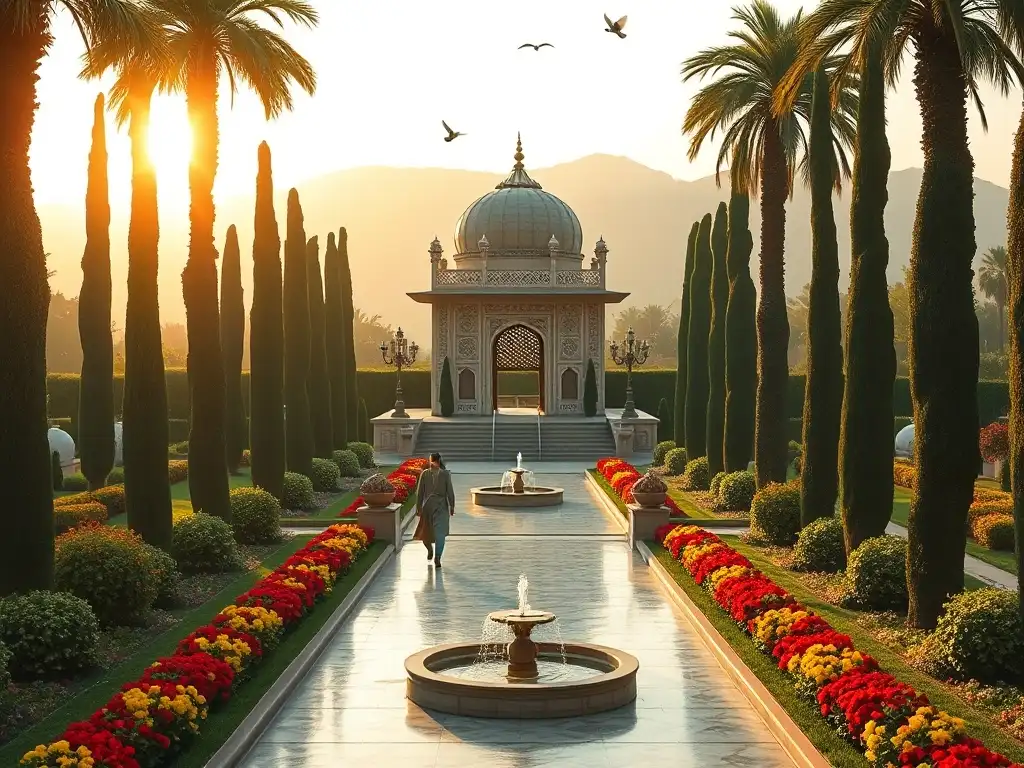
The influence of Indian aesthetics and gardening techniques on Persian gardens is vividly illustrated through various historical examples. These case studies highlight the intricate blend of cultural elements that characterize these gardens, showcasing the profound impact of Indian contributions on Persian horticultural traditions.
The Taj Mahal: A Fusion of Indian and Persian Elements
The Taj Mahal, one of the most iconic monuments in the world, serves as a prime example of the harmonious melding of Indian and Persian architectural styles. Commissioned by Mughal Emperor Shah Jahan in the 17th century, this mausoleum was designed not only as a tomb for his beloved wife, Mumtaz Mahal, but also as a representation of the eternal beauty of love.
The gardens surrounding the Taj Mahal are laid out in the classic Persian charbagh style, featuring a quadrilateral layout with four distinct sections divided by water channels. This design symbolizes the four rivers of paradise as described in the Quran. The use of water, a crucial element in both Indian and Persian garden design, reflects a deep appreciation for nature and serenity. The lush greenery, vibrant flowerbeds, and carefully placed trees not only enhance the aesthetic appeal but also create a tranquil environment for reflection.
Furthermore, the intricate inlay work and the use of materials such as white marble and semi-precious stones in the Taj Mahal's construction highlight the fusion of Indian craftsmanship with Persian motifs. This blend of styles exemplifies the cultural syncretism that emerged from the interactions between Indian and Persian civilizations.
The Garden of Shalimar: Architectural and Cultural Significance
The Garden of Shalimar, located in Srinagar, Jammu and Kashmir, is another exemplary case of Indian influence on Persian gardens. Built during the Mughal era in the 17th century by Emperor Jahangir for his wife Nur Jahan, the garden reflects the grandeur and opulence characteristic of Mughal architecture while incorporating Persian garden elements.
Designed in the traditional charbagh format, the Garden of Shalimar features terraces, flowing water, and fountains, which were hallmarks of Persian garden design. The careful arrangement of flora, including a variety of flowering plants and trees, is intended to provide a sensory experience, inviting visitors to engage with the beauty of nature.
The cultural significance of the Garden of Shalimar extends beyond its physical beauty; it represents the synthesis of Persian and Indian horticultural practices, symbolizing the fusion of love and nature. The gardens were not only a retreat for the Mughal emperors but also a space for poetry and artistic expression, encapsulating the cultural ethos of the period.
The Legacy of Indian Influence on Persian Gardens
The enduring legacy of Indian influence on Persian gardens continues to resonate through various aspects of garden design, aesthetics, and cultural practices. This legacy is evident in both historical contexts and modern interpretations of garden styles.
Lasting Impact on Garden Aesthetics and Design Principles
The principles of Indian garden design have left an indelible mark on Persian aesthetics, shaping the way gardens are conceptualized and constructed. Key features such as water channels, symmetry, and the integration of natural elements have become staples in Persian gardens, reflecting the Indian emphasis on creating an idyllic and harmonious environment.
The use of vibrant flowers, fragrant herbs, and native plants in Persian gardens can often be traced back to Indian horticultural practices. This botanical diversity not only enhances the visual appeal but also enriches the sensory experience of garden visitors, creating spaces that are both beautiful and functional.
Moreover, the philosophical underpinnings of Indian garden design, rooted in concepts of balance, tranquility, and the representation of paradise, have influenced Persian garden aesthetics. This philosophical approach encourages a deeper connection between nature and humanity, fostering a sense of peace and contemplation within the garden setting.
Modern Interpretations of Indian-Persian Garden Styles
Today, the influence of Indian styles on Persian gardens can be observed in various contemporary gardening practices and landscape designs. Modern interpretations often blend traditional elements with innovative designs, resulting in unique garden spaces that pay homage to their historical roots while embracing contemporary aesthetics.
Contemporary landscape architects and designers frequently draw inspiration from the rich heritage of Indian and Persian gardens, incorporating elements such as water features, intricate pathways, and diverse plant selections that reflect both cultures. This revival of interest in traditional garden styles highlights the importance of cultural exchange and the enduring relevance of historical gardening practices in today’s world.
In urban settings, public parks and private gardens are increasingly adopting these integrated styles, fostering a sense of cultural appreciation and environmental consciousness. By celebrating the shared heritage of Indian and Persian gardens, modern interpretations contribute to a richer understanding of the historical interactions between these two great civilizations.
Conclusion: The Enduring Relationship Between Indian and Persian Garden Traditions
The intricate relationship between Indian and Persian garden traditions showcases an enduring cultural exchange that has shaped the aesthetics and philosophies of gardening in both regions. From the ancient Mughal gardens, which drew heavily from Persian designs, to modern interpretations that blend elements from both cultures, this synergy highlights a unique collaboration that transcends time. The underlying principles of symmetry, water management, and the symbolism of nature found in these gardens reflect deep cultural values, emphasizing beauty and tranquility as essential components of human experience.
Moreover, the vibrant colors and diverse flora characteristic of Indian gardens have enriched Persian landscapes, introducing exotic plants and innovative designs. This cross-pollination of ideas has not only enhanced the visual appeal of gardens but has also fostered a deeper appreciation for ecological harmony and sustainability. As cultural ambassadors, these gardens serve as living testimonies to the historical and artistic exchanges between India and Persia.
Summary of Indian Contributions to Persian Garden Heritage
Indian influence on Persian gardens can be traced back to the Mughal era, where the integration of Indian horticultural practices and aesthetics transformed Persian garden design. Mughal emperors, particularly Akbar and Shah Jahan, were instrumental in this fusion, commissioning gardens that melded Persian and Indian styles, resulting in masterpieces like the Shalimar Bagh in Kashmir and the gardens of the Taj Mahal.
Key contributions to Persian garden heritage include:
- Architectural Innovations: The Mughal gardens introduced raised terraces, intricate water channels, and varied plant species that enhanced the sensory experience of these spaces.
- Symbolism and Design Principles: Indian gardens emphasized the concept of paradise, mirroring the Persian ideal, with a focus on water as a life-giving force and a representation of eternal life.
- Plant Diversity: Indian horticulturists contributed a rich variety of flora, including fragrant flowers and fruit-bearing trees, which complemented the Persian emphasis on aromatic and visually striking plants.
These contributions have left a lasting legacy, influencing not only the gardens of the Persian empire but also gardening practices worldwide, as the blend of Indian and Persian elements continues to inspire contemporary landscape designs.
The Future of Indian-Persian Garden Interactions in Contemporary Landscape Design
As global awareness of heritage conservation and sustainable practices grows, the interaction between Indian and Persian garden traditions is poised to evolve further. Contemporary landscape designers increasingly draw inspiration from these rich historical legacies, seeking to incorporate traditional elements into modern contexts.
Several trends are emerging in this regard:
- Sustainable Practices: Modern gardens are shifting towards eco-friendly practices, emphasizing native plants and water conservation techniques that echo ancient Indian and Persian methods.
- Cultural Fusion: Designers are exploring hybrid garden styles that integrate Indian aesthetics with Persian principles, creating spaces that reflect the historical relationship while catering to contemporary sensibilities.
- Community Engagement: There is a growing movement to involve local communities in garden design and maintenance, fostering a sense of ownership and connection to the cultural heritage represented in these gardens.
The future of Indian-Persian garden interactions promises a rich tapestry of cultural continuity and innovation, ensuring that these traditions not only endure but also flourish in the modern landscape. This ongoing dialogue will celebrate the shared heritage of these two great civilizations, contributing to a more interconnected understanding of global gardening practices.
- Introduction to Indian Influence on Persian Gardens
- Historical Background of Indian-Persian Interactions
- Key Elements of Indian Influence on Persian Garden Design
- Prominent Historical Figures in Indian-Persian Garden Development
- Case Studies of Notable Indian-Influenced Persian Gardens
- The Legacy of Indian Influence on Persian Gardens
- Conclusion: The Enduring Relationship Between Indian and Persian Garden Traditions
- What is the significance of Indian influence on Persian gardens?
- How did the Indus Valley civilization contribute to garden design?
- What role did the Mughal Empire play in Persian gardens?
- Can you name some specific features of Indian-inspired Persian gardens?
- How did the cultural exchange between India and Persia shape garden aesthetics?
Frequently Asked Questions
What is the significance of Indian influence on Persian gardens?
The Indian influence on Persian gardens is significant as it showcases the cultural exchange between India and Persia, highlighting how Indian aesthetics and gardening techniques enriched Persian designs.
How did the Indus Valley civilization contribute to garden design?
The Indus Valley civilization is known for its advanced urban planning, which included well-designed drainage systems and public gardens, influencing later Persian garden layouts.
What role did the Mughal Empire play in Persian gardens?
During the Mughal Empire, rulers like Akbar and Shah Jahan enhanced Persian garden design by incorporating Indian flora, creating gardens that emphasized symmetry and water features.
Can you name some specific features of Indian-inspired Persian gardens?
Indian-inspired Persian gardens often include features like water channels, focal points such as pavilions, and the use of native plants, creating a harmonious blend of nature and architecture.
How did the cultural exchange between India and Persia shape garden aesthetics?
The cultural exchange led to a fusion of design philosophies where Indian motifs, colors, and layouts were integrated into Persian garden aesthetics, enriching both cultures' horticultural practices.
Final Reflection: The Enduring Legacy of Indian Influence on Persian Gardens
The intricate relationship between Indian culture and Persian gardens remains profoundly relevant today, as it showcases the beauty of cross-cultural exchange and the timelessness of artistic expression. The harmonious blend of Indian aesthetics within Persian landscapes not only enriched the gardens of the past but continues to inspire contemporary designs, reminding us of the power of collaboration in creating something truly magnificent.
The influence of Indian contributions to Persian gardens is a testament to the enduring nature of cultural dialogue. This historical exploration reveals how these gardens served as a canvas for artistic innovation, reflecting the shared values and aspirations of two vibrant civilizations. As we walk through these lush landscapes, we are reminded of the words of the poet Rumi: The wound is the place where the Light enters you.
This quote encapsulates the idea that through the blending of diverse influences, we can find beauty and enlightenment in unexpected places.
As we reflect on the lessons from the past, let us embrace the spirit of collaboration and creativity in our own lives. Consider how you can draw inspiration from the rich tapestry of cultures around you, fostering connections that transcend boundaries. Whether through art, gardening, or community projects, let the legacy of Indian influence on Persian gardens inspire you to cultivate beauty and harmony in your own environment, nurturing a world where diversity flourishes and creativity knows no limits.
Unveil the Beauty: Experience Persian Gardens Today!
Thank you for joining us on this journey through the fascinating interplay between Indian contributions and Persian gardens! We hope you gained insight into the rich history and artistry that shaped some of the world’s most breathtaking landscapes. Now, it’s time to take action and engage with this wonderful heritage!
- Visit a local botanical garden that features Persian-inspired designs and take a moment to appreciate the harmony of nature and architecture.
- Share your favorite elements of Persian gardens on social media, and inspire your friends to explore this beautiful blend of cultures.
- Consider creating a mini Persian garden in your own backyard; even a small space can capture the essence of these historic gardens!
Which aspect of the beauty found in Persian gardens do you find most inspiring to incorporate into your life? Let's spark a conversation!