
The Role of Astrology in IndianPersian Interactions

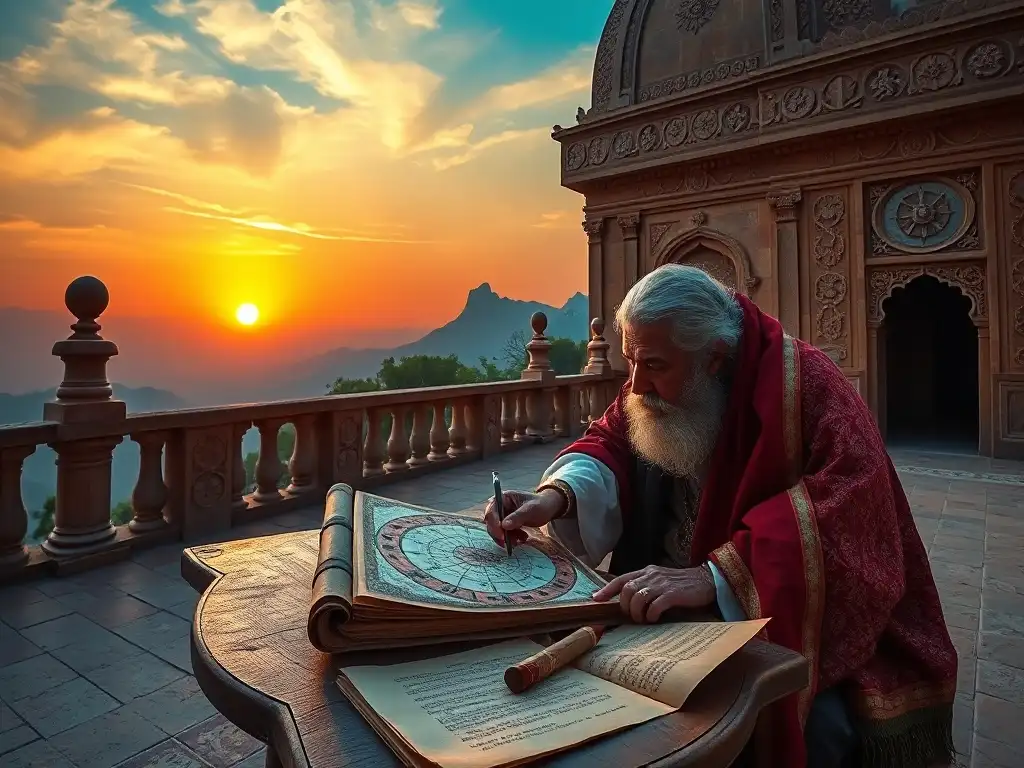
Welcome to Ancient India History, where we embark on a fascinating journey through the rich and diverse tapestry of India's past. In today's exploration, we delve into the intriguing world of Astrology in ancient India and its profound impact on Indian-Persian interactions. Discover how celestial beliefs shaped not only personal destinies but also the diplomatic and cultural exchanges between two great civilizations. Are you ready to uncover the secrets of the stars and their role in forging connections across time and space? Join us as we unravel the mysteries that lie ahead!
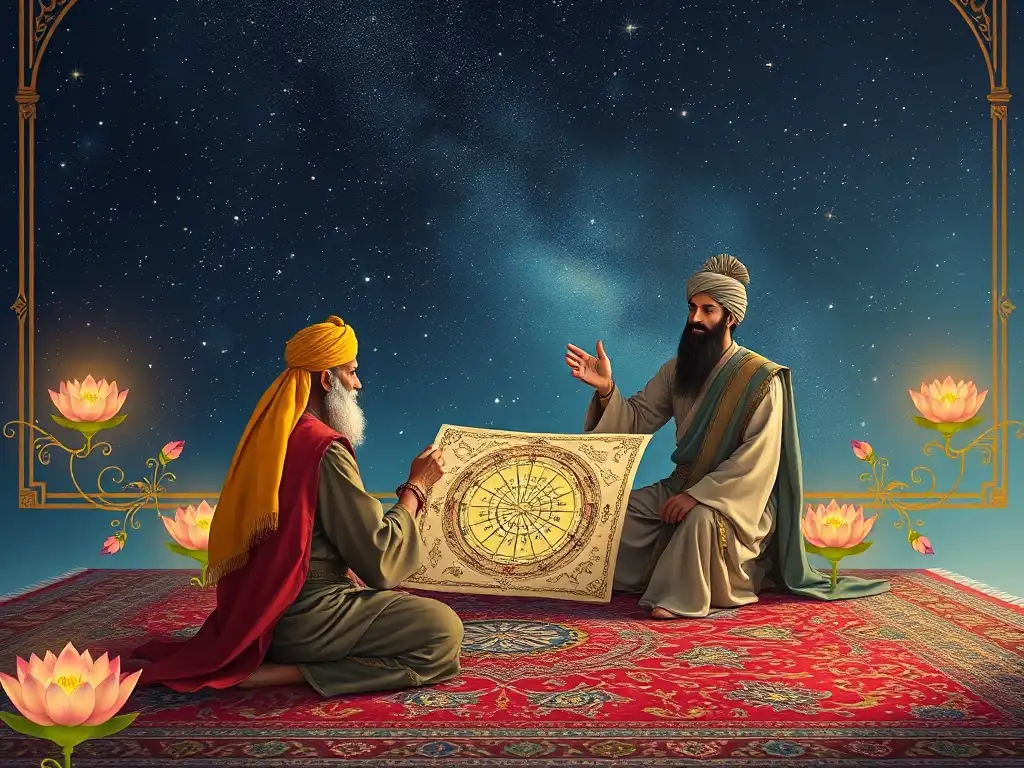
Astrology has long been a significant facet of ancient civilizations, particularly within the realms of Indian and Persian cultures. The intricate relationship between astrology and these two regions reveals a fascinating tapestry of beliefs, practices, and intellectual exchanges that shaped their societies.
This article delves into the role of astrology in Indian-Persian interactions, exploring how these ancient civilizations not only influenced each other through trade and diplomacy but also through the shared understanding of the cosmos and celestial phenomena. By examining the historical roots and cultural significance of astrology in ancient India, alongside the broader context of Indian-Persian relations, we can uncover the profound impact that astrological practices had on socio-political dynamics and cultural exchanges.
Introduction to Astrology in Ancient India
Definition and Significance of Astrology in Ancient Indian Culture
Astrology, known as Jyotisha in ancient India, is the study of celestial bodies' movements and their influence on human affairs. This ancient practice was deeply embedded in the cultural fabric of Indian society, serving not only as a means of divination but also as a guiding principle for various aspects of daily life, including agriculture, governance, and personal relationships. The significance of astrology in ancient India can be seen in several key areas:
- Cultural Integration: Astrology was interwoven with various religious and philosophical traditions, making it a vital aspect of Vedic rituals and practices.
- Social Structure: Astrological predictions often influenced decisions regarding marriage, career choices, and even the timing of important events, reflecting its role in maintaining social harmony.
- Scientific Inquiry: Ancient Indian scholars contributed substantially to the mathematical and astronomical foundations of astrology, merging it with scientific exploration.
Historical Roots of Astrology in India
The origins of astrology in India can be traced back to the Vedic texts, which date as far back as 1500 BCE. The Rigveda, one of the oldest known scriptures, contains references to celestial phenomena and their implications for earthly life. Over the centuries, astrology evolved, influenced by various schools of thought, including:
- Vedic Astrology: Focused on the lunar calendar and the zodiac, emphasizing the importance of planetary positions at birth.
- Graha: The concept of celestial bodies as 'lords' or 'influencers', each with specific traits and effects on human destiny.
- Integration with Persian Astrology: The interaction with Persian astrologers brought new techniques and interpretations, enriching Indian astrological practices.
Overview of Indian-Persian Interactions
Historical Context of Indian-Persian Relations
The relationship between India and Persia has a long and complex history, characterized by trade, cultural exchanges, and political alliances. The Achaemenid Empire (c. 550-330 BCE) marked one of the earliest significant interactions, as Persian rulers exerted influence over the northwestern regions of India. Key points in this historical context include:
- Trade Routes: The establishment of trade routes facilitated not only economic exchanges but also the transfer of knowledge, including astrological concepts.
- Cultural Diplomacy: Persian empires often employed Indian scholars and astrologers, highlighting the mutual respect for astrological expertise.
- Mughal Era: The Mughal Empire (1526-1857) saw a flourishing of Indo-Persian culture, with astrology playing a crucial role in the courtly life of emperors like Akbar, who sought astrological counsel for governance.
Cultural Exchanges between Ancient India and Persia
Cultural exchanges between ancient India and Persia were multifaceted, encompassing a broad range of disciplines, including art, literature, and science. Astrology served as a pivotal medium for these exchanges, as evidenced by:
- Astrological Texts: The translation and adaptation of astrological texts between the two cultures facilitated a richer understanding of celestial phenomena.
- Joint Observations: Scholars from both regions often collaborated on astronomical observations, enhancing the accuracy and reliability of astrological practices.
- Philosophical Dialogues: The integration of astrological concepts into philosophical discourses further cemented the cultural bond between Indian and Persian civilizations.
The role of astrology in Indian-Persian interactions is a testament to the shared intellectual heritage of these ancient civilizations, reflecting their deep-rooted connections and mutual influences that have shaped their histories.
The Influence of Astrology on Indian Culture
Astrology has been a significant part of Indian culture for centuries, deeply embedded in its spiritual and social practices. The ancient Indian belief system regarded astrology not merely as a predictive tool but as a science that could guide individuals in their life choices, relationships, and spiritual journeys. This intricate connection is evident in various aspects of Indian life, from marriage rituals to agricultural practices, where astrological timings are meticulously followed.
The philosophical underpinning of astrology in ancient India is rooted in the Vedic texts, which emphasize the link between the cosmos and human affairs. The concept of Karma and the cycles of Samsara (the cycle of birth, death, and rebirth) are intertwined with astrological beliefs, suggesting that celestial bodies influence the trajectory of one's life. Festivals and auspicious days are often determined by astrological calculations, showcasing the religion and culture's reliance on this ancient science.
Astrology also presents a unique blend of mathematics and spirituality in its practice. The ancient Indians developed sophisticated astronomical tools and techniques to create precise astrological charts, known as Kundalis, which are still used today. This reflects the high regard for knowledge and scholarship in ancient Indian society, leading to a rich legacy that continues to influence modern practices.
Key Astrological Texts in Ancient India
Ancient Indian astrology is primarily documented in several key texts, each contributing to the rich tapestry of astrological knowledge. Among the most significant are:
- Brahmanas: These texts, part of the Vedic literature, include early references to astrological concepts, discussing the movements of celestial bodies and their implications for earthly events.
- Surya Siddhanta: A foundational text that provides detailed mathematical rules for calculating planetary positions, eclipses, and other astronomical phenomena. It forms the basis for many later astrological practices.
- Brihat Samhita: Authored by the esteemed astrologer Varahamihira, this comprehensive work covers various topics, including astrology, meteorology, and agriculture, highlighting the interdependence of these fields.
- Astrological Classics: Many classical texts, such as the Jataka Parijata and Phaladeepika, focus specifically on predictive astrology, detailing methods for interpreting horoscopes and making predictions about individuals' lives.
These texts not only reflect the depth of astrological knowledge in ancient India but also demonstrate how astrology was integrated into the broader cultural and spiritual life of the civilization.
Prominent Indian Astrologers and Their Contributions
Throughout history, several prominent Indian astrologers have made significant contributions to the field, shaping its development and application. Some notable figures include:
- Varahamihira: A 6th-century CE polymath, Varahamihira is best known for his work, the Brihat Samhita, which integrates astrology with various scientific disciplines. His insights remain influential in modern astrological practices.
- Brahmagupta: An eminent mathematician and astronomer from the 7th century, Brahmagupta's contributions to astrology included methods for calculating lunar eclipses and the positions of planets, which were vital for astrological predictions.
- Madhava of Sangamagrama: A 14th-century scholar, he is notable for his work in mathematical astronomy. His techniques significantly advanced the accuracy of astrological calculations, influencing subsequent generations of astrologers.
These astrologers not only advanced the discipline within India but also laid the groundwork for cross-cultural exchanges, particularly with Persian astrology.
The Role of Astrology in Persian Culture
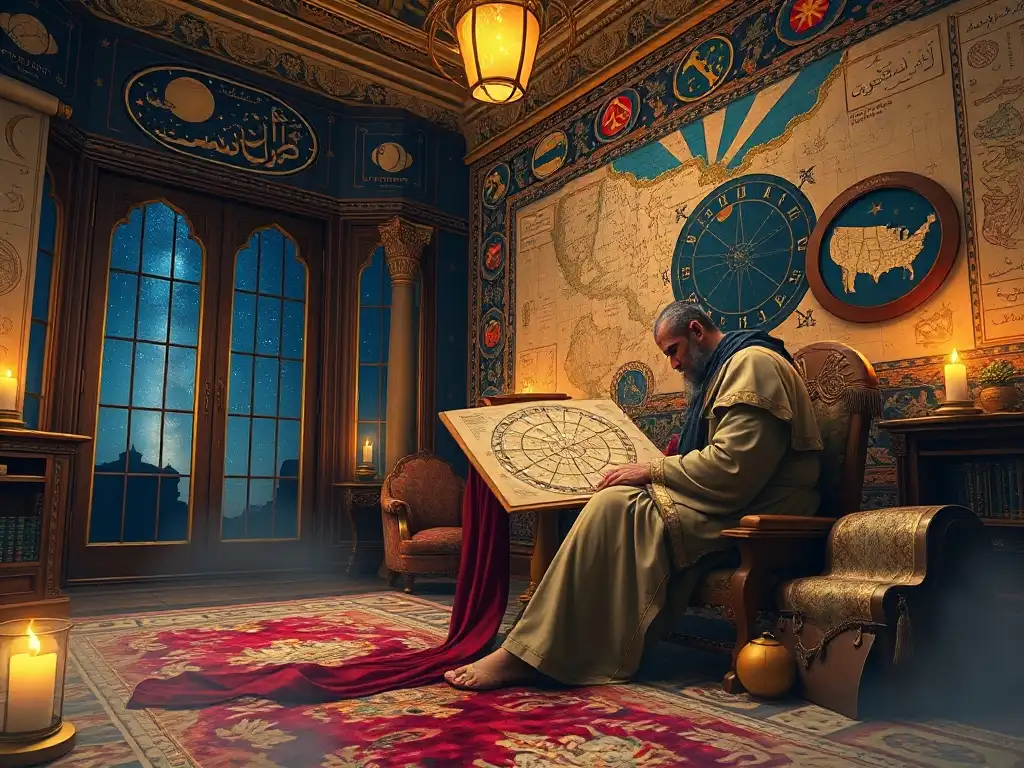
Astrology in Persian culture has a long and storied history, deeply intertwined with the region's religious and philosophical traditions. Influenced by various civilizations, including Babylonian and Indian, Persian astrology developed its unique characteristics while retaining core astrological beliefs.
Persian astrology emerged prominently during the Achaemenid Empire, where the alignment of celestial bodies was often seen as a reflection of divine will. Astrologers played vital roles in the courts of kings, providing counsel on matters of state, military campaigns, and agriculture. The Persian view of astrology was holistic, encompassing not just predictions but also guidance for ethical living and spiritual development.
Moreover, the interaction between Indian and Persian astrological traditions during the medieval period led to significant cross-pollination of ideas. This exchange enriched both cultures, fostering a shared understanding of celestial phenomena and their earthly implications.
Overview of Persian Astrology Traditions
Persian astrology is characterized by its systematic approach to celestial observation and interpretation. The primary components include:
- Zodiac Signs: Similar to Indian astrology, Persian astrology employs a zodiac based on twelve signs, each attributed with specific characteristics and influences on human affairs.
- Planetary Influences: The Persians attributed unique qualities to the seven classical planets—Sun, Moon, Mars, Mercury, Jupiter, Venus, and Saturn—each influencing various aspects of life.
- Astronomical Calculations: Persian astrologers developed sophisticated methods for calculating planetary positions, eclipses, and conjunctions, demonstrating a deep understanding of celestial mechanics.
The integration of astrology into daily life, particularly in agriculture and decision-making, reflects the importance of this discipline in Persian culture.
Key Astrological Texts and Figures in Persia
Persian astrology is documented in several key texts and through the works of notable figures, which have shaped its development over the centuries. Some important texts and astrologers include:
- Zij al-Sindhind: A significant astronomical text that assimilated Indian and Persian knowledge, providing comprehensive guidance on astrological calculations and interpretations.
- Kitab al-Asturlab: Authored by the renowned scholar Al-Khwarizmi, this work focuses on the use of astrolabes for astrological predictions, emphasizing the practical applications of astrology.
- Omar Khayyam: A prominent 11th-century polymath known for his poetry, Khayyam also made contributions to astronomy and astrology. His work on the solar calendar reflects the intricate relationship between celestial observation and astrological practice.
These texts and figures underscore the depth and richness of astrology in Persian culture, revealing how it influenced various aspects of life and thought across civilizations.
Comparative Analysis of Astrology in India and Persia
Astrology has played a significant role in shaping the cultural and intellectual landscapes of both ancient India and Persia. Both civilizations developed their astrological systems independently, yet they also shared numerous interconnected practices and beliefs that reflect their interactions over centuries. A comparative analysis reveals both similarities and differences that highlight the unique yet overlapping nature of astrology in these two ancient cultures.
Similarities between Indian and Persian Astrological Practices
Both Indian and Persian astrology share a common foundation in their reliance on celestial bodies to interpret human affairs, a practice rooted in ancient traditions and observations. Key similarities include:
- Zodiac Signs: Both systems utilize a zodiac divided into twelve signs, although the interpretation and naming may differ. The Indian Jyotisha and Persian astrology recognize the influence of these signs on personality traits and destinies.
- Planetary Influence: Both traditions acknowledge the significant role of planets in shaping events and character. The seven classical planets—Sun, Moon, Mars, Mercury, Jupiter, Venus, and Saturn—are central to astrological readings in both cultures.
- Horoscopic Techniques: The practice of creating horoscopes based on the exact time and place of birth is prevalent in both traditions. This method serves as a means to predict personal and communal fortunes, aligning closely with the principles of time and cosmic cycles.
These shared elements suggest a rich exchange of ideas and practices, likely facilitated through trade routes and cultural interactions during various historical periods.
Differences in Astrological Interpretations and Methods
Despite these similarities, significant differences exist in how astrology is interpreted and practiced in India and Persia. Notable distinctions include:
- Philosophical Underpinnings: Indian astrology is deeply intertwined with spiritual concepts such as karma and dharma, emphasizing the individual's journey and moral responsibilities. In contrast, Persian astrology often leans towards a more empirical approach, focusing on predicting events rather than individual destinies.
- Astrological Systems: The Indian system is heavily influenced by Vedic texts, while Persian astrology is shaped by Hellenistic traditions, which were integrated after Alexander the Great's conquests. This led to different methodologies in charting and interpreting celestial movements.
- Cultural Integration: Indian astrology has maintained a holistic approach, blending with Ayurveda and other spiritual practices. Persian astrology, particularly during the Sassanian period, was more aligned with state governance and often used for political rather than personal purposes.
These differences illustrate how cultural contexts can shape the application and significance of astrological practices, leading to distinct yet complementary systems.
Astrology as a Tool for Diplomacy and Trade
Astrology served not only as a means of personal guidance but also as a pivotal tool in facilitating diplomatic relations and trade between ancient Indian and Persian states. Leaders and diplomats often consulted astrologers to ensure favorable outcomes in negotiations and interactions.
How Astrology Influenced Diplomatic Relations
Astrological considerations played a crucial role in shaping diplomatic relations. Rulers believed that aligning important events, such as treaties or marriages, with auspicious astrological timings could lead to positive outcomes. For instance:
- Timing of Treaties: Diplomats would select specific dates for signing treaties based on favorable planetary positions, aiming to enhance the prospects of peace and cooperation.
- Marriages as Alliances: Strategic marriages between Indian and Persian royalty were often timed according to astrological calculations to ensure harmony and mutual prosperity. This practice underlined the importance of cosmic alignment in human affairs.
These practices highlight how astrology transcended personal belief systems to become an integral part of political strategy in ancient times.
The Role of Astrology in Trade Agreements and Cultural Exchange
Astrology also influenced trade dynamics and cultural exchanges between the two civilizations. Merchants and traders often sought astrological counsel to optimize their ventures:
- Market Timing: Traders relied on astrological forecasts to determine the most auspicious times for embarking on voyages or engaging in transactions, believing that timing could influence success.
- Cultural Exchange: Astrological texts and knowledge flowed between India and Persia, enriching both traditions. The translation and interpretation of astrological works facilitated a deeper understanding of celestial phenomena and enhanced cultural ties.
In this way, astrology not only served as a personal guide but also as a framework for fostering relationships that bridged cultural divides, highlighting its multifaceted role in the interactions between ancient Indian and Persian civilizations.
Case Study: Notable Indian-Persian Astrological Collaborations
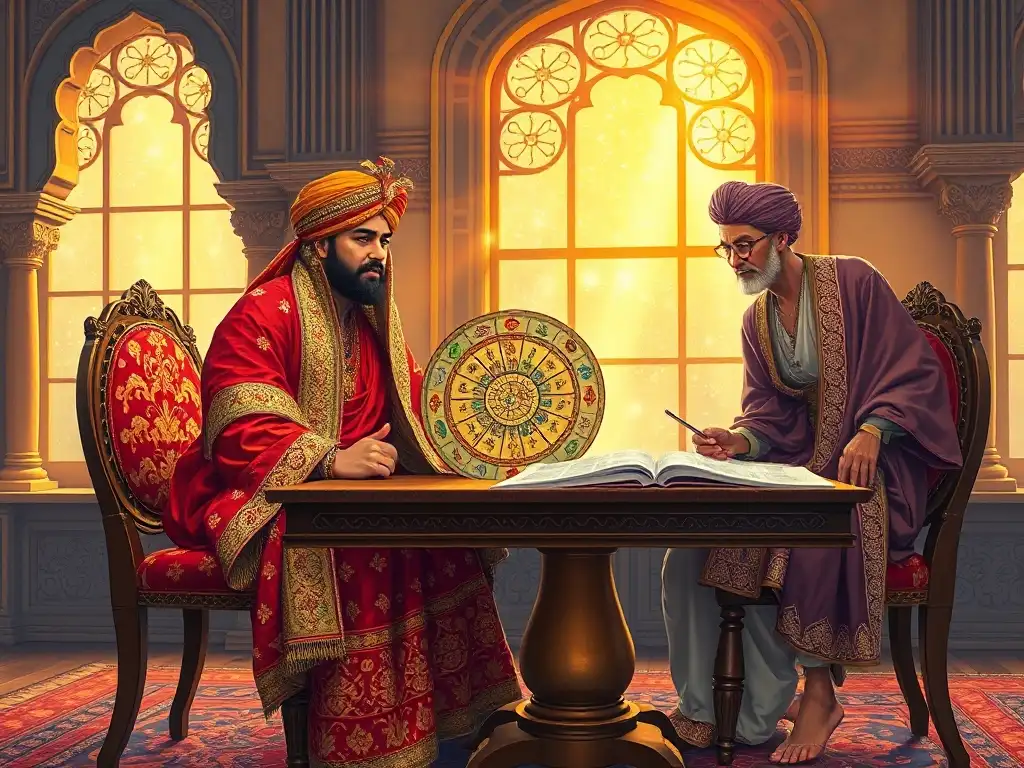
The interactions between Indian and Persian civilizations facilitated a rich exchange of astrological knowledge that shaped the development of astrology in both cultures. One notable collaboration occurred during the reign of the Mughal Empire in India, particularly under the rule of Emperor Akbar in the late 16th century. Akbar was an avid proponent of astrology and employed numerous astrologers from both India and Persia.
A key figure in this collaboration was the Persian astrologer and philosopher, Nasir al-Din al-Tusi, whose works significantly influenced Mughal astrological practices. His writings on celestial mechanics and the movements of the planets were translated into Sanskrit, allowing Indian scholars to integrate Persian astrological concepts with their own traditions. This fusion led to the development of a unique astrological system that combined elements of both cultures, enriching the astrological practices of the time.
Another significant collaboration can be seen in the formation of the "Jahān Nāma" or "Book of the World," which was a comprehensive astrological guide commissioned by Akbar. This text compiled knowledge from both Indian and Persian traditions, demonstrating the synthesis of astrological methodologies and interpretations. This exchange not only advanced the field of astrology but also fostered a spirit of intellectual collaboration that transcended cultural boundaries.
Important Figures in Indian-Persian Astrology
Several prominent figures emerged from the Indian-Persian astrological collaboration, each contributing uniquely to the field.
- Brahmagupta (598–668 CE): An Indian mathematician and astronomer, Brahmagupta's works laid the foundation for later astrological calculations and interpretations that would influence Persian astronomers. His treatises on planetary movements were vital in shaping astrological practices in both regions.
- Ali ibn Ridwan (d. 1068 CE): A renowned Persian astrologer, Ali ibn Ridwan is known for his critical analyses of Indian astrological texts. His commentaries helped to bridge the gap between Indian and Persian astrological thought, promoting a greater understanding of Indian methodologies in the Islamic world.
- Mīrza Muhammad Taqī (Mīrza Jān) (17th century): A key figure during the Mughal era, Mīrza Taqī was instrumental in the synthesis of Indian and Persian astrological traditions. His works included comprehensive astrological charts that drew from both Indian zodiacs and Persian planetary alignments.
- Raja Man Singh: A general and close advisor to Akbar, Raja Man Singh was not only a military leader but also an astute patron of astrology. His collaborations with Persian astrologers helped to elevate the status of astrology within the Mughal court and ensured the integration of diverse astrological practices.
Significant Astrological Events and Their Impact
Astrological events played a pivotal role in shaping political and cultural decisions in ancient India and Persia. One significant event was the solar eclipse of 1567, which prompted extensive astrological predictions regarding its implications for the Mughal Empire. Astrologers advised Emperor Akbar on matters of governance and military strategy, indicating a deep reliance on astrological interpretations during times of uncertainty.
Similarly, the conjunction of planets in 1582 was interpreted as a foreshadowing of significant changes within the empire. This celestial event was closely monitored by astrologers from both traditions, who provided counsel to Akbar on its potential impact on the empire’s stability and prosperity. Such events not only reinforced the importance of astrology in governance but also illustrated the collaborative efforts of Indian and Persian astrologers in interpreting celestial phenomena.
These significant astrological events created a framework through which rulers could navigate political challenges. The insights gained from these collaborations often influenced policies and decisions, demonstrating the profound impact of astrology on governance and societal structure during this period.
Conclusion: The Lasting Legacy of Astrology in Indian-Persian Interactions
The legacy of astrology in Indian-Persian interactions is evident in the continued influence of these ancient practices on contemporary astrological systems. The synthesis of Indian and Persian astrological knowledge has resulted in a unique tradition that persists in various forms across cultures.
Astrology not only served as a tool for individual guidance but also as a mechanism for political decision-making, reflecting its integral role in the fabric of society. The collaborative efforts of astrologers from both traditions paved the way for advancements in astronomical science and the art of prediction, showcasing the importance of intercultural dialogue.
Reflections on the Influence of Astrology in Ancient Civilizations
Astrology's influence in ancient civilizations extended beyond mere prediction; it was deeply intertwined with culture, religion, and governance. The blending of Indian and Persian astrological practices illustrates how knowledge can transcend boundaries, enriching both societies in the process. This collaboration fostered a deeper understanding of the cosmos, influencing not only astrological practices but also philosophical and scientific thought.
In many ways, astrology acted as a unifying force, encouraging the exchange of ideas and fostering relationships between diverse cultures. By studying the astrological practices of ancient civilizations, we gain insight into their worldview and the significance they placed on celestial events.
Future Perspectives on Astrology in Historical Studies
As historical studies continue to evolve, the role of astrology in ancient Indian-Persian interactions presents a rich area for further exploration. Future research could delve into the methodologies employed by astrologers of the time, examining how their interpretations were influenced by cultural context and societal needs.
Additionally, a comparative analysis of astrological texts from both traditions could yield valuable insights into their interconnectedness. By acknowledging the contributions of astrology to governance, science, and culture, scholars can better understand the complexities of ancient societies and the enduring legacy of their intellectual pursuits.
The study of astrology in ancient India and Persia not only enhances our knowledge of their civilizations but also highlights the importance of interdisciplinary approaches to history, encouraging a broader understanding of the human experience across time and space.
References
In exploring the intricate relationship between astrology and Indian-Persian interactions, a variety of scholarly resources provide in-depth analyses and insights. These references encompass historical texts, academic papers, and modern interpretations that shed light on how astrology influenced cultural exchanges and intellectual developments between these two ancient civilizations.
Suggested Readings on Astrology in Ancient India and Persia
-
"Astrology in Ancient India: A Historical Perspective" by R. R. Nair
This book delves into the roots of astrology in ancient India, tracing its origins and evolution through various dynasties. It highlights the significance of astrological practices in Indian society, particularly in royal courts.
-
"Persian Astrology and Its Influence on Indian Practices" by S. H. Khan
This work examines how Persian astrology migrated to India, bringing with it new techniques and interpretations. The author discusses the synthesis of astrological knowledge that occurred during the medieval period.
-
"The Confluence of Cultures: Indian and Persian Influences on Astrology" by M. A. Desai
This text explores the mutual influences between Indian and Persian astrological systems, illustrating how cultural exchanges shaped their respective practices and beliefs.
-
"Astrology and Astronomy in Ancient India" by J. C. Dutta
A comprehensive overview of the advancements in astrology and astronomy within ancient Indian civilization, focusing on the key figures and texts that contributed to these fields.
-
"The Role of Astrology in Ancient Civilizations" by L. B. Thakur
This book provides a broader context by comparing the roles of astrology across various ancient civilizations, including India and Persia, emphasizing its significance in political and social spheres.
Key Texts for Further Exploration of Indian-Persian Interactions
-
"The Indo-Persian World: A History of Cultural Exchange" by A. K. Sharma
This extensive work discusses the historical interactions between India and Persia, with particular focus on cultural, literary, and scientific exchanges, including astrology.
-
"Astrological Manuscripts: The Shared Heritage of India and Persia" by F. M. Khansari
This compilation of astrological manuscripts highlights significant texts that were shared or translated between Indian and Persian scholars, serving as a crucial resource for understanding their combined astrological traditions.
-
"Cultural Syncretism in Medieval India" by P. N. Rao
This book delves into the syncretic nature of Indian culture during the medieval period, with a section dedicated to the amalgamation of Indian and Persian astrological practices.
-
"The Influence of Persian Literature on Indian Astrology" by R. S. Mehta
This scholarly article investigates how Persian literary works have influenced Indian astrological texts, drawing parallels between the two traditions.
-
"Celestial Divination: The Role of Astrology in Indian and Persian Societies" by H. I. Ramesh
This study provides an analytical perspective on how astrology functioned as a tool for governance and social order in both Indian and Persian contexts, illustrating its importance in decision-making processes.
These readings and texts will serve as valuable resources for anyone interested in understanding the profound impact of astrology on the interactions between ancient India and Persia.
- Introduction to Astrology in Ancient India
- Overview of Indian-Persian Interactions
- The Influence of Astrology on Indian Culture
- The Role of Astrology in Persian Culture
- Comparative Analysis of Astrology in India and Persia
- Astrology as a Tool for Diplomacy and Trade
- Case Study: Notable Indian-Persian Astrological Collaborations
- Conclusion: The Lasting Legacy of Astrology in Indian-Persian Interactions
- References
Frequently Asked Questions
What was the significance of astrology in ancient India?
Astrology played a crucial role in ancient Indian society, influencing decision-making, agriculture, and even politics. It was considered essential for understanding the cosmic influence on human affairs.
How did astrology influence Indian-Persian interactions?
Astrology served as a cultural bridge between India and Persia, facilitating the exchange of knowledge and ideas. Both civilizations valued astrology, leading to shared practices and the adaptation of techniques.
What were the main astrological texts in ancient India?
Key texts include the Vedanga Jyotisha, which outlines the principles of Vedic astrology, and later works like Brahmagupta's contributions. These texts laid the foundation for astrological practices in both India and Persia.
How did astrology impact daily life in ancient India?
Astrology was intertwined with daily life, influencing rituals, festivals, and personal events like marriages and births. People often consulted astrologers for guidance based on their horoscopes.
What are the lasting effects of ancient Indian astrology today?
The principles of astrology established in ancient India still resonate in modern practices, particularly in Vedic astrology, which remains popular for cultural and spiritual guidance in today's society.
Final Reflection: The Timeless Influence of Astrology in Ancient India
Astrology in ancient India serves as a profound lens through which we can understand the intricate interactions between cultures, beliefs, and the cosmos. Today, as we navigate a world increasingly defined by science and technology, the enduring relevance of astrology reminds us of our quest for meaning and connection beyond the material. The rich tapestry of Indian-Persian interactions, woven through astrological practices, highlights how ancient wisdom continues to resonate in our contemporary lives.
The influence of astrology on cultural and social landscapes is undeniable, shaping not only individual destinies but also collective identities. As we reflect on the historical significance of astrology in ancient India, it becomes clear that these celestial systems were not merely tools for prediction; they were frameworks through which societies understood their place in the universe. Astrology is a language. If you understand this language, the sky speaks to you.
This quote encapsulates the essence of how astrology transcends mere superstition, offering a profound connection to the cosmos that still captivates minds today.
As we conclude, I invite you to reflect on the lessons of astrology and its role in bridging cultures. Consider how the insights gleaned from ancient practices can inform your own understanding of the world and your place within it. Embrace the wisdom of the stars, and let it inspire you to seek deeper connections with yourself and others. In a rapidly changing world, may we find solace in the timeless knowledge that has guided humanity for centuries.
Embrace the Wisdom of the Stars: Take Action Now!
Thank you for exploring the fascinating connections between astrology and historical cultural interactions! You’ve deepened your understanding of how celestial beliefs have shaped societies and relationships throughout history. Now, it’s time to put that knowledge into action!
Here are a few simple yet powerful steps you can take today:
- Dive Deeper: Explore ancient texts or online resources that reveal more about astrological practices in diverse cultures. You might be surprised by the insights you discover!
- Join the Conversation: Share this article with friends and family to spark discussions about astrology's influence on contemporary beliefs. Your thoughts could inspire meaningful dialogues!
- Experiment with Astrology: Consider tracking your astrological sign and its weekly influences. Reflect on how these insights might relate to your daily life and interactions.
What aspects of astrology resonate most with you, and how do you see them influencing relationships in today's world?