
The Influence of Ancient Indian Trade on Neighboring Civilizations


Welcome to Ancient India History, your gateway to the captivating tapestry of one of the world’s oldest civilizations! Here, we delve deep into the rich and diverse history that shaped not only India but also its neighboring regions. In our featured article, "The Influence of Ancient Indian Trade on Neighboring Civilizations," we unveil the profound impact of ancient Indian trade routes.
Discover how these routes facilitated exchange, fostered cultural connections, and transformed economies, inviting you to explore the legacies that still resonate today. Join us on this enlightening journey and unlock the secrets of a vibrant past that continues to influence our world!
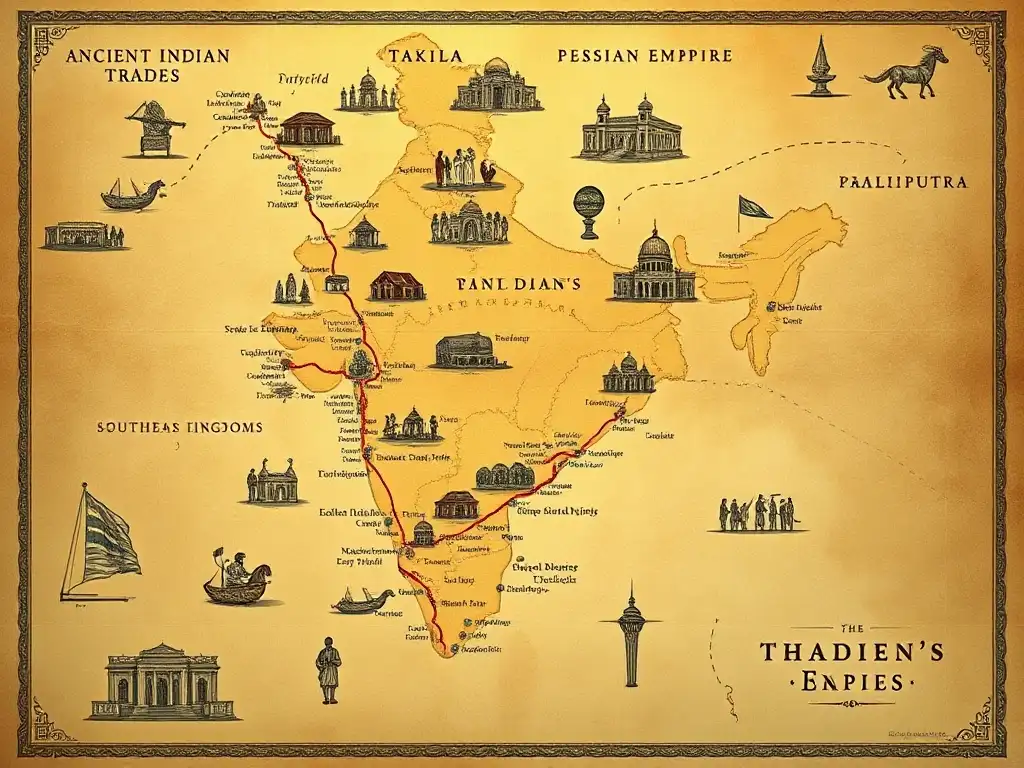
Introduction to Ancient Indian Trade Routes Impact
The intricate tapestry of ancient Indian trade routes significantly shaped not only the economy of the Indian subcontinent but also the cultural and commercial exchanges with neighboring civilizations. These trade networks facilitated the movement of goods, ideas, and technologies, creating a rich interconnection between various cultures across Asia and beyond.
Understanding the impact of ancient Indian trade routes is essential for appreciating the historical dynamics that influenced the development of societies, economies, and cultures in regions such as Central Asia, the Middle East, and beyond. This article delves into the major ancient trade routes of India, illustrating how they fostered interactions and laid the foundation for economic prosperity and cultural exchange.
Overview of Ancient Indian Trade Routes
Ancient Indian trade routes were extensive and varied, encompassing both overland and maritime paths. The Indus Valley Civilization, one of the earliest urban centers, established trade connections as early as 3300 BCE, engaging in commerce with Mesopotamia and beyond. These routes evolved over time, with significant networks such as the Silk Road and the maritime routes of the Indian Ocean coming into prominence.
- Key Features of Ancient Indian Trade Routes:
- Geographical Diversity: The routes traversed mountains, deserts, and seas, connecting India to various civilizations.
- Cultural Exchange: Trade facilitated not only the exchange of goods but also ideas, religions, and technologies.
- Economic Impact: The wealth generated from trade contributed to the flourishing of urban centers and the rise of powerful empires.
Importance of Trade in Ancient Indian Civilization
Trade was a vital component of ancient Indian civilization, playing a crucial role in its economic and cultural development. It provided access to a variety of resources and commodities, which were essential for sustaining large populations and urban centers. The importance of trade can be summarized as follows:
- Economic Growth: Trade routes enabled the movement of goods such as spices, textiles, and precious stones, leading to economic prosperity.
- Cultural Integration: Interaction with other cultures through trade fostered a rich exchange of ideas, leading to advancements in art, science, and philosophy.
- Political Power: Control over trade routes often translated into political power, as kingdoms and empires sought to dominate lucrative trade networks.
Major Ancient Indian Trade Routes
The ancient Indian trade landscape was characterized by several major trade routes, each playing a distinct role in facilitating commerce and cultural exchange.
The Silk Road: Connection and Influence
The Silk Road was a network of trade routes that connected China with the Mediterranean, passing through the Indian subcontinent. India played a pivotal role in this network, acting as a conduit for trade between East and West.
- Key Contributions:
- Goods: India exported silk, spices, and precious stones, while importing silk, glassware, and other luxury items.
- Cultural Exchange: The Silk Road enabled the spread of Buddhism and other cultural influences across Asia.
Maritime Trade Routes: The Indian Ocean Network
The Indian Ocean trade routes were equally vital, facilitating maritime commerce between India, Africa, the Middle East, and Southeast Asia.
- Key Characteristics:
- Diverse Cargo: Spices, textiles, and precious metals were commonly traded.
- Technological Innovations: Advancements in navigation and shipbuilding enhanced trade efficiency.
Overland Routes: From the Indus Valley to Central Asia
Overland trade routes originating from the Indus Valley linked India to Central Asia, fostering interactions with various cultures.
- Key Aspects:
- Cultural Interactions: These routes allowed for the exchange of goods as well as cultural practices and technological advancements.
- Historical Significance: The movement of people along these routes contributed to the spread of languages and religions across regions.
By examining these ancient trade routes, we gain insight into how ancient Indian trade not only impacted its own civilization but also shaped the broader historical narrative of interconnected cultures and economies in the ancient world.
Economic Impact of Ancient Indian Trade
Ancient Indian trade played a pivotal role in shaping the economies of neighboring civilizations. The establishment of extensive trade routes facilitated the exchange of goods, ideas, and cultures, leading to significant economic development across regions. Key trade routes, such as the Silk Road and maritime paths, connected India with Central Asia, the Middle East, and beyond, creating a bustling network of commerce that encouraged prosperity and cultural interactions.
Trade Goods and Commodities
The trade goods and commodities exchanged through ancient Indian trade routes were diverse and highly sought after. India was renowned for its rich resources, including:
- Spices: India was the world's leading supplier of spices like pepper, cardamom, and cinnamon, which were prized in global markets for their flavor and preservative qualities.
- Textiles: Indian textiles, particularly silk and cotton, were highly valued. The colorful fabrics produced in regions like Gujarat and Bengal found their way to various parts of Asia and Europe.
- Precious Stones: India was a significant source of gemstones such as diamonds, rubies, and sapphires, attracting traders from distant lands.
- Metals: The subcontinent produced high-quality metals, including gold, silver, and iron, which were essential for various industries.
These commodities not only enriched the Indian economy but also influenced the economic landscapes of the regions they were traded with, stimulating local production and trade.
Influence on Local Economies of Neighboring Civilizations
The impact of ancient Indian trade routes extended beyond mere exchange of goods; they fundamentally transformed the local economies of neighboring civilizations. For instance, regions such as Persia and the Arabian Peninsula benefitted from the influx of Indian goods, leading to the establishment of marketplaces and trade hubs. This economic interdependence fostered:
- Agricultural Development: The demand for Indian spices and textiles prompted local farmers in neighboring regions to cultivate cash crops, enhancing agricultural productivity.
- Urbanization: Trade routes stimulated the growth of cities as commercial centers, leading to urbanization in areas that were once predominantly rural.
- Job Creation: The expansion of trade activities created numerous job opportunities, from artisans producing goods to merchants facilitating trade.
As a result, these local economies became more integrated into the global market, influenced by Indian trade practices.
Currency and Trade Practices in Ancient India
Ancient India had a sophisticated system of currency and trade practices that facilitated commerce across vast distances. The use of standardized coins, such as the punch-marked coins of the Maurya period, simplified trade transactions and promoted economic stability. Key practices included:
- Barter System: While currency was widely used, barter remained common, particularly in rural areas where goods were exchanged directly for other goods.
- Weight and Measures: The establishment of standardized weights and measures ensured fair trade, minimizing disputes and enhancing trust among traders.
- Trade Guilds: Various trade guilds emerged, which regulated trade practices, established quality standards, and provided support for merchants.
These practices not only contributed to the efficiency of trade but also set the foundation for subsequent economic systems in the region.
Cultural Exchange Through Trade
Cultural exchange was an inherent aspect of ancient Indian trade, significantly impacting neighboring civilizations. The movement of goods often accompanied the transfer of ideas, beliefs, and cultural practices, leading to rich intercultural interactions.
Spread of Indian Culture and Religion
As traders traversed ancient trade routes, they brought with them not only goods but also cultural and religious ideologies. The spread of Buddhism and Hinduism is a prime example of this phenomenon. Trade routes facilitated:
- Missionary Activities: Indian merchants often acted as cultural ambassadors, spreading religious teachings to regions such as Central Asia and Southeast Asia, leading to the establishment of Buddhist monasteries and Hindu temples.
- Cultural Syncretism: The blending of Indian cultural elements with local traditions resulted in unique art forms, festivals, and rituals in various regions.
This cultural diffusion significantly enriched the local cultures and helped establish a shared heritage across civilizations.
Influence on Art and Architecture of Neighboring Regions
The artistic and architectural styles of ancient India had a lasting impact on neighboring civilizations through trade. The exchange of ideas led to:
- Architectural Styles: Indian architectural elements, such as stupas and intricate carvings, influenced the construction of religious buildings in places like Southeast Asia, where structures like the Borobudur temple showcase Indian architectural designs.
- Artistic Techniques: Techniques in sculpture and painting were shared, leading to the development of new artistic styles that blended Indian motifs with local aesthetics.
This artistic exchange not only enhanced local craftsmanship but also contributed to the legacy of shared cultural expressions.
Language and Literature: Cross-Cultural Interactions
Trade routes facilitated not only the movement of goods but also the exchange of language and literature, leading to rich cross-cultural interactions. The influence of ancient Indian languages, particularly Sanskrit, is evident in several neighboring cultures, where:
- Literary Exchange: Indian epics and texts were translated and adapted, contributing to the literary traditions of regions such as Southeast Asia, where versions of the Ramayana and Mahabharata became central to local storytelling.
- Linguistic Borrowing: Many words and phrases from Sanskrit found their way into the local languages of trade partners, enriching their linguistic heritage.
These interactions fostered a deeper understanding of cultural narratives and shared histories, highlighting the profound impact of ancient Indian trade on neighboring civilizations.
Political Relationships Shaped by Trade
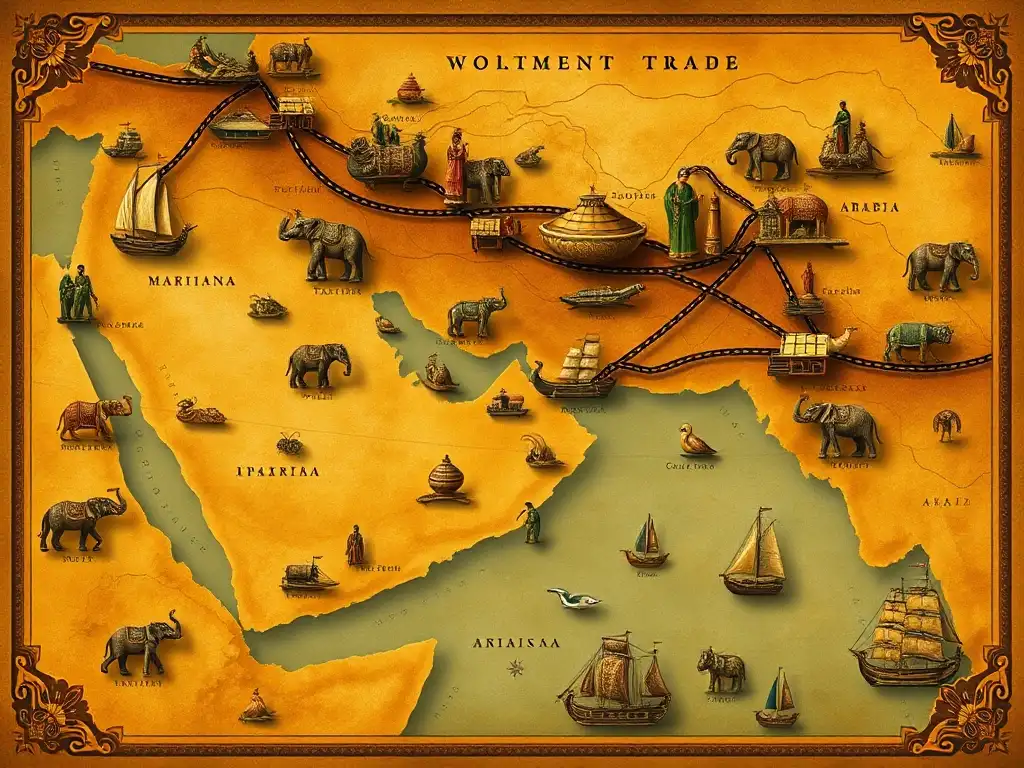
The ancient Indian trade routes significantly influenced the political landscape of neighboring civilizations. Trade was not merely an economic activity; it was interwoven with the political fabric, fostering relationships that ranged from alliances to conflicts. The interactions along these routes facilitated the exchange of not only goods but also ideas, culture, and political philosophies, shaping the governance and diplomatic strategies of various states.
Diplomatic Ties Established Through Trade
Trade served as a platform for establishing and enhancing diplomatic ties between ancient Indian states and their neighbors. Goods such as spices, textiles, and precious stones were highly sought after in regions like the Middle East and Southeast Asia, leading to the formation of trade agreements that often included diplomatic pacts. For instance, the trade networks connecting India to the Roman Empire led to the establishment of formal diplomatic relations, allowing for the exchange of ambassadors and fostering political goodwill, which facilitated smoother trade transactions and cultural exchanges.
Conflicts and Alliances Influenced by Trade Interests
While trade fostered diplomacy, it also led to conflicts over resources and routes. Control of trade routes became a strategic priority, as seen in the rivalry between various Indian kingdoms and empires. The Mauryan Empire, for example, sought to control key trade routes to assert its dominance over rival states and protect its economic interests.
Conflicts were often sparked by the desire to monopolize lucrative trade items such as silks and spices. Conversely, alliances were frequently formed in response to common trade interests, uniting different kingdoms against a shared competitor or external threat, illustrating the complex interplay between trade and political dynamics.
Trade as a Tool for Expansion: Case Studies
Ancient Indian trade routes were instrumental in territorial expansion. The spread of the Mauryan Empire under Ashoka can be linked to its control over trade routes that connected India with Central Asia and beyond. This expansion was not solely for economic gain; it was also a means of spreading Buddhist ideology, as merchants traveled along these routes. Similarly, the Gupta Empire leveraged trade to enhance its influence in regions like Southeast Asia, where Indian culture and political systems were disseminated through trade interactions, leading to the establishment of Indianized states.
Legacy of Ancient Indian Trade Routes
The legacy of ancient Indian trade routes extends beyond their immediate economic impacts, influencing cultural, political, and social dynamics in neighboring civilizations.
Long-Term Effects on Neighboring Civilizations
The long-term effects of ancient Indian trade are evident in the cultural exchanges that shaped neighboring societies. For instance, the introduction of Indian numerals and mathematics significantly impacted the development of mathematics in the Middle East and later in Europe. Moreover, the spread of religious ideas, particularly Buddhism and Hinduism, through trade routes left a lasting imprint on the spiritual landscape of regions such as Southeast Asia, where many temples and practices reflect Indian influences.
Modern Implications of Ancient Trade Practices
The ancient trade routes established by Indian merchants set precedents for modern trade practices. The principles of trade facilitation, negotiation, and cultural exchange developed during these times can still be observed in contemporary trade agreements. Furthermore, the emphasis on connectivity and mutual benefit in trade relationships continues to resonate in modern economic policies, highlighting the enduring relevance of ancient Indian trade practices in today’s globalized economy.
Preservation of Trade Routes in Historical Context
The historical significance of ancient Indian trade routes is preserved through various archaeological findings and historical texts. Sites like Taxila and Pataliputra provide insights into the bustling trade activities of ancient India, showcasing how these routes shaped cities and cultures. Additionally, the documentation of trade practices in texts such as the "Arthashastra" offers a rich understanding of the economic strategies that governed these routes. Today, efforts to preserve these historical trade routes not only honor their legacy but also promote cultural tourism and education about ancient Indian contributions to global trade.
Conclusion: The Lasting Influence of Ancient Indian Trade Routes
The trade routes established by ancient Indian civilizations were not merely conduits for commerce; they were vital arteries that fostered cultural exchange, economic growth, and geopolitical relationships across regions. The Indian subcontinent, with its strategic geographical position, played a central role in connecting the East and West, facilitating the flow of goods, ideas, and innovations. These ancient trade routes, including the well-known Silk Road, allowed for the dissemination of products such as spices, textiles, and precious stones, which became integral to the economies of neighboring civilizations.
Moreover, the impact of these trade routes extended beyond mere economic transactions. They served as platforms for cultural diffusion, where art, religion, and philosophy permeated various societies. For instance, the spread of Buddhism from India to Central Asia and beyond can be traced through these networks, illustrating how trade facilitated not just material exchange but also ideological transformation. This rich tapestry of interactions laid the groundwork for the interconnected world we recognize today, highlighting the significance of ancient Indian trade routes in shaping global history.
Summary of Key Impacts on Neighboring Civilizations
- Economic Prosperity:
- The influx of Indian goods into markets of Persia, Arabia, and Southeast Asia stimulated local economies, leading to increased wealth and trade activities.
- Neighboring civilizations adopted agricultural practices and introduced new commodities based on Indian agricultural advancements.
- Cultural Exchange:
- Art and architecture flourished as influences from Indian aesthetics were absorbed by regions like Southeast Asia, evident in the temple complexes of Angkor Wat and Borobudur.
- Language and literature were enriched, with the Sanskrit language contributing to the development of local dialects and literary traditions.
- Religious Spread:
- Buddhism and Jainism traveled along trade routes, establishing significant religious centers in places like Sri Lanka, Central Asia, and Tibet.
- The exchange of ideas led to a syncretic blend of religious practices, fostering harmony among diverse faiths.
- Technological Advancements:
- Knowledge of mathematics, astronomy, and medicine spread through trade interactions, influencing scientific thought in regions such as the Middle East and beyond.
- Political Alliances:
- Trade fostered diplomatic relationships, as rulers often engaged in alliances to secure trade benefits, which in turn influenced political landscapes across borders.
Final Thoughts on Ancient Indian Trade Routes Impact
The ancient Indian trade routes were pivotal in shaping the historical narrative of not just India but also the wider world. Their influence can still be felt today, as the cultural and economic exchanges that began thousands of years ago laid a foundation for modern globalization. The intricate web of interactions facilitated by these routes exemplifies the importance of trade as a catalyst for unity, understanding, and progress among diverse civilizations.
As we reflect on the profound impact of ancient Indian trade routes, it is crucial to recognize their role in creating a legacy of interconnectedness that continues to inspire contemporary societies. The lessons learned from this historical exchange remind us of the importance of collaboration, mutual respect, and the shared human experience, which can transcend geographical boundaries and cultural differences.
- Introduction to Ancient Indian Trade Routes Impact
- Major Ancient Indian Trade Routes
- Economic Impact of Ancient Indian Trade
- Cultural Exchange Through Trade
- Political Relationships Shaped by Trade
- Legacy of Ancient Indian Trade Routes
- Conclusion: The Lasting Influence of Ancient Indian Trade Routes
Frequently Asked Questions
What were the main trade routes of ancient India?
Ancient Indian trade routes included the Silk Road and maritime routes across the Indian Ocean, facilitating trade between India and regions such as Southeast Asia, Africa, and the Middle East.
How did ancient Indian trade routes impact neighboring civilizations?
The impact of ancient Indian trade routes on neighboring civilizations was significant, leading to cultural exchanges, the spread of religions, and the sharing of technologies and goods.
What were some key goods traded by ancient Indians?
Key goods traded included spices, textiles, precious stones, and metals, which were highly sought after by other civilizations, enhancing India's role in global trade.
How did the Gupta Empire contribute to trade?
The Gupta Empire promoted trade by establishing stable governance, enhancing infrastructure, and fostering cultural ties, which encouraged both internal and external trade networks.
What role did maritime trade play in ancient Indian history?
Maritime trade was crucial in ancient India, enabling access to far-off markets and facilitating the exchange of cultural and economic ideas, thus enhancing India's influence in the global economy.
Final Reflection: The Enduring Legacy of Ancient Indian Trade Routes
The intricate web of ancient Indian trade routes not only facilitated the exchange of goods but also fostered a profound cultural and intellectual dialogue that resonates in today's globalized world. The impact of these trade routes is not merely a relic of history; it is a testament to how interconnectedness can shape civilizations, economies, and societies. As we navigate an increasingly interconnected planet, the lessons from ancient Indian trade remind us of the power of collaboration and mutual exchange.
The influence of ancient Indian trade extends far beyond the commodities that were exchanged; it has left an indelible mark on the cultural and social landscapes of neighboring civilizations. The interactions along these routes led to the dissemination of ideas, religions, and technologies, enriching the tapestry of human experience. As the historian K. N. Chaudhuri aptly stated, Trade is not merely an economic activity; it is a bridge between cultures, fostering understanding and unity.
This observation underscores the ongoing relevance of ancient trade practices in promoting cultural exchange and cooperation in our modern world.
As we reflect on the significance of ancient Indian trade routes, let us consider how we can apply these lessons in our own lives. Embrace the spirit of connection and collaboration in your daily interactions, and seek opportunities to learn from diverse cultures. By doing so, we honor the legacy of those who came before us and contribute to a more harmonious and interconnected future. Remember, every conversation and exchange has the potential to shape our world, just as the ancient trade routes once did.
Uncover the Impact: Dive into Ancient Trade Today!
Thank you for taking the time to explore the fascinating ways ancient Indian trade influenced neighboring civilizations. Your journey into this rich history not only broadens your understanding but also connects you to the cultural tapestry of our world. Now, let’s turn that newfound knowledge into action!
Here are a few tangible steps you can take to deepen your connection to this topic:
- Join a local or online discussion group focused on ancient history to share insights and learn from others.
- Explore related cultures by reading books or watching documentaries that highlight historical trade practices.
- Share your thoughts or discoveries about ancient Indian trade on social media using the hashtag #AncientTradeInfluence to spark a wider conversation.
What aspect of ancient Indian trade inspires you the most, and how do you think it has shaped the modern world?