
The Indus Valley Civilization: Pioneers of Trade in Ancient India

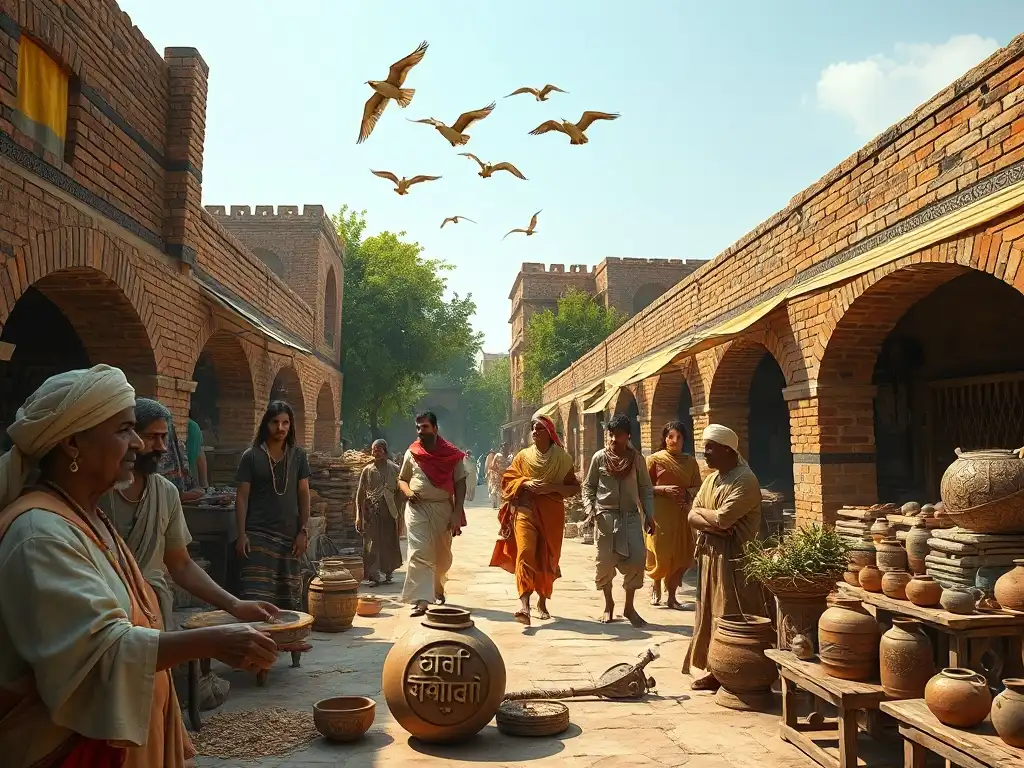
Welcome to Ancient India History, where the echoes of a rich and diverse past come alive! Dive into the remarkable world of the Indus Valley Civilization, where innovative trade practices laid the groundwork for economic exchanges that would influence generations. What secrets lie within the bustling markets and intricate trade networks of this ancient society? Join us as we unravel the fascinating narratives of commerce and culture that made the Indus Valley a pioneer in the annals of history. Prepare to be captivated and inspired—your journey into the depths of ancient Indian trade begins now!
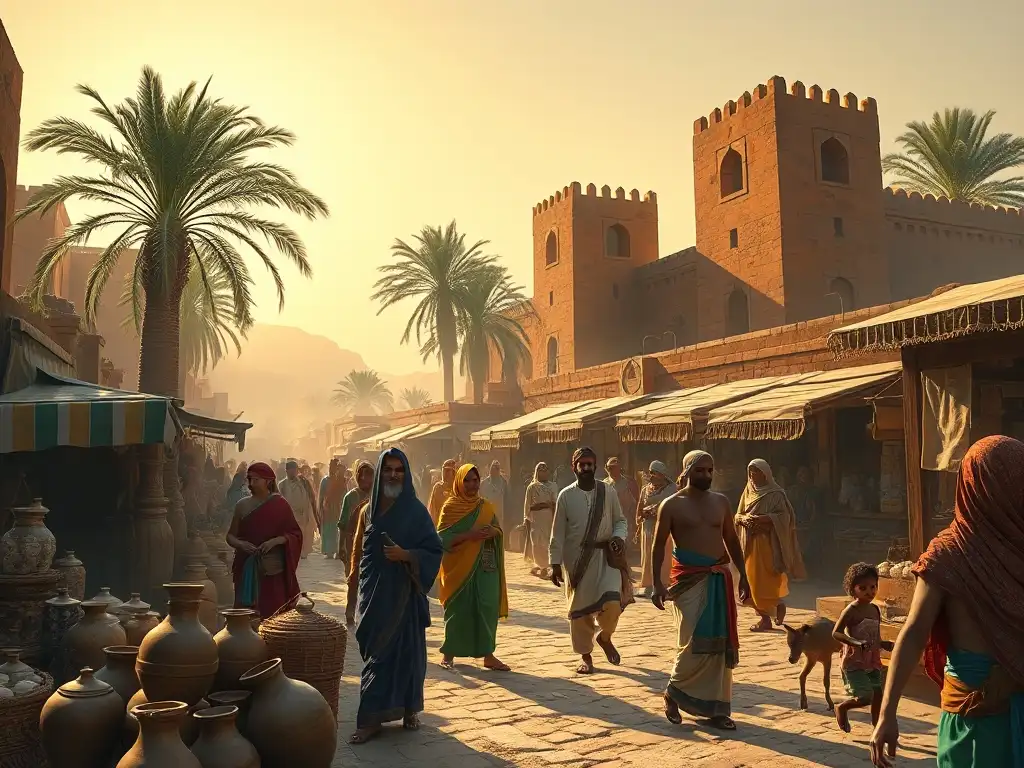
Introduction to the Indus Valley Civilization
The Indus Valley Civilization (IVC), which thrived from approximately 3300 to 1300 BCE, stands as one of the most remarkable and advanced urban cultures of the ancient world. Nestled in the fertile plains of the Indus River, this civilization is renowned not just for its impressive urban planning and architectural feats, but also for its pioneering trade practices that laid the groundwork for commerce in ancient India.
The IVC's strategic location allowed it to engage in extensive trade networks with neighboring regions, facilitating the exchange of goods, ideas, and cultures. This article delves into the intricate trade practices of the Indus Valley Civilization, exploring how they contributed to economic prosperity and cultural exchange, and ultimately shaped the economic landscape of ancient India.
Overview of the Indus Valley Civilization
The Indus Valley Civilization was characterized by its well-planned cities such as Harappa and Mohenjo-Daro, marked by advanced drainage systems, standardized weights and measures, and a script that remains undeciphered to this day. The urban centers were meticulously laid out in grid patterns, highlighting the sophistication of their urban planning. The civilization is estimated to have supported a population of over five million people and was engaged in various crafts, agriculture, and trade.
Trade practices in the IVC were not only limited to local exchanges; they extended far beyond, reaching as far as Mesopotamia and Persia. Artifacts such as seals, pottery, and weights provide evidence of a vibrant trading environment where goods such as cotton textiles, metalwork, and precious stones were exchanged. The skillful artisans of the IVC produced high-quality items that were sought after in distant markets, establishing a legacy of trade that influenced subsequent Indian civilizations.
Significance of Trade in Ancient Indian History
Trade was a vital component of ancient Indian history, shaping not only economic structures but also cultural interactions. The IVC's trade practices set the stage for future trade routes, like the famed Silk Road, which connected various civilizations across Asia. The extensive trade networks facilitated the flow of not just goods but also ideas, technologies, and cultural practices, contributing to the rich tapestry of Indian civilization.
Moreover, the trade practices of the Indus Valley Civilization played a crucial role in the development of urban centers, stimulating economic growth and social complexity. The wealth generated from trade allowed for advancements in various fields, including art, science, and governance, further solidifying the IVC's position as a cornerstone of ancient Indian history.
The Geography of the Indus Valley
Location and Extent of the Indus Valley
The Indus Valley Civilization extended across a vast region, primarily located in present-day Pakistan and northwest India. The civilization flourished along the banks of the Indus River and its tributaries, benefiting from the fertile alluvial soil that supported agriculture. The geographical layout of the region, with its proximity to key river systems, facilitated agricultural production and provided essential resources for trade.
The IVC's strategic location allowed it to connect with major trade routes leading to the Middle East and Central Asia, making it a hub for various exchanges. This integration into broader trade networks is a testament to the civilization's significance in ancient trade practices.
Natural Resources and Their Impact on Trade
The natural resources of the Indus Valley played a pivotal role in shaping its trade practices. The region was rich in agricultural products, particularly barley and wheat, which were essential for both local consumption and trade. Additionally, the availability of raw materials such as copper, bronze, and semi-precious stones allowed artisans to craft high-quality goods that were highly valued in both domestic and international markets.
These resources not only fueled the economy of the IVC but also established it as a trading powerhouse in ancient India. The ability to produce and trade in diverse commodities enabled the Indus Valley Civilization to maintain its economic vitality and cultural influence, marking its legacy as pioneers of trade practices in ancient India.
Indus Valley Trade Practices
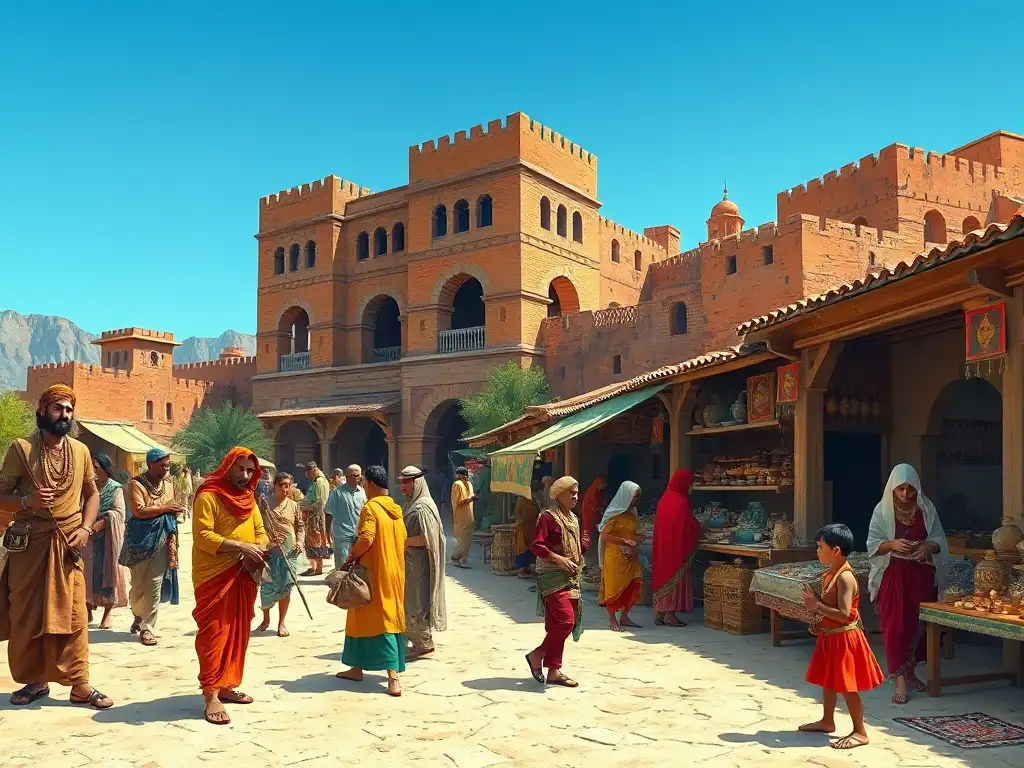
The Indus Valley Civilization (IVC), flourishing between 3300 BCE and 1300 BCE, is renowned for its advanced urban planning and sophisticated trade practices. The economic system of the IVC was primarily based on agriculture, but trade played a vital role in its prosperity. The society engaged in both internal and external trade, facilitating the exchange of goods, ideas, and cultural practices.
Trade practices in the Indus Valley were characterized by a high degree of organization and regulation. Evidence suggests that the IVC used standardized weights and measures, allowing for fair trade and fostering trust among merchants. The discovery of seals, often depicting animals and symbols, indicates that these may have been used for branding or as a form of currency, facilitating smoother transactions. Moreover, trade was not limited to goods; it also involved the exchange of knowledge and technological advancements, which contributed to the overall development of the civilization.
Major Trade Goods of the Indus Valley
The trade goods of the Indus Valley were diverse and reflected the region's rich natural resources. Key commodities included:
- Cotton Textiles: The IVC is credited with being one of the first civilizations to cultivate cotton and produce textiles. These fabrics were highly sought after in both domestic and international markets.
- Metals: The civilization traded in metals such as copper, bronze, and tin, which were used for crafting tools, weapons, and decorative items.
- Pottery: Distinctive pottery, often painted and elaborately designed, was a significant trade item, showcasing the artistic capabilities of the IVC.
- Semi-precious Stones: The Indus Valley was known for its production of jewelry made from materials like lapis lazuli, carnelian, and agate, which were highly valued in both local and foreign markets.
- Spices and Foodstuffs: Various agricultural products, including grains, pulses, and spices, were also traded, contributing to the region’s economic vitality.
Trade Techniques and Methods Used
Trade in the Indus Valley employed various techniques and methods that demonstrated the civilization’s ingenuity. Some of the prominent practices included:
- Barter System: Initially, trade was conducted through barter, where goods were exchanged directly without the use of currency. This method facilitated local transactions.
- Standardized Weights: The use of standardized weights and measuring systems allowed merchants to trade goods with a common understanding of value, enhancing trade efficiency.
- Maritime Trade: The proximity to the Arabian Sea enabled the Indus Valley traders to engage in maritime commerce, utilizing boats to transport goods to distant markets, especially in Mesopotamia.
Trade Networks and Routes of the Indus Valley
The Indus Valley Civilization established extensive trade networks that connected it with various regions, facilitating the exchange of goods and cultural ideas. These networks played a crucial role in the civilization’s economic stability and growth.
Key Trade Routes Established by the Indus Valley Civilization
The trade routes of the Indus Valley were instrumental in enhancing its economic relations. Some of the key routes included:
- Land Routes: Major land routes connected the Indus Valley to regions such as Central Asia and the Iranian plateau. Merchants traveled overland, transporting goods like textiles and metals.
- Maritime Routes: The coastal cities, such as Lothal and Harappa, served as significant ports that connected the IVC with Mesopotamia and the Arabian Peninsula, facilitating maritime trade.
Connections with Other Civilizations: Mesopotamia and Beyond
The Indus Valley Civilization had substantial connections with contemporary civilizations, particularly Mesopotamia. Archaeological evidence reveals that goods were exchanged between the two regions, showcasing a reciprocal relationship in trade.
- Cultural Exchange: The interaction with Mesopotamia led to the sharing of technological advancements, agricultural practices, and artistic influences.
- Trade Partnerships: The trade alliances formed with neighboring regions allowed for the exchange of not just goods but also cultural practices, contributing to a richer shared heritage.
The Indus Valley trade practices were a testament to the civilization's sophistication and adaptability, enabling it to thrive and influence other cultures well beyond its geographic boundaries.
The Role of Trade in Economic Development
Trade played a pivotal role in the economic development of the Indus Valley Civilization, which flourished between approximately 3300 BCE and 1300 BCE. The strategic location of the Indus Valley, with access to both land and maritime routes, facilitated extensive trade networks that connected this ancient civilization with regions as far away as Mesopotamia, Egypt, and the Arabian Peninsula. The ability to exchange goods not only enhanced the wealth of the cities but also spurred technological and cultural advancements.
The economic foundation of the Indus Valley was significantly bolstered by the trade of essential commodities such as cotton textiles, pottery, and metalwork. These goods were highly sought after, leading to an influx of materials like lapis lazuli, carnelian, and other semi-precious stones. Through trade, the Indus Valley people could acquire resources that were not locally available, which contributed to their economic resilience and growth. The establishment of trade routes and trading posts also encouraged urbanization, as cities grew around these hubs of commerce.
How Trade Contributed to Urbanization in the Indus Valley
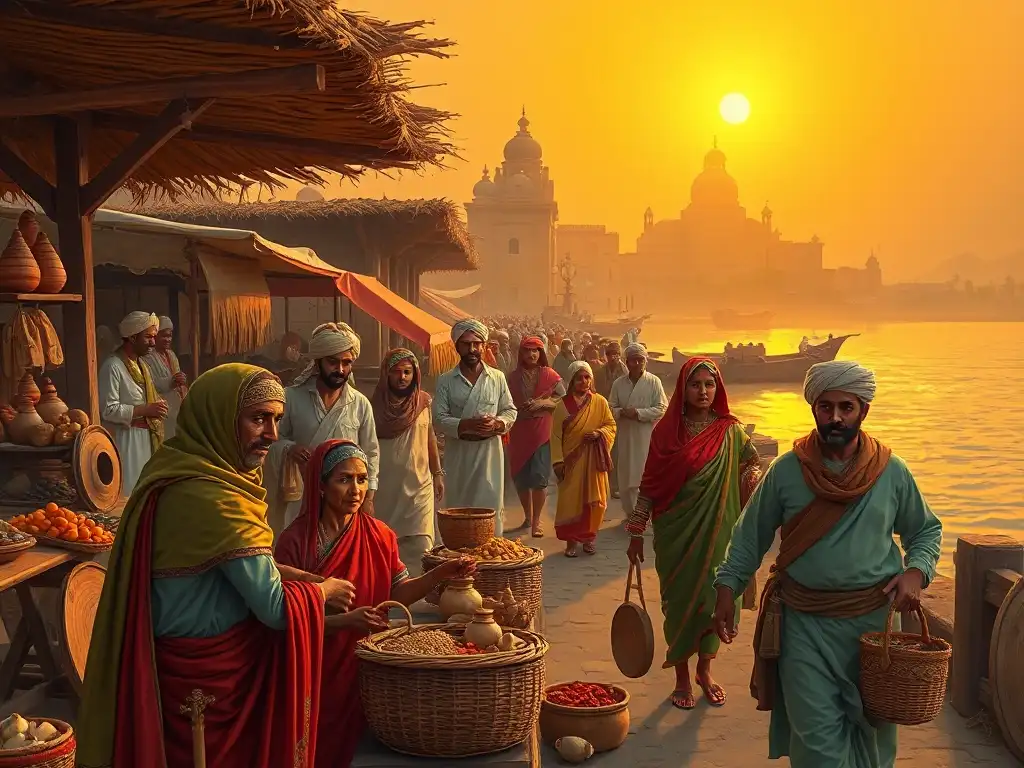
The rise of trade in the Indus Valley Civilization was closely linked to urbanization. Major cities such as Harappa and Mohenjo-Daro emerged as bustling trade centers, characterized by advanced urban planning, including grid layouts, sophisticated drainage systems, and public baths. The concentration of commerce in these urban areas attracted a diverse population, leading to the development of specialized crafts and manufacturing.
The abundance of trade goods fostered a consumer culture within these cities, which in turn stimulated local economies. As trade expanded, so did the need for better infrastructure, prompting the construction of warehouses and marketplaces. This urban growth was not only about economic transactions; it also facilitated cultural exchanges, allowing for the blending of various traditions and practices among traders from different regions.
Trade significantly influenced the social structure and cultural dynamics of the Indus Valley Civilization. The wealth generated from trade led to the emergence of a merchant class that played a crucial role in society. This class was instrumental in fostering economic ties with other civilizations, which in turn contributed to the social stratification of the community.
Moreover, trade facilitated cultural interactions that enriched the societal fabric of the Indus Valley. The exchange of goods often included ideas, technologies, and religious beliefs. For example, the introduction of new agricultural techniques and pottery styles can be traced back to interactions with neighboring civilizations. The cultural artifacts found in trade contexts showcase a blend of Indus Valley and foreign influences, reflecting a society that was open to adaptation and innovation.
Artifacts and Evidence of Trade Practices
Archaeological findings have provided a wealth of information regarding the trade practices of the Indus Valley Civilization. Artifacts such as beads, pottery, and tools not only highlight the sophistication of their craftsmanship but also serve as tangible evidence of trade networks. The presence of goods from distant lands indicates that the Indus Valley was an integral part of ancient trade routes.
Additionally, the discovery of certain materials, such as metals and gemstones, suggests that the people of the Indus Valley had extensive trade relationships with other cultures. The sheer volume and variety of these items underline the significance of trade in their economy and daily life.
Archaeological Discoveries Related to Trade
Significant archaeological discoveries have shed light on the trade practices of the Indus Valley Civilization. Excavations at sites like Mohenjo-Daro and Harappa have uncovered large quantities of weights and measures, indicating a standardized system for trade transactions. The presence of dockyards at coastal sites such as Lothal further supports the theory that the Indus Valley engaged in maritime trade.
Moreover, findings of foreign goods, such as Mesopotamian pottery and Egyptian artifacts, suggest that the Indus Valley was part of a larger trading system that extended across continents. This evidence not only illustrates the complexity of their trade networks but also highlights the Indus Valley's role in facilitating intercultural exchanges.
Examination of Trade Seals and Weights
The examination of trade seals and weights from the Indus Valley provides crucial insights into their trade practices. The seals, often inscribed with motifs and symbols, were likely used to mark goods and transactions, serving both administrative and commercial purposes. Many of these seals feature animals and script that remains undeciphered, hinting at a sophisticated system of communication related to trade.
Weights, typically made from stone, demonstrate the importance of standardization in trade. The uniformity in weight measurements suggests that the Indus Valley Civilization had established a regulated system for trade, which was essential for fair commerce. These artifacts not only reflect the economic practices of the time but also offer a glimpse into the organizational capabilities of the civilization.
Comparison with Other Ancient Trade Practices
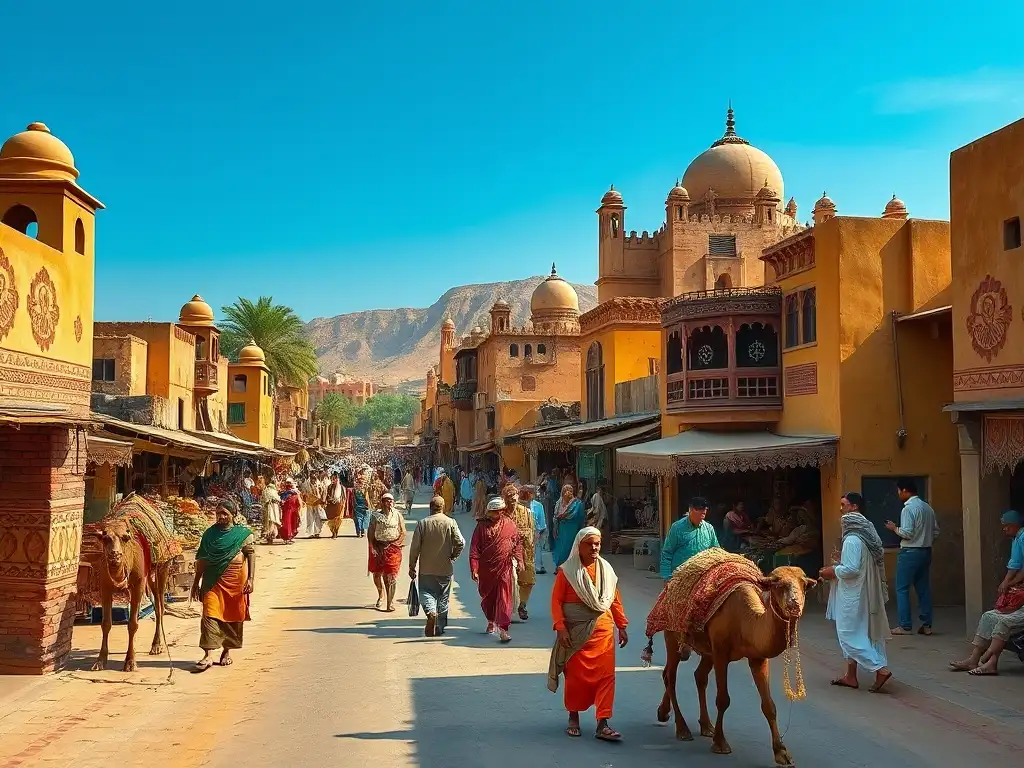
The Indus Valley Civilization (IVC), which thrived between approximately 3300 and 1300 BCE, is renowned for its advanced urban planning and sophisticated trade practices. When compared to other ancient civilizations, the trade practices of the IVC reveal unique characteristics and innovations that set them apart. Understanding these comparisons provides deeper insights into the economic frameworks that shaped the ancient world.
Trade Practices of the Indus Valley vs. Mesopotamia
The trade practices of the Indus Valley Civilization and Mesopotamia exhibited both similarities and differences. Both civilizations engaged in extensive trade networks, but their approaches and goods varied significantly.
- Goods Traded:
- The IVC was known for trading cotton textiles, beads, and semi-precious stones, while Mesopotamian trade focused on commodities like grains, textiles, and metals.
- Trade Partners:
- Mesopotamia had established trading connections with regions like Anatolia and the Persian Gulf, while the IVC primarily traded with neighboring regions, including Persia and the Arabian Peninsula.
- Trade Methods:
- The IVC utilized standardized weights and measures, which facilitated trade and ensured fairness. Conversely, Mesopotamia relied on barter systems that varied widely in terms of value depending on local conditions.
- Urban Centers:
- Major urban centers like Harappa and Mohenjo-Daro were strategically located near rivers, which aided in transportation. In contrast, Mesopotamian cities like Ur and Babylon were situated between the Tigris and Euphrates Rivers, allowing for trade via water routes as well as overland.
These distinctions highlight how geography and available resources influenced trade practices, leading to unique economic systems within each civilization.
Trade Practices of the Indus Valley vs. Later Indian Civilizations
The trade practices of the Indus Valley Civilization laid the groundwork for subsequent Indian civilizations, yet there were notable differences in how trade evolved over time.
- Continuity of Trade Routes:
- Many trade routes established during the IVC continued to be used by later civilizations, including the Maurya and Gupta Empires. The geographical advantages of these routes persisted, allowing for the exchange of goods and cultural influences.
- Expansion of Trade Goods:
- Whereas the IVC primarily traded goods like cotton and beads, later Indian civilizations expanded their offerings to include spices, silk, and precious metals. This diversification not only increased trade volume but also enhanced India's reputation as a center of commerce.
- Cultural Exchange:
- The trade practices of later civilizations incorporated more cultural exchange due to increased interactions with foreign traders. This was less pronounced in the IVC, where trade was primarily transactional and less influenced by foreign cultural elements.
- Technological Advancements:
- The introduction of new technologies, such as the use of the maritime trade routes in the Gupta period, marked a significant evolution in Indian trade practices compared to the more land-based trade of the Indus Valley Civilization.
These comparisons illustrate a progression in trade practices that built upon the foundations laid by the IVC while adapting to changing dynamics in the ancient world.
Conclusion
The Indus Valley Civilization was a pioneer in establishing trade practices that significantly influenced future trade systems in India and beyond. Their innovative approaches not only facilitated economic growth but also laid the groundwork for enduring trade networks.
Summary of the Indus Valley's Trade Contributions
The contributions of the Indus Valley Civilization to trade are manifold. They established complex trade networks that connected them with distant regions, utilized standardized weights for fair trade, and introduced a variety of goods that would become staples in subsequent civilizations. The sophistication of their urban centers, coupled with their strategic locations along trade routes, made them pivotal players in ancient commerce.
Legacy of Indus Valley Trade Practices in Ancient India
The legacy of the Indus Valley's trade practices is evident in the economic frameworks of later Indian civilizations. The principles of standardization and the establishment of trade routes persisted, fostering a culture of commerce that would evolve through the ages. The emphasis on trade as a means of cultural exchange and economic prosperity continued to shape India’s historical narrative, reflecting the enduring influence of the Indus Valley Civilization on ancient Indian trade practices.
Further Reading and Resources
Exploring the Indus Valley Civilization and its trade practices can be deeply enriching, providing insights into one of the world's earliest urban cultures. Below are some recommended books and academic articles that delve into various aspects of the Indus Valley civilization, particularly focusing on their trade practices.
Recommended Books on the Indus Valley Civilization
- "The Indus Civilization: A Contemporary Perspective" by Gregory L. Possehl
- This book offers a comprehensive overview of the Indus Valley Civilization, discussing its urban planning, culture, and trade networks. Possehl's work is particularly valuable for understanding the socio-economic dynamics of this ancient civilization.
- "The Archaeology of the Indus Valley Civilization" by Rita Lucarelli
- Lucarelli provides an in-depth examination of archaeological findings from the Indus Valley, shedding light on the trade practices and economic strategies that defined the civilization. This book is essential for anyone interested in the material culture and trade routes of the period.
- "Indus Valley Civilization: An Encyclopedia" by R. S. Sharma
- This encyclopedia serves as a useful reference for students and enthusiasts alike. It covers various elements of the Indus Valley Civilization, including trade, commerce, and the significance of trade routes in their societal development.
- "Ancient India: A History" by Upinder Singh
- In this book, Singh provides a broader historical context, including the Indus Valley Civilization's role within ancient Indian history. It discusses trade networks and economic practices in relation to the wider Indian subcontinent.
Academic Articles on Indus Valley Trade Practices
- "Trade Networks in the Indus Valley: An Analysis of Material Culture" by Jennifer Bates
- This article explores the trade networks established by the Indus Valley Civilization, analyzing the distribution of goods found in archaeological sites. Bates highlights the sophistication of trade practices and their impact on urban development.
- "Maritime Trade and the Indus Valley Civilization" by Richard H. Meadow
- Meadow's research focuses on the maritime trade routes utilized by the Indus Valley people. The article discusses the evidence of trade with other regions, including Mesopotamia, and its implications for understanding the economic framework of the civilization.
- "The Role of Trade in the Urbanization of the Indus Valley Civilization" by Amita Sinha
- This academic piece investigates how trade contributed to the urbanization process in the Indus Valley. Sinha provides evidence of economic interactions that fostered the growth of major cities like Harappa and Mohenjo-Daro.
- "Material Exchange in the Indus Valley: A Study of Trade Practices" by N. S. Kumar
- Kumar's article examines the various materials exchanged within and beyond the Indus Valley. It highlights the significance of trade practices in establishing social ties and economic relationships between different communities.
These resources will offer a deeper understanding of the Indus Valley trade practices and their crucial role in shaping one of the earliest and most influential civilizations in ancient India.
- Introduction to the Indus Valley Civilization
- Overview of the Indus Valley Civilization
- Significance of Trade in Ancient Indian History
- The Geography of the Indus Valley
- Indus Valley Trade Practices
- Trade Networks and Routes of the Indus Valley
- The Role of Trade in Economic Development
- How Trade Contributed to Urbanization in the Indus Valley
- The Impact of Trade on Social Structure and Culture
- Artifacts and Evidence of Trade Practices
- Comparison with Other Ancient Trade Practices
- Conclusion
- Further Reading and Resources
Frequently Asked Questions
What were the main trade practices of the Indus Valley Civilization?
The Indus Valley trade practices were characterized by extensive commerce with neighboring regions, utilizing a sophisticated system of weights and measures for barter and exchange.
How did the Indus Valley Civilization influence trade?
The Indus Valley Civilization established early trade routes that connected it with Mesopotamia and other cultures, facilitating the exchange of goods and ideas that shaped subsequent civilizations.
What goods were commonly traded by the Indus Valley?
Commonly traded goods included cotton textiles, metals, pottery, and various luxury items, reflecting the civilization's advanced craftsmanship and agricultural surplus.
Did the Indus Valley Civilization have a currency system?
While there is no evidence of a formal currency system, the civilization is believed to have used weights and measures for trade, indicating a structured approach to economic transactions.
How did geography impact trade in the Indus Valley?
The geographic location of the Indus Valley, near major rivers, facilitated transportation and trade, allowing merchants to connect with diverse regions and enhance their economic activities.
Final Reflection: The Enduring Legacy of Indus Valley Trade Practices
The trade practices of the Indus Valley Civilization remain remarkably relevant today, illustrating the timeless nature of commerce and cultural exchange. As we navigate an increasingly interconnected world, the sophisticated trade networks established by the Indus Valley pioneers remind us of the importance of collaboration and innovation in fostering economic growth and cultural understanding. Their ability to engage in extensive trade with distant regions not only enriched their society but also laid the groundwork for future civilizations, demonstrating that the spirit of trade transcends time and geography.
The influence of Indus Valley trade practices can be seen in the way modern societies engage in global commerce, emphasizing the interconnectedness of cultures and economies. The legacy of these ancient traders serves as a testament to the power of trade to bridge divides and create lasting relationships. As the historian and economist Karl Polanyi once said, The economy is embedded in social relations.
This observation resonates deeply today, as we witness how trade continues to shape our social fabric, fostering cooperation and understanding among diverse communities.
As we reflect on the lessons from the Indus Valley Civilization, let us embrace the spirit of innovation and collaboration in our own lives. Consider how you can contribute to the tapestry of global trade and cultural exchange, whether through supporting local artisans, engaging in fair trade practices, or simply fostering connections with those from different backgrounds. The legacy of the Indus Valley is not just a historical narrative; it is a call to action for each of us to participate in the ongoing story of trade, understanding, and unity in our modern world.
Unveil the Secrets of Ancient Trade!
Thank you for exploring the fascinating world of the Indus Valley Civilization with us! You've uncovered the remarkable innovations of these ancient pioneers and their lasting impact on trade and culture. Now, it's time to take the next step in your journey of discovery.
- Dive deeper into the rich history of the Indus Valley by exploring our dedicated articles on their trade routes and economic practices!
- Share your insights with friends and fellow history enthusiasts by discussing your discoveries on social media or in your local community.
- Join our newsletter for exclusive content and updates on exciting new findings in ancient history!
What aspect of the Indus Valley Civilization's trade do you find most intriguing, and how do you believe it influenced the civilizations that followed?