
The Role of Guilds in Ancient Indian Trade and Economy

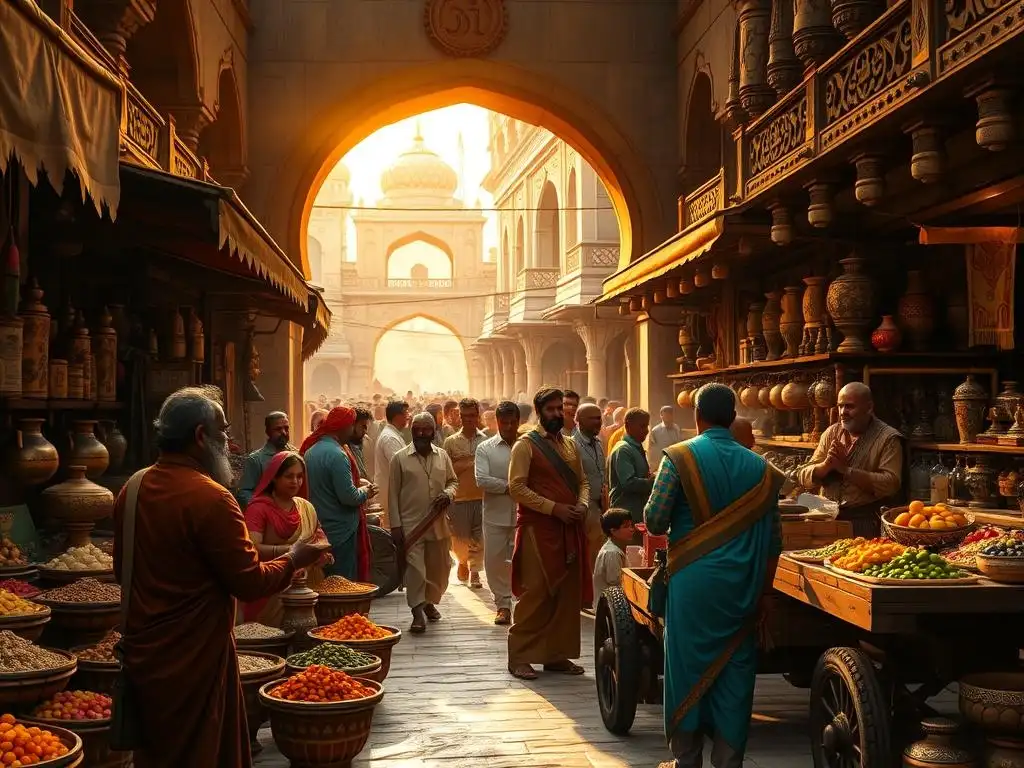
Welcome to Ancient India History, where we embark on a journey through the vibrant tapestry of India's past, unveiling the remarkable civilizations that have shaped our world. In this article, we delve into the fascinating realm of ancient Indian trade guilds, uncovering their pivotal role in the economy and commerce of ancient India.
What secrets did these guilds hold, and how did they contribute to the prosperity of their time? Join us as we explore the intricate web of trade and the cultural exchanges that flourished, igniting your curiosity and inviting you to discover more about this captivating chapter of history.
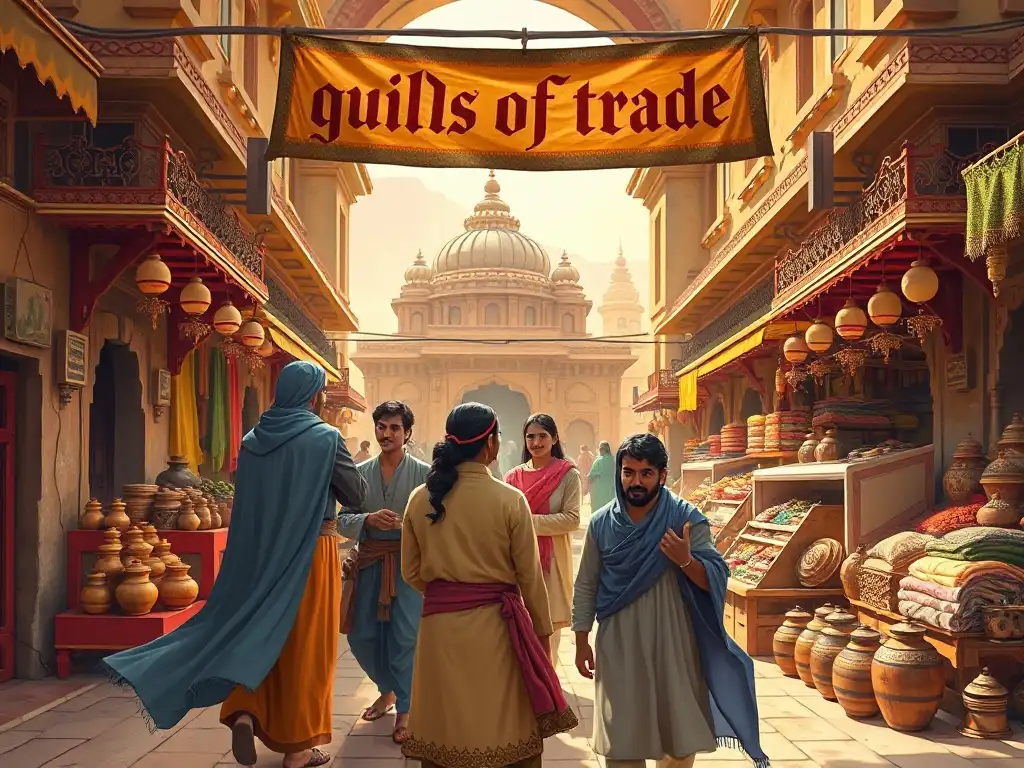
Introduction to Ancient Indian Trade Guilds
Ancient Indian trade guilds played a pivotal role in shaping the economy and trade practices of the subcontinent. These organizations, formed by merchants and artisans, facilitated the exchange of goods, services, and knowledge across vast distances, contributing significantly to the overall economic framework.
The intricate networks established by these guilds not only supported local economies but also connected India to global trade routes, such as the Silk Road. Through a closer examination of ancient Indian trade guilds, we can gain insights into their definitions, importance, historical context, and evolution, revealing a complex tapestry of commerce that underpinned the prosperity of ancient Indian civilizations.
Definition of Trade Guilds in Ancient India
Trade guilds, known as "shrenis" in ancient India, were associations of traders and craftsmen who banded together for mutual benefit. These guilds served various functions, including:
- Regulating Trade: Ensuring fair practices and standards among members.
- Providing Support: Offering financial assistance and resources to members.
- Facilitating Training: Educating apprentices in specific trades and crafts.
- Negotiating with Authorities: Acting as a collective voice in dealings with local rulers and governments.
Guilds were not merely economic entities; they held social and cultural significance, often influencing the livelihoods and lifestyles of their members.
Importance of Guilds in the Economic Framework of Ancient India
The significance of trade guilds in ancient India cannot be overstated. They formed the backbone of the economy through:
- Stabilizing Markets: By regulating prices and ensuring quality, guilds helped stabilize local markets.
- Enhancing Trade Networks: They connected various regions, facilitating the flow of goods such as spices, textiles, and precious metals.
- Fostering Innovation: Guilds encouraged technological advancements and craftsmanship, leading to improved production methods.
- Creating Employment Opportunities: They provided jobs for artisans and merchants, contributing to urbanization and economic development.
Overall, guilds were instrumental in fostering a collaborative environment that fueled economic growth and cultural exchange.
Historical Context of Trade Guilds
Early Formation of Guilds in Ancient Indian Civilizations
The roots of trade guilds in ancient India can be traced back to early civilizations such as the Indus Valley Civilization, where evidence of organized trade practices has been found. The emergence of specialized crafts and the need for standardized trade practices led to the formation of guilds. Key features of this early formation included:
- Specialization: Craftsmen began to specialize in particular trades, leading to the establishment of distinct guilds.
- Territorial Organization: Guilds often formed around geographic areas, creating localized trade networks.
- Cultural Exchange: As trade expanded, guilds became centers of cultural interaction, enabling the exchange of ideas and practices across regions.
Evolution of Guilds from the Indus Valley to the Gupta Empire
As ancient Indian societies evolved, so too did the structure and function of trade guilds. From the Indus Valley to the Gupta Empire, significant changes occurred:
- Expansion of Trade Routes: The establishment of long-distance trade routes, including the Silk Road, increased the influence and reach of guilds.
- Formalization of Guild Structures: Over time, guilds became more organized, with established hierarchies and regulations governing membership and trade practices.
- Integration into Political Frameworks: During the Gupta period, guilds gained recognition from rulers, often being granted privileges and autonomy, which further solidified their economic power.
This evolution highlights the dynamic nature of trade guilds and their integral role in the development of ancient Indian trade and economy.
Structure and Organization of Ancient Indian Trade Guilds
Ancient Indian trade guilds, known as shrenis, were complex organizations that played a crucial role in the economy and trade practices of various regions. These guilds were typically organized based on trade specialization, with members sharing a common profession or trade, such as textiles, pottery, or metalwork. The structure of these guilds was hierarchical, often led by an elected head or a council of elders who made decisions on behalf of the members.
The guilds were not merely commercial entities; they also served as social organizations that promoted camaraderie among members. They provided support systems for their members, offering assistance in times of need, such as during natural disasters or economic downturns. Additionally, guilds maintained their own internal codes of conduct and regulations, which governed the behavior of their members and ensured fair trading practices.
Types of Trade Guilds in Ancient India
Ancient India boasted a diverse array of trade guilds, each specializing in different commodities and services. Some of the prominent types of guilds included:
- Merchant Guilds: These were involved in long-distance trade, often dealing with luxury goods such as spices, textiles, and precious stones. They facilitated trade along major routes like the Silk Road.
- Artisan Guilds: Comprising skilled craftsmen, these guilds focused on the production of goods such as pottery, metalwork, and textiles. They ensured the quality and craftsmanship of their products.
- Agricultural Guilds: These guilds supported farmers by providing access to resources, tools, and markets for their produce. They often played a role in setting prices and ensuring fair trading conditions.
- Service Guilds: Involving various service providers, such as transporters and laborers, these guilds facilitated the logistics of trade, ensuring goods moved efficiently from producers to consumers.
Each type of guild had its own unique functions, but they all contributed to the overall framework of ancient Indian trade, fostering economic growth and cultural exchange.
Governance and Regulations within Guilds
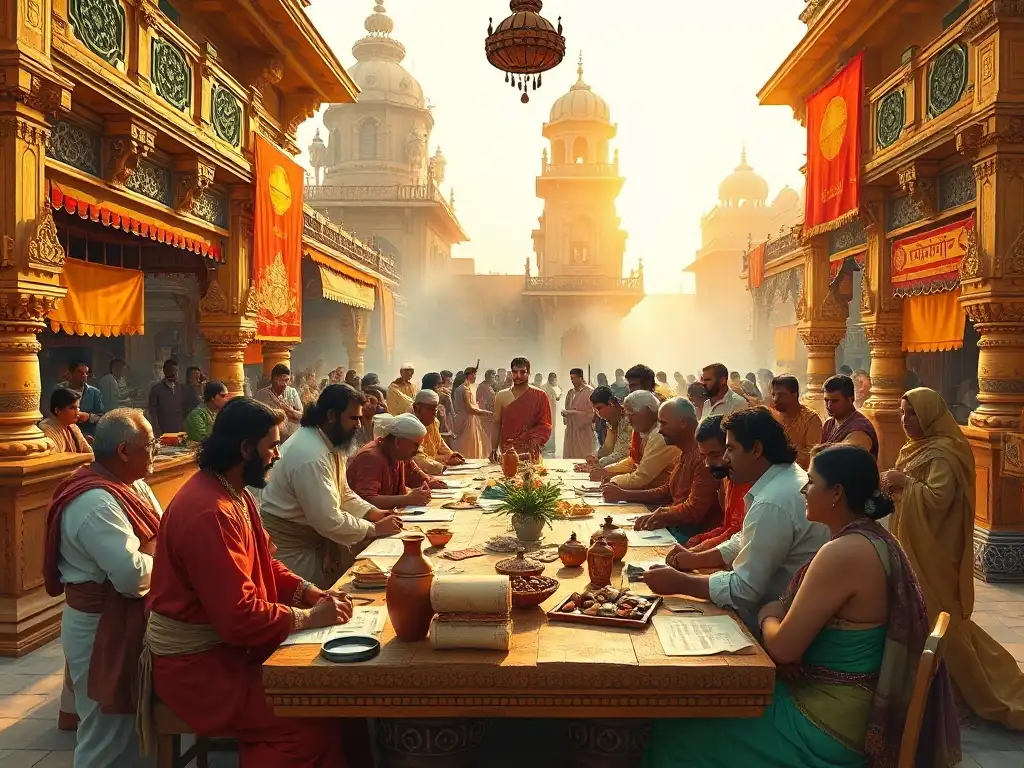
The governance of trade guilds in ancient India was characterized by a blend of democratic and autocratic elements. Most guilds had a council comprised of senior members who were responsible for decision-making processes. These councils established rules and regulations that members were expected to abide by.
Regulations often included:
- Quality Control: Guilds set standards for the quality of products to maintain their reputation and ensure customer satisfaction.
- Pricing Strategies: To prevent unfair competition, guilds often established price ranges for goods and services provided by their members.
- Conflict Resolution: Guilds had mechanisms in place for resolving disputes among members, often involving mediation by senior guild members.
- Membership Criteria: There were specific criteria for joining a guild, which ensured that only skilled and reputable individuals could become members.
These governance structures allowed guilds to operate smoothly and maintain their significance in the ancient Indian economy.
Economic Functions of Guilds in Ancient Indian Trade
The economic functions of trade guilds were multifaceted and essential for the prosperity of ancient Indian commerce. Guilds not only facilitated trade but also contributed to the overall economic stability of their regions.
Role of Guilds in Facilitating Trade
Guilds played a pivotal role in streamlining trade processes. They organized trade fairs, which acted as marketplaces where merchants and buyers could meet, negotiate, and transact. These fairs were often held at strategic locations, enhancing trade networks across regions.
Additionally, guilds provided logistical support by coordinating transportation of goods. They established networks of carriers and traders, ensuring efficient distribution of products. By pooling resources, guild members could undertake larger trade ventures that would be difficult for individual traders.
Impact of Guilds on Local and Regional Economies
The influence of trade guilds extended beyond individual members; they significantly impacted local and regional economies. Guilds contributed to job creation by supporting artisans and laborers, thus fostering economic growth within communities.
Furthermore, guilds facilitated the flow of goods and services, ensuring that local markets were well stocked. This not only helped stabilize prices but also encouraged competition, leading to improvements in quality and innovation. The wealth generated by successful guilds often supported local infrastructure, such as roads and markets, further enhancing trade prospects.
Guilds as a Means of Standardization in Trade Practices
One of the critical functions of trade guilds was the standardization of practices within the marketplace. By establishing common standards for weights, measures, and quality, guilds reduced confusion and fostered trust among traders and consumers.
Standardization was crucial for long-distance trade, as it ensured that goods were consistent in quality and pricing, making it easier for merchants to negotiate and close deals. The adherence to these standards helped build a reputation for reliability, which was vital for the success of trade guilds in ancient India. This emphasis on standardization ultimately contributed to the flourishing of commerce and laid the groundwork for future economic systems.
Ancient Indian trade guilds were not only economic entities but also social and cultural institutions that played a vital role in the communities they served. These guilds, known as "shrenis," facilitated not just trade but also the social cohesion and cultural identity of various groups. They were instrumental in maintaining a balance between economic activities and social responsibilities, often acting as a bridge between different communities and cultures.
The Social Structure of Guilds
The social structure of guilds was well-defined, often reflecting the stratification present in broader Indian society. Each guild typically comprised members who specialized in a particular trade or craft, allowing for a sense of unity and shared identity among its members.
- Hierarchical Organization: Guilds were usually organized in a hierarchical manner, with experienced artisans and traders at the top, guiding junior members and apprentices. This structure ensured the transfer of knowledge and skills, which was crucial for maintaining quality standards in trade.
- Membership and Exclusivity: Membership in a guild could be exclusive, often requiring adherence to specific standards of craftsmanship or trade practices. Such exclusivity helped maintain the integrity and prestige of the guild, which was essential for its reputation and economic success.
Influence of Guilds on Community and Culture
Guilds had a profound influence on their surrounding communities, often acting as community centers that facilitated social interactions and cultural exchanges. They contributed to the local economy while also serving as custodians of cultural heritage.
- Cultural Exchange: As trade flourished, guilds became melting pots of diverse cultures. Traders from various regions interacted, leading to the exchange of ideas, traditions, and art forms. This cultural amalgamation enriched local customs and practices.
- Support Systems: Guilds often provided a support system for their members, offering assistance during times of need, such as illness or financial hardship. This fostered a sense of belonging and mutual reliance, strengthening community ties.
Guild Festivals and Their Significance
Guild festivals played a crucial role in celebrating the identity and achievements of guild members. These events not only marked significant milestones in trade cycles but also served as an opportunity for social bonding and cultural expression.
- Religious and Cultural Celebrations: Festivals often incorporated religious elements, reflecting the spiritual beliefs of the guild members. Such celebrations reinforced the cultural identity of the guild while promoting solidarity among its members.
- Networking Opportunities: Guild festivals provided a platform for members to network, exchange information, and negotiate trade deals. This aspect of festivals was vital for enhancing trade relations and expanding business opportunities.
Guilds and Major Trade Routes
Guilds were intricately linked to the major trade routes of ancient India, such as the Silk Road and the Spice Route. Their operations were often centered around these routes, facilitating the flow of goods and fostering economic growth.
Connection of Guilds to Prominent Trade Routes
The connection between guilds and prominent trade routes was fundamental to the development of trade in ancient India. Guilds often established their presence at critical junctures along these routes, serving as hubs for commerce.
- Strategic Locations: Many guilds set up their operations in towns and cities that were strategically located along trade routes. This positioning allowed them to act as intermediaries, facilitating trade between different regions and cultures.
- Regulation of Trade: Guilds played a key role in regulating trade practices along these routes. They established rules and standards for transactions, ensuring fair practices and protecting the interests of their members.
Guilds' Influence on Trade Dynamics and Economic Growth
The influence of guilds on trade dynamics and economic growth was significant, as they not only enhanced trade efficiency but also contributed to the overall prosperity of ancient Indian economies.
- Facilitation of Trade: By providing a structured approach to commerce, guilds simplified trade transactions. They ensured quality control, standardized pricing, and fostered trust among traders, which was essential for expanding trade networks.
- Economic Contributions: The activities of guilds led to increased production and trade volumes, directly contributing to economic growth. Their role in promoting crafts and trades ensured a steady supply of goods to meet the demands of both local and international markets.
Ancient Indian trade guilds were pivotal in shaping the social fabric and economic landscape of their times. Their multifaceted roles as cultural custodians and economic facilitators underscore their significance in the history of ancient Indian trade.
Challenges Faced by Ancient Indian Trade Guilds
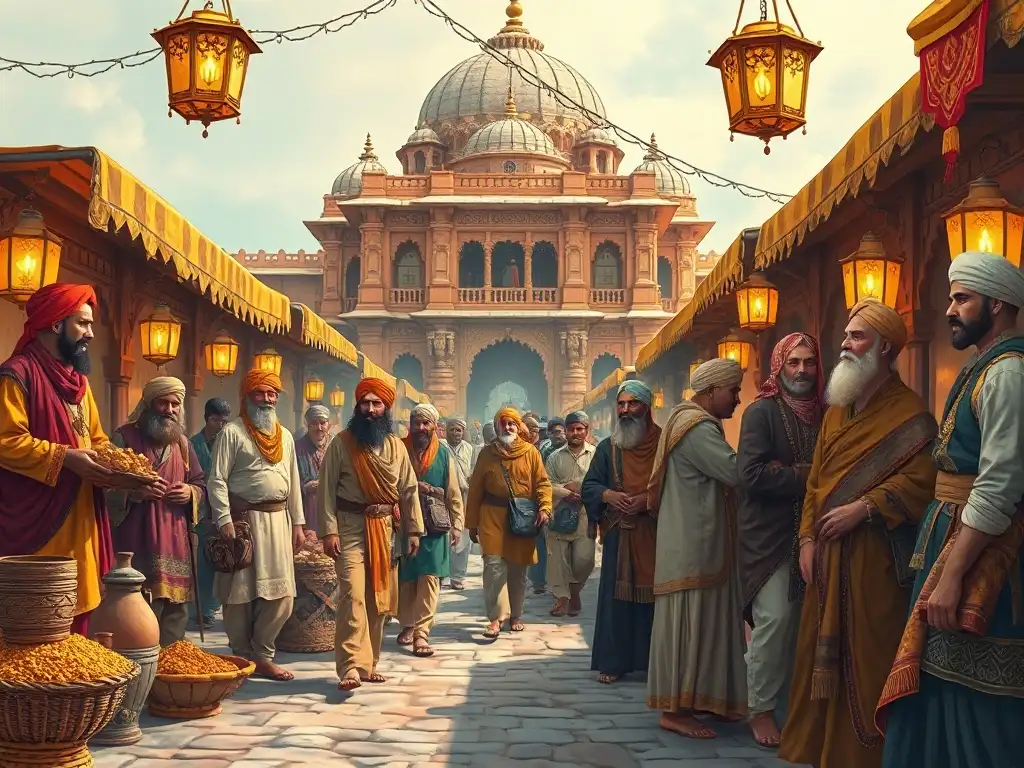
Ancient Indian trade guilds played a crucial role in the economic landscape of their time, but they were not without their challenges. These challenges were multifaceted, stemming from political, economic, and competitive pressures that often influenced their operations and longevity. Understanding these obstacles provides valuable insight into the resilience and adaptability of these guilds in ancient India.
Political and Economic Challenges
The political landscape of ancient India was often tumultuous, with shifting dynasties and varying governance styles impacting trade guilds significantly. Various kingdoms and empires, such as the Maurya and Gupta Empires, imposed taxes and tariffs that could hinder trade activities. These political constraints often forced guilds to negotiate and navigate through complex bureaucratic systems.
Additionally, economic fluctuations, including droughts, famines, and changes in agricultural production, directly affected the supply chains that guilds relied upon. For instance, a crop failure could lead to decreased demand for goods, compelling guilds to adapt their strategies to ensure survival. The need to maintain profitability amid such challenges necessitated a strong organizational structure within the guilds, often leading to internal reforms and restructuring.
Competition with Other Trade Entities
Trade guilds in ancient India faced significant competition from both local and foreign entities. Local artisans and traders often formed rival groups or partnerships that could undercut established guilds by offering lower prices or unique products. Moreover, foreign traders, particularly those from regions such as Persia and the Mediterranean, introduced different goods and trade practices that posed a threat to native guilds.
The emergence of new trade routes, such as the Silk Road, also meant that ancient Indian trade guilds had to compete not only for customers but also for access to valuable resources. This competition pushed guilds to innovate and improve their offerings continually, fostering a culture of entrepreneurship within their ranks. However, this constant competition could lead to tensions and conflicts, ultimately impacting trade dynamics.
Adaptation to Changing Trade Patterns
As trade routes evolved and new markets opened, ancient Indian trade guilds had to adapt their practices to remain relevant. Changes in demand for certain products necessitated a reevaluation of production processes and marketing strategies. For instance, the rise in demand for spices and textiles in international markets during the medieval period prompted guilds to specialize in these goods, shifting their traditional roles.
Moreover, the advent of new technologies and transportation methods, such as improved ship designs and caravan management, also influenced guild operations. Guilds had to incorporate these innovations to enhance their efficiency and reach. This adaptability not only ensured their survival but also contributed to the overall dynamism of ancient Indian trade.
Conclusion: Legacy of Ancient Indian Trade Guilds
The legacy of ancient Indian trade guilds extends far beyond their time, leaving a profound impact on the economic framework that followed. Their contributions to trade practices, economic organization, and cultural exchange set a foundation for future commercial endeavors in the subcontinent.
Lasting Impact on Modern Trade Practices
The principles established by ancient Indian trade guilds continue to resonate in modern trade practices. The concepts of collective bargaining, quality control, and standardized practices that emerged from these guilds have influenced contemporary business models. Many modern cooperatives and trade associations can trace their roots back to the organizational structures and cooperative spirit of ancient guilds.
Additionally, the focus on specialization and niche markets introduced by these guilds laid the groundwork for modern entrepreneurship. Their ability to adapt to changing market conditions serves as a timeless lesson for businesses today, emphasizing the importance of flexibility and innovation in a competitive environment.
Reflection on the Importance of Guilds in Ancient Indian Economy
Ancient Indian trade guilds were instrumental in shaping the economic landscape of their time. Beyond their role in trade, they fostered community ties, cultural exchange, and skill development among artisans and traders. The guilds not only facilitated commerce but also contributed to the social fabric of ancient Indian society, promoting collaboration and mutual support.
In reflection, the importance of these guilds cannot be overstated. They were not merely economic entities but vital components of a thriving civilization, showcasing the interconnectedness of trade, culture, and community in ancient India. The study of their challenges and legacies provides a deeper understanding of the complexities of ancient Indian trade and economy, highlighting the enduring relevance of guilds in our contemporary world.
References and Further Reading
To gain a deeper understanding of ancient Indian trade guilds and their significance in the economic landscape of ancient India, it is essential to explore a variety of texts and academic articles. Below are some key texts and suggested academic resources that provide valuable insights into the subject.
Key Texts on Ancient Indian Trade and Guilds
-
"The Economic History of India, 1857-1947" by B.R. Tomlinson
This book offers a comprehensive overview of India's economic history, including discussions on trade practices and guilds during ancient times. It provides a contextual background to understand the evolution of trade guilds.
-
"Trade and Traders in the Early Indian Economy" by R. Champakalakshmi
Champakalakshmi’s work specifically focuses on the role of trade and traders, including guilds, in shaping the economy of early India. The text delves into various guilds, their organizational structures, and their contributions to the economy.
-
"The Indus Civilization: A Contemporary Perspective" by Gregory L. Possehl
While primarily about the Indus Valley Civilization, this book discusses the early forms of trade and commerce, setting the stage for understanding the subsequent development of guilds in ancient India.
-
"A History of Indian Trade" by R. S. Sharma
This text provides an in-depth analysis of the trade practices throughout different periods of Indian history, including a detailed examination of the guilds that facilitated trade.
-
"The Ancient Indian Economy" by D. N. Jha
Jha explores various economic aspects of ancient India, including trade guilds, their functions, and their influence on economic policies and practices.
Suggested Academic Articles and Sources for In-Depth Study
-
“Guilds in Ancient India: A Historical Overview”
This article reviews the historical development of guilds in ancient India, their roles, and their impact on various trade routes. It provides a scholarly overview backed by archaeological evidence.
-
“Trade Networks and Guilds in Ancient India” by Meenakshi Jain
Jain’s research article discusses the intricate trade networks established by guilds and their influence on regional commerce, emphasizing the interconnectivity of ancient Indian trade.
-
“The Role of Merchant Guilds in the Economy of Ancient India”
This paper analyzes the functions and significance of merchant guilds, detailing their contributions to trade regulations, economic stability, and social organization.
-
“Examining the Role of Guilds in Ancient Indian Urbanization”
This scholarly work investigates how trade guilds contributed to the growth of urban centers in ancient India, linking economic activities with urban development.
-
“The Impact of Guilds on Trade Practices in Ancient India”
This study offers insights into the operational mechanisms of guilds and their influence on trade practices, including pricing, quality control, and dispute resolution.
These texts and articles serve as essential resources for anyone interested in exploring the intricate relationships between trade, guilds, and the economy in ancient India.
- Introduction to Ancient Indian Trade Guilds
- Historical Context of Trade Guilds
- Structure and Organization of Ancient Indian Trade Guilds
- Types of Trade Guilds in Ancient India
- Governance and Regulations within Guilds
- Economic Functions of Guilds in Ancient Indian Trade
- Social and Cultural Aspects of Guilds
- Guilds and Major Trade Routes
- Challenges Faced by Ancient Indian Trade Guilds
- Conclusion: Legacy of Ancient Indian Trade Guilds
- References and Further Reading
Frequently Asked Questions
What were the ancient Indian trade guilds?
Ancient Indian trade guilds were associations of merchants and craftsmen that played a crucial role in regulating trade and economic activities throughout various ancient Indian civilizations.
How did guilds influence the economy of ancient India?
Guilds contributed to the economic stability and growth of ancient India by standardizing prices, ensuring quality, and providing a framework for trade practices among merchants and artisans.
What was the significance of guilds in cultural exchange?
Guilds facilitated cultural exchange by connecting various regions through trade networks, allowing for the sharing of ideas, art, and technologies between different civilizations.
Did guilds have any political power in ancient India?
Yes, guilds often wielded significant political power, sometimes negotiating with local rulers and influencing policies that affected trade, taxation, and labor practices.
How did the structure of trade guilds function?
Trade guilds were typically organized with a hierarchical structure, including leaders or heads who oversaw operations, regulated members, and represented the guild's interests in broader economic matters.
Final Reflection: The Enduring Legacy of Ancient Indian Trade Guilds
The intricate web of ancient Indian trade guilds serves as a testament to the sophistication of economic systems that thrived long before modern commerce took shape. These guilds not only facilitated trade but also fostered community, innovation, and cultural exchange, highlighting their relevance in today's globalized economy. The lessons learned from their collaborative spirit and organizational prowess resonate profoundly in our current landscape, where cooperation and adaptability are paramount for success.
The influence of ancient Indian trade guilds extends far beyond their historical context; they continue to shape our understanding of commerce and community today. The principles of mutual support and shared knowledge that these guilds embodied are echoed in modern cooperative movements and entrepreneurial networks. As we navigate the complexities of contemporary trade, it is essential to remember the wisdom of the past. Trade is not just about goods; it is about relationships and trust.
This quote encapsulates the essence of what guilds represented and reminds us that the foundation of successful trade lies in the connections we forge.
As we reflect on the significance of ancient Indian trade guilds, I invite you to consider how these principles can be applied in your own life. Embrace collaboration, nurture relationships, and seek opportunities for shared growth. By doing so, you not only honor the legacy of those who came before us but also pave the way for a more interconnected and prosperous future. Let us carry forward the spirit of these guilds, ensuring that the lessons of cooperation and community remain at the forefront of our economic endeavors.
Unveil the Legacy of Ancient Indian Guilds!
Thank you for dedicating your time to explore the fascinating role of guilds in Ancient Indian trade and economy! You've uncovered how these communities shaped commerce and culture, and now it's time to dive deeper into this captivating history.
Here’s how you can take your newfound knowledge further:
- Join an Online Forum: Connect with fellow history enthusiasts on platforms like Reddit or Facebook to discuss the impact of guilds in greater detail.
- Share Your Insights: Write an article or share your thoughts on social media about the surprising influence of guilds on trade in Ancient India.
- Explore Historical Sites: If possible, visit local museums or heritage sites to engage with artifacts or exhibits that highlight this incredible aspect of Indian history.
What aspect of Ancient Indian guilds resonates with you the most? Is it their economic strategies, cultural exchanges, or perhaps their social structures? We invite you to share your thoughts below!