
The Forgotten Scripts of India: A Dive into LesserKnown Ancient Languages

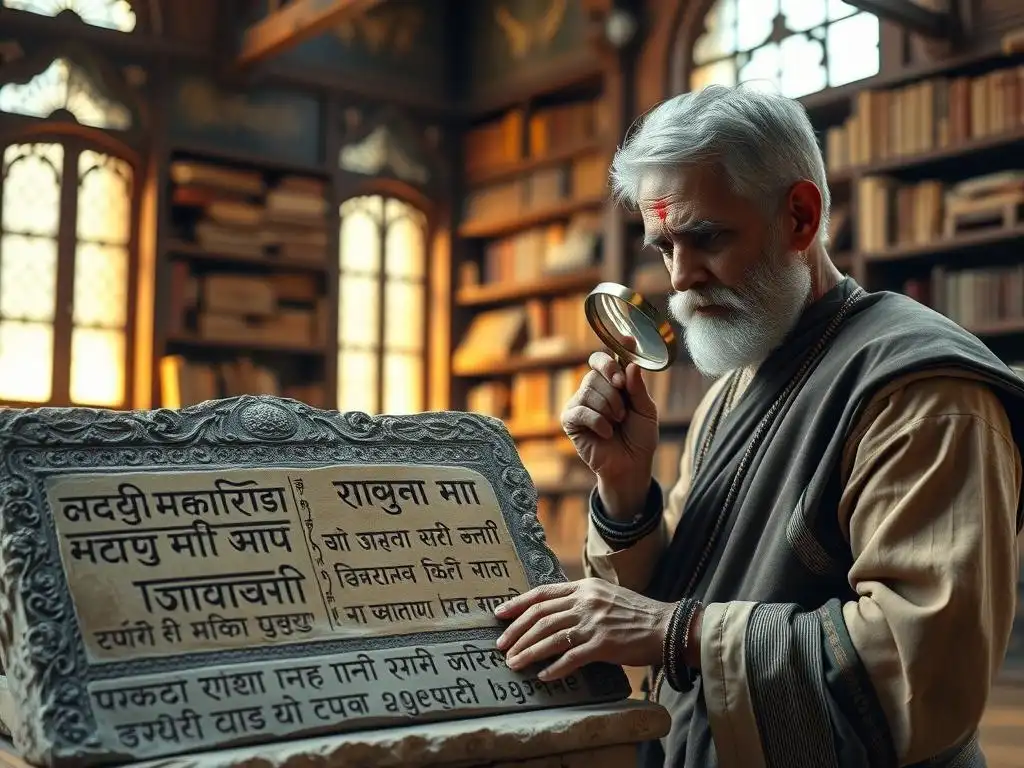
Welcome to Ancient India History, where we embark on a fascinating journey through the rich tapestry of India's past. Here, you'll uncover the profound stories and contributions of ancient civilizations, from the enigmatic Indus Valley to the illustrious Gupta Empire. In our featured article, "The Forgotten Scripts of India: A Dive into Lesser-Known Ancient Languages," we delve into the mysterious world of ancient Indian scripts and languages that have shaped the cultural landscape of a nation.
Prepare to be intrigued as we explore the forgotten voices of history, and get ready to uncover the secrets that lie within these ancient texts. Your adventure into the depths of India's linguistic heritage awaits!
- Introduction to Ancient Indian Scripts and Languages
- Historical Context of Ancient Indian Scripts
- Major Ancient Indian Scripts
- The Lesser-Known Ancient Languages of India
- The Cultural Impact of Forgotten Scripts
- Challenges in Deciphering Ancient Scripts
- Reviving Interest in Ancient Indian Languages
- Conclusion: The Importance of Preserving Ancient Indian Scripts and Languages
-
Frequently Asked Questions
- What are some lesser-known ancient Indian scripts discussed in the article?
- How did ancient Indian scripts contribute to our understanding of history?
- What is the significance of studying ancient languages in the Indian context?
- Are there any modern languages that evolved from ancient Indian scripts?
- What resources are recommended for learning about ancient Indian scripts?
- Final Reflection: Rediscovering the Voices of Ancient India
- Unveil the Secrets of Ancient Scripts Today!
Introduction to Ancient Indian Scripts and Languages
The history of ancient India is not only a tale of monumental achievements in art, architecture, and governance but also a profound narrative woven through its diverse languages and scripts. From the intricate symbols of the Indus Valley Civilization to the eloquent writings of the Gupta Empire, ancient Indian scripts reflect the intellectual and cultural richness of the subcontinent. This article delves into the lesser-known languages that have often been overshadowed by more prominent scripts like Brahmi and Devanagari.
By exploring these forgotten scripts, we can gain deeper insights into the social, religious, and philosophical landscapes of ancient Indian civilizations. The journey through these ancient languages not only highlights their significance but also underscores the need to preserve and study them as crucial components of India’s historical tapestry.
Overview of Ancient Indian Scripts
Ancient India was home to a multitude of scripts, each with unique characteristics and historical significance. Some of the most notable scripts include:
- Brahmi: Often regarded as the mother of many Indian scripts, Brahmi dates back to the 3rd century BCE and is the precursor to several modern writing systems.
- Kharosthi: Used primarily in the northwest regions of ancient India, Kharosthi is notable for its distinct right-to-left writing style.
- Tamil-Brahmi: An early form of the Brahmi script adapted for the Tamil language, this script emerged around the 3rd century BCE.
- Siddham: This script played a vital role in the dissemination of Buddhist texts and was prevalent in the 7th to 12th centuries CE.
- Sharada: Mainly used in Kashmir, Sharada was an important script for writing Sanskrit and Kashmiri languages.
These scripts not only represent the linguistic diversity of ancient India but also encapsulate the cultural exchanges that occurred over centuries. Each script carries within it the echoes of the civilizations that used them, from religious texts to administrative records.
Importance of Studying Lesser-Known Languages
While prominent scripts receive considerable attention, lesser-known ancient languages and their scripts offer invaluable insights into India's historical narrative. The study of these languages is essential for several reasons:
- Cultural Preservation: Understanding lesser-known scripts helps preserve the cultural heritage associated with them. Many of these languages have rich literary traditions that provide context to ancient social practices, beliefs, and values.
- Historical Context: Lesser-known scripts can offer clues about trade, migration, and interactions between different cultures in ancient India. For instance, inscriptions in regional scripts often reveal information about local governance and community structures.
- Linguistic Diversity: Ancient India was a melting pot of languages, and exploring these lesser-known scripts can enhance our understanding of the evolution of language in the subcontinent. It highlights how languages influenced each other and contributed to the region's linguistic landscape.
- Reviving Interest: The revival of interest in studying these scripts can lead to more comprehensive historical research and encourage new generations to engage with their linguistic heritage.
The exploration of ancient Indian scripts and languages is a vital endeavor that not only enriches our understanding of India’s past but also fosters appreciation for its linguistic diversity. As we delve deeper into the forgotten scripts, we uncover stories, traditions, and knowledge that have shaped the essence of ancient Indian civilization.
Historical Context of Ancient Indian Scripts
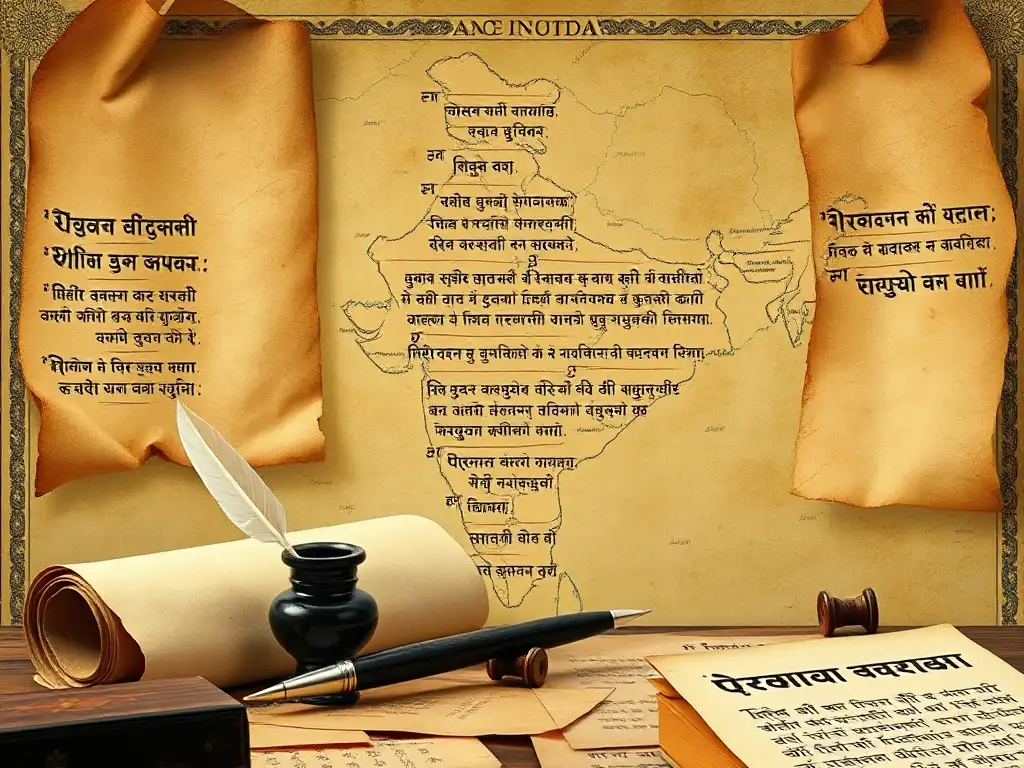
The history of ancient Indian scripts and languages is a fascinating tapestry woven from the diverse cultures and civilizations that thrived on the Indian subcontinent. These scripts not only serve as a medium of communication but also reflect the intricate socio-political and economic dynamics of their time. Understanding these scripts requires an exploration of their origins, usage, and evolution across various periods.
Early Civilizations and Their Languages
Ancient India was home to several early civilizations, each contributing to the linguistic landscape of the region. The languages spoken during these times laid the groundwork for the development of scripts that would emerge later.
- Indo-Aryan Languages: These languages are believed to have evolved from the Proto-Indo-European language family, with Sanskrit being one of the most prominent. The use of Sanskrit can be traced back to the Vedic texts, which are among the earliest examples of written Indian literature.
- Dravidian Languages: Predominantly spoken in the southern regions of India, the Dravidian languages include Tamil, Telugu, Kannada, and Malayalam. The origins of Dravidian languages are not entirely clear, but they show significant linguistic differences from Indo-Aryan languages.
- Munda and Tibeto-Burman Languages: These languages are primarily found in the eastern and northeastern parts of India. The Munda languages, such as Santali, are spoken by tribal communities, while Tibeto-Burman languages reflect the influence of migratory patterns from the north.
The interaction among these diverse languages contributed to the rich linguistic heritage of ancient India, influencing the scripts that developed later.
The Indus Valley Civilization: A Linguistic Enigma
The Indus Valley Civilization (IVC), which flourished around 2500 BCE, remains one of the most intriguing subjects in the study of ancient Indian scripts and languages. The civilization is noted for its advanced urban planning and sophisticated culture, but the script associated with it—the Indus script—poses a significant challenge to linguists and archaeologists.
- Characteristics of the Indus Script: The Indus script consists of around 400 unique symbols, often inscribed on seals, pottery, and other artifacts. These symbols are typically linear and abstract, leading to various interpretations regarding their meaning and phonetic value.
- Challenges in Decipherment: Despite numerous attempts, the Indus script has not been conclusively deciphered. The absence of bilingual inscriptions, like those found in Egypt with the Rosetta Stone, complicates efforts to understand the script's linguistic structure. Current theories suggest that it may represent a logo-syllabic writing system, but without a Rosetta-like key, this remains speculative.
- Cultural Implications: The inability to decipher the Indus script raises questions about the social organization, trade practices, and religious beliefs of the IVC. The symbols could potentially offer insights into the civilization's administrative practices, but this remains an area for future research.
Scripts of the Vedic Period and Beyond
Following the Indus Valley Civilization, the Vedic period marked a significant evolution in ancient Indian scripts and languages. The emergence of Sanskrit as a literary language during this time laid the foundation for a rich tradition of writing.
- Sanskrit and the Brahmi Script: Sanskrit, codified in texts like the Rigveda, became an essential component of ancient Indian scholarship. The Brahmi script, believed to have derived from the Aramaic script, emerged around the 3rd century BCE. This script is significant as it is the precursor to many modern scripts used in India today, including Devanagari, which is used for writing Hindi and Sanskrit.
- Prakrit Languages: Alongside Sanskrit, several vernacular languages known as Prakrits began to flourish. These languages were used in everyday communication and literature, often reflecting the regional dialects of various communities. The influence of Prakrits is evident in many inscriptions and literary works from ancient India.
- Regional Scripts: As various kingdoms and empires rose and fell across India, diverse scripts emerged. For instance, the Gupta script, used during the Gupta Empire (c. 320–550 CE), played a crucial role in the development of regional scripts across northern India. Other scripts, such as Tamil Brahmi, evolved independently in the south, showcasing the linguistic diversity of ancient India.
The exploration of ancient Indian scripts and languages reveals a complex narrative of cultural exchange, adaptation, and innovation. From the enigmatic symbols of the Indus Valley to the flourishing literary traditions of the Vedic period and beyond, these scripts offer invaluable insights into the history and evolution of Indian civilization.
Major Ancient Indian Scripts
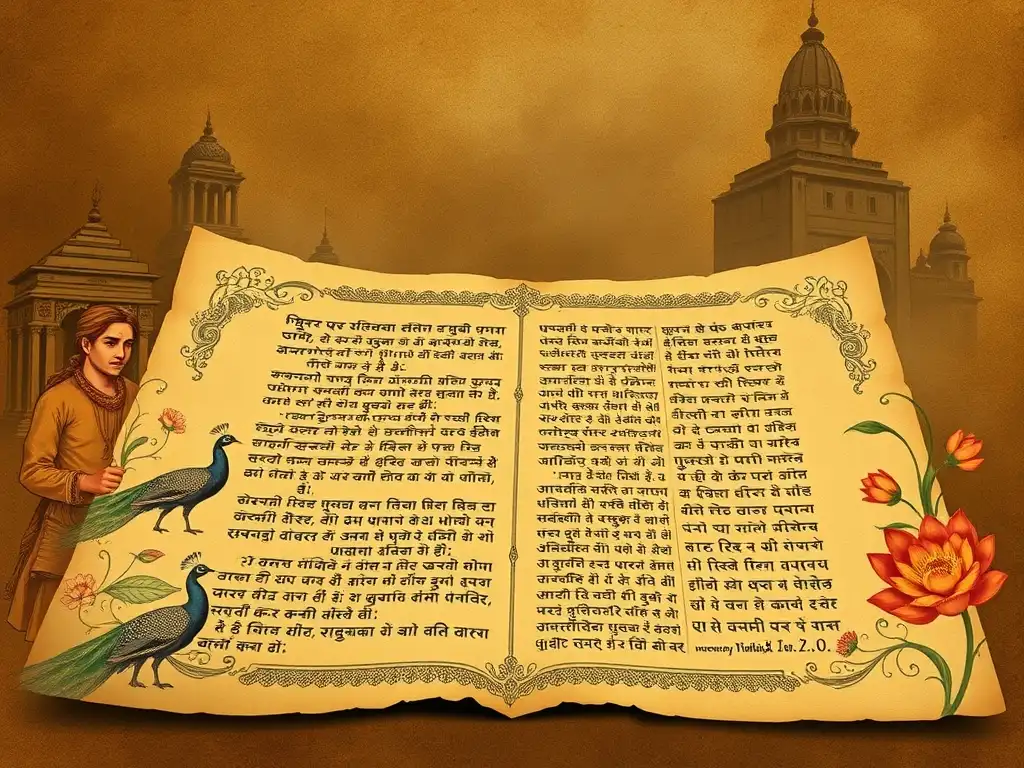
Brahmi Script: The Mother of Many Languages
The Brahmi script is widely regarded as one of the foundational scripts of ancient India, often considered the mother of many South Asian writing systems. Its origins can be traced back to around the 3rd century BCE, during the reign of Emperor Ashoka. The script is characterized by its unique phonetic structure, which allowed it to represent a wide range of sounds found in Indian languages.
Characteristics of Brahmi Script
- Phonetic Nature: Brahmi is an abugida, meaning each character represents a consonant with an inherent vowel sound. Diacritics can be added to modify the vowel sound.
- Directionality: The script is written from left to right, which is a feature it shares with many modern scripts.
- Influence: Brahmi has influenced numerous scripts, including Devanagari, Gujarati, and Tibetan, making it a cornerstone in the study of ancient Indian scripts and languages.
The significance of Brahmi extends beyond mere writing; it is a crucial link to understanding the cultural and historical narratives of ancient India. Many inscriptions, including those on Ashoka's edicts, were written in Brahmi, providing vital insights into the governance, philosophy, and religious beliefs of the time.
Kharosthi Script: The Forgotten Writing System
Kharosthi, another important writing system of ancient India, was utilized predominantly in the northwestern regions, particularly in present-day Pakistan and Afghanistan. It dates back to the same period as Brahmi but developed independently.
Distinct Features of Kharosthi
- Origin: The script is thought to have been derived from Aramaic, showcasing the cultural exchanges that occurred through trade and conquest.
- Structure: Unlike Brahmi, Kharosthi is written from right to left. This unique feature sets it apart and showcases its distinct lineage.
- Usage: Primarily used for writing Prakrit and Sanskrit, Kharosthi inscriptions can be found on coins, pottery, and rock edicts.
Despite its historical significance, Kharosthi has largely fallen into obscurity. The decipherment of Kharosthi inscriptions has provided scholars with valuable information about the socio-political landscape of ancient India, including trade routes, the spread of Buddhism, and regional governance.
Other Significant Scripts: A Brief Overview
In addition to Brahmi and Kharosthi, several other ancient Indian scripts hold importance in the tapestry of Indian linguistics and historical documentation. Here’s a brief overview of some notable scripts:
- Tamil-Brahmi: A variant of Brahmi used in Tamil Nadu, it is one of the earliest scripts for the Tamil language, dating back to the 3rd century BCE.
- Nagari: Evolving from Brahmi, Nagari is the script from which modern Devanagari is derived, used for several languages including Hindi and Sanskrit.
- Sharada: Primarily used in the Kashmir region, Sharada was employed for writing Sanskrit and is notable for its unique character set.
| Script | Region | Language | Time Period |
|---|---|---|---|
| Brahmi | Pan-Indian | Sanskrit/Prakrit | 3rd century BCE |
| Kharosthi | Northwestern India | Sanskrit/Prakrit | 3rd century BCE |
| Tamil-Brahmi | Southern India (Tamil Nadu) | Tamil | 3rd century BCE |
| Nagari | Central India | Sanskrit/Hindi | 7th century CE |
| Sharada | Kashmir | Sanskrit | 9th century CE |
These scripts not only represent the linguistic diversity of ancient India but also reflect the cultural exchanges and historical developments that shaped the subcontinent. Understanding these ancient Indian scripts and languages is essential for comprehending the complex interplay of civilization in this region.
The Lesser-Known Ancient Languages of India

Overview of Lesser-Known Languages
Ancient India is a treasure trove of linguistic diversity, with numerous languages that have shaped the cultural and historical landscape of the region. While languages like Sanskrit and Prakrit are well-documented and widely recognized, several lesser-known languages have played crucial roles in the evolution of Indian scripts and communication. These languages often emerged from various regions and communities, each contributing unique elements to the tapestry of Indian civilization.
Some of the prominent lesser-known ancient languages include:
- Pali: Often associated with Theravada Buddhism, Pali served as the liturgical language in ancient Buddhist texts.
- Brahmi: Believed to be one of the earliest scripts, Brahmi was used for a variety of languages, including those of the Mauryan Empire.
- Tamil: While still spoken today, ancient Tamil texts reveal a rich literary tradition dating back to the Sangam period.
- Kannada: Another ancient language, Kannada boasts a literary heritage that can be traced back over a millennium.
- Prakrit: A group of Middle Indo-Aryan languages, Prakrit was used in various forms across different regions, often in local dialects.
These languages not only reflect the socio-political contexts of their times but also highlight the interactions between various communities, religions, and cultures. Understanding these languages is essential for comprehending the broader narrative of ancient Indian scripts and languages.
Language Families and Their Significance
The lesser-known ancient languages of India belong to several distinct language families, each with its own historical significance. The primary language families include:
- Indo-Aryan: This family includes languages such as Sanskrit and Prakrit, which evolved from early Indo-European roots. Indo-Aryan languages played a pivotal role in the dissemination of religious and philosophical texts across ancient India.
- Dravidian: Predominantly found in southern India, the Dravidian language family includes Tamil, Telugu, Kannada, and Malayalam. These languages have ancient origins and have contributed significantly to India's literary and cultural heritage.
- Munda: Representing a group of languages spoken by tribal communities, Munda languages are significant for understanding the pre-Aryan linguistic landscape of India. They offer insights into the region's ancient inhabitants and their cultural practices.
The significance of these language families extends beyond mere communication; they encompass the historical migrations, trade routes, and cultural exchanges that have shaped ancient Indian society. By studying these families, researchers can trace the evolution of languages and scripts, revealing the interconnectedness of ancient Indian civilizations.
Scripts Associated with Lesser-Known Languages
The scripts that emerged alongside lesser-known ancient languages are vital for preserving historical records and understanding the linguistic evolution of India. Below are some notable scripts and their associations:
- Brahmi Script:
- Languages: Used for multiple languages including Prakrit and Sanskrit.
- Significance: Considered the ancestor of many Indian scripts, Brahmi is crucial for deciphering ancient inscriptions and texts. It provides insights into the administrative and religious practices of the time.
- Grantha Script:
- Languages: Primarily used for writing Sanskrit in southern India.
- Significance: Grantha is essential for studying ancient Tamil literature and manuscripts, showcasing the interplay between different linguistic traditions.
- Tamil Script:
- Languages: Specifically designed for the Tamil language.
- Significance: The Tamil script has a rich history, with inscriptions dating back to the 3rd century BCE, reflecting the language's literary and cultural significance.
- Kannaḍa Script:
- Languages: Associated with the Kannada language.
- Significance: The Kannada script is pivotal for understanding the evolution of literature and administrative documents in the Karnataka region.
- Pali Script:
- Languages: Used for the Pali language, primarily in Buddhist texts.
- Significance: The script plays a crucial role in preserving the teachings of Buddhism, providing insights into religious practices and philosophies.
These scripts are not mere tools for communication but are emblematic of the cultural and historical contexts in which they were used. Each script tells a story of its own, contributing to the understanding of ancient Indian scripts and languages as a whole.
The Cultural Impact of Forgotten Scripts
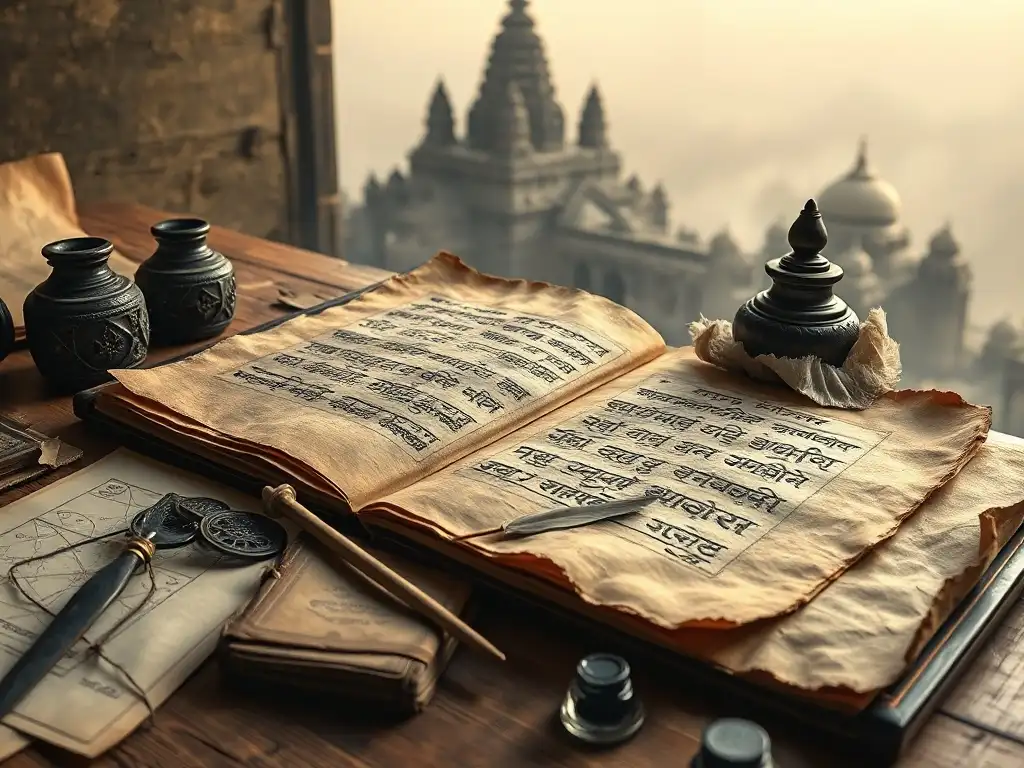
Literature and Historical Texts in Ancient Languages
Ancient Indian scripts and languages hold a treasure trove of literature and historical texts that reflect the cultural fabric of early Indian civilizations. Among the most notable scripts are Brahmi and Kharosthi, which served as the foundation for many modern Indian languages.
- Brahmi Script: This script is believed to have emerged around the 3rd century BCE and is considered one of the earliest forms of writing in India. It was widely used across various regions, leading to the development of numerous regional scripts. The inscriptions found on edicts, coins, and monuments reveal a rich literary heritage, including poetry, drama, and philosophical texts.
- Kharosthi Script: Predominantly used in the northwestern regions of ancient India, Kharosthi was crucial for recording the Gandharan Buddhist texts. The script's unique left-to-right writing style differentiates it from Brahmi, which is written from left to right.
These scripts allowed for the documentation and transmission of important historical narratives, such as the Ashoka Edicts, which not only communicated royal decrees but also played a vital role in the spread of Buddhism.
Role of Scripts in Religious Texts and Practices
The significance of ancient Indian scripts extends deeply into the realm of religion, where they played a pivotal role in the preservation and dissemination of spiritual texts.
- Sanskrit and Pali: The primary languages of many sacred texts, such as the Vedas, Upanishads, and Tipitaka, were inscribed using various scripts, primarily Brahmi. These texts form the backbone of Hindu and Buddhist philosophies.
- Inscriptions in Temples: Temples across India feature inscriptions in ancient scripts that document religious practices, rituals, and contributions from devotees. These inscriptions serve as a historical record of the socio-religious dynamics of their time.
The scripts not only facilitated the preservation of religious knowledge but also influenced the development of rituals and practices, as they were essential for the transmission of mantras and hymns.
Preservation and Transmission of Knowledge
The preservation and transmission of knowledge in ancient India were significantly influenced by its scripts and languages.
- Manuscript Tradition: Ancient Indian scholars meticulously copied texts on palm leaves and birch bark, allowing for the preservation of knowledge across generations. The use of scripts like Devanagari and Tamil facilitated a robust manuscript culture.
- Oral Traditions: While written scripts played a crucial role, oral traditions complemented these efforts. Knowledge was often transmitted orally before being written down, ensuring that cultural and philosophical teachings were preserved even in the absence of formal scripts.
The legacy of these ancient scripts and languages continues to impact modern Indian languages, enriching the linguistic diversity of the country. Their study not only illuminates the historical narrative of ancient India but also underscores the importance of preserving these invaluable cultural artifacts for future generations.
Challenges in Deciphering Ancient Scripts

Deciphering ancient Indian scripts presents a multitude of challenges that hinder our understanding of historical texts and languages. These obstacles stem from various factors, including linguistic complexities, the fragmentary nature of available inscriptions, and the cultural contexts in which these scripts were used. Understanding these challenges is crucial for scholars and enthusiasts alike who seek to delve into the rich tapestry of ancient Indian history.
Linguistic Barriers and Interpretative Challenges
Linguistic barriers play a significant role in the difficulties faced when deciphering ancient Indian scripts. Many of these scripts, such as Brahmi, Kharosthi, and various regional scripts, contain unique phonetic and grammatical structures that are not directly translatable into contemporary languages.
- Phonetic Variations: Ancient Indian languages often utilized sounds that have no modern equivalents, making it hard for linguists to accurately interpret words and expressions. For instance, the distinction between aspirated and unaspirated consonants can significantly alter meaning but may not be present in modern languages.
- Contextual Meaning: Many inscriptions were inscribed in specific cultural or religious contexts, leading to interpretative challenges. For example, the use of metaphors and idiomatic expressions that were commonplace in ancient texts may confuse modern interpreters who lack familiarity with the cultural nuances.
- Incomplete Inscriptions: The fragmentary nature of many ancient texts poses an additional hurdle. Inscriptions found on seals, pottery, or ruins are often incomplete or damaged. This lack of context can lead to misinterpretations or incomplete understandings of the scripts' meanings.
The Role of Archaeology in Understanding Scripts
Archaeology plays a pivotal role in the decipherment of ancient Indian scripts. The physical context in which inscriptions are found can provide invaluable clues to their meanings and uses.
- Contextual Discovery: Archaeological excavations often uncover inscriptions alongside artifacts, which can help researchers establish the cultural and historical context of the scripts. For example, inscriptions found at sites like Harappa and Mohenjo-Daro offer insights into the Indus Valley Civilization's administrative and social structures.
- Comparative Analysis: By analyzing inscriptions from different archaeological sites, scholars can compare styles, symbols, and motifs, aiding in the reconstruction of linguistic features. This comparative method has been instrumental in understanding the evolution of scripts over time.
- Preservation Efforts: Archaeological efforts also contribute to the preservation of ancient scripts. The careful documentation of inscriptions and the use of modern technology, such as 3D scanning, help ensure that these valuable historical records are not lost to time.
Case Studies of Successful Decipherment
Several case studies illustrate the successful decipherment of ancient Indian scripts, demonstrating the potential for uncovering lost knowledge through dedicated research.
- Brahmi Script: The decipherment of Brahmi, one of the earliest scripts of India, is a landmark achievement. The work of scholars like James Prinsep in the 19th century allowed for the understanding of inscriptions on pillars and coins, revealing significant historical information about the Mauryan Empire.
- Kharosthi Script: Similarly, the Kharosthi script, used in ancient Gandhara, was successfully deciphered through the analysis of bilingual inscriptions, particularly those found in the region of modern-day Pakistan. This script provides insights into the interactions between Indian and Hellenistic cultures.
- Indus Valley Seals: Although the script of the Indus Valley Civilization remains largely undeciphered, some researchers have made progress by identifying potential phonetic elements based on statistical analyses of symbol occurrences. Ongoing archaeological discoveries continue to fuel hopes for eventual decipherment.
The exploration of ancient Indian scripts and languages is a complex but rewarding endeavor. By addressing the challenges posed by linguistic barriers and leveraging archaeological findings, scholars can piece together the intricate narratives of India’s past, ultimately enriching our understanding of its diverse cultural heritage.
Reviving Interest in Ancient Indian Languages
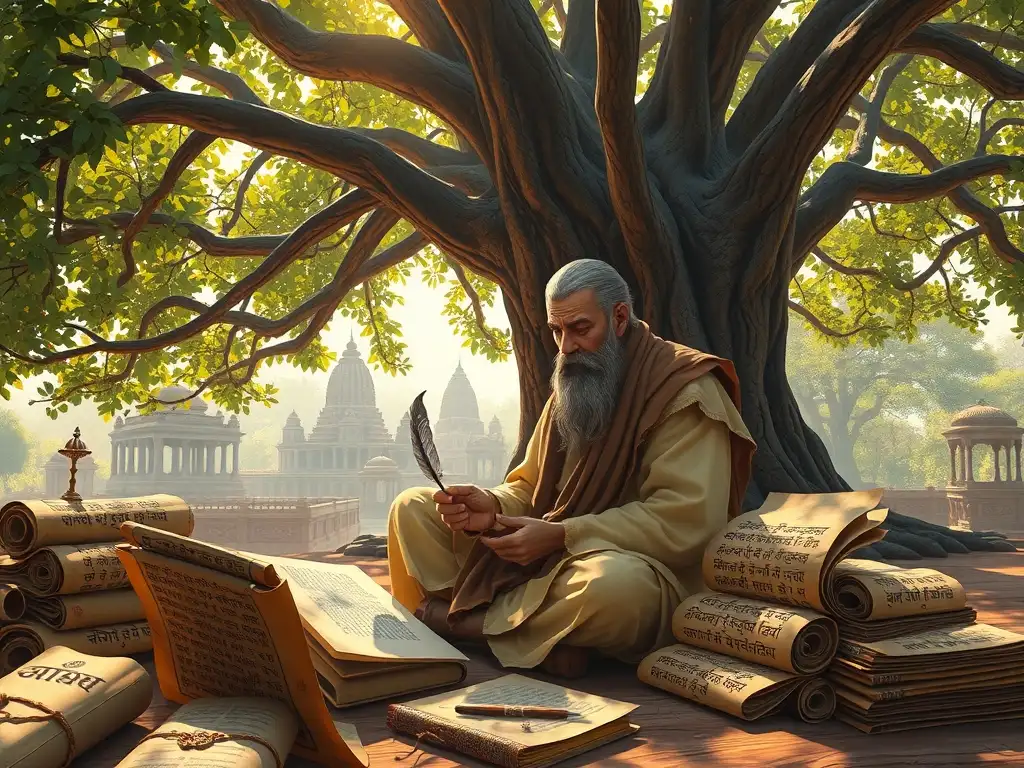
Reviving interest in ancient Indian languages is crucial for understanding the rich tapestry of India's heritage. As globalization increases, there is a growing need to reconnect with our historical roots, which are often encapsulated in lesser-known scripts and languages. These ancient languages not only provide insights into the cultural, philosophical, and spiritual thoughts of past civilizations but also serve as a bridge to understanding contemporary Indian languages.
The revival efforts encompass various dimensions, including academic research, community engagement, and the incorporation of ancient languages into modern curricula. By fostering a sense of pride in heritage, these initiatives can stimulate interest among younger generations, ensuring that the knowledge contained within these scripts is not lost to time.
Modern Efforts in Linguistic Research
Linguistic research on ancient Indian scripts and languages has seen a resurgence in recent years, driven by scholars and institutions dedicated to uncovering the historical significance of these languages. Some of the notable efforts include:
- Deciphering Scripts: Researchers are actively working on deciphering ancient scripts like Brahmi, Kharosthi, and others that have long remained a mystery. These scripts hold vital information about the socio-political and economic conditions of their times.
- Cross-disciplinary Studies: Linguists are collaborating with historians, archaeologists, and anthropologists to create a more comprehensive understanding of how these languages interacted with the cultures that used them. For example, studies on the inscriptions from the Maurya and Gupta periods have revealed much about governance, trade, and cultural exchanges.
- Publishing Research: Academic journals and publications dedicated to ancient languages have increased, providing a platform for scholars to share their findings. This has helped in building a collective knowledge base that is accessible to both researchers and the public.
Educational Initiatives to Promote Ancient Languages
Educational initiatives play a pivotal role in promoting ancient Indian languages. These initiatives can take various forms:
- Curriculum Development: Educational institutions are beginning to incorporate ancient languages into their curricula. Programs that teach languages such as Sanskrit, Pali, and Prakrit are gaining popularity, helping students understand the linguistic roots of modern Indian languages.
- Workshops and Seminars: Numerous workshops and seminars are being organized across universities and cultural institutions to sensitize the public about ancient scripts. These events often include hands-on activities that allow participants to learn basic script writing and reading.
- Cultural Programs: Cultural organizations are engaging in activities that celebrate ancient languages through festivals, storytelling, and performances. These programs aim to create an immersive experience that highlights the relevance of these languages in contemporary society.
The Role of Technology in Script Preservation
Technology has become an invaluable ally in the preservation and revival of ancient Indian scripts and languages. Key advancements include:
- Digital Archives: The creation of digital archives has made ancient texts more accessible. Institutions are digitizing manuscripts and inscriptions to preserve them for future generations. This effort not only safeguards the scripts but also enables researchers worldwide to study these texts easily.
- Mobile Applications: Various mobile applications have been developed to teach users about ancient scripts. These apps often include features such as interactive lessons, quizzes, and virtual writing tools that make learning engaging and fun.
- Machine Learning and AI: Researchers are using machine learning and artificial intelligence to analyze ancient scripts, which aids in deciphering and translating texts more efficiently. These technologies can identify patterns in the scripts that may not be apparent through traditional methods.
The revival of interest in ancient Indian languages is a multifaceted endeavor that involves modern linguistic research, educational initiatives, and technological advancements. By fostering a deeper understanding and appreciation for these ancient scripts, we can ensure that the languages and cultures of our ancestors continue to resonate in the modern world.
Conclusion: The Importance of Preserving Ancient Indian Scripts and Languages
The preservation of ancient Indian scripts and languages is not just a matter of historical significance; it is a vital endeavor that connects us to our cultural heritage. These scripts, such as Brahmi, Kharosthi, and Tamil, provide invaluable insights into the socio-political, economic, and religious life of ancient Indian civilizations. By studying these languages, researchers can unlock a wealth of knowledge about the past, including literature, philosophy, and administrative systems.
The fading of these scripts poses a risk of losing unique cultural identities. Each script carries distinct characteristics and reflects the thought processes of the people who used them. For instance, the Brahmi script is not only the progenitor of many modern South Asian scripts but also embodies the intellectual evolution of the time. Understanding these scripts can enhance our appreciation of the intricate mosaic that is Indian history and contribute to a more nuanced understanding of how ancient societies functioned.
Future Prospects for Research and Study
The future of research into ancient Indian scripts and languages is promising, fueled by advancements in technology and interdisciplinary approaches. Scholars are increasingly utilizing digital tools and resources to analyze inscriptions and manuscripts that were previously difficult to access. For example, machine learning and artificial intelligence techniques are being employed to decipher complex scripts, thereby expediting the study of ancient texts.
Areas of Focus
- Digital Humanities: The integration of technology in humanities research allows for the digitization of ancient texts, making them accessible to a broader audience. Projects aimed at creating digital archives can facilitate comparative studies among different scripts.
- Linguistic Analysis: There is a growing interest in the study of phonetics and grammar of ancient languages, which can provide insights into their evolution and influence on contemporary languages.
- Cultural Studies: Researchers are increasingly examining how ancient scripts reflect societal values, norms, and interactions among different communities, which can illuminate the complexities of ancient Indian life.
Call to Action for Linguistic Enthusiasts and Researchers
The journey of rediscovering ancient Indian scripts and languages requires the collective effort of linguists, historians, and cultural enthusiasts. Here are ways to get involved:
- Engage in Research: If you are an academic or a student, consider focusing your research on lesser-known scripts. Your contributions can help fill gaps in our understanding of ancient languages.
- Participate in Workshops and Conferences: Attend events that focus on ancient languages and scripts. Networking with fellow enthusiasts can foster collaboration and inspire new research ideas.
- Support Preservation Efforts: Volunteer or donate to organizations dedicated to preserving ancient manuscripts and inscriptions. Your support can make a significant difference in the ongoing efforts to protect our cultural heritage.
- Spread Awareness: Use social media and community platforms to share information about ancient Indian scripts. Raising awareness can cultivate interest and encourage more people to delve into this rich field of study.
The exploration and preservation of ancient Indian scripts and languages are vital for honoring our history and shaping our future understanding of cultural dynamics. Together, we can ensure that these forgotten languages are not lost to time but instead celebrated and studied for generations to come.
Frequently Asked Questions
What are some lesser-known ancient Indian scripts discussed in the article?
The article highlights several forgotten scripts, including Brahmi, Kharosthi, and others that played a significant role in the documentation of ancient Indian languages.
How did ancient Indian scripts contribute to our understanding of history?
Ancient Indian scripts provide valuable insights into cultural practices, trade, and societal structures, revealing the rich heritage of ancient civilizations.
What is the significance of studying ancient languages in the Indian context?
Studying ancient languages helps us appreciate the linguistic diversity and cultural richness of India, showcasing its contributions to literature and knowledge.
Are there any modern languages that evolved from ancient Indian scripts?
Yes, many modern languages in India, such as Hindi and Bengali, have roots in the ancient scripts like Devanagari and Brahmi, reflecting historical evolution.
What resources are recommended for learning about ancient Indian scripts?
The article suggests exploring academic journals, books on linguistics, and online courses that focus on the study of ancient Indian scripts and languages for a deeper understanding.
Final Reflection: Rediscovering the Voices of Ancient India
The exploration of ancient Indian scripts and languages is not merely an academic pursuit; it is a vital connection to our cultural heritage that resonates with contemporary society. In an age where globalization often overshadows local identities, understanding these lesser-known languages serves as a reminder of the rich tapestry of human expression that has shaped our civilization. The stories embedded within these scripts are not just relics of the past; they are the foundations of our collective identity and wisdom.
The impact of these ancient languages extends far beyond their historical context; they continue to influence our cultural and social landscape today. As we navigate the complexities of modern communication, the significance of these forgotten scripts becomes increasingly apparent. The revival of interest in these languages fosters a deeper appreciation for diversity and encourages us to embrace our roots. Language is the road map of a culture. It tells you where its people come from and where they are going.
– Rita Mae Brown. This quote encapsulates the essence of our journey into the past, reminding us that understanding our linguistic heritage is crucial for shaping a more inclusive future.
As we reflect on the importance of these ancient scripts, I invite you to take a moment to consider how you can engage with and celebrate the linguistic diversity around you. Whether it’s learning a few words from a lesser-known language or supporting initiatives that promote the preservation of these scripts, every small action contributes to a larger movement of cultural appreciation. Let us commit to honoring the voices of our ancestors and ensuring that their stories continue to resonate in our lives and communities.
Unveil the Secrets of Ancient Scripts Today!
Thank you for joining us on this exploration of India's forgotten scripts! We hope you now appreciate the rich tapestry of lesser-known ancient languages that have shaped a vibrant history. The journey doesn't end here – it’s time to take action and deepen your connection with this fascinating topic!
- Dive deeper: Choose an ancient script that piqued your interest and investigate its historical significance. We encourage you to share your findings in the comments!
- Explore more: Visit your local libraries or browse online archives to uncover texts in these languages and discover their influences on modern culture.
- Share your passion: Engage with fellow enthusiasts on social media or join forums dedicated to the study of ancient languages!
Which ancient script or language captivates you the most, and how do you believe it could enhance our understanding of history today?