
How Ancient Indian Scripts Influence Modern Languages in India


Welcome to Ancient India History, where we embark on a fascinating journey through time to uncover the profound richness and diversity of ancient Indian civilizations. In our featured article, "How Ancient Indian Scripts Influence Modern Languages in India," we delve into the intriguing impact that ancient Indian scripts have had on contemporary languages. What secrets do these scripts hold, and how have they shaped communication in one of the world's most linguistically diverse nations? Join us as we unravel the threads of history and language, igniting your curiosity to explore the depths of this captivating topic!
- Introduction to Ancient Indian Scripts and Their Impact on Modern Languages
- Historical Background of Ancient Indian Scripts
- Ancient Indian Scripts and Their Linguistic Features
- How Ancient Indian Scripts Impact Modern Languages in India
- Cultural Significance of Ancient Scripts in Modern Language Usage
- The Preservation and Revival of Ancient Indian Scripts
- Conclusion: The Lasting Impact of Ancient Indian Scripts on Languages
- References
- Frequently Asked Questions
- Final Reflection: The Enduring Legacy of Ancient Indian Scripts on Modern Languages
- Unlock the Power of Ancient Scripts Today!
Introduction to Ancient Indian Scripts and Their Impact on Modern Languages
Ancient Indian scripts are a significant aspect of the rich tapestry of India's history and culture. These scripts not only served as vehicles for communication and record-keeping but also played a vital role in shaping the linguistic landscape of the region. From the intricate symbols of the Indus Valley Civilization to the elegant characters of Brahmi and Devanagari, these scripts have left an indelible mark on modern languages spoken in India today. By examining the evolution and influence of these ancient scripts, we can better understand their impact on contemporary linguistic practices, literature, and education in India.
Overview of Ancient Indian Scripts
Ancient Indian scripts encompass a variety of writing systems that emerged over millennia, reflecting the diverse cultures and languages across the subcontinent. Some of the most notable scripts include:
- Indus Script: One of the earliest forms of writing, used by the Indus Valley Civilization (c. 2600–1900 BCE), characterized by its pictographic symbols that remain largely undeciphered.
- Brahmi: Considered the ancestor of most Indian scripts, Brahmi emerged around the 3rd century BCE and laid the foundation for scripts such as Devanagari, Tamil, and Tibetan.
- Kharosthi: Used in ancient Gandhara (modern-day Pakistan) around the same period as Brahmi, Kharosthi was primarily employed for writing Buddhist texts.
- Nagari: A descendant of Brahmi, Nagari became prominent in the 10th century CE and eventually evolved into the modern Devanagari script, widely used for Hindi, Sanskrit, and several other languages.
These scripts were not merely functional; they were also vehicles of culture, philosophy, and religion, influencing a broad range of texts including religious scriptures, literary works, and scientific treatises.
Importance of Ancient Scripts in Linguistic Evolution
The significance of ancient Indian scripts extends beyond their historical usage; they have fundamentally shaped the evolution of modern languages in India. Here are some key points illustrating their importance:
- Cultural Transmission: Ancient scripts facilitated the transmission of knowledge across generations, ensuring that literary and philosophical traditions were preserved and adapted over time.
- Linguistic Diversity: The evolution of scripts allowed for the representation of various regional languages, contributing to the rich linguistic diversity that characterizes modern India.
- Standardization of Language: Scripts like Devanagari have helped standardize languages, promoting literacy and education in regions where they are used, thus impacting socio-economic development.
By understanding the role of these scripts in linguistic evolution, we can appreciate how they continue to influence the way languages are spoken and written today.
Purpose of the Article: Exploring the Impact of Ancient Indian Scripts on Modern Languages
This article aims to delve into the profound impact of ancient Indian scripts on modern languages in India. Through a comprehensive exploration, we will examine:
- The historical context of various ancient scripts and their emergence.
- How these scripts influenced the development of modern languages.
- Specific examples of linguistic features and vocabulary that can be traced back to ancient scripts.
Ultimately, by investigating these connections, we hope to highlight the enduring legacy of ancient Indian scripts in shaping not only the languages of India but also the cultural identity of its people.
Historical Background of Ancient Indian Scripts
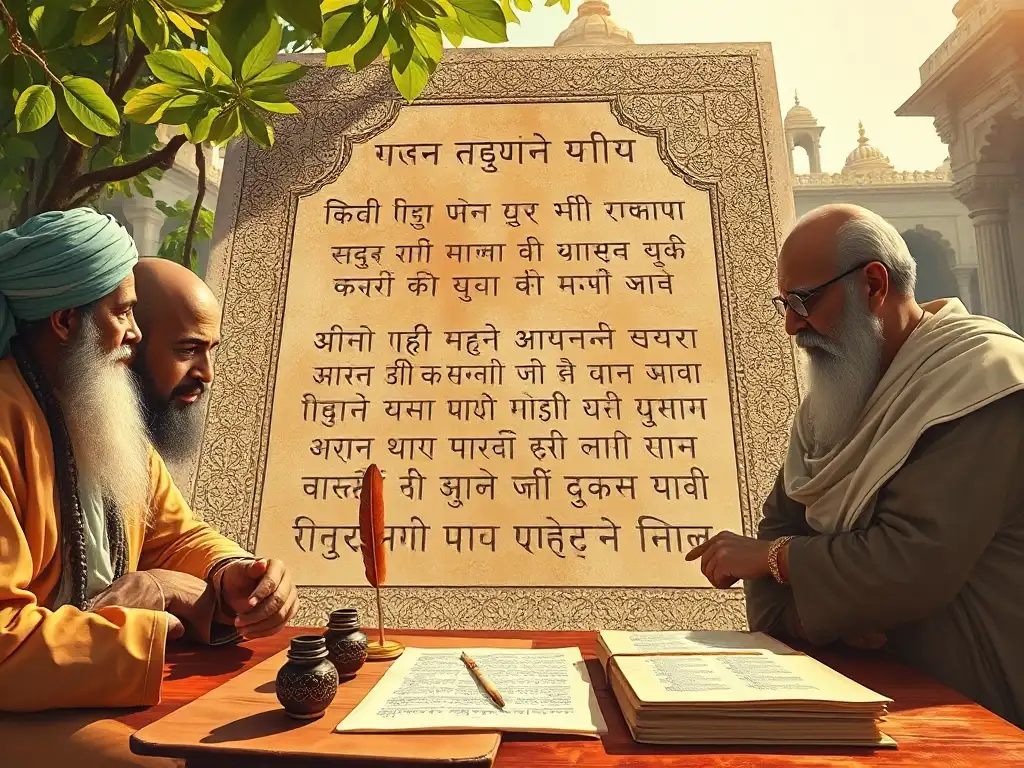
The Origins of Ancient Indian Scripts
The origins of ancient Indian scripts trace back to the early civilizations of the Indian subcontinent, particularly during the Indus Valley Civilization (circa 3300–1300 BCE). While the written records from this civilization remain largely undeciphered, it is believed that the use of symbols and seals indicates an early form of writing. This phase of script is crucial as it sets the groundwork for the development of more complex writing systems.
By the 3rd century BCE, the Brahmi and Kharosthi scripts emerged, marking a significant evolution in the way languages were represented in written form. Brahmi, often regarded as one of the ancestors of most modern Indian scripts, was used primarily in inscriptions on pillars and edicts, while Kharosthi was utilized predominantly in the northwest regions of India. The transition from pictographic symbols to phonetic scripts allowed for greater expression and documentation of the diverse languages spoken across the subcontinent.
Major Ancient Indian Scripts: Brahmi, Kharosthi, and Others
Among the major ancient Indian scripts, Brahmi and Kharosthi stand out as foundational systems that influenced many modern scripts in India.
- Brahmi:
- Developed around the 3rd century BCE, Brahmi is characterized by its syllabic nature. It consists of characters representing consonants with inherent vowel sounds, which can be modified with diacritics.
- It served as the script for various languages, including Sanskrit and Prakrit, and has given rise to numerous descendant scripts, such as Devanagari, Bengali, and Tamil.
- Kharosthi:
- This script was primarily used in the northwestern regions of India and was written from right to left.
- Like Brahmi, Kharosthi was used for writing languages such as Gandhari, a Prakrit language, and has influenced scripts like Urdu and Persian.
Other notable scripts include Tamil Brahmi, used in ancient Tamil Nadu, and Sharada, which was used in Kashmir. These scripts not only represent the linguistic diversity of ancient India but also highlight the regional variations and adaptations that occurred over centuries.
The Role of Ancient Indian Scripts in Historical Documentation
Ancient Indian scripts played a crucial role in preserving the history, culture, and philosophies of ancient Indian civilizations. They served as a medium for documenting various aspects of life, including religion, administration, and societal norms.
- Religious Texts:
- Many sacred texts, such as the Vedas and Upanishads, were written in scripts derived from Brahmi. These texts form the cornerstone of Hindu philosophy and contribute to the understanding of ancient Indian spirituality.
- Administrative Records:
- Inscriptions on pillars, edicts, and coins often utilized Brahmi and Kharosthi to record royal decrees, land grants, and other administrative matters. The Edicts of Ashoka are a prime example of how these scripts were used to communicate governance and moral principles across the vast Mauryan Empire.
- Cultural Preservation:
- Scripts also facilitated the recording of literature, poetry, and historical chronicles. The evolution of written language allowed for the transmission of knowledge across generations, ensuring that cultural practices and traditions were documented and preserved.
The impact of ancient Indian scripts extends beyond their historical significance; they form the bedrock of linguistic development in India, influencing modern languages and scripts that continue to thrive today. The study of these ancient scripts not only enriches our understanding of India's past but also highlights the enduring legacy of its diverse linguistic landscape.
Ancient Indian Scripts and Their Linguistic Features
Ancient Indian scripts have played a pivotal role in shaping the linguistic landscape of the subcontinent. These scripts, primarily derived from Brahmi and Kharosthi, exhibit unique phonetic and structural attributes that have influenced the development of numerous languages across India. The scripts encapsulate features that enhance language representation, phonetic accuracy, and the conveyance of complex ideas, thus laying the groundwork for the evolution of modern languages in the region.
Phonetic and Structural Attributes of Ancient Scripts
The phonetic and structural attributes of ancient Indian scripts are fundamental to understanding their impact on modern languages.
- Phonetic Representation:
- Ancient Indian scripts, particularly Brahmi, utilized a syllabic system that allowed for a direct correlation between sounds and symbols. This system enabled the representation of a wide range of phonemes, making it adaptable for various languages.
- The scripts featured vowel diacritics, which modified consonants to represent different vowel sounds. This innovation allowed for precise phonetic transcription, facilitating accurate pronunciation and comprehension.
- Structural Complexity:
- The structural complexity of these scripts is evident in their composite characters, where consonants and vowels are combined to form syllables. This characteristic not only streamlined writing but also mirrored the phonological structure of the languages they represented.
- Additionally, ancient scripts often employed ligatures—the joining of two or more characters—further enhancing readability and aesthetic appeal. This practice has influenced modern scripts in India, where ligatures remain common.
- Grammatical Functions:
- Ancient Indian scripts were not merely tools for communication; they encoded grammatical functions through specific symbols and structures. For instance, the use of inflectional endings in scripts indicated tense, case, and number, which is a practice that persists in various modern languages.
The intricate design of these scripts provided a framework that allowed for the preservation and transmission of linguistic knowledge, making them critical to the evolution of languages in India.
Influence on Language Families in India
The influence of ancient Indian scripts extends across multiple language families, each adapting the core principles of these scripts to suit their unique linguistic characteristics.
- Indo-Aryan Languages:
- Languages such as Hindi, Bengali, and Punjabi derive much of their script and structure from Brahmi. The Devanagari script, widely used for Hindi, incorporates features from ancient scripts, including phonetic representation and vowel markings.
- Dravidian Languages:
- The Dravidian language family, which includes Tamil, Telugu, and Kannada, has also been significantly influenced by ancient scripts. For example, the Tamil script evolved from Brahmi and retains several phonetic attributes that facilitate the representation of Dravidian phonology.
- Sino-Tibetan and Austroasiatic Languages:
- Even languages from different families, such as those in the Sino-Tibetan and Austroasiatic groups, show elements of influence from ancient scripts. The phonetic representations found in these scripts have allowed for a broader adoption of linguistic features, enriching the language family’s lexicon.
The intermingling of these ancient scripts with various languages illustrates how they acted as a bridge, connecting diverse linguistic heritages and fostering mutual influence.
Scripts and Their Connection to Regional Languages
The connection between ancient scripts and regional languages is profound, as these scripts served as catalysts for linguistic development in specific geographical areas.
- Regional Variations:
- Different regions adapted ancient scripts to create unique regional scripts. For instance, the Bengali script evolved from the Brahmi and has distinct features that cater to the phonetics of the Bengali language. Similarly, the Gujarati script has its roots in the Devanagari and reflects the phonetic nuances of Gujarati.
- Cultural Significance:
- Ancient Indian scripts not only influenced language structures but also bore cultural significance. They were used in religious texts, administrative documents, and literary works, thereby embedding themselves into the cultural fabric of various regions. The scripts carried meanings beyond mere phonetics, often embodying the philosophical and spiritual ethos of the time.
- Modern Adaptations:
- Today, many regional languages continue to evolve while retaining the essence of their ancient scripts. The adaptations reflect contemporary linguistic needs while honoring historical roots. For example, modern Hindi retains the structure of ancient scripts but incorporates loanwords and new expressions from global languages, showcasing a dynamic interplay between tradition and modernity.
The intricate relationship between ancient Indian scripts and regional languages underscores the lasting impact of these scripts on the linguistic diversity of India. Their influence continues to resonate, shaping contemporary languages while preserving a link to the rich tapestry of ancient Indian civilization.
How Ancient Indian Scripts Impact Modern Languages in India

Direct Lineage of Modern Scripts from Ancient Indian Scripts
The influence of ancient Indian scripts on modern languages is profound and multifaceted. Many contemporary scripts in India can trace their origins directly back to ancient writing systems, primarily Brahmi and Kharosthi. These scripts served as the foundation for various regional scripts, which have evolved over centuries, adapting to local languages and cultural contexts.
- Brahmi Script:
- Historical Context: Brahmi is one of the oldest writing systems used in the Indian subcontinent, dating back to the 3rd century BCE. It is believed to have been used for writing various languages, including Prakrit and Sanskrit.
- Evolution: Over time, Brahmi gave rise to numerous scripts, including Devanagari (used for Hindi, Marathi, and Sanskrit), Bengali, and Gujarati. Each derivative script retains essential characteristics of Brahmi but adapts to the phonetic needs of the language it represents.
- Kharosthi Script:
- Historical Context: Used primarily in the northwest regions of India, Kharosthi emerged around the same time as Brahmi, serving mainly the Gandhara region.
- Influence: Although less widespread than Brahmi, Kharosthi influenced scripts used in Central Asia and even contributed to the development of scripts like the Persian Nasta'liq.
The transition from these ancient scripts to modern-day counterparts illustrates a clear line of linguistic and cultural continuity, showcasing the enduring legacy of ancient Indian scripts.
Case Studies: Influence on Hindi, Bengali, and Other Languages
The impact of ancient Indian scripts on modern languages can be observed through specific case studies, particularly in Hindi, Bengali, and other regional languages.
- Hindi:
- Script: Hindi is written in Devanagari, a descendant of the Brahmi script.
- Linguistic Features: The phonetic structure of Hindi, including its use of vowels and consonants, is deeply rooted in the Brahmi system. The ability to represent sounds accurately allows for a rich vocabulary derived from Sanskrit, which has been preserved through centuries.
- Bengali:
- Script: The Bengali script, also derived from Brahmi, evolved uniquely to accommodate the phonetics of the Bengali language.
- Cultural Reflection: The script not only reflects the sounds of the language but also embodies the rich literary heritage of Bengal, making it a crucial component of Bengali identity.
- Other Languages:
- Gujarati: Like Hindi and Bengali, Gujarati script stems from Brahmi. It has distinct features that cater to the phonological aspects of the Gujarati language, showcasing regional adaptations.
- Punjabi: The Gurmukhi script, used for Punjabi, has its roots in the ancient scripts and highlights the linguistic diversity in the region.
These case studies highlight how ancient Indian scripts have shaped the writing systems of modern languages, ensuring their survival and adaptation across generations.
The Role of Ancient Scripts in Shaping Vocabulary and Grammar
Ancient Indian scripts have not only influenced the writing systems of modern languages but have also played a crucial role in shaping vocabulary and grammar.
- Vocabulary Development:
- Sanskrit Influence: Many modern Indian languages, especially Hindi and Bengali, have a substantial amount of vocabulary derived from Sanskrit, which was primarily documented in ancient scripts. Terms for science, philosophy, and arts trace their lineage back to ancient texts.
- Lexical Borrowing: The presence of ancient scripts has facilitated the borrowing of words across languages, enriching the lexicon of modern tongues. For instance, technical and scholarly terms are often borrowed directly from Sanskrit.
- Grammatical Structures:
- Morphological Patterns: The grammatical frameworks of languages like Hindi and Bengali exhibit patterns reminiscent of their ancient counterparts. For example, verb conjugations and noun declensions in these languages reflect the complexities of Sanskrit grammar, which was meticulously recorded in ancient scripts.
- Syntax and Sentence Formation: The influence of ancient scripts extends to syntax, with many modern languages adopting similar sentence structures, making them more congruent with their historical roots.
The impact of ancient Indian scripts on modern languages is a testament to the rich cultural and linguistic heritage of India. By examining direct lineages, specific case studies, and the influence on vocabulary and grammar, we can appreciate the depth of this historical connection.
Cultural Significance of Ancient Scripts in Modern Language Usage
Scripts as a Reflection of Cultural Identity
Ancient Indian scripts are more than mere symbols; they embody the rich tapestry of cultural identity that has evolved over centuries. Each script, from Brahmi to Devanagari, carries with it the history, philosophy, and aesthetics of its time. For instance, Brahmi, considered one of the earliest scripts, laid the foundation for many modern Indian languages such as Hindi, Bengali, and Marathi. This connection to ancient roots helps communities maintain a sense of belonging and continuity, emphasizing the importance of preserving these scripts in contemporary usage.
Moreover, various regional scripts like Tamil and Gurmukhi not only represent languages but also reflect the distinct cultural narratives of their respective communities. The revival and promotion of these scripts in educational institutions and local contexts affirm their significance in reinforcing cultural identity.
For example:
- Bengali script is integral to the Bengali identity, celebrated during the Pohela Boishakh (Bengali New Year) with traditional writings and poetry.
- Gurmukhi, associated with Sikh culture, is celebrated through religious texts, further solidifying the cultural identity of Punjabi speakers.
The Continuity of Language and Script Traditions
The relationship between ancient scripts and modern languages illustrates a continuity that transcends time. Many contemporary Indian languages, while evolving, still retain elements from their ancient counterparts. This linguistic evolution is not merely a transformation but a dialogue across generations, showcasing how ancient Indian scripts have impacted languages.
One prominent example is Devanagari, which is used for several languages, including Hindi, Marathi, and Sanskrit. Its structure and phonetics can be traced back to ancient scripts like Brahmi, highlighting how the foundational elements have endured.
- Phonetic Richness: Ancient scripts were designed to capture the phonetic nuances of languages, which continues to influence modern pronunciation and vocabulary.
- Script Variability: Different regions have adapted these scripts to suit their linguistic needs, resulting in dialectical variations that enrich the language landscape of India.
This continuity is crucial for understanding how language and script serve as vehicles for cultural transmission and historical legacy, reinforcing the notion that ancient Indian scripts significantly impact languages today.
Influence of Ancient Indian Scripts on Literature and Arts
The impact of ancient Indian scripts extends into the realms of literature and arts, where they have inspired countless works that resonate even today. The scripts have been instrumental in documenting philosophical treatises, poetry, and religious texts, forming the bedrock of India’s literary heritage.
For instance, Sanskrit literature, inscribed in Brahmi and later in Devanagari, has had a profound influence on contemporary literature. Works like the Mahabharata and Ramayana continue to inspire modern storytelling, theater, and cinema.
Key Contributions:
- Poetry and Prose: Ancient scripts allowed the preservation of poetic forms and prose styles that influence modern writers. The rhythmic patterns and literary devices established in ancient texts are still echoed in modern Indian literature.
- Visual Arts: The scripts also played a role in visual arts, where calligraphy and inscriptions became a form of artistic expression. The intricate designs seen in temple carvings and manuscripts showcase the aesthetic value of these scripts.
The impact of ancient Indian scripts on languages, literature, and arts is profound and multifaceted. By understanding their cultural significance, continuity, and artistic influence, we gain deeper insight into the linguistic heritage that shapes modern India.
The Preservation and Revival of Ancient Indian Scripts
Efforts to Preserve Ancient Scripts
The preservation of ancient Indian scripts is crucial not only for maintaining the linguistic heritage of the subcontinent but also for fostering a sense of cultural identity. Various organizations and institutions have been actively working to document and preserve these scripts. Notably, the National Archives of India and various state archaeological departments have undertaken projects to catalog ancient manuscripts written in scripts like Brahmi, Kharosthi, and others. These initiatives aim to digitize texts and make them accessible to researchers and the public.
Additionally, local universities and research institutions have launched workshops and seminars aimed at educating scholars and enthusiasts about ancient scripts. For instance, the University of Delhi offers specialized courses in ancient Indian scripts, enabling students to delve into the intricacies of Brahmi, Tamil, and other regional scripts.
Moreover, grassroots movements, often led by cultural organizations, have arisen to promote the use of ancient scripts in everyday life. This includes the revival of traditional calligraphy practices and the organization of exhibitions that showcase the beauty and significance of these scripts.
Modern Educational Approaches to Ancient Script Studies
Educational institutions across India are increasingly recognizing the importance of ancient Indian scripts in linguistics and history. Programs have been developed that focus on the study of these scripts from both historical and contemporary perspectives.
- Interdisciplinary Courses: Many universities now offer interdisciplinary courses that combine linguistics, archaeology, and cultural studies, allowing students to approach ancient scripts from multiple angles.
- Research Collaborations: Institutions are forging partnerships with international universities to enhance research quality and share findings on ancient scripts. This collaboration often includes shared resources, allowing for comprehensive studies of ancient texts.
- Digital Resources: The advent of technology has led to the creation of online databases that feature ancient texts, with transliterations and translations available. Platforms such as Digital South Asia Library are instrumental in making these resources widely accessible.
In addition, the integration of ancient scripts into modern language studies has led to a deeper understanding of how these scripts influenced contemporary languages. Linguistics programs are beginning to include modules on the phonetic and syntactic structures of ancient scripts to better inform students about their historical significance.
The Future of Ancient Indian Scripts in Contemporary Linguistics
The future of ancient Indian scripts in contemporary linguistics appears promising, as there is a growing recognition of their importance in understanding the evolution of languages in India. The impact of ancient Indian scripts on modern languages can be seen in several areas:
- Language Revitalization: Efforts to revive languages that have historical roots in ancient scripts, such as Sanskrit and Prakrit, are gaining momentum. Educational initiatives aimed at younger generations are crucial for this revitalization.
- Script Standardization: As various dialects and regional languages continue to evolve, there is a push for the standardization of scripts. This development not only aids in literacy but also ensures that ancient scripts are preserved in their authentic forms for future generations.
- Research and Innovation: Linguistic research focused on ancient scripts is expected to grow, leading to innovations in teaching methods and the creation of new educational materials. Scholars are investigating the cognitive impact of learning ancient scripts on modern language acquisition, which can enhance linguistics as a discipline.
- Cultural Integration: There is significant potential for integrating ancient scripts into cultural narratives, storytelling, and art forms, thereby reinforcing their relevance in modern society.
Through these efforts, the ancient Indian scripts will not only preserve their historical significance but also continue to influence modern languages, showcasing their enduring legacy in the tapestry of Indian culture.
Conclusion: The Lasting Impact of Ancient Indian Scripts on Languages
Summary of Key Points
The exploration of ancient Indian scripts reveals a profound influence on modern languages in India. Key points to consider include:
- Diversity of Scripts: Ancient scripts such as Brahmi and Kharosthi laid foundational structures for numerous languages, including Hindi, Bengali, and Tamil. Their phonetic and morphological features continue to shape the lexicons and grammar of these languages.
- Cultural Transmission: The scripts facilitated the transmission of knowledge, literature, and religious texts across regions, creating a linguistic tapestry that interweaves various dialects and languages.
- Script Evolution: Many modern scripts, such as Devanagari and Grantha, directly evolved from ancient Indian scripts. Understanding this evolution helps linguists trace the development of sound systems and writing conventions.
- Linguistic Heritage: The study of ancient Indian scripts not only reveals the linguistic heritage of India but also highlights the connections between language, culture, and identity.
The Importance of Understanding Ancient Scripts for Modern Linguistic Studies
Understanding ancient Indian scripts is crucial for modern linguistic studies for several reasons:
- Historical Linguistics: Researchers can trace language evolution and relationships among Indo-Aryan and Dravidian languages by analyzing inscriptions and manuscripts. This historical context aids in reconstructing lost languages and understanding language families.
- Cognitive Linguistics: The complexity of ancient scripts provides insights into how language structures influence thought processes. The relationship between script and language can inform theories about how humans conceptualize and communicate their experiences.
- Preservation of Linguistic Heritage: By studying ancient scripts, linguists can contribute to the preservation of endangered languages that may have roots in these scripts. This preservation is essential for maintaining cultural diversity and identity.
- Interdisciplinary Research: The study of ancient scripts encourages collaboration across disciplines, including archaeology, anthropology, and history, enriching the overall understanding of linguistic development.
Final Thoughts on the Cultural Heritage of Ancient Indian Scripts
The cultural heritage embedded in ancient Indian scripts is not merely a relic of the past; it is a living testament to the ingenuity and creativity of ancient civilizations. These scripts encapsulate:
- Philosophical and Literary Richness: Ancient texts written in these scripts contain profound philosophical thoughts and literary masterpieces that continue to inspire modern writers and thinkers.
- Unity in Diversity: The adaptability and evolution of ancient scripts reflect the unity and diversity of Indian culture, heralding a legacy that transcends regional and linguistic boundaries.
- Influence on Modern Education: Understanding ancient scripts can enhance modern educational curricula, fostering a deeper appreciation for linguistic diversity among students.
The impact of ancient Indian scripts on modern languages is a testament to their lasting legacy, shaping not just the linguistic landscape of India but also the cultural and intellectual heritage that continues to thrive today. Their study is essential for understanding the past, enriching the present, and guiding the future of linguistic scholarship.
References
Suggested Readings on Ancient Indian Scripts and Languages
Exploring ancient Indian scripts is vital to understanding their influence on modern languages in India. Here are some key readings that provide insights into the development, usage, and impact of these scripts:
-
"The Indus Script: A Historical and Linguistic Perspective"
This book delves into the undeciphered Indus script and its potential connections to later languages, examining archaeological findings and linguistic theories.
-
"Brahmi and its Descendants: A Study of Ancient Indian Scripts"
This comprehensive text examines the Brahmi script, its evolution, and its descendants, such as Devanagari and Tamil scripts, highlighting their impact on regional languages.
-
"Sanskrit Grammar and Linguistic Structure"
A detailed analysis of Sanskrit grammar, this book discusses how ancient linguistic frameworks have shaped the grammar of modern Indo-Aryan languages.
-
"The Role of Prakrit in the Development of Modern Languages"
This reading explores the Prakrit languages as a bridge between ancient and modern dialects, emphasizing their influence on contemporary vernaculars.
-
"Scripts of Ancient India: A Historical Overview"
This work provides an extensive overview of various ancient scripts, including their origins, uses, and their lasting legacies in modern Indian languages.
Notable Studies and Research Papers on Linguistic Impact
Numerous research papers have explored the impact of ancient Indian scripts on contemporary languages. Here are some notable studies that stand out in this field:
-
"Linguistic Continuity: The Influence of Brahmi on Modern Scripts"
This study analyzes how the Brahmi script has influenced the development of various modern scripts across India, providing a comparative analysis with examples.
-
"From Vedic to Modern: Tracing the Evolution of Hindi"
This research traces the linguistic evolution from Vedic Sanskrit to modern Hindi, highlighting the scriptural influences along the way.
-
"The Impact of Ancient Inscriptions on Language Development in India"
Focusing on inscriptions from different dynasties, this paper discusses how these texts have contributed to the vocabulary and syntax of regional languages.
-
"Prakrit Languages as the Foundation of Modern Indian Dialects"
This research investigates the role of Prakrit languages in shaping the phonetic and grammatical features of contemporary dialects in India.
-
"Deciphering the Past: How Ancient Scripts Influence Modern Syntax"
This paper examines the syntactic structures of modern languages influenced by ancient scripts, providing a linguistic analysis of continuity and change.
By engaging with these resources, readers can gain a deeper understanding of how ancient Indian scripts have significantly impacted the evolution of languages in India, reflecting the rich tapestry of cultural and linguistic heritage.
Frequently Asked Questions
What are ancient Indian scripts?
Ancient Indian scripts are writing systems developed in India, such as Brahmi and Kharosthi, which have significantly influenced the evolution of modern languages in the region.
How did ancient Indian scripts impact modern languages?
Ancient Indian scripts laid the foundation for many contemporary languages in India, with their phonetic systems and grammatical structures being adopted and adapted over time.
Which modern languages are most influenced by ancient Indian scripts?
Languages like Hindi, Bengali, and Gujarati have been deeply influenced by ancient scripts, particularly through their scripts and vocabulary, which trace back to these early writing systems.
What role did the Gupta Empire play in the development of scripts?
During the Gupta Empire, there was a significant standardization and proliferation of scripts, which helped in the spread of literature and culture, ultimately impacting the languages spoken today.
Are there any surviving examples of ancient Indian scripts?
Yes, many inscriptions and manuscripts still exist, showcasing ancient Indian scripts. These texts provide valuable insights into the linguistic, cultural, and historical contexts of ancient India.
Final Reflection: The Enduring Legacy of Ancient Indian Scripts on Modern Languages
The influence of ancient Indian scripts on contemporary languages in India is not merely a historical footnote; it is a vibrant thread woven into the fabric of our linguistic identity. Today, as we navigate a world increasingly defined by globalization and technological advancement, the roots of our languages remind us of our rich heritage and cultural diversity. The impact of these scripts is profound, shaping not only how we communicate but also how we perceive our cultural narratives.
The legacy of ancient Indian scripts continues to resonate in our daily lives, influencing everything from literature to education and beyond. The scripts serve as a bridge connecting generations, fostering a sense of belonging and continuity in a rapidly changing world. As noted by linguist Dr. Ramesh Kumar, “Language is the soul of a culture, and ancient scripts are the heartbeat that keeps it alive.” This ongoing influence underscores the importance of preserving our linguistic heritage while embracing modernity.
As we reflect on the lessons from ancient Indian scripts, let us take a moment to appreciate the languages we speak and the stories they carry. I invite you to explore your own linguistic roots and consider how they shape your identity and worldview. In doing so, we not only honor our past but also empower ourselves to contribute to the rich tapestry of languages that define our present and future. Embrace the beauty of your language, and let it inspire you to connect with others in meaningful ways.
Unlock the Power of Ancient Scripts Today!
Thank you for diving into the fascinating world of ancient Indian scripts and their lasting impact on modern languages! Your journey through this article has opened the door to understanding the rich linguistic tapestry that shapes communication in India today. Are you ready to explore further and make a difference?
Here are some actionable steps you can take right now:
- Dive deeper: Read about specific ancient scripts like Brahmi or Devanagari and their evolution in modern languages. You might discover surprising connections!
- Share your knowledge: Discuss what you've learned with friends or in online communities to inspire others about the beauty of India’s linguistic heritage.
- Explore a script: Try writing a short message or poem using an ancient script that intrigues you, and share your creation on social media!
What unique insights or connections have you uncovered about the scripts and your own language experiences? We’d love to hear your thoughts!