
Examining the Agricultural Policies of Ancient Indian Rulers and Their Impact


Welcome to Ancient India History, where we delve into the rich tapestry of India’s past, exploring the remarkable civilizations that laid the foundation for modern society. In our featured article, “Examining the Agricultural Policies of Ancient Indian Rulers and Their Impact,” we invite you to uncover how these early strategies not only shaped the agricultural landscape but also influenced the economy and culture of their time.
As you journey through the intricate details of ancient Indian agricultural policies, prepare to discover the profound legacy that continues to resonate today. Join us in unraveling the stories that have shaped a civilization!
- Introduction to Ancient Indian Agricultural Policies
- Historical Context of Agricultural Policies in Ancient India
- Key Features of Ancient Indian Agricultural Policies
- Impact of Agricultural Policies on Society and Economy
- Comparison of Agricultural Policies Among Different Rulers
- Innovations in Crop Cultivation and Harvesting Techniques
- Challenges Faced by Ancient Indian Agricultural Policies
- Conclusion: Legacy of Ancient Indian Agricultural Policies
-
Frequently Asked Questions
- What were the primary agricultural policies of ancient Indian rulers?
- How did the agricultural policies affect the economy of ancient India?
- What role did irrigation play in ancient Indian agriculture?
- Were there any specific crops promoted under ancient agricultural policies?
- How did ancient Indian agricultural practices influence modern agriculture?
- Final Reflection: The Enduring Legacy of Ancient Indian Agricultural Policies
- Unveil the Secrets of Ancient Agricultural Wisdom!
Introduction to Ancient Indian Agricultural Policies
Agriculture has been the backbone of civilizations throughout history, and ancient India is no exception. The agricultural policies implemented by various rulers played a pivotal role in shaping the economic landscape of the region, influencing everything from crop cultivation to trade dynamics.
This article delves into the ancient Indian agricultural policies, examining how they were crafted, their implementation, and their far-reaching impacts on society and the economy. By exploring the intricate relationship between governance and agriculture, we can gain deeper insights into the sustainability and growth of ancient Indian civilizations, from the flourishing Indus Valley to the sophisticated Gupta Empire.
Overview of Agriculture in Ancient India
Agriculture in ancient India was characterized by a variety of crops and innovative techniques that evolved over centuries. The fertile river valleys, particularly those of the Indus and Ganges, provided ideal conditions for farming. Key aspects of ancient Indian agriculture included:
- Diverse Crop Cultivation: Farmers cultivated a range of crops, including wheat, barley, rice, and pulses. This diversity not only supported local diets but also facilitated trade between regions.
- Irrigation Techniques: Ancient Indians developed sophisticated irrigation systems, including canals and wells, to enhance water management. These innovations allowed for increased agricultural productivity, especially in arid regions.
- Seasonal Farming Practices: The agricultural calendar was closely tied to the monsoon seasons, with farmers timing their planting and harvesting according to seasonal rains. This understanding of climate patterns was crucial for successful crop yields.
The meticulous practices and policies surrounding agriculture contributed significantly to the socio-economic stability of ancient Indian societies.
Importance of Agricultural Policies in Ancient Civilizations
Agricultural policies in ancient India were not merely administrative tools; they were vital for sustaining the population and fostering economic growth. The significance of these policies can be highlighted through several key points:
- Economic Development: Agricultural policies directly influenced trade and commerce. By regulating crop production and ensuring food security, rulers could promote surplus production, which in turn stimulated local and regional markets.
- Social Structure: The distribution of land and resources was often dictated by agricultural policies, impacting social hierarchies. Land ownership patterns shaped the dynamics between different classes, including farmers, landlords, and merchants.
- Cultural Impact: Agricultural practices and policies also played a role in cultural and religious life. Festivals related to harvest seasons, such as Makar Sankranti, are rooted in agricultural cycles and reflect the intertwining of agriculture with cultural identity.
- Environmental Sustainability: Ancient agricultural policies often included practices aimed at sustainable land use, such as crop rotation and soil conservation techniques, which ensured long-term agricultural productivity.
Understanding the agricultural policies of ancient rulers provides valuable insights into how these civilizations thrived and adapted to their environments, laying the foundation for future generations.
Historical Context of Agricultural Policies in Ancient India
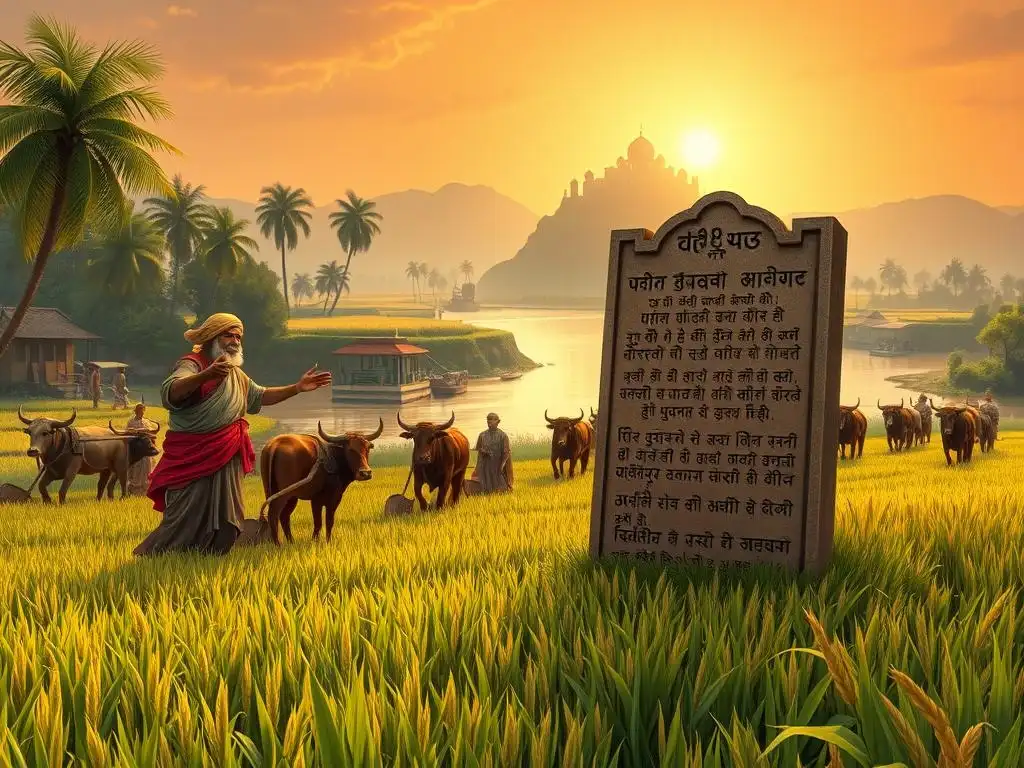
The agricultural policies of ancient Indian rulers were shaped by various environmental, cultural, and economic factors. Understanding this historical context is crucial for grasping the significance of agriculture in the socio-economic framework of ancient India. Agriculture was not merely a means of subsistence but a vital component that influenced trade, social structure, and even political dynamics.
Ancient Indian civilization showcased a sophisticated understanding of agriculture, which evolved over centuries. The transition from nomadic lifestyles to settled farming communities marked a pivotal moment in the development of agricultural policies. This shift allowed rulers to implement structured agricultural practices, taxation, and land management systems, which in turn led to increased productivity and surplus.
Key elements that influenced agricultural policies included:
- Climate and Geography: The diverse climatic zones of India allowed for a variety of crops to be cultivated, leading to tailored agricultural policies. Regions like the fertile plains of the Ganges were particularly conducive to rice and wheat cultivation, while southern India favored millets and spices.
- Technological Innovations: Advances in irrigation techniques and tools, such as the plough and water wheels, facilitated more efficient farming practices. Rulers often promoted these innovations to boost agricultural output.
- Cultural Significance: Agriculture was deeply intertwined with religious and cultural practices, leading to policies that not only focused on productivity but also respected traditional farming methods.
Agricultural Practices in the Indus Valley Civilization
The Indus Valley Civilization, which thrived around 2500 BCE, is renowned for its advanced agricultural practices. This period is characterized by a well-planned urban layout and sophisticated irrigation systems, which laid the foundation for agricultural policies in the region.
- Crop Cultivation: The civilization primarily cultivated wheat, barley, peas, and cotton. Evidence suggests that the people of the Indus Valley practiced crop rotation and seasonal planting, which enhanced soil fertility and yield.
- Irrigation Systems: The use of canals and reservoirs indicates a highly organized approach to water management. Rulers or local leaders likely enforced policies to maintain these irrigation systems, ensuring sustainable agriculture even during dry spells.
- Trade and Economy: Surplus production enabled trade with neighboring regions, facilitating economic growth. Agricultural policies likely included taxation systems that encouraged farmers to produce more for trade, thus enriching the economy.
The agricultural practices of the Indus Valley Civilization not only supported its population but also set a precedent for subsequent civilizations in India, highlighting the importance of state-sponsored agricultural initiatives.
Agricultural Policies during the Mauryan Empire
The Mauryan Empire (322–185 BCE) marked a significant evolution in agricultural policies, primarily under the reign of Emperor Ashoka. The empire's vastness necessitated organized agricultural practices to sustain its large population and military.
- Land Reforms: The Mauryan rulers implemented policies that promoted land ownership among peasants, allowing them to cultivate their lands without undue taxation. This encouraged productivity and stability in rural areas.
- Irrigation and Infrastructure: Ashoka prioritized the development of irrigation systems, including canals and reservoirs. These initiatives were crucial for expanding arable land and improving crop yields across diverse regions.
- Agricultural Taxation: The Mauryan administration established a systematic tax structure based on agricultural production. The policies aimed at ensuring a fair collection of taxes while still incentivizing farmers to maximize their output.
- Promotion of Sustainable Practices: Ashoka's governance included promoting sustainable agricultural practices, such as afforestation and the preservation of natural resources. This not only benefited agriculture but also aligned with his broader philosophy of Dharma.
The agricultural policies during the Mauryan Empire played a crucial role in enhancing food security and economic stability, setting a precedent for future rulers.
Gupta Empire and Its Agricultural Innovations
The Gupta Empire (c. 240–550 CE) is often regarded as a golden age of Indian civilization, and its agricultural policies significantly contributed to this era's prosperity. The Guptas championed innovations that transformed agricultural practices and economic conditions.
- Advancements in Agriculture: The introduction of new crops, such as sugarcane and various fruits, diversified agricultural output. The Guptas encouraged experimentation with crop varieties, leading to improved yields.
- Irrigation Techniques: The expansion of irrigation systems continued, with the construction of more sophisticated canals and water management systems. These innovations allowed for the cultivation of previously uncultivated lands, increasing the agricultural base.
- Land Revenue Systems: The Gupta rulers implemented a more structured land revenue system, which balanced tax collection with the needs of farmers. This system was designed to prevent over-taxation and ensure farmers could sustain their livelihoods while contributing to the empire's economy.
- Promotion of Agricultural Literature: The Gupta period saw the documentation of agricultural practices and techniques in texts like the "Krishi Parashara," which served as a guide for farmers. This emphasis on education reflected the rulers' commitment to improving agricultural knowledge.
The agricultural innovations and policies during the Gupta Empire not only bolstered the economy but also enriched the cultural landscape, demonstrating the integral role of agriculture in ancient Indian society.
Key Features of Ancient Indian Agricultural Policies

Ancient Indian agricultural policies were pivotal in shaping the economy and society of various civilizations. These policies not only facilitated crop cultivation but also established a framework for land ownership, state involvement, and revenue generation. Below, we delve into the key features that defined these policies.
Land Ownership and Tenure Systems
Land ownership in ancient India was characterized by a complex system of tenure rights that varied across regions and time periods. The following are some notable aspects of land ownership:
- Common Land and Private Ownership: Initially, land could be classified as either common land, which was shared among communities, or privately owned land. Over time, the emergence of more structured systems led to the delineation of land ownership.
- Zamindari System: In many regions, particularly during the medieval period, the zamindari system emerged, where land was owned by zamindars (landlords) who were responsible for tax collection. This system often resulted in the exploitation of peasants, who worked the land under these landlords.
- Land Grants: Rulers often granted land to Brahmins, temples, and other institutions as a means of generating loyalty and support. These grants sometimes came with specific obligations, including the cultivation of crops or maintenance of irrigation systems.
- Tenant Rights: Tenants, or cultivators, had varying degrees of rights over the land they worked on. In some cases, they could claim ownership after a certain period, while in others, they remained subject to the whims of landlords.
This diverse array of land tenure systems influenced agricultural productivity and the socio-economic status of various social classes in ancient India.
Role of the State in Agriculture
The role of the state in ancient Indian agriculture was multifaceted, encompassing regulation, support, and intervention. Key elements include:
- Irrigation Projects: The state often undertook large-scale irrigation projects to enhance agricultural output. For instance, the Mauryan Empire invested in the construction of canals and reservoirs, which significantly improved water access for farming.
- Research and Development: Ancient Indian rulers encouraged agricultural innovation by sponsoring research into crop cultivation and farming techniques. This included the introduction of high-yield crops and the use of organic fertilizers.
- Market Regulation: The state played a role in regulating markets to ensure fair prices for both farmers and consumers. This regulation helped stabilize the economy and protect farmers from price fluctuations.
- Disaster Management: During periods of drought or famine, the state intervened by providing relief to affected farmers. This included the distribution of food grains and the implementation of measures to mitigate the impact of natural disasters.
The proactive stance of ancient governments towards agriculture contributed to a stable and productive agricultural sector.
Taxation and Revenue Collection from Agricultural Produce
Taxation policies in ancient India were closely tied to agricultural output and played a crucial role in the economy. Key aspects include:
- Land Revenue Tax: A significant portion of state revenue was derived from land taxes, which were typically assessed as a percentage of the crop yield. This tax was a primary source of income for many ancient kingdoms, such as the Mauryas and Guptas.
- Types of Taxes: Taxes varied based on crop types, land quality, and agricultural practices. Common taxes included cash taxes, grain taxes, and labor obligations, which required farmers to provide a portion of their harvest or labor to the state.
- Tax Collection Mechanisms: Ancient rulers employed a system of officials, known as revenue officers, who were responsible for assessing land and collecting taxes. This system ensured that revenue was collected efficiently and in a timely manner.
- Incentives for Compliance: To encourage tax compliance, states sometimes offered incentives, such as reduced tax rates for early payments or exemptions for particular crops deemed essential for food security.
Overall, the taxation and revenue collection policies significantly impacted agricultural practices and the economic stability of ancient Indian civilizations.
The exploration of these key features highlights the sophisticated nature of ancient Indian agricultural policies and their lasting influence on the region's history and development.
Impact of Agricultural Policies on Society and Economy

Influence on Crop Cultivation Techniques
Ancient Indian agricultural policies significantly shaped the methods and techniques of crop cultivation throughout various periods. Rulers recognized the importance of agriculture not only for sustenance but also as a foundation for economic stability and growth. One of the key advancements was the promotion of irrigation systems.
- Irrigation Development: The construction of canals and reservoirs facilitated water management, allowing farmers to cultivate crops in otherwise arid regions. The Mauryan Empire, for instance, invested heavily in irrigation infrastructure, leading to increased agricultural productivity.
- Crop Rotation and Diversification: Policies encouraged the practice of crop rotation, which improved soil fertility and reduced pest infestations. Farmers were also urged to diversify their crops, cultivating a mix of cereals, pulses, and vegetables, thus ensuring food security and resilience against crop failure.
- Use of Fertilizers: Ancient texts like the 'Krishi Parashara' detailed the use of organic fertilizers, reflecting an understanding of soil health. These practices were supported by rulers who promoted sustainable agriculture, ensuring long-term yields.
The cumulative effect of these agricultural policies was a significant enhancement in crop yields, which not only supported local populations but also contributed to surplus production for trade.
Effects on Rural Development and Community Life
The agricultural policies instituted by ancient Indian rulers had profound implications for rural development and community life. These policies fostered a sense of community and collaboration among farmers, leading to various social changes.
- Formation of Agricultural Cooperatives: Rulers often encouraged the establishment of cooperatives, where farmers could pool resources for purchasing seeds and tools. This collective approach not only reduced costs but also fostered community bonds.
- Social Stratification and Land Ownership: The policies influenced land ownership patterns, creating a class of wealthy landowners while also providing opportunities for tenant farmers. This stratification often dictated the social dynamics within villages, affecting community interactions and governance.
- Cultural Practices and Festivals: Agricultural cycles dictated seasonal festivals, such as Pongal and Baisakhi, which were celebrated to honor the harvest. These festivals reinforced community ties and contributed to the cultural richness of rural life.
Overall, the agricultural policies of ancient Indian rulers not only bolstered agricultural productivity but also transformed rural societies into vibrant communities with shared cultural identities.
Economic Prosperity and Trade Expansion
The agricultural policies implemented during ancient times played a pivotal role in economic prosperity and the expansion of trade networks. By improving agricultural output, rulers were able to stimulate economic activities that extended beyond local markets.
- Surplus Production and Trade: Increased yields allowed for surplus production, which was crucial for trade. Ancient Indian texts document various trade routes connecting India to regions as far as Mesopotamia and Southeast Asia. The export of agricultural products like rice, wheat, and spices became significant contributors to the economy.
- Market Infrastructure: Rulers invested in market infrastructure, facilitating the exchange of goods. The establishment of markets and trade fairs promoted economic interactions, allowing farmers to sell their surplus directly to consumers or traders.
- Taxation Policies: Agricultural policies often included taxation systems that were reinvested into agricultural development. These taxes funded irrigation projects, roads, and marketplaces, creating a feedback loop that further enhanced agricultural productivity and economic growth.
The agricultural policies of ancient Indian rulers not only secured food for their populations but also laid the groundwork for a robust economy, characterized by vibrant trade networks and market activities. The interplay between agriculture and economy was a defining feature of ancient Indian civilization, illustrating the significance of effective governance in shaping societal outcomes.
Comparison of Agricultural Policies Among Different Rulers
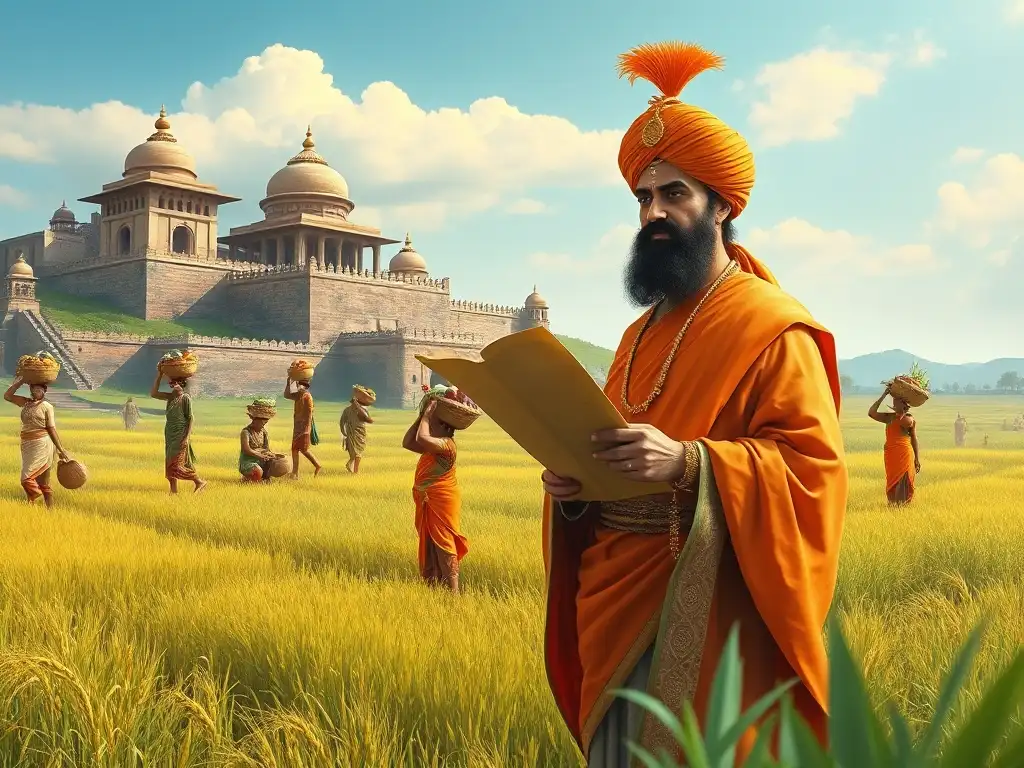
The agricultural policies of ancient Indian rulers varied significantly, reflecting their governance styles, economic philosophies, and the geographical contexts of their empires. A comparative analysis reveals distinct strategies employed by different dynasties, which shaped the agricultural landscape of ancient India.
Policies of Chandragupta Maurya vs. Ashoka the Great
Chandragupta Maurya and his grandson, Ashoka the Great, represent two pivotal figures in the Mauryan dynasty, each with unique agricultural policies that influenced the productivity and sustainability of farming in their realms.
- Chandragupta Maurya (c. 321–297 BCE):
- Chandragupta is credited with the establishment of a centralized administration that emphasized state control over land and resources. His policies included:
- Land Taxation: A significant portion of agricultural produce was levied as tax, which could reach up to 25% of the harvest. This taxation aimed to consolidate state power and fund military campaigns.
- Irrigation Projects: Under his rule, the Mauryan Empire invested in irrigation systems, enhancing crop yield and ensuring a stable food supply.
- Support for Farmers: Policies encouraged the development of agriculture through grants of land to peasants, promoting stability and growth in rural areas.
- Chandragupta is credited with the establishment of a centralized administration that emphasized state control over land and resources. His policies included:
- Ashoka the Great (c. 268–232 BCE):
- In contrast, Ashoka’s reign marked a shift toward more benevolent and welfare-oriented governance:
- Reduction in Tax Burdens: Ashoka reduced land taxes to alleviate the economic pressures on farmers, allowing for increased productivity and better living conditions.
- Promotion of Sustainable Practices: He advocated for sustainable agricultural practices, emphasizing the importance of environmental stewardship in his edicts.
- Public Welfare Initiatives: Ashoka funded agricultural development programs, such as the establishment of agricultural universities and research into crop rotation and diversification.
- In contrast, Ashoka’s reign marked a shift toward more benevolent and welfare-oriented governance:
This contrast illustrates how leadership styles and philosophical beliefs directly influenced agricultural policies and their outcomes in ancient India.
Agricultural Strategies of Gupta Rulers
The Gupta Empire (c. 320–550 CE), often referred to as the Golden Age of India, introduced several innovative agricultural strategies that significantly boosted agricultural productivity and economic prosperity.
- Technological Advancements:
- The Guptas promoted the use of advanced plowing techniques and tools, which improved efficiency in farming. The introduction of the iron plowshare allowed for deeper tilling of the soil, enhancing crop yields.
- Crop Diversification:
- Gupta rulers encouraged the cultivation of a variety of crops, including rice, wheat, barley, and pulses. This diversification helped mitigate the risks associated with crop failure due to pests or adverse weather conditions.
- Encouragement of Trade:
- The Gupta period saw an increase in trade networks, which allowed for the exchange of agricultural products between regions. This not only increased the market for agricultural goods but also facilitated the introduction of new crops and farming techniques from other cultures.
- Irrigation and Water Management:
- The Guptas invested heavily in irrigation systems, including canals and reservoirs, which allowed for more extensive farming and supported population growth in urban centers. This infrastructure laid the groundwork for a more resilient agricultural framework.
These strategies collectively contributed to a flourishing agrarian economy, which was crucial for the overall prosperity of the Gupta Empire.
Regional Variations in Agricultural Practices
Ancient India was characterized by a diverse range of agricultural practices that varied significantly across regions due to differences in climate, soil types, and local customs.
- North India:
- The fertile plains of the Ganges River supported the cultivation of staple crops such as rice and wheat. Farmers employed methods such as flood irrigation to harness river waters, ensuring consistent crop production.
- South India:
- In contrast, the Deccan plateau's arid conditions led to the development of drought-resistant crops like millet and sorghum. Innovative water conservation techniques, including tank irrigation, were employed to maximize agricultural output.
- Western India:
- The arid regions of Gujarat and Rajasthan saw the rise of pastoral farming alongside traditional agriculture. Farmers adapted their practices to incorporate animal husbandry, which complemented crop production and provided additional sources of income.
- Eastern India:
- The coastal regions benefitted from monsoon rains, allowing for the successful cultivation of rice paddies. Community-based water management systems were often implemented to ensure equitable distribution of water resources.
These regional variations demonstrate the adaptability of ancient Indian agricultural practices, shaped by local environmental conditions and cultural influences, thus contributing to the rich agricultural heritage of the subcontinent.
Innovations in Crop Cultivation and Harvesting Techniques
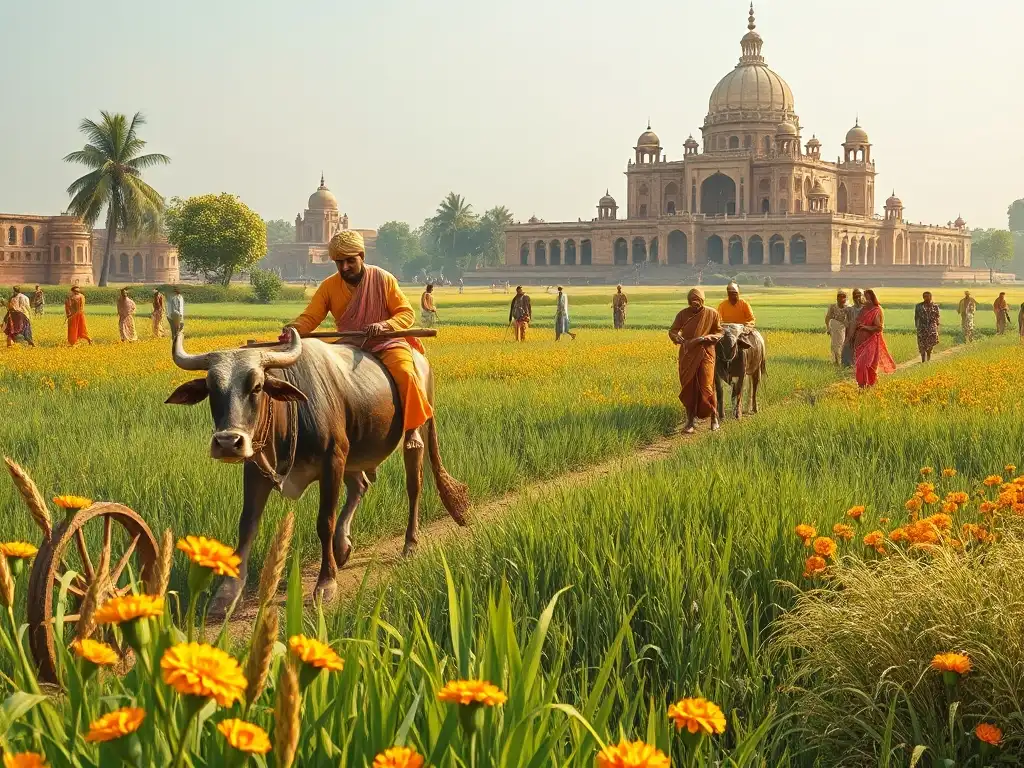
Introduction of New Crops and Varieties
Ancient Indian agricultural policies were instrumental in transforming the landscape of crop cultivation. Throughout various dynasties, rulers encouraged the introduction of new crops and varieties, which significantly enhanced food production and diversity. For instance, the Mauryan Empire, under Emperor Ashoka, promoted agricultural innovation by introducing non-native crops such as sesame and sugarcane. This not only diversified the local diet but also fostered trade, as these crops became valuable commodities.
The diversity of crops was further enhanced during the Gupta Empire, which is often regarded as a golden age of Indian agriculture. Farmers began experimenting with hybridization techniques, leading to the development of improved varieties of rice and wheat. These innovations were driven by the need to increase yield and resilience against pests and diseases. The significance of these advancements can be summarized as follows:
- Increased Food Security: The introduction of diverse crops helped mitigate the risks of famine.
- Economic Growth: New crops created opportunities for trade, both within and beyond Indian borders.
- Cultural Exchange: The spread of crops facilitated the exchange of agricultural knowledge among different cultures.
Advances in Irrigation and Water Management
Irrigation was a critical component of ancient Indian agricultural policies, directly influencing crop yield and farming practices. As populations grew, the demand for effective water management systems became paramount. Ancient Indian rulers recognized this need and invested in sophisticated irrigation techniques, which included:
- Canal Systems: Rulers like the Chola dynasty constructed extensive canal networks that diverted water from rivers to farmlands, allowing for year-round cultivation.
- Step Wells and Tanks: The development of step wells and water tanks provided essential water storage for dry seasons. These structures not only supported agriculture but also served communities by providing drinking water.
These advances in irrigation were not merely technical; they reflected a deep understanding of the local environment and an ability to harness natural resources effectively. The impact of these innovations included:
- Sustainability: Improved irrigation practices promoted sustainable agricultural methods that preserved soil fertility.
- Increased Crop Production: Efficient water management led to higher yields, which supported larger populations and urbanization.
- Social Organization: The need for collective water management fostered social cooperation among communities.
Tools and Technologies Used in Ancient Agriculture
The evolution of tools and technologies played a pivotal role in shaping ancient Indian agricultural practices. Various implements were developed to enhance efficiency in farming, which were either adapted from existing tools or innovated specifically for local needs. Some of the key tools included:
- Ploughs: Wooden ploughs, often drawn by oxen, were vital for tilling the soil. The introduction of the ard (a simple plough) revolutionized cultivation techniques, enabling deeper soil penetration and better aeration.
- Sickles and Harvesting Tools: The sickle, a curved blade, was commonly used for harvesting grains. Its design allowed for efficient cutting of crops, making the harvesting process quicker and less labor-intensive.
- Granaries: To store surplus grain, ancient civilizations constructed granaries, which not only protected the harvest from pests but also played a crucial role in managing food supply during lean seasons.
The impact of these tools and technologies was profound, as they allowed for:
- Enhanced Productivity: The mechanization of farming tasks increased overall productivity, allowing farmers to cultivate larger areas.
- Labor Efficiency: Advanced tools reduced the time and labor needed for planting and harvesting, leading to more efficient agricultural practices.
- Economic Stability: By increasing yields and improving storage, these innovations contributed to economic stability and growth across ancient Indian civilizations.
The innovations in crop cultivation and harvesting techniques during ancient times laid the groundwork for a robust agricultural framework that supported the growth and prosperity of ancient Indian societies. These developments not only transformed the agricultural landscape but also shaped the economic and social structures that defined ancient India.
Challenges Faced by Ancient Indian Agricultural Policies

Environmental Factors and Climate Variability
Ancient Indian agricultural policies were profoundly influenced by environmental factors and climate variability, which posed significant challenges to farmers. The subcontinent's diverse geography ranged from the fertile plains of the Ganges to the arid regions of Rajasthan, creating varying agricultural conditions.
- Monsoon Dependency: The Indian monsoon, a vital source of rainfall, directly impacted crop yields. Any fluctuation in monsoon patterns could lead to either droughts or floods. For instance, a delayed monsoon could devastate the kharif crops, leading to food shortages. This unpredictable weather necessitated adaptive agricultural policies, which were sometimes insufficient to mitigate the impacts of failed harvests.
- Soil Fertility: The fertility of soil varied significantly across regions. The Indus Valley, for example, had rich alluvial soil conducive to agriculture. However, over-cultivation and inadequate soil management practices led to soil depletion in some areas. Policies aimed at crop rotation and fallow periods were essential but not always effectively implemented.
- Water Management: Ancient Indian rulers recognized the importance of irrigation systems. The construction of canals, reservoirs, and check dams was critical, especially in arid regions. Yet, the maintenance of these systems faced challenges due to environmental changes and the allocation of resources.
Invasions and Its Impact on Agricultural Stability
The history of ancient India is marked by numerous invasions, each leaving an indelible mark on agricultural stability. These invasions disrupted established agricultural practices and influenced policies significantly.
- Resource Depletion: Invasions often led to the pillaging of resources, including agricultural produce. For example, the invasions by the Huns in the 5th century CE created a climate of fear and instability, leading to a decline in agricultural productivity. Farmers were forced to abandon their fields, resulting in decreased food production.
- Changes in Land Ownership: With each invasion, the socio-political structure altered, leading to changes in land ownership. Foreign rulers often redistributed land to their supporters, disrupting traditional farming communities. This shift not only affected agricultural policies but also undermined the local governance that had supported farmers' rights and practices.
- Integration of New Cultures: Some invasions introduced new agricultural practices and crops, such as the introduction of certain Persian techniques during the Mughal era. While this led to diversification in agriculture, the sudden shift could also create confusion among local farmers who were accustomed to traditional practices.
Social changes within ancient Indian society significantly influenced agricultural policies and practices, impacting the way farming was approached across different regions.
- Caste System and Labor Dynamics: The caste system played a crucial role in determining agricultural labor dynamics. Farmers from lower castes often faced social stigmas, affecting their access to resources and land ownership. Policies that could have empowered these farmers were often sidelined, leading to inefficiencies in agricultural output.
- Rise of Urban Centers: As urban centers grew, the demand for agricultural products increased. This led to a shift in focus from subsistence farming to cash crop cultivation, which was often dictated by market demands rather than traditional practices. The pressure for higher yields sometimes compromised sustainable agricultural practices.
- Religious and Cultural Influences: Religious practices also influenced agricultural policies. Festivals and rituals often dictated planting and harvesting times. The intertwining of agriculture with cultural identities meant that any change in social norms could disrupt established farming practices, leading to resistance against new agricultural policies.
The agricultural policies of ancient India were shaped by a myriad of challenges, including environmental factors, invasions, and social changes. Understanding these challenges provides insight into the complexities of ancient agricultural practices and their long-lasting impacts on Indian civilization.
Conclusion: Legacy of Ancient Indian Agricultural Policies
The agricultural policies of ancient Indian rulers have left a profound legacy that continues to influence agricultural practices in contemporary India and beyond. These policies were not only pivotal in shaping the agricultural landscape of their time but also demonstrated an understanding of sustainable practices that resonate today.
Ancient Indian agricultural systems were deeply intertwined with cultural, social, and economic aspects of life. Rulers implemented various methods to enhance productivity, manage resources, and ensure food security for their populations. From the sophisticated irrigation techniques of the Indus Valley Civilization to the crop rotation methods seen during the Maurya and Gupta periods, these policies laid a foundation for agricultural advancements.
The policies often reflected a balance between productivity and sustainability, as rulers recognized the need to maintain the land's fertility over time. This balance is crucial in modern agriculture, where the overexploitation of land can lead to soil degradation and food insecurity. Thus, understanding these ancient practices can provide valuable insights into creating sustainable farming techniques today.
Lasting Influence on Modern Agricultural Practices
The influence of ancient Indian agricultural policies can be seen in several modern practices that prioritize sustainability and efficiency. Here are some key aspects:
- Irrigation Techniques: Ancient rulers developed extensive canal systems and water management practices that are still referenced in modern irrigation strategies. These techniques facilitated the growth of crops during dry seasons and enhanced productivity.
- Crop Diversity: Policies promoting diverse crop cultivation helped combat pests and diseases while ensuring a stable food supply. This practice is echoed in today's emphasis on biodiversity within agricultural systems to enhance resilience against climate change.
- Organic Farming: The reliance on natural fertilizers, such as manure and compost, in ancient times has found a resurgence in modern organic farming. This shift towards organic practices highlights a return to sustainable methods that respect the environment.
- Community Cooperation: Ancient agricultural policies often promoted collective farming and shared resources, fostering a sense of community. This approach is gaining traction in modern cooperative farming models that aim to empower local farmers and enhance food security.
The lessons from ancient agricultural policies not only inform current practices but also inspire innovations aimed at addressing contemporary challenges in food production and environmental conservation.
Reflection on the Importance of Sustainable Agricultural Policies
Reflecting on the agricultural policies of ancient Indian rulers underscores the importance of sustainable practices in ensuring food security and ecological balance. The following points highlight their significance:
- Resource Management: Ancient policies often emphasized the responsible use of natural resources, helping to maintain soil fertility and ecosystem health. Such principles are vital today, as we face challenges like climate change and resource depletion.
- Food Security: By implementing strategies that ensured a steady food supply, ancient rulers provided a model for contemporary policies aimed at achieving food security, especially in regions vulnerable to climatic fluctuations.
- Cultural Heritage: The agricultural practices rooted in ancient Indian civilization represent a rich cultural heritage. Recognizing and preserving these practices fosters a connection to history while promoting sustainable methods.
- Adaptability: The adaptability of ancient agricultural policies to local conditions showcases the importance of tailoring practices to specific environments. Modern agricultural policies can benefit from this adaptability, ensuring practices are resilient to changing conditions.
The examination of ancient Indian agricultural policies reveals a wealth of knowledge that is crucial for developing sustainable practices today. By learning from the past, modern agricultural systems can strive towards a more balanced and resilient future.
Frequently Asked Questions
What were the primary agricultural policies of ancient Indian rulers?
Ancient Indian rulers implemented various agricultural policies that included land grants, irrigation projects, and taxation systems aimed at enhancing crop productivity and ensuring food security.
How did the agricultural policies affect the economy of ancient India?
The agricultural policies played a crucial role in strengthening the economy by increasing food production, promoting trade, and supporting the growth of urban centers during various periods, notably the Gupta Empire.
What role did irrigation play in ancient Indian agriculture?
Irrigation was vital in ancient India, with rulers investing in canals, tanks, and wells to support agricultural expansion, especially in regions prone to drought. This significantly improved crop yields and sustainability.
Were there any specific crops promoted under ancient agricultural policies?
Yes, ancient Indian agricultural policies encouraged the cultivation of rice, wheat, and pulses, along with cash crops like cotton and sugarcane, which were essential for both domestic consumption and trade.
How did ancient Indian agricultural practices influence modern agriculture?
The innovative techniques and policies established by ancient Indian civilizations laid the groundwork for modern agricultural practices, including crop rotation and the use of organic fertilizers, reflecting their enduring legacy.
Final Reflection: The Enduring Legacy of Ancient Indian Agricultural Policies
The agricultural policies of ancient Indian rulers have shaped not only the agricultural landscape of their time but also the socio-economic fabric of contemporary society. Today, as we grapple with issues of food security, sustainable farming, and economic disparity, the lessons from these ancient practices resonate more than ever. The wisdom embedded in these policies offers a roadmap for addressing modern challenges, reminding us that the past holds valuable insights for the future.
The influence of ancient agricultural policies extends beyond mere historical significance; they continue to inform our cultural and social frameworks. From community farming practices to land management strategies, the echoes of these policies can be seen in today's agricultural discourse. As noted by historian R.S. Sharma, The agrarian policies of ancient India were not just about cultivation; they were a reflection of the society's values and priorities.
This observation underscores the importance of understanding these policies as a means to appreciate their role in shaping our collective identity and agricultural practices.
As we reflect on the agricultural policies of ancient Indian rulers, I invite you to consider how these lessons can be applied in your own life and community. What practices can we adopt from the past to foster sustainable agriculture today? Let us engage with these historical insights, not merely as relics of a bygone era, but as guiding principles that can inspire us to cultivate a more equitable and sustainable future. The journey toward a better agricultural landscape begins with our willingness to learn from history and take action in the present.
Unveil the Secrets of Ancient Agricultural Wisdom!
Thank you for diving into the fascinating world of ancient agricultural practices! You've uncovered how rulers shaped their societies and the implications these decisions had on agriculture, economy, and culture. Now it’s time to take that knowledge further and engage with it!
Here are some empowering actions to connect deeper with this topic:
- Explore local agricultural history: Visit a museum or historical site that showcases ancient farming techniques and rituals. You might discover surprising connections to modern practices!
- Join or start a community discussion: Gather friends or connect with online groups to discuss what you've learned and how ancient practices can inspire today’s sustainable agriculture.
- Share your insights: Write a blog post or share on social media about a specific ancient agricultural practice that resonates with you, highlighting its importance and relevance in contemporary farming.
What ancient agricultural practice do you believe has had the most lasting impact on modern farming methods? Let's discuss in the comments below!