
The Role of Chanting and Recitation in Vedic Traditions

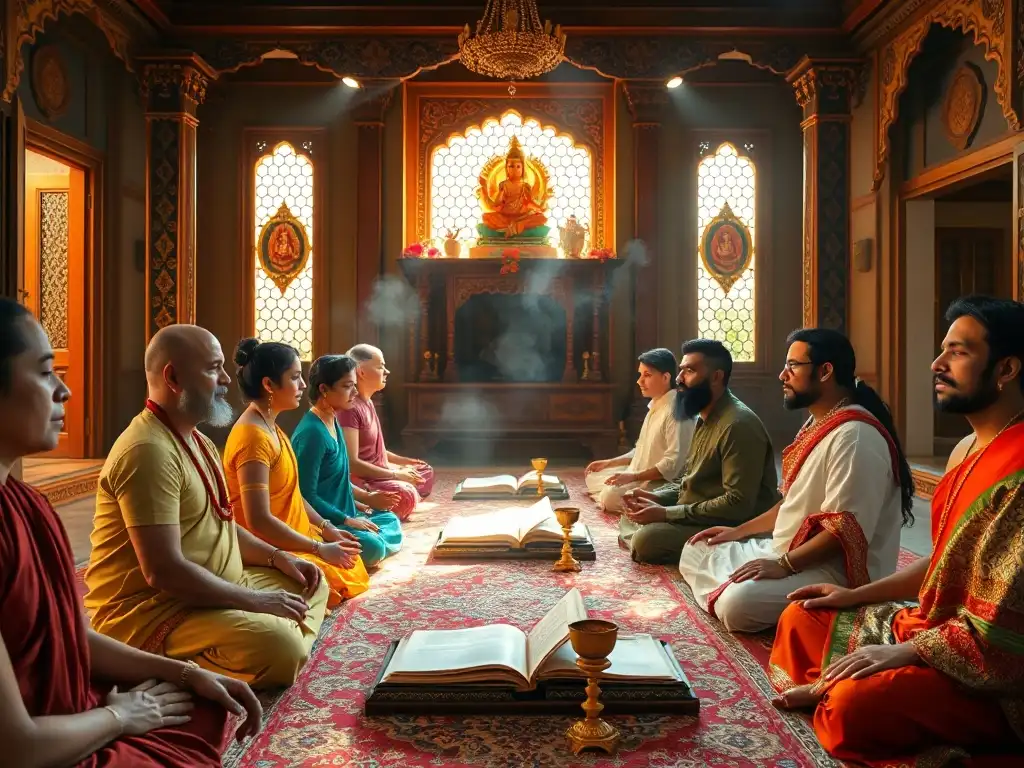
Welcome to Ancient India History! Dive into the fascinating world of ancient Indian civilizations, where every chant and recitation tells a story steeped in tradition and spirituality. In our featured article, "The Role of Chanting and Recitation in Vedic Traditions," we unravel the intricate history of Vedic chanting and recitation, exploring how these practices shaped not just religious rituals but also the very fabric of ancient society.
Join us on this enlightening journey through time and discover the profound impact of these age-old traditions on culture and literature. Let the echoes of the past inspire your curiosity as you explore the depths of India's remarkable heritage!
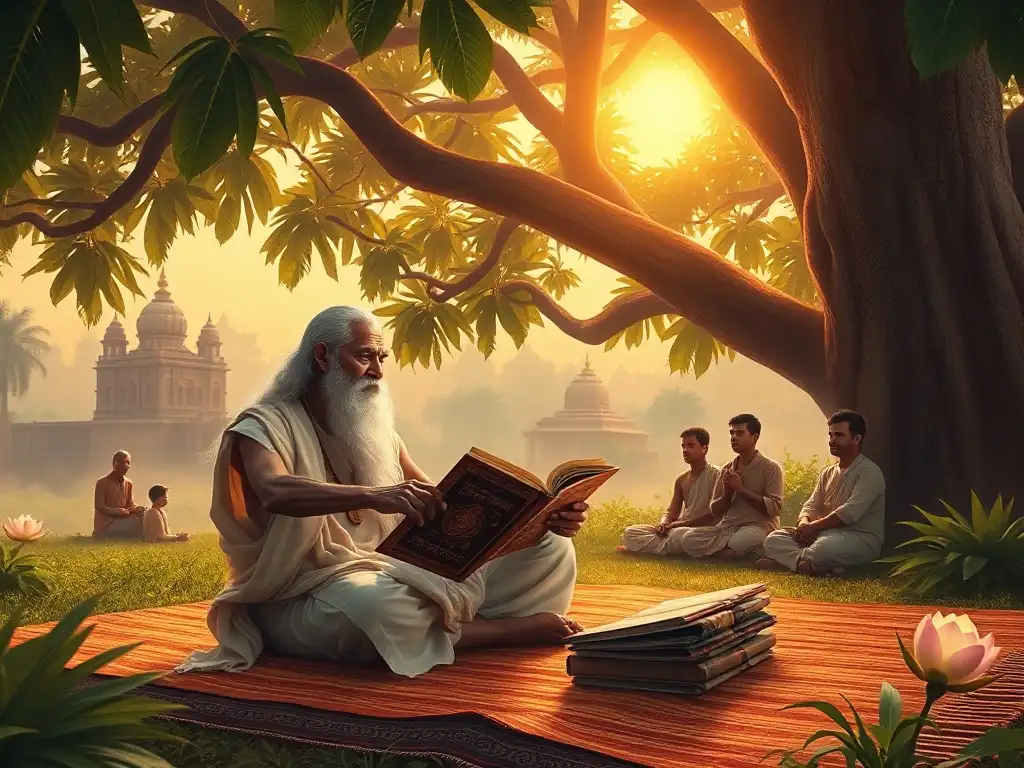
Introduction to Vedic Chanting and Recitation History
Vedic chanting and recitation are foundational practices within the ancient Indian spiritual and cultural landscape, deeply intertwined with the Vedic traditions that date back thousands of years. These practices serve not only as a means of preserving the sacred texts of the Vedas but also as a method of spiritual elevation and community bonding.
As we delve into the history of Vedic chanting and recitation, we uncover the intricate relationship between sound, spirituality, and cultural identity in ancient India. This exploration reveals how these practices shaped religious rituals, influenced philosophical thought, and contributed to the overall fabric of Indian civilization.
Overview of Vedic Traditions and Texts
The Vedas, composed around 1500 to 500 BCE, are considered the oldest sacred texts of Hinduism, comprising four primary collections: Rigveda, Samaveda, Yajurveda, and Atharvaveda. Each of these texts plays a unique role in the spiritual and ritualistic life of ancient India:
- Rigveda: A collection of hymns dedicated to various deities.
- Samaveda: Focused on melodies and chants used in rituals.
- Yajurveda: A guide for rituals and ceremonies, detailing the procedures for various sacrifices.
- Atharvaveda: Contains spells, hymns, and incantations, reflecting everyday life and beliefs.
The oral tradition is paramount in Vedic culture, with chanting serving as a vehicle for transmitting knowledge across generations. This practice ensures that the teachings remain unaltered and accessible to practitioners.
Importance of Chanting in Ancient Indian Culture
Chanting in Vedic traditions transcends mere recitation; it embodies the philosophy that sound has a profound impact on the universe. The importance of chanting can be categorized into several key aspects:
- Spiritual Significance: Chanting is believed to resonate with the cosmic vibrations, aiding in meditation and connection with the divine.
- Ritualistic Function: Integral to various rituals, chanting invokes deities and ensures the efficacy of offerings.
- Cultural Preservation: Through oral transmission, chanting preserves linguistic and cultural heritage, creating a sense of identity among practitioners.
This profound connection to chanting highlights its vital role in maintaining the spiritual lineage and cultural continuity of ancient Indian society.
Historical Context of Vedic Chanting
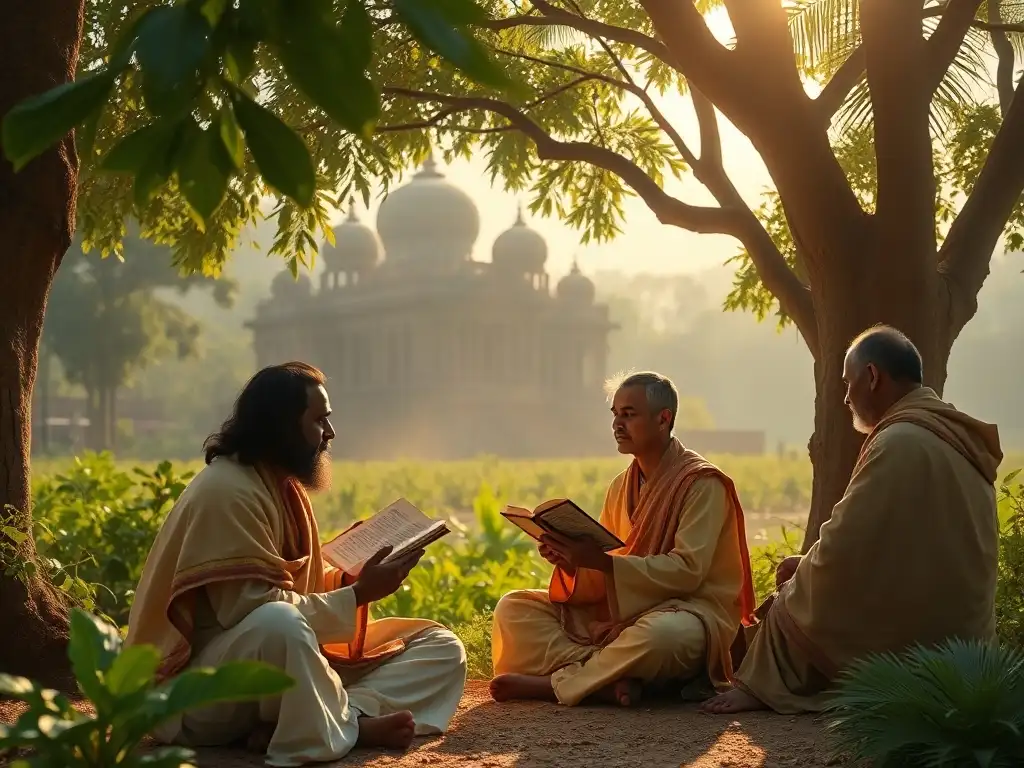
Origins of Vedic Chanting in Ancient India
The origins of Vedic chanting can be traced back to the early Indo-Aryan societies, where oral tradition was the primary mode of knowledge transmission. The unique phonetic qualities of the Sanskrit language facilitated the development of chanting techniques, which were essential for memorizing and reciting the vast body of Vedic texts. Scholars believe that these practices emerged from a combination of spiritual necessity and the natural rhythms of speech, ultimately evolving into a sophisticated system of recitation that included specific rules and intonations.
Evolution of Recitation Practices through the Ages
As Indian civilization evolved, so too did the practices of Vedic chanting and recitation. Over the centuries, various schools of thought developed, each contributing to the richness of these traditions. The introduction of commentaries and philosophical texts during the Upanishadic period added layers of interpretation, while later influences from Buddhism and Jainism further shaped the landscape of recitation practices. Today, Vedic chanting remains a vital aspect of Hindu worship, adapted to contemporary contexts while preserving its ancient roots.
Through this exploration of the history of Vedic chanting and recitation, we gain insight into the remarkable legacy of ancient Indian civilization, revealing the enduring significance of sound in the spiritual journey of its people.
The Significance of Vedic Chanting and Recitation
Vedic chanting and recitation hold profound significance in the cultural and spiritual landscape of ancient India. Rooted in the Vedas, the oldest scriptures of Hinduism, this practice is not merely an act of vocal expression but an intricate system of preserving knowledge, spirituality, and tradition. Vedic chanting is characterized by its melodic and rhythmic nature, which is believed to have a unique vibrational frequency capable of influencing the environment and the practitioner's inner state. Through chanting, practitioners connect to a lineage of wisdom that transcends generations, fostering a deep sense of community and continuity.
Spiritual and Religious Importance of Chanting
Chanting serves as a vehicle for spiritual upliftment and connection to the divine. In Vedic traditions, the act of reciting mantras is considered a sacred performance that invokes the presence of deities and cosmic forces. This practice is embedded in various religious ceremonies, where specific chants are believed to enhance the potency of rituals, leading to favorable outcomes for individuals and the community.
The repetition of mantras not only aids in meditation and concentration but also facilitates a transformative experience, purifying the mind and elevating the soul. Scholars and practitioners alike emphasize the spiritual vibrations generated through chanting, which are thought to resonate with the cosmos, thereby creating harmony and balance.
The Role of Recitation in Vedic Rituals and Ceremonies
Recitation is an integral part of Vedic rituals and ceremonies, often serving as the foundational element that connects the physical and spiritual realms. Each ritual is accompanied by specific chants that invoke divine blessings and establish a sacred atmosphere. For instance, during the Yajna (fire sacrifice), priests meticulously recite mantras to invoke the presence of deities and request their blessings for prosperity, health, and spiritual growth.
The precision in pronunciation and intonation is crucial, as it is believed that even slight deviations can alter the ritual's effectiveness. The systematic recitation of Vedic texts not only enhances the ritual's sanctity but also reinforces the communal bonds among participants, as they collectively engage in this time-honored tradition.
Chanting as a Means of Preserving Oral Tradition
The practice of chanting is vital for the preservation of oral tradition within Vedic culture. Historically, the Vedas were transmitted orally from guru to disciple, ensuring that the profound knowledge contained within these texts remained intact across generations. Chanting facilitated the memorization of complex texts, as the rhythmic patterns and melodic intonations made it easier for students to recall lengthy verses.
This method of transmission not only safeguarded the content of the Vedas but also fostered a strong sense of identity and continuity among practitioners. The oral tradition continues to thrive, with many communities dedicating themselves to the study and practice of Vedic chanting, thereby keeping this ancient wisdom alive in contemporary society.
Techniques and Methods of Vedic Chanting
Vedic chanting employs a variety of techniques and methods that enhance its spiritual and ritualistic significance. These approaches are rooted in the principles of sound, rhythm, and breath control, which together create a meditative experience for the practitioner.
Different Styles of Chanting in Vedic Practices
Within Vedic traditions, several distinct styles of chanting exist, each with its own unique characteristics. The most notable styles include:
- Udgitha: This style is marked by its melodious and harmonious sound, often used in communal settings to create a sense of unity.
- Pravaha: A more rapid style, Pravaha is characterized by its quick recitation of mantras, typically employed during energetic rituals.
- Ghana: This style incorporates intricate rhythms and is often associated with advanced practitioners who have mastered the art of Vedic chanting.
Each style serves a distinct purpose and is selected based on the specific context of the ritual or practice.
The Use of Intonation and Rhythm in Recitation
Intonation and rhythm play a crucial role in Vedic recitation, as they are believed to influence the effectiveness of the chants. The precise modulation of pitch and tone can evoke different emotional responses and create a conducive atmosphere for spiritual practices. Practitioners often employ a technique known as svara, which refers to the variations in pitch that correspond to specific syllables in the mantras.
The rhythmic patterns, or matra, help maintain a steady flow during recitation, allowing practitioners to enter a meditative state. This careful attention to intonation and rhythm enhances the vibrational quality of the chants, making them more powerful and transformative.
Tools and Instruments Associated with Vedic Chanting
Various tools and instruments are commonly associated with Vedic chanting, each contributing to the overall experience of the practice. Among the most notable are:
- Mala (Prayer beads): Used to keep count of repetitions, malas facilitate focus during chanting.
- Bell (Ghanta): Often rung during rituals, the sound of the bell is believed to purify the environment and signal the beginning of a sacred practice.
- Conch (Shankh): Blown at the start of rituals, the conch creates an auspicious sound that is said to dispel negative energies and attract divine blessings.
These instruments not only enhance the auditory experience of chanting but also serve as symbolic representations of spiritual concepts within Vedic traditions. Through the integration of these tools, practitioners deepen their connection to the ancient practices of chanting and recitation.
The Impact of Vedic Chanting on Mental and Physical Well-being
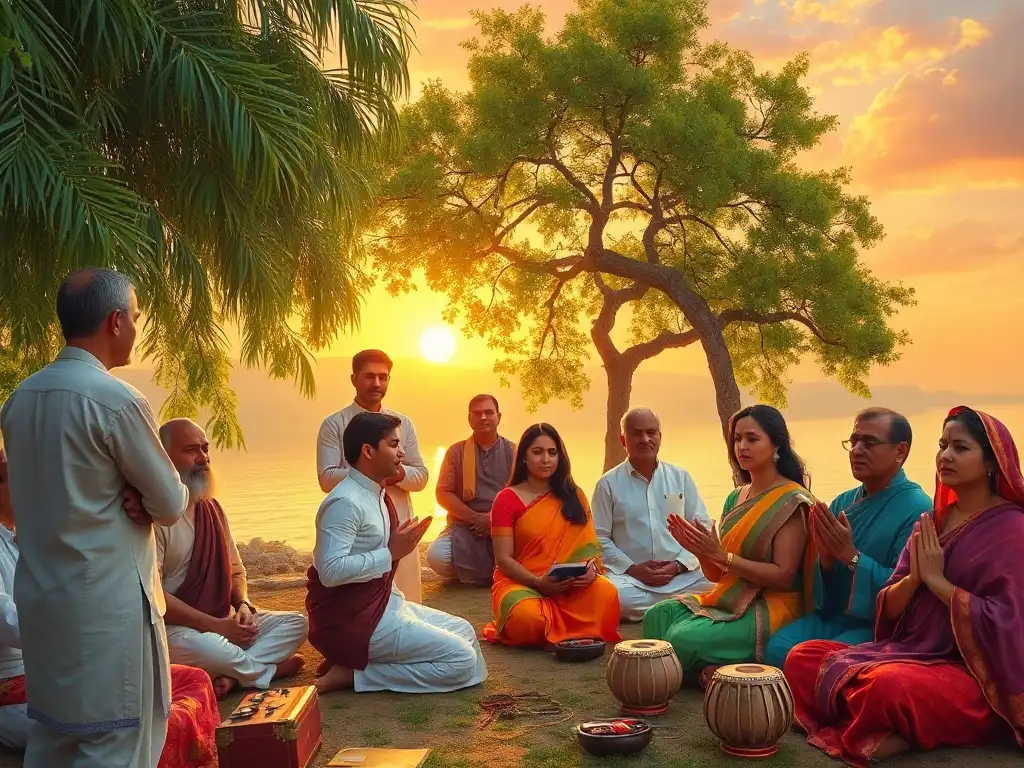
Vedic chanting, an ancient practice rooted in the spiritual traditions of India, has been recognized for its profound impact on both mental and physical well-being. This practice involves the melodious recitation of Vedic hymns and mantras, which are believed to resonate with the vibrational frequencies of the universe. As such, the act of chanting not only serves a spiritual purpose but also contributes to holistic health.
Research has shown that Vedic chanting can facilitate a state of mental clarity and emotional balance. By engaging with the rhythmic patterns and sound vibrations, practitioners often report reduced levels of stress and anxiety. The repetitive nature of chanting aids in focusing the mind, leading to a meditative state that promotes relaxation and tranquility.
Moreover, the physical benefits of chanting extend to various health aspects. The process of chanting involves controlled breathing and vocal exercises that can enhance lung capacity and improve respiratory function. This correlation between breath control and vocalization is not only beneficial for voice modulation but also contributes to overall vitality.
Psychological Benefits of Vedic Recitation
The psychological effects of Vedic recitation are notable and multifaceted. One of the primary benefits is the enhancement of cognitive functions. Studies suggest that the practice of reciting complex Vedic verses can stimulate neural pathways, improve memory retention, and boost focus. Engaging with these texts requires concentration and mental discipline, which can translate into improved academic and professional performance.
Additionally, the repetitive nature of chanting can foster a sense of community and belonging among practitioners. Group chanting sessions often create a powerful collective energy that strengthens interpersonal relationships and cultivates a supportive environment. This social aspect can further alleviate feelings of isolation or loneliness, leading to improved mental health outcomes.
Moreover, Vedic recitation is often linked to the cultivation of positive emotions and attitudes. The sacred sounds and meanings embedded in the verses can invoke feelings of gratitude, compassion, and love, contributing to a more positive outlook on life.
Health and Wellness Aspects of Chanting Practices
In terms of health and wellness, Vedic chanting is associated with various physiological benefits that support overall well-being. The act of chanting has been found to lower blood pressure and reduce cortisol levels, both of which are critical for managing stress and preventing chronic illnesses.
Another significant health aspect is the enhancement of the immune system. Engaging in regular chanting practices can improve the body's resilience against infections and diseases. The vibrations produced during chanting are believed to stimulate the production of immune-boosting hormones and promote better circulation, contributing to healthier bodily functions.
Furthermore, Vedic chanting encourages mindfulness—a state of being present in the moment. This practice aligns well with modern wellness trends that emphasize mindfulness and stress reduction techniques. By integrating Vedic chanting into daily routines, individuals can experience a holistic approach to health that encompasses both mental clarity and physical vitality.
Contemporary Relevance of Vedic Chanting
The relevance of Vedic chanting in contemporary society is increasingly recognized as people seek ways to navigate the complexities of modern life. As stress and anxiety levels rise, many individuals are turning to ancient practices like Vedic chanting for relief and guidance.
In recent years, there has been a revival of interest in traditional Indian practices, including Vedic chanting, as more people explore their spiritual roots and the benefits of ancient wisdom. This resurgence is evident in various settings, including yoga studios, wellness retreats, and spiritual workshops, where chanting is often incorporated as a central practice.
Revival and Practice of Vedic Chanting in Modern Times
The revival of Vedic chanting can be attributed to a growing awareness of its benefits and its adaptability to contemporary lifestyles. Many practitioners now attend workshops specifically focused on learning and mastering the art of Vedic chanting. These sessions not only teach the correct pronunciation and intonation but also delve into the historical and philosophical significance of the texts.
Moreover, technology has played a pivotal role in the dissemination of Vedic chanting practices. Online platforms and social media have made it easier for enthusiasts to connect with experts, access recorded chanting sessions, and share their experiences. This accessibility has led to a broader audience embracing Vedic chanting, transcending geographical and cultural boundaries.
Influence of Vedic Chanting on Yoga and Meditation Practices
Vedic chanting has significantly influenced modern yoga and meditation practices, serving as an integral component of these disciplines. Many yoga classes now incorporate chanting as a means to enhance the overall experience, creating a deeper connection between the practitioner and their practice. The combination of physical movement with sound can elevate the sense of mindfulness and presence during sessions.
In meditation, Vedic chanting serves as an effective tool for focus and concentration. The rhythmic patterns and sounds can act as a mantra, guiding practitioners into deeper states of meditation. This integration of chanting into meditation not only enriches the practice but also helps in achieving a sense of inner peace and connection with the self.
Overall, the enduring legacy of Vedic chanting continues to resonate, offering profound benefits for mental and physical well-being, while adapting seamlessly into modern wellness practices.
Conclusion: The Enduring Legacy of Vedic Chanting and Recitation
Vedic chanting and recitation form a cornerstone of ancient Indian cultural heritage, encapsulating the spiritual, philosophical, and linguistic brilliance of the civilization. This practice not only serves as a means of preserving the sacred texts but also fosters a deep connection with the divine and the cosmos. The rhythmic and melodic aspects of chanting, combined with the profound meanings of the verses, create a powerful medium for spiritual awakening and cultural continuity.
The legacy of Vedic chanting is evident in its continued relevance in contemporary society, where it serves as a bridge between the ancient and the modern. Today, many spiritual seekers and scholars engage in Vedic recitation as a means of exploring the depths of their heritage and understanding the timeless wisdom embedded within the texts. Moreover, the practice has transcended geographical boundaries, attracting interest from global audiences who seek the transformative power of Vedic mantras.
Ultimately, the enduring legacy of Vedic chanting and recitation lies in its ability to unite generations, preserving the cultural and spiritual essence of ancient India for future generations.
Summary of Key Points on Vedic Chanting History
- Origins in the Vedas: Vedic chanting has its roots in the four Vedas—Rigveda, Samaveda, Yajurveda, and Atharvaveda—each serving unique purposes within the spiritual and ritualistic framework of ancient Indian society.
- Techniques and Traditions: The practice of chanting is characterized by specific techniques, including intonation, rhythm, and pronunciation, which are meticulously taught and preserved through oral traditions. These techniques ensure the authenticity and integrity of the texts over millennia.
- Spiritual Significance: Chanting is imbued with spiritual significance, believed to invoke divine energies and facilitate a deeper connection with the cosmos. The sound vibrations created during recitation are thought to have transformative effects on both the environment and the individual.
- Cultural Continuity: The transmission of Vedic chanting practices has played a crucial role in maintaining cultural continuity, allowing successive generations to engage with their heritage, spirituality, and identity.
The Future of Vedic Recitation in Preserving Ancient Traditions
As we look toward the future, the role of Vedic recitation in preserving ancient traditions remains vital. With the advancement of technology and the rise of digital platforms, there is an unprecedented opportunity to disseminate these practices to a broader audience. Online courses, workshops, and virtual gatherings enable individuals across the globe to experience the richness of Vedic chanting, fostering a renewed interest in ancient Indian wisdom.
Moreover, educational institutions are increasingly incorporating Vedic studies into their curricula, ensuring that the younger generations are equipped with knowledge about their cultural heritage. Initiatives aimed at reviving traditional chanting practices in schools and communities can further enhance the appreciation and understanding of Vedic literature.
Furthermore, collaborations between scholars, practitioners, and cultural organizations can facilitate research, documentation, and the sharing of Vedic chanting traditions. This collective effort will not only preserve these ancient practices but also allow for their evolution in contemporary contexts, ensuring their relevance in an ever-changing world.
The future of Vedic recitation is bright, with the potential to inspire and educate, preserving the profound legacy of ancient Indian civilization for generations to come.
- Introduction to Vedic Chanting and Recitation History
- Overview of Vedic Traditions and Texts
- Importance of Chanting in Ancient Indian Culture
- Historical Context of Vedic Chanting
- The Significance of Vedic Chanting and Recitation
- Techniques and Methods of Vedic Chanting
- The Impact of Vedic Chanting on Mental and Physical Well-being
- Contemporary Relevance of Vedic Chanting
- Conclusion: The Enduring Legacy of Vedic Chanting and Recitation
Frequently Asked Questions
What is Vedic chanting?
Vedic chanting refers to the oral tradition of reciting sacred texts from the Vedas. This practice emphasizes intonation and melody, preserving the spiritual and linguistic heritage of ancient India.
How did chanting influence ancient Indian culture?
Chanting served as a crucial element in religious ceremonies and rituals, fostering a sense of community. It played a significant role in knowledge transmission and the spiritual education of individuals.
What are the benefits of Vedic recitation?
Vedic recitation is believed to enhance mental clarity, promote spiritual growth, and foster emotional well-being. The rhythmic patterns and sounds can create a calming effect on the mind.
How has Vedic chanting evolved over time?
Over the centuries, Vedic chanting has seen regional variations and adaptations. Despite these changes, the core principles of intonation and pronunciation remain integral to its practice.
What is the significance of Vedic chanting today?
Today, Vedic chanting continues to be a vital part of spiritual practices and is often used in modern yoga and meditation. It helps connect contemporary practitioners with the spiritual wisdom of ancient India.
Final Reflection: The Enduring Legacy of Vedic Chanting and Recitation
In exploring the rich history and profound significance of Vedic chanting and recitation, we uncover a timeless practice that resonates deeply within the spiritual and cultural fabric of society today. This ancient tradition not only serves as a means of preserving sacred knowledge but also acts as a powerful tool for personal transformation and communal harmony. The echoes of these chants remind us that the past is never truly behind us; it continues to shape our present and guide our future.
The influence of Vedic chanting extends far beyond its historical roots, permeating contemporary spiritual practices and cultural expressions. As we engage with these sacred sounds, we tap into a collective consciousness that transcends time and space. The act of recitation fosters a sense of unity among practitioners, bridging gaps between diverse communities. The vibration of the chant resonates not just in the air, but in the very essence of our being.
This ongoing relevance highlights the importance of preserving and sharing these traditions, ensuring that their wisdom continues to inspire generations to come.
As we reflect on the teachings embedded in Vedic chanting and recitation, I invite you to consider how these practices can enrich your own life. Embrace the opportunity to explore the depths of this ancient wisdom, allowing it to guide you in moments of stillness and contemplation. Let the rhythmic sounds of the Vedas awaken your spirit and foster a deeper connection to yourself and the world around you. Together, we can honor this legacy and carry its transformative power into the future.
Embrace the Power of Vedic Recitation Today!
Thank you for taking the time to explore the profound impact of chanting and recitation in Vedic traditions. You've gained insights into how these ancient practices can elevate your spiritual journey and connect you to a rich heritage. Now, let's take that knowledge and transform it into action!
Here’s how you can dive deeper into this powerful tradition:
- Start your own chanting practice: Set aside a few minutes each day to recite your favorite Vedic verses. Feel the energy transform your space and uplift your mind.
- Share your experience: Connect with friends or family who might be interested in Vedic traditions. Organize a small gathering or an online session to chant together and enhance your collective experience.
- Explore local resources: Look for classes or workshops in your area that focus on Vedic chanting. You might discover community events that further enrich your understanding and practice.
Which chant or verse will you choose to embark on your journey? We invite you to share your thoughts in the comments below!