
The Ramayana: A Timeless Epic of Love, War, and Redemption

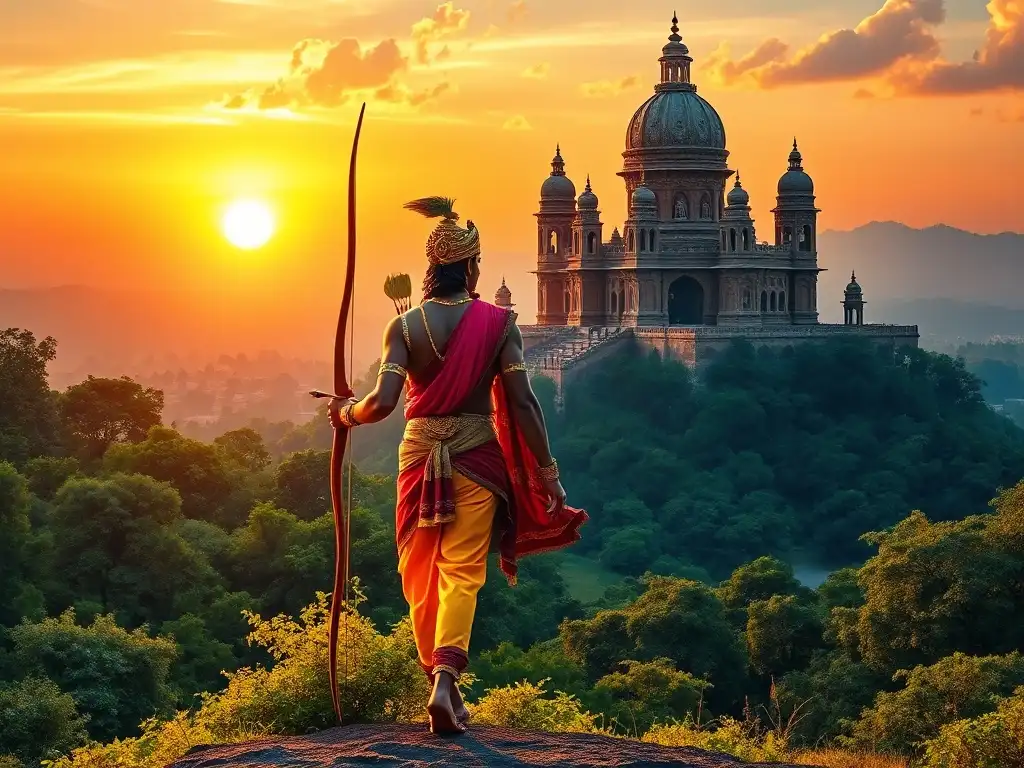
Welcome to Ancient India History, where we embark on a fascinating journey through the vibrant tapestry of ancient Indian civilizations. Here, we delve deep into the Ramayana, an epic that transcends time, weaving tales of love, war, and redemption that have shaped the very fabric of Indian culture and identity. Have you ever wondered about the significance of the Ramayana in Indian history?
Join us as we uncover its profound impact, exploring how this timeless narrative not only echoes through literature but also resonates in the hearts of millions. Prepare to uncover layers of meaning and history that await you in our latest article!
Introduction to the Ramayana
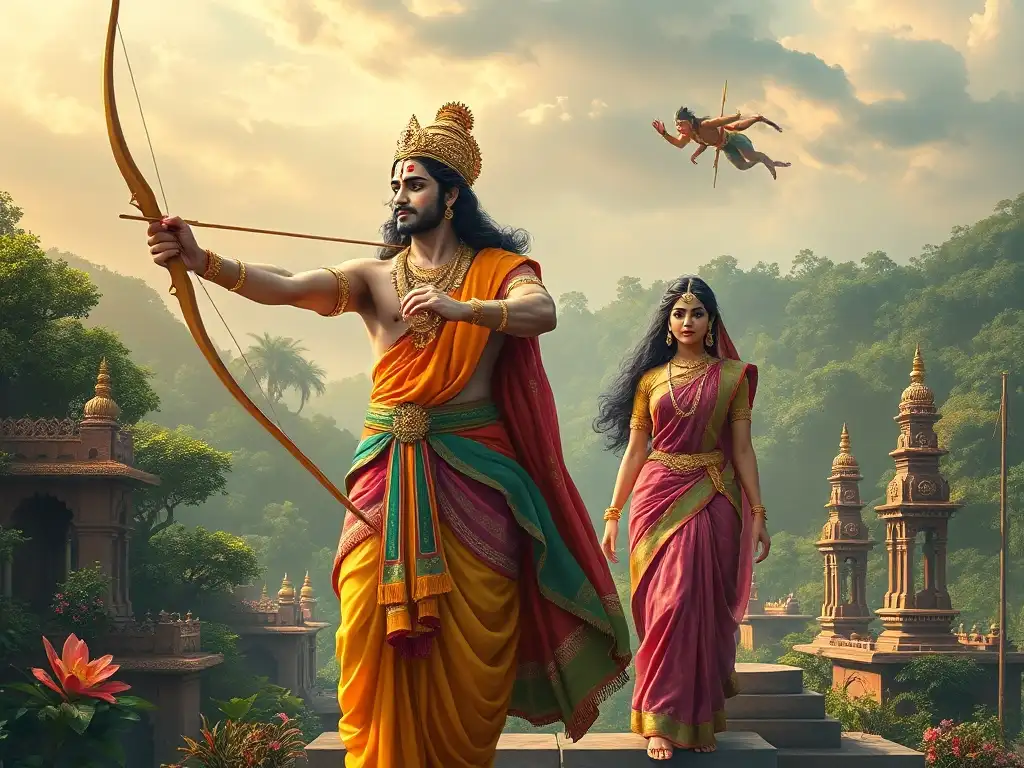
The Ramayana is not merely a story; it is an intricate tapestry of human emotions, moral dilemmas, and profound philosophical insights. Composed by the sage Valmiki, this ancient Indian epic narrates the life and adventures of Lord Rama, his wife Sita, and his loyal companion Hanuman. As one of the two great epics of Hindu literature, alongside the Mahabharata, the Ramayana holds a significant place in shaping the cultural and spiritual ethos of India. Its narratives of love, duty, honor, and redemption resonate deeply with audiences, making it a timeless classic that continues to influence countless generations.
The significance of the Ramayana in Indian history extends beyond its literary merit; it serves as a cultural cornerstone, reflecting the values, traditions, and beliefs of ancient Indian civilization. The epic's themes traverse the realms of love, war, and redemption, offering profound lessons that remain relevant in contemporary society. As we delve into the intricacies of the Ramayana, we will explore its historical context, its enduring importance in Indian culture, and its lasting impact on literature and society.
Overview of the Ramayana
The Ramayana consists of seven Kandas (books) that detail the life of Lord Rama, from his birth in Ayodhya to his eventual ascension to the throne after defeating the demon king Ravana. Each Kanda offers a unique perspective on the trials and tribulations faced by Rama and his companions, illustrating the virtues of loyalty, bravery, and righteousness. Key episodes, such as Sita's abduction, Hanuman's quest, and the fierce battles against Ravana’s forces, are not only captivating tales but also moral lessons embedded within the narrative.
The text is rich with poetic beauty and vivid imagery, often employing metaphors and allegories that enhance its depth. The Ramayana has been translated into numerous languages and has inspired countless adaptations across various art forms, including dance, theater, and cinema.
Importance of the Ramayana in Indian Culture
The Ramayana is far more than a literary work; it is a cultural phenomenon that has permeated various aspects of Indian life. Its characters are revered figures in Hinduism, embodying ideals that are celebrated during festivals, rituals, and daily practices. Lord Rama is worshipped as the ideal man (Maryada Purushottama), while Sita is regarded as the epitome of virtue and devotion.
The epic's teachings on dharma (righteousness) and the complexities of human relationships continue to influence moral and ethical discussions in contemporary society. Moreover, the Ramayana has played a critical role in shaping Indian art, music, and dance forms, with various regional interpretations reflecting the diversity of Indian culture.
The Historical Context of the Ramayana
Understanding the Ramayana requires an exploration of its historical context, including its origins, authorship, and its place within the canon of ancient Indian literature.
The Origin and Authorship of the Ramayana
Traditionally attributed to the sage Valmiki, the Ramayana is believed to have been composed around the 5th century BCE. However, scholars suggest that its roots may extend even further back, as oral traditions likely existed long before being transcribed into written form. The narrative of the Ramayana has undergone various modifications and interpretations over the centuries, influenced by regional beliefs and cultural practices.
Valmiki's unique poetic style, employing the shloka meter, sets the Ramayana apart as a monumental work in Sanskrit literature. The epic's structure and themes reflect the socio-political landscape of ancient India, providing insight into the values and norms of the time.
The Ramayana's Place in Ancient Indian Literature
The Ramayana holds a pivotal position in the landscape of ancient Indian literature, often regarded as one of the earliest and most significant epics. Its influence is evident in subsequent literary works, both in the Sanskrit tradition and in regional languages throughout India. The epic has inspired countless adaptations, retellings, and reinterpretations, showcasing its universal themes and enduring relevance.
Through its complex characters and intricate plot, the Ramayana serves as a mirror reflecting the cultural and spiritual ethos of ancient Indian civilization. As we continue to explore the Ramayana, we will uncover its significance in shaping not only literature but also the collective consciousness of Indian society.
Themes of the Ramayana
The Ramayana is not just a story of heroism and adventure; it is a profound epic that explores multiple themes, each interwoven to convey deep moral and philosophical lessons. These themes resonate with the cultural and spiritual fabric of Indian society and continue to inspire generations.
Love and Devotion in the Ramayana
At the heart of the Ramayana lies the theme of love and devotion, embodied primarily in the relationship between Rama and Sita. Their love transcends the trials they face, showcasing an ideal marital bond rooted in fidelity and respect. Sita's unwavering loyalty to Rama—even amidst abduction and hardship—highlights the strength of devotion.
This theme is not limited to romantic love; it extends to the bonds of friendship, as seen in the relationship between Rama and Hanuman, where loyalty and dedication shine through. The Ramayana teaches that true love is selfless and enduring, serving as a guiding principle in human relationships.
War and Valor: The Epic Battles
The Ramayana is also a tale of epic battles that symbolize the eternal struggle between good and evil. The war between Rama and Ravana is not merely a physical confrontation but a representation of the broader conflict between righteousness (dharma) and adharma (unrighteousness).
The valor displayed by Rama and his allies, particularly in the face of overwhelming odds, underscores the importance of courage and righteousness in the pursuit of justice. The strategic prowess and bravery exhibited during these battles have inspired countless stories of heroism in Indian culture, reinforcing the belief that valor in the pursuit of dharma is commendable and necessary.
Redemption and Dharma: Moral Lessons from the Ramayana
The theme of redemption is intricately woven into the narrative of the Ramayana. It emphasizes that every individual has the power to seek redemption, regardless of their past. The character of Ravana, despite his villainous role, illustrates the complexities of human nature and the potential for change. The concept of dharma, or duty, is central to this theme, guiding the characters' actions and decisions. The Ramayana imparts valuable lessons on the responsibilities individuals bear towards family, society, and themselves, showcasing that adherence to dharma leads to ultimate redemption and fulfillment.
Characters and Their Significance
The characters in the Ramayana are not just archetypes; they embody various virtues and vices that reflect the complexities of human existence. Each character plays a pivotal role in conveying the epic's moral lessons, making them integral to understanding its significance in Indian history.
Rama: The Hero and His Role in Indian History
Rama, the protagonist of the Ramayana, represents the ideal man and king, embodying virtue, honor, and integrity. His journey is a testament to the principles of dharma and the responsibilities of leadership. Rama's exile, trials, and eventual victory symbolize the struggle for justice and the importance of moral fortitude. Historically, Rama's character has become synonymous with righteousness, inspiring countless leaders and thinkers in Indian history. His portrayal sets a benchmark for ethical governance and personal conduct, making him a timeless figure in Indian culture.
Sita: The Symbol of Virtue and Strength
Sita, as Rama's wife, is a paragon of virtue, courage, and resilience. Her character challenges the traditional perceptions of femininity, showcasing strength in adversity. Sita's trials during her abduction by Ravana and her unwavering faith in Rama reflect the complexities of womanhood and the societal expectations placed upon women. Her role emphasizes the importance of inner strength and moral clarity, cementing her status as a revered figure in Indian mythology. Sita's journey is not just one of love but also a testament to the empowerment of women, making her a significant character in the narrative of the Ramayana.
Hanuman: The Embodiment of Devotion and Loyalty
Hanuman, the monkey god and devoted follower of Rama, symbolizes the ideal devotee. His unwavering loyalty and immense strength play a crucial role in the epic, particularly in the rescue of Sita. Hanuman's character embodies the virtues of humility, devotion, and selfless service. His feats, such as leaping across the ocean to reach Lanka, serve as metaphors for overcoming obstacles through faith and determination. Hanuman's significance extends beyond the narrative; he is a cultural icon representing devotion and the importance of serving a higher cause, making him a beloved figure in Indian spirituality.
Ravana: The Complexity of the Antagonist
Ravana, the ten-headed king of Lanka, serves as a complex antagonist in the Ramayana. While he embodies the qualities of a formidable villain, his character is multifaceted, showcasing attributes such as intelligence, power, and devotion to Shiva. Ravana's abduction of Sita can be interpreted as a clash of ego and desire, raising questions about morality and the nature of evil.
His character challenges the binary notions of good and evil, illustrating that even those who fall from grace may possess redeeming qualities. This complexity makes Ravana a significant figure in the narrative, prompting reflections on the dualities of human nature and the consequences of unchecked ambition.
The Ramayana's Influence on Indian Society
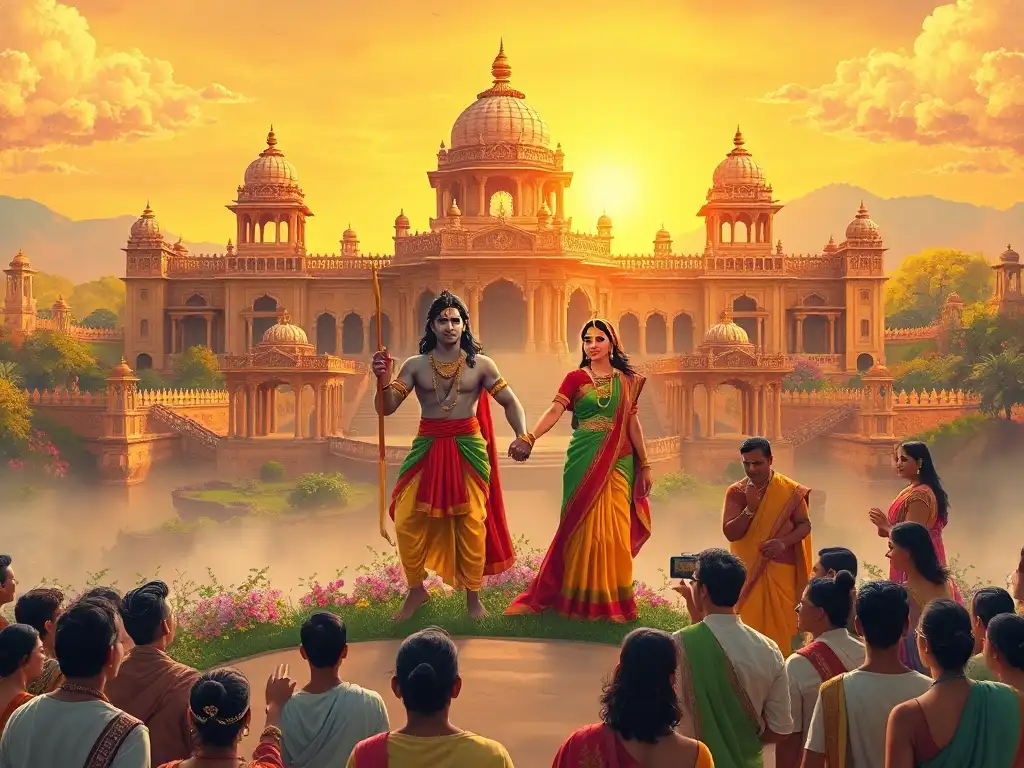
The Ramayana, attributed to the sage Valmiki, is not merely a story but a foundational text that has shaped Indian society in various profound ways. Its influence permeates cultural, social, and ethical dimensions, providing a framework for understanding duty (dharma), righteousness, and the complexities of human relationships. The epic's characters, especially Lord Rama, Sita, and Hanuman, are revered as embodiments of ideal virtues, serving as role models for individuals across generations. Their narratives resonate deeply with the collective consciousness of Indian society, guiding moral conduct and societal norms.
Moreover, the Ramayana has played a pivotal role in shaping the identity of various communities within India. It has been instrumental in unifying diverse cultures under a common narrative, promoting values of compassion, loyalty, and sacrifice. This epic remains integral to the educational curricula, theatrical performances, and spiritual discourses within both urban and rural settings, ensuring its relevance transcends time.
Cultural Impact: Festivals and Traditions Inspired by the Ramayana
Festivals such as Diwali, which celebrates Lord Rama's return to Ayodhya after defeating Ravana, illustrate the Ramayana's cultural significance. This festival not only marks the triumph of light over darkness but also reinforces the themes of victory, family reunion, and righteousness. Other celebrations, like Rama Navami, commemorate the birth of Lord Rama, fostering community engagement and spiritual reflection.
In addition to festivals, various traditions have emerged, such as the enactment of Ramlila, a theatrical representation of the Ramayana. These performances occur during the Navaratri festival and serve as a vibrant means to educate audiences about the epic's narrative and moral lessons. Such cultural practices ensure that the values and teachings of the Ramayana remain alive and relevant, providing continuity in Indian cultural heritage.
The Ramayana in Art and Literature: A Lasting Legacy
The Ramayana has inspired countless artistic expressions throughout Indian history. From intricate miniature paintings depicting scenes of the epic to grand temples adorned with sculptures of its characters, the influence of the Ramayana is evident in the visual arts. Notable historical sites, such as the Kandariya Mahadeva Temple, showcase carvings that narrate episodes from the epic, illustrating its significance in architectural heritage.
In literature, the Ramayana has been retold in various regional languages, adapting the story to reflect local cultures and values. Works like Tulsidas' Ramcharitmanas and Kamban's Iramavataram exemplify how the epic has been localized while retaining its core messages. This literary legacy has sparked a plethora of adaptations, inspiring modern authors, poets, and playwrights, ensuring the Ramayana's themes of love, valor, and morality continue to resonate in contemporary narratives.
The Ramayana's Significance in Indian History
The Ramayana serves as a historical lens through which we can examine ancient Indian civilization. It reflects the social structures, political dynamics, and cultural practices of its time, offering insights into the values that shaped Indian society. The epic's depiction of kingship, governance, and the role of women provides a framework for understanding the complexities of ancient Indian life.
Additionally, the Ramayana has been pivotal in fostering a sense of nationalism and cultural pride among Indians. Its themes of heroism and virtue resonate with the struggles against colonialism and the fight for independence, making it a source of inspiration for various movements. The enduring popularity of the Ramayana reinforces its status as a cornerstone of Indian identity.
The Ramayana's Reflection of Ancient Indian Values
At its core, the Ramayana encapsulates essential ancient Indian values such as dharma (duty), artha (prosperity), kama (pleasure), and moksha (liberation). The characters' adherence to these principles, even in the face of adversity, serves as a moral compass. Rama’s commitment to dharma, Sita’s unwavering devotion, and Hanuman’s loyalty exemplify the ideal behavior expected in society.
The epic also addresses the complexities of human emotions and relationships, showcasing the struggles individuals face in balancing personal desires with societal expectations. This reflection of human experience underscores the timeless nature of its teachings, encouraging readers to navigate their moral dilemmas by drawing inspiration from its characters.
Lessons from the Ramayana for Modern Society
The Ramayana imparts valuable lessons that remain pertinent in today's society. Themes of integrity, resilience, and the importance of ethical leadership resonate deeply in contemporary contexts. In an era marked by rapid change and moral ambiguity, the Ramayana encourages individuals to cultivate virtues such as honesty, compassion, and accountability.
Moreover, the epic's exploration of relationships—be it between spouses, friends, or leaders and followers—provides insights into the importance of trust and loyalty in personal and professional settings. By embracing the Ramayana's teachings, modern society can foster a more harmonious and principled existence, reinforcing the idea that the lessons from the past can illuminate paths for the future.
Conclusion: The Enduring Legacy of the Ramayana
The Ramayana, one of the two epic tales of ancient Indian literature, serves as a cornerstone of cultural and spiritual identity in India. Its themes of love, duty, valor, and morality resonate deeply across generations, making it more than just a story; it is a narrative that encapsulates the essence of Indian civilization.
As an epic, it has influenced various aspects of life, including art, dance, theater, and literature, serving as a source of inspiration and a moral compass for countless individuals throughout history. The enduring legacy of the Ramayana is reflected in the festivals, rituals, and performances that continue to celebrate its teachings and characters, ensuring its significance remains alive in the collective consciousness of the Indian populace.
The Ramayana as a Timeless Epic
The Ramayana is not merely a record of events; it is a profound exploration of human emotions and ethical dilemmas. Composed by the sage Valmiki, it presents the ideal of dharma (righteousness) through its principal characters, such as Lord Rama, Sita, and Hanuman. Each character embodies virtues that readers and audiences can aspire to emulate. The narrative structure of the Ramayana, with its intricate subplots and rich characterizations, allows for multiple interpretations, making it relevant across different contexts and eras.
Moreover, the significance of the Ramayana extends beyond literary realms into philosophical and spiritual dimensions. The teachings within its verses offer guidance on how to navigate life's challenges, promoting values such as integrity, loyalty, and selflessness. This multi-layered approach to storytelling is what solidifies the Ramayana's status as a timeless epic, continually engaging and inspiring individuals to reflect on their own lives and choices.
Future Relevance of the Ramayana in Contemporary India
In contemporary India, the Ramayana retains its relevance amidst rapid modernization and cultural shifts. It continues to be a source of inspiration for various forms of media, including television adaptations, films, and theatrical performances. The epic's themes are often revisited in discussions surrounding morality, justice, and governance, making it a vital reference point in contemporary socio-political discourse.
The Ramayana also plays a significant role in educational contexts, where it is studied not only for its literary merit but also for its insights into human psychology and ethics. As society grapples with modern challenges, the lessons from the Ramayana encourage individuals to reflect on their values and responsibilities, promoting a sense of unity and understanding that transcends cultural and generational divides.
Furthermore, the Ramayana's rich tapestry of characters and stories continues to inspire new interpretations and adaptations, ensuring that its messages remain accessible and relevant. The epic's ability to adapt and resonate with contemporary audiences underscores its timelessness and significance in the ongoing narrative of Indian history. As we move forward, the Ramayana will undoubtedly continue to shape cultural identities and foster connections among people in India and beyond.
- Introduction to the Ramayana
- The Historical Context of the Ramayana
- Themes of the Ramayana
- Characters and Their Significance
- The Ramayana's Influence on Indian Society
- The Ramayana's Significance in Indian History
- Conclusion: The Enduring Legacy of the Ramayana
Frequently Asked Questions
What is the Ramayana?
The Ramayana is an ancient Indian epic that narrates the life of Lord Rama, his wife Sita, and his loyal companion Hanuman, showcasing themes of love, duty, and redemption.
How does the Ramayana contribute to Indian culture?
The Ramayana has significantly influenced Indian culture, including art, literature, and performing arts, establishing core values and moral lessons that resonate throughout Indian society.
Why is the Ramayana considered significant in Indian history?
The Ramayana is significant in Indian history as it reflects the socio-political landscape, religious beliefs, and ethical principles of ancient India, serving as a moral compass for generations.
What are the main themes explored in the Ramayana?
Key themes in the Ramayana include dharma (duty), devotion, sacrifice, and the eternal struggle between good and evil, all of which underscore its relevance in both historical and modern contexts.
How has the Ramayana influenced Indian literature?
The Ramayana has inspired countless adaptations, retellings, and literary works in various languages, making it a foundational text that shapes the narrative traditions of Indian literature.
Final Reflection: The Enduring Significance of the Ramayana in Indian History
The Ramayana is not just an ancient text; it is a living narrative that continues to resonate deeply within the fabric of Indian culture today. Its themes of love, war, and redemption are timeless, reflecting the complexities of human experience that remain relevant in our modern world. As we navigate our own challenges, the lessons embedded in this epic remind us of the power of virtue, duty, and the eternal struggle between good and evil.
Culturally, the Ramayana has shaped the moral compass of society, influencing art, literature, and even politics throughout history. Its characters embody ideals that inspire individuals to strive for righteousness and compassion. As the scholar Ramesh Menon aptly puts it, The Ramayana is a mirror reflecting the values and dilemmas of human life, urging us to seek the path of dharma.
This ongoing influence underscores the epic's role in shaping not only individual identities but also collective cultural narratives across generations.
As we reflect on the significance of the Ramayana, let us invite ourselves to engage with its teachings actively. Consider how the values of love, courage, and redemption can be woven into the fabric of our daily lives. In a world often fraught with conflict and division, the Ramayana encourages us to embrace empathy and understanding.
Take a moment to reflect on your own journey—how can the lessons of this timeless epic guide you toward a more harmonious existence? The call to action is clear: let the Ramayana inspire you to become a beacon of light in your community, embodying the virtues that have transcended time and continue to shape our world.
Unveil the Wisdom of The Ramayana Today!
Thank you for taking the time to immerse yourself in the richness of The Ramayana. You've unlocked a treasure trove of insights into love, war, and redemption that resonate even today. Now, take the next step on your journey of discovery!
- Dive deeper into the stories of your favorite characters by exploring adaptations across various cultures and artistic forms.
- Share your thoughts on how the themes of The Ramayana apply to modern life—join the conversation in our comments section!
- Participate in a community discussion—check out our upcoming webinar, where we’ll delve into the epic and its profound impact on society.
What lesson from The Ramayana do you find most relevant to our lives today?