
The Mahabharata’s Philosophical Dialogues: Conversations for the Ages

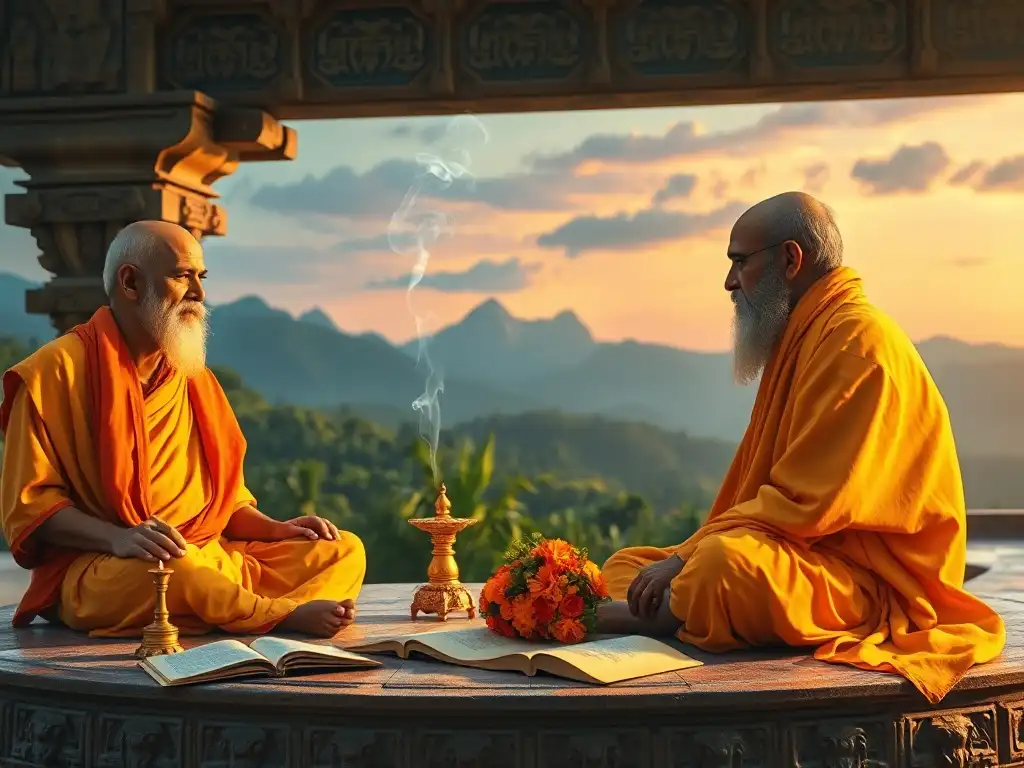
Welcome to Ancient India History, where we invite you to embark on a fascinating journey through the rich tapestry of India's past. In our latest article, “The Mahabharata’s Philosophical Dialogues: Conversations for the Ages,” we delve into the profound philosophical teachings embedded within one of the greatest epics of all time.
Discover how the dialogues of the Mahabharata not only reflect the complexities of human nature but also offer timeless wisdom that resonates even today. As you explore these captivating insights, prepare to uncover a world where ancient knowledge meets contemporary relevance, beckoning you to delve deeper into the legacy of Indian civilization.
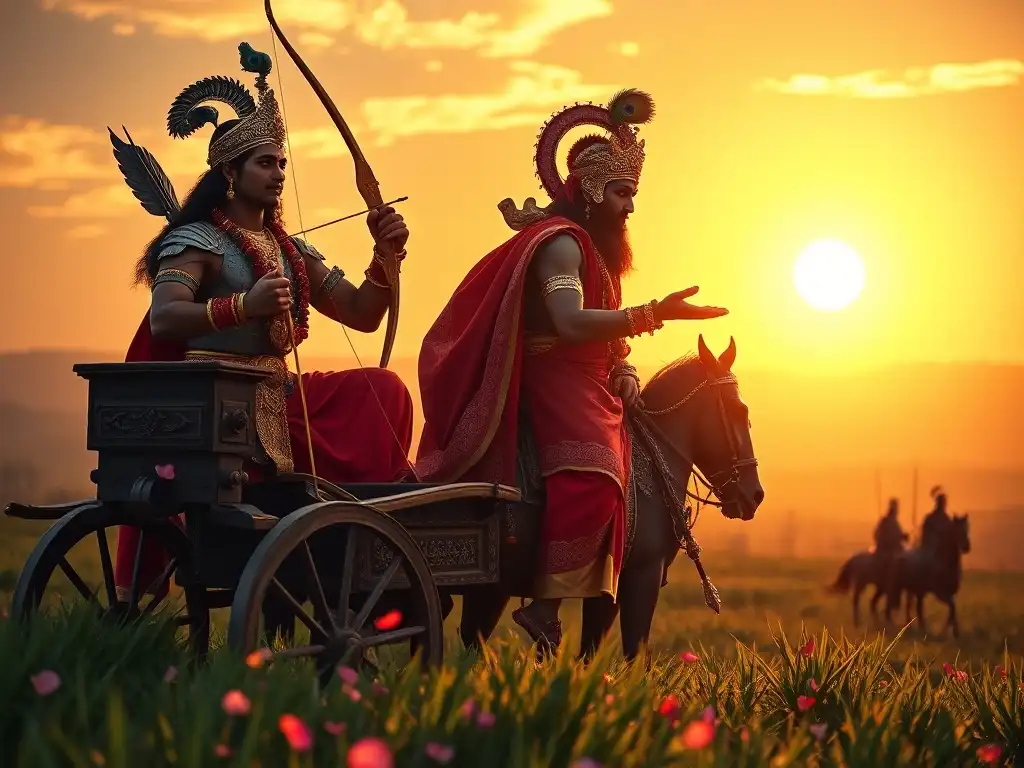
The Mahabharata, one of the most significant epics in Indian literature, transcends mere storytelling to offer profound philosophical insights that resonate with humanity across ages. This epic, which narrates the tale of the Kurukshetra War and the fates of the Kaurava and Pandava princes, is not only a historical account but also a compendium of moral and ethical dilemmas faced by its characters.
The philosophical teachings embedded within the Mahabharata have been a source of contemplation, debate, and wisdom, addressing fundamental questions regarding duty, righteousness, and the nature of existence. In this article, we will explore the core philosophical dialogues within the Mahabharata, emphasizing their relevance and the timeless conversations they foster.
Introduction to the Mahabharata
Overview of the Mahabharata Epic
The Mahabharata, attributed to the sage Vyasa, is one of the longest epics in world literature, consisting of over 100,000 shlokas (verses). It encompasses a wide range of narratives, including mythology, history, and philosophy, woven intricately into the fabric of ancient Indian culture. The epic is divided into 18 parvas (books), each exploring different themes and characters. Key figures like Krishna, Arjuna, and Draupadi bring to life the complexities of human emotions, ethics, and the socio-political landscape of ancient India.
Significance of Philosophical Teachings in the Mahabharata
The philosophical teachings in the Mahabharata are significant for several reasons:
- Moral Framework: They provide a moral framework that is applicable even in contemporary contexts, encouraging individuals to reflect on their duties and responsibilities.
- Exploration of Dharma: Central to the epic is the concept of Dharma (righteous duty), which is explored through various characters and their choices, highlighting the nuances of moral decision-making.
- Dialogues as Reflection: The dialogues serve as a reflective tool, prompting readers to engage with their own ethical dilemmas and life choices.
Core Philosophical Dialogues in the Mahabharata
The Bhagavad Gita: A Dialogue of Duty and Morality
The Bhagavad Gita, a sacred text within the Mahabharata, encapsulates a profound dialogue between Prince Arjuna and Lord Krishna. Arjuna stands on the battlefield, torn between his duty as a warrior and his moral qualms about fighting against his own kin. Krishna imparts essential philosophical teachings on:
- Karma Yoga: The path of selfless action, emphasizing the importance of performing one's duty without attachment to the results.
- The Nature of the Self: An exploration of the eternal soul ( Atman) versus the temporary physical body, establishing a framework for understanding life and death.
- Righteousness in Conflict: Addressing the ethical dilemmas of war, the dialogue encourages a deep consideration of justice and morality.
Yudhishthira's Conversations: Truth and Justice
Yudhishthira, known for his unwavering commitment to truth and righteousness, engages in several poignant conversations throughout the Mahabharata that reflect his struggle with moral dilemmas. Key aspects include:
- The Game of Dice: His choices in the infamous game of dice reveal the complexities of fate and personal responsibility.
- Conversations with Dharma: Yudhishthira often dialogues with the personification of Dharma (righteousness), grappling with the implications of truth in a world rife with deception.
- Lessons on Leadership: His pursuit of justice underscores the qualities of a good leader, prompting reflections on the balance between personal ethics and the greater good.
Through these philosophical dialogues, the Mahabharata continues to engage readers and scholars alike, inviting them to ponder the deeper meanings of life, duty, and morality in an ever-evolving world.
Comparative Analysis of Philosophical Teachings
The Mahabharata stands as one of the most significant texts in not just Indian literature but also in the realm of philosophy. Its philosophical dialogues, particularly those found in the Bhagavad Gita, offer profound insights into the nature of duty, righteousness, and the human condition. When compared to other ancient Indian texts, such as the Upanishads and Yoga Sutras, the Mahabharata provides a unique narrative framework that intertwines philosophical discourse with a dramatic storyline.
In contrast to the Upanishads, which primarily explore metaphysical concepts and the nature of reality, the Mahabharata places these ideas within the context of a grand narrative filled with ethical dilemmas and personal conflicts. For instance, while the Upanishads might discuss concepts like Brahman and Atman in abstract terms, the Mahabharata addresses similar themes through the personal struggles of its characters, making complex philosophies accessible and relatable.
Moreover, the Mahabharata's dialogic style allows for a richer exploration of ideas, as multiple perspectives on duty (dharma) and morality are presented through conversations between characters like Arjuna and Krishna. This method contrasts with the often didactic tone of texts such as the Manusmriti, which presents ethical guidelines more prescriptively. Thus, the Mahabharata serves as a bridge between abstract philosophical thought and practical ethical applications, emphasizing that philosophical teachings are not merely theoretical but must also be applied in the complexities of life.
Mahabharata vs. Other Ancient Indian Texts
When comparing the Mahabharata to other ancient Indian texts, we notice distinct approaches to philosophy and ethics. The Bhagavad Gita, a part of the Mahabharata, can be particularly contrasted with the Brahmanas, which focus on rituals and the proper conduct of sacrifices. While the Brahmanas provide a procedural and ritualistic framework, the Gita emphasizes the internal struggle and the importance of intent behind actions.
Another important comparison is with the Puranas, which often narrate the history of the cosmos and the divine. The Mahabharata, on the other hand, highlights human experiences and dilemmas, grounding its philosophical discussions in relatable situations. This focus on human agency and moral complexity sets the Mahabharata apart as a text that not only conveys philosophical teachings but also invites the reader to engage with these teachings in the context of individual choice and societal norms.
Impact of Mahabharata Philosophical Teachings on Later Thought
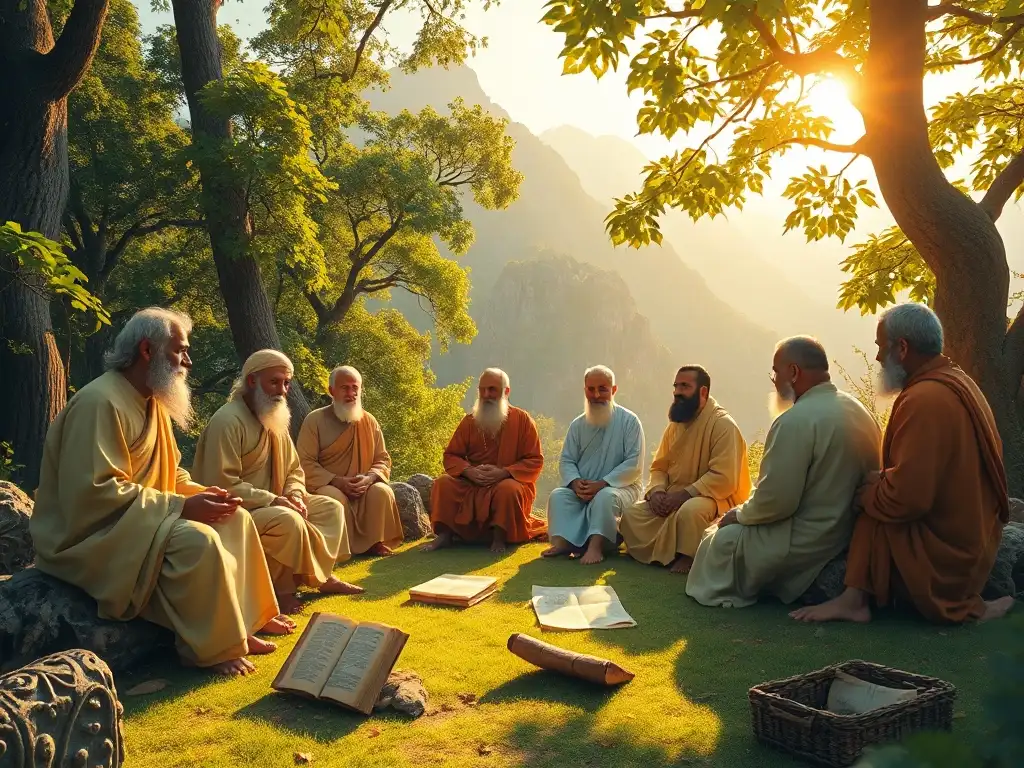
The philosophical teachings of the Mahabharata have had a lasting impact on various streams of Indian thought, shaping ideas around ethics, duty, and the nature of reality. Throughout history, scholars and philosophers have drawn from the dialogues within this epic to discuss issues of morality, governance, and personal conduct.
Influence on Indian Philosophy and Ethics
The Mahabharata's exploration of dharma has profoundly influenced Indian philosophy and ethical thought. Concepts such as svadharma (one's own duty) and samsara (the cycle of life and death) have become essential elements in various schools of Indian philosophy, including Vedanta and Jainism. Thinkers such as Adi Shankaracharya and Mahatma Gandhi have referenced the Mahabharata in their philosophical discourses, using its teachings to advocate for ethical living and social justice.
Additionally, the epic's portrayal of complex characters—each embodying different aspects of dharma—encourages a nuanced understanding of morality. By presenting ethical dilemmas without clear right or wrong answers, the Mahabharata invites readers to reflect on their own responsibilities and the consequences of their actions, a theme that resonates through various philosophical teachings in India.
Adaptations in Modern Literature and Philosophy
In contemporary times, the philosophical teachings of the Mahabharata have inspired countless adaptations in literature, drama, and philosophy. Modern authors and playwrights often reinterpret its themes to address current social issues, such as justice, power dynamics, and the moral implications of war.
For instance, works like "The Palace of Illusions" by Chitra Banerjee Divakaruni and "The Mahabharata: A Modern Rendering" by Ramesh Menon offer fresh perspectives on the epic's characters and themes, making the philosophical teachings accessible to a new generation.
Moreover, philosophical discussions inspired by the Mahabharata are increasingly integrated into modern discourse on ethics and leadership. Thinkers like Vikram Sarabhai have drawn parallels between the epic's teachings and contemporary issues in governance and societal responsibility, emphasizing that the lessons of the Mahabharata remain relevant in navigating the complexities of modern life.
The Mahabharata's philosophical dialogues continue to resonate deeply, influencing not only Indian philosophy but also engaging with global philosophical conversations, ensuring that its teachings remain conversations for the ages.
Conclusion: The Enduring Relevance of Mahabharata Philosophical Dialogues
The Mahabharata, one of the world's longest epics, extends beyond its narrative of war and politics to offer profound philosophical insights that resonate through time. The philosophical dialogues within its pages, particularly those found in texts like the Bhagavad Gita, examine the complexities of duty, righteousness, and the nature of reality. These dialogues encourage readers to reflect on their own lives and the ethical dilemmas they face, making them timeless conversations that remain relevant in contemporary society.
The teachings of the Mahabharata challenge us to consider the moral implications of our choices and the interconnectedness of human experiences. As readers engage with the text, they find themselves in dialogue not just with the characters, but also with their own beliefs and values. This enduring relevance speaks to the universal themes of struggle, choice, and the quest for meaning that transcend cultural and temporal boundaries.
Summary of Key Philosophical Insights
The Mahabharata's philosophical teachings encompass a vast array of themes, each contributing to a deeper understanding of human existence. Some of the most significant insights include:
- Dharma (Righteousness and Duty): Central to the narrative is the concept of dharma, which emphasizes the moral and ethical duties individuals have towards society, family, and themselves. The dialogues prompt readers to consider their responsibilities and the consequences of their actions.
- The Nature of Life and Death: The epic explores the transient nature of life, highlighting that death is an inevitable part of existence. Characters often grapple with the implications of mortality, prompting reflections on how to live meaningfully.
- Free Will and Destiny: The tension between fate and free will is a recurring theme. The dialogues encourage contemplation on how much control individuals truly have over their lives and the paths they choose.
- The Pursuit of Knowledge: The Mahabharata advocates for the pursuit of wisdom and self-awareness. Characters engage in discussions that reveal the importance of understanding oneself and the world, pushing the boundaries of philosophical inquiry.
These insights not only provide a philosophical framework for understanding life's complexities but also inspire readers to engage in their own reflective practices.
The Mahabharata’s Legacy in Contemporary Discourse
The philosophical teachings of the Mahabharata continue to influence contemporary discourse across various fields, including ethics, politics, and psychology. In ethical discussions, the notion of dharma is frequently invoked to analyze moral dilemmas in modern contexts, such as justice in governance and social responsibility.
In psychology, the epic’s exploration of the human psyche resonates with contemporary themes in self-discovery and personal growth. The internal conflicts faced by characters like Arjuna mirror the struggles individuals experience today, making the Mahabharata a relevant source for those seeking understanding in their personal journeys.
Moreover, the Mahabharata has inspired numerous adaptations and interpretations in literature, film, and art, ensuring that its teachings reach new audiences. Scholars and practitioners continue to draw from its rich philosophical reservoir, integrating its lessons into modern discussions surrounding ethics, leadership, and human values.
References and Further Reading
The study of the Mahabharata's philosophical teachings is vast and varied, with numerous texts and resources available for those interested in delving deeper into its rich legacy.
Recommended Texts on Mahabharata Philosophical Teachings
- "The Bhagavad Gita" - A key dialogue within the Mahabharata, offering insights into duty, ethics, and spirituality.
- "Mahabharata: A Modern Rendering" by Ramesh Menon: - A contemporary retelling that highlights the philosophical aspects of the epic.
- "The Mahabharata: An Inquiry in the Human Condition" by J. A. van Buitenen: - A scholarly examination of the themes and teachings of the Mahabharata.
Scholarly Articles and Resources on Epic Literature
- "The Philosophical Dimensions of the Mahabharata" - An article exploring the various philosophical themes within the epic, available in academic journals.
- "The Role of Dharma in the Mahabharata" - A critical analysis of how dharma is portrayed and its implications for contemporary ethical discussions.
- Online Resources: Platforms like JSTOR and Project MUSE offer access to numerous scholarly articles focusing on the Mahabharata and its philosophical implications.
These resources provide a solid foundation for understanding the philosophical teachings of the Mahabharata and their relevance in both historical and modern contexts.
- Introduction to the Mahabharata
- Core Philosophical Dialogues in the Mahabharata
- Comparative Analysis of Philosophical Teachings
- Impact of Mahabharata Philosophical Teachings on Later Thought
- Conclusion: The Enduring Relevance of Mahabharata Philosophical Dialogues
- References and Further Reading
- What is the Mahabharata?
- How do the philosophical teachings in the Mahabharata influence modern thought?
- What role do dialogues play in conveying the Mahabharata’s philosophical teachings?
- Are there specific philosophical themes highlighted in the Mahabharata?
- How can one delve deeper into the philosophical teachings of the Mahabharata?
Frequently Asked Questions
What is the Mahabharata?
The Mahabharata is an ancient Indian epic that narrates the story of the Kurukshetra War and the fates of the Kaurava and Pandava princes. It is not only a narrative but also a source of philosophical teachings and ethical dilemmas.
How do the philosophical teachings in the Mahabharata influence modern thought?
The philosophical teachings in the Mahabharata address various aspects of life, duty, and morality, offering insights that resonate with contemporary ethical discussions and personal dilemmas faced today.
What role do dialogues play in conveying the Mahabharata’s philosophical teachings?
The dialogues in the Mahabharata serve as a medium for characters to express their thoughts, beliefs, and moral struggles, effectively illustrating complex philosophical concepts in a relatable manner.
Are there specific philosophical themes highlighted in the Mahabharata?
Yes, the Mahabharata explores several philosophical themes such as dharma (duty), karma (action and consequence), and the nature of truth, which remain relevant across generations.
How can one delve deeper into the philosophical teachings of the Mahabharata?
To explore the philosophical teachings of the Mahabharata, one can read various commentaries, engage in discussions, or study specific sections of the text that focus on dialogues between prominent characters like Krishna and Arjuna.
Final Reflection: The Timeless Wisdom of the Mahabharata
In an age where rapid change often overshadows deep contemplation, the Mahabharata’s philosophical teachings resonate with an enduring relevance that transcends time. This epic not only narrates a grand tale of conflict and duty but also serves as a profound guide for navigating the complexities of human existence. The philosophical dialogues within the Mahabharata challenge us to reflect on our values, ethics, and the nature of reality itself, reminding us that wisdom is not merely a relic of the past but a vital compass for our present and future.
The influence of the Mahabharata on our cultural and social landscape is undeniable. Its teachings continue to inspire countless individuals seeking clarity in their lives, urging us to engage in meaningful conversations about morality, justice, and the human condition. As we grapple with contemporary dilemmas, the insights gleaned from this ancient text encourage us to look inward and examine our motivations and choices. The Mahabharata teaches us that the greatest battles are often fought within ourselves.
This ongoing dialogue between the past and present invites us to draw parallels between the epic's characters and our own struggles, fostering a deeper understanding of our shared humanity.
As you reflect on the lessons of the Mahabharata, I invite you to embrace the opportunity for personal growth and transformation. Consider how the philosophical teachings can guide your decisions and interactions in daily life. Let the dialogues inspire you to engage in conversations that challenge your perspectives and deepen your understanding of yourself and others. Remember, the wisdom of the Mahabharata is not just a narrative to be admired; it is a living dialogue that calls upon each of us to participate actively in the quest for knowledge and understanding.
Unveil the Wisdom of the Mahabharata!
Thank you for diving into the profound philosophical dialogues of the Mahabharata with us! We hope you’ve gained new insights into these timeless conversations and their relevance today. Now, let’s take the next step in exploring this ancient wisdom and applying it to our lives.
Here’s how you can actively engage with the philosophies discussed:
- Delve into a key dialogue: Choose one of the conversations that resonated with you and reflect on its message. Write down how it applies to your personal experiences.
- Share your insights: Discuss the themes of the Mahabharata with friends or family, or express your thoughts on social media. Start a conversation and spark new perspectives!
- Join a study group: Connect with others who are interested in exploring the Mahabharata. Participate in local workshops or online discussions to deepen your understanding.
In what ways do you think the philosophical lessons from the Mahabharata can be applied to the challenges you face in modern life?