
The Art of Balancing: Ayurveda's Contribution to Modern Stress Management

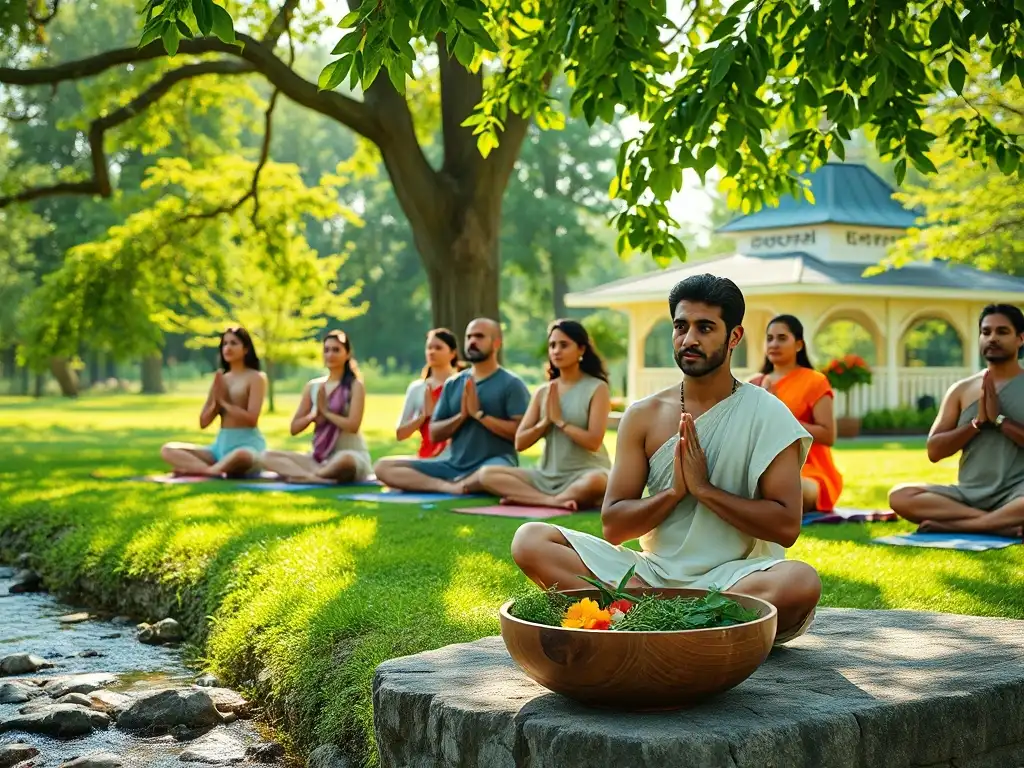
Welcome to Ancient India History, where we delve deep into the rich tapestry of India's past and uncover the remarkable contributions of ancient civilizations. In our featured article, "The Art of Balancing: Ayurveda's Contribution to Modern Stress Management," we invite you to explore the timeless wisdom of Ayurveda and its innovative techniques for managing stress in today's fast-paced world. Discover how these ancient practices can transform your approach to well-being and enhance your daily life. Join us on this fascinating journey and unlock the secrets of Ayurveda that continue to inspire modern solutions.

Ayurveda, an ancient Indian system of medicine, offers profound insights into maintaining harmony within the body and mind, making it a valuable resource in today's fast-paced world. As modern society grapples with increasing stress levels, the age-old wisdom of Ayurveda provides practical techniques that promote mental well-being and balance. This article delves into Ayurveda's historical roots, core principles, and its relevance in contemporary stress management practices. By exploring various Ayurvedic stress management techniques, we aim to uncover how this holistic approach can be integrated into modern healthcare, providing a natural remedy for stress-related challenges.
Understanding Ayurveda and Its Historical Roots
The Origins of Ayurveda in Ancient India
Ayurveda, derived from the Sanskrit words "Ayus" (life) and "Veda" (knowledge), dates back over 5,000 years, making it one of the oldest healthcare systems in the world. It originated in the Indian subcontinent, primarily documented in ancient texts known as the Vedas, particularly the Atharva Veda. This holistic practice emphasizes the balance between the body, mind, and spirit, and its teachings have been passed down through generations, influencing various aspects of health and wellness.
Core Principles of Ayurvedic Philosophy
At the heart of Ayurveda are three fundamental concepts known as the Doshas—Vata, Pitta, and Kapha. These biological energies govern physiological and psychological functions in the body. Understanding one's unique constitution or Prakriti is essential for personalized care. Additionally, Ayurveda stresses the importance of balancing these doshas through diet, lifestyle, and natural remedies, fostering overall well-being.
The Role of Ayurveda in Health and Wellness
Ayurveda advocates for a preventive approach to health, focusing on maintaining balance and harmony rather than merely treating illness. By integrating physical, mental, and spiritual well-being, Ayurveda provides a comprehensive framework for achieving optimal health. This approach is particularly relevant in today's context, where stress-related ailments are prevalent. Ayurvedic practices, such as yoga, meditation, and herbal remedies, contribute significantly to stress reduction and promote a healthier lifestyle.
Ayurveda Stress Management Techniques
What Are Ayurveda Stress Management Techniques?
Ayurveda stress management techniques encompass a range of practices designed to restore balance and alleviate the negative effects of stress on the body and mind. These techniques include dietary adjustments, herbal supplements, and lifestyle changes that align with an individual's unique constitution. By addressing the root causes of stress rather than just its symptoms, Ayurveda fosters a deeper sense of relaxation and rejuvenation.
Key Ayurvedic Concepts for Stress Relief
Several key concepts underpin Ayurvedic stress relief techniques:
- Sattva: Cultivating a state of mental clarity and calmness through practices like meditation and mindfulness.
- Rasayana: Incorporating rejuvenating herbs and foods that nourish the body and support resilience against stress.
- Dinacharya: Establishing a daily routine that promotes balance and well-being, including sleep hygiene and self-care practices.
By embracing these concepts, individuals can effectively manage stress and enhance their overall quality of life, allowing Ayurveda to shine as a powerful ally in modern healthcare.
Practical Ayurveda Stress Management Techniques
Ayurveda, the ancient Indian system of medicine, emphasizes the importance of balance in maintaining physical and mental health. With the increasing prevalence of stress in modern life, Ayurveda offers a variety of practical techniques to manage stress effectively. These techniques are centered around the concept of doshas, the three energies that govern our physiological and psychological functions: Vata, Pitta, and Kapha. By identifying one’s predominant dosha, individuals can adopt tailored approaches that promote harmony and well-being.
Key Ayurveda stress management techniques include:
- Daily Routines (Dinacharya): Establishing a consistent daily routine helps regulate bodily rhythms and reduce stress. This may include waking up early, practicing self-care, and maintaining a balanced sleep schedule.
- Mindful Breathing: Techniques such as Pranayama (breath control) are integral to Ayurveda. Simple exercises like Nadi Shodhana (alternate nostril breathing) help calm the mind and improve focus.
- Massage and Bodywork: Ayurvedic practices often incorporate Abhyanga, a warm oil massage that alleviates tension and promotes relaxation by stimulating circulation and detoxification.
Herbal Remedies for Stress Relief
Herbal remedies play a crucial role in Ayurvedic stress management. Several herbs are revered for their adaptogenic properties, which enhance the body’s ability to cope with stress. Some of the most effective herbs include:
- Ashwagandha: Known as a powerful adaptogen, ashwagandha helps reduce cortisol levels and improve overall resilience to stress.
- Brahmi: This herb is celebrated for its cognitive-enhancing properties. Brahmi supports mental clarity and reduces anxiety, making it an excellent choice for stress management.
- Tulsi (Holy Basil): Renowned for its calming effects, tulsi can help alleviate anxiety and promote emotional balance. It is often consumed as a tea to enhance relaxation.
Incorporating these herbs into daily routines, whether in supplement form, teas, or culinary applications, can significantly contribute to stress relief and mental clarity.
Ayurvedic Dietary Practices for Stress Management

Nutrition is a foundational aspect of Ayurveda, playing a critical role in maintaining balance and well-being. Ayurvedic dietary practices emphasize whole, unprocessed foods that align with the individual's dosha. Here are some key dietary principles for stress management:
- Sattvic Diet: A diet rich in fresh fruits, vegetables, whole grains, and legumes fosters mental clarity and calmness. Sattvic foods are believed to promote peace of mind, making them ideal for stress relief.
- Spices and Herbs: Incorporating spices like turmeric, ginger, and black pepper can enhance digestion and improve overall health, which in turn supports stress management.
- Hydration: Staying hydrated is vital. Herbal infusions and warm water help maintain balance in the body, aiding in detoxification and overall wellness.
By adopting these dietary practices, individuals can nourish their bodies and minds, creating a solid foundation for resilience against stress.
Yoga and Meditation in Ayurveda
Yoga and meditation are integral components of Ayurveda, providing powerful tools for stress management. These practices not only promote physical health but also enhance mental clarity and emotional stability.
- Yoga: Specific yoga poses (asanas) are designed to balance the doshas and release tension. Poses like Child’s Pose and Corpse Pose are particularly effective for relaxation and stress relief.
- Meditation: Regular meditation practices, such as Mindfulness Meditation or Transcendental Meditation, help quiet the mind and cultivate a sense of inner peace. These practices enhance self-awareness and reduce anxiety.
Incorporating yoga and meditation into daily routines can significantly improve one’s ability to manage stress and enhance overall well-being.
Modern Applications of Ayurveda in Stress Management
As modern society increasingly recognizes the need for effective stress management techniques, Ayurveda's ancient wisdom is finding new applications. Health practitioners and wellness coaches are integrating Ayurvedic principles into contemporary practices, making them accessible to a broader audience.
Integrating Ayurvedic Practices into Daily Life
Modern individuals are encouraged to integrate Ayurveda into their daily lives by adopting simple yet effective practices. This can be achieved through:
- Mindful Living: Embracing mindfulness in everyday activities, from eating to working, can help individuals remain present and reduce stress.
- Personalized Wellness Plans: Tailoring wellness strategies based on one’s dosha can lead to more effective stress management. Personalized plans may include dietary recommendations, lifestyle adjustments, and herbal supplements.
- Community Support: Engaging with community wellness programs or workshops focused on Ayurveda can provide support and guidance, enhancing motivation and accountability.
Technology and Ayurveda: New Innovations
The intersection of technology and Ayurveda is paving the way for innovative stress management solutions. Recent advancements include:
- Mobile Applications: Apps that offer guided meditation, yoga sessions, and personalized Ayurvedic consultations are making it easier for individuals to access these practices anytime, anywhere.
- Wearable Devices: Wearables that track stress levels and provide feedback based on Ayurvedic principles can help users understand their stress triggers and adopt appropriate management techniques.
- Online Education: The rise of online platforms offering courses on Ayurveda enables individuals to learn and apply ancient techniques to modern challenges, fostering a deeper understanding of stress management.
Incorporating these modern applications ensures that Ayurveda remains relevant and effective in promoting stress management in today’s fast-paced environment.
Case Studies: Success Stories of Ayurveda in Stress Management
Ayurveda, the ancient Indian system of medicine, has garnered attention in recent years for its holistic approach to health and well-being, particularly in the realm of stress management. Numerous case studies have emerged, showcasing the effectiveness of Ayurveda in helping individuals alleviate stress and improve their overall quality of life. These success stories provide valuable insights into how Ayurveda can be integrated into modern wellness practices.
Individuals Who Transformed Their Lives with Ayurveda
Many individuals have reported significant transformations in their lives through the application of Ayurveda-based stress management techniques. For instance, a case study involving a corporate executive showed that implementing Ayurvedic practices such as daily meditation, herbal supplements, and dietary modifications led to a remarkable reduction in stress levels. After three months of consistent practice, the individual experienced improved focus, better sleep quality, and a more balanced emotional state.
In another notable instance, a teacher struggling with anxiety turned to Ayurveda after conventional methods provided little relief. By adopting a personalized Ayurvedic regimen that included yoga, pranayama (breath control), and specific herbal remedies, she reported a drastic decrease in anxiety and an enhanced sense of calm. This transformative journey not only improved her mental health but also positively impacted her professional and personal relationships.
Corporate Wellness Programs Incorporating Ayurveda
A growing number of organizations are recognizing the importance of employee well-being and are incorporating Ayurveda into their corporate wellness programs. One such program implemented by a tech company introduced Ayurvedic workshops that educated employees about stress management techniques like mindfulness, yoga, and dietary guidance. Following the program's initiation, a survey indicated that 75% of participants felt a significant decrease in work-related stress and improved job satisfaction.
Additionally, a healthcare organization adopted an Ayurvedic approach by offering personalized wellness consultations and stress management workshops for its staff. The results were compelling; employees reported enhanced productivity and a reduction in absenteeism. These corporate initiatives highlight the effectiveness of Ayurveda in fostering a healthier work environment and promoting overall employee well-being.
Conclusion: The Future of Ayurveda in Modern Healthcare
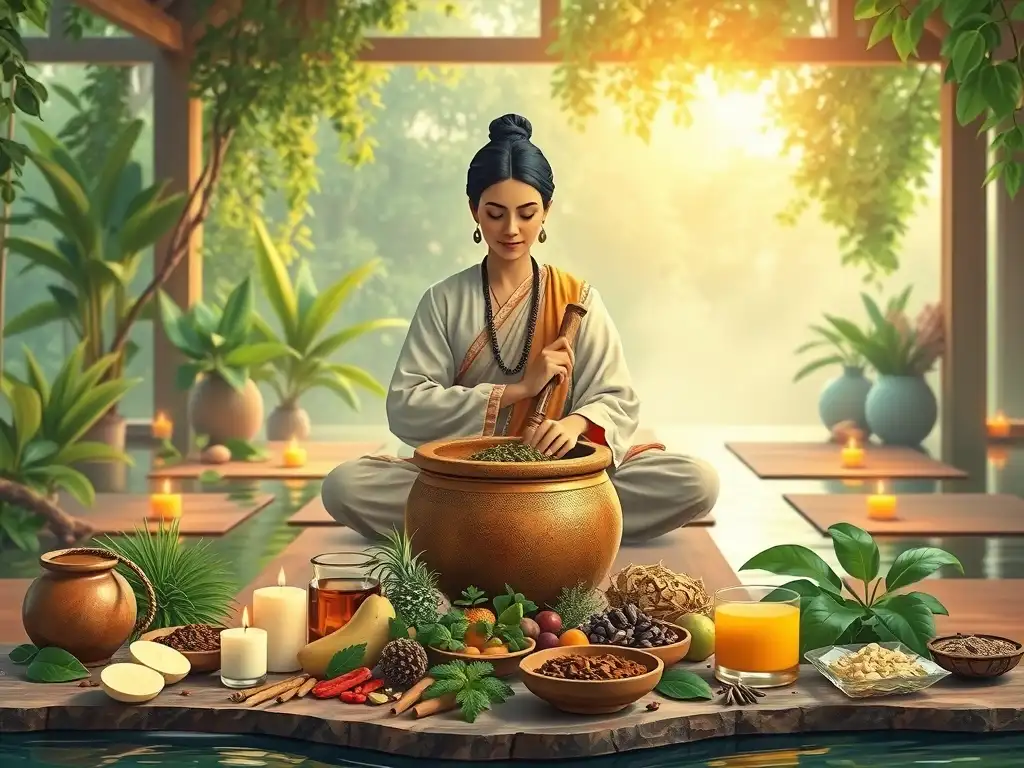
As more people seek natural and holistic solutions to stress management, the relevance of Ayurveda continues to grow. Its time-tested principles and practices offer a unique perspective that aligns well with contemporary wellness trends, making it a vital component in modern healthcare.
The Relevance of Ayurveda Stress Management Techniques Today
In today's fast-paced world, the need for effective stress management techniques is more critical than ever. Ayurveda’s comprehensive approach, which encompasses physical, mental, and spiritual well-being, provides valuable strategies that can be easily integrated into daily life. Techniques such as meditation, yoga, and dietary adjustments not only address the symptoms of stress but also promote long-term resilience and health.
Moreover, Ayurveda's emphasis on personalized care ensures that individuals can find tailored solutions that resonate with their unique needs and lifestyles. This adaptability makes Ayurveda increasingly relevant in addressing modern stressors, thereby positioning it as a complementary practice alongside conventional healthcare.
Encouraging a Holistic Approach to Mental Health
The future of Ayurveda in modern healthcare also lies in its potential to encourage a holistic approach to mental health. By integrating Ayurvedic principles into mental health care, practitioners can offer patients a comprehensive framework that addresses the root causes of stress rather than merely alleviating symptoms. This can lead to more sustainable mental health outcomes and empower individuals to take control of their well-being.
Furthermore, as society becomes more aware of the limitations of conventional stress management techniques, the interest in Ayurveda is likely to grow. Educational initiatives and research efforts can further enhance the understanding and acceptance of Ayurveda within the healthcare community, paving the way for its integration into mainstream mental health practices.
Additional Resources for Ayurveda Stress Management
To fully appreciate the benefits of Ayurveda in stress management, it is essential to explore various resources that can enhance your understanding and practice. These resources include online platforms, community forums, and wellness centers dedicated to Ayurvedic principles. Websites offering courses and workshops on Ayurveda provide a structured approach to learning about its techniques and applications. Additionally, social media platforms often feature groups and pages where practitioners and enthusiasts share their experiences and tips on incorporating Ayurvedic practices into daily life.
Moreover, consider subscribing to newsletters or joining mailing lists of reputable Ayurvedic schools or practitioners, which often share valuable insights, research findings, and updates on the latest in Ayurvedic stress management techniques. Utilizing these resources can help deepen your knowledge and provide practical tools to manage stress effectively.
Recommended Ayurvedic Products for Stress Relief
When it comes to stress relief, Ayurveda offers a variety of products that can be integrated into your daily routine. Here are some notable options:
- Herbal Supplements: Products containing adaptogens like Ashwagandha, Brahmi, and Tulsi are renowned for their stress-relieving properties. They help the body adapt to stress and enhance overall mental clarity.
- Essential Oils: Oils such as lavender, sandalwood, and chamomile can be used in aromatherapy to promote relaxation and reduce anxiety. Diffusing these oils in your living space can create a calming atmosphere.
- Herbal Teas: Drinking herbal teas made from ingredients like passionflower, valerian root, or lemon balm can be soothing. These teas not only hydrate but also support the body's natural stress response.
- Ayurvedic Skin Care: Products infused with calming herbs can enhance the self-care routine, promoting relaxation through rituals like massage or warm oil applications.
- Meditation Tools: Items such as singing bowls, meditation cushions, and guided meditation recordings can aid in creating a conducive environment for mindfulness practices.
By integrating these products into your lifestyle, you can harness the ancient wisdom of Ayurveda to help manage stress effectively.
Books and Literature on Ayurveda and Stress Management
Books remain one of the best ways to dive deep into Ayurvedic practices and their application in managing stress. Here are some esteemed titles worth exploring:
- "The Complete Book of Ayurvedic Home Remedies" by Vasant Lad: This comprehensive guide offers practical advice and remedies for various health concerns, including stress management.
- "Ayurveda: The Science of Self-Healing" by Vasant Lad: This book provides insights into the principles of Ayurveda and discusses how they can be utilized for personal well-being, including stress relief techniques.
- "The Yoga of Herbs: An Ayurvedic Guide to Herbal Medicine" by David Frawley and Vasant Lad: This text delves into the relationship between herbs and Ayurveda, offering guidance on using herbs to alleviate stress.
- "Healing Your Life: Lessons on the Path of Ayurveda" by Dr. Marc Halpern: This book combines personal insights with Ayurvedic wisdom, providing a holistic approach to managing stress and enhancing life quality.
These books are excellent resources for anyone seeking to understand Ayurveda's approach to stress management and personal well-being.
Call to Action: Embracing Ayurveda for Stress Management
Incorporating Ayurveda into your stress management routine can be transformative. By engaging with its principles and practices, you can foster a sense of balance and well-being that permeates every aspect of your life. Whether through herbal remedies, meditation, or dietary adjustments, Ayurveda offers a holistic approach tailored to individual needs.
How to Get Started with Ayurveda Today
To embark on your Ayurvedic journey, begin by assessing your current lifestyle and stressors. Consider consulting with a qualified Ayurvedic practitioner who can help determine your dosha (body constitution) and recommend personalized practices. Start integrating simple techniques into your daily routine, such as mindful eating, practicing yoga, and using herbal supplements.
Additionally, explore online resources and communities to connect with others on a similar path. This support can provide motivation and ideas for incorporating Ayurveda into your life gradually.
Inviting Readers to Explore Ayurvedic Products and Resources
We encourage you to delve into the world of Ayurveda by exploring various products and resources available today. From herbal supplements to educational literature, there's a wealth of information waiting for you. Make a commitment to prioritize your mental health through Ayurveda, and consider trying out some recommended products.
By embracing these ancient techniques and modern interpretations, you can achieve a harmonious balance in your life, effectively managing stress and enhancing your overall well-being. Start your journey today and experience the profound benefits of Ayurveda firsthand!
- Understanding Ayurveda and Its Historical Roots
- Ayurveda Stress Management Techniques
- Practical Ayurveda Stress Management Techniques
- Herbal Remedies for Stress Relief
- Ayurvedic Dietary Practices for Stress Management
- Yoga and Meditation in Ayurveda
- Modern Applications of Ayurveda in Stress Management
- Case Studies: Success Stories of Ayurveda in Stress Management
- Conclusion: The Future of Ayurveda in Modern Healthcare
- Additional Resources for Ayurveda Stress Management
- Call to Action: Embracing Ayurveda for Stress Management
Frequently Asked Questions
What is Ayurveda?
Ayurveda is an ancient Indian healing system that emphasizes a balance between the mind, body, and spirit to promote well-being and health.
How does Ayurveda address stress management?
Ayurveda offers various stress management techniques, such as meditation, yoga, and the use of herbal remedies, to help reduce stress and restore balance.
Can modern practices incorporate Ayurvedic principles?
Yes, many modern wellness practices have integrated Ayurvedic principles, particularly in areas like nutrition, mindfulness, and holistic health.
What are some specific Ayurvedic stress management techniques?
Some effective techniques include Abhyanga (oil massage), Pranayama (breath control), and herbal teas that promote relaxation and mental clarity.
Is Ayurveda suitable for everyone?
While Ayurveda is generally safe, it is essential to consult with a qualified practitioner, especially for those with specific health issues or conditions.
Final Reflection: Embracing Ayurveda for Modern Stress Management
In a world where stress has become a pervasive part of our daily lives, the insights offered by Ayurveda are more relevant than ever. The ancient wisdom of Ayurveda provides us with effective stress management techniques that not only address the symptoms but also the root causes of stress. As we navigate the complexities of modern life, it becomes increasingly clear that integrating these holistic practices can lead to a more balanced and harmonious existence.
The influence of Ayurveda extends far beyond its historical roots, shaping contemporary approaches to wellness and self-care. As we witness a growing awareness of mental health and the importance of holistic well-being, Ayurveda stands out as a beacon of hope. Its principles encourage us to reconnect with ourselves and nature, fostering resilience and inner peace. > “The greatest wealth is health.” – Virgil. This quote encapsulates the essence of Ayurveda, reminding us that true wealth lies in our well-being, which is intricately tied to how we manage stress.
As you reflect on the teachings of Ayurveda, consider how you can incorporate these timeless techniques into your daily life. Take a moment to breathe deeply, practice mindfulness, and nourish your body with wholesome foods. By embracing these practices, you not only enhance your own well-being but also contribute to a more balanced world. Let the art of balancing guide you towards a life filled with peace, purpose, and joy, as you embark on your journey of stress management through Ayurveda.
Embrace Balance: Transform Your Stress Management Today!
Thank you for exploring the art of balancing stress through Ayurveda with us! By diving into these timeless practices, you’ve gained valuable insights that can help cultivate a more harmonious life. Now, it's time to put this knowledge into action and transform how you manage stress.
Here are some steps you can take right now:
- Start incorporating Ayurvedic techniques into your daily routine—try meditation or breathing exercises for just five minutes each day!
- Explore natural herbs such as ashwagandha and tulsi to support your journey towards balance—consider integrating them into your wellness regimen.
- Share your newfound knowledge with friends and family— host a mini yoga or Ayurveda session to spread the wisdom and enhance everyone's well-being!
What’s one small change you’re willing to make today to bring more balance into your life? We invite you to share your thoughts below!