
Ancient Scripts and the Quest for Identity in Modern India

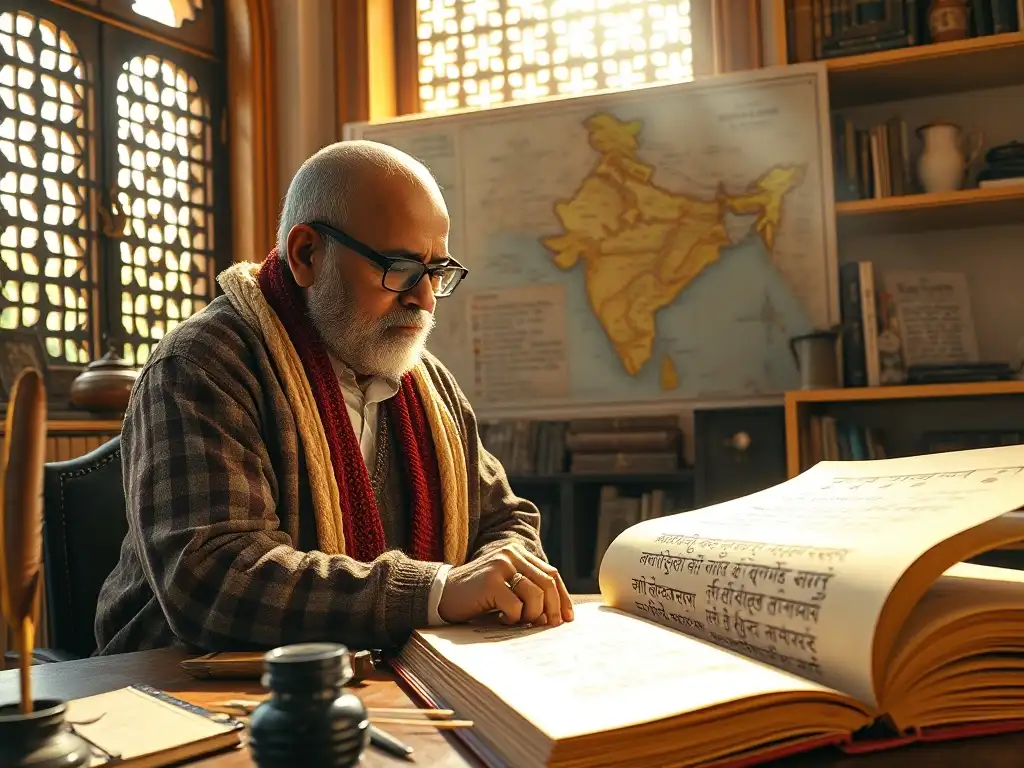
Welcome to Ancient India History—a portal into the vibrant tapestry of one of the world's oldest civilizations. Here, we delve into the ancient Indian scripts history, tracing the evolution of written language that has shaped identities and cultures across millennia. From the enigmatic symbols of the Indus Valley to the profound literary traditions of the Gupta Empire, each script holds secrets waiting to be uncovered.
Join us as we embark on a captivating journey through time, exploring how these ancient forms of communication continue to influence modern India. Dive in to discover the stories that connect us to our past and inspire our future!
- Introduction to Ancient Indian Scripts History
- The Evolution of Ancient Indian Scripts
- The Cultural Impact of Ancient Indian Scripts
- Modern Interpretations of Ancient Scripts
- The Quest for Identity in Modern India
- Challenges in Understanding Ancient Scripts
- Conclusion
- Frequently Asked Questions
- Final Reflection: The Enduring Legacy of Ancient Scripts in Shaping Modern Identity
- Unearth Your Connection to India's Ancient Identity!
Introduction to Ancient Indian Scripts History
The exploration of ancient Indian scripts reveals a fascinating tapestry of language, culture, and identity that has shaped the Indian subcontinent over millennia. From the complex symbols of the Indus Valley Civilization to the intricate inscriptions of the Gupta Empire, these scripts are not merely tools for communication; they are vital artifacts that hold the key to understanding the social, political, and spiritual narratives of ancient Indian societies. In this article, we will delve into the rich history of ancient Indian scripts, examining their evolution, significance, and the profound role they play in defining the identity of modern India.
Overview of Ancient Indian Scripts
Ancient Indian scripts encompass a variety of writing systems that emerged across different regions and periods. Some of the most notable scripts include:
- Indus Script: Used by the Indus Valley Civilization (c. 3300–1300 BCE), this script remains undeciphered but is believed to consist of symbols representing sounds or concepts.
- Brahmi Script: Dating back to the 3rd century BCE, Brahmi is considered the ancestor of most modern Indian scripts and was used to write several languages, including Sanskrit and Prakrit.
- Kharosthi Script: Contemporary with Brahmi, Kharosthi was primarily used in the northwest regions of the Indian subcontinent and is notable for its unique right-to-left writing direction.
- Siddham Script: Developed around the 7th century CE, Siddham was used primarily for writing Sanskrit and is associated with Buddhist texts.
The evolution of these scripts reflects the dynamic interplay of culture, language, and historical context, showcasing how ancient civilizations communicated their beliefs, philosophies, and governance.
Significance of Scripts in Defining Identity
The scripts of ancient India serve as a profound reflection of cultural identity and continuity. They provide insight into the:
- Cultural Heritage: Scripts function as vessels for preserving religious texts, literature, and historical records, thereby safeguarding cultural heritage. For example, the Brahmi script is crucial for understanding ancient Indian philosophies and religious practices.
- Regional Diversity: The existence of multiple scripts illustrates the linguistic diversity within India, where each region developed its own writing system that contributed to local identities.
- Political Power: Inscriptions often marked territories and proclaimed royal decrees, contributing to the assertion of power and authority. The Ashoka Edicts, inscribed in Brahmi, are a prime example of how scripts were used for governance and ethical propagation.
Ultimately, the study of ancient Indian scripts is not just an academic pursuit; it is a journey into the heart of a civilization that has continuously sought to define itself through the written word. Understanding these scripts allows modern India to reconnect with its historical roots and explore the narratives that have shaped its identity over time.
The Evolution of Ancient Indian Scripts
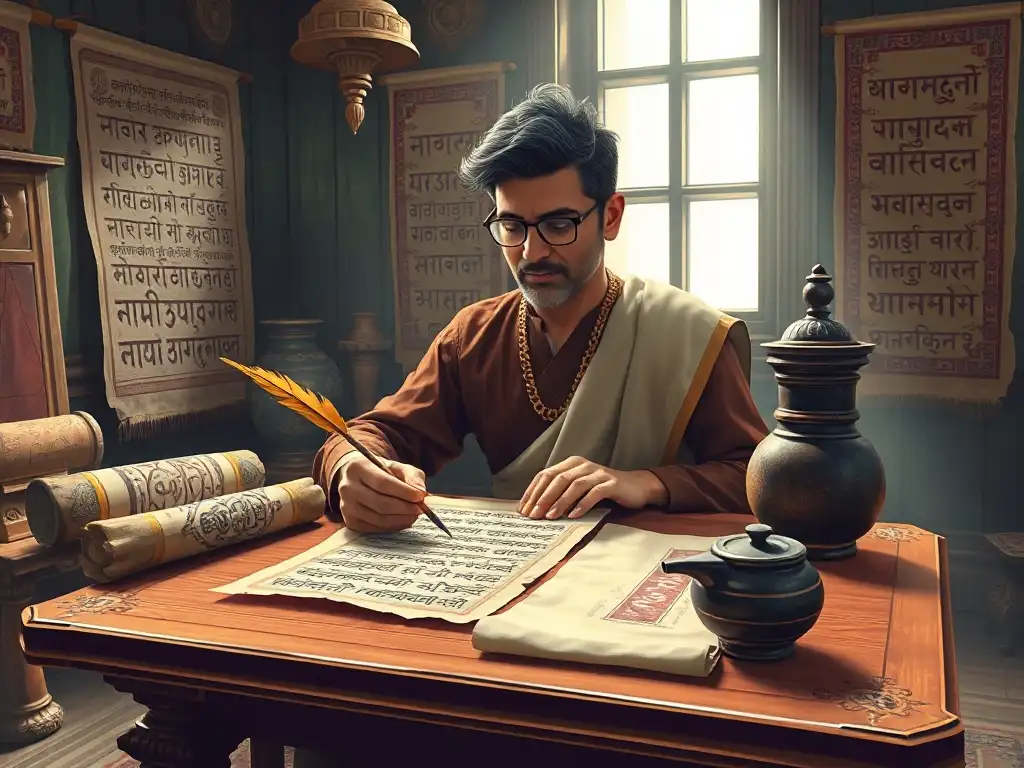
The evolution of ancient Indian scripts is a fascinating journey that reflects the linguistic and cultural developments throughout the subcontinent. From the enigmatic symbols of the Indus Valley Civilization to the more structured scripts that followed, these scripts not only served as a means of communication but also played a critical role in shaping identity and administration in ancient India.
Early Indus Valley Script
The Early Indus Valley Script is one of the earliest forms of writing known to humanity, emerging around 2600 BCE in what is now modern-day Pakistan and northwestern India. This script is primarily associated with the Indus Valley Civilization, which was marked by advanced urban planning and trade systems.
Characteristics of Indus Scripts
The Indus script consists of a series of symbols and sign combinations, estimated to number over 400 unique characters. Some notable characteristics include:
- Pictographic Nature: Many symbols are pictograms that depict objects or ideas, making them visually intuitive.
- Directionality: The inscriptions can be found written from right to left, a feature that indicates a level of complexity in script usage.
- Use on Various Materials: The script has been discovered on seals, pottery, and tablets, suggesting a wide range of applications in trade, administration, and religion.
Despite extensive research, the script has not yet been deciphered, leading to various theories about its structure and use.
Theories on Indus Script Decipherment
Numerous scholars have proposed theories regarding the decipherment of the Indus script, but none have reached a consensus. Key theories include:
- Linguistic Affiliation: Some researchers believe the script may represent an early Dravidian language, while others suggest it could belong to an unknown language family.
- Symbol Frequency Analysis: Statistical analysis of symbol frequency has led to hypotheses about the script's phonetic nature, with some suggesting it is syllabic rather than alphabetic.
- Cultural Context: The socio-political structures of the Indus Valley may have influenced the script's development, indicating that it served not just as a communication tool but also as a marker of identity.
Brahmi and Kharosthi Scripts
Following the Indus Valley period, two significant scripts emerged: Brahmi and Kharosthi. Both scripts played a crucial role in the evolution of writing in ancient India and beyond.
Development and Spread of Brahmi
Brahmi is often considered the progenitor of many scripts used across Asia today. It emerged around the 3rd century BCE and is characterized by:
- Alphabetic Structure: Unlike the Indus script, Brahmi is an abugida, where each character represents a consonant with an inherent vowel sound.
- Extensive Use: Brahmi inscriptions have been found on rocks, pillars, and coins, indicating its widespread usage across various regions and cultures.
- Cultural Significance: The script was instrumental in the spread of Buddhism, as many texts were written in Brahmi, facilitating communication and trade across the Indian subcontinent and beyond.
Brahmi's adaptability and simplicity contributed to its longevity and influence, evolving into various regional scripts such as Devanagari, Tamil, and Bengali.
Kharosthi’s Role in Ancient Trade
Kharosthi, on the other hand, developed in the northwestern regions of India around the same time as Brahmi. It is believed to have been used primarily in the Gandhara region, which is now part of modern Pakistan and Afghanistan. Key aspects of Kharosthi include:
- Right-to-Left Writing: Unlike Brahmi, Kharosthi is written from right to left, reflecting its unique design and regional characteristics.
- Commercial Use: The script was extensively used in trade, particularly along the Silk Road, facilitating communication between diverse cultures and languages.
- Cultural Exchange: Kharosthi inscriptions have been found on coins and trade documents, indicating its role in the economic interactions between India and Central Asia.
The significance of Kharosthi extends beyond its linguistic contribution; it represents a crucial element of cultural exchange in ancient trade networks.
By understanding the ancient Indian scripts history, we gain insight into the social, economic, and cultural dynamics that shaped ancient Indian civilization, offering valuable perspectives on its contributions to the world.
The Cultural Impact of Ancient Indian Scripts
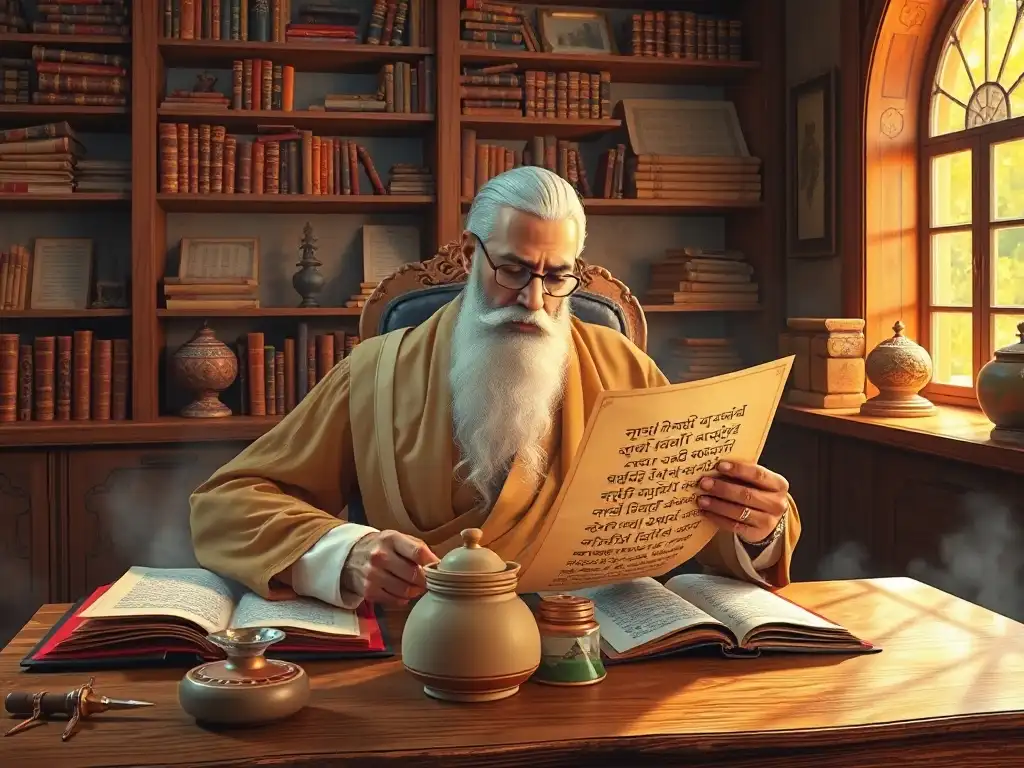
The exploration of ancient Indian scripts reveals the profound influence these writing systems had on the society and culture of their time. Scripts like Brahmi, Kharosthi, and Tamil-Brahmi not only served as tools for communication but also as reflections of the social, political, and spiritual landscapes of ancient India. By examining the usage, evolution, and significance of these scripts, we gain insight into the values, beliefs, and identities that shaped ancient Indian civilization.
Scripts as a Reflection of Society and Culture
Ancient Indian scripts were not merely functional; they encapsulated the ethos of the societies that employed them. Each script evolved in response to the unique cultural and historical contexts of different regions.
- Communication of Power: Scripts such as Brahmi were used extensively by rulers to disseminate edicts and proclamations, highlighting the administrative sophistication of ancient Indian states. For instance, the Edicts of Ashoka, inscribed in Brahmi, communicated the ethical and moral principles of governance to the populace.
- Cultural Exchange: The spread of scripts facilitated interactions among diverse communities. Trade routes allowed for the exchange of not just goods but also ideas, resulting in the adaptation and evolution of scripts influenced by various cultural exchanges. The development of Kharosthi in the northwestern regions illustrates this, as it incorporated elements from both Indian and foreign influences.
- Identity and Heritage: Scripts often reflected the identity of specific regions or communities. The emergence of regional scripts, like the Kannada and Telugu scripts, was closely tied to the assertion of local identities and cultural pride. These scripts became symbols of heritage, fostering a sense of belonging among their speakers.
Ancient Indian Scripts in Literature and Religion
Ancient Indian scripts played a pivotal role in the preservation and dissemination of literature and religious texts, serving as the bedrock of intellectual and spiritual life.
Sacred Texts Written in Ancient Scripts
Many of the sacred texts of ancient India were meticulously inscribed in scripts like Brahmi and Devanagari, ensuring their transmission across generations.
- Vedic Literature: The Vedas, one of the oldest sacred texts, were originally transmitted orally but later inscribed in Brahmi, allowing for their preservation. The ritualistic and philosophical content of the Vedas showcases the spiritual depth and complexity of ancient Indian thought.
- Buddhist Texts: The Pali Canon, containing the teachings of the Buddha, was inscribed in Brahmi and Kharosthi. This not only enabled the spread of Buddhism throughout Asia but also facilitated the development of a unique literary tradition that influenced various cultures.
- Regional Scriptures: In addition to major religious texts, numerous regional scriptures emerged, such as the Tamil Sangam literature written in Tamil-Brahmi. This body of work reflects the local beliefs, customs, and narratives that are essential to understanding the cultural mosaic of ancient India.
Influence on Regional Languages and Dialects
The impact of ancient Indian scripts extends beyond the sacred texts; they have played a crucial role in shaping regional languages and dialects.
- Foundation of Modern Languages: Scripts like Brahmi are considered the ancestors of many modern Indian scripts. The phonetic structures and grammatical conventions established in these ancient scripts laid the groundwork for the development of contemporary languages such as Hindi, Bengali, and Gujarati.
- Dialectal Variations: As ancient scripts evolved, they adapted to local dialects, resulting in a rich tapestry of languages across India. For instance, the influence of the Devanagari script on various dialects of Hindi and Marathi exemplifies how ancient scripts have contributed to linguistic diversity.
- Cultural Preservation: The preservation of local dialects through ancient scripts has played a vital role in maintaining cultural heritage. Scripts that recorded regional stories, folklore, and traditions have ensured that the cultural narratives of various communities remain alive and relevant.
The history of ancient Indian scripts is not just a study of writing systems; it is a journey through the cultural and social fabric of ancient India. These scripts have left an indelible mark on literature, religion, and language, shaping the identity of modern India while offering a window into its rich past.
Modern Interpretations of Ancient Scripts
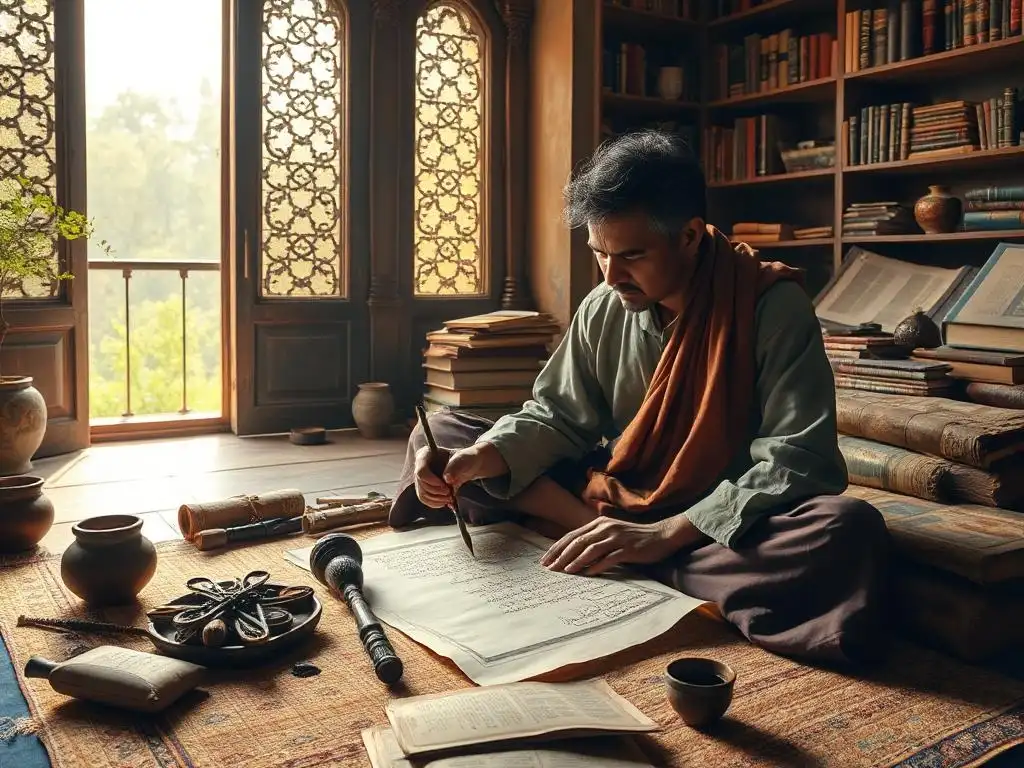
The study of ancient Indian scripts is not merely an academic pursuit; it is a vital connection to the cultural and historical identity of modern India. As scholars and enthusiasts delve into the complexities of these scripts, they uncover layers of meaning that resonate with contemporary society. This revival of interest has sparked a renewed appreciation for the heritage encapsulated within these ancient writings.
Reviving Interest in Ancient Indian Scripts History
The resurgence of interest in ancient Indian scripts can be attributed to several factors:
- Cultural Heritage Initiatives: Various organizations and institutions are promoting awareness of ancient Indian scripts through workshops, exhibitions, and educational programs. These initiatives aim to engage the public with the history and significance of scripts such as Brahmi, Kharosthi, and others.
- Digital Technologies: Advances in digital technology have made it easier to document, analyze, and share ancient texts. Online databases and digital archives allow researchers and enthusiasts worldwide to access and study ancient scripts, facilitating collaborative efforts in decipherment and interpretation.
- Interdisciplinary Approaches: The study of ancient scripts has increasingly involved collaboration between linguists, historians, and anthropologists. This interdisciplinary approach enriches the understanding of how these scripts functioned within their societal contexts.
- Publications and Media: The rise of books, documentaries, and podcasts focusing on ancient Indian scripts has captured the imagination of a broader audience. These platforms provide insights into the significance of scripts in ancient Indian civilization and their relevance today.
Role of Scholars and Archaeologists
Scholars and archaeologists play a crucial role in the exploration and interpretation of ancient Indian scripts. Their research efforts contribute to a deeper understanding of the socio-political and cultural narratives of ancient civilizations.
- Decipherment Efforts: Linguists strive to decipher ancient scripts, often working with inscriptions found on seals, pottery, and monuments. Their findings help reconstruct the historical context in which these scripts were used.
- Field Excavations: Archaeologists conduct fieldwork to uncover artifacts that bear ancient inscriptions. These discoveries provide tangible links to the past and help scholars piece together the historical timeline of script usage.
Key Figures in the Study of Ancient Scripts
Several key figures have made significant contributions to the study of ancient Indian scripts, influencing how these scripts are understood today:
- James Prinsep: A 19th-century British antiquary and epigraphist, Prinsep was instrumental in deciphering Brahmi script, which laid the groundwork for the study of ancient Indian inscriptions.
- A. P. K. Menon: An Indian epigraphist who made substantial contributions to the understanding of Kharosthi and Brahmi scripts through extensive fieldwork and research.
- Iravatham Mahadevan: Known for his work on the Indus script, Mahadevan's research has brought attention to the complexities of one of the earliest writing systems in the Indian subcontinent.
Significant Discoveries and Excavations
Numerous discoveries and excavations have enriched the understanding of ancient Indian scripts and their historical contexts:
- Indus Valley Seals: Excavations at sites like Harappa and Mohenjo-Daro have unearthed seals inscribed with symbols, believed to be part of the Indus script. These findings raise questions about the nature of communication in one of the world's earliest urban civilizations.
- Ashoka's Edicts: The discovery of inscriptions on pillars and rocks across the Indian subcontinent, attributed to Emperor Ashoka, has provided significant insights into the use of Brahmi script and the spread of Buddhism.
- Kharosthi Inscriptions: Archaeological excavations in regions like Gandhara have revealed inscriptions in Kharosthi, shedding light on the influence of trade and cultural exchange in ancient India.
The ongoing exploration of ancient Indian scripts not only enriches our understanding of the past but also fosters a sense of identity and continuity in modern India. By engaging with these ancient writings, contemporary society can connect with its rich heritage and explore the narratives that have shaped the subcontinent's history.
The Quest for Identity in Modern India
How Ancient Scripts Influence Contemporary Identity
The influence of ancient Indian scripts on contemporary identity is profound and multifaceted. As various regions of India embrace their unique linguistic heritage, ancient scripts serve as a bridge to the past, fostering a sense of belonging and continuity.
For instance, scripts like Brahmi and Kharosthi, which were used in ancient inscriptions and texts, are now recognized as foundational to many modern Indian languages. This connection not only highlights the linguistic evolution but also reinforces cultural pride among communities.
- Revival Movements: Several initiatives aim to revive ancient scripts, creating a dialogue between the past and present. For example, the resurgence of interest in Tamil Brahmi has rekindled pride in Tamil heritage, emphasizing the script's historical significance.
- Cultural Representation: Ancient scripts often appear in art, literature, and festivals, serving as symbols of cultural identity. The use of Devanagari in contemporary media and literature illustrates its role in shaping national identity while honoring its ancient roots.
As individuals engage with these scripts, they not only learn about their heritage but also embrace the diverse narratives that define their cultural landscape.
The Role of Education in Preserving Scripts
Education plays a pivotal role in preserving ancient Indian scripts and ensuring their relevance in modern society. By integrating these scripts into educational curricula, future generations can appreciate their historical significance and cultural value.
Teaching Ancient Indian Scripts in Schools
Incorporating ancient Indian scripts into school education can profoundly impact students' understanding of their heritage.
- Curriculum Development: Schools are beginning to include modules on ancient scripts, such as Siddham and Grantha, which provide students with historical context and practical skills in reading and writing these scripts.
- Hands-On Learning: Workshops and interactive sessions allow students to explore ancient scripts through calligraphy and inscription-making, fostering a tangible connection to their cultural past.
- Linguistic Diversity: By learning about scripts used across different regions—like Gurmukhi in Punjab or Malayalam script in Kerala—students gain insight into India's linguistic diversity and the interconnectedness of different cultures.
Initiatives to Promote Script Awareness
Various organizations and community projects are spearheading initiatives aimed at promoting awareness of ancient scripts.
- Cultural Festivals: Events celebrating ancient scripts often feature exhibitions and performances that highlight their historical importance. These festivals attract diverse audiences, encouraging dialogue about the scripts' relevance today.
- Digital Platforms: Online resources, including courses and forums, provide accessible information about ancient scripts, allowing individuals to learn at their own pace. The rise of digital archives is also instrumental in preserving ancient inscriptions for future study.
- Collaborations with Linguists: Partnerships between educational institutions and linguists help develop resources that make ancient scripts more accessible. These resources may include dictionaries, grammar guides, and translation tools, facilitating broader understanding and usage.
Overall, these educational efforts not only preserve ancient Indian scripts but also instill a sense of pride and identity among the younger generation, ensuring that these vital aspects of cultural heritage continue to thrive in modern India.
Challenges in Understanding Ancient Scripts
The study of ancient Indian scripts presents a myriad of challenges that researchers and historians must navigate. From the complexities of the scripts themselves to the socio-political landscape surrounding their interpretation, these challenges can significantly hinder our understanding of ancient texts and inscriptions. This section delves into the primary issues faced in deciphering these scripts and the cultural and political factors that influence research in this field.
Issues in Decipherment and Interpretation
Deciphering ancient Indian scripts often proves to be a daunting task due to several inherent challenges:
- Lack of Context: Many inscriptions are found in isolated contexts, making it difficult to ascertain their meaning without additional information. For example, inscriptions found in archaeological sites may not provide sufficient clues to understand the purpose or significance of the text.
- Variety of Scripts: Ancient India was home to numerous scripts, such as Brahmi, Kharosthi, and the various regional adaptations that emerged over time. Each script has its own set of characters and phonetics, complicating the decipherment process. For instance, Brahmi script, which is foundational to many modern Indian languages, has multiple variations, each requiring careful study to interpret accurately.
- Evolving Language: The languages used in ancient inscriptions were not static. They evolved over centuries, leading to variations in vocabulary, grammar, and syntax. This linguistic evolution poses significant hurdles for scholars trying to interpret older texts with modern linguistic tools.
- Ambiguity and Polysemy: Many words in ancient languages can have multiple meanings depending on context. This polysemy can lead to misinterpretations. For example, the term "Dharma" in ancient texts can refer to law, morality, or duty, necessitating a nuanced understanding of its specific usage in a given inscription.
- Fragmented Texts: Often, inscriptions are incomplete due to erosion, damage, or the breaking of stones. This fragmentation can lead to gaps in understanding that are difficult to fill. For instance, the famous Edicts of Ashoka, while extensive, are not without missing portions, complicating their interpretation.
Cultural and Political Factors Affecting Research
The interpretation of ancient scripts is not only a scholarly endeavor but is also deeply intertwined with cultural and political contexts:
- National Identity: The quest for understanding ancient scripts often aligns with the contemporary search for national identity. In India, various groups may emphasize certain scripts or inscriptions to bolster their cultural heritage. This can lead to biased interpretations based on modern political agendas, as seen in the glorification of certain empires or figures.
- Funding and Institutional Support: Research into ancient scripts often relies on funding from governmental or private institutions. The priorities of these funding bodies can influence which scripts are studied and how they are interpreted. For example, projects focusing on scripts that align with nationalistic narratives may receive more support than those that explore less popular or marginalized scripts.
- Censorship and Controversy: Political factors can also lead to censorship of certain interpretations or findings. Scholars may face pressure to conform to popular narratives that align with current political ideologies, potentially stifling academic freedom. This environment can inhibit open discourse and critical analysis of ancient texts.
- Cultural Heritage and Preservation: The cultural importance of ancient scripts often leads to conflicts over preservation methods. Local communities may prioritize the safeguarding of inscriptions, while archaeologists might advocate for excavation and study, leading to tensions that affect research outcomes.
- Interdisciplinary Approaches: The complexity of ancient scripts often calls for interdisciplinary research, combining history, linguistics, archaeology, and cultural studies. However, differing methodologies and priorities among disciplines can create barriers to comprehensive understanding.
The challenges in deciphering ancient Indian scripts are multifaceted, involving both linguistic intricacies and the socio-political landscape. Addressing these challenges requires a collaborative and open-minded approach, recognizing the importance of context, culture, and continuity in the quest to unlock the rich history embedded in ancient scripts.
Conclusion
The Legacy of Ancient Indian Scripts in Shaping Modern Identity
The influence of ancient Indian scripts extends far beyond their historical context, shaping the modern identity of India in profound ways. These scripts, such as Brahmi and Kharosthi, not only served as tools for communication but also as carriers of religious, philosophical, and cultural ideas. The revival of interest in these scripts has fostered a renewed sense of pride in India's heritage, connecting contemporary society with its rich past.
Key Contributions:
- Cultural Resurgence: The study and promotion of ancient scripts have led to a broader understanding of regional languages and dialects, enhancing cultural diversity.
- Educational Reforms: Institutions are increasingly incorporating ancient scripts into their curricula, emphasizing the importance of linguistic heritage.
- Artistic Expressions: Modern artists and designers draw inspiration from ancient scripts, integrating them into contemporary art, calligraphy, and typography.
The legacy of these scripts is evident in various aspects of modern Indian life, from literature to art, reinforcing a collective identity rooted in ancient traditions.
Future Directions in the Study of Ancient Indian Scripts History
The future of ancient Indian scripts history holds exciting prospects as scholars and researchers delve deeper into the complexities of these writings. The integration of technology and interdisciplinary approaches is paving the way for new discoveries and insights.
Emerging Trends:
- Digital Humanities: The use of digital tools for the analysis and preservation of ancient texts is revolutionizing the field. Digitization projects are making scripts accessible worldwide, allowing for collaborative research.
- Archaeological Discoveries: Ongoing excavations and explorations continue to unveil inscriptions and manuscripts that may alter our understanding of ancient Indian civilizations. Such findings can provide context to scripts and their usage.
- Cross-Cultural Studies: Comparative studies with other ancient scripts from different cultures can offer insights into the evolution of writing systems and their societal impacts.
The study of ancient Indian scripts history is poised for a transformative journey, one that will deepen our understanding of identity, culture, and the complexities of human communication. As scholars embrace these future directions, the rich tapestry of ancient Indian writing will undoubtedly continue to illuminate the path of modern India.
Frequently Asked Questions
What are ancient Indian scripts?
Ancient Indian scripts refer to the writing systems used in India throughout its history, such as Brahmi, Kharosthi, and Tamil script, which played a crucial role in the documentation of culture and administration.
How did ancient Indian scripts evolve?
The evolution of ancient Indian scripts can be traced from the Indus Valley Civilization to the Gupta Empire, showcasing the continuity and adaptation of written communication over centuries.
What is the significance of studying ancient Indian scripts today?
Studying ancient Indian scripts helps us understand the cultural heritage and identity of modern India, revealing insights into the philosophies, literature, and administration of past civilizations.
How do ancient scripts contribute to the understanding of ancient Indian history?
Ancient scripts provide primary sources that illuminate the social, political, and economic conditions of ancient Indian societies, helping historians reconstruct the historical narrative of the region.
Are there any ongoing efforts to preserve ancient Indian scripts?
Yes, various organizations and institutions are actively involved in the preservation and promotion of ancient Indian scripts, ensuring that this vital aspect of our heritage is protected and made accessible for future generations.
Final Reflection: The Enduring Legacy of Ancient Scripts in Shaping Modern Identity
The exploration of ancient Indian scripts history reveals a profound connection between our past and present, illustrating how these scripts serve as vital threads in the fabric of modern Indian identity. In a world increasingly driven by globalization and digital communication, the significance of these ancient scripts is more relevant than ever. They remind us of our rich cultural heritage and the diverse narratives that have shaped our society. As we navigate contemporary challenges, understanding our roots through these scripts can empower us to forge a more cohesive identity.
The influence of ancient scripts extends beyond mere historical curiosity; they resonate deeply within the cultural and social landscape of India today. These scripts are not just relics of the past; they are living symbols of our identity that continue to inspire art, literature, and community pride. As we witness a resurgence of interest in traditional practices and languages, we are reminded of the words of Mahatma Gandhi: A nation's greatness is measured by how it treats its weakest members.
This sentiment underscores the importance of preserving our ancient scripts, as they hold the key to inclusivity and understanding in a diverse society.
As we reflect on the lessons embedded in the history of ancient Indian scripts, I invite you to consider how you can engage with this rich heritage in your own life. Whether it’s learning a script, exploring its literature, or participating in cultural events, each action contributes to the preservation of our identity. Embrace the opportunity to connect with your roots and share this knowledge with others, fostering a deeper appreciation for the narratives that define us. Together, let us honor the past while shaping a future that celebrates our shared heritage.
Unearth Your Connection to India's Ancient Identity!
Thank you for exploring the fascinating journey of ancient scripts and their impact on modern Indian identity. Your interest in this rich history is the first step toward embracing the profound connections that shape our culture today. Now, let’s take actionable steps to deepen your understanding and engagement!
- Dive deeper: Learn about ancient scripts such as Brahmi and Devanagari. Discover their evolution and the influence they have had on contemporary languages.
- Join the conversation: Share this article with friends and family to spark discussions about the significance of cultural heritage.
- Explore community events: Seek out workshops or lectures on ancient Indian languages in your area—sometimes learning is most effective when we come together!
In what ways do you believe ancient scripts can influence our modern identities in new and unexpected ways?