
Unraveling the Mysteries of the Ramayana's Origins and Authorship

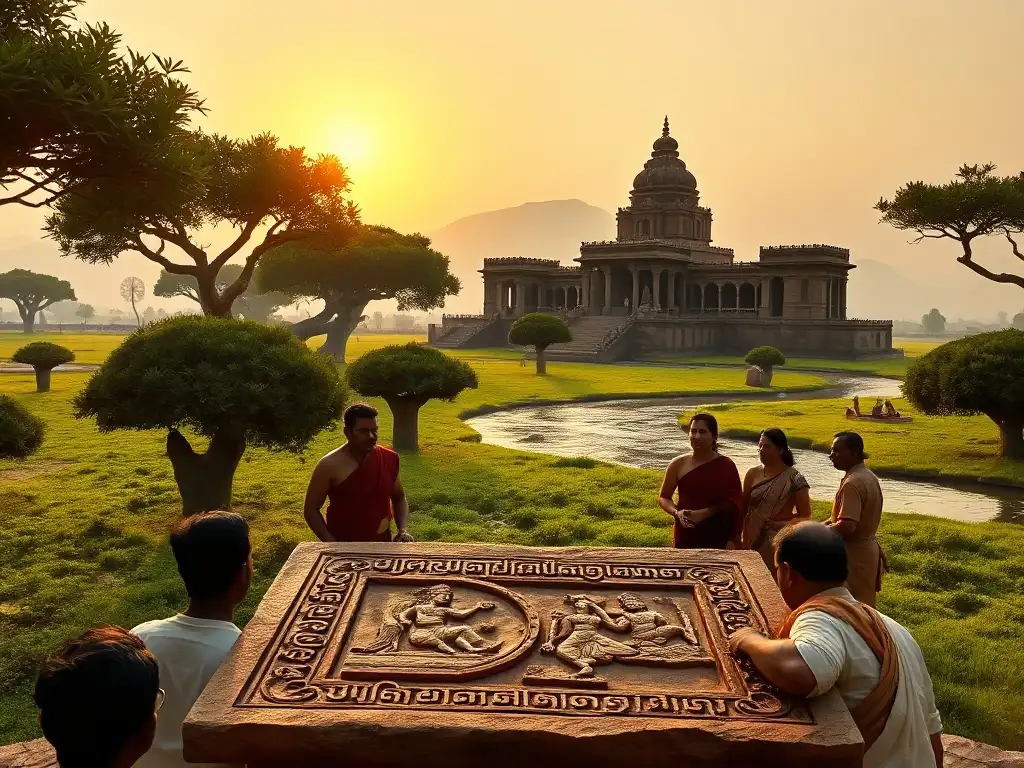
Welcome to Ancient India History, where we embark on a fascinating journey through the rich tapestry of ancient Indian civilizations. In this exploration, we delve into the mysteries of the Ramayana's origins and authorship, a tale that has captivated hearts and minds for centuries. What secrets lie behind this epic literature? As we unravel its past, prepare to discover the cultural and literary significance that has shaped India's heritage. Join us as we unlock the stories, legends, and insights that await in the pages of history!
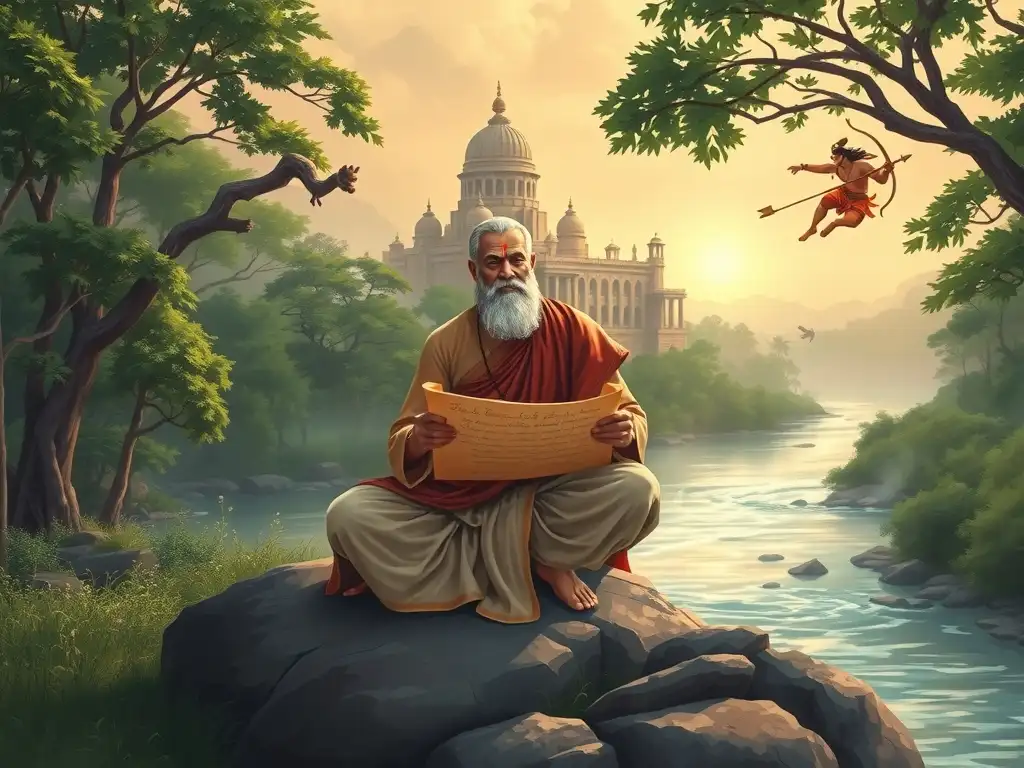
The Ramayana stands as one of the most significant literary works in the tapestry of ancient Indian epic literature, weaving together themes of duty, righteousness, and the eternal struggle between good and evil. This epic, traditionally attributed to the sage Valmiki, has captivated audiences for centuries, fostering a rich tradition of storytelling and cultural reflection across generations.
In this article, we will delve into the origins and authorship of the Ramayana, exploring the historical and cultural contexts that shaped its creation and transmission. Through a comprehensive analysis of its themes and historical backgrounds, we aim to unravel the complexities surrounding this monumental work and its enduring legacy in ancient Indian civilization.
Introduction to the Ramayana
Overview of the Ramayana as an Epic
The Ramayana is structured around the life and adventures of Lord Rama, who embarks on a quest to rescue his abducted wife, Sita, from the demon king Ravana. Comprising approximately 24,000 verses, this epic is divided into seven books, known as Kandas, each recounting different phases of Rama's journey. With its intricate narrative, the Ramayana not only serves as a tale of heroism and virtue but also reflects the philosophical and moral dilemmas faced by its characters.
Significance of the Ramayana in Ancient Indian Culture
The Ramayana's impact on ancient Indian culture is profound and multifaceted. It has inspired countless adaptations, retellings, and performances through various art forms, including dance, theater, and literature. The character of Rama embodies the ideal human, often referred to as Maryada Purushottama, or the 'perfect man', serving as a moral compass for society. Moreover, the Ramayana has played a pivotal role in shaping religious practices, rituals, and ethical standards within Hinduism and beyond, influencing not only literature but also the cultural and spiritual life of the Indian subcontinent.
Historical Context of the Ramayana
The Time Period of the Ramayana's Composition
The precise dating of the Ramayana's composition remains a topic of scholarly debate. Generally, it is believed to have been composed between the 5th century BCE and the 2nd century CE, a period marked by significant developments in Indian philosophy and governance. The oral tradition of storytelling likely predated the written text, suggesting that the themes and narratives of the Ramayana were evolving long before Valmiki's compilation.
Ancient Indian Civilizations and Their Influence on the Ramayana
The Ramayana reflects the values, beliefs, and socio-political dynamics of ancient Indian civilizations, including the Indus Valley Civilization and the Vedic period. These civilizations contributed to the cultural landscape that shaped the epic's themes. For instance, the emphasis on dharma (righteousness) and karma (action) in the Ramayana resonates with the broader philosophical discourses prevalent during these epochs. Furthermore, the interactions between diverse communities and their mythologies enriched the narrative, highlighting the Ramayana's role as a cultural artifact that encapsulates the essence of ancient Indian life.
The exploration of the Ramayana's origins and authorship invites readers to engage with a text that is not merely a story but a reflection of the rich historical and cultural milieu from which it emerged. Understanding its historical context enhances our appreciation of its enduring relevance in contemporary discourse.
Theories on the Origins of the Ramayana
The origins of the Ramayana, one of the most revered epics in ancient Indian literature, have been the subject of extensive scholarly and traditional discourse. Various theories have emerged, highlighting the complexity and depth of the epic's creation and its significance in the cultural and spiritual landscape of India. Theories range from its divine inspiration to its evolution through oral traditions, reflecting both historical contexts and mythological narratives.
Traditional Beliefs Regarding the Ramayana's Origins
According to traditional beliefs, the Ramayana is considered a divinely inspired work, attributed to the sage Valmiki. The epic is said to have been composed around 500 BCE, although some scholars propose earlier dates. The narrative describes the life and adventures of Lord Rama, an incarnation of the god Vishnu. In this traditional view, the Ramayana is not merely a literary work but a sacred text that embodies moral and ethical teachings, emphasizing dharma (righteousness) and the ideal qualities of a king, husband, and hero.
Many Hindus believe that the Ramayana was revealed to Valmiki as he meditated, making this epic a spiritual guide that transcends time, offering lessons on duty, devotion, and justice. This belief underlines the epic's status as a cornerstone of Hindu culture and spirituality.
Scholarly Perspectives on the Ramayana's Historical Context
Scholarly analysis of the Ramayana's origins often takes a more historical approach, examining the socio-political and cultural milieu of ancient India during its formation. Researchers suggest that the Ramayana reflects the practices, beliefs, and societal norms prevalent during the time of its composition. The epic is perceived as a reflection of the struggles between various kingdoms and social orders, such as the conflict between the Aryans and indigenous tribes.
Furthermore, the dating of the Ramayana is debated, with some scholars placing it in the pre-Mauryan period, around the 6th century BCE, while others argue for a later date during the Gupta Empire, around the 4th to 6th centuries CE. This historical perspective allows for a deeper understanding of the epic's themes, such as kingship, loyalty, and morality, as they relate to the political dynamics of the time.
The Role of Oral Tradition in Shaping the Ramayana
The Ramayana's origins are significantly influenced by oral tradition, which played a vital role in its transmission and evolution. Before being committed to writing, the epic was likely passed down through generations via recitation by bards and storytellers. This oral tradition allowed for variations in storytelling, where local customs, beliefs, and languages could be interwoven into the narrative.
As the Ramayana spread across India and beyond, it adapted to various cultural contexts, resulting in numerous regional retellings. The oral tradition not only preserved the core story but also enriched it with diverse interpretations, reflecting the unique cultural identities of different communities. This ongoing process of adaptation emphasizes the dynamic nature of the Ramayana and its ability to resonate with audiences throughout history.
The authorship of the Ramayana has long been attributed to the sage Valmiki, but this attribution is not without controversy. Various alternative theories regarding the authorship have emerged, each adding layers to the understanding of this epic's creation.
Valmiki: The Traditionally Attributed Author
Valmiki is traditionally regarded as the author of the Ramayana, and his contributions are celebrated in Hindu tradition. According to legend, he was a robber turned sage who underwent a profound transformation after an encounter with the divine. His life and the circumstances surrounding the creation of the Ramayana are often recounted in various texts, emphasizing his pivotal role in shaping the epic.
Valmiki’s narrative style, characterized by its poetic form and intricate meter, is distinct and has been admired for its literary quality. The Ramayana is composed in the Anushtubh meter, which has influenced countless poets and writers in the generations that followed. His authorship solidifies the Ramayana's status as a sacred text, linking it directly to divine inspiration and moral authority.
Alternative Theories on the Authorship of the Ramayana
Despite the traditional attribution to Valmiki, alternative theories on the authorship of the Ramayana have emerged over time. Some scholars suggest that the epic might be a collective work, developed by multiple authors over centuries, reflecting diverse regional narratives and cultural influences. This perspective posits that the Ramayana could have evolved through contributions from various poets and storytellers, each adding their interpretations and local elements to the story.
Additionally, some argue that the Ramayana underwent significant revisions and adaptations as it transitioned from oral tradition to written form, further complicating the notion of a single author. These theories highlight the collaborative nature of epic literature in ancient India and the influence of various cultural and linguistic contexts on the final text.
Influence of Later Adaptations on the Original Text
Throughout history, the Ramayana has inspired numerous adaptations and retellings, each adding new dimensions to the original text. These later adaptations, whether in the form of regional versions, dance dramas, or modern literature, often reinterpret the characters and themes, reflecting the changing societal values and beliefs.
For instance, the Tulsidas version, the Ramcharitmanas, composed in the 16th century, presents a more devotional perspective on the Ramayana and has become one of the most popular retellings among Hindi-speaking audiences. Similarly, adaptations in Southeast Asia, such as the Kakawin Ramayana in Indonesia, introduce local customs and perspectives, showcasing the epic's global influence.
These adaptations not only preserve the essence of the Ramayana but also contribute to its ongoing relevance, allowing it to resonate with contemporary audiences while maintaining a connection to its ancient origins.
Linguistic and Textual Analysis of the Ramayana
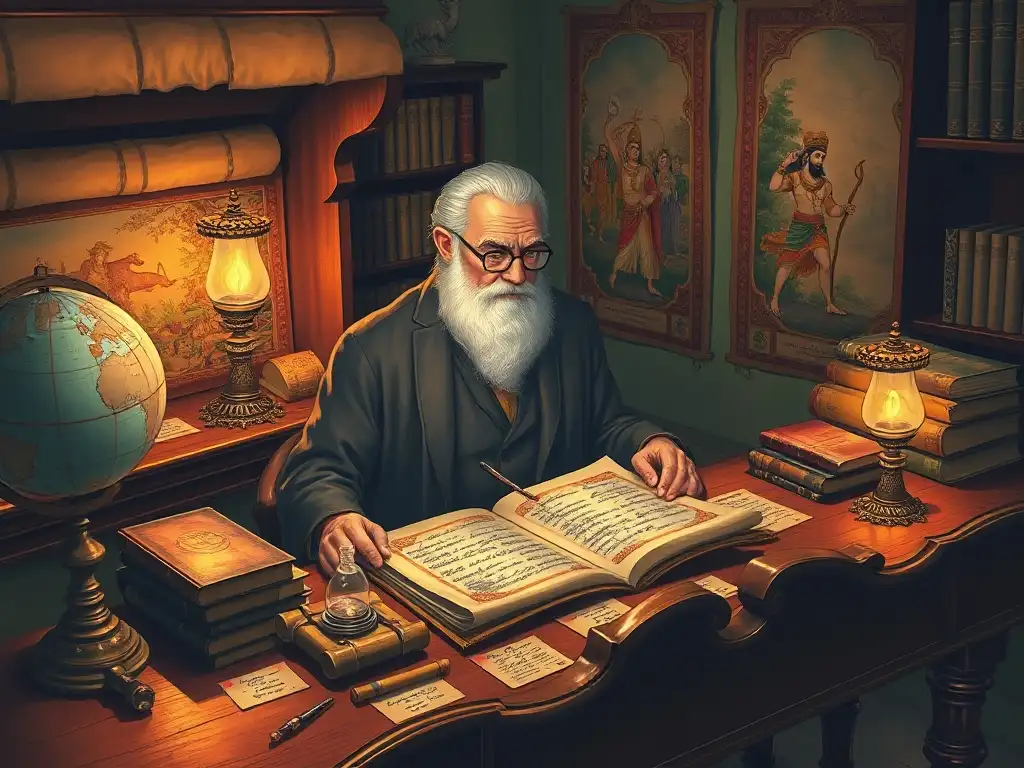
The Ramayana, attributed to the sage Valmiki, is not only a cornerstone of Indian epic literature but also a rich tapestry of linguistic and textual elements that provide insights into its origins and authorship. By examining the language, dialects, and textual variations, scholars can trace the evolution of this epic and its significance within various cultural contexts.
Language and Dialects Used in the Ramayana
The original text of the Ramayana is composed in Sanskrit, a classical language of India known for its complexity and richness. Valmiki's use of Sanskrit reflects the linguistic norms of the time, showcasing a blend of poetic meters such as Anushtubh and Trishtubh. Additionally, the Ramayana employs various regional dialects and languages, which are indicative of the diverse cultural backgrounds of its characters and settings.
In particular, the dialogue among characters often incorporates Prakrit dialects, which were more commonly spoken among the populace. For instance, the usage of these dialects highlights the social dynamics and class distinctions within the narrative, enriching the text's realism and relatability. This linguistic diversity emphasizes the Ramayana's role in reflecting the socio-cultural milieu of ancient India.
Textual Variations Across Different Versions of the Ramayana
Over the centuries, the Ramayana has seen numerous adaptations and retellings, resulting in a plethora of textual variations. The most notable versions include Valmiki's original Sanskrit narrative, the Kamba Ramayanam in Tamil, the Ramcharitmanas by Tulsidas in Hindi, and the Adbhut Ramayana among others. Each of these retellings reflects regional traditions, interpretations, and cultural nuances.
These variations often lead to differences in character portrayals, plot details, and even philosophical themes. For example, Tulsidas's Ramcharitmanas emphasizes bhakti (devotion), illustrating the emotional connection between devotees and the divine. In contrast, Kamban's version intertwines elements of Tamil culture, showcasing local traditions and beliefs. Such differences provide valuable insights into how the Ramayana has been adapted to resonate with diverse audiences across time and geography.
The Impact of Translation on Understanding Ramayana Origins and Authorship
Translation plays a crucial role in shaping the understanding of the Ramayana's origins and authorship. As the epic has been translated into numerous languages, from English to Bengali, each translation introduces its nuances, interpretations, and biases. Translators often face the challenge of conveying the original text's poetic beauty and cultural context while making it accessible to a broader audience.
Moreover, the choice of words and phrases in translations can influence how characters and events are perceived. For instance, translations might emphasize certain moral lessons or cultural values that resonate with the translator's background or the target audience's beliefs. This layering of interpretation complicates the quest for an "authentic" version of the Ramayana, as each translation adds to the text's evolving legacy.
Cultural and Religious Significance of the Ramayana
The Ramayana serves not only as a literary masterpiece but also as a vital cultural and religious text that has shaped Hindu beliefs, practices, and artistic expressions. Its narratives are imbued with moral teachings and spiritual insights, making it an integral part of religious life in India and beyond.
The Ramayana in Hinduism: Beliefs and Practices
In Hinduism, the Ramayana is revered as a sacred scripture that exemplifies dharma (righteousness) and bhakti (devotion). The character of Lord Rama is considered an ideal figure, embodying virtues such as honor, duty, and loyalty. Rituals and festivals, such as Rama Navami and Dussehra, celebrate the life and teachings of Rama, showcasing the epic's deep-rooted significance in religious practices.
Moreover, the Ramayana's themes of good versus evil resonate in the moral teachings of Hindu philosophy. The narrative serves as a guide for individuals seeking to navigate their own lives with integrity and purpose, reinforcing its role as a source of inspiration for millions.
Influence of the Ramayana on Indian Arts and Literature
The Ramayana has profoundly influenced various forms of Indian arts and literature, spanning from classical dance and music to visual arts and drama. Its characters and stories have inspired countless traditional art forms, including Ramlila, a folk theater performance that dramatizes the epic's events. This artistic expression not only entertains but also educates audiences about the Ramayana's moral lessons and cultural values.
Additionally, the Ramayana's motifs and narratives have permeated Indian literature, influencing poets and writers across generations. Works inspired by the Ramayana can be found in regional languages, showcasing the epic's adaptability and enduring relevance in India's literary landscape.
Global Impact of the Ramayana: Adaptations and Interpretations
Beyond India, the Ramayana has made its mark on global cultures through various adaptations and interpretations. Countries such as Indonesia, Thailand, and Malaysia have their own versions of the Ramayana, reflecting local traditions and beliefs. In these regions, the epic has been integrated into cultural practices, art, and performance, illustrating its universal themes of love, duty, and valor.
Moreover, contemporary adaptations in film, literature, and theater continue to explore the Ramayana's narratives, making them accessible to modern audiences. These global interpretations emphasize the epic's timelessness and its ability to resonate with diverse cultures, showcasing the Ramayana as a true world classic.
Conclusion
The exploration of the Ramayana's origins and authorship reveals a multifaceted tapestry woven from historical, cultural, and literary threads. Understanding this epic is crucial not only for appreciating its narrative depth but also for grasping its significance in shaping ancient Indian civilization's ethos. The complexity of its authorship, attributed traditionally to the sage Valmiki, alongside the various retellings and adaptations throughout history, reflects the dynamic nature of epic literature. This ongoing dialogue around the Ramayana continues to inspire scholarly inquiry, reaffirming its place as a cornerstone of Indian heritage.
Summary of Key Insights on Ramayana Origins and Authorship
- Authorship: The Ramayana is traditionally attributed to Valmiki, who is often referred to as the "Adi Kavi" or first poet. However, multiple versions and adaptations have emerged, leading to debates about its authorship and the role of oral traditions in its transmission.
- Historical Context: The epic is believed to have been composed between the 5th century BCE and the 1st century CE, reflecting the socio-political landscape of ancient India. Its themes of dharma (duty), righteousness, and morality resonate with the ethical frameworks of the time.
- Cultural Significance: The Ramayana transcends mere storytelling; it serves as a cultural and moral guide. Its characters, particularly Rama and Sita, embody virtues that have influenced Indian society and its values over centuries.
- Literary Influence: The Ramayana has inspired countless adaptations, interpretations, and artistic expressions, ranging from plays and dance to modern literature and cinema, showcasing its adaptability and enduring appeal.
The Ramayana's Enduring Legacy in Ancient Indian History
The legacy of the Ramayana is deeply ingrained in the fabric of ancient Indian history. Its narratives have shaped the moral and ethical codes of society, influencing everything from governance to personal conduct. The epic's stories have been pivotal in establishing cultural norms and values, fostering a sense of identity among diverse Indian communities. Festivals such as Diwali celebrate the victory of Rama, further embedding the Ramayana into the cultural consciousness of the nation. Additionally, the epic's themes resonate across various religions and philosophies, demonstrating its universal appeal and relevance beyond its historical context.
References
Suggested Readings on the Ramayana and Its Historical Context
- "The Ramayana: A New Translation": by Robert Bly - This contemporary translation offers insights into the epic while maintaining its original spirit.
- "Ramayana: The Game of Life": series by Shubha Vilas - A modern interpretation that connects the lessons of the Ramayana to contemporary life challenges.
- "Valmiki's Ramayana: An Introduction": by K. R. Srinivasa Iyengar - This book provides a scholarly overview of the text, its historical context, and its impact on Indian culture.
Important Texts for Further Research on Ramayana Origins and Authorship
- "Valmiki Ramayana" - The original text is essential for understanding the epic's narrative structure and themes.
- "The Ramayana: A Historical Perspective": by V. Raghavan - This work explores the historical underpinnings of the Ramayana, offering critical insights into its origins.
- "The Ramayana Tradition in India: A Study of Its Impact": by A. K. Ramanujan - This text examines the various retellings and adaptations of the Ramayana across different regions and cultures, highlighting its multifaceted legacy.
- Introduction to the Ramayana
- Historical Context of the Ramayana
- Theories on the Origins of the Ramayana
- Authorship of the Ramayana
- Linguistic and Textual Analysis of the Ramayana
- Cultural and Religious Significance of the Ramayana
- Conclusion
- References
- What is the Ramayana and why is it significant?
- Who is traditionally credited with the authorship of the Ramayana?
- What are some theories regarding the origins of the Ramayana?
- How does the Ramayana reflect ancient Indian society and culture?
- What is the impact of the Ramayana on modern literature and culture?
Frequently Asked Questions
What is the Ramayana and why is it significant?
The Ramayana is an ancient Indian epic that narrates the life of Lord Rama, his exile, and his quest to rescue Sita. It holds immense cultural and spiritual significance in Hinduism and has influenced art, literature, and traditions across Asia.
The Ramayana is traditionally attributed to the sage Valmiki, who is regarded as the first poet or Adi Kavi. His composition of the epic is believed to have set a foundation for future literary works in Indian culture.
What are some theories regarding the origins of the Ramayana?
Various theories suggest that the origins of the Ramayana may stem from oral traditions, ancient historical events, or mythological elements that were later codified into written text. Scholars continue to explore these complex narratives.
How does the Ramayana reflect ancient Indian society and culture?
The Ramayana provides insights into ancient Indian values, ethics, and social norms, portraying ideals such as dharma (duty) and devotion, while also addressing themes of loyalty, honor, and the roles of genders in society.
What is the impact of the Ramayana on modern literature and culture?
The Ramayana continues to inspire countless adaptations in literature, theater, and film, resonating with contemporary themes while preserving its timeless moral lessons. Its influence can be seen in various cultural practices and festivals across the world.
The exploration of the Ramayana's origins and authorship is not merely an academic pursuit; it is a journey into the heart of cultural identity and spiritual heritage. In today's world, where narratives shape our understanding of self and society, unraveling the complexities of this ancient epic holds profound significance. The Ramayana, with its rich tapestry of characters and moral dilemmas, continues to resonate with audiences, reminding us of the timeless values of duty, honor, and love.
The Ramayana's influence extends far beyond its textual origins; it has woven itself into the very fabric of cultural practices, art, and philosophy across generations. The ongoing discussions surrounding its authorship invite us to reflect on the collective nature of storytelling and the ways in which stories evolve over time. As the scholar R. K. Narayan aptly stated, The Ramayana is not just a story; it is a way of life.
This sentiment underscores the importance of understanding the epic not only as a literary work but as a living tradition that continues to shape our values and beliefs.
As we conclude this exploration, I invite you to reflect on the lessons embedded within the Ramayana and consider how they can be applied in your own life. What aspects of duty, sacrifice, and righteousness resonate with you today? Let the wisdom of this ancient text inspire you to navigate your own challenges with grace and integrity, fostering a deeper connection to the rich cultural heritage that the Ramayana represents. Embrace the journey of discovery, and carry forward the timeless teachings that have transcended centuries.
Discover the Timeless Lessons of the Ramayana!
Thank you for exploring the intriguing origins and authorship of the Ramayana with us! Your interest in this epic has undoubtedly enhanced your understanding of its rich historical context and profound insights. Now, let’s take the next steps to deepen your connection with this timeless tale.
- Dive deeper into the Ramayana: Explore our curated reading list featuring classic interpretations and modern retellings of this epic narrative.
- Join our community: Share your thoughts and insights on our forum, where passionate readers and scholars engage in discussions about the Ramayana's impact on culture and society.
- Spread the word: Share this article with friends and family on social media to inspire others to discover its wisdom.
What lesson from the Ramayana resonates with you the most, and how can you apply it to your life? We’d love to hear your thoughts!