
Rituals and Ceremonies: The Spiritual Aspect of Warfare in Ancient India

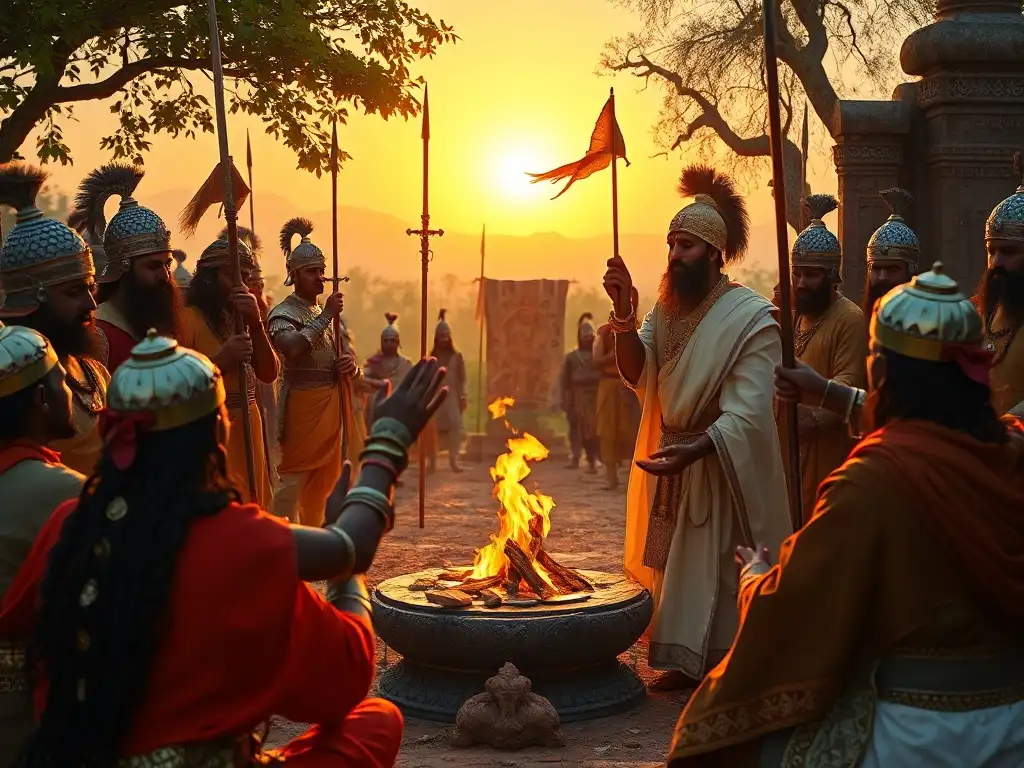
Welcome to Ancient India History, where we embark on a fascinating journey through the rich tapestry of India's past. Have you ever wondered how the concept of spiritual warfare intertwined with the martial traditions of ancient civilizations? In our latest article, "Rituals and Ceremonies: The Spiritual Aspect of Warfare in Ancient India," we delve into the intricate rituals that defined the battlefield, revealing how spirituality and combat were deeply connected.
Prepare to uncover the sacred practices that shaped the very essence of ancient Indian warfare and discover the profound insights they offer into the culture of this remarkable era. Dive in and let the exploration begin!
- Introduction to Spiritual Warfare Rituals in Ancient India
- Historical Background of Warfare in Ancient India
- Types of Spiritual Warfare Rituals in Ancient India
- Key Elements of Spiritual Warfare Rituals
- Regional Variations of Spiritual Warfare Rituals
- Influence of Spiritual Warfare Rituals on Ancient Indian Society
- Conclusion: The Enduring Legacy of Spiritual Warfare Rituals in Ancient India
- Further Reading and Exploration
- Frequently Asked Questions
- Final Reflection: The Enduring Legacy of Spiritual Warfare Rituals in Ancient India
- Embrace the Wisdom of Ancient Warfare Rituals!
Introduction to Spiritual Warfare Rituals in Ancient India
The rich tapestry of ancient Indian civilizations is woven with threads of culture, spirituality, and warfare, each deeply interconnected. Among the myriad practices that shaped the ethos of these societies, spiritual warfare rituals stand out as significant expressions of how warfare was perceived not merely as a physical contest but as a profound spiritual undertaking. These rituals, steeped in tradition and belief, were believed to invoke divine protection, favor, and guidance, emphasizing the notion that the battlefield was not just a place of conflict, but a sacred space where the material and spiritual realms intertwined.
In this exploration, we will delve into the concept of spiritual warfare rituals in ancient India, examining their historical context, cultural significance, and the ceremonies that accompanied military endeavors. Understanding these practices sheds light on the broader implications of warfare in ancient Indian society, revealing how spirituality and martial prowess were inextricably linked. This article aims to illuminate the profound depths of spiritual warfare rituals in ancient India, providing insights into how these traditions influenced both the mindset of warriors and the outcomes of conflicts.
Overview of Spiritual Warfare in Ancient Indian Context
In ancient India, warfare was not merely a means to an end, but rather an extension of the spiritual beliefs that permeated all aspects of life. The concept of dharma, or righteous duty, played a pivotal role, guiding warriors to engage in battle for just causes. This moral framework was often accompanied by various spiritual practices aimed at ensuring victory and divine favor.
Rituals such as yajnas (sacrificial offerings) and pujas (worship ceremonies) were integral to the preparation for war. These ceremonies were believed to invoke the blessings of deities such as Durga, the goddess of victory, and Kartikeya, the god of war. Here are some key elements that characterized spiritual warfare in ancient India:
- Invocation of Deities: Warriors and kings would often seek the blessing of specific gods before heading into battle.
- Ritual Offerings: Sacrifices of animals or offerings of grains and flowers were common, aimed at pleasing the deities.
- Chants and Mantras: The recitation of sacred texts and mantras was believed to empower the soldiers and instill courage.
The interplay of spirituality and martial strategy highlights how ancient Indian societies approached warfare with a distinctive perspective, one that integrated the physical with the metaphysical.
Importance of Rituals and Ceremonies in Warfare
The importance of rituals and ceremonies in the context of warfare in ancient India cannot be overstated. These practices served multiple purposes:
- Psychological Preparation: Engaging in rituals helped warriors prepare mentally for the challenges of battle, fostering a sense of unity and purpose among troops.
- Cultural Identity: Rituals reinforced cultural values and identity, reminding warriors of their duty to their land and people.
- Divine Favor: By performing elaborate ceremonies, leaders sought to secure divine favor and protection for their armies, believing that success in battle was contingent upon spiritual endorsement.
The culmination of these practices often took place in grand ceremonies before a significant battle, where rituals would be performed to ensure not only military success but also the moral righteousness of the cause. The impact of these spiritual rituals extended beyond the battlefield, influencing societal norms and beliefs about honor, duty, and the consequences of conflict.
The spiritual aspect of warfare in ancient India reveals a complex relationship between belief and practice, demonstrating that the rituals and ceremonies associated with military endeavors were fundamental to the ancient Indian worldview. Understanding these aspects provides a deeper insight into the rich historical narrative of ancient Indian warfare and its lasting contributions to both military and spiritual traditions.
Historical Background of Warfare in Ancient India
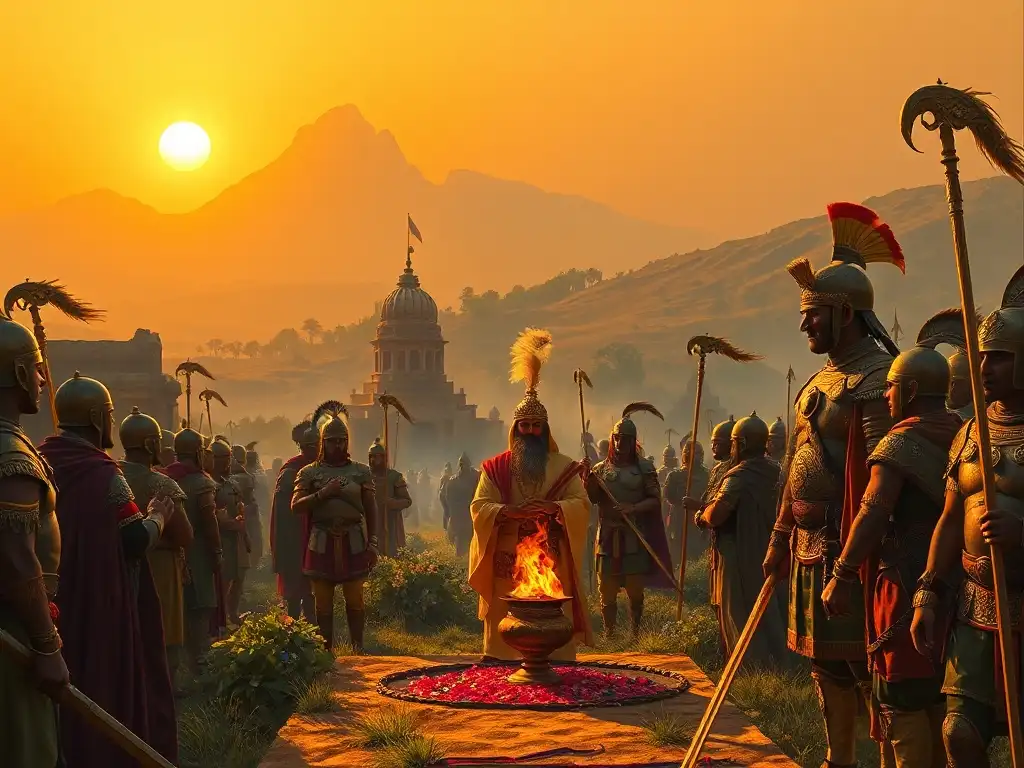
The history of warfare in ancient India is deeply intertwined with its rich spiritual and cultural traditions. From the early conflicts of the Indus Valley Civilization to the strategic military maneuvers of the Gupta Empire, the evolution of warfare in this region reveals a complex tapestry of martial practices, philosophies, and rituals.
Ancient Indian warfare was characterized by its reliance on both conventional military tactics and spiritual beliefs. The Vedic texts, which date back to around 1500 BCE, depict a society where conflicts were often framed within a spiritual context. Warfare was not merely a physical struggle; it was seen as a cosmic battle between good and evil, where the outcomes were believed to be influenced by divine forces.
Throughout various periods, from the early Vedic era to the rise of great empires, military leaders and warriors engaged in numerous battles, often invoking rituals to seek blessings, protection, and guidance from deities. This belief in the divine influence on warfare underscores the importance of spiritual warfare rituals in ancient India.
Major Wars and Battles in Ancient India
Ancient India witnessed several significant wars and battles that shaped its political landscape and military traditions. Among the most notable are:
- The Mahabharata War (circa 1000 BCE): This legendary conflict, as narrated in the epic Mahabharata, is perhaps the most famous battle in Indian history. It was a dynastic struggle between the Pandavas and the Kauravas, involving profound spiritual themes, including the Bhagavad Gita's teachings on duty and righteousness in warfare.
- The Kalinga War (261 BCE): Fought between the Mauryan emperor Ashoka and the kingdom of Kalinga, this battle is significant not only for its scale but for its aftermath. The massive loss of life led Ashoka to embrace Buddhism, highlighting the transformative impact of warfare on personal and spiritual beliefs.
- The Conquests of Alexander the Great (326 BCE): Alexander's invasion brought him into conflict with Indian kingdoms, particularly with King Porus. This encounter marked the introduction of Greek military strategies and philosophies, leading to a fusion of ideas that would influence subsequent Indian warfare.
- The Battles of the Gupta Empire (circa 320-550 CE): The Guptas, known as the "Golden Age" of India, engaged in numerous conflicts to defend and expand their territory. Their military strategies incorporated both traditional warfare and spiritual rituals, reflecting the intertwined nature of spirituality and combat.
These battles reflect not only the martial prowess of ancient Indian civilizations but also their spiritual depth, emphasizing the critical role of spiritual warfare rituals in guiding military actions and decisions.
The Role of Spirituality in Ancient Indian Military Strategies
Spirituality played a pivotal role in shaping military strategies in ancient India, influencing both the conduct of warfare and the mindset of warriors. The following aspects illustrate how spiritual beliefs were integrated into military practices:
- Invocation of Deities: Before entering battle, warriors often performed rituals to invoke the blessings of deities such as Durga, Kartikeya, and Shiva. These rituals were believed to provide divine support, instilling courage and moral fortitude in soldiers.
- Ritual Offerings: The practice of making offerings to gods and ancestors before battles was common. These offerings, which included flowers, fruits, and even animal sacrifices, were intended to appease divine forces and ensure victory.
- Sacred Weapons and Armor: Weapons were often consecrated through rituals, believed to endow them with spiritual power. For instance, the bow of Lord Rama and the sword of Bhima were not just weapons; they were imbued with divine significance, symbolizing the righteous cause of their wielders.
- Philosophical Teachings: Texts like the Bhagavad Gita provided philosophical guidance on the ethics of warfare. The concept of Dharma Yuddha (righteous warfare) emphasized the moral responsibilities of warriors, advocating for battles fought for justice and righteousness rather than personal gain.
- Post-Battle Rituals: After a battle, rituals were performed to honor the fallen and seek forgiveness for the violence that had occurred. These rites underscored the recognition of the sanctity of life and the need for spiritual cleansing following conflict.
The integration of spirituality in warfare is a defining characteristic of ancient Indian military strategies. The spiritual warfare rituals of ancient India not only reflected the societal values of the time but also served as a means to navigate the complexities of conflict, ensuring that battles were fought with a sense of purpose and moral clarity.
Types of Spiritual Warfare Rituals in Ancient India
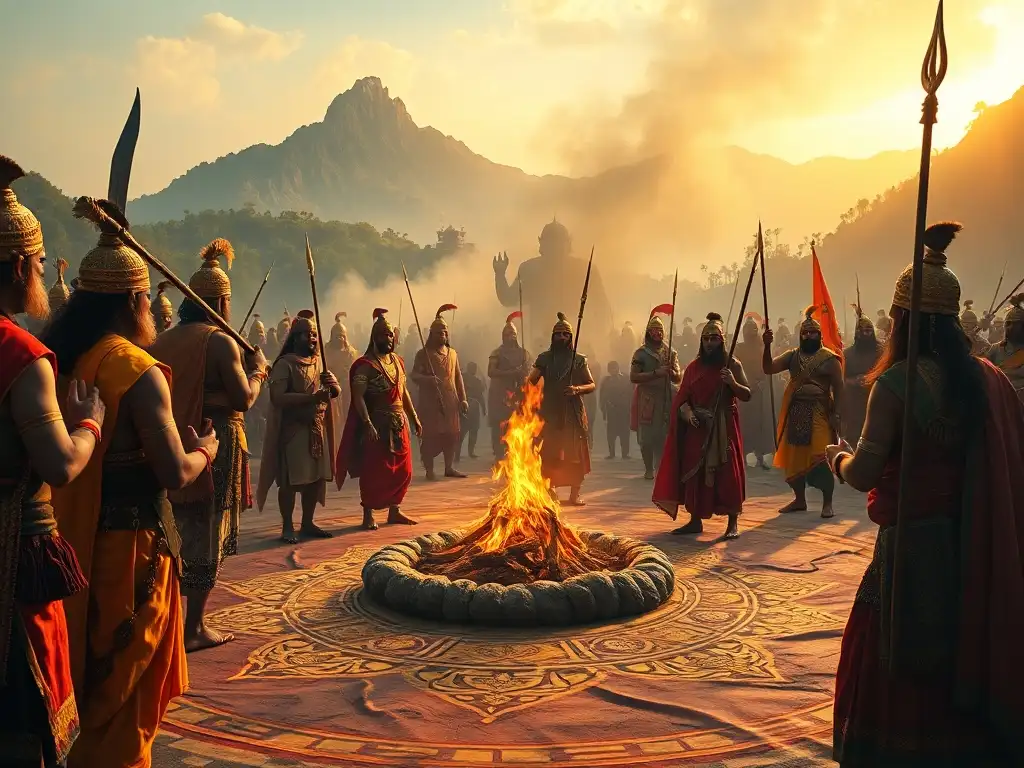
Pre-Battle Rituals and Their Significance
In ancient India, the preparation for battle transcended mere physical readiness; it was deeply intertwined with spiritual beliefs and rituals. Pre-battle rituals served as a means to invoke divine favor, ensuring that warriors entered the battlefield with the blessings of the gods. These rituals often included:
- Invocation of Deities: Warriors would perform pujas (worship rituals) to seek blessings from deities associated with victory and valor, such as Durga, Kali, or Kartikeya. The recitation of mantras and offering of flowers and fruits were common practices.
- Sacrificial Offerings: Animal sacrifices were sometimes performed to appease the gods. These sacrifices were believed to ensure the favor of the divine and to strengthen the morale of the troops.
- Ritual Cleansing: Before heading into battle, warriors would undergo purification rites, such as bathing in holy rivers or applying sacred ash ( vibhuti) to their bodies. This was believed to cleanse them of any negative energies and prepare them spiritually.
- Consultation of Omens: Priests or sages were often consulted to interpret omens, which could include the behavior of birds or natural phenomena. A favorable omen would boost the confidence of the troops, while an unfavorable one might lead to postponement or additional rituals.
These rituals not only served practical purposes but also reinforced the warriors' belief in their mission, providing a psychological edge in the chaos of battle.
Ceremonies for Blessings and Protection
Ceremonies aimed at bestowing blessings and protection were integral to the martial traditions of ancient India. These ceremonies were typically conducted before significant military campaigns and included various elements:
- Yajnas (Fire Sacrifices): Elaborate fire rituals were performed to invoke the blessings of Agni, the fire god. Offerings made into the sacred fire were believed to carry the prayers to the divine realm, ensuring protection and success.
- Chanting of Mantras: Specific mantras were chanted by priests to invoke divine protection. The Gayatri Mantra and Durga Saptashati were particularly popular, believed to imbue warriors with strength and fortitude.
- Blessing of Weapons: Before battles, weapons were consecrated through rituals where they were bathed in holy water or anointed with sacred oils. This practice was thought to enhance their efficacy and protect the wielder during combat.
- Community Involvement: The entire community often participated in these ceremonies, reinforcing social bonds and collective faith. This involvement created a sense of unity among the warriors and their supporters, further solidifying their resolve.
These ceremonies underscored the belief that success in warfare was not solely dependent on martial prowess but also on divine intervention and communal harmony.
Post-Battle Rituals for Cleansing and Remembrance
After the conclusion of battles, ancient Indian warriors engaged in various post-battle rituals, which served both spiritual and cultural functions. These rituals were essential for maintaining the moral and social fabric of the community:
- Cleansing Rituals: Victorious warriors often underwent purification rites to cleanse themselves of the violence and bloodshed experienced during battle. This could involve ritual baths in sacred rivers, symbolizing the washing away of sins and negative energies.
- Remembrance Ceremonies: Honor was given to fallen comrades through ceremonies that included lighting oil lamps and offering food to their spirits. These acts of remembrance were crucial for ensuring the peace of the departed souls and reinforcing the values of bravery and sacrifice.
- Thanksgiving Rituals: Victorious forces would conduct shukrana (thanksgiving) ceremonies, expressing gratitude to the deities for their protection and favor. This could include further offerings and public displays of devotion.
- Storytelling and Oral Traditions: Tales of valor and heroism were recounted, often in the form of kavyas (poetic recitations) or dramas. This not only honored the warriors but also served to instill values of courage and duty in future generations.
These post-battle rituals not only facilitated individual and communal healing but also reinforced the cultural narratives around warfare, ensuring that the lessons learned and sacrifices made were preserved in the collective memory of society.
Key Elements of Spiritual Warfare Rituals
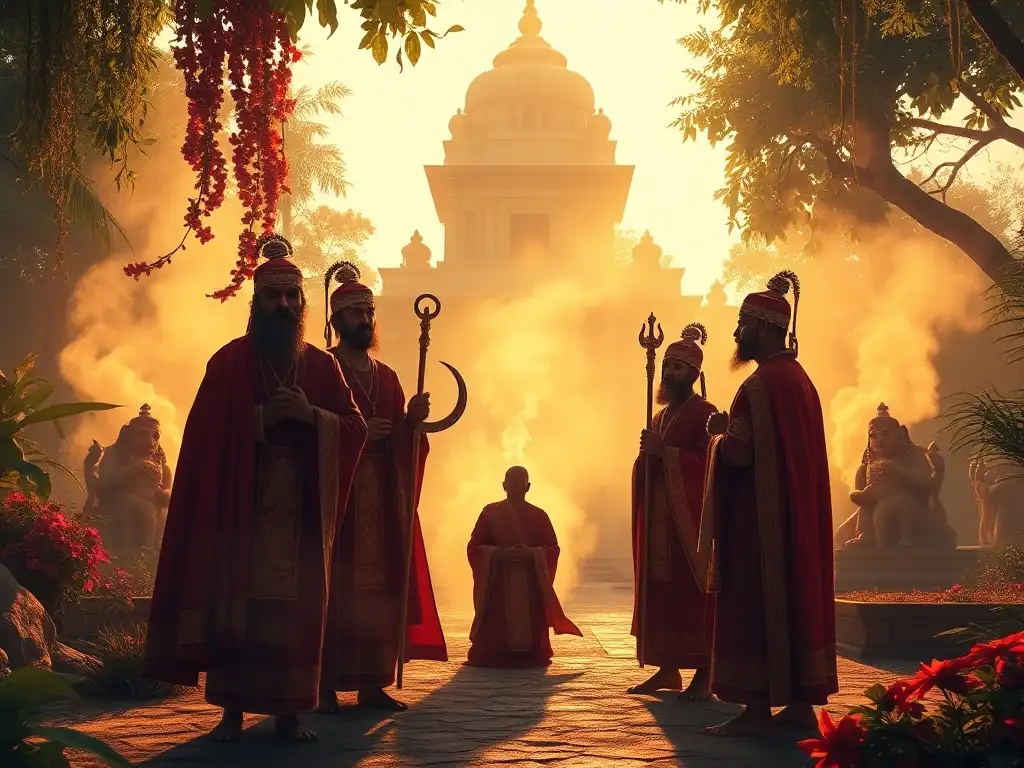
The spiritual aspect of warfare in ancient India was deeply intertwined with the cultural, religious, and social fabric of society. Rituals and ceremonies played a pivotal role in preparing warriors for battle, invoking divine support, and ensuring victory. These spiritual warfare rituals were characterized by specific elements that underscored their significance in ancient Indian military practices.
Invocation of Deities in Warfare
The invocation of deities was a crucial component of spiritual warfare rituals in ancient India. Warriors would often seek blessings from specific gods and goddesses, believing that divine intervention could turn the tide of battle in their favor.
- Key Deities Associated with Warfare:
- Durga: Represented strength and victory, invoked to overcome enemies.
- Kali: Symbolized destruction of evil forces, often called upon for protection.
- Indra: The king of gods, associated with thunder and rain, invoked for courage and success in battle.
Before a battle, rituals involving offerings, prayers, and sometimes even sacrifices were performed to appease these deities. For instance, warriors might conduct a yajna (fire sacrifice), where offerings were made into the sacred fire, accompanied by chanting of mantras to invoke the divine presence. This practice not only sought blessings but also served to unify the warriors under a common spiritual goal.
Symbolism in Ritual Practices
Ritual practices in ancient Indian warfare were rich in symbolism, reflecting the beliefs and values of the society. These symbols were not mere decorations; they carried deep spiritual meanings that connected the physical act of warfare to the metaphysical realm.
- Common Symbols in Warfare Rituals:
- Conch Shell (Shankha): Blown at the beginning of a battle, symbolizing the call to arms and the awakening of warriors.
- Flags and Standards: Each army would carry banners representing their deities or clans, serving as both a rallying point and a source of inspiration.
- Sacred Colors: Colors like red and yellow were often used to symbolize power and purity, respectively, and were incorporated into the attire of soldiers.
The rituals also emphasized the importance of purity and sacredness. Warriors would undergo purification rites, such as bathing in holy rivers, to cleanse themselves of sins and prepare their minds for battle. This connection between physical readiness and spiritual purity was crucial in the context of spiritual warfare rituals.
Use of Sacred Texts and Mantras
Sacred texts and mantras were integral to the spiritual warfare rituals of ancient India. The recitation of these texts was believed to invoke divine protection and guidance during conflicts.
- Key Texts Utilized:
- The Vedas: Contained hymns and rituals dedicated to various deities, often recited by priests before battles.
- The Mahabharata: An epic that includes numerous references to warfare and the moral dilemmas faced by warriors, serving as a guide for righteous action in battle.
- Mantras and Their Significance:
- Gayatri Mantra: A universal mantra that invokes the divine light, often recited for clarity and strength.
- Shanti Mantras: Invoked peace and protection, ensuring that the warriors were spiritually fortified.
These sacred texts and mantras were not only recited by warriors but also by priests who played a crucial role in conducting rituals. The correct pronunciation and intonation were considered vital, as it was believed that the efficacy of the rituals depended on the purity of these recitations.
Spiritual warfare rituals in ancient India were characterized by a profound connection between the material and spiritual realms. The invocation of deities, rich symbolism, and the use of sacred texts and mantras formed the backbone of these practices, highlighting the belief that warfare was not merely a physical endeavor but a spiritual journey as well.
Regional Variations of Spiritual Warfare Rituals
Spiritual Warfare Practices in the Indus Valley Civilization
The Indus Valley Civilization (c. 3300–1300 BCE) showcases some of the earliest forms of spiritual warfare rituals. While archaeological evidence is limited, certain artifacts hint at the spiritual beliefs of this ancient civilization. The Indus Valley people engaged in various practices linked to warfare, which were often intertwined with their religious beliefs.
- Terracotta Figurines: Numerous terracotta figurines have been unearthed, depicting deities that may have been invoked for protection in battles. These figurines often symbolize fertility, strength, and protection, suggesting that warfare was not merely a physical endeavor but also a spiritual one.
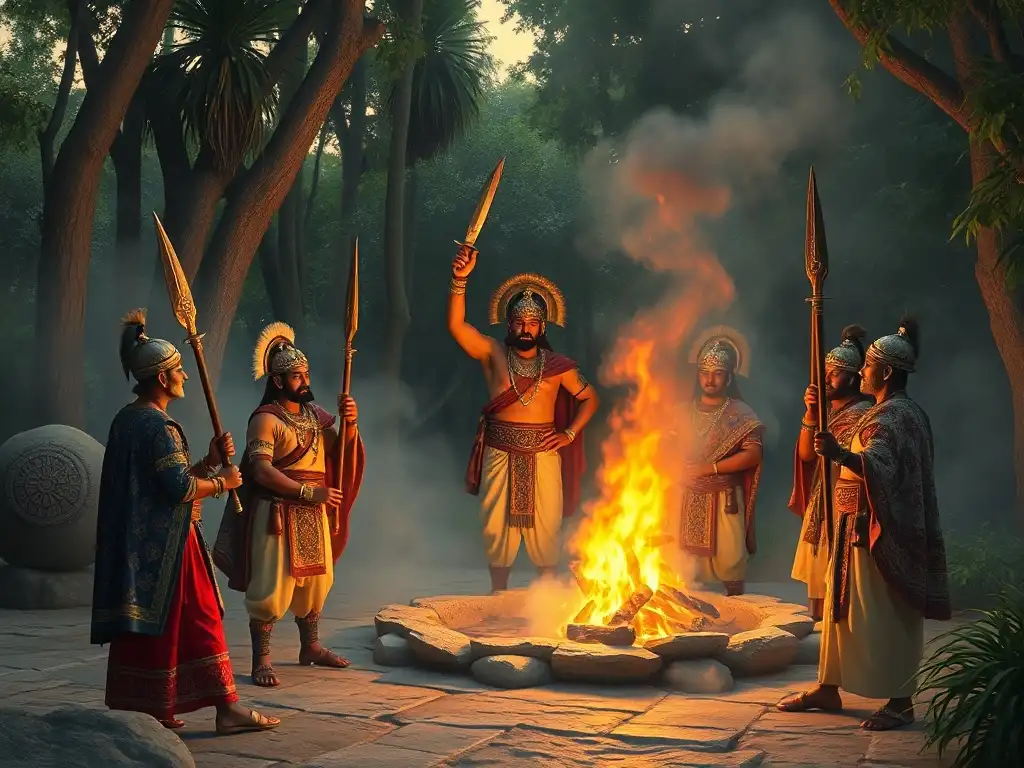
- Fire Altars: Evidence of fire altars in urban settlements indicates that fire rituals were conducted to appease deities before embarking on military campaigns. Such rituals likely included offerings to ensure victory and the safety of the warriors.
The spiritual aspect was crucial for the Indus Valley warriors, as they believed that divine favor could turn the tides of battle. These early practices set a precedent for later civilizations in ancient India.
Rituals during the Vedic Period
The Vedic Period (c. 1500–500 BCE) marked a significant evolution in spiritual warfare rituals. The Vedas, particularly the Rigveda, contain hymns and mantras that were recited to invoke the deities during warfare.
- Yajnas (Sacrificial Rites): Central to Vedic rituals, yajnas were performed to gain the favor of gods like Indra, who was often depicted as a warrior deity. These elaborate fire sacrifices involved offerings of grains, clarified butter, and animal sacrifices to ensure success in battles.
- Mantras for Protection: Specific mantras were chanted before going to war. For example, the Brahmanas, texts associated with the Vedas, elaborate on the use of mantras to secure divine protection and strength for warriors. These invocations were believed to shield them from harm and instill courage.
- Ritualized Warfare: Warfare itself during this period became a ritualistic affair. The Mahabharata, an ancient Indian epic, describes the significance of dharma (righteousness) in warfare, emphasizing that battles were fought not just for territory but for moral and ethical reasons.
The Vedic rituals laid the foundation for a more structured approach to spiritual warfare, intertwining ethical considerations with military actions.
Ceremonies in the Maurya and Gupta Empires
The Maurya (c. 322–185 BCE) and Gupta Empires (c. 320–550 CE) saw the culmination of spiritual warfare rituals, reflecting an intricate blend of military strategy and religious observance.
- Royal Coronations and War Preparations: Emperors, like Ashoka, performed elaborate ceremonies before going to war. These included public yajnas, where the emperor would seek the blessings of the deities for the success of his campaigns. The ceremonies often involved the participation of priests who conducted rituals to ensure divine support.
- Use of Symbols and Icons: The Mauryan and Gupta rulers utilized various symbols, such as the lion, to represent strength and courage. These were often invoked during rituals. For example, the lion capital of Ashoka is a symbol that reflects both power and spiritual authority.
- The Role of Pilgrimage: Warriors were sometimes sent on pilgrimages to sacred sites before engaging in battles, as a means of purification and spiritual readiness. This practice emphasized the belief that divine intervention could significantly influence the outcomes of conflicts.
- Festivals and Commemorations: Festivals such as Dussehra, which commemorates the victory of good over evil, were deeply rooted in the spiritual aspects of warfare. These celebrations included rituals that honored past warriors and sought blessings for future endeavors.
The spiritual warfare rituals of the Maurya and Gupta Empires illustrate a mature understanding of the interplay between spirituality, ethics, and military prowess. These practices not only guided the actions of warriors but also shaped the cultural and religious landscape of ancient India.
Influence of Spiritual Warfare Rituals on Ancient Indian Society
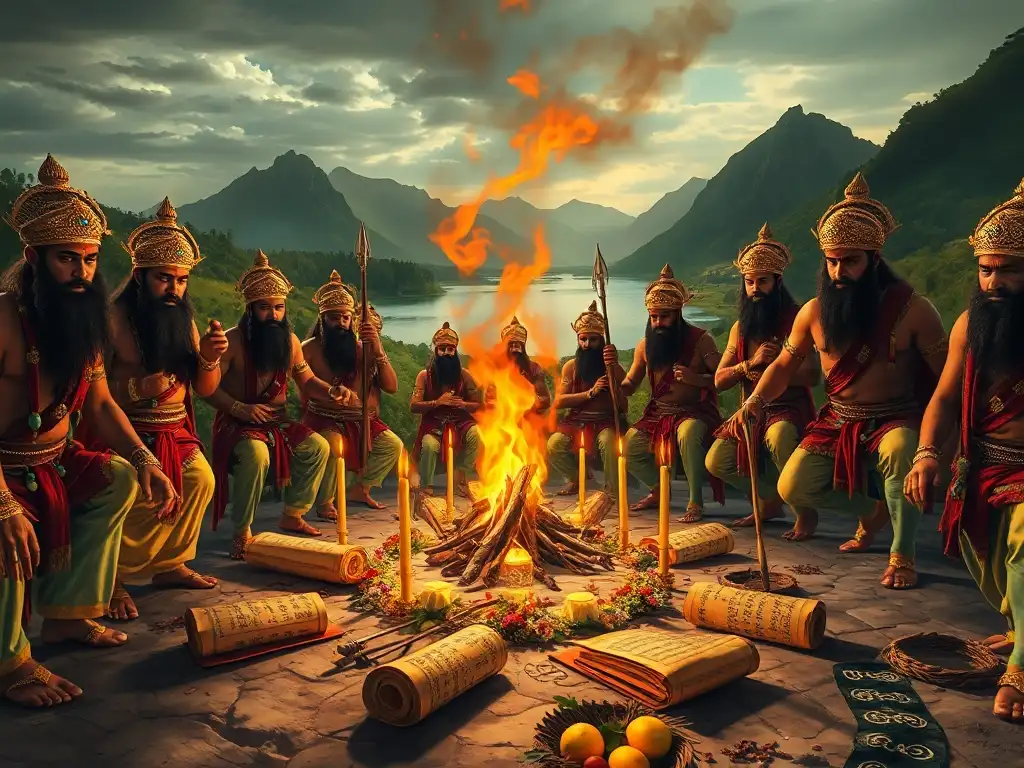
In ancient India, the intersection of warfare and spirituality was deeply embedded in the social fabric. Spiritual warfare rituals were not merely ceremonial; they played a crucial role in establishing the social structure and military hierarchy. The Kshatriyas, or warrior class, were primarily responsible for the defense of the realm, and their status was often legitimized through participation in these rituals.
The rituals served to reinforce the idea that warfare was not just a physical endeavor but a sacred duty. Leaders and warriors would engage in various rites, such as yajnas (sacrificial rituals) and homas (fire offerings), intended to invoke divine blessings for victory. These practices were believed to purify the warriors, preparing them mentally and spiritually for battle.
- Key Elements of Social Structure:
- Kshatriya Class: Held elevated status due to their martial role.
- Brahmins: Conducted rituals and prayers, establishing a relationship between spiritual and military authority.
- Commoners: Often supported military endeavors through agricultural production and resources.
The military hierarchy was influenced by these rituals, as warriors who successfully performed them were often viewed as more capable and favored leaders. This connection between spirituality and warfare helped to sustain the loyalty of troops, as they believed their success was divinely ordained.
The Relationship Between Religion and Militarism
The relationship between religion and militarism in ancient India was characterized by the intertwining of spiritual beliefs and martial practices. Religious texts, such as the Mahabharata and the Ramayana, depict warfare as a means to fulfill dharma (righteous duty), emphasizing that engaging in battle could be a spiritually virtuous act.
Rituals often accompanied military campaigns, where prayers and invocations were made to deities such as Durga and Hanuman for strength and protection. These deities represented the martial spirit and were integral to the belief system surrounding warfare.
- Notable Aspects:
- Divine Justification for Warfare: Rulers sought blessings from gods to legitimize their conquests.
- Rituals as Preparatory Measures: Before significant battles, kings would conduct rituals to invoke divine favor, ensuring moral and spiritual readiness.
- Cultural Narratives: Epic tales often highlighted the virtues of warriors who upheld dharma in battle, reinforcing the idea that military actions were closely aligned with spiritual beliefs.
This synergy between religion and militarism fostered a culture where warriors were seen as protectors not only of their land but also of their spiritual heritage. The belief that divine forces influenced the outcome of battles led to a heightened sense of responsibility among warriors.
Legacy of Spiritual Warfare Practices in Later Indian Cultures
The spiritual warfare rituals of ancient India left an indelible mark on later Indian cultures, influencing various aspects of society, governance, and even modern military practices. As the centuries progressed, the essence of these rituals was preserved and adapted, reflecting the evolving nature of Indian civilization.
In later periods, such as during the Mughal Empire and into the British Raj, remnants of these spiritual practices can be seen. Rulers continued to engage in rituals to secure divine support, and military leaders would often invoke ancestral spirits before battles.
- Enduring Influences:
- Festivals and Ceremonies: Many contemporary Indian festivals have roots in ancient rituals connected to warfare, emphasizing themes of victory and divine intervention.
- Martial Arts: Traditional Indian martial arts, such as Kalaripayattu, still incorporate spiritual elements, reflecting the historical connection between combat and spirituality.
- Modern Military Practices: The Indian Armed Forces occasionally observe rituals that echo ancient customs, signifying respect for tradition and invoking blessings for success.
The legacy of spiritual warfare rituals in ancient India thus continues to resonate in modern society, illustrating a profound connection between spirituality, culture, and the martial ethos that has shaped the Indian subcontinent throughout history.
Conclusion: The Enduring Legacy of Spiritual Warfare Rituals in Ancient India
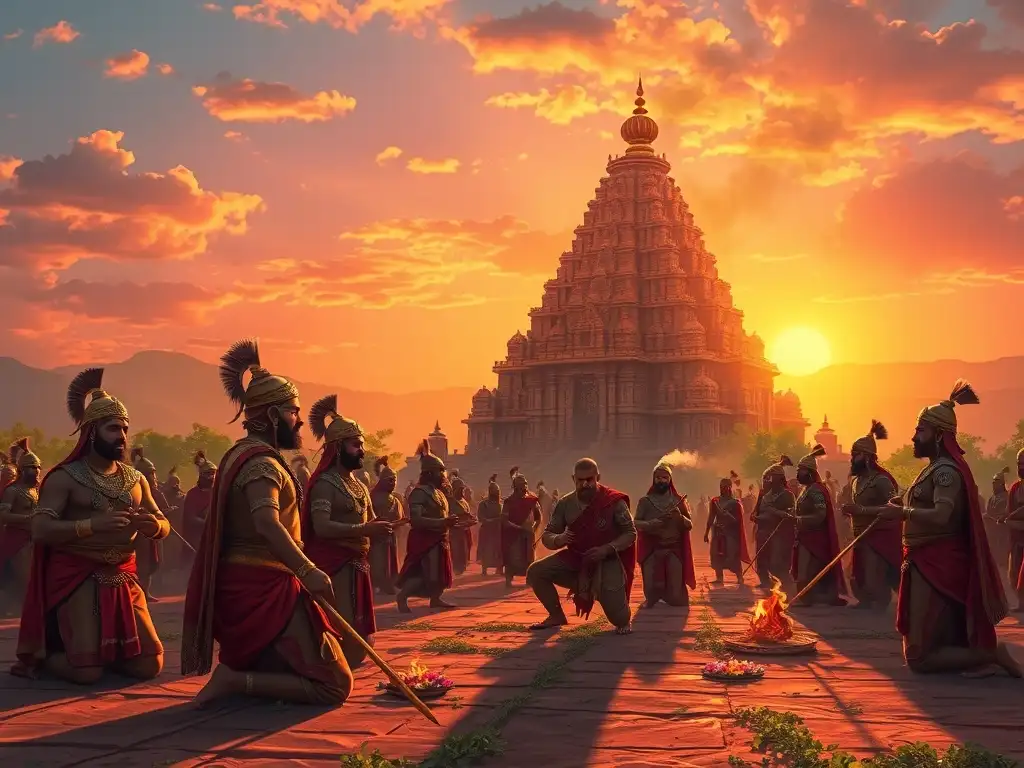
The spiritual warfare rituals of ancient India reflect a complex interplay between the divine and human realms, showcasing how spirituality was intricately woven into the fabric of military endeavors. These rituals were not mere formalities; they served as vital conduits through which warriors sought blessings, strength, and divine intervention in the face of conflict. The profound significance of these practices can be encapsulated in the following points:
- Divine Favor: Ancient Indian warriors believed that the outcomes of battles were heavily influenced by the favor of deities. Engaging in rituals ensured that they had the divine support necessary for victory.
- Psychological Strength: Rituals imbued warriors with courage and confidence. The spiritual aspect provided a psychological edge, as warriors felt fortified by their connection to higher powers.
- Cultural Continuity: These rituals were deeply rooted in the cultural ethos of various ancient Indian civilizations, from the Vedic period through the Mauryan and Gupta empires. They contributed to a shared identity among warriors and communities alike.
Reflection on Spirituality and Warfare in Ancient Civilizations
The intertwined nature of spirituality and warfare is not unique to ancient India; it is a theme that resonates across various cultures. In ancient civilizations, warfare was often seen as a pathway to honor both the community and the divine.
- Ritualistic Practices: Across different cultures, rituals such as sacrifices, prayers, and invocations were performed to appease gods and ensure a successful campaign. For instance, the Greeks practiced their own forms of rituals before battles, similar to the ancient Indian custom of performing homas (sacrificial fires).
- Symbolism of Weapons: Weapons were often treated as sacred objects. In ancient India, weapons were consecrated through rituals, elevating their importance beyond mere tools of war to symbols of righteousness and duty.
- Historical Texts: Texts such as the Mahabharata and Ramayana illustrate the spiritual dimensions of warfare, where battles were fought not just for territorial gains but as part of a larger cosmic order (dharma).
These reflections underscore how spiritual warfare rituals served as a bridge between the material and the metaphysical, reinforcing the values and beliefs of ancient societies.
The Relevance of These Rituals in Contemporary Contexts
The spiritual warfare rituals of ancient India continue to resonate in contemporary culture, reflecting an enduring legacy that informs modern perspectives on conflict and spirituality.
- Cultural Festivals: Many modern festivals in India still incorporate elements of ancient rituals, emphasizing the need for spiritual protection and guidance in daily life. For example, Navaratri celebrates the victory of good over evil, mirroring the themes found in ancient warfare rituals.
- Psychological Resilience: In today’s world, individuals often seek spiritual practices for mental fortitude. The lessons derived from ancient rituals can inspire modern practices such as meditation, which echoes the spiritual preparation of warriors before battles.
- Conflict Resolution: The integration of spirituality in conflict resolution processes can be seen as a contemporary application of ancient principles. Emphasizing empathy, understanding, and spiritual guidance can lead to more harmonious resolutions in conflicts today.
The spiritual warfare rituals of ancient India not only shaped the military practices of the time but also left an indelible mark on contemporary society. Their relevance today highlights the timeless quest for meaning and support in the face of life's challenges, showcasing the rich tapestry of ancient Indian culture and its contributions to understanding warfare through a spiritual lens.
Further Reading and Exploration
Suggested Books and Articles on Ancient Indian Warfare and Spirituality
To deepen your understanding of the spiritual warfare rituals in ancient India, consider exploring the following recommended books and scholarly articles:
-
The Art of War in Ancient India
Author: A. S. Altekar
This book provides a comprehensive overview of military strategies and their spiritual implications in ancient Indian warfare, emphasizing the philosophical underpinnings that guided these practices. -
War and Peace in Ancient India: The Spiritual Dimension
Author: R. C. Sharma
An insightful exploration of how spirituality intertwined with warfare, this book delves into the rituals performed before battles, highlighting their significance in the context of dharma (duty). -
The Mahabharata: A Study in Spiritual Warfare
Author: K. R. Iyengar
This classic epic is not only a narrative of conflict but also a profound exploration of ethical and spiritual dilemmas faced by warriors. Iyengar's analysis sheds light on the spiritual rituals practiced by characters like Arjuna. -
Rituals of War: The Role of Sacrifice in Ancient Indian Battles
Author: P. N. Rao
This article discusses specific rituals, such as yajnas (fire sacrifices), that were believed to invoke divine favor before embarking on military campaigns. -
Divine Warfare: The Spirituality of Ancient Indian Martial Practices
Author: S. R. Bhattacharya
Focusing on the martial traditions of ancient India, this text examines how spiritual beliefs influenced the preparation and conduct of warfare.
Documentaries and Visual Resources on the Topic
Visual resources can provide a rich context for understanding the spiritual aspect of warfare in ancient India. Here are some recommended documentaries and visual materials:
-
"Ancient India: The Land of Warriors"
This documentary explores the historical context of warfare in ancient India, focusing on the rituals and ceremonies that accompanied battles and the spiritual beliefs of ancient Indian warriors.
-
"The Epic of Mahabharata: A Cultural Journey"
Through stunning visuals and expert commentary, this film delves into the Mahabharata, highlighting key moments of spiritual warfare and the rituals involved in the preparation for battle.
-
"Sacred Rituals in Indian History"
This documentary examines various religious and spiritual rituals across Indian history, including those specifically related to warfare. It provides insights into the significance of these practices in the ancient military context.
-
"Warriors of the Gods: Spirituality in Ancient Indian Warfare"
A deep dive into the intersection of spirituality and martial practices, this visual resource showcases interviews with historians and archaeologists who discuss the role of rituals in ancient combat.
These resources will enrich your understanding of how spirituality infused the warfare practices of ancient India, offering a comprehensive view of their historical significance.
Frequently Asked Questions
What were the spiritual warfare rituals in ancient India?
Spiritual warfare rituals in ancient India involved ceremonies to invoke divine protection and blessings. These rituals included prayers, homas (fire offerings), and mantras designed to ensure victory in battles.
How did ancient Indian civilizations view warfare?
Ancient Indian civilizations viewed warfare as a sacred duty, often intertwined with religious beliefs. The notion of dharma (righteousness) guided warriors, making their actions spiritually significant.
Were there specific deities worshipped during these rituals?
Yes, specific deities such as Durga, Kali, and Hanuman were often worshipped during warfare rituals. These deities were believed to provide strength, courage, and victory in battles.
How did rituals influence the outcomes of battles?
Rituals were thought to channel spiritual energy and create a favorable environment for warriors. Success in battles was often attributed to the effectiveness of these spiritual practices.
What role did priests play in these ceremonies?
Priests acted as mediators between the divine and the warriors, conducting rituals and reciting sacred texts. Their role was crucial in ensuring that the rituals were performed correctly to invoke the desired spiritual outcomes.
Final Reflection: The Enduring Legacy of Spiritual Warfare Rituals in Ancient India
The exploration of spiritual warfare rituals in ancient India reveals a profound connection between the physical and metaphysical realms. Today, as we navigate a world fraught with conflict and division, the significance of these rituals resonates more than ever. They remind us that warfare is not merely a battle of might but also a struggle of the spirit, where the intentions and beliefs of individuals play a crucial role in shaping outcomes. Understanding this duality can empower us to approach modern conflicts with a more holistic perspective.
Cultural and social landscapes are continuously shaped by the legacies of our past, and the spiritual rituals of ancient India serve as a testament to this truth. These practices were not just ceremonial; they were deeply embedded in the psyche of the people, influencing their values, beliefs, and even their identities. As we reflect on these ancient traditions, we recognize their ongoing impact in contemporary society, where the search for meaning and connection persists. Rituals are the threads that weave the fabric of our collective consciousness.
As we conclude this exploration, I invite you to reflect on the lessons embedded within these ancient practices. Consider how the principles of intention, community, and spirituality can be integrated into your own life, especially in times of conflict or uncertainty. Let the wisdom of these rituals inspire you to cultivate peace within yourself and in your interactions with others, fostering a deeper understanding of the spiritual dimensions of our shared human experience.
Embrace the Wisdom of Ancient Warfare Rituals!
Thank you for diving into the profound insights of rituals and ceremonies surrounding ancient Indian warfare. You've uncovered the spiritual dimensions that not only shaped battles but also enriched the lives of warriors and their communities. Now, it's time to engage with this ancient wisdom in your own life!
Here’s how you can take action today:
- Explore Rituals: Begin incorporating a morning ritual or grounding exercise into your daily routine. Draw inspiration from the spiritual practices of ancient warriors to create moments of focus and intention.
- Share with Friends: Discuss your newfound knowledge with others! Host a small gathering to share insights and explore how spirituality and mindfulness can address modern challenges.
- Join a Community: Seek out local workshops or online forums that focus on the connection between spirituality and personal growth. Engage with others who are interested in exploring history and its valuable lessons.
What ancient ritual or practice will you adopt to bring balance and purpose into your life? Share your thoughts in the comments below!