
The Cultural Significance of Warfare in Ancient Indian Epics: Mahabharata and Ramayana

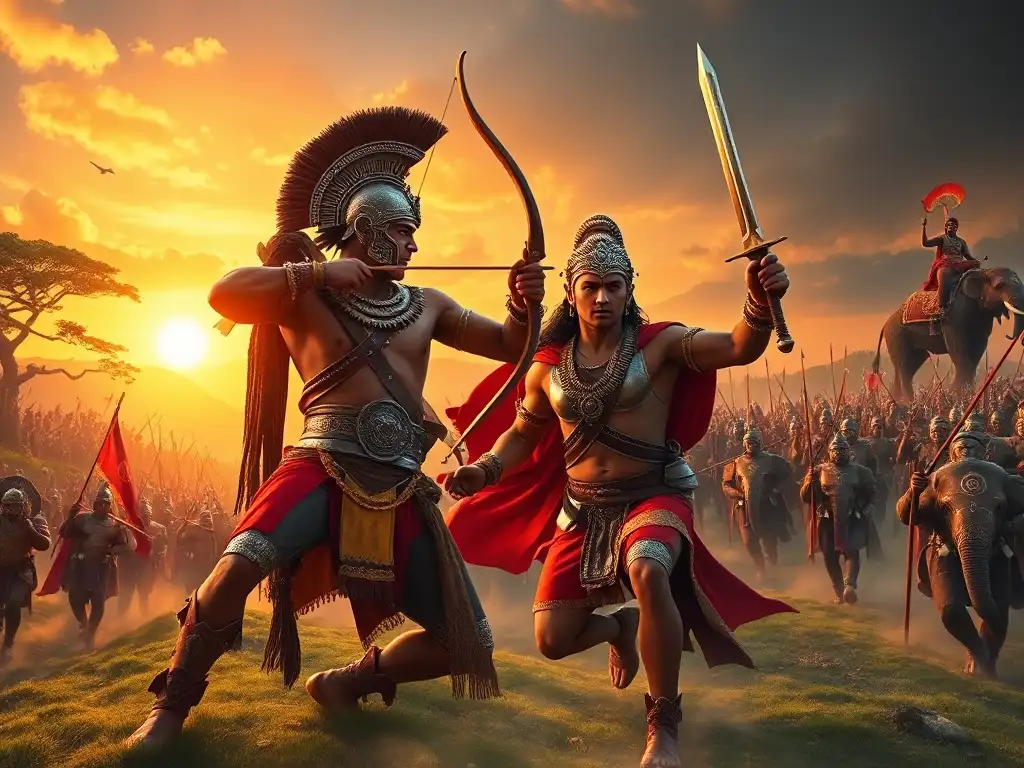
Welcome to Ancient India History, where we embark on a fascinating journey through the intricate tapestry of India's rich past. Here, we delve into the cultural significance of ancient Indian epics, exploring how the legendary tales of the Mahabharata and Ramayana not only shaped the moral and spiritual fabric of society but also reflect the complex interplay of warfare and valor.
As you navigate through our content, prepare to uncover the profound lessons embedded within these epic narratives and their enduring impact on the civilization. Join us as we unravel the stories that have transcended time, inviting you to explore the depths of ancient India's military history and cultural legacy.
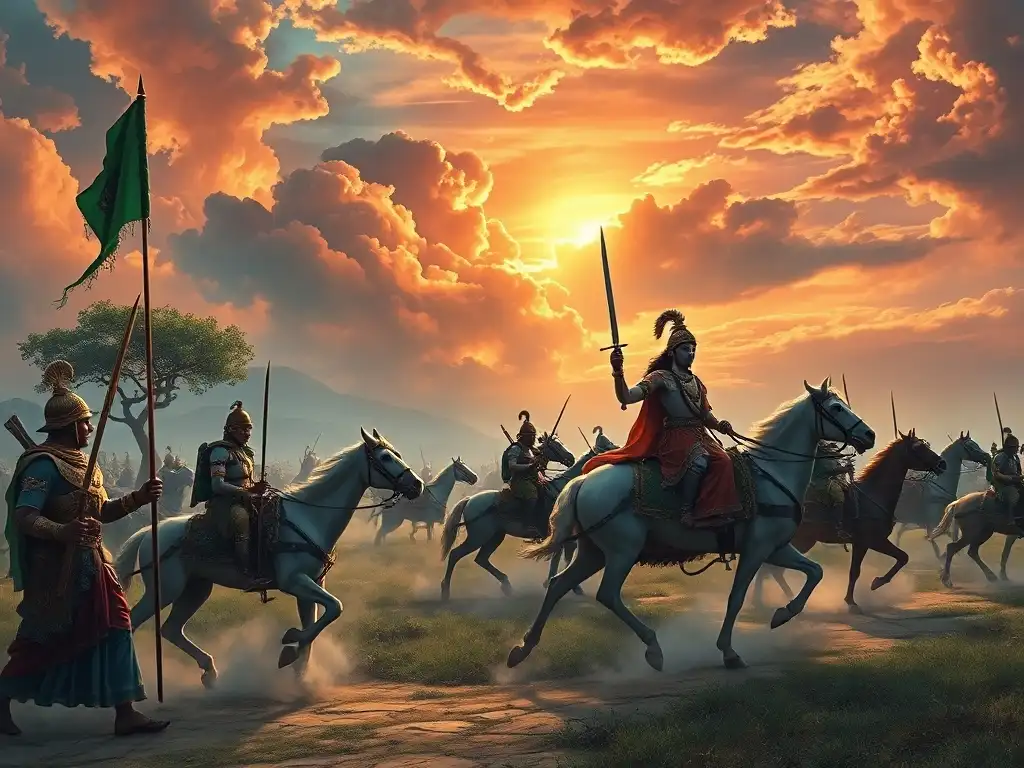
The exploration of ancient Indian epics reveals a profound relationship between culture, morality, and the art of warfare. The Mahabharata and Ramayana serve not only as literary masterpieces but also as crucial narratives that reflect the complexities of ancient Indian society.
These epics delve into the multifaceted role of warfare, illustrating how battles and conflicts shaped not only the historical landscape but also the ethical and philosophical frameworks of the time. By examining the cultural significance of warfare within these narratives, we gain insight into how ancient Indian civilizations understood honor, duty, and the consequences of conflict, ultimately enriching our understanding of their historical and cultural heritage.
Introduction to Ancient Indian Epics
Ancient Indian epics are monumental texts that encapsulate the spiritual, philosophical, and cultural ethos of their times. Centered around the lives of gods, heroes, and mythical beings, these narratives convey essential moral lessons and societal values. The Mahabharata and Ramayana stand out as the two most significant epics, each offering a unique perspective on the nature of warfare, the complexities of human relationships, and the quest for righteousness. These epics not only narrate heroic tales but also serve as vehicles for exploring the human condition, societal norms, and the ever-relevant themes of conflict and resolution.
Overview of the Mahabharata
The Mahabharata, attributed to the sage Vyasa, is one of the longest epics in the world, consisting of approximately 100,000 shlokas (verses). The narrative centers around the conflict between two groups of cousins, the Pandavas and the Kauravas, culminating in the great war of Kurukshetra. This epic is rich in philosophical discourse, particularly through the Bhagavad Gita, where Lord Krishna imparts wisdom to the warrior Arjuna. The Mahabharata addresses themes of justice, morality, and the consequences of war, making it a critical resource for understanding the cultural significance of ancient Indian thought.
Overview of the Ramayana
The Ramayana, composed by the sage Valmiki, presents a different narrative centered on the life of Lord Rama, his wife Sita, and his loyal companion Hanuman. This epic focuses on the themes of dharma (duty/righteousness), loyalty, and the struggle against evil, epitomized by the demon king Ravana. The Ramayana explores the moral dilemmas faced by its characters, particularly in the context of warfare, illustrating how personal values and societal expectations intersect in times of conflict.
Importance of Warfare in Ancient Indian Culture
Warfare in ancient India was not merely a matter of territorial conquest but was deeply intertwined with cultural and spiritual beliefs. It served as a crucible for testing valor, honor, and the adherence to dharma. The ideals of heroism, sacrifice, and righteousness were often glorified in these epics, showcasing how battles were fought not just for material gain but also for upholding cosmic order and justice. Understanding the cultural significance of warfare in these narratives allows us to appreciate the intricate ways in which ancient Indian societies viewed conflict and its ethical implications.
The Role of Warfare in the Mahabharata
The Mahabharata intricately weaves warfare into its narrative structure, presenting it as a critical element that shapes the course of events and the fates of characters.
Key Battles and Their Cultural Implications
The Kurukshetra war, the central event of the Mahabharata, is emblematic of the larger moral and ethical struggles faced by humanity. Each battle not only determines the physical outcome but also serves as a reflection of the internal conflicts experienced by the characters. The war highlights the consequences of ambition, betrayal, and the quest for power, ultimately serving as a cautionary tale about the ravages of unchecked desires.
The Concept of Dharma and War
Dharma, or righteousness, plays a pivotal role in the Mahabharata’s portrayal of warfare. Characters are often faced with moral dilemmas that force them to choose between personal loyalty and their duties to the greater good. The epic emphasizes that true warriors must navigate the complexities of their actions, ensuring that their choices align with dharma, thereby reinforcing the cultural significance of ethical conduct in warfare.
The Heroic Ideals Represented in the Mahabharata
The Mahabharata presents a diverse array of heroic ideals through its characters, each embodying different aspects of courage, sacrifice, and moral integrity. From the valor of Arjuna to the wisdom of Krishna, these figures illustrate the multifaceted nature of heroism in the face of conflict. Their stories not only inspire but also serve as a moral compass for future generations, emphasizing the importance of virtue in both peace and war.
The Role of Warfare in the Ramayana
The Ramayana, composed by the sage Valmiki, is not only a tale of divine adventure but also a profound exploration of the cultural significance of warfare in ancient Indian society. Warfare in the Ramayana serves multiple purposes: it acts as a vehicle for the epic's moral instruction, a means to establish dharma (righteousness), and a representation of the cosmic struggle between good and evil.
The narrative revolves around the life of Lord Rama, his exile, the abduction of his wife Sita by the demon king Ravana, and the subsequent war to rescue her, encapsulating the essence of duty, valor, and sacrifice.
Depiction of War in the Ramayana Narrative
The depiction of war in the Ramayana is intricate and layered. It showcases not just the physical confrontations between armies but also the emotional and spiritual battles faced by the characters. The war scenes are rich with vivid imagery and symbolism, illustrating the valor of heroes and the treachery of villains. The descriptions of the armies, their formations, and the weapons used reflect the martial culture of ancient India, where warfare was intertwined with social and religious practices. The war serves as a backdrop for larger philosophical discussions on duty, loyalty, and the consequences of conflict.
The Significance of the Battle Between Rama and Ravana
The climactic battle between Rama and Ravana is emblematic of the ultimate confrontation between dharma and adharma (unrighteousness). This battle is not merely a physical struggle but a representation of the moral and ethical challenges faced by individuals in society. Rama, embodying righteousness, fights to reclaim his honor and protect dharma, while Ravana represents unchecked ambition and moral decay. The significance of this battle extends beyond the narrative; it serves as a moral compass for audiences, illustrating the importance of standing up for justice and the inevitable triumph of good over evil.
Moral Lessons and Ethical Dilemmas in Warfare
The Ramayana delves into various moral lessons and ethical dilemmas inherent in warfare. Characters are often faced with choices that test their values and principles. For example, Rama's adherence to dharma is challenged by the necessity of war, raising questions about the justification of violence in the pursuit of righteousness. The text prompts readers to reflect on the complexities of duty, the cost of war, and the sacrifices made in the name of a greater good. Through these dilemmas, the Ramayana imparts critical insights into the human condition and the moral intricacies of conflict.
Comparative Analysis of Warfare in Mahabharata and Ramayana
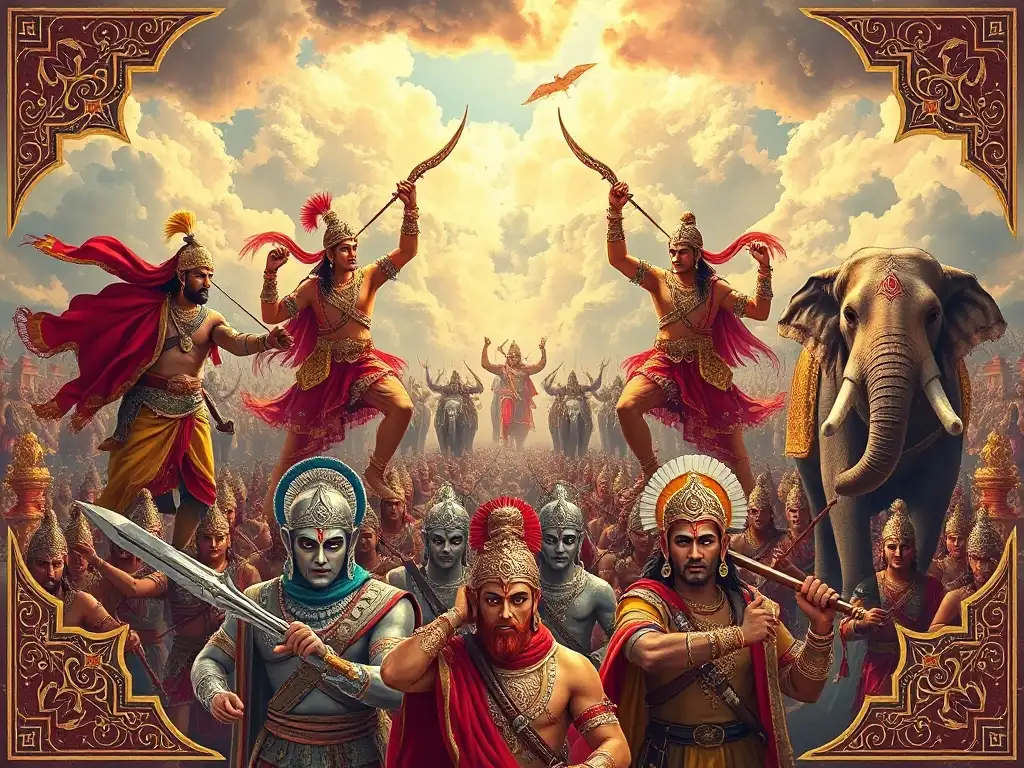
A comparative analysis of warfare in the Mahabharata and Ramayana reveals both similarities and differences that highlight their unique cultural significance. Both epics portray warfare as a central theme, reflecting the values, beliefs, and societal norms of ancient India. However, the portrayal of warfare and its implications vary significantly between the two narratives.
Similarities in Warfare Themes
Both epics emphasize the importance of dharma in warfare, highlighting the moral and ethical responsibilities of warriors. In the Ramayana, Rama's battle against Ravana is framed within the context of righteousness, while in the Mahabharata, the Kurukshetra war is a complex web of familial duty, loyalty, and moral ambiguity. Both texts illustrate the consequences of war, depicting the devastation it brings to individuals and society. Moreover, valor, honor, and sacrifice are celebrated in both narratives, reinforcing the cultural significance of these themes in ancient Indian society.
Differences in Depiction and Cultural Significance
While both the Ramayana and Mahabharata explore warfare, they differ in their narrative focus and cultural implications. The Ramayana presents warfare as a clear battle between good and evil, emphasizing the heroism of Rama and the righteousness of his cause. In contrast, the Mahabharata portrays warfare as a multifaceted conflict filled with moral dilemmas, where characters grapple with their choices and the consequences of their actions. The Kurukshetra war, unlike the straightforward battle in the Ramayana, is steeped in tragedy and complexity, reflecting the nuanced understanding of human nature and ethics in the context of conflict.
The Impact of Warfare on Characters and Society
Warfare in both epics significantly impacts the characters and the societies they inhabit. In the Ramayana, the war leads to the restoration of order and dharma, with Rama's victory symbolizing the triumph of virtue. Conversely, the Mahabharata illustrates the destructive aftermath of war, where the cost of victory is often a profound loss of life, morality, and social cohesion.
The characters are irrevocably changed by their experiences in battle, and the narratives serve as cautionary tales about the ramifications of conflict. These portrayals underscore the deep cultural significance of warfare in shaping individual destinies and societal structures in ancient Indian history.
The Impact of Ancient Indian Warfare on Modern Culture
The cultural significance of ancient Indian epics, particularly the Mahabharata and Ramayana, extends beyond their narrative boundaries, influencing various aspects of modern culture. The portrayal of warfare in these texts has shaped not only literary traditions but also the sociopolitical landscape and philosophical understandings in contemporary society. The epics serve as a reservoir of moral and ethical dilemmas faced during warfare, providing valuable lessons that resonate even today.
In modern India, the themes of bravery, sacrifice, and duty derived from these epic stories continue to inspire individuals and leaders alike. The tales of legendary warriors such as Arjuna and Rama are often invoked in discussions about integrity, valor, and the responsibilities of leadership. Furthermore, the epics have influenced various forms of popular culture, including films, television shows, and literature, making the themes of warfare and heroism accessible to a wider audience.
Influence of Epics on Contemporary Indian Society
The Mahabharata and Ramayana have profoundly impacted contemporary Indian society, shaping cultural norms and values. The narratives surrounding warfare emphasize righteousness (dharma) and the moral complexities of conflict, which are often invoked in discussions about justice and ethics in modern governance. Leaders and public figures frequently reference these epics to illustrate principles of duty and sacrifice, reinforcing their relevance in today's socio-political discourse.
Moreover, the epics have inspired various artistic expressions, including dance, theater, and visual arts. The portrayal of characters and their battles has become a metaphor for personal and societal struggles, reflecting contemporary dilemmas faced by individuals and communities. This cultural interconnection helps foster a sense of identity and continuity, bridging the ancient with the present.
How Warfare Themes Reflect Cultural Values Today
Warfare in the Mahabharata and Ramayana acts as a mirror reflecting the cultural values of ancient India, which continue to hold significance in modern times. The emphasis on honor, family loyalty, and the consequences of conflict resonates with current societal norms. The portrayal of warfare not only serves to glorify heroism but also invites reflection on the tragedies and losses that accompany violent confrontations.
The characters' internal conflicts regarding duty and morality during warfare provide a framework for contemporary discussions surrounding conflict resolution and ethical decision-making. These themes encourage individuals to ponder their roles within society, prompting critical thinking about justice, sacrifice, and the broader implications of warfare in human relationships.
Legacy of Mahabharata and Ramayana in Modern Warfare Narratives
The Mahabharata and Ramayana have left an indelible mark on modern warfare narratives, influencing military literature and strategy. The concepts of strategy, tactics, and psychological warfare explored in these epics are studied and adapted in contemporary military training and theory. The lessons learned from the epic battles inform modern approaches to conflict, offering insights into leadership and the importance of understanding one's adversary.
Moreover, the portrayal of epic battles serves as a source of inspiration for modern military personnel, providing archetypal figures who embody resilience and courage. This legacy manifests in literature and art that explore the complexities of war, often drawing parallels between ancient conflicts and contemporary issues faced by nations today.
Conclusion
Summary of the Cultural Significance of Ancient Indian Epics
The cultural significance of ancient Indian epics like the Mahabharata and Ramayana lies in their profound exploration of warfare, ethics, and human nature. These narratives not only depict the valor and heroism of their characters but also delve into the moral ambiguities surrounding conflict. The impact of these epics transcends time, continuing to resonate in modern culture, societal values, and military thought.
Final Thoughts on Warfare and Its Representation in Ancient Indian Literature
Warfare in ancient Indian literature is more than mere conflict; it is a rich tapestry woven with lessons on morality, duty, and the human condition. As contemporary society grapples with its own conflicts, the teachings of the Mahabharata and Ramayana offer timeless wisdom, urging us to reflect on the ethical dimensions of warfare and the cultural narratives that shape our understanding of justice and heroism. The legacy of these epics remains a vital part of our cultural heritage, reminding us of the enduring significance of their themes in navigating the complexities of modern life.
- Introduction to Ancient Indian Epics
- The Role of Warfare in the Mahabharata
- The Role of Warfare in the Ramayana
- Comparative Analysis of Warfare in Mahabharata and Ramayana
- The Impact of Ancient Indian Warfare on Modern Culture
- Conclusion
- What are the Mahabharata and Ramayana?
- How do these epics reflect the cultural significance of warfare?
- What role do heroes play in these epics?
- How has the cultural significance of these epics evolved over time?
- Why are the themes of warfare and dharma crucial in understanding ancient Indian civilizations?
Frequently Asked Questions
What are the Mahabharata and Ramayana?
The Mahabharata and Ramayana are two of the most important ancient Indian epics that explore themes of dharma, morality, and heroism through their narratives.
How do these epics reflect the cultural significance of warfare?
Both epics illustrate the ethical dilemmas and consequences of war, showcasing how warfare impacts society, family, and individual responsibilities within the context of ancient Indian culture.
What role do heroes play in these epics?
The heroes in the Mahabharata and Ramayana embody ideal virtues such as courage, loyalty, and sacrifice, serving as role models for moral conduct in both warfare and life.
How has the cultural significance of these epics evolved over time?
While rooted in ancient Indian traditions, the cultural significance of the Mahabharata and Ramayana continues to evolve, influencing modern literature, art, and politics across diverse cultures.
Why are the themes of warfare and dharma crucial in understanding ancient Indian civilizations?
The exploration of warfare and dharma in these epics is crucial for understanding the complexities of social structures, ethical principles, and cultural identity that defined ancient Indian civilizations.
Final Reflection: The Enduring Legacy of Ancient Indian Epics
The exploration of the cultural significance of ancient Indian epics like the Mahabharata and Ramayana reveals a profound connection between warfare and the moral, ethical, and philosophical dilemmas faced by humanity. These narratives not only depict the valor and strategies of ancient battles but also serve as timeless reflections on the human condition, illustrating how the struggles of the past resonate with the complexities of modern life. The lessons drawn from these epics remain as relevant today as they were thousands of years ago, reminding us that the essence of conflict transcends time and culture.
The influence of these epics extends far beyond their historical context, shaping the cultural and social landscape of India and beyond. The themes of duty, righteousness, and the consequences of war continue to inspire countless generations. As we navigate our own conflicts, both personal and societal, we can find wisdom in the words of the Mahabharata: In the battle of life, the greatest victory is the conquest of oneself.
This quote encapsulates the ongoing relevance of these narratives, urging us to reflect on our own choices and the moral implications they carry.
As we conclude this exploration, I invite you to reflect on the lessons embedded within these ancient texts and consider how they can inform your own life. What battles are you facing, and how can the wisdom of the Mahabharata and Ramayana guide you toward a more righteous path? Embrace the opportunity to learn from the past, and let these epics inspire you to navigate your own journey with courage and integrity. Remember, the stories of our ancestors are not just relics of history; they are living lessons that can illuminate our path forward.
Explore the Profound Lessons of Ancient Warfare!
Thank you for diving deep into the cultural significance of warfare in the Mahabharata and Ramayana! You've uncovered powerful insights that resonate even today. Are you ready to take your understanding further and apply these timeless lessons? Here’s how you can continue this journey:
- Reflect and Write: Take a moment to journal your thoughts on how the strategies and philosophies depicted in these epics can be relevant in your life today.
- Engage with Others: Share this article with friends or join a discussion group to explore these themes collaboratively.
- Discover Related Texts: Consider reading other ancient texts or scholarly articles that expand on the themes of conflict and morality in Indian literature.
What perspective did these ancient epics shift for you in understanding modern challenges? Let’s ignite a conversation in the comments!