
The Siege of Kanauj: A Strategic Military Analysis

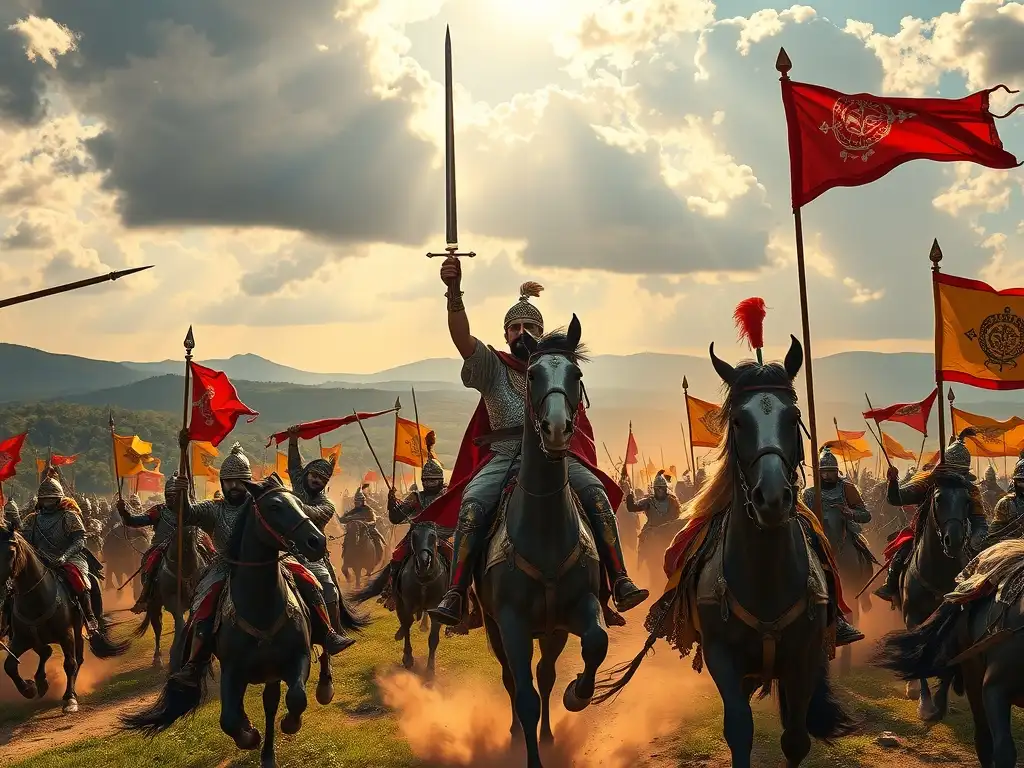
Welcome to Ancient India History, where we embark on a fascinating journey through the rich tapestry of ancient Indian civilizations. Here, we delve into the remarkable military strategies of ancient India, highlighting their ingenuity and tactical brilliance. In our featured article, "The Siege of Kanauj: A Strategic Military Analysis," we unravel the complexities of one of history's pivotal conflicts that shaped the fate of empires. Prepare to be captivated as we explore the intricate maneuvers, alliances, and innovations that defined warfare in this vibrant era. Join us in uncovering the legacies that continue to influence military thought today!
Introduction to the Siege of Kanauj
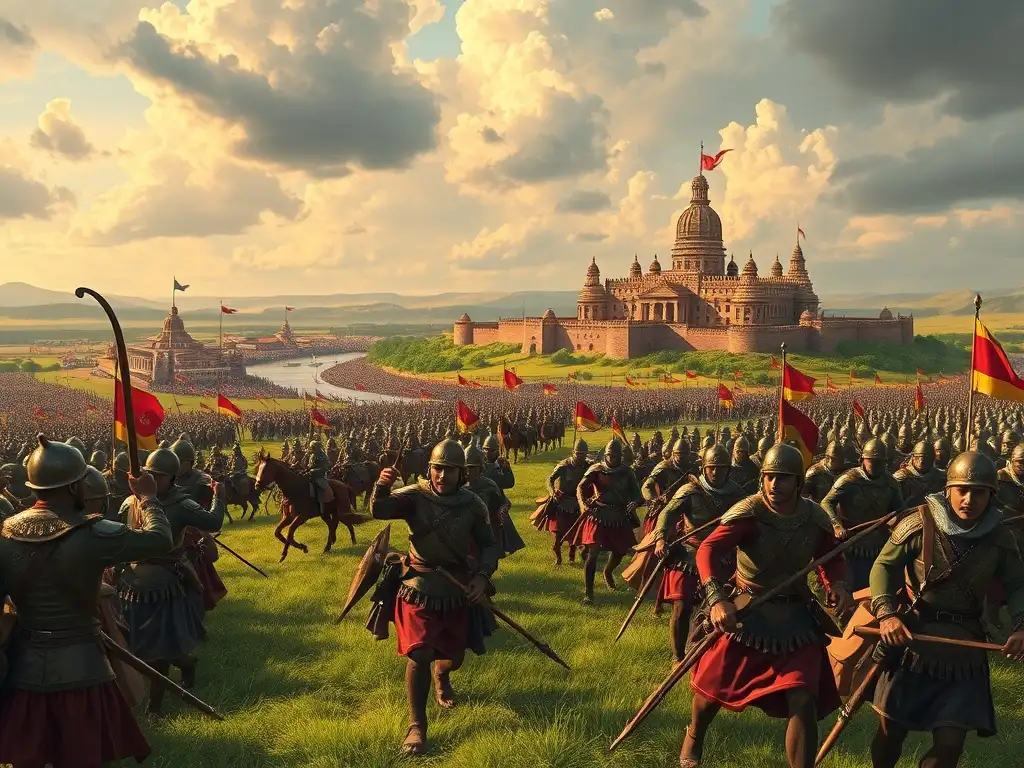
The Siege of Kanauj stands as a significant event in the annals of ancient Indian military history, illustrating the complexities of warfare during an era marked by intense rivalries and strategic maneuvering. Kanauj, located in present-day Uttar Pradesh, was not just a city but a crucial political and cultural hub, often referred to as the "heart of northern India."
Its control was vital for any dynasty aspiring to dominate the region, making it a focal point for military campaigns throughout history. This article delves into the military strategies of ancient India employed during this critical siege, analyzing the tactics, formations, and weaponry that defined the conflict.
Overview of Kanauj's Historical Significance
Kanauj's prominence can be traced back to its role as a center of power for various dynasties, including the Guptas, Pratiharas, and Rashtrakutas. The city served as a melting pot of cultures, attracting scholars, traders, and warriors. Its strategic location along major trade routes facilitated economic prosperity, making it a coveted prize for rival kingdoms. The significance of Kanauj was not merely military; it also held immense cultural and religious importance, evident from the numerous temples and educational institutions established in and around the city.
Importance of the Siege in Ancient Indian Military History
The Siege of Kanauj is often highlighted as a pivotal moment in ancient Indian military history due to its far-reaching implications. It showcased the military strategies of ancient India, revealing how dynasties leveraged not only brute force but also intelligence and diplomacy.
The outcome of the siege influenced the power dynamics in northern India, leading to shifts in allegiance and territorial control that would shape the region for centuries to come. Furthermore, the siege serves as an exemplary case study for historians and military strategists alike, illustrating the intricacies of ancient warfare, including siege tactics, psychological warfare, and the importance of logistics.
Context of the Siege
Background of the Conflict
The siege emerged from a backdrop of political fragmentation and rivalry among the powerful kingdoms of ancient India. The struggle for supremacy in the region saw various dynasties vying for control over Kanauj, which was seen as a key to regional dominance. The conflict escalated when alliances were formed and broken, leading to a series of confrontations that would culminate in the siege itself. Understanding this context is crucial for appreciating the strategic decisions made by the leaders involved.
Key Players in the Siege: Rulers and Dynasties
The conflict involved several notable figures and dynasties, each with their own ambitions and military capabilities. Key players included:
- Yashovarman of Kannauj: The reigning king seeking to defend his territory against external threats.
- Brahmagupta of the Gurjara-Pratihara dynasty: A formidable adversary aiming to expand his influence by capturing Kanauj.
- The Rashtrakutas: Another significant force in the region, their involvement added layers of complexity to the conflict.
These rulers not only employed traditional warfare tactics but also adapted their strategies based on the strengths and weaknesses of their opponents.
Geopolitical Landscape of Ancient India
The geopolitical landscape of ancient India was characterized by a mosaic of kingdoms, each competing for land, resources, and power. The alliances and rivalries formed between these entities were often fluid, leading to a dynamic military environment. Key factors influencing this landscape included:
- Trade Routes: Control over trade routes was essential for economic strength.
- Cultural Exchange: The spread of ideas and technologies influenced military strategies.
- Religious Dynamics: Religion often played a role in legitimizing rule and rallying troops.
This complex interplay of factors created a unique context for the Siege of Kanauj, making it a strategic focal point for understanding the military history of ancient India.
Military Strategies of Ancient India
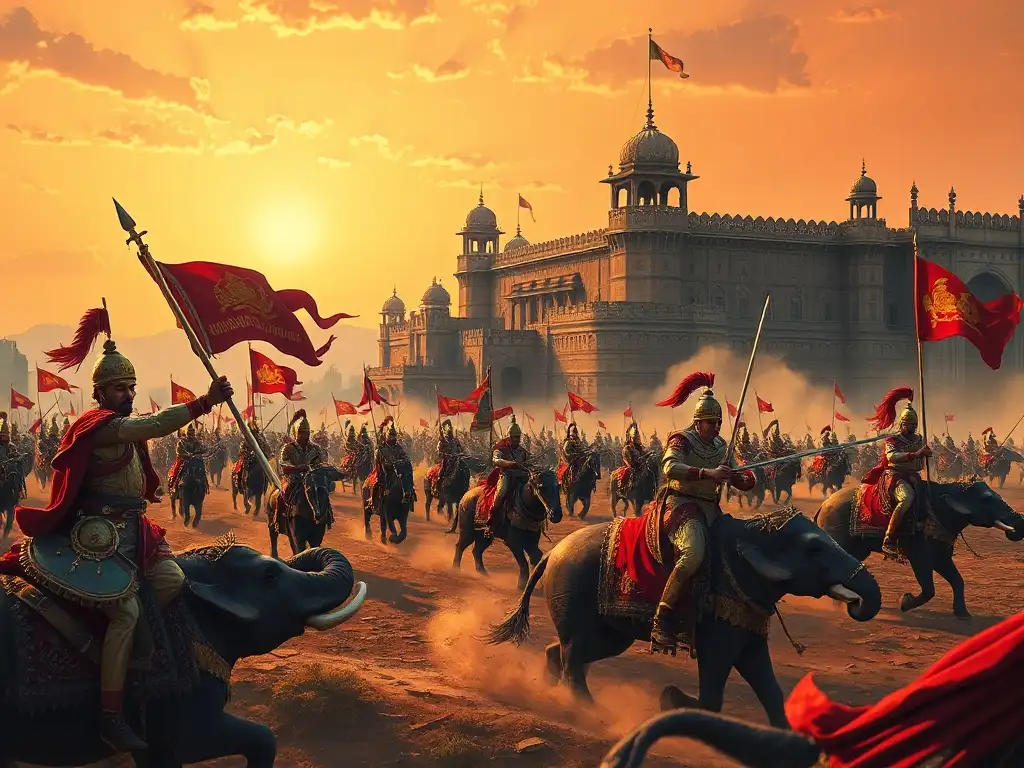
The military strategies of ancient India were highly sophisticated and varied, reflecting the diverse geopolitical landscape of the subcontinent. These strategies encompassed a range of tactics, formations, and technologies that evolved over centuries, shaped by the unique cultural and environmental conditions of the region. Ancient Indian warfare was not merely a means to achieve military objectives; it was deeply intertwined with the socio-political fabric of the time, influenced by religious beliefs, diplomacy, and economic considerations.
Overview of Military Strategies Employed
Ancient Indian military strategies were marked by a combination of offensive and defensive tactics tailored to specific situations. Key elements included:
- Use of Elephants: War elephants were a significant component of Indian armies, serving both as shock troops and as symbols of power. Their size and strength could intimidate opponents and break enemy lines.
- Phalanx Formation: Troops often employed a phalanx formation, where soldiers were arranged in close ranks, providing mutual protection while maximizing their offensive capabilities.
- Guerrilla Tactics: Smaller, mobile units utilized guerrilla warfare techniques, exploiting the knowledge of local terrain to launch surprise attacks and ambushes against larger forces.
- Fortifications: Strategic use of forts and walled cities provided strong defensive positions, while siege warfare was a critical aspect when engaging fortified enemies.
These strategies were not static; they adapted to evolving threats and technological advancements, showcasing the ingenuity of ancient Indian military leaders.
Advantages of Ancient Indian Warfare Techniques
The warfare techniques of ancient India offered several advantages:
- Adaptability: The ability to integrate various tactics, such as traditional formations and guerrilla strategies, allowed Indian armies to respond effectively to different combat scenarios.
- Terrain Utilization: Knowledge of local geography enabled commanders to leverage natural features for defensive advantages or to launch surprise attacks.
- Psychological Warfare: The use of elephants and grand displays of military might served to demoralize enemies before battles even began, often resulting in victories without direct confrontation.
- Diverse Armament: Ancient Indian armies utilized a range of weaponry, from bows and arrows to swords and spears, supplemented by advancements in metallurgy, which enhanced their combat effectiveness.
These techniques contributed to the resilience and capability of ancient Indian forces in various conflicts throughout history.
Comparison with Contemporary Warfare Practices
When comparing ancient Indian military strategies to contemporary warfare practices, several key differences and similarities emerge:
- Technological Advancements: Modern warfare heavily relies on advanced technology, including firearms, artillery, and air power, which were absent in ancient times. However, the principles of strategy, logistics, and troop morale remain relevant.
- Strategic Planning: Both ancient and modern military leaders emphasize the importance of strategic planning and intelligence. While ancient leaders relied on scouts and local knowledge, modern practices incorporate sophisticated surveillance and reconnaissance technologies.
- Flexibility in Tactics: Both eras value adaptability on the battlefield. While ancient armies adapted to enemy movements and terrain, today’s forces employ maneuver warfare and rapid response units to address fluid combat situations.
- Psychological Operations: The psychological aspects of warfare, such as morale and propaganda, were crucial in ancient India and continue to play a significant role in contemporary conflicts.
Overall, while the tools and technologies have evolved, the core principles of military strategy remain consistent across eras.
Detailed Analysis of the Siege Tactics
A comprehensive analysis of the siege tactics employed during the Siege of Kanauj reveals a blend of traditional warfare practices and innovative strategies designed to overcome a fortified adversary.
Initial Preparations for the Siege
The success of any siege begins with meticulous planning and preparation. In the case of Kanauj, the besieging forces focused on:
- Reconnaissance: Gathering intelligence regarding the fortifications, supply routes, and troop positions was crucial. Scouts were deployed to assess the strengths and vulnerabilities of the city's defenses.
- Resource Allocation: Ensuring a steady supply of food, water, and materials for siege engines was essential. This logistical support would sustain the besieging army during prolonged engagements.
- Alliance Building: Forming alliances with local rulers or discontented factions within Kanauj helped isolate the city and weaken its defenses.
These preparations enabled the besieging forces to maintain pressure on the defenders while minimizing their own vulnerabilities.
Siege Warfare Techniques Used
The actual siege involved various techniques that were characteristic of ancient Indian warfare:
- Battering Rams: These were employed to break through gates and walls, allowing infantry access to the fortified city.
- Siege Towers: Constructed to scale walls, these towers provided a platform for archers and soldiers to launch attacks from a higher vantage point.
- Blockades: Surrounding the city and cutting off supply lines was crucial to weaken the defenders, forcing them to surrender through starvation and lack of resources.
- Psychological Pressure: Psychological tactics, such as intimidation through displays of strength or threats, were also used to demoralize the defenders.
Together, these techniques highlighted the strategic complexity of siege warfare in ancient India.
Role of Terrain in Military Strategies
The terrain played a pivotal role in the military strategies employed during the Siege of Kanauj:
- Natural Barriers: Rivers, hills, and forests influenced troop movements and the placement of siege equipment. Understanding these features allowed commanders to maximize their advantages and minimize exposure to enemy fire.
- Defensive Positions: The city’s location might have provided natural defenses, compelling attackers to devise complex strategies to breach the walls while minimizing their own vulnerabilities.
- Supply Routes: The geography dictated the supply routes for both the besiegers and the defenders. Control over these routes was essential for maintaining logistical support during the siege.
Terrain analysis was crucial in shaping the military strategies and tactics used, underscoring the importance of environmental considerations in ancient Indian warfare.
Key Moments of the Siege
The Siege of Kanauj stands out as a pivotal event in ancient Indian military history, marked by several key moments that shaped its outcome and had lasting implications for the region. This section delves into the crucial events that defined the siege, examining the prelude, major battles, and turning points that influenced the conflict.
Prelude to the Siege: Events Leading Up
The Siege of Kanauj was not an isolated event; it was the culmination of escalating tensions among regional powers. Leading up to the siege, the political landscape was characterized by fragmentation and competition among various kingdoms, particularly the Gurjara-Pratihara, Rashtrakuta, and Pala dynasties.
- Emerging Rivalries: The Gurjara-Pratihara dynasty sought to expand its territory and influence, leading to confrontations with the Rashtrakutas, who were equally ambitious. The control of Kanauj, a strategic and prosperous city, became a focal point of these rivalries.
- Diplomatic Maneuvers: Alliances and betrayals played a significant role as both sides attempted to strengthen their positions. In the years preceding the siege, there were multiple skirmishes, treaties, and failed negotiations that exacerbated hostilities.
- Military Preparations: As tensions escalated, both the Gurjara-Pratihara and Rashtrakuta forces began mobilizing their armies. The Gurjara-Pratihara king, Nagabhata II, fortified Kanauj in anticipation of an attack, while the Rashtrakuta king, Dhruva II, sought to assert dominance over the region.
Major Battles Within the Siege
The siege itself comprised several notable battles, each contributing to the overall trajectory of the conflict. These battles were characterized by strategic military maneuvers that revealed the military capabilities and tactics employed by both sides.
- Initial Assaults: The siege commenced with initial assaults by the Rashtrakuta forces, who aimed to breach the fortified walls of Kanauj. Despite their numerical superiority, they faced fierce resistance from the Gurjara-Pratihara defenders.
- Counterattacks: The Gurjara-Pratihara troops, leveraging their knowledge of the terrain and superior fortifications, launched counterattacks that pushed the Rashtrakutas back, showcasing the importance of strategic positioning in ancient warfare.
- Siege Warfare Techniques: The Rashtrakutas employed various siege warfare techniques, including the use of siege engines and encirclement strategies, to weaken the defenses of Kanauj. However, the prolonged nature of the siege tested their resources and resolve.
Turning Points in the Conflict
Several turning points during the siege significantly impacted the outcome and shaped the course of subsequent battles. These moments underscored the unpredictability of warfare and the crucial role of leadership and morale.
- Leadership Changes: The death of a key commander on either side often shifted the momentum. For instance, the loss of a prominent Rashtrakuta leader led to disarray within their ranks, allowing the Gurjara-Pratihara forces to exploit the situation.
- Supply Line Disruptions: The efficacy of both armies was heavily influenced by the supply lines. When the Gurjara-Pratihara successfully disrupted Rashtrakuta supplies, it weakened their position, marking a critical turning point in the siege.
- Alliances and Reinforcements: The intervention of allied forces or reinforcements changed the dynamics of the battle. The arrival of fresh troops for the Gurjara-Pratihara bolstered their defenses during a crucial phase of the siege.
Outcomes of the Siege
The Siege of Kanauj had profound outcomes that resonated through the annals of ancient Indian military history. The immediate consequences of the conflict laid the groundwork for long-term changes in military strategies and political dynamics.
Immediate Consequences of the Siege
The immediate aftermath of the siege revealed a landscape altered by war and conflict. The outcomes were felt not only by the contending powers but also by the broader region.
- Territorial Changes: Following the siege, the Gurjara-Pratihara emerged victorious, solidifying their control over Kanauj. This victory allowed them to strengthen their influence in northern India, reshaping the political map of the region.
- Military Losses: Both sides suffered significant losses in terms of manpower and resources. The devastating effect of the siege on the Rashtrakuta forces led to a temporary decline in their military capabilities.
- Psychological Impact: The psychological toll of the siege affected the morale of the defeated Rashtrakutas, leading to a period of introspection and reevaluation of their military strategies.
Long-term Impacts on Military Strategies in Ancient India
The Siege of Kanauj had a lasting impact on military strategies employed in ancient India, influencing how future conflicts were approached.
- Fortification and Defense: The successful defense strategies utilized by the Gurjara-Pratihara led to a greater emphasis on fortification and the development of defensive architecture in subsequent warfare.
- Siege Warfare Evolution: The siege highlighted the effectiveness of various siege techniques, prompting future military leaders to adopt more sophisticated approaches to both siege and defense.
- Alliances and Diplomacy: The conflict underscored the importance of strategic alliances, leading to a more intricate web of diplomacy among regional powers in the years that followed.
Cultural and Political Ramifications
Beyond the immediate military outcomes, the Siege of Kanauj also had significant cultural and political ramifications that shaped the historical trajectory of ancient India.
- Cultural Exchange: The interactions between the different armies and their respective cultures during the siege fostered a degree of cultural exchange, influencing art, architecture, and military technology in the region.
- Political Centralization: The victory of the Gurjara-Pratihara strengthened their political position and facilitated a degree of centralization in governance, impacting the political landscape of northern India.
- Historical Legacy: The siege entered the annals of history as a symbol of resilience and strategic prowess, influencing narratives and cultural memory in subsequent generations.
The Siege of Kanauj remains a significant chapter in the military history of ancient India, illustrating the complexities of warfare and the interplay between military strategy, culture, and politics.
Lessons Learned from the Siege of Kanauj
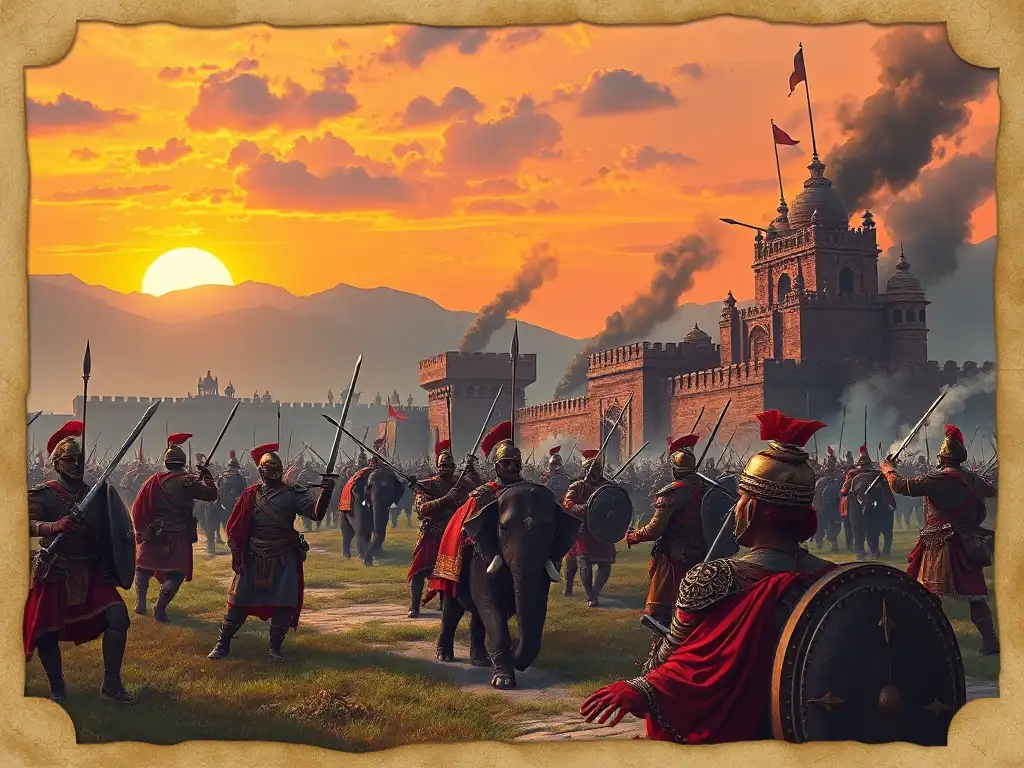
The Siege of Kanauj, a pivotal event in ancient Indian military history, offers numerous lessons that have been analyzed for their strategic significance. The conflict, which saw a coalition of forces led by the Gurjara-Pratihara dynasty against the invading forces of the Rashtrakuta dynasty, serves as a comprehensive case study in military strategy and tactics.
One of the key lessons learned is the importance of intelligence and reconnaissance. The ability to gather accurate information about enemy movements and strengths is crucial. During the siege, misjudgments about the enemy's capabilities led to critical errors in planning and execution. This emphasizes the necessity of a well-organized intelligence system in military operations.
Another vital takeaway is the significance of alliances and coalitions. The siege highlighted the need for forming strategic alliances to strengthen military positions. The Gurjara-Pratiharas effectively utilized their relationships with neighboring states, demonstrating that unity can amplify military strength against common foes.
Additionally, the siege illustrated the effectiveness of supply chain management in warfare. The prolonged nature of the siege put immense pressure on both sides regarding resources. Effective logistics and planning for sustained supply lines can often determine the outcome of prolonged conflicts.
Strategic Insights Gained from the Siege
The Siege of Kanauj provided various strategic insights that have influenced military thinking in ancient India. One significant insight was the realization that urban centers, like Kanauj, could be both strongholds and vulnerable targets. The fortifications of Kanauj were initially seen as impenetrable; however, the siege revealed the weaknesses in urban defenses when faced with prolonged assault.
The siege also underscored the role of psychological warfare. Both sides deployed strategies aimed at demoralizing the enemy, showcasing that morale can be as crucial as physical strength in warfare. The use of propaganda, misinformation, and displays of strength were tactics that had lasting impacts on military engagements thereafter.
Moreover, the siege illustrated the importance of adaptability in tactics. The conditions of warfare can change rapidly, and the ability to modify strategies in response to the evolving battlefield situation is critical for success. The Gurjara-Pratihara's shift in tactics during the siege reflects the need for flexibility in military operations.
Evolution of Military Strategies in Subsequent Conflicts
Following the Siege of Kanauj, military strategies in ancient India saw significant evolution. The lessons learned prompted a shift towards more integrated warfare tactics, where coordination between infantry, cavalry, and archers became crucial. This integrated approach allowed for more dynamic battle formations and responsive strategies.
The incorporation of fortification advancements was another outcome of the siege. Subsequent battles saw an emphasis on enhancing defensive structures, leading to the development of more sophisticated fort designs that incorporated not only size but also strategic positioning.
Furthermore, the siege catalyzed the exploration of combined arms tactics. The realization that different military units could complement each other led to more innovative approaches in warfare, such as the use of cavalry to outmaneuver infantry or the deployment of archers to provide cover for advancing troops.
Conclusion
The Siege of Kanauj stands as a significant chapter in the military history of ancient India, reflecting the complexities of warfare in the region. The lessons and insights derived from this conflict served to shape military strategies in the centuries that followed.
Summary of Key Points
The Siege of Kanauj highlighted the importance of intelligence, alliances, and logistics in military operations. The strategic insights gained from the siege emphasized the need for adaptability, psychological warfare, and integrated tactics. As a result, military strategies evolved significantly, influencing future conflicts and shaping the landscape of ancient Indian warfare.
The Legacy of the Siege of Kanauj in Military History
The legacy of the Siege of Kanauj is profound, marking a turning point in the military strategies of ancient India. The lessons learned not only impacted subsequent conflicts within the Indian subcontinent but also influenced military theorists and tacticians in neighboring regions.
The siege has become a reference point in the study of military history, exemplifying how the interplay of strategy, tactics, and human elements can shape the outcomes of wars. Consequently, the Siege of Kanauj remains a vital topic for historians and military strategists alike, illustrating the enduring relevance of its lessons in both ancient and modern military thought.
Further Reading on Military Strategies of Ancient India
To gain a deeper understanding of the military strategies employed in ancient India, particularly in the context of notable campaigns such as the Siege of Kanauj, several resources offer rich insights into the tactics, formations, and philosophies of warfare during this era. Below is a curated list of recommended readings and related historical events that will enhance your knowledge of ancient Indian military strategies.
Recommended Books and Articles
-
"The Art of War in Ancient India" by R. C. Majumdar
This comprehensive book delves into the various military doctrines that shaped ancient Indian warfare, providing an analysis of key battles and strategies, including those employed during the Siege of Kanauj.
-
"Warfare in Ancient India" by R. S. Sharma
This work explores the evolution of military tactics in India, focusing on different dynasties and their contributions to military strategy, including the impact of geography and political dynamics.
-
"The Mahabharata: A Strategic Analysis"
A unique perspective on military strategies can be found in this ancient epic, which illustrates various aspects of warfare, including strategy, ethics, and the role of leadership in battle.
-
"Military History of India" by A. K. Sharma
This book provides an extensive overview of military campaigns in ancient India, highlighting key figures, battles, and the strategic innovations that arose during conflicts.
-
"Ancient Indian Warfare: A Historical Perspective"
This compilation of articles examines different facets of warfare in ancient India, including technological advancements, troop formations, and the socio-political context of military engagements.
Related Historical Events and Battles
-
The Battle of the Hydaspes (326 BCE)
Fought between Alexander the Great and King Porus, this battle showcases advanced military strategies such as the use of war elephants and the exploitation of terrain.
-
The Battle of Kalinga (261 BCE)
A pivotal conflict during Emperor Ashoka's reign, the Kalinga War led to significant changes in military strategy and ethics, emphasizing the consequences of war.
-
The Siege of Pataliputra (circa 300 BCE)
This siege illustrates the complexities of urban warfare in ancient India, where strategies were adapted to the fortified structures of cities.
-
The Campaigns of Chandragupta Maurya (4th Century BCE)
Chandragupta's military campaigns against the Nanda Empire and his subsequent consolidation of power exemplify strategic acumen in utilizing alliances and guerilla tactics.
-
The Chola Conquests (9th-13th Century CE)
The Chola dynasty's naval and land campaigns are noteworthy for their innovative strategies and effective administration of conquered territories, significantly influencing military practices in Southeast Asia.
These resources and historical events will provide a comprehensive view of the military strategies of ancient India, enhancing your understanding of how these strategies shaped the outcomes of significant battles and the larger historical narrative of the region.
- Introduction to the Siege of Kanauj
- Overview of Kanauj's Historical Significance
- Importance of the Siege in Ancient Indian Military History
- Context of the Siege
- Military Strategies of Ancient India
- Detailed Analysis of the Siege Tactics
- Key Moments of the Siege
- Outcomes of the Siege
- Lessons Learned from the Siege of Kanauj
- Conclusion
- Further Reading on Military Strategies of Ancient India
- What was the significance of the Siege of Kanauj in ancient Indian history?
- Which kingdoms were involved in the Siege of Kanauj?
- What military strategies were employed during the Siege of Kanauj?
- How did the Siege of Kanauj influence future military conflicts in India?
- What contributions did ancient Indian military strategies make to global warfare?
Frequently Asked Questions
What was the significance of the Siege of Kanauj in ancient Indian history?
The Siege of Kanauj marked a pivotal moment in military strategy during ancient India, showcasing the tactical prowess of various kingdoms and their approaches to warfare.
Which kingdoms were involved in the Siege of Kanauj?
The siege involved major powers such as the Gupta Empire and rival factions, highlighting the political tensions and territorial ambitions that characterized the era.
What military strategies were employed during the Siege of Kanauj?
The siege utilized diverse tactics, including siege warfare, psychological tactics, and alliance formations, reflecting the sophistication of ancient Indian military methods.
How did the Siege of Kanauj influence future military conflicts in India?
The outcomes of the siege set precedents for military alliances and strategies, influencing the way future conflicts were approached in the subcontinent.
What contributions did ancient Indian military strategies make to global warfare?
Ancient India's military strategies, including the use of elephants, fortifications, and naval power, contributed significantly to the evolution of warfare both locally and globally.
Final Reflection: The Enduring Legacy of Ancient Military Strategies
The Siege of Kanauj stands as a testament to the intricate military strategies of ancient India, showcasing how historical conflicts continue to resonate in today's geopolitical landscape. The lessons learned from such pivotal events are not merely relics of the past; they serve as a blueprint for understanding modern warfare and diplomacy. In a world where strategic maneuvering remains crucial, the insights gleaned from the Siege of Kanauj are more relevant than ever, reminding us that the art of war is as much about intellect as it is about might.
Cultural narratives surrounding military strategies have shaped our understanding of leadership, resilience, and tactical innovation. The Siege of Kanauj exemplifies the complexities of warfare, where alliances and betrayals can shift the tide of battle. As we reflect on these historical events, we recognize their profound impact on contemporary society. History is not a burden on the memory but an illumination of the soul.
This quote encapsulates the importance of learning from our past, urging us to appreciate the strategic depth that ancient military leaders employed to navigate their challenges.
As we look to the future, let us invite ourselves to explore the lessons of the Siege of Kanauj and the broader spectrum of military strategies in ancient India. Consider how these historical insights can inform our personal and collective decision-making today. Whether in leadership roles, community engagements, or personal challenges, the principles of strategy, adaptability, and foresight remain timeless. Embrace the opportunity to reflect on these lessons and apply them in your own life, fostering a deeper understanding of the complexities that shape our world.
Unleash Your Curiosity: Dive Deep into Ancient Strategy!
Thank you for joining us on this exploration of the Siege of Kanauj! Your interest in strategic military analyses enriches our understanding of the past and its lessons for the future. Now that you’re equipped with insights from this pivotal moment in history, it’s time to take your knowledge further.
Here are some exciting ways to deepen your exploration and share what you've learned:
- Participate in a discussion: Join our forum where history enthusiasts share perspectives and analyses on ancient military tactics. Engaging with others could unveil new insights!
- Conduct your own research: Choose a lesser-known battle from ancient India and create a brief analysis. Share it with us to contribute to our growing community of history buffs!
- Spread the knowledge: Share this article with friends or on social media. Start conversations about the significance of military strategies in shaping civilizations.
Reflecting on the strategies used in the Siege of Kanauj, what do you think are the most crucial lessons we can apply to modern conflicts or negotiations?