
The Mahabharata and Its Impact on Indian Religion and Spirituality

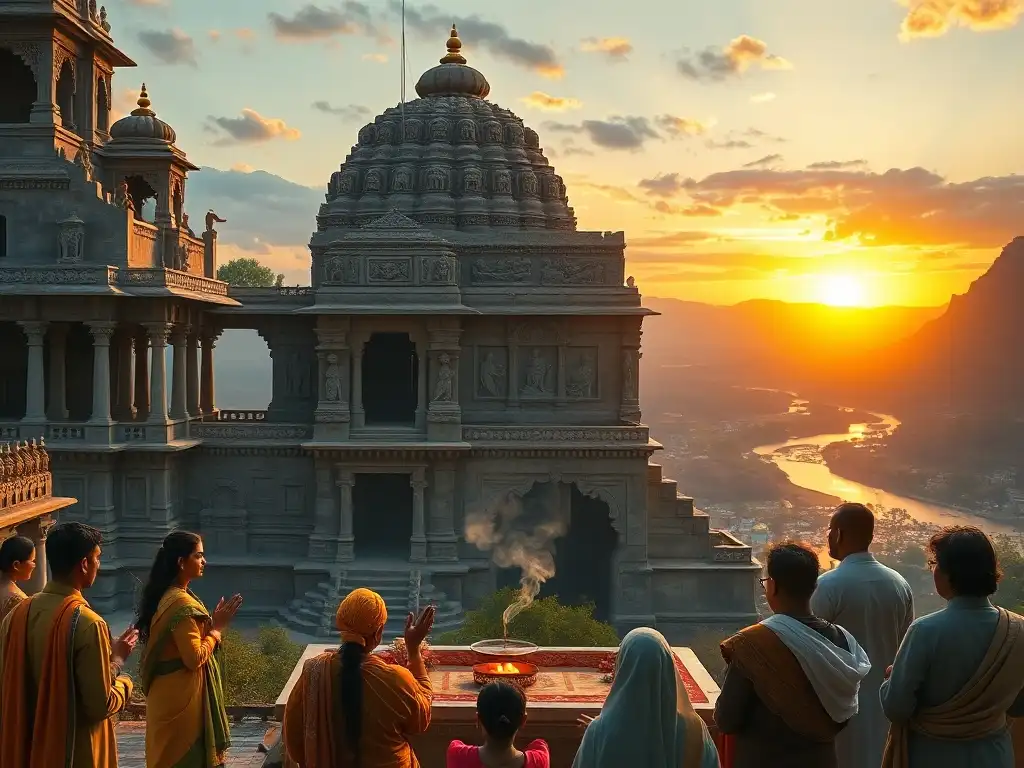
Welcome to Ancient India History, where we embark on a fascinating journey through the rich tapestry of ancient Indian civilizations. As we delve into the profound influence of the Mahabharata on Indian spirituality, prepare to uncover the intricate connections between epic literature and the spiritual landscape of India. This timeless epic not only narrates legendary tales but also serves as a cornerstone for understanding the philosophies that shape Indian thought and culture.
Join us as we explore the depths of this monumental work and its enduring legacy, inviting you to discover how the Mahabharata continues to resonate in the hearts and minds of millions. Your adventure into the past begins now!
The Mahabharata, one of the longest epic poems in the world, is not only a narrative of a great war but also a profound exploration of the human experience, morality, and spirituality. Composed over centuries, this epic intricately weaves together tales of heroism, ethics, and the eternal struggle between good and evil.
Its impact on Indian religion and spirituality is profound, shaping philosophical discourses, religious practices, and cultural narratives that resonate to this day. In this article, we will delve into the Mahabharata's influence on Indian spirituality, examining its key themes, the concept of dharma, and its lasting legacy within various religious practices.
Introduction to the Mahabharata
Overview of the Mahabharata Epic
The Mahabharata, traditionally attributed to the sage Vyasa, is a monumental work that encompasses over 100,000 verses, making it one of the longest epics in human history. It narrates the story of the Kuru dynasty, focusing on the rivalry between the Pandavas and the Kauravas, ultimately culminating in the epic battle of Kurukshetra. Beyond its narrative, the Mahabharata includes critical philosophical discourses, including the well-known Bhagavad Gita, where Lord Krishna imparts spiritual wisdom to the warrior Arjuna. This text serves as a cornerstone for understanding the complexities of duty, righteousness, and the nature of existence.
Importance of the Mahabharata in Indian Culture
The Mahabharata holds a central place in Indian culture, influencing literature, art, and religious practices across centuries. Its characters, themes, and moral dilemmas have become archetypes in Indian storytelling, symbolizing the nuances of human nature. Festivals, theatrical performances, and dance forms often draw inspiration from its narratives, showcasing the epic's versatility and relevance. Moreover, the Mahabharata has been a source of inspiration for numerous adaptations in various languages and art forms, thereby cementing its status as a cultural touchstone in India.
The Mahabharata's Influence on Indian Spirituality
Key Themes of Spirituality in the Mahabharata
The Mahabharata addresses several key themes that resonate with Indian spirituality, including the nature of reality, the self, and the divine. Concepts such as karma, moksha (liberation), and the cyclical nature of life and death are explored through its narrative. The epic encourages introspection and provides a framework for understanding one’s purpose and place within the cosmos. The multifaceted portrayal of characters allows readers to relate to their struggles and triumphs, making the spiritual teachings accessible and profound.
The Role of Dharma in the Mahabharata's Teachings
Central to the Mahabharata's teachings is the concept of dharma, which signifies duty, righteousness, and moral law. The epic illustrates the complexities of dharma through its characters, who often face ethical dilemmas that challenge their understanding of right and wrong. The teachings of dharma emphasize the importance of fulfilling one's responsibilities while navigating the moral intricacies of life. This foundational concept has shaped the moral framework of Indian spirituality, influencing how individuals engage with their duties and the greater community.
Influence of the Mahabharata on Indian Religious Practices
The Mahabharata's teachings extend beyond philosophy into practical religious observance. Rituals, prayers, and festivals often incorporate elements from the epic, reflecting its teachings on devotion, morality, and community. The Bhagavad Gita, as a part of the Mahabharata, is frequently recited in religious contexts, serving as a guide for ethical living and spiritual growth. Additionally, many sects and traditions within Hinduism draw upon the Mahabharata's narratives to foster a deeper understanding of spirituality and to promote values that align with dharmic living.
The Mahabharata's profound influence on Indian spirituality is undeniable, shaping not only religious practices but also the moral fabric of society. Through its exploration of complex themes and characters, the epic continues to inspire and guide generations in their spiritual journeys.
Philosophical Concepts Derived from the Mahabharata
The Mahabharata is not just an epic narrative of a dynastic struggle; it is a profound repository of philosophical concepts that have significantly shaped Indian spirituality. The text explores various themes that resonate deeply within the spiritual consciousness of India. Among these, the concepts of Karma, Moksha, and Bhakti stand out as essential elements that have influenced not only religious thought but also ethical and moral frameworks in Indian society.
The epic weaves these ideas into the lives of its characters, revealing their implications through personal struggles and divine interventions. Each of these philosophical concepts continues to be relevant, providing guidance on how to navigate the complexities of life, duty, and spirituality.
The Concept of Karma in the Mahabharata
The concept of Karma is central to the narrative of the Mahabharata. It emphasizes the principle that every action has consequences, shaping one's destiny both in this life and beyond. The epic illustrates this through the character arcs of the Pandavas and Kauravas, where their actions—righteous or sinful—lead to specific outcomes, ultimately culminating in the great war of Kurukshetra.
Karma in the Mahabharata is not limited to mere actions; it encompasses intentions as well. Characters like Yudhishthira exemplify the moral dilemmas faced when trying to adhere to Dharma (righteousness) while navigating the consequences of their choices. The teachings of Krishna further elucidate this concept, stressing that one must perform their duty without attachment to the results, thereby achieving a sense of liberation.
The Idea of Moksha in the Mahabharata
Moksha, or liberation from the cycle of birth and rebirth, is another profound concept found in the Mahabharata. The epic suggests that Moksha can be attained through self-realization, righteous living, and devotion to God. The narrative showcases various paths to achieve this state, including knowledge, devotion, and selfless action.
Krishna's discourse to Arjuna on the battlefield serves as a pivotal moment, emphasizing that one's duty, performed with detachment and devotion, can lead to Moksha. The Mahabharata illustrates that the pursuit of spiritual knowledge and understanding one’s true nature is essential for attaining liberation, making it a cornerstone of Indian spiritual philosophy.
Bhakti and Devotion as Reflected in the Mahabharata
Bhakti, or devotion, is a recurring theme in the Mahabharata, highlighting the importance of surrendering oneself to the divine. The relationship between Krishna and the Pandavas, particularly Arjuna, embodies this principle of Bhakti. Arjuna's struggles and his eventual submission to Krishna's guidance demonstrate the transformative power of devotion in overcoming personal dilemmas and moral conflicts.
The epic portrays Bhakti as a path that transcends ritualistic practices, emphasizing an emotional and personal connection with the divine. This aspect of spirituality, as illustrated in the Mahabharata, has laid the groundwork for the Bhakti movement that later flourished in India, promoting the idea that sincere devotion can lead to spiritual enlightenment.
The Mahabharata's Characters and Their Spiritual Significance
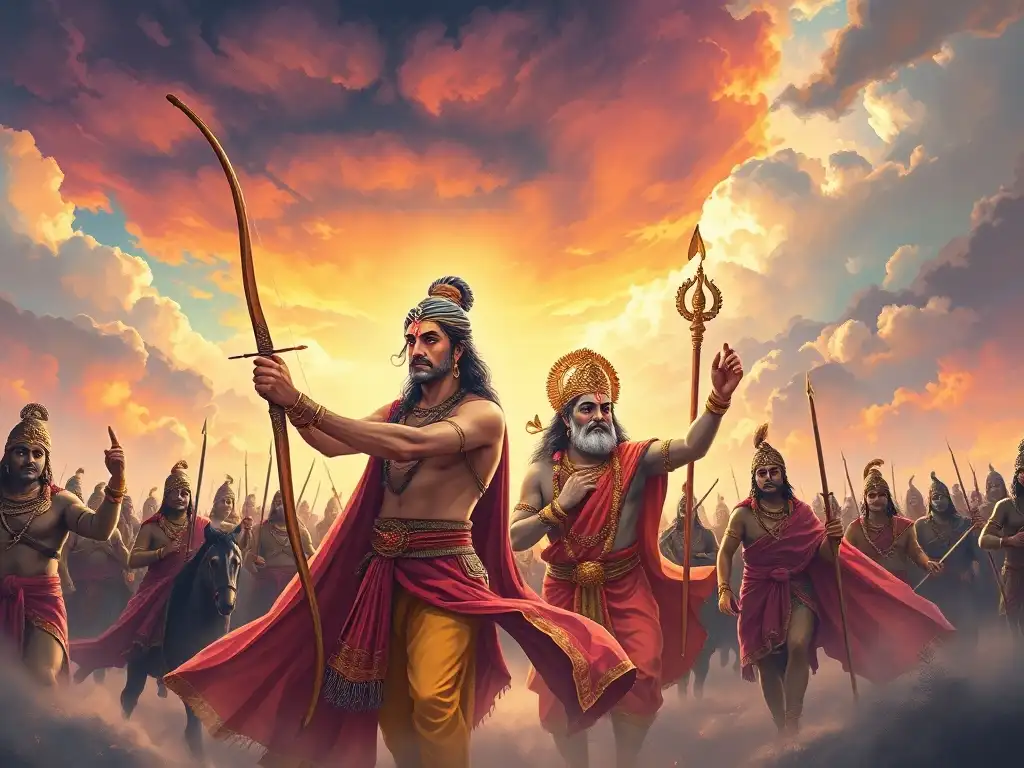
The characters within the Mahabharata are not merely figures in a narrative; they serve as embodiments of various spiritual and ethical ideals. Each character's journey offers insights into the complexities of human nature, moral dilemmas, and the spiritual lessons that arise from their experiences.
From the valorous Arjuna to the wise Krishna, these figures illuminate the diverse paths of spirituality, illustrating how personal struggles can lead to profound realizations about duty, morality, and the divine.
Arjuna: The Warrior's Spiritual Dilemma
Arjuna represents the quintessential warrior faced with a profound spiritual dilemma. At the onset of the battle, he is torn between his duty as a warrior (Kshatriya) and his moral qualms about fighting against his own kin. This internal conflict leads him to seek guidance from Krishna, who imparts essential teachings on Dharma, Karma, and selfless action.
Arjuna’s journey signifies the struggle between worldly responsibilities and spiritual ideals, showcasing that such dilemmas are inherent to the human experience. His eventual acceptance of his role illustrates the importance of aligning one’s actions with higher principles, making his character a symbol of the quest for spiritual clarity amidst chaos.
Krishna: The Divine Guide and His Teachings
Krishna, as the divine guide, plays a pivotal role in shaping the spiritual landscape of the Mahabharata. His teachings in the Bhagavad Gita, which is part of the Mahabharata, delve deep into the nature of reality, the self, and the universe. Krishna emphasizes the importance of performing one's duty without attachment to the results, a lesson that resonates through generations.
Krishna embodies the ideal of a compassionate teacher and friend, guiding Arjuna and others towards self-realization and understanding of their place in the cosmos. His multifaceted nature as a strategist, protector, and divine embodiment reflects the complexity of spirituality, teaching that the path to enlightenment can be found in both action and devotion.
Dhritarashtra and Gandhari: Lessons in Detachment
The characters of Dhritarashtra and Gandhari offer poignant lessons in detachment and the consequences of attachment. As the blind king and his devoted wife, their lives are marked by a profound inability to let go of their children, leading to tragic outcomes in the epic.
Their experiences underscore the spiritual teaching that attachment can lead to suffering, and that true wisdom lies in the acceptance of life's impermanence. Through their journey, the Mahabharata conveys that detachment does not equate to indifference; rather, it is about understanding the transient nature of the material world while maintaining compassion and love.
The Mahabharata's Legacy in Indian Religion
The Mahabharata, one of the two greatest epics of ancient India, not only serves as a literary masterpiece but also plays a pivotal role in shaping Indian religion and spirituality. Its vast narrative encompasses complex themes of duty (dharma), righteousness, morality, and the human condition, which resonate deeply with spiritual seekers. The epic provides a framework for understanding the spiritual dilemmas faced by individuals, making it a vital text for both ancient and modern practitioners of Hinduism. The teachings embedded within the Mahabharata have influenced various aspects of religious life, including philosophy, ethics, and spiritual practices.
The Mahabharata has also been instrumental in the development of Hindu philosophy, particularly through the Bhagavad Gita, which is part of the epic. The Gita addresses existential questions and provides guidance on how to live a life aligned with one's true self while navigating the complexities of duty and morality. This philosophical undercurrent has solidified the Mahabharata's status as a foundational text, guiding countless generations in their spiritual journeys.
The Mahabharata's Impact on Hindu Rituals and Festivals
The Mahabharata has significantly influenced Hindu rituals and festivals, enriching the cultural and spiritual fabric of India. Various characters and events from the epic are commemorated through specific rituals and celebrations. For instance, the festival of Raksha Bandhan, which celebrates the bond between brothers and sisters, draws inspiration from the relationships depicted in the Mahabharata, particularly the bond between Yudhishthira and his brothers.
Additionally, the epic's teachings are often invoked during major Hindu festivals such as Diwali and Holi, where themes of victory over evil and the celebration of life are prevalent. Rituals inspired by the Mahabharata often aim to reinforce community bonds, ethical conduct, and the pursuit of dharma, reflecting the epic's enduring relevance in the spiritual lives of devotees.
Moreover, the recitation of portions of the Mahabharata during religious ceremonies serves as a means of imparting moral and ethical teachings, making the epic a vital reference point in the performance of Hindu rituals.
Influence on Modern Spiritual Movements in India
In contemporary India, the Mahabharata continues to inspire various spiritual movements that seek to reinterpret its messages for modern society. Leaders of movements such as the Brahma Kumaris and the Art of Living Foundation draw upon the themes of self-realization and moral responsibility found in the Mahabharata. These organizations emphasize the importance of inner peace, self-discipline, and community service, aligning their teachings with the moral frameworks established in the epic.
Furthermore, the Mahabharata's narratives of conflict, reconciliation, and the quest for truth resonate with those engaged in social and spiritual activism. It serves as a source of inspiration for fostering dialogue and understanding among diverse groups, bridging traditional spiritual teachings with contemporary social issues. The epic's approach to spirituality encourages a holistic understanding of life's challenges, promoting a sense of unity and purpose among its followers.
The Mahabharata in Contemporary Religious Discourse
The Mahabharata remains a vital part of contemporary religious discourse in India, serving as a reference point for discussions on ethics, governance, and spirituality. Scholars and spiritual leaders often engage with the epic to explore its relevance in addressing current moral dilemmas and societal challenges. The themes of justice, power, and ethics portrayed in the Mahabharata provide a rich tapestry for analyzing modern governance and social justice issues.
Moreover, the Mahabharata's portrayal of complex characters with multifaceted motivations encourages a nuanced understanding of human behavior and morality. This complexity invites debate and reflection among practitioners and scholars alike, fostering a dynamic dialogue about the role of spirituality in addressing contemporary issues. The epic's rich narrative continues to spark discussions on how ancient teachings can inform modern spiritual practices and ethical frameworks.
Conclusion
Summary of the Mahabharata's Influence on Indian Spirituality
The Mahabharata's influence on Indian spirituality is profound and multifaceted. It serves as a source of ethical guidance, philosophical inquiry, and cultural celebration. The epic's teachings, particularly through the Bhagavad Gita, have shaped the spiritual landscape of India, providing frameworks for understanding duty, morality, and the pursuit of truth. Its impact on rituals, festivals, and modern spiritual movements highlights the enduring relevance of the Mahabharata in the lives of countless individuals seeking spiritual growth and understanding.
The Continuing Relevance of the Mahabharata in Today's Spiritual Landscape
The Mahabharata's relevance extends far beyond ancient history; it remains a beacon of spiritual wisdom in today's world. As individuals grapple with the complexities of modern life, the epic offers timeless insights into the human condition, encouraging self-reflection and ethical living. Its teachings continue to inspire spiritual seekers, activists, and scholars, fostering dialogues that bridge the past with the present. The Mahabharata stands as a testament to the enduring power of storytelling in shaping spirituality, ethics, and community in India, ensuring its place in the spiritual landscape for generations to come.
- Introduction to the Mahabharata
- The Mahabharata's Influence on Indian Spirituality
- Philosophical Concepts Derived from the Mahabharata
- The Mahabharata's Characters and Their Spiritual Significance
- The Mahabharata's Legacy in Indian Religion
- Conclusion
- What is the Mahabharata and why is it significant?
- How has the Mahabharata influenced Indian spirituality?
- What role do characters in the Mahabharata play in spiritual teachings?
- How does the Mahabharata compare to other spiritual texts in India?
- In what ways is the Mahabharata studied in modern times regarding spirituality?
Frequently Asked Questions
What is the Mahabharata and why is it significant?
The Mahabharata is an ancient Indian epic that narrates the struggle between two factions of a royal family. Its significance lies in its exploration of dharma, ethics, and the spiritual teachings that have shaped Indian thought.
How has the Mahabharata influenced Indian spirituality?
The Mahabharata has profoundly influenced Indian spirituality by providing teachings on morality, duty, and the nature of reality, particularly through texts like the Bhagavad Gita, which is part of the epic.
What role do characters in the Mahabharata play in spiritual teachings?
The characters in the Mahabharata serve as moral exemplars, demonstrating various aspects of human nature and ethical dilemmas, which offer valuable lessons for personal spiritual growth.
How does the Mahabharata compare to other spiritual texts in India?
While the Mahabharata shares themes with other spiritual texts, its unique narrative style and complex characters provide a more personal connection to spiritual concepts, making it a distinct source of wisdom.
In what ways is the Mahabharata studied in modern times regarding spirituality?
In modern times, the Mahabharata is studied not just as a literary work but also for its spiritual insights, influencing philosophy, psychology, and cultural studies related to Indian spirituality.
Final Reflection: The Enduring Influence of the Mahabharata on Indian Spirituality
The Mahabharata stands as a monumental testament to the complexities of human nature and the spiritual dilemmas we face today. Its teachings resonate deeply within the fabric of Indian spirituality, providing timeless wisdom that continues to guide individuals in their quest for meaning and purpose. In an era where the search for authenticity and moral clarity is more critical than ever, the Mahabharata's narratives challenge us to confront our own ethical choices and the consequences they bear.
Cultural and spiritual landscapes are continually shaped by the profound lessons embedded in the Mahabharata. The epic's exploration of duty, righteousness, and the interplay of good and evil remains relevant, influencing not only religious practices but also the broader societal values in contemporary India.
As Mahatma Gandhi once said, "> The Mahabharata is the greatest epic of all time, and it is a living force in the lives of the people." This enduring legacy invites us to reflect on our own lives and the values we uphold, reminding us that the struggles depicted in the epic are not confined to its pages but are mirrored in our daily experiences.
As we conclude this exploration of the Mahabharata's influence on Indian spirituality, I invite you to reflect on its teachings in your own life. Consider how the principles of dharma (duty), karma (action), and the pursuit of truth can guide your decisions and relationships. Embrace the opportunity to delve into this rich tapestry of wisdom, allowing it to inspire you to navigate the complexities of your own journey with courage and integrity. The Mahabharata is not just a story of the past; it is a living guide that can illuminate our paths toward a more meaningful existence.
Uncover the Depths of the Mahabharata!
Thank you for diving into the profound world of the Mahabharata with us! You've explored how this epic weaves into the fabric of Indian religion and spirituality, enriching your understanding of its timeless themes and teachings. Now, it's time to put that knowledge into action!
Here’s how you can further engage with this monumental text and its influence:
- Read a chapter from the Mahabharata that resonates with you and reflect on its teachings in your daily life.
- Join a local or online discussion group centered around the Mahabharata to share insights and broaden your perspective.
- Share this article with a friend who may appreciate the spiritual wisdom found within the Mahabharata!
What lesson from the Mahabharata do you believe resonates most with our modern lives today? We would love to hear your thoughts!