
Northern India's Role in the Development of Urban Centers: From Harappa to Pataliputra

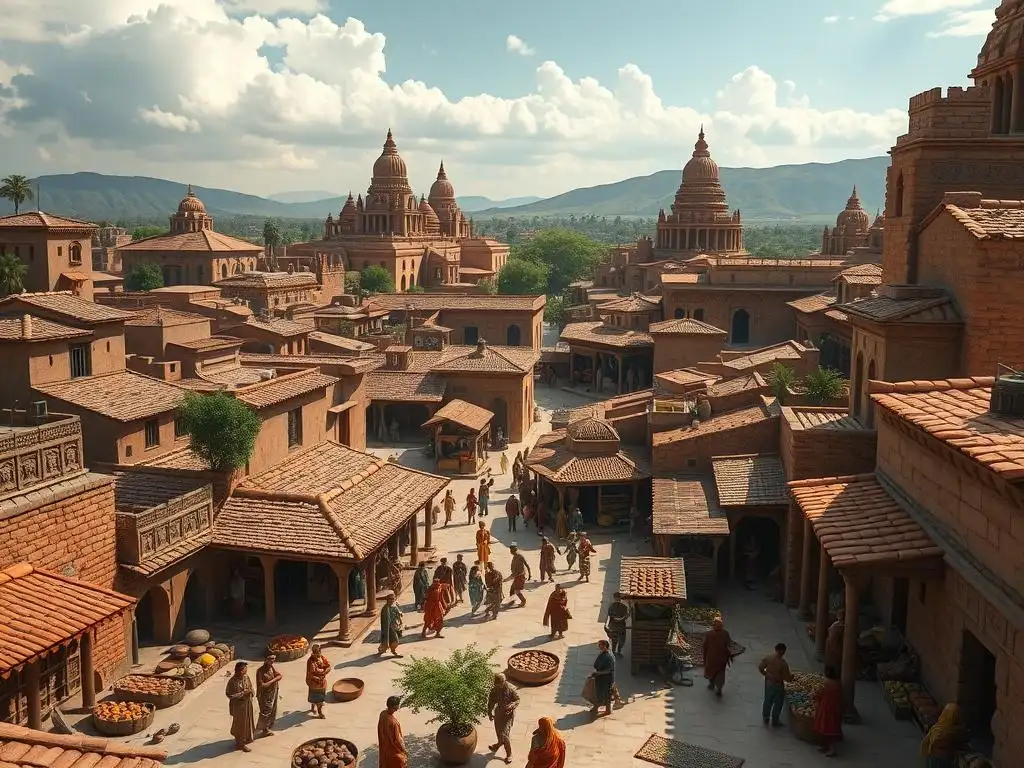
Welcome to Ancient India History, where we embark on a captivating journey through time, exploring the rich tapestry of civilizations that shaped the Indian subcontinent. In this article, we delve into the urban centers in ancient India, uncovering the fascinating evolution from the sophisticated streets of Harappa to the vibrant life of Pataliputra. What secrets lie within these ancient cities, and how did they contribute to the cultural and economic fabric of India?
Join us as we unveil the stories that have shaped our past and continue to influence our present. Your adventure into the depths of history begins here!
- Introduction to Urban Centers in Ancient India
- The Indus Valley Civilization: Harappa as a Prototype
- Transition from Harappa to Later Urban Centers
- The Rise of Pataliputra: A Model Urban Center
- Comparative Analysis of Urban Centers in Northern India
- The Legacy of Urban Centers in Ancient India
- Conclusion: The Evolution of Urban Centers in Northern India
-
Frequently Asked Questions
- What are some notable urban centers in ancient India?
- How did Harappa contribute to the development of urban centers?
- What was the significance of Pataliputra in ancient Indian history?
- How did ancient Indian urban centers impact trade?
- What role did culture play in the development of urban centers?
- Final Reflection: The Enduring Legacy of Urban Centers in Ancient India
- Unveil the Secrets of Urban Development!
Introduction to Urban Centers in Ancient India
The evolution of urban centers in ancient India is a fascinating aspect that highlights the ingenuity and complexity of its early civilizations. From the sophisticated city planning of the Indus Valley Civilization to the flourishing urban life during the Gupta Empire, Northern India served as a pivotal region in the development of urban centers. These urban environments not only facilitated trade and governance but also fostered rich cultural exchanges and technological advancements.
Understanding the intricate web of urbanization in Northern India allows us to appreciate the legacy of these ancient societies, which laid the foundational stones for modern urban life in the subcontinent. This article will delve into the progression of urban centers in Northern India, examining key sites such as Harappa and Pataliputra, and their roles in shaping the historical trajectory of the region.
Overview of Urbanization in Northern India
The process of urbanization in Northern India can be traced back to the early settlements along the fertile plains of the Indus River. The Indus Valley Civilization, flourishing around 2500 BCE, showcased remarkable urban planning, with cities like Harappa and Mohenjo-Daro featuring advanced drainage systems, grid layouts, and standardized fired bricks. This early urbanization was marked by:
- Agricultural Surplus: The region's fertile land allowed for extensive agriculture, which supported larger populations.
- Trade Networks: Harappa and other urban centers established trade routes that connected them to distant regions, facilitating the exchange of goods and ideas.
- Social Stratification: The growth of urban centers led to the emergence of distinct social classes, with specialized trades and crafts taking root.
As time progressed, urban centers evolved in response to changing political and economic landscapes. By the time of the Mauryan Empire in the 4th century BCE, cities such as Pataliputra emerged as significant political and cultural hubs, reflecting the complexities of governance and urban life.
Significance of Urban Centers in Historical Development
The urban centers of ancient India played a crucial role in the broader historical development of the region. They served as catalysts for various advancements in:
- Cultural Exchange: Urban centers became melting pots of diverse cultures, where various traditions, languages, and religions coexisted and influenced one another. This cultural syncretism laid the groundwork for India’s rich tapestry of civilization.
- Economic Growth: The concentration of population in urban areas facilitated trade and commerce, contributing to economic prosperity. Markets flourished, and artisans and merchants thrived, leading to increased wealth and the establishment of a robust economy.
- Political Administration: Cities like Pataliputra were not only administrative capitals but also strategic military outposts. The organization of urban governance allowed for effective control over vast territories, contributing to the stability and expansion of empires.
- Technological Innovation: Urban centers were hubs of innovation, where advancements in metallurgy, mathematics, and architecture took place. The construction techniques and urban planning methodologies developed in these cities have influenced subsequent generations.
The urban centers in ancient India were instrumental in shaping the historical narrative, offering insights into the complexities of life during these formative years. They were not merely places of habitation but vibrant centers of progress and change that continue to resonate in India’s historical consciousness today.
The Indus Valley Civilization: Harappa as a Prototype
Urban Planning and Architecture in Harappa
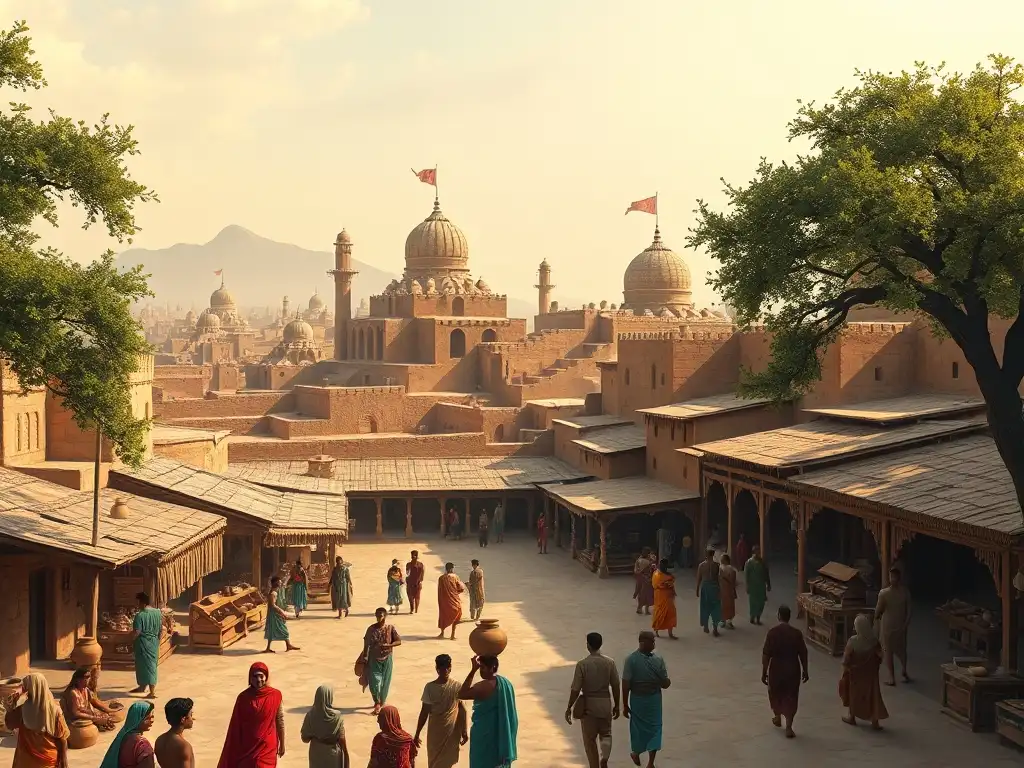
The city of Harappa, a prominent site of the Indus Valley Civilization, exemplifies advanced urban planning and architectural innovation. Established around 2600 BCE, Harappa was characterized by a grid-like layout, with streets laid out in a north-south and east-west orientation. This meticulous organization facilitated efficient movement and trade, reflecting a sophisticated understanding of urban design.
Key features of Harappan architecture include:
- Standardized Brick Sizes: The use of uniformly sized mud bricks (approximately 28 x 14 x 7 cm) enabled the construction of durable structures and infrastructure.
- Drainage Systems: Harappa boasted an elaborate drainage system, with covered drains running along the streets, showcasing the civilization's focus on hygiene and sanitation.
- Public and Private Spaces: The city featured a mix of residential areas and public buildings, including the Great Bath, which is thought to have had religious significance, indicating the importance of communal activities.
The architectural prowess of Harappa set a precedent for urban centers in ancient India, influencing subsequent civilizations in their urban planning strategies.
The economy of Harappa was primarily based on agriculture, trade, and craft production. The fertile plains of the Indus River supported the cultivation of crops such as wheat, barley, and cotton, making Harappa a significant agricultural hub.
Trade and Commerce
- Trade Networks: Harappa engaged in extensive trade with neighboring regions, including Mesopotamia and Persia. Artifacts such as seals and weights suggest a well-established system of commerce, which likely included both local and long-distance trade.
- Craft Specialization: The presence of specialized craft sectors, including bead-making, pottery, and metallurgy, indicates a complex economic structure capable of supporting a diverse range of artisans and merchants.
Social Hierarchy
The social structure of Harappa appears to have been stratified, with evidence suggesting the existence of elite classes. Archaeological findings, such as large, well-built houses, imply that wealth and status were likely concentrated among certain families or groups.
This combination of economic innovation and social organization laid the groundwork for future urban centers, influencing their development and complexity.
Influence of Harappa on Later Urban Centers
The legacy of Harappa extends beyond its immediate geographic area, profoundly impacting the evolution of subsequent urban centers in ancient India. The principles of urban planning and social organization established in Harappa can be seen in later cities such as Mohenjo-Daro, and even in the Mauryan capital of Pataliputra.
Key Influences
- Urban Layout: The grid pattern established in Harappa influenced urban design in later civilizations, promoting organized settlements that facilitated trade and governance.
- Infrastructure Development: Subsequent cities adopted advanced drainage and sanitation systems, reflecting the technological advancements pioneered by the Harappan society.
- Cultural Continuities: The cultural practices, trade networks, and social hierarchies that emerged in Harappa persisted in various forms in later urban centers, demonstrating a continuity of societal evolution in ancient India.
The urban centers in ancient India owe much of their development to the foundational innovations of Harappa, which served as a prototype for future cities. The legacy of Harappa's urban planning, economic structures, and social organization continues to resonate throughout the history of Northern India.
Transition from Harappa to Later Urban Centers
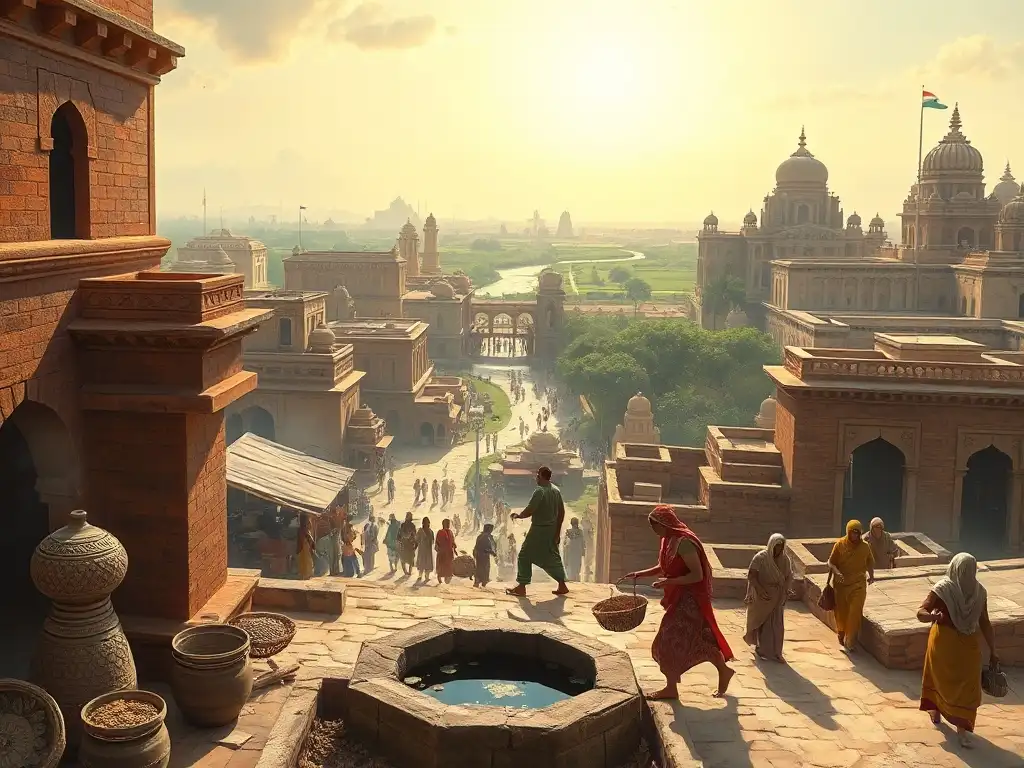
The transition from the Harappan civilization to subsequent urban centers in Northern India marks a significant evolution in the region's societal and architectural landscape. The Harappan civilization, flourishing from approximately 2600 to 1900 BCE, showcased advanced urban planning with its grid layouts, sophisticated drainage systems, and standardized weight measurements. However, the decline of Harappa due to various factors, including ecological changes and potential invasions, paved the way for the emergence of later urban centers, notably Pataliputra, which became a hallmark of urban sophistication in the first millennium BCE.
This transition was not abrupt; rather, it was characterized by the continuity of certain cultural practices and the gradual adaptation of new socio-political dynamics. As the Harappan cities fell into decline, smaller settlements began to emerge, which would eventually develop into larger urban centers. The foundation laid by the Harappan civilization—such as agricultural practices, trade networks, and societal structures—served as a springboard for these later urban transformations.
Factors Leading to Urban Development Post-Harappa
The urban development in Northern India post-Harappa can be attributed to several interrelated factors:
- Agricultural Advancements:
- The introduction of plough agriculture and crop diversification allowed for surplus production, which is crucial for supporting larger populations.
- Crops like rice, barley, and lentils became staples, facilitating trade and sustenance for burgeoning urban populations.
- Political Centralization:
- The establishment of powerful kingdoms, such as the Maurya and Gupta empires, centralized authority and resources, leading to the growth of urban centers.
- Pataliputra, as the capital of the Mauryan Empire, exemplified this political shift, with its fortified walls and planned streets reflecting urban planning influenced by earlier Harappan designs.
- Cultural Exchange and Migration:
- The migration of various groups, including the Indo-Aryans, contributed to cultural syncretism and the establishment of new urban centers.
- This movement facilitated the exchange of ideas, technologies, and trade practices, enriching the urban fabric.
- Technological Innovations:
- Advances in metallurgy, such as iron smelting, enabled better tools and weapons, enhancing agricultural productivity and military capabilities.
- Improved construction techniques allowed for the building of more durable structures, influencing urban architecture.
- Religious Developments:
- The rise of new religious movements, including Buddhism and Jainism, coincided with urban growth, as cities became centers for religious gatherings and learning.
- Monasteries and stupas became integral parts of urban landscapes, attracting pilgrims and fostering local economies.
The Role of Trade and Economy in Urban Expansion
Trade and economic activities were pivotal in the expansion of urban centers in ancient India. The following aspects illustrate their significance:
- Trade Networks:
- Northern India was strategically located along critical trade routes, connecting the subcontinent with regions like Central Asia, the Mediterranean, and Southeast Asia.
- Major trade centers emerged as nodes of commerce, with Pataliputra serving as a vital hub for both inland and maritime trade.
- Market Regulation:
- Urban centers established marketplaces that facilitated the exchange of goods such as textiles, spices, and precious stones.
- Standardized weights and measures emerged, enhancing trade efficiency and fostering economic growth.
- Craft Specialization:
- As urban centers developed, so did specialized crafts and industries.
- Artisans began producing luxury goods, which not only catered to local demands but also attracted trade from afar, further enriching the economy.
- Economic Policies:
- The Mauryan Empire, in particular, implemented policies to regulate trade and taxation, ensuring a steady flow of resources into urban centers.
- These policies supported infrastructure development, including roads and irrigation systems, which were crucial for trade.
- Cultural Impact of Trade:
- The influx of goods and ideas from trade enriched urban culture, leading to a blend of artistic styles, culinary practices, and religious beliefs.
- Cities became melting pots of cultural interactions, further solidifying their importance as urban centers in ancient India.
The transition from the Harappan civilization to the later urban centers of Northern India was a complex process influenced by agricultural advancements, political centralization, cultural exchanges, technological innovations, and trade dynamics. Understanding these factors is crucial for appreciating the evolution of urban centers in ancient India and their lasting impact on the region's history.
The Rise of Pataliputra: A Model Urban Center
Strategic Location and Geographical Advantages
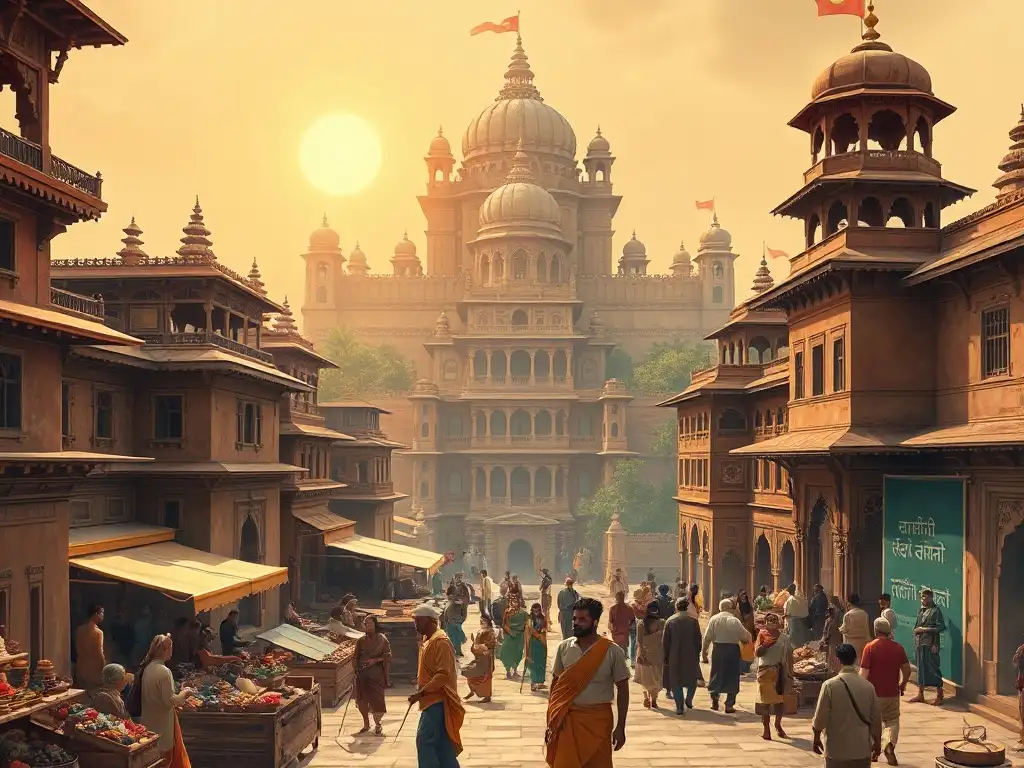
Pataliputra, the capital of the ancient Magadha kingdom, emerged as a pivotal urban center in Northern India due to its strategic location at the confluence of major rivers, including the Ganges, Son, and Gandak. This advantageous positioning facilitated trade and communication, making it a bustling hub for merchants and travelers from various regions.
Key Geographical Features:
- River Confluence: The intersection of rivers provided fertile alluvial plains, essential for agriculture.
- Trade Routes: Pataliputra was situated along crucial trade routes connecting the eastern and northern parts of India, enhancing its commercial significance.
- Natural Defenses: The rivers acted as natural barriers against invasions, contributing to the stability and security of the urban center.
The accessibility of Pataliputra not only boosted its economy but also attracted a diverse population, leading to cultural exchanges that enriched the urban landscape. The city's infrastructure, including roads and waterways, further facilitated movement and commerce, establishing it as a vital center for urban development in ancient India.
Administrative and Political Importance of Pataliputra
Pataliputra served as the administrative nucleus of powerful dynasties, including the Mauryas and the Guptas, shaping its political significance in ancient India. As the capital, it was the epicenter of governance, law, and order, reflecting the sophisticated administrative structures developed during this period.
Administrative Features:
- Centralized Governance: The city housed royal palaces, administrative offices, and the residences of officials, indicating a well-organized government.
- Legal Framework: Codified laws and regulations were implemented to maintain order, a reflection of the advanced political organization.
- Taxation and Revenue: The city's economic prosperity allowed for an efficient taxation system, which funded public works and military expeditions.
Moreover, Pataliputra's political importance was underscored by significant events, such as the coronation of emperors and the convening of councils that set policy directions for vast territories. This centralized political power contributed to the stability and growth of urban centers in ancient India, marking Pataliputra as a model for future cities.
Cultural and Intellectual Hub of Ancient India
Beyond its political and administrative significance, Pataliputra distinguished itself as a cultural and intellectual beacon in ancient India. The city attracted scholars, artists, and philosophers, fostering an environment ripe for creativity and learning.
Cultural Contributions:
- Universities and Learning Centers: Institutions like the Nalanda University flourished nearby, drawing students from across Asia, which contributed to the spread of knowledge.
- Literature and Arts: The period saw the emergence of notable literary works and artistic expressions, including sculptures and murals that depicted religious themes.
- Religious Tolerance: Pataliputra was a melting pot of religions, including Buddhism, Jainism, and Hinduism, promoting a spirit of dialogue and coexistence.
The city's vibrant cultural scene was further enhanced by festivals, public performances, and intellectual debates, making Pataliputra a vibrant urban center where ideas flourished. This rich tapestry of culture and knowledge not only influenced contemporary societies but also laid the groundwork for the future urban centers in ancient India.
Pataliputra exemplifies the evolution of urban centers in ancient India, showcasing the interplay of strategic location, political power, and cultural richness that defined its legacy in the subcontinent's history.
Comparative Analysis of Urban Centers in Northern India
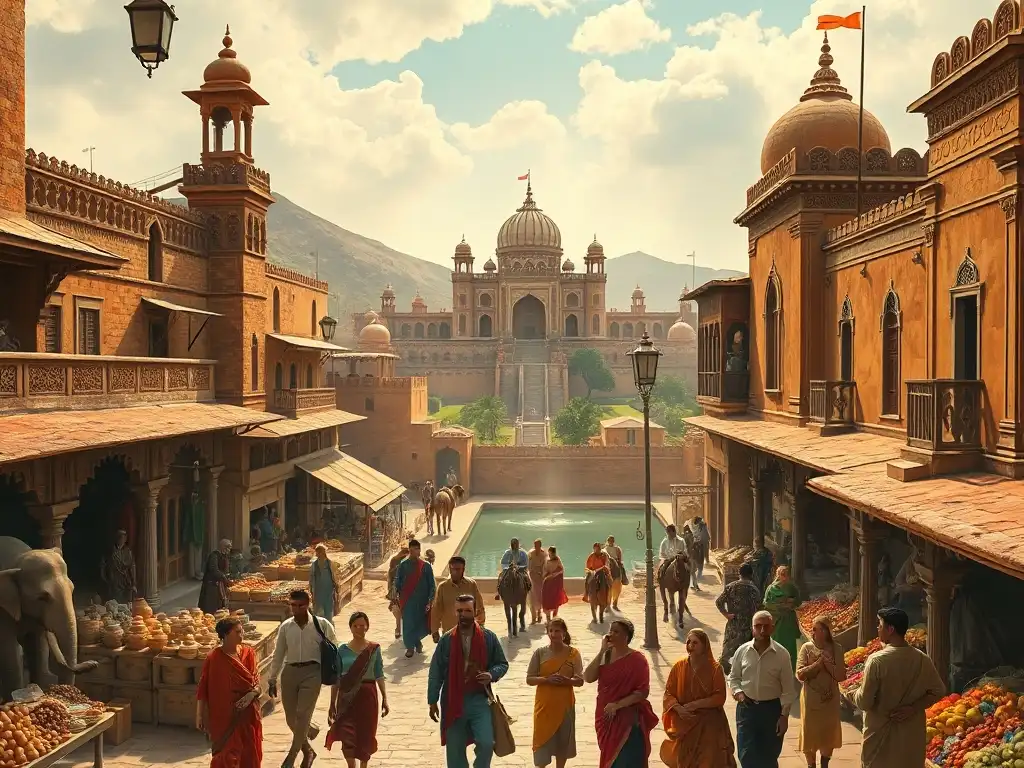
Harappa vs. Pataliputra: Urban Planning and Infrastructure
The urban centers of Harappa and Pataliputra represent two distinct phases in the evolution of urban planning and infrastructure in Northern India.
Harappa, a key city of the Indus Valley Civilization (circa 2600–1900 BCE), showcases advanced urban planning characterized by:
- Grid Layout: Streets were laid out in a grid pattern, which facilitated organized movement and trade.
- Drainage Systems: Harappa featured sophisticated drainage systems, including underground drains and toilets, reflecting a focus on sanitation.
- Public Buildings: The presence of large public baths, such as the Great Bath, indicates the importance of communal spaces for social and ritual activities.
In contrast, Pataliputra, flourishing during the Mauryan (circa 322–185 BCE) and Gupta (circa 320–550 CE) empires, highlights a different approach to urban development:
- Fortifications: Pataliputra was fortified with massive walls and gates, emphasizing security and defense.
- Palaces and Administrative Buildings: The city was adorned with grand palaces and administrative structures, indicating its status as a political hub.
- Cultural Institutions: Pataliputra boasted universities and centers of learning, reflecting its role as a cultural and intellectual center.
While both cities exhibited remarkable planning and infrastructure, Harappa's emphasis was on basic urban amenities and sanitation, whereas Pataliputra showcased grandeur and administrative complexity.
Economic Activities: Trade Routes and Marketplaces
The economic activities within Harappa and Pataliputra were crucial to their development as urban centers in ancient India, with each city serving as a significant node in trade networks.
Harappa was strategically located near the Ravi River, allowing it to thrive on:
- Agriculture: The fertile plains supported agriculture, with wheat and barley being staple crops. Surplus production facilitated trade.
- Craftsmanship: Harappa was known for its artisans who produced bead jewelry, pottery, and textiles, contributing to its economy.
- Trade Networks: Harappan merchants engaged in long-distance trade, connecting with regions as far as Mesopotamia, facilitated by well-established trade routes.
In comparison, Pataliputra emerged as a bustling marketplace during its peak:
- Central Trade Hub: Located at the confluence of the Ganges and Son rivers, it acted as a vital junction for trade routes connecting the eastern and western parts of India.
- Diverse Marketplaces: Pataliputra's markets offered a variety of goods, from spices and textiles to precious stones, catering to both local and foreign traders.
- Taxation and Revenue: The city’s governance implemented tax systems to regulate commerce, enhancing its economic stability and growth.
While Harappa's economy relied heavily on agriculture and craftsmanship, Pataliputra's prosperity stemmed from its strategic location and vibrant trade activities.
The social structures of Harappa and Pataliputra reveal significant differences in governance and community life, shaped by their respective historical contexts.
In Harappa, the governance system appears to have been relatively egalitarian:
- Decentralized Administration: Evidence suggests a lack of a centralized authority, with communities possibly governed by councils or collective decision-making.
- Community Life: The existence of public baths and granaries indicates communal living and shared resources, fostering social cohesion among residents.
- Religious Practices: Harappan society likely practiced a form of organized religion with rituals centered around fertility and nature, as indicated by various seals and figurines.
Conversely, Pataliputra's governance was more hierarchical and centralized:
- Monarchical Rule: The city was the seat of powerful kings, particularly during the Mauryan Empire, with a structured bureaucracy to manage affairs.
- Caste System: Pataliputra exhibited a more defined social hierarchy, with divisions based on occupation, leading to a complex social structure.
- Cultural Flourishing: The presence of scholars, philosophers, and artists contributed to a vibrant intellectual community, making Pataliputra a center for culture and governance.
This comparative analysis illustrates that while Harappa fostered a more communal and decentralized lifestyle, Pataliputra developed a structured and hierarchical society, reflective of its role as a major political and cultural center in ancient India.
The Legacy of Urban Centers in Ancient India
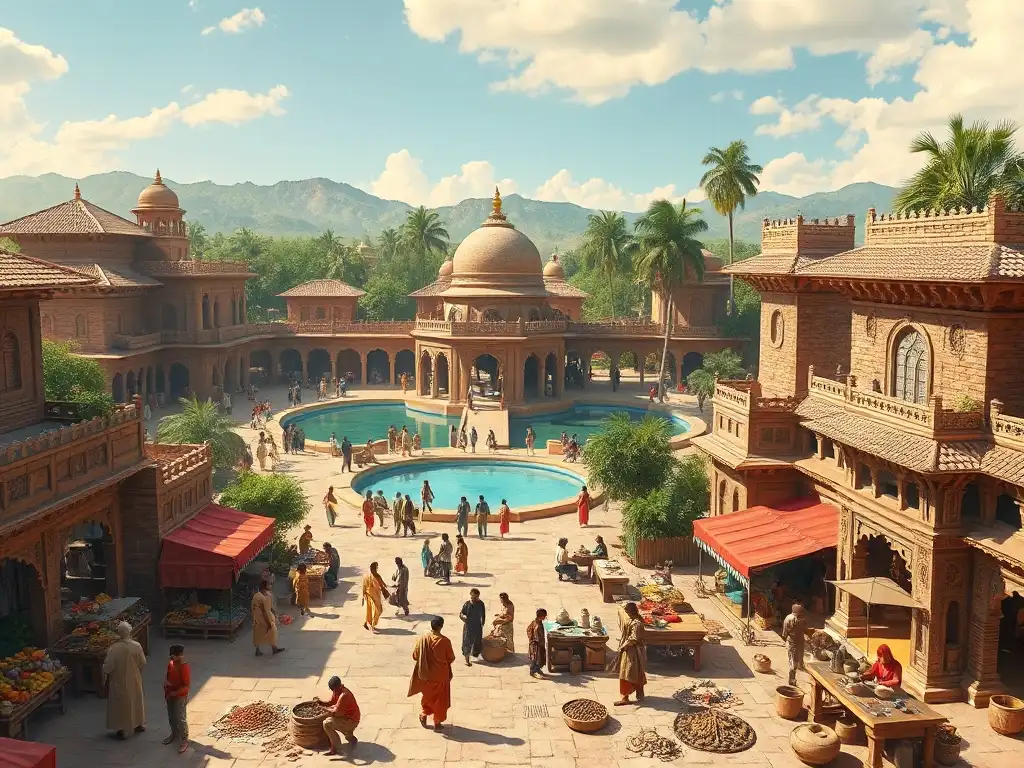
The legacy of urban centers in ancient India is a vital aspect of the region's historical narrative, particularly in Northern India. These urban centers, ranging from the sophisticated city of Harappa in the Indus Valley to the grand metropolis of Pataliputra during the Mauryan period, laid the foundational framework for urbanization in the Indian subcontinent. Their innovative urban planning, architectural advancements, and the establishment of trade networks played a crucial role in shaping the socio-economic landscape of ancient India.
The cities were characterized by well-planned layouts, with grid patterns, advanced drainage systems, and public granaries, which showcased a high degree of civic organization and administrative control. Such features not only facilitated trade and commerce but also fostered a sense of community and cultural exchange among diverse populations. As these urban centers thrived, they became melting pots of various traditions, languages, and practices, influencing the broader cultural fabric of India.
Influence on Subsequent Indian Urbanization
The urban centers of ancient India serve as a blueprint for later cities that emerged throughout the subcontinent. The architectural styles, urban planning techniques, and administrative practices established during the Harappan and Mauryan periods directly influenced subsequent city developments.
- Urban Planning: Cities like Harappa and Mohenjo-Daro set a precedent for urban design. Their grid layouts, wide streets, and public facilities were emulated in later urban centers, such as Varanasi and Delhi. The concept of orderly urban spaces contributed significantly to the evolution of city planning in India.
- Economic Hubs: Ancient urban centers functioned as vital economic hubs, connecting trade routes that facilitated commerce across vast distances. This model of economic interdependence influenced the formation of future urban centers, ensuring they became focal points for trade and cultural exchange.
- Civic Administration: The governance models developed in these early cities laid the groundwork for future administrative frameworks. The centralized authority witnessed in cities like Pataliputra established a system of governance that emphasized the importance of urban administration, influencing later dynasties, including the Cholas and the Rajputs.
The impact of these urban centers resonates through centuries, as they provided a template for the growth of cities throughout India, leading to rich urban traditions that continued to evolve.
Contributions to Indian Culture and Society
The contributions of ancient urban centers to Indian culture and society are profound and multifaceted. These cities were not merely geographical locations; they were vibrant centers of culture, art, and intellectual exchange.
- Cultural Synthesis: Urban centers like Pataliputra became melting pots where diverse cultures converged. This cultural synthesis gave rise to unique art forms, literature, and philosophical thought. The confluence of different ethnicities and traditions fostered an environment conducive to innovation and creativity.
- Art and Architecture: The architectural marvels of ancient India, including stupas, temples, and palaces, can be traced back to the urban centers of the Indus Valley and the Mauryan Empire. The intricate craftsmanship and artistic expressions found in sculptures and frescoes reflect the rich cultural heritage that emerged from these urban hubs.
- Religious Developments: Urban centers played a critical role in the evolution of religious practices in ancient India. The rise of Buddhism and Jainism during the Mauryan period was significantly influenced by the thriving urban environment, with cities serving as centers for religious discourse and pilgrimage.
- Education and Knowledge: The establishment of universities and centers of learning in urban areas, such as Nalanda and Takshashila, was pivotal in disseminating knowledge and promoting scholarship. These institutions attracted students from various regions, contributing to a culture of learning that would define Indian civilization for centuries.
The urban centers of ancient India, particularly in Northern India, were instrumental in shaping the historical trajectory of the region. Their influence on urbanization, culture, and society is a testament to their enduring legacy, which continues to resonate in contemporary Indian life. The study of these urban centers not only enriches our understanding of ancient Indian civilization but also highlights the complexities and interconnections that characterize the history of the subcontinent.
Conclusion: The Evolution of Urban Centers in Northern India
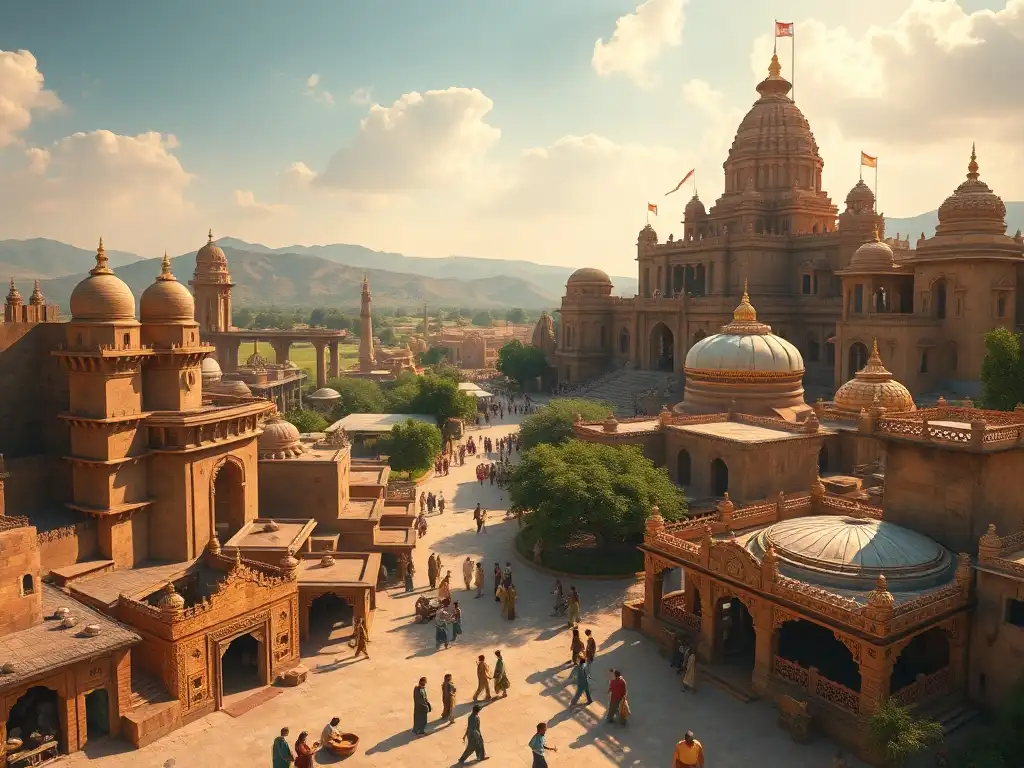
The evolution of urban centers in Northern India is a fascinating journey that showcases the ingenuity and adaptability of ancient civilizations. From the meticulously planned streets of Harappa to the grand palaces of Pataliputra, these urban centers served as hubs of trade, culture, and governance. They not only reflected the socio-economic dynamics of their time but also laid the groundwork for the urban landscape that we see in modern India.
The significance of these urban centers cannot be understated. They facilitated innovations in architecture, urban planning, and social organization, setting standards that influenced subsequent generations. The rise and fall of these cities tell a story of resilience, cultural exchange, and the relentless pursuit of progress that characterized ancient Indian civilizations.
Summary of Key Developments from Harappa to Pataliputra
- Harappan Civilization (c. 3300–1300 BCE)
- Planned Urban Layout: The cities of the Indus Valley, particularly Harappa and Mohenjo-Daro, were known for their grid-patterned streets, advanced drainage systems, and standardized baked brick construction.
- Economic Prosperity: These urban centers engaged in extensive trade networks, both locally and with distant regions, which facilitated economic growth and cultural exchange.
- Vedic Period (c. 1500–500 BCE)
- Shift to Agrarian Societies: With the arrival of the Indo-Aryans, there was a notable transition from urban settlements to agrarian-based societies, although urbanization continued in pockets.
- Cultural Developments: This period saw the emergence of religious and philosophical thought, which would influence urban centers later on.
- Mahajanapadas (c. 600–300 BCE)
- Emergence of City-States: The Mahajanapadas were sixteen powerful states that included urban centers like Pataliputra, which became a key political and economic hub.
- Political Organization: These city-states showcased varying forms of governance, from monarchies to republics, influencing the political landscape of Northern India.
- Mauryan Empire (c. 322–185 BCE)
- Pataliputra as Capital: Under the Mauryan Empire, Pataliputra flourished as a political center, with advanced infrastructure, including roads, gardens, and public buildings.
- Cultural Renaissance: The empire's patronage of arts and sciences led to a cultural flourishing that further established the significance of urban centers.
- Gupta Period (c. 240–550 CE)
- Golden Age of Urbanization: This era is often referred to as the Golden Age of India, where urban centers like Pataliputra thrived with advancements in science, mathematics, and literature.
- Trade Expansion: The Gupta Empire saw a resurgence in trade and commerce, with urban centers becoming vital trade links in both domestic and international markets.
The Lasting Impact on Modern Urbanization in India
The urban centers of ancient India have left an indelible mark on the modern urban landscape. The principles of urban planning, community organization, and economic management that emerged from these ancient civilizations continue to influence contemporary urban development.
- Urban Planning: The grid layout and drainage systems of Harappa can be seen in the planning of modern cities, emphasizing the importance of organized infrastructure.
- Cultural Heritage: Many modern cities in India retain historical significance tied to their ancient urban counterparts, creating a rich tapestry of cultural heritage that attracts tourism and promotes local economies.
- Economic Models: The trade practices established in cities like Pataliputra have evolved but remain rooted in the same principles of commerce, connectivity, and cultural exchange that defined ancient urban centers.
The urban centers in ancient India not only served their contemporary societies but also established frameworks that continue to shape the urban experience in India today. Their legacy is a testament to the enduring human spirit and the quest for community, innovation, and cultural richness.
Frequently Asked Questions
What are some notable urban centers in ancient India?
Some prominent urban centers include Harappa, Mohenjo-Daro, and Pataliputra, which were crucial for trade, culture, and governance during their times.
How did Harappa contribute to the development of urban centers?
Harappa showcased advanced urban planning with grid layouts, drainage systems, and public buildings, setting a foundation for future urban centers in ancient India.
What was the significance of Pataliputra in ancient Indian history?
Pataliputra served as a major political and cultural hub during the Mauryan Empire, influencing trade and administration across the region and highlighting the importance of urban centers.
How did ancient Indian urban centers impact trade?
These urban centers acted as trade hubs, facilitating the exchange of goods, ideas, and cultures, which helped in the economic and social development of ancient India.
What role did culture play in the development of urban centers?
Culture greatly influenced urban centers in ancient India, as seen in their architecture, art, and religious practices, which fostered community identity and social cohesion.
Final Reflection: The Enduring Legacy of Urban Centers in Ancient India
The evolution of urban centers in ancient India, from Harappa to Pataliputra, is not just a historical narrative but a testament to the ingenuity and resilience of human civilization. Today, as we navigate the complexities of modern urbanization, the lessons learned from these ancient cities resonate more than ever. They remind us of the importance of sustainable development, cultural integration, and the role of urban spaces in fostering community and innovation. The story of these urban centers is a striking reminder of how the past shapes our present and future.
The influence of these ancient urban centers extends far beyond their geographical boundaries; they have laid the foundation for the cultural and social fabric of contemporary India. The architectural marvels, trade networks, and urban planning strategies developed during this era continue to inspire modern cities. As we reflect on this legacy, we are reminded of the words of the historian Romila Thapar: The past is not a dead weight; it is a living force that shapes our present and future.
This perspective invites us to appreciate how the achievements of our ancestors can guide us in addressing the challenges of urban life today.
As we conclude this exploration of urban centers in ancient India, I invite you to reflect on your own relationship with the spaces you inhabit. Consider how the principles of community, sustainability, and innovation that defined Harappa and Pataliputra can be applied to your life and environment. Let us strive to create urban spaces that honor our history while embracing the future, ensuring that the legacy of these ancient cities continues to thrive in our modern world.
Unveil the Secrets of Urban Development!
Thank you for taking the time to explore the fascinating journey of urban centers in Northern India, from the ancient streets of Harappa to the grandeur of Pataliputra. You've gained insights into how these early cities shaped civilization, and now it’s time to take action and deepen your understanding!
Here’s how you can further engage with this rich history:
- Dive Deeper: Research and visit local museums or historical sites that showcase the ancient urban development in India.
- Join the Conversation: Share your thoughts on social media about how Northern India’s urban centers influence modern cities today—be sure to tag us in your posts!
- Connect with Others: Participate in a local history club or an online community dedicated to ancient civilizations to exchange ideas and learn from fellow enthusiasts.
What aspect of urban development in Northern India do you find most surprising or intriguing? We invite you to share your thoughts below!