
The Influence of Northern Indian Art on Later Indian Cultures: A Visual Journey

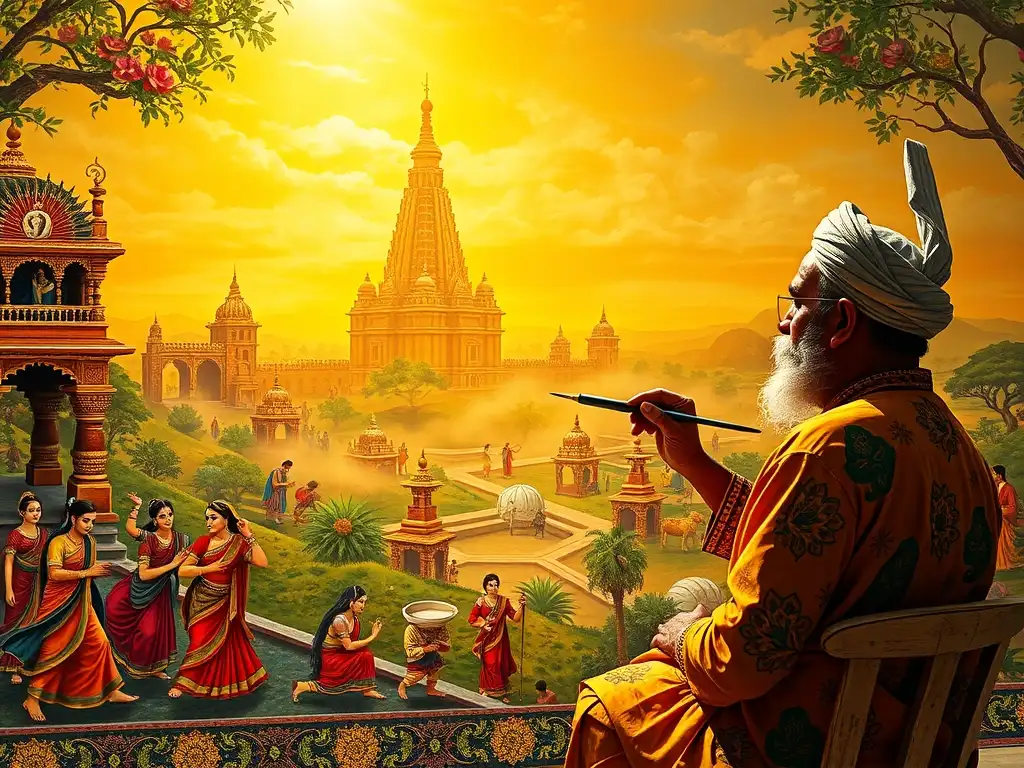
Welcome to Ancient India History, where we embark on a captivating exploration of the rich tapestry woven by centuries of civilization. In our featured article, "The Influence of Northern Indian Art on Later Indian Cultures: A Visual Journey," we delve into the profound impact that the artistic expressions of Northern India have had on the broader canvas of Indian history. Discover how these vibrant creations not only reflect the cultural ethos of their time but also lay the groundwork for future artistic innovations.
Join us as we unravel the stories behind these masterpieces, inviting you to immerse yourself in the beauty and significance of Northern Indian art history. Your journey into the depths of ancient culture awaits!
Northern India, with its rich tapestry of history, has been a cradle of artistic expression that has significantly shaped the cultural landscape of the subcontinent. From the sophisticated urban planning of the Indus Valley Civilization to the intricate sculptures of the Gupta Empire, the evolution of Northern Indian art reflects a profound interplay of religious, political, and social dynamics. This article delves into the Northern Indian art history, exploring how artistic styles, techniques, and themes from this region have influenced later Indian cultures.
The journey begins with the early artistic endeavors in Northern India, which laid the groundwork for subsequent movements and forms of expression. Over millennia, these artworks not only served aesthetic purposes but also acted as vital means of communication, preserving the beliefs, values, and narratives of the time. As we navigate through this visual journey, we will uncover the ways in which Northern Indian art has left an indelible mark on the artistic practices of later societies, reflecting the continuity and evolution of cultural identities.
Through this exploration, readers will gain insights into various art forms, including sculpture, painting, and architecture, and their significance in shaping the historical and cultural identity of India. Join us as we embark on this enlightening voyage through the vibrant and diverse world of Northern Indian art, tracing its influence across centuries and cultures.
- Introduction to Northern Indian Art History
- Historical Context of Northern Indian Art
- Characteristics of Northern Indian Art
- Evolution of Northern Indian Art Through the Ages
- The Influence of Northern Indian Art on Later Indian Cultures
- Notable Examples of Northern Indian Art Influence
- Conclusion: The Lasting Legacy of Northern Indian Art
-
Frequently Asked Questions
- What are the main characteristics of Northern Indian art history?
- How did the Indus Valley Civilization contribute to Northern Indian art?
- What role did the Gupta Empire play in the development of Northern Indian art?
- How did religion influence Northern Indian art?
- What is the significance of iconography in Northern Indian art history?
- Final Reflection: The Enduring Legacy of Northern Indian Art
- Unveil the Rich Legacy of Northern Indian Art Today!
Introduction to Northern Indian Art History
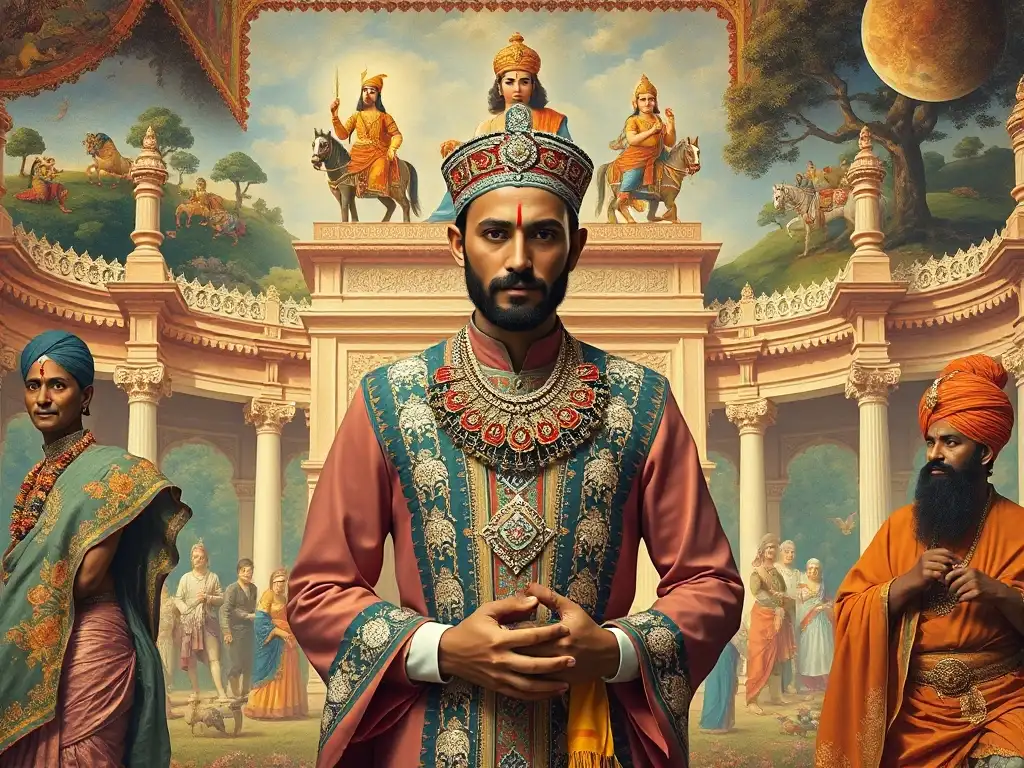
The history of Northern Indian art is a rich tapestry woven with threads of cultural, religious, and artistic influences that have shaped the region over millennia. This art history reflects the diverse civilizations that flourished in Northern India, from the Indus Valley Civilization to the majestic Gupta Empire. Each period brought unique styles, techniques, and themes that not only enriched the local aesthetics but also influenced later artistic expressions across India and beyond.
This section delves into the origins, evolution, and significance of Northern Indian art, highlighting its pivotal role in the overall narrative of Indian cultural heritage.
Overview of Northern Indian Art
Northern Indian art is characterized by its diverse forms, including sculpture, painting, architecture, and decorative arts. The region's art can be broadly categorized into several periods:
- Indus Valley Civilization (c. 3300–1300 BCE):
- Sculpture: Notable for its terracotta figurines, seals, and the famous bronze statue of the "Dancing Girl."
- Urban Planning: Artisans displayed their skills through intricate pottery and well-planned urban structures.
- Maurya Period (c. 322–185 BCE):
- Rock-cut Architecture: The establishment of monumental stupas and caves, such as those at Ajanta and Ellora.
- Sculptural Reliefs: The Ashoka Pillars showcased exquisite carvings and inscriptions.
- Gupta Period (c. 240–550 CE):
- Classical Art Flourishing: The golden age of Northern Indian art, with advancements in sculpture, painting, and architecture.
- Buddhist and Hindu Iconography: The development of iconography that would serve as a reference for future generations.
- Medieval and Mughal Periods (c. 1200–1857 CE):
- Fusion of Styles: The synthesis of Persian and Indian art forms, leading to intricate miniatures and grand architectural projects like the Taj Mahal.
Each of these periods contributed significantly to the evolution of Northern Indian art, making it a crucial element in understanding the broader spectrum of Indian art history.
Importance of Art in Ancient Indian Cultures
Art played a vital role in ancient Indian cultures, serving not only as a means of aesthetic expression but also as a vehicle for social, religious, and political narratives. The significance of art in these cultures can be explored through several key aspects:
- Religious Expression: Many artworks were created to honor deities and depict religious narratives. Temples were adorned with intricate carvings that narrated stories from Hindu epics like the Ramayana and Mahabharata.
- Cultural Identity: Art was a reflection of the cultural identity and values of the communities that produced it. Different regions developed unique styles that represented their local traditions, beliefs, and lifestyles.
- Political Power: Rulers often commissioned grand artworks to showcase their power and legitimacy. The construction of monumental structures, such as forts and palaces, was a demonstration of wealth and authority.
- Societal Reflection: Artworks often depicted daily life, social hierarchies, and the environment, providing insights into the customs and practices of the time.
- Educational Tool: Art served as an educational medium, conveying moral and philosophical lessons to the public. Sculptures and paintings often illustrated complex concepts in an accessible manner.
The importance of Northern Indian art history lies not only in its aesthetic value but also in its ability to encapsulate the essence of ancient Indian civilizations, offering a window into their spiritual, social, and political realms. This interplay of art and culture continues to influence contemporary Indian artistic expressions, making the study of Northern Indian art history not only relevant but essential for understanding the evolution of Indian civilization.
Historical Context of Northern Indian Art
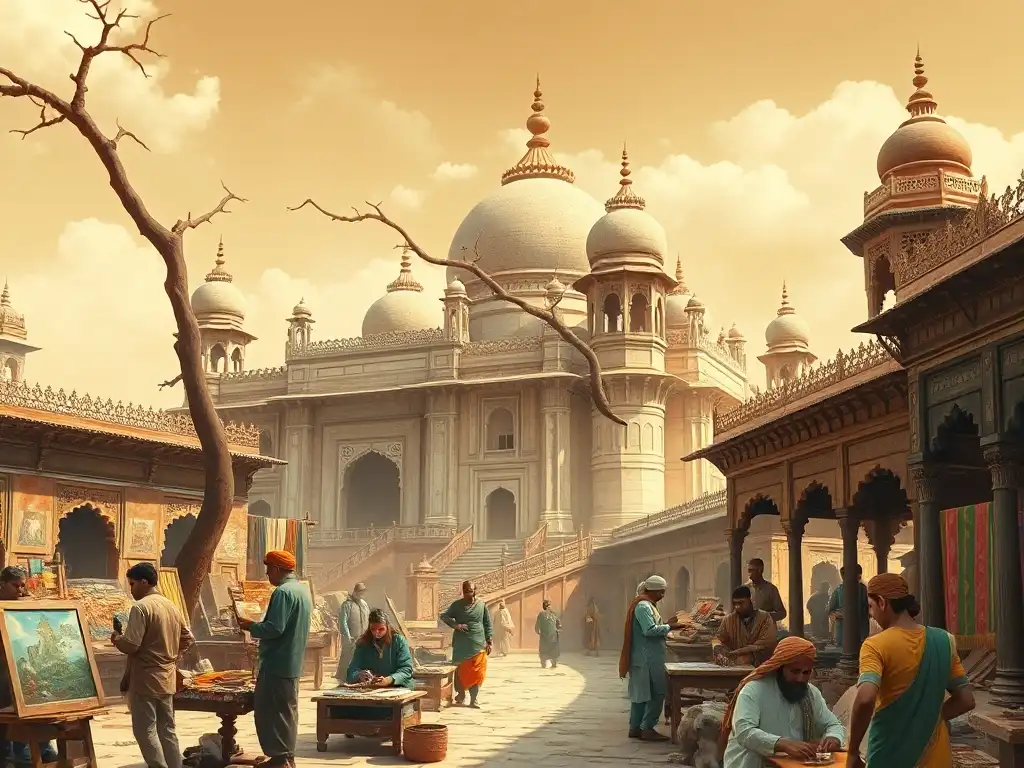
Northern Indian art history is deeply intertwined with the region's diverse cultural, religious, and political landscapes. Over centuries, art in Northern India evolved, reflecting the influences of various dynasties, religions, and socio-economic changes. This context is essential to understanding how Northern Indian art laid the foundational aesthetic and thematic frameworks for later Indian cultures.
The art of Northern India can be traced back to significant periods, starting with the Indus Valley Civilization (approximately 2500-1900 BCE), which showcased advanced urban planning and artistic craftsmanship. However, it was during the Maurya Empire (322-185 BCE) that art began to flourish significantly, particularly under the patronage of Emperor Ashoka, whose reign led to the creation of iconic sculptures and stupas, such as the Sanchi Stupa.
As time progressed, Northern Indian art absorbed various influences, notably from Buddhism, Hinduism, and Jainism, each contributing unique elements to the artistic narrative. The Gupta period (approximately 320-550 CE) is often hailed as the Golden Age of Indian art, marked by remarkable advancements in sculpture, painting, and architecture.
In subsequent centuries, the emergence of regional kingdoms and the influence of Islamic art during the Delhi Sultanate and Mughal Empire introduced new styles and motifs, which further enriched the art landscape. The syncretism of these diverse influences created a vibrant tapestry of artistic expression that continues to resonate in contemporary Indian art.
Timeline of Key Art Movements in Northern India
| Period | Key Features and Contributions |
|---|---|
| Indus Valley Civilization | - Terracotta figurines and seals - Urban architectural planning |
| Maurya Empire | - Edicts of Ashoka - Pillar and stupa architecture |
| Gupta Period | - Development of classical sculpture - Ajanta and Ellora caves |
| Medieval Period | - Regional styles emerge - Influence of Jain and Hindu themes |
| Delhi Sultanate | - Introduction of Islamic motifs - Architectural innovation |
| Mughal Empire | - Fusion of Persian and Indian styles - Miniature painting |
| Colonial Period | - Revival of traditional arts - Western influences on Indian art |
This timeline illustrates the evolution of Northern Indian art forms, marking notable periods and their respective contributions to the broader narrative of Indian art history.
Major Influences on Northern Indian Art Forms
Northern Indian art history is characterized by a confluence of influences that shaped its unique styles and themes. These influences can be categorized into several key areas:
- Religious Influences:
- Hinduism: The depiction of deities, mythological narratives, and cosmic themes became central to the art of Northern India. Temples such as those in Khajuraho and Vrindavan showcase intricate carvings that narrate stories from Hindu texts.
- Buddhism: The emergence of stupas and sculptures of the Buddha, particularly during the Maurya and Gupta periods, played a crucial role in shaping the art landscape. The Gandhara school, known for its Greco-Buddhist style, exemplifies this influence.
- Jainism: Jain art emphasized intricate detail and symbolism, focusing on Tirthankaras and the principles of non-violence and asceticism.
- Political Patronage:
- Various dynasties, including the Mauryas, Guptas, and Mughals, provided patronage to artists, facilitating the creation of monumental artworks. The Mughal emperors, in particular, were instrumental in blending Persian and Indian artistic traditions, resulting in stunning architectural masterpieces like the Taj Mahal.
- Cultural Syncretism:
- The interaction between different cultures through trade and conquests led to the exchange of artistic ideas and techniques. This syncretism is evident in the vibrant Mughal miniatures that incorporate indigenous themes alongside Persian aesthetics.
- Regional Variations:
- Different regions within Northern India developed their distinct styles, influenced by local traditions, materials, and available resources. For instance, the Pahari miniatures from the Himalayan foothills reflect local themes and landscapes, while the Rajput styles emphasize bold colors and intricate details.
Through this rich and diverse tapestry of influences, Northern Indian art history not only reflects the region's past but also continues to inspire contemporary artists and art forms. The legacy of Northern Indian art remains a vital component of India’s cultural heritage, offering insights into the complexities of its history and identity.
Characteristics of Northern Indian Art
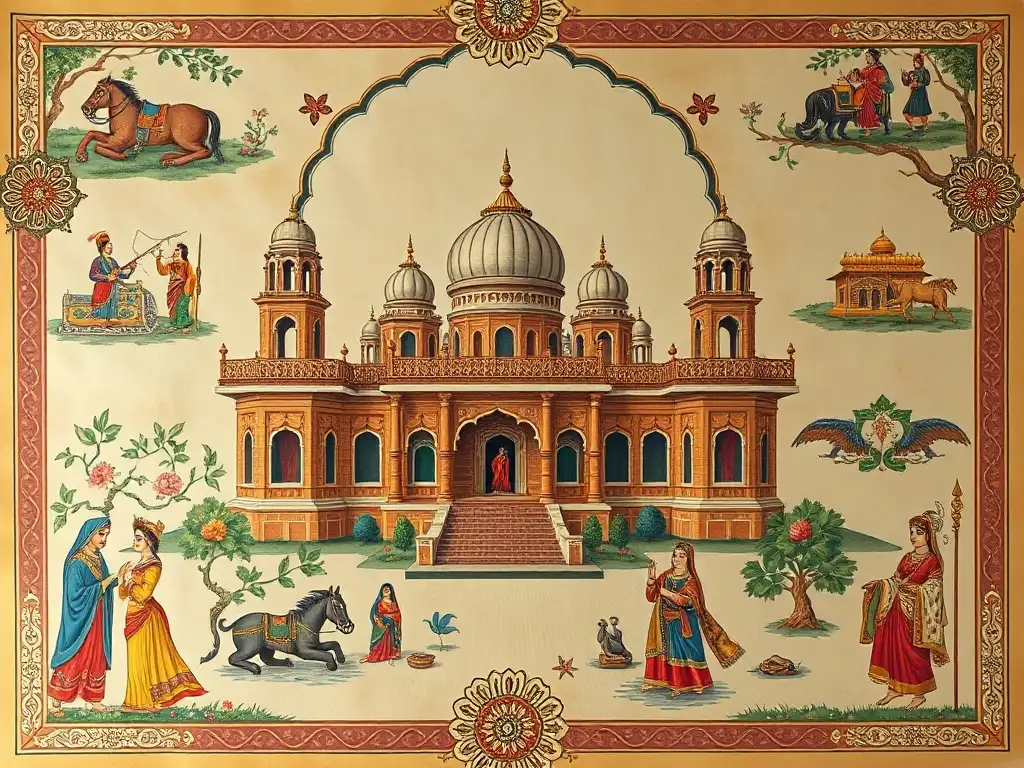
Northern Indian art history is characterized by a rich tapestry of styles, techniques, and thematic elements that reflect the diverse cultural influences throughout the ages. The art produced in this region, spanning from the ancient times of the Indus Valley Civilization to the later eras of the Gupta Empire, showcases a unique blend of indigenous traditions and external influences, resulting in a distinctive artistic identity.
One of the most notable characteristics is the use of vibrant colors and intricate designs. Artists often employed natural pigments to create vivid murals and sculptures, which were essential for religious and ceremonial purposes. The materials used, such as terracotta, stone, and metal, were carefully chosen to enhance the aesthetic appeal and durability of the artworks.
Additionally, Northern Indian art demonstrates a deep connection to spirituality and religion. The art forms often serve as expressions of devotion, with motifs and iconography drawn from Hinduism, Buddhism, and Jainism. This spiritual aspect is evident in the exquisite sculptures of deities and the elaborate frescoes found in temples and monasteries.
Distinct Styles and Techniques in Northern Indian Art
Northern Indian art history encompasses several distinct styles and techniques that evolved over time, influenced by various dynasties and regional variations. Here are some key styles:
- Indus Valley Civilization Art:
- Characterized by seals, pottery, and bronze sculptures.
- Emphasis on naturalistic forms and intricate carvings.
- Mauryan Art:
- Known for the grand Ashoka Pillars and rock-cut architecture.
- Use of polished stone and detailed reliefs depicting animals and floral patterns.
- Gupta Art:
- Renowned for its classical style, showcasing the idealization of human forms.
- Development of the Shikhara style in temple architecture.
- Notable for exquisite sculptures of Buddha and Hindu deities.
- Mughal Art:
- A fusion of Persian and Indian styles, marked by intricate inlay work and lush gardens.
- Emphasis on detailed miniatures and calligraphy.
- Rajput Painting:
- Known for vibrant colors and romantic themes.
- Incorporation of local folklore and legends in the artwork.
These styles not only highlight the technical prowess of the artists but also reflect the socio-political context and cultural exchanges that shaped Northern India throughout its history.
Common Themes and Symbolism in Northern Indian Art
In the exploration of Northern Indian art history, common themes and symbolism play a pivotal role. Artists often delved into spiritual, mythological, and everyday life themes, each carrying significant symbolic meaning.
- Divine Representation:
- Deities are depicted in various forms, often with specific attributes that symbolize their powers. For instance, Durga is typically shown riding a lion, representing strength and courage.
- Nature and Seasons:
- Artworks frequently depict natural elements, such as flora and fauna, symbolizing fertility, prosperity, and the cyclical nature of life.
- Cosmic Order:
- Many pieces illustrate the concept of Dharma (righteousness) and the cosmic order, highlighting the relationship between humans and the universe.
- Historical Narratives:
- Historical and epic tales, such as those from the Mahabharata and Ramayana, are frequently represented in murals and sculptures, emphasizing moral values and heroic deeds.
- Everyday Life:
- Scenes from daily life, including agriculture, festivals, and community gatherings, showcase the socio-cultural fabric of ancient Indian society.
By understanding these themes and symbols, one gains deeper insight into the worldview of the artists and the societies they represented, revealing a profound connection between art and the cultural heritage of Northern India.
The exploration of Northern Indian art history not only highlights the distinctive characteristics, styles, and themes but also offers a glimpse into the rich cultural tapestry that has influenced later Indian civilizations. Through its vibrant colors, intricate designs, and deep spiritual connections, Northern Indian art remains a significant pillar of India's artistic legacy.
Evolution of Northern Indian Art Through the Ages
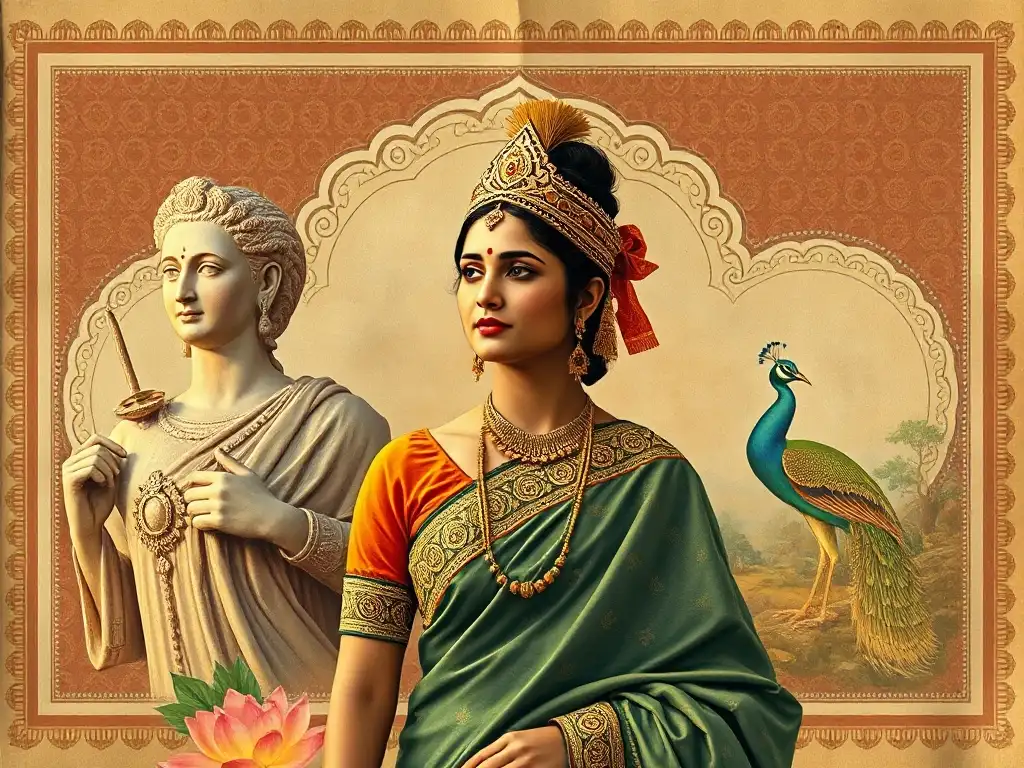
The evolution of Northern Indian art is a complex tapestry woven through centuries, reflecting the region's diverse cultures, philosophies, and historical events. This art history showcases the transition from primitive expressions to sophisticated artistry as influenced by various civilizations and empires.
Prehistoric to Early Historic Art Forms
The roots of Northern Indian art can be traced back to prehistoric times, where artifacts such as cave paintings and simple pottery indicated early humans' creative impulses.
- Cave Paintings: The Bhimbetka rock shelters, dating back to the Mesolithic period, display some of the earliest examples of human creativity. These paintings depict animals, hunting scenes, and human figures, providing insight into the lives of early inhabitants.
- Terracotta Figurines: During the Neolithic period, particularly in sites like the Indus Valley Civilization, terracotta figurines emerged, showcasing craftsmanship and an early understanding of form and representation. These figurines often depicted deities and everyday life, indicating an evolving spiritual and social consciousness.
- Early Historic Art: As we move into the early historic period, evidence from sites like Taxila and Mathura reveals a transition towards more structured artistic forms. The introduction of sculptures and coinage marked a significant development in artistic expression, with motifs drawn from local traditions and religious beliefs.
These early forms laid the groundwork for the more sophisticated art that would develop under the influence of powerful empires in the subsequent centuries.
The Impact of Empires on Northern Indian Art Development
The rise and fall of empires in Northern India profoundly influenced the region's artistic landscape. Each empire contributed unique styles, themes, and techniques that would resonate through later Indian cultures.
Maurya Empire Influence on Art
The Maurya Empire (c. 322–185 BCE) is often credited with the first significant unification of Northern India, which had a remarkable impact on its art.
- Ashoka's Edicts: Emperor Ashoka, known for his conversion to Buddhism, commissioned the creation of numerous stupas and pillars adorned with intricate carvings. The Lion Capital of Ashoka, now the national emblem of India, exemplifies the technical prowess and symbolic depth of Mauryan art.
- Sculptural Techniques: The Mauryan period saw the refinement of stone-carving techniques, particularly in sandstone. The use of polished surfaces and detailed reliefs became hallmarks of this period, influencing the subsequent artistic endeavors of the region.
- Buddhist Art: The Mauryan Empire played a pivotal role in the dissemination of Buddhist art across Northern India. The depiction of Buddhist themes in the form of stupas and sculptures marked a shift towards religiously inspired art, setting a precedent for future artistic expression.
Gupta Empire and its Artistic Contributions
The Gupta Empire (c. 240–550 CE) is often referred to as the "Golden Age" of India, particularly in the realm of art and culture.
- Classical Sculpture: This era produced some of the finest examples of Indian sculpture, with a focus on the human form and divine figures. The Buddha statues from this era, characterized by their serene expressions and graceful postures, became templates for Buddhist iconography throughout Asia.
- Cave Architecture: The Gupta period also saw the rise of rock-cut architecture, with the Ajanta and Ellora Caves demonstrating masterful artistry in both sculpture and painting. These caves are adorned with frescoes that narrate stories from the Jataka tales, showcasing the integration of visual narrative with spiritual teachings.
- Influence on Later Art: The techniques and styles developed during the Gupta period had a lasting impact on Indian art. The emphasis on proportion, posture, and the use of vibrant colors influenced later dynasties, ensuring that Gupta artistic contributions remained relevant in the annals of Indian art history.
The evolution of Northern Indian art through these periods illustrates a rich dialogue between culture, religion, and artistry, establishing a foundation that continues to inspire and influence artistic expressions in contemporary India.
The Influence of Northern Indian Art on Later Indian Cultures
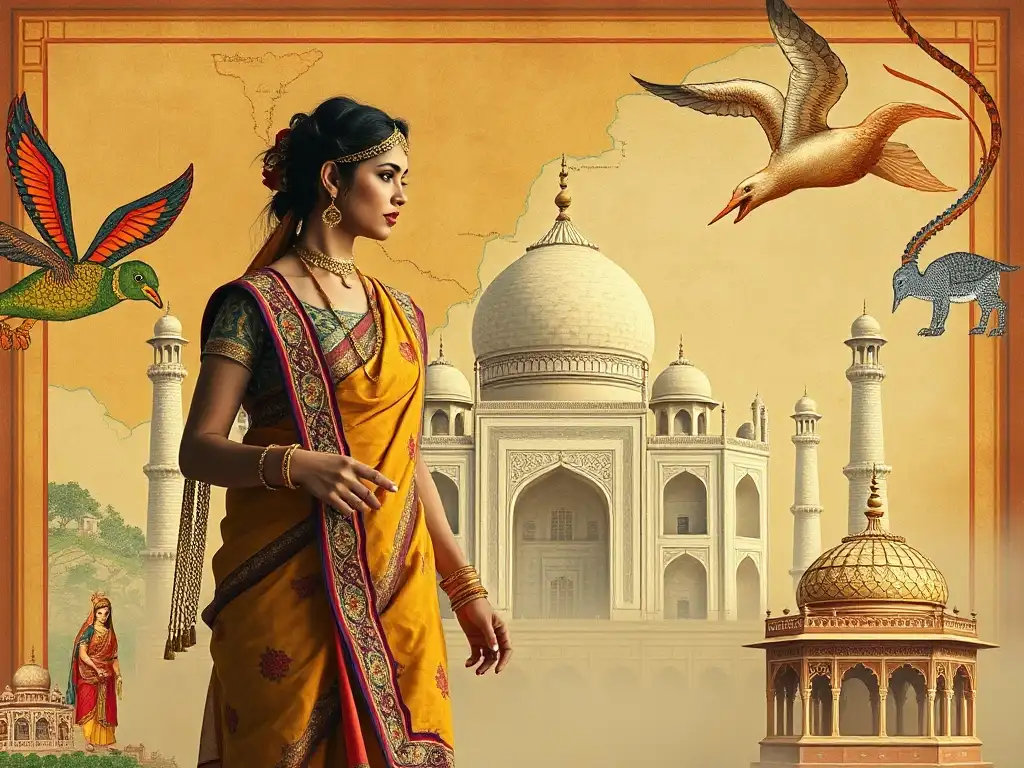
Artistic Borrowing and Adaptation in Southern India
The artistic traditions of Northern India have profoundly influenced the art and architecture of Southern India, particularly during the medieval period. This influence can be seen through various forms of artistic borrowing and adaptation, where Southern Indian artists incorporated elements from Northern Indian styles into their own regional practices.
- Temple Architecture:
- The Dravidian temple architecture of Southern India began to reflect features reminiscent of Northern styles, particularly during the Chola period. For instance, the intricate carvings and tall shikharas (spire-like structures) found in temples such as the Brihadeeswarar Temple at Thanjavur exhibit influences from Northern Indian temples.
- The use of verticality and ornate embellishments in temple gateways (gopurams) also shows Northern Indian artistic influence, merging with the local aesthetic to create a unique architectural language.
- Sculptural Techniques:
- The craftsmanship of stone sculptures in Southern India began to evolve, integrating the finesse of Northern Indian techniques. For example, the depiction of deities in a more dynamic and expressive manner can be traced back to the stylistic approaches used in Northern sculptures, particularly during the Gupta period.
- Additionally, the introduction of narrative relief sculptures, which tell stories through a series of figures, became more prominent in Southern India, showcasing Northern influences.
- Painting Styles:
- The painting styles of the Pahari region in Northern India had a significant impact on Southern Indian painting. The vibrant colors and intricate detailing in the Mysore and Tanjore paintings echo the stylistic choices found in Northern Indian miniature paintings.
- The thematic elements, often revolving around mythology and royal court life, saw a cross-pollination of ideas that enriched the visual culture of both regions.
Northern Indian Art's Impact on Mughal and Rajput Styles
The Mughal and Rajput schools of art are perhaps among the most significant examples of how Northern Indian art influenced subsequent artistic traditions. The synthesis of various regional styles under the Mughal Empire led to the emergence of a unique artistic identity that combined Persian influences with indigenous artistic practices.
- Mughal Miniature Paintings:
- Mughal miniature paintings, characterized by their meticulous detail and vibrant color palettes, drew heavily from the artistic vocabulary of Northern Indian traditions. Artists such as Basawan and Manohar, who worked during the reign of Akbar, exemplified this blend of styles.
- The use of naturalistic landscapes and intricate human figures in Mughal paintings can be traced back to earlier Northern Indian art forms, which emphasized realism and emotional expression.
- Rajput Painting:
- The Rajput schools of painting, which flourished in princely states, also absorbed influences from Northern Indian art. The fusion of Mughal techniques with local themes resulted in distinctive styles, such as the Bundi and Mewar schools, which depicted court life, battles, and romantic narratives.
- The vibrant use of color and decorative elements in Rajput paintings is reminiscent of Northern Indian art, showcasing a blend that celebrates both the Mughal influence and regional identity.
- Architectural Synthesis:
- Northern Indian architectural styles significantly impacted Mughal constructions, leading to the development of iconic structures such as the Taj Mahal. The incorporation of domes, intricate inlay work, and symmetrical layouts reflected a dialogue between Northern and Mughal architectural practices.
- Similarly, Rajput forts and palaces, like those in Jaipur and Udaipur, display a fusion of Northern Indian architectural elements with local traditions, resulting in a rich tapestry of cultural heritage.
The Spread of Northern Indian Art Techniques Across Asia
The influence of Northern Indian art extends beyond the subcontinent, reaching various parts of Asia through trade, cultural exchanges, and conquests. This cross-cultural interaction facilitated the dissemination of Northern Indian artistic techniques and ideas, leading to significant artistic developments in other regions.
- Influence on Southeast Asian Art:
- Northern Indian art played a pivotal role in shaping the artistic traditions of Southeast Asia, particularly during the period of Indianization. Temples like Angkor Wat in Cambodia exhibit architectural features and iconography inspired by Northern Indian styles, reflecting the spread of Hinduism and Buddhism.
- The intricate stone carvings and reliefs found in Southeast Asian temples often mirror Northern Indian artistic practices, demonstrating the enduring legacy of Northern Indian art across the region.
- Cultural Exchange Along Trade Routes:
- The Silk Road and maritime trade routes facilitated the exchange of artistic techniques and materials between Northern India and other Asian cultures. This exchange allowed for the introduction of Northern Indian motifs and styles into Chinese and Tibetan art, particularly during the Tang and Ming dynasties.
- Buddhist art in China, influenced by Northern Indian styles, incorporated similar iconography and sculptural techniques, highlighting the interconnectedness of Northern Indian art within the broader Asian context.
- Artistic Dialogues with Persia:
- The Mughal Empire's establishment of diplomatic and cultural ties with Persia led to a significant exchange of artistic ideas. This interaction enriched both Northern Indian and Persian art, resulting in a unique fusion that can be seen in the intricate designs and motifs of Persian miniatures and Mughal paintings.
- The adoption of Persian calligraphy and decorative patterns in Northern Indian art underscores the cross-cultural influences that shaped the artistic landscape of the region.
The influence of Northern Indian art on later Indian cultures is a testament to its dynamic and transformative nature. Through artistic borrowing, synthesis with other styles, and the spread of techniques across Asia, Northern Indian art has left an indelible mark on the visual heritage of the subcontinent and beyond.
Notable Examples of Northern Indian Art Influence
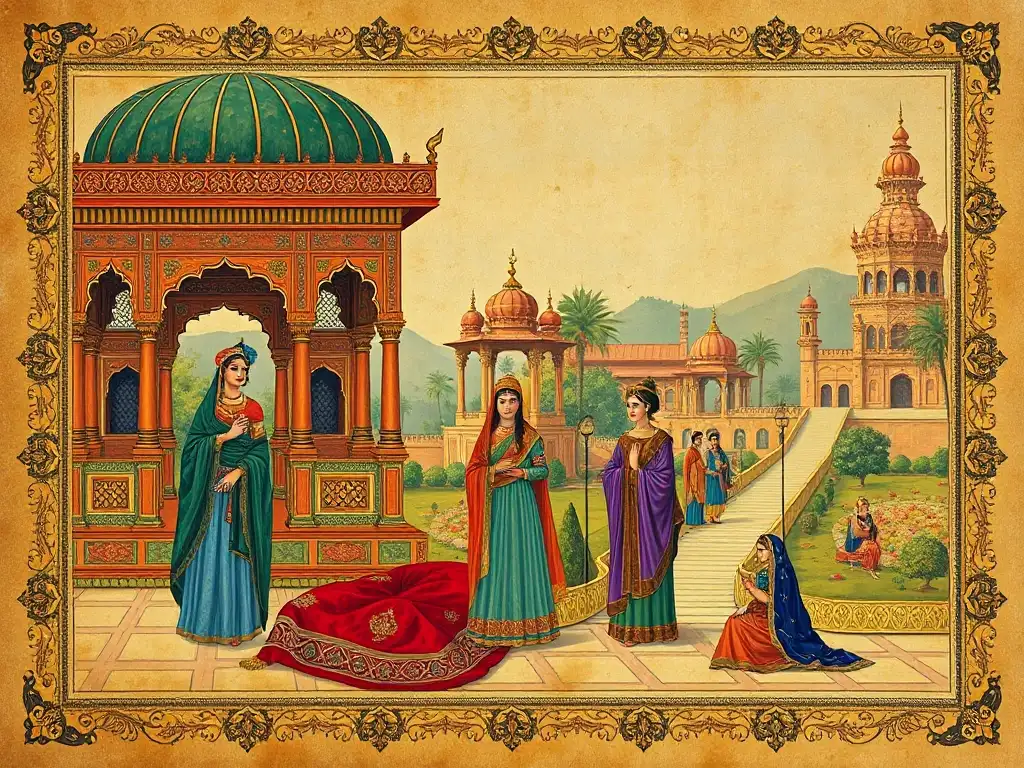
Northern Indian art has profoundly influenced the visual and cultural landscape of India and beyond, providing a rich tapestry of styles, techniques, and themes that have transcended time and geography. This section highlights some notable examples of this influence, showcasing iconic artworks and the contributions of distinguished artists.
Iconic Artworks and Their Historical Significance
The Northern Indian art scene is marked by numerous iconic artworks, each carrying historical significance that reflects the social, political, and religious milieu of their times. Here are some exemplary pieces that stand out:
- Ajanta Caves Paintings
- Location: Maharashtra
- Period: 2nd century BCE to 6th century CE
- These frescoes depict Jataka tales and Buddhist themes, showcasing exquisite techniques in color and composition. The naturalistic representation of figures and the intricate detailing highlight the advanced artistic skills of the time. The Ajanta paintings significantly influenced later Indian mural traditions and inspired artists across centuries.
- Sculptures of Khajuraho
- Location: Madhya Pradesh
- Period: 950 to 1050 CE
- Renowned for their intricate carvings and erotic sculptures, the temples of Khajuraho not only reflect the architectural prowess of the Chandela dynasty but also their rich cultural narratives. The sculptures embody themes of love, nature, and spirituality, influencing temple architecture and sculptural styles in subsequent Indian art forms.
- Miniature Paintings of Mughal Era
- Period: 16th to 18th century
- The Mughal miniature paintings, characterized by their detailed and vibrant depictions of court life, nature, and mythology, illustrate the fusion of Persian and Indian styles. Artists like Basawan and Manohar introduced new techniques and themes that laid the groundwork for future artistic expressions, influencing regional styles across India.
- The Bronze Statues of Gupta Period
- Period: 4th to 6th century CE
- Gupta bronze sculptures, such as the famous statue of Vishnu, represent a pinnacle of artistic achievement. Their naturalism and devotion to divine form inspired the development of temple sculptures and bronze craftsmanship in later periods, significantly impacting the evolution of Indian iconography.
Case Studies of Influential Artists and Their Contributions
Northern India has been home to numerous artists whose contributions have left an indelible mark on the art history of the region. Here are two prominent figures whose works exemplify the influence of Northern Indian art:
- Raja Ravi Varma
- Period: 1848 to 1906
- As a pioneering artist, Raja Ravi Varma is celebrated for his ability to blend traditional Indian themes with European painting techniques. His paintings of mythological figures and scenes, such as "Shakuntala" and "The Birth of the War God," not only popularized Indian mythology but also set a precedent for modern Indian art. Varma’s work helped shape the visual representation of Indian culture in the 19th century and beyond, influencing countless artists and establishing the groundwork for contemporary Indian art.
- Nandalal Bose
- Period: 1882 to 1966
- A prominent figure in the Bengal Renaissance, Nandalal Bose is known for his role in the revival of traditional Indian arts through the lens of modernism. His work at the Santiniketan school emphasized indigenous techniques and folk styles, bridging the gap between ancient traditions and modern expressions. Bose's influence extended to the establishment of the Indian Society of Oriental Art, which sought to promote the appreciation of Northern Indian art forms. His use of natural materials and themes inspired future generations of artists to explore their cultural heritage.
Through the lens of these iconic artworks and influential artists, it becomes evident that Northern Indian art history is not merely a reflection of its time but a dynamic force that has shaped the broader narrative of Indian culture and identity.
Conclusion: The Lasting Legacy of Northern Indian Art
The legacy of Northern Indian art is profound and enduring, playing a pivotal role in shaping the artistic landscape of India and beyond. From the intricate sculptures of the Gupta period to the vibrant frescoes of the Mughal Empire, Northern Indian art not only reflects the socio-political dynamics of its time but also showcases the rich cultural amalgamation that has occurred over centuries.
The techniques, themes, and iconography developed during this period have influenced various art forms across the subcontinent, contributing to a shared cultural heritage that transcends regional boundaries. The enduring appeal of Northern Indian art can be seen in contemporary forms, where traditional motifs and styles are reinterpreted in modern contexts, ensuring that the legacy remains alive and relevant.
Reflection on the Importance of Northern Indian Art History
Northern Indian art history serves as a critical lens through which we can understand the evolution of artistic expression in the subcontinent. It highlights the interconnectivity between different regions, religions, and communities, illustrating how art has been a medium for dialogue and exchange.
- Cultural Significance: The art produced in Northern India often reflects the philosophical and religious currents of the time, providing insights into the values and beliefs of ancient civilizations. For instance, the emphasis on spirituality in the art of the Maurya and Gupta empires reveals the importance of religion in daily life and governance.
- Technical Innovations: The period saw significant advancements in artistic techniques, including the development of new materials and methods. The use of vibrant pigments, intricate stone carvings, and detailed frescoes exemplifies the high level of craftsmanship achieved by ancient artisans.
- Cross-Cultural Influences: Northern Indian art has absorbed influences from various cultures, including Persian, Central Asian, and indigenous styles. This cross-pollination has enriched the artistic traditions, creating a unique synthesis that characterizes much of India's historical art.
Future Directions for Research in Northern Indian Art Influence
As we look to the future, there are several avenues for further research in the field of Northern Indian art history that can deepen our understanding of its impact on later cultures:
- Interdisciplinary Approaches: Scholars can benefit from integrating methodologies from archaeology, anthropology, and cultural studies to explore the broader socio-cultural contexts of Northern Indian art. This can lead to a more holistic understanding of how art reflects and influences societal changes.
- Digital Humanities: The use of technology in documenting and analyzing Northern Indian art can open new pathways for research. Digital archives, 3D modeling of artifacts, and virtual reconstructions of ancient sites can enhance accessibility and engagement with the art form.
- Global Comparisons: Investigating the parallels between Northern Indian art and contemporaneous art movements in other regions can yield insights into global artistic trends. Such comparative studies can illuminate the shared human experiences that transcend geographical boundaries.
- Preservation and Conservation: Research focused on the preservation of ancient artworks is crucial. As many sites face threats from environmental factors and urban development, it is imperative to develop strategies that protect these invaluable cultural treasures for future generations.
The rich tapestry of Northern Indian art history offers a wealth of knowledge and a profound legacy that continues to inspire and inform both contemporary artists and historians. As we advance our research efforts, we can ensure that this legacy not only endures but flourishes in the modern artistic landscape.
Frequently Asked Questions
What are the main characteristics of Northern Indian art history?
Northern Indian art history is characterized by its intricate sculptures, vibrant frescoes, and unique architectural styles, reflecting a blend of various cultural influences and religious themes.
How did the Indus Valley Civilization contribute to Northern Indian art?
The Indus Valley Civilization contributed significantly through its advanced urban planning, artistic craftsmanship, and the use of terracotta figurines, which laid the groundwork for later artistic developments in the region.
What role did the Gupta Empire play in the development of Northern Indian art?
The Gupta Empire is known as a golden age for art, where classical styles flourished, leading to remarkable achievements in sculpture, painting, and the establishment of temple architecture that influenced future generations.
How did religion influence Northern Indian art?
Religion played a crucial role in shaping Northern Indian art, with Hinduism, Buddhism, and Jainism inspiring numerous artworks that depicted mythological themes and spiritual ideals.
What is the significance of iconography in Northern Indian art history?
Iconography in Northern Indian art provides a visual language that conveys cultural beliefs, historical narratives, and the philosophical concepts of the time, making it essential for understanding the region's artistic heritage.
Final Reflection: The Enduring Legacy of Northern Indian Art
The exploration of Northern Indian art history reveals its profound influence on the cultural tapestry of India today. As we delve into the intricate patterns, vibrant colors, and spiritual themes that characterize this art form, we uncover a legacy that continues to shape contemporary artistic expressions and cultural identities. The resonance of these historical narratives reminds us that art is not merely a reflection of the past but a living dialogue that informs our present and future.
Cultural heritage is a powerful force that binds communities and inspires creativity. The impact of Northern Indian art can be seen in various aspects of modern life, from architecture to fashion, and even in the digital realm. As we navigate through this rich artistic landscape, we recognize that these influences are not confined to history books; they are actively woven into the fabric of our daily experiences. Art is the most beautiful of all lies.
– Claude Debussy. This quote encapsulates the essence of how art transcends time, allowing us to connect with our roots while inspiring innovation.
As you reflect on the themes presented in this article, consider how the lessons of Northern Indian art can inspire your own creative journey. Embrace the rich heritage that surrounds you, and let it inform your perspective and actions. Whether you are an artist, a historian, or simply an admirer of beauty, take a moment to engage with the art that speaks to you. Allow it to inspire your creativity, deepen your understanding of cultural connections, and encourage you to contribute to the ongoing narrative of art and culture in your own unique way.
Unveil the Rich Legacy of Northern Indian Art Today!
Thank you for taking the time to explore the fascinating world of Northern Indian art and its profound impact on later Indian cultures. We hope you gained valuable insights that inspire you to delve deeper into this captivating subject.
Now, let's take action and embrace the beauty of this art form:
- Explore local exhibitions or museums showcasing Northern Indian art to experience the vibrant colors and intricate designs firsthand.
- Join a community group or forum dedicated to Indian art to share your thoughts and learn from fellow enthusiasts.
- Create a visual diary documenting your favorite pieces or styles, blending your interpretations with historical insights to deepen your understanding.
What aspect of Northern Indian art resonates with you the most, and how do you plan to incorporate it into your life or creative projects?