
The Impact of Women in Ancient Indian Trade and Economy

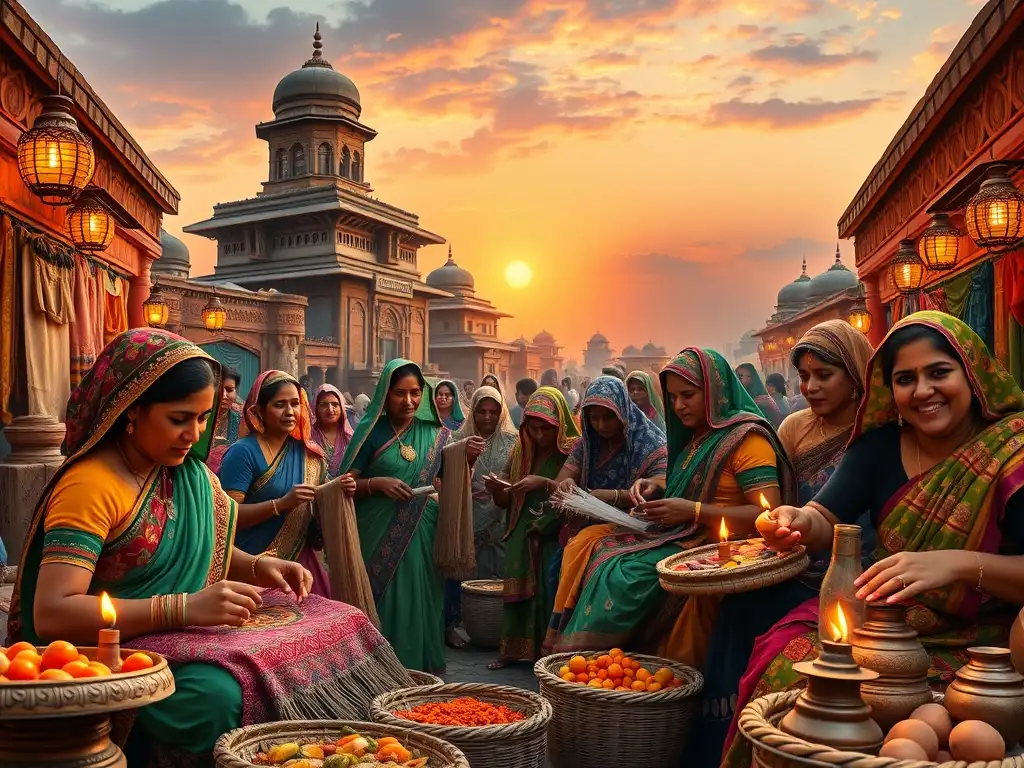
Welcome to Ancient India History, where we embark on a journey through the fascinating tapestry of India's past, rich with diverse civilizations and cultural contributions. In this exploration, we delve into a pivotal yet often overlooked aspect: the impact of women in ancient Indian trade and economy. Their roles not only shaped commerce but also influenced societal structures in ways that continue to resonate today.
As you navigate through our articles, prepare to uncover the remarkable stories and contributions of these women that challenge conventional narratives. Join us as we unravel the intricate connections between gender and trade in ancient India, sparking curiosity and revealing the depth of their legacy.
Introduction to Women in Ancient Indian Trade
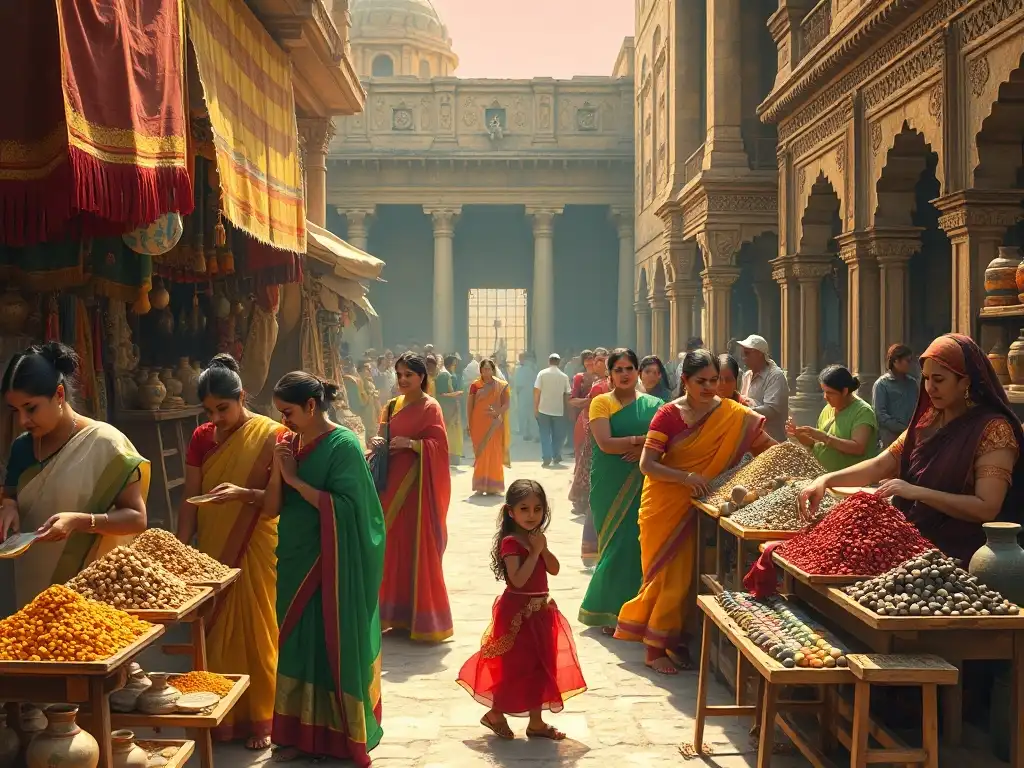
The role of women in ancient Indian trade and economy is a fascinating yet often overlooked aspect of history that reveals much about the social fabric of ancient civilizations. From the bustling markets of the Indus Valley to the thriving trade networks of the Gupta Empire, women were not merely passive participants but played active and influential roles in economic activities.
Their contributions shaped trade practices, influenced market dynamics, and left an indelible mark on the economic landscape of ancient India. Understanding the significance of women in ancient Indian trade not only highlights their economic prowess but also sheds light on their broader societal roles and contributions.
Overview of Women's Roles in Ancient Indian Economy
Women in ancient India were involved in various economic activities that spanned agriculture, textile production, and trade. They were integral to household economies, often managing resources and engaging in the trade of goods, particularly in local markets. In many instances, women were the primary producers of textiles, pottery, and food items, which were essential for both local consumption and trade. Their roles extended beyond mere production; women often acted as traders themselves, negotiating prices and establishing networks that facilitated the exchange of goods.
- Production: Women produced textiles, pottery, and food items.
- Trade: They engaged in local market trading.
- Negotiation: Women often negotiated prices and established trade networks.
Significance of Trade in Ancient Indian Civilizations
Trade was a cornerstone of ancient Indian civilizations, fostering economic growth and cultural exchange. The exchange of goods and services not only contributed to wealth accumulation but also facilitated interactions between different cultures and regions. Women's participation in trade enhanced their status within society, allowing them to exert influence in both economic and social spheres. The significance of trade is further highlighted by the emergence of urban centers, which served as hubs for commercial activities where women contributed significantly to the economy.
Historical Context of Trade in Ancient India
To understand the impact of women in trade, it is essential to examine the historical context of trade in ancient India. The region's strategic geographical location made it a pivotal player in trade networks that spanned from the Mediterranean to the East Asia. The flourishing trade routes facilitated the exchange of not only goods but also ideas, cultures, and technologies, with women contributing significantly to these exchanges.
Trade Routes and Networks in Ancient India
Ancient India was crisscrossed by an intricate web of trade routes, including the famous Silk Road and maritime routes connecting India to other civilizations. These routes enabled the movement of various commodities such as spices, textiles, and precious stones. Women participated in trade along these routes, often acting as merchants or traders who specialized in certain goods. Their involvement in long-distance trade is indicative of their economic agency and the trust placed in them by their communities.
- Silk Road: Connected India to the Mediterranean and beyond.
- Maritime Routes: Facilitated trade with East Asia and Africa.
- Women as Merchants: Specialized in particular goods and engaged in long-distance trade.
Key Economic Activities and Sectors Involving Women
In ancient India, women were engaged in a wide array of economic activities that contributed to the overall prosperity of their communities. Key sectors included agriculture, textiles, and craftsmanship. In agriculture, women played a vital role in planting and harvesting crops, while in textiles, they were often the primary weavers and dyers. Additionally, their contributions to craftsmanship, such as pottery and jewelry-making, were significant in both local and trade markets.
- Agriculture: Involvement in planting and harvesting.
- Textiles: Primary producers of woven goods.
- Craftsmanship: Pottery and jewelry-making for trade.
Understanding these economic activities provides insight into the multifaceted roles of women in ancient Indian trade and their lasting impact on the economy and society.
Women Traders in Ancient Indian Society
In ancient Indian society, women played a significant role in trade, contributing to the economic fabric of their communities. Historical texts and archaeological findings suggest that women were actively involved in various facets of trade, from local markets to long-distance commerce. They not only participated as traders but also as artisans and producers, thereby influencing the economic landscape of their times.
Women often managed family businesses, particularly in agrarian societies, where they sold agricultural produce or crafted goods. This involvement was not limited to the confines of home; women frequented markets, negotiating prices and establishing connections with other traders. The presence of women in trade indicates a level of social mobility and empowerment that was quite progressive for ancient civilizations.
Moreover, trade provided women with an opportunity to gain financial independence, allowing them to contribute to their family's wealth and security. Their roles often extended beyond mere trading; they facilitated cultural exchanges and acted as intermediaries in diverse communities, thereby enriching the social fabric.
Prominent Women Figures in Trade
Several notable women are recognized for their significant contributions to trade in ancient India. These figures were not only influential in their economic pursuits but also helped shape societal norms regarding women’s roles in commerce.
- Vashti - Featured in various texts, she was known for her assertiveness in trade matters, often negotiating favorable terms for her family and community.
- Rani Durgavati - A warrior queen who also engaged in trade, she played a pivotal role in establishing trade routes that benefited her kingdom.
- Chand Bibi - Not only a political figure but also an astute trader, she utilized her influence to enhance trade activities in her region.
These women exemplified the potential of female entrepreneurs in ancient India and highlighted the importance of their contributions to the trading community.
Roles and Responsibilities of Women in Trade
Women in ancient Indian trade took on various roles and responsibilities that were integral to the economic system. Their roles can be categorized into several key areas:
- Management: Many women managed family businesses, overseeing operations, and making strategic decisions that influenced profitability.
- Production: Women were often involved in the production of goods, such as textiles, pottery, and jewelry, which were essential for trade.
- Negotiation: They frequently acted as negotiators in trade deals, using their interpersonal skills to strike favorable bargains.
- Market Participation: Women actively participated in local markets, both selling goods and purchasing supplies, thereby driving local economies.
This multifaceted involvement underscores the vital role women played in sustaining and growing the trade networks of ancient India.
Contributions of Women to Ancient Indian Economy
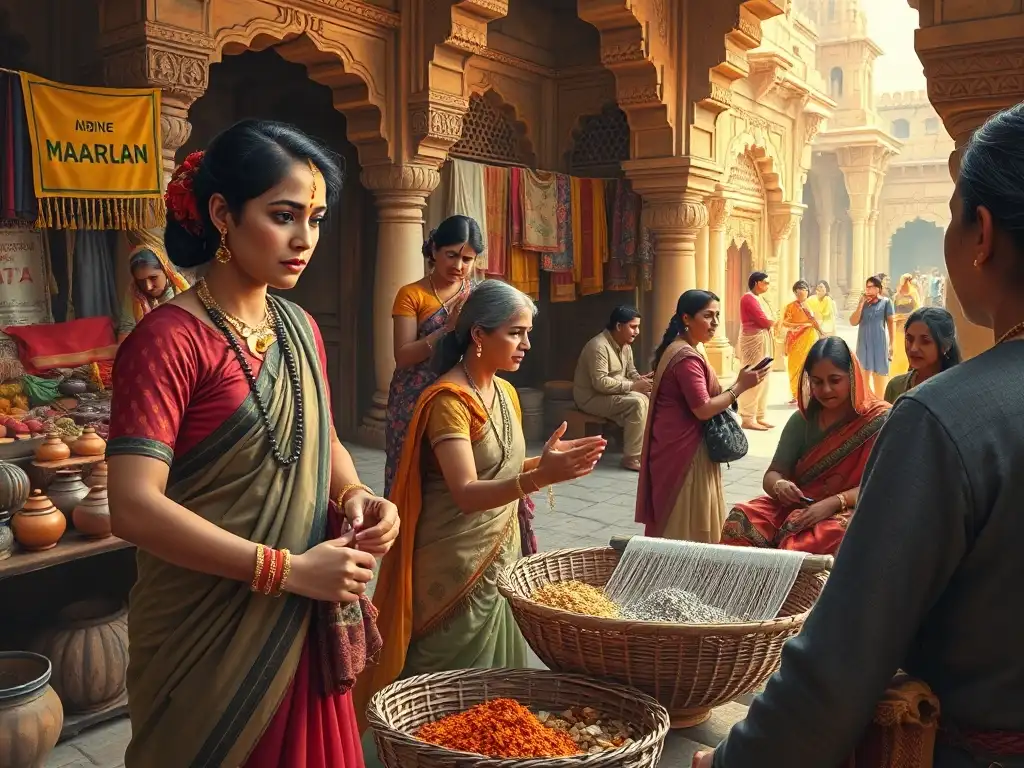
The contributions of women to the ancient Indian economy were profound and multifaceted. Their roles extended beyond traditional boundaries, shaping economic practices and influencing trade dynamics.
Women contributed significantly to agricultural productivity, which was the backbone of the economy. By engaging in farming and selling surplus produce, they ensured food security and economic stability. Additionally, their roles in the textile and handicraft industries spurred local economies, with many women artisans producing goods for both local consumption and export.
The economic activities of women not only enriched their families but also stimulated broader economic growth, leading to the development of trade routes and markets that fostered commerce.
Economic Impact of Women in Trade
The economic impact of women in ancient Indian trade can be seen in several areas:
- Increased Economic Activity: Women's involvement in trade generated additional economic activities, contributing to the overall growth of markets.
- Job Creation: Their entrepreneurial ventures led to the creation of jobs for other women and men, fostering economic interdependence within communities.
- Cultural Exchange: As traders, women facilitated cultural exchanges, bringing new ideas, products, and practices that enriched local economies and societies.
This active participation in trade helped to elevate the status of women in society, allowing them to influence economic decisions and policies.
Influence on Local and Regional Markets
Women had a notable influence on local and regional markets in ancient India. Their roles as traders and producers allowed them to shape market dynamics in several ways:
- Market Diversity: Women introduced a diverse range of products, from agricultural goods to handcrafted items, which enriched market offerings and attracted more buyers.
- Community Building: Through their participation in trade, women fostered community ties, creating networks that supported local economies and enhanced social cohesion.
- Adaptation to Market Trends: Women were adept at adapting to changing market demands, ensuring that their offerings met consumer needs and preferences.
This influence not only solidified women’s roles in the economic sphere but also contributed to a more vibrant and resilient market structure in ancient India.
Cultural Perspectives on Women in Trade
The role of women in ancient Indian trade is often examined through the lens of cultural perspectives that shaped their participation and influence in economic activities. In many ancient Indian societies, women were viewed as integral to both household and economic functioning. Their involvement in trade was not merely a personal endeavor; it was often seen as an extension of their familial responsibilities and social roles.
Cultural norms and practices varied significantly across regions and periods, affecting women's engagement in trade. In some areas, women actively participated in local markets, selling handmade goods, textiles, and agricultural products. In contrast, other societies imposed stricter limitations on women's public interactions. Nevertheless, the existence of female traders in various historical records indicates that, despite societal constraints, women found ways to navigate and influence trade networks.
Moreover, the intersection of gender and caste played a crucial role in trade dynamics. Women from higher castes often engaged in trade through familial connections, while those from lower castes had more autonomy and direct involvement in market activities. This diversity in experience highlights the complex cultural attitudes towards women in trade, showcasing their adaptability and resourcefulness in economic roles.
Societal Attitudes towards Women Traders
Societal attitudes towards women traders in ancient India were multifaceted, often oscillating between admiration and restriction. On one hand, women who excelled in trade were sometimes celebrated for their entrepreneurial spirit and skills. They contributed significantly to local economies and were recognized for their knowledge of market trends and customer preferences.
On the other hand, societal norms frequently sought to confine women to domestic spheres. These norms were influenced by broader philosophical and religious beliefs, which often prioritized male authority and lineage. Despite these constraints, many women defied expectations and actively participated in trade, often gaining respect within their communities for their contributions.
Additionally, the perception of women traders varied depending on the economic context. In bustling trade hubs or urban centers, women were more likely to find opportunities for economic engagement, while in rural areas, their roles were often limited to subsistence activities. These societal attitudes shaped not only the opportunities available to women but also their legacy in the history of trade in ancient India.
Representation of Women in Ancient Texts and Artifacts
The representation of women in ancient texts and artifacts provides valuable insights into their roles in trade. Literary sources such as Manusmriti, Arthashastra, and various Puranas offer glimpses into the economic practices of the time, including references to women engaging in trade and commerce. These texts often mention women as merchants, craftswomen, and entrepreneurs, illustrating their active participation in economic life.
Artifacts such as pottery, textiles, and inscriptions from ancient marketplaces further corroborate women's involvement in trade. The remnants of ancient marketplaces, particularly in urban centers like Pataliputra and Taxila, reveal evidence of women's crafts and goods being sold, indicating their significant role in local economies.
Moreover, depictions in sculptures and paintings often illustrate women engaged in various economic activities, from weaving and pottery to selling goods in the market. Such representations reflect not only the economic contributions of women but also the cultural recognition of their roles in society.
Case Studies of Women in Ancient Indian Trade
The study of women in ancient Indian trade is enriched by specific case studies that highlight their contributions and influence. These examples illustrate the diverse roles women played across different regions and periods, showcasing their impact on trade dynamics.
Examples of Notable Women Traders
Historical records point to several notable women who made significant contributions to trade in ancient India. One prominent figure is Vasavadatta, a merchant woman from the Gupta period, renowned for her extensive trade network and acumen. Vasavadatta's success in trade not only elevated her status but also served as an inspiration for other women.
Another example includes Aditi, a trader from the coastal regions who specialized in maritime trade. Aditi established crucial trade routes with neighboring regions, facilitating the exchange of spices, textiles, and precious stones. Her entrepreneurial spirit demonstrates how women could wield considerable influence in the economic landscape of ancient India.
These case studies highlight that women were not mere participants but often played pivotal roles in shaping trade practices and markets, challenging the notion that their contributions were limited.
Impact of Women on Specific Trade Goods or Markets
Women significantly impacted various trade goods and markets in ancient India, particularly in textiles, pottery, and spices. The textile industry, for instance, was heavily influenced by women who engaged in weaving and dyeing. Their craftsmanship not only met local demands but also facilitated trade with distant lands, as Indian textiles became highly sought after in global markets.
In pottery, women artisans produced unique and intricate designs that reflected regional styles and cultural significance. This craftsmanship contributed to local economies and established trade routes, as pottery was a valuable commodity in both domestic and international markets.
Women also played a crucial role in the spice trade, particularly in regions like Kerala and the Malabar Coast. Their involvement in cultivating, harvesting, and trading spices allowed them to establish powerful networks, making significant contributions to the economy while also influencing culinary traditions across cultures.
Overall, the impact of women on specific trade goods and markets underscores their essential role in the economic history of ancient India, highlighting their agency and contributions to commerce and trade.
Challenges Faced by Women in Trade
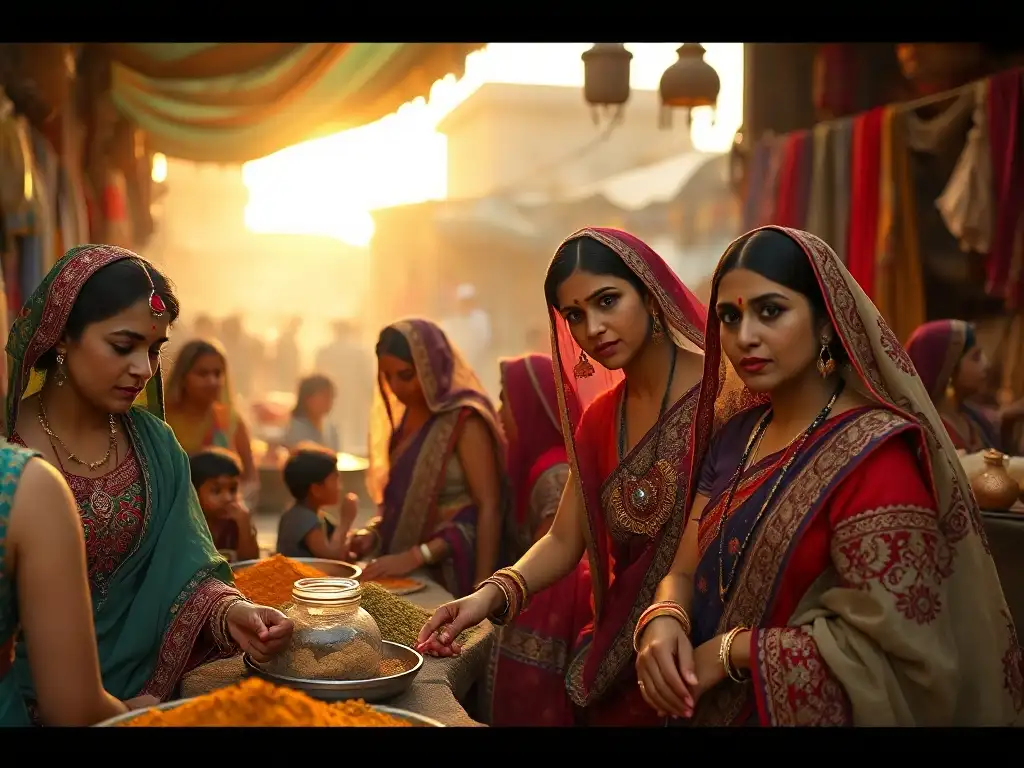
Women in ancient India played a crucial role in trade and economic activities, yet their contributions were often hindered by various challenges. Understanding these obstacles provides insight into the societal structure and economic dynamics of the time. The challenges faced by women can be broadly categorized into societal barriers and economic difficulties, both of which significantly impacted their engagement in trade.
Societal Barriers and Limitations
The societal framework of ancient India imposed significant restrictions on women's participation in trade. Traditional gender roles confined women primarily to domestic responsibilities, limiting their mobility and public presence. Cultural norms often dictated that women should prioritize family and household duties over economic pursuits.
Additionally, patriarchal structures meant that women were frequently viewed as dependents rather than independent economic actors. This perception curtailed their ability to own property or engage in business transactions without male oversight. The fear of social stigma associated with women stepping outside their prescribed roles further discouraged their involvement in trade activities.
Despite these barriers, some women managed to navigate these challenges. They formed networks within their communities, which allowed them to engage in local markets, contribute to family businesses, and establish their own enterprises, albeit on a limited scale.
Economic Challenges in Trade Activities
Economic challenges also posed significant hurdles for women involved in trade. Limited access to resources such as capital, credit, and education restricted their ability to invest in trade activities. Women often lacked formal training in commerce and finance, which made it difficult for them to compete effectively in the marketplace.
Moreover, the economic systems of ancient India were predominantly male-dominated, where men controlled the majority of trade routes and market activities. This disenfranchisement meant that women were often relegated to informal trading roles, such as selling goods in local markets or participating in barter systems, which provided limited economic returns.
Furthermore, the volatility of trade, including fluctuating market conditions and the risks associated with transportation, disproportionately affected women, who had fewer resources to absorb losses. As a result, while women contributed significantly to the economy, their potential remained largely untapped due to these economic constraints.
Legacy of Women in Ancient Indian Trade
The legacy of women in ancient Indian trade is profound, influencing both historical narratives and contemporary societal structures. Their contributions, despite the challenges faced, have left an indelible mark on trade practices and economic frameworks that continue to resonate today.
Lasting Effects on Modern Indian Society
The impact of women in ancient Indian trade extends into modern society, where the foundation laid by their predecessors can still be observed. Today, women's participation in the economy is increasingly recognized as vital for sustainable development. Ancient practices of trade, negotiation, and entrepreneurship have influenced contemporary women's roles in business and commerce.
Moreover, the historical acknowledgment of women in trade has inspired modern movements advocating for gender equality, highlighting the importance of inclusivity in economic activities. As women reclaim their rightful place in the economy, the societal perception of women as integral contributors to trade and commerce continues to evolve.
Lessons Learned from Women’s Contributions to Trade
The contributions of women in ancient Indian trade offer valuable lessons for contemporary society. Their resilience and resourcefulness in overcoming societal and economic barriers serve as a testament to the potential of women as vital economic agents.
Key lessons include the importance of fostering inclusive economic environments that enable women to thrive. Encouraging women's entrepreneurship, providing access to education and resources, and dismantling patriarchal structures are essential steps toward achieving gender equity in trade.
By studying the historical context of women in trade, modern society can better understand the significance of empowering women, not only for economic progress but also for fostering diverse and resilient economies. The legacy of ancient women traders continues to inspire and inform efforts to promote gender equality in contemporary economic practices.
Conclusion
The role of women in ancient Indian trade and economy was multifaceted and crucial to the development of society during those periods. From participating as traders and artisans to influencing the economic decisions within their families and communities, women made significant contributions that shaped the economic landscape of ancient India. Their involvement in trade not only provided economic support but also fostered cultural exchanges, connecting different regions and communities. While historical records often overlook their contributions, a closer examination reveals the vital role women played in sustaining and enriching the economy.
Summary of Women's Impact on Ancient Indian Trade and Economy
Women in ancient India were pivotal in various aspects of trade and economy. They held positions as:
- Traders: Women participated in local markets, selling textiles, pottery, and food items. They were known to run businesses from their homes, managing finances and negotiating prices.
- Artisans: Many women were skilled in crafts such as weaving, pottery, and jewelry-making, contributing to the local economy by producing goods for trade.
- Agricultural Contributors: Women played a significant role in agriculture, working alongside men in fields and managing household economies, which ensured food security and stability in trade.
- Cultural Ambassadors: Through trade, women facilitated cultural exchanges, sharing knowledge about different customs, practices, and products which enriched the social fabric of their communities.
These contributions highlight that women were not merely passive participants but active agents in shaping the economy of ancient India.
Reflection on the Importance of Recognizing Women’s Roles in History
Recognizing the roles of women in ancient Indian trade is essential for a holistic understanding of history. Their contributions have often been marginalized or overlooked, which skews our perception of past societies. Acknowledging women’s roles allows us to appreciate the complexity of economic and social structures in ancient India.
By exploring and documenting the impact of women, we not only honor their legacy but also inspire future generations. Understanding the significance of women’s contributions can encourage a more inclusive historical narrative that values all participants in trade and economy, regardless of gender. This recognition is crucial for promoting gender equality and acknowledging the diverse experiences that shape our shared history.
- Introduction to Women in Ancient Indian Trade
- Historical Context of Trade in Ancient India
- Women Traders in Ancient Indian Society
- Contributions of Women to Ancient Indian Economy
- Cultural Perspectives on Women in Trade
- Case Studies of Women in Ancient Indian Trade
- Challenges Faced by Women in Trade
- Legacy of Women in Ancient Indian Trade
- Conclusion
Frequently Asked Questions
What role did women play in ancient Indian trade?
Women played a crucial role in ancient Indian trade, often engaging in market activities, managing family businesses, and participating in local and long-distance trade networks.
Social structures, including caste systems and family dynamics, influenced women's ability to participate in trade, with some women gaining considerable autonomy in economic matters, while others were restricted.
Were there any notable women traders in ancient India?
Yes, there were notable women traders who gained recognition for their contributions to trade, such as merchants and artisans who operated in bustling marketplaces and trade routes.
What impact did women in trade have on the economy of ancient India?
Women’s involvement in trade contributed significantly to the economic stability and growth of ancient India, facilitating the exchange of goods and supporting local economies.
How did the Gupta Empire view women in trade?
During the Gupta Empire, women were seen as active participants in trade, with some evidence suggesting they held positions of influence in commerce and contributed to the overall prosperity of the economy.
Final Reflection: The Enduring Legacy of Women in Ancient Indian Trade
The contributions of women in ancient Indian trade and economy are not merely historical footnotes; they are foundational pillars that shaped the socio-economic landscape of their time. Today, as we navigate a world that still grapples with gender inequality, understanding the pivotal roles women played in ancient trade offers us valuable insights into the potential for empowerment and progress. The legacy of these women serves as a powerful reminder of the strength and resilience inherent in female participation in economic activities.
The influence of women in ancient Indian trade extends far beyond their historical context; it resonates through the ages, inspiring contemporary movements for gender equality and economic empowerment. The stories of women merchants, traders, and entrepreneurs highlight the importance of female agency in economic systems. As we reflect on this, we can hear the echoes of their voices in the words of Mahatma Gandhi: To call woman the weaker sex is a slander; it is man's injustice to woman.
This quote underscores the need to recognize and honor the strength of women, both in the past and present, as we strive for a more equitable future.
As we conclude this exploration of women's roles in ancient Indian trade, I invite you to reflect on how these historical narratives can inspire action in your own life. Consider the ways in which you can advocate for gender equality and support women's contributions in your community. Whether through mentorship, education, or simply amplifying women's voices, each of us has a role to play in continuing the legacy of these remarkable women. Let us honor their impact by fostering an environment where future generations of women can thrive in trade, economy, and beyond.
Unleash the Legacy of Women in Trade!
Thank you for diving into the fascinating world of women in ancient Indian trade and economy! Through this exploration, you’ve uncovered their pivotal roles and contributions that shaped society. Now, it’s time to take action and honor this legacy.
- Take a moment today to research a prominent woman involved in ancient trade. Share your findings in the comments below to inspire others!
- Connect with your local history group or online community to discuss the influence of women in trade throughout history.
- Consider writing a blog post or creating a social media update that highlights the stories of these remarkable women.
What surprising contribution of women in ancient Indian trade resonates most with you? Let's continue this important conversation!