
Savitribai Phule: Pioneer of Women's Education in Ancient India

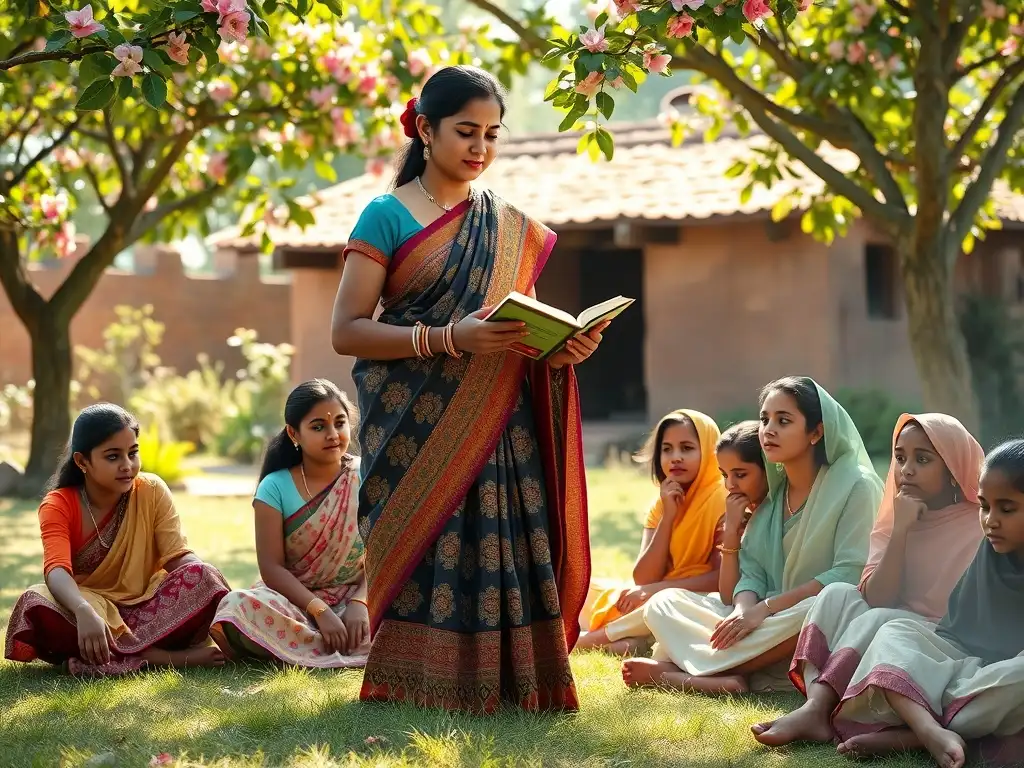
Welcome to Ancient India History, where we delve into the rich tapestry of India's past, celebrating its vibrant cultures and remarkable contributions. Today, we invite you to explore the inspiring journey of women's education in ancient India, spotlighting the trailblazing efforts of Savitribai Phule, a true pioneer in this transformative movement. Discover how her relentless pursuit of knowledge and empowerment paved the way for future generations. Join us as we uncover the profound impact of women in shaping ancient Indian society, and let their stories ignite your curiosity to learn more!
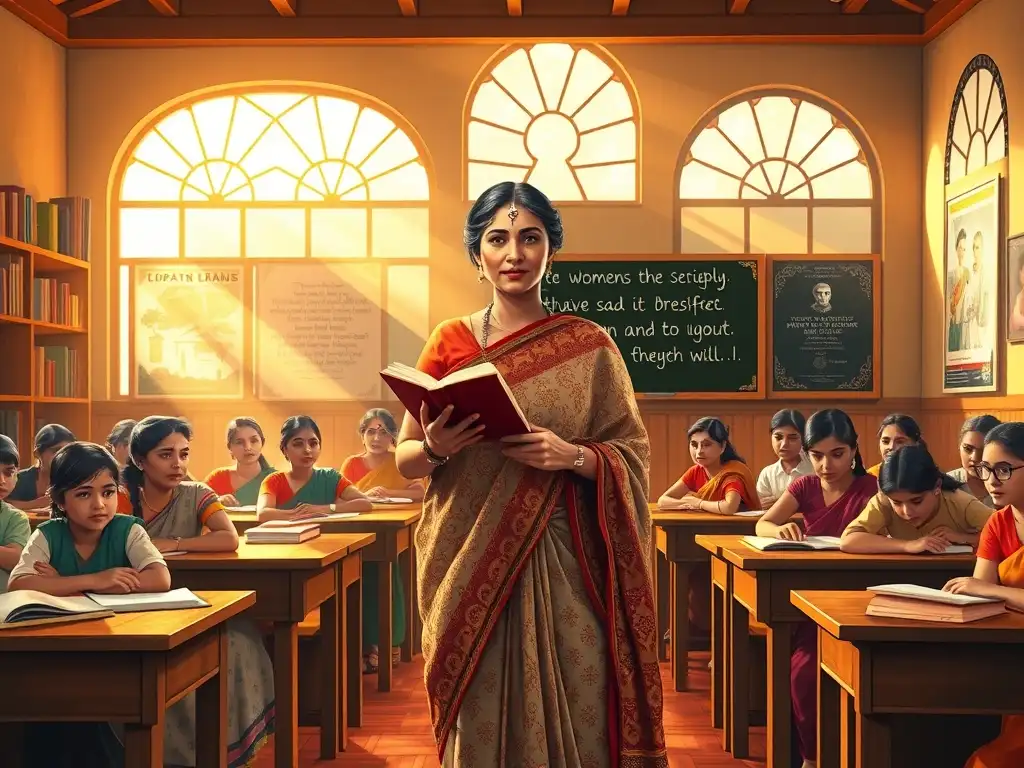
Introduction to Women's Education in Ancient India
The narrative of women's education in ancient India is both inspiring and transformative, marking a significant chapter in the broader context of gender equality and social reform. Among the luminaries in this realm, Savitribai Phule stands out as a pioneering figure whose contributions have reverberated through time, challenging the norms and barriers that restricted women's access to education. Through her relentless advocacy and innovative approaches, Phule not only laid the foundation for women's education but also ignited a movement that empowered generations of women to pursue knowledge and independence.
This article will delve into the intricate tapestry of women's education in ancient India, exploring its historical context, societal roles, and the profound impact of Savitribai Phule's work. Understanding these elements is crucial in appreciating the evolution of women's rights and educational opportunities in India, as well as recognizing Phule's enduring legacy as a champion of change.
The Historical Context of Women's Education
Overview of Education in Ancient India
Education in ancient India was primarily influenced by cultural, religious, and societal norms. The Vedic period, for instance, saw the establishment of a structured educational system known as Gurukul, where knowledge was imparted orally by gurus (teachers) to their disciples. While education was predominantly accessible to males, select women from noble families sometimes received instruction in music, arts, and philosophy.
Education was seen as a means of spiritual and moral development, with subjects often including:
- Vedas and Upanishads
- Grammar and Linguistics
- Mathematics and Astronomy
- Art and Music
However, the scope of education for women remained limited, as societal expectations often relegated them to domestic roles, emphasizing their duties as wives and mothers over their aspirations for academic achievement.
Women's Roles in Ancient Indian Society
Women's roles in ancient Indian society were complex and multifaceted, shaped by both the prevailing cultural ethos and the social stratification of the time. While some women held positions of power and influence—such as queens and scholars—many were confined to the domestic sphere.
The primary roles often assigned to women included:
- Homemakers and Caregivers: Responsible for managing households and raising children.
- Cultural Preservers: Transmitters of traditions, rituals, and oral histories.
- Religious Participants: Engaged in spiritual practices and rituals, often in collaboration with their families.
Despite these roles, the lack of formal education meant that many women were denied the opportunities to cultivate their intellectual potential. The social reforms initiated by figures like Savitribai Phule became vital in altering this narrative, paving the way for a more inclusive and equitable approach to education in India.
Through her efforts, Phule not only contested the prevailing norms but also inspired a movement that would eventually contribute to the broader fight for women's rights and empowerment in the country.
Savitribai Phule: A Biographical Sketch
Savitribai Phule, born on January 3, 1831, in Naigaon, Maharashtra, was a pioneering figure in the history of women's education in ancient India. She emerged as a beacon of hope for countless women in a society that largely marginalized them. As a social reformer, poet, and educator, her life's work was dedicated to challenging the orthodox norms that hindered female education and empowerment. Phule's relentless efforts laid the foundation for a more inclusive educational framework, inspiring generations to come.
Early Life and Influences
Savitribai was born into a family of farmers, which afforded her a modest upbringing. Growing up in a time when education for girls was not prioritized, her early influences were limited. However, her father, who managed to provide her with basic education, instilled in her the value of learning. Her experiences with social inequalities and caste-based discrimination deeply affected her worldview, fostering a desire to advocate for the rights of women and the oppressed.
At the age of nine, she was married to Jyotirao Phule, a progressive thinker and reformer. This union became a significant catalyst for her activism, as Jyotirao encouraged her to pursue education. Together, they envisioned a society where women could enjoy equal rights and opportunities, setting the stage for their lifelong partnership in social reform.
Marriage and Partnership with Jyotirao Phule
Savitribai’s marriage to Jyotirao Phule was not just a personal union but a partnership that thrived on mutual respect and shared ideals. Jyotirao, who had a strong commitment to social justice and education, recognized Savitribai’s potential early on. He supported her education at a time when it was still a radical notion for women.
Together, they worked tirelessly against the oppressive social structures of their time. Jyotirao often collaborated with Savitribai in her efforts to promote women's education, advocating for the rights of marginalized groups and battling caste discrimination. Their partnership exemplified a revolutionary model of collaboration between husband and wife, highlighting the importance of joint efforts in social reform.
Contributions to Women's Education
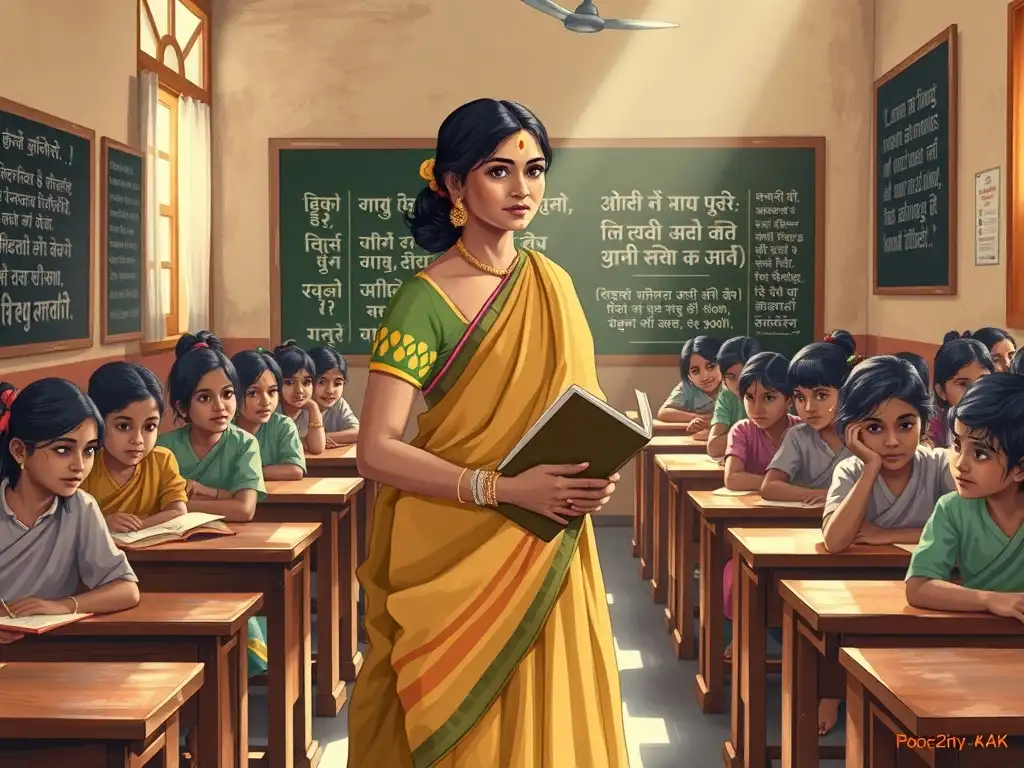
Savitribai Phule’s contributions to women's education were monumental and transformative. She was a trailblazer who not only challenged the prevailing norms but also actively worked to dismantle the barriers that obstructed women’s access to education.
Establishing the First Women’s School
In 1848, Savitribai Phule, along with Jyotirao, founded the first women’s school in Pune, known as the Fergusson College for Women. This establishment marked a historic moment in the educational landscape of India, providing girls with an opportunity to learn in a supportive environment. The school aimed to empower women with knowledge, enabling them to become self-reliant and informed individuals.
Savitribai took on the role of teacher, facing societal backlash and opposition from conservative factions. Despite threats to her safety and dignity, she remained undeterred, believing in the transformative power of education. Her courage and commitment inspired many other women to join the movement, paving the way for future educational initiatives across the country.
Curriculum and Educational Philosophy
Savitribai Phule envisioned a curriculum that was not only academic but also holistic, encompassing various subjects that would prepare women for diverse roles in society. The curriculum included subjects like reading, writing, mathematics, and even social sciences, aiming to foster critical thinking and self-awareness among students.
Her educational philosophy emphasized the importance of empowerment through knowledge, challenging traditional gender roles and advocating for women's rights. She believed that education was a fundamental tool for liberation, allowing women to break free from societal constraints. This approach laid the groundwork for future educational reforms and established a model for women’s education in India.
Outreach and Advocacy for Women's Rights
Savitribai was also a passionate advocate for women's rights beyond the classroom. She actively participated in social reform movements and campaigned against practices such as child marriage and caste discrimination. Through her writings and poetry, she expressed the struggles and aspirations of women, amplifying their voices in a patriarchal society.
Her outreach efforts included public speeches and the organization of women's gatherings, where she encouraged collective action and solidarity among women. Savitribai's relentless advocacy not only highlighted the need for women's education but also sought to create a more equitable society. Her legacy continues to inspire women's movements in India, reminding us of the vital role education plays in achieving gender equality.
Challenges Faced by Savitribai Phule
Savitribai Phule, a trailblazer in the realm of women's education in ancient India, faced numerous challenges that tested her resolve and commitment to her cause. Despite her groundbreaking efforts, she had to navigate a society steeped in patriarchal norms and traditional beliefs that resisted the idea of educating women.
Societal Resistance to Women's Education
The resistance Savitribai encountered was primarily rooted in the societal norms of the 19th century, which viewed women's education as unnecessary and even detrimental. Many families believed that educating women would lead to a deviation from their traditional roles as caretakers and homemakers. This mindset was pervasive, leading to widespread opposition from both men and women in her community.
- Public Backlash: Savitribai often faced public ridicule and hostility. Many parents refused to send their daughters to her schools, fearing social ostracism.
- Violent Opposition: There were instances where she and her colleagues were physically assaulted while attempting to educate girls, highlighting the extreme lengths to which opponents of women's education would go.
- Legal and Institutional Barriers: The lack of formal support from the government or educational institutions further compounded these challenges, as she had to establish schools and curricula independently.
Personal Struggles and Perseverance
In addition to societal resistance, Savitribai Phule faced significant personal struggles. Her journey was marked by resilience and determination, as she grappled with the emotional and psychological toll of her efforts.
- Family Opposition: Despite her husband's support, she faced disapproval from extended family members who did not share her vision. This conflict often manifested in isolation and emotional distress.
- Economic Hardships: Establishing schools required financial investment, and Savitribai struggled to secure the necessary funds. She often relied on her meager income and donations from supportive allies.
- Mental Fortitude: The constant challenges she faced demanded immense mental strength. Savitribai remained steadfast in her mission, using her personal experiences as motivation to advocate for the education of girls.
Legacy of Savitribai Phule in Women's Education
Savitribai Phule's contributions to women's education have left an indelible mark on Indian society, inspiring future generations to pursue knowledge and assert their rights.
Impact on Future Generations of Women
The legacy of Savitribai Phule is evident in the changing landscape of women's education in India. Her pioneering efforts laid the groundwork for subsequent movements advocating for women's rights and education.
- Increased Enrollment: Her schools became a beacon of hope, leading to increased enrollment of girls in education across various regions of India.
- Role Model: Savitribai's life story has become a source of inspiration for countless women, encouraging them to seek education and challenge societal norms.
- Foundation for Future Activism: The principles she championed have influenced various feminist movements, emphasizing the importance of education as a tool for empowerment.
Recognition and Honors Received
Savitribai Phule's contributions have been recognized nationally and internationally, further solidifying her status as a key figure in the history of women's education in India.
- Posthumous Honors: Numerous awards, scholarships, and institutions have been named in her honor, celebrating her commitment to education and social reform.
- Cultural Recognition: Events commemorating her achievements are held annually, and her story is included in curricula across schools, ensuring that her legacy continues to inspire new generations.
- Statues and Memorials: Public memorials and statues have been erected in her honor, serving as constant reminders of her contributions to women's education and societal change.
Through her relentless dedication, Savitribai Phule not only transformed the landscape of women's education in ancient India but also paved the way for a future where women could aspire to and attain their rights and aspirations.
The Importance of Women's Education in Ancient India
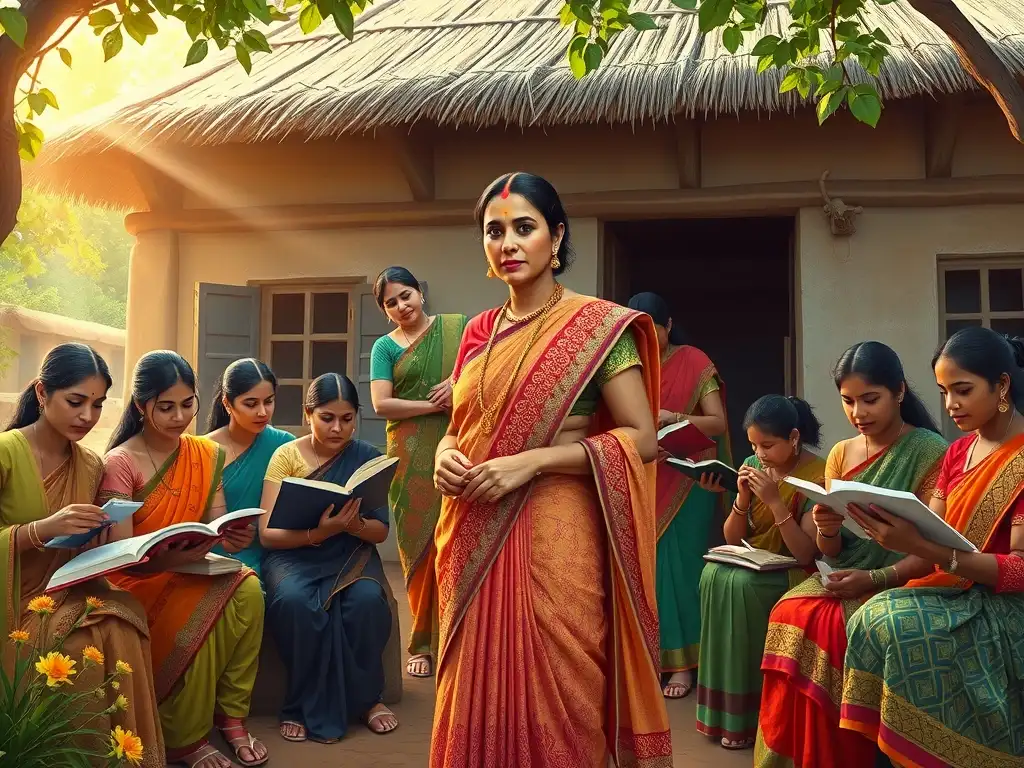
Women's education in ancient India was a critical aspect of societal development, significantly impacting the cultural and intellectual fabric of the civilization. Education for women was not just a matter of acquiring knowledge; it was a pathway for empowerment and social change. In the context of ancient Indian society, women's roles were largely confined to domestic spheres. However, the pursuit of education began to challenge these traditional norms, leading to a gradual transformation in perceptions about women's capabilities and rights.
Education provided women with the tools necessary to participate actively in their communities, advocating for their rights and contributing to societal progress. Notably, educated women became influential figures in families and society, often serving as educators for future generations. The importance of women's education can be seen in various ancient texts that celebrated knowledge, wisdom, and the role of women as bearers of culture and tradition.
Empowerment Through Education
The empowerment of women through education in ancient India can be traced back to various cultural and philosophical movements. Educated women were often seen as the backbone of the family, responsible for instilling values and knowledge in children. Education allowed women to transcend their traditional roles, providing them with a voice in societal matters.
Savitribai Phule, a notable figure in this movement, recognized that education was key to women's empowerment. She founded the first school for girls in Pune in 1848, challenging societal norms and advocating for the right of women to learn and grow. By promoting education for girls, she laid the groundwork for future generations to pursue academic and professional aspirations, illustrating that education is a potent tool for social transformation.
Changes in Social Dynamics
The movement toward women's education in ancient India led to significant changes in social dynamics. As more women became educated, they began to challenge the patriarchal structures that dominated society. This shift resulted in a reevaluation of gender roles, with educated women seeking greater participation in social, political, and economic spheres.
The presence of educated women in public life began to alter perceptions about women's capabilities. As they took on roles as teachers, writers, and activists, they inspired others to follow suit. The ripple effect of women's education contributed to a broader societal shift, promoting the idea that women's contributions are essential for the progress of civilization.
Conclusion
The legacy of women's education in ancient India is profound, with foundational figures like Savitribai Phule leading the charge. Her tireless efforts not only advanced women's rights but also paved the way for a future where education became a fundamental right for all women. The impact of her work continues to resonate in contemporary discussions about gender equality and educational access.
Savitribai Phule’s Enduring Influence on Women's Education
Savitribai Phule’s influence on women's education endures in modern India, where her vision and commitment to educational reform continue to inspire movements for women's rights. Her approach emphasized the importance of education as a means for liberation, reinforcing the idea that knowledge is vital for empowerment. Today, her legacy is celebrated across the nation, serving as a reminder of the struggles faced by women in the pursuit of education.
The Ongoing Journey of Women's Education in India
Despite the progress made since ancient times, the journey of women's education in India is ongoing. Contemporary challenges such as socio-economic barriers, cultural resistance, and access to quality education still impede many women. However, the foundational work initiated by pioneers like Savitribai Phule has sparked a movement that continues to advocate for women's rights and education.
In modern India, various initiatives and organizations are dedicated to improving educational access for women and girls. The commitment to ensuring that every woman has the opportunity to learn and grow reflects the enduring legacy of women's education in ancient India, highlighting its crucial role in shaping a more equitable society.
References for Further Reading on Women's Education in Ancient India
To delve deeper into the topic of women's education in ancient India and to understand the profound impact of figures like Savitribai Phule, the following resources are essential. These materials offer comprehensive insights into the historical context, challenges, and achievements related to women's education throughout India's rich past.
Suggested Books and Articles
-
"Savitribai Phule: A Biography" by R. S. Ranjan
This biography explores the life and contributions of Savitribai Phule, highlighting her fight for women's education and empowerment in 19th-century India.
-
"Women in Ancient India" by Kumud Sharma
This book provides a thorough analysis of women's roles in ancient Indian society, including their access to education, cultural practices, and contributions to various fields.
-
"The History of Women's Education in India" by Sharmila B.
A detailed examination of the evolution of women's education in India, this work discusses key reforms and milestones achieved over the centuries.
-
"The Role of Women in the Indian Renaissance" by Sudha K.
This article discusses the broader context of the Indian Renaissance and the significant contributions made by women, including their pursuit of education.
-
"Educating Women in India: A Historical Perspective" in the Journal of Women’s History
This academic article offers an in-depth look at the historical developments in women's education, tracing its roots and implications in contemporary society.
Notable Figures in Women's Education History
-
Savitribai Phule (1831-1897)
As one of the first female educators in India, Savitribai Phule established the first women's school in Pune in 1848. She became a symbol of the struggle for women's rights and education, advocating for social reform through her writings and activism.
-
Fatima Sheikh (1831-1900)
A contemporary of Savitribai Phule, Fatima Sheikh played a crucial role in promoting education among women, particularly in the Muslim community. She assisted in establishing schools and was known for her progressive views on women's rights.
-
Begum Roquiah Sakhawat Hossain (1880-1932)
An influential figure in Bengal, Begum Roquiah was a pioneer of women's education and empowerment. She founded the Sakhawat Memorial Girls' School in Kolkata in 1911 and advocated for women's rights through her writings.
-
Annie Besant (1847-1933)
A British theosophist and social reformer who settled in India, Annie Besant was instrumental in promoting women's education and established the Central Hindu College, advocating for equal educational opportunities for women.
-
Pandita Ramabai (1858-1922)
A prominent social reformer, Pandita Ramabai devoted her life to improving the status of women in India. She founded the Mukti Sadan, a refuge for widows, and emphasized the importance of education for women's independence.
These figures not only contributed to women's education in ancient India but also laid the groundwork for future generations to continue the fight for equality and empowerment. Their legacy remains a touchstone for contemporary discussions on women's roles in society.
- Introduction to Women's Education in Ancient India
- The Historical Context of Women's Education
- Savitribai Phule: A Biographical Sketch
- Early Life and Influences
- Contributions to Women's Education
- Challenges Faced by Savitribai Phule
- Legacy of Savitribai Phule in Women's Education
- The Importance of Women's Education in Ancient India
- Conclusion
- References for Further Reading on Women's Education in Ancient India
- What was Savitribai Phule's contribution to women's education in ancient India?
- How did Savitribai Phule influence women's rights in ancient India?
- What challenges did Savitribai Phule face in promoting education for women?
- What legacy did Savitribai Phule leave regarding women's education?
- How did ancient Indian civilizations view women's education before Savitribai Phule?
Frequently Asked Questions
What was Savitribai Phule's contribution to women's education in ancient India?
Savitribai Phule was a pioneering figure who established the first school for girls in India. Her efforts laid the foundation for women's education, challenging traditional norms.
How did Savitribai Phule influence women's rights in ancient India?
She played a crucial role in advocating for women's rights, emphasizing the importance of education as a means to empower women and improve their social status.
What challenges did Savitribai Phule face in promoting education for women?
Savitribai faced significant social resistance and backlash from conservative sections of society, yet she persevered, advocating for equal education for all.
What legacy did Savitribai Phule leave regarding women's education?
Her legacy includes the establishment of numerous schools for girls, inspiring future generations to pursue educational opportunities and promoting gender equality in education.
How did ancient Indian civilizations view women's education before Savitribai Phule?
Before Savitribai Phule, women's education was often neglected and restricted, with limited opportunities for learning. Her efforts marked a significant shift in this perspective.
Final Reflection: Empowering Women Through Education
The legacy of Savitribai Phule stands as a powerful testament to the transformative potential of women's education in ancient India. In a time when societal norms sought to confine women to the shadows, Phule emerged as a beacon of hope, advocating for the right to education and challenging the status quo. Her relentless pursuit of knowledge and equality not only paved the way for countless women but also ignited a movement that resonates profoundly in today's world. Education is not just a privilege; it is a fundamental right that can change lives and societies.
The impact of Savitribai Phule's work continues to reverberate through the cultural and social landscape of India. Her courage and vision have inspired generations of women to seek education and assert their rights. Today, as we witness a growing emphasis on women's empowerment and gender equality, we must acknowledge the foundational role played by pioneers like Phule. As she once said, To educate a woman is to educate a family.
This quote encapsulates the ripple effect of women's education, highlighting its significance not just for individuals, but for entire communities.
As we reflect on the lessons from Savitribai Phule's life and work, let us commit ourselves to the ongoing struggle for women's education and empowerment. Each of us has a role to play in fostering an environment where every girl has the opportunity to learn and grow. I invite you to consider how you can contribute to this vital cause—whether through advocacy, mentorship, or simply by supporting educational initiatives. Together, we can honor the legacy of Savitribai Phule and ensure that the flame of knowledge continues to burn brightly for future generations.
Empower Change: Champion Women’s Education!
Thank you for taking the time to explore the incredible legacy of Savitribai Phule, a true pioneer in women's education in ancient India. Your interest in this transformative story highlights the crucial role educators play in shaping society and inspiring future generations.
Are you ready to take action and make a difference? Here are a few ways you can honor Savitribai's spirit:
- Start a community book drive: Collect educational resources for local schools or underprivileged children to promote literacy and learning.
- Share her story: Utilize your social media platforms to educate others about Savitribai Phule’s impact. Use the hashtag #InspireWithSavitribai to foster a meaningful conversation.
- Join or support local organizations: Identify groups dedicated to women’s education or empowerment initiatives and contribute your time or expertise.
What unique initiative do you think could inspire others to support education for women and girls in your community? Let’s ignite a discussion!