
From Raw to Radiant: How Indian Markets Source Their Gemstones

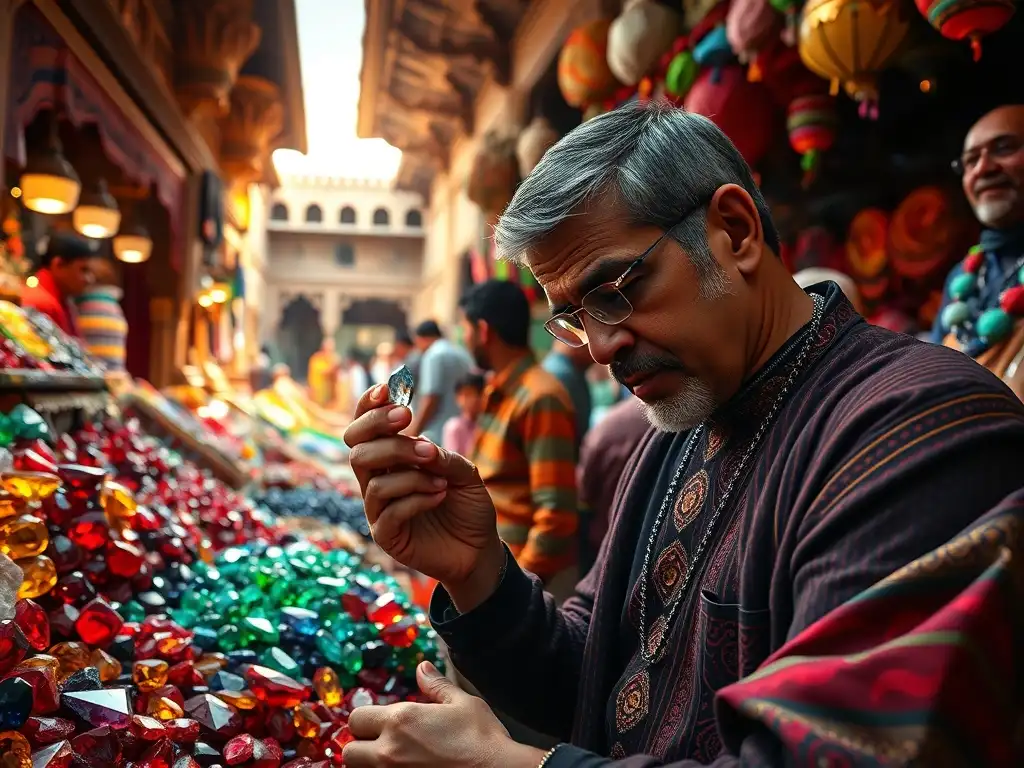
Welcome to Ancient India History! Here, we embark on a captivating journey through the rich tapestry of ancient Indian civilizations, uncovering their profound contributions to culture, art, and trade. In our featured article, “From Raw to Radiant: How Indian Markets Source Their Gemstones,” we delve into the fascinating history of the Indian gemstone market, revealing the intricate processes that transform raw gems into dazzling treasures.
Join us as we explore the legacy of craftsmanship and commerce that has shaped India’s vibrant jewelry landscape, and discover the stories that lie beneath the surface of each shimmering stone. Your adventure into the depths of history begins now!
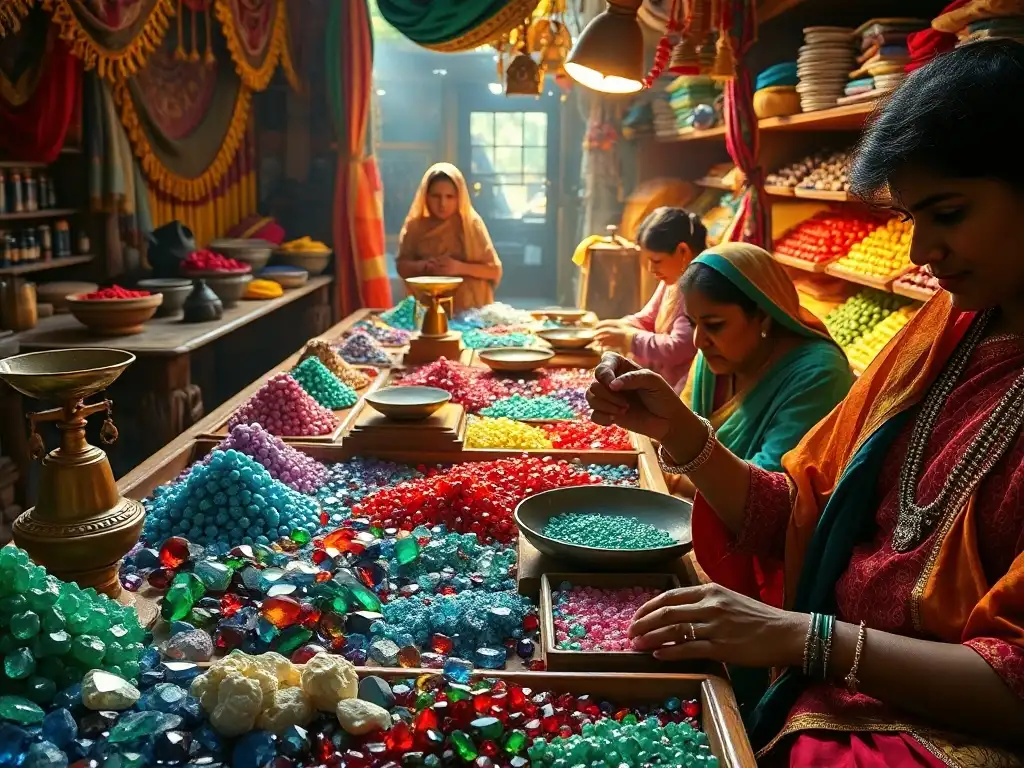
Introduction to Indian Gemstone Market History
The Indian gemstone market has a storied legacy that dates back thousands of years, intricately woven into the fabric of the subcontinent's history and culture. From the vibrant streets of Jaipur to the bustling markets of Mumbai, the journey of gemstones in India is one that reflects not only the aesthetic appeal of these precious stones but also the economic, social, and spiritual significance they held in ancient times.
Understanding the Indian gemstone market history allows us to appreciate the craftsmanship and trade practices that have evolved over centuries, making India a pivotal player in the global gemstone industry today.
The rich diversity of gemstones found in India, including diamonds, emeralds, rubies, and sapphires, has attracted traders and artisans since the days of the Indus Valley Civilization. This article delves into the origins of gemstone trading in India, exploring its historical roots, cultural significance, and the various factors that contributed to its flourishing market. As we embark on this exploration, we will uncover how these radiant stones transitioned from raw materials to coveted treasures, embodying both beauty and history.
The Origins of Gemstone Trading in India
The gemstone trade in India can be traced back to ancient civilizations, where the use of these stones extended beyond mere decoration. The origins of this trade reveal a complex interplay of artistry, spirituality, and commerce that has shaped the Indian market over millennia.
The Indus Valley Civilization and Gemstones
The Indus Valley Civilization, one of the world's earliest urban cultures, thrived between 3300 and 1300 BCE and was known for its advanced craftsmanship in various materials, including gemstones. Archaeological excavations in sites like Harappa and Mohenjo-Daro have unearthed a plethora of beads, amulets, and decorative items made from semi-precious stones such as carnelian, agate, and lapis lazuli.
- Trade Networks: The Indus Valley people were skilled traders, engaging in commerce not only within their civilization but also with distant regions, including Mesopotamia. This early trading network facilitated the exchange of gemstones, establishing a foundation for future markets.
- Cultural Significance: Gemstones during this era were believed to hold spiritual significance. They were often associated with deities and used in rituals, showcasing the intertwining of religion and commerce in ancient India.
Ancient Texts and Gemstone References
Ancient Indian texts provide a rich tapestry of knowledge regarding gemstones, their significance, and their applications in society.
- Vedic Literature: Texts such as the Atharva Veda and Rigveda mention various gemstones, linking them to astrological beliefs and healing properties. For instance, diamonds were revered for their protective qualities, while emeralds were believed to enhance wisdom.
- Sanskrit Treatises: Works like the Ratna Shastra, attributed to the ancient scholar Varahamihira, delve into the classification, properties, and uses of gemstones. This treatise not only highlights the expertise of ancient gemologists but also underscores the importance of gemstones in trade and daily life.
Through these historical insights, we can trace the evolution of the Indian gemstone market from its nascent stages to a sophisticated industry that reflects the rich cultural heritage of India. Understanding this history is essential as we navigate the contemporary landscape of gemstone sourcing and trade.
Key Gemstone Markets in India
India has a rich tradition in gemstone trading, with several cities emerging as prominent markets that contribute significantly to the global gemstone supply. These markets not only provide a variety of gemstones but also reflect the country’s historical and cultural connection to these precious stones. The three key gemstone markets in India—Jaipur, Surat, and Hyderabad—each have their distinctive characteristics and specialties that make them vital to the Indian gemstone market history.
Jaipur: The Pink City and Its Gemstone Legacy
Jaipur, often referred to as the Pink City, is renowned for its vibrant gemstone market, specializing in semi-precious stones such as turquoise, lapis lazuli, and garnet. The city is also famous for intricate jewelry designs that blend traditional Indian craftsmanship with contemporary aesthetics. The legacy of gemstone trading in Jaipur dates back to the 16th century when it became a significant center for gem cutting and polishing under the patronage of the royal family.
The city's rich cultural heritage is reflected in its bustling bazaars, where skilled artisans create stunning jewelry pieces. Jaipur's gemstone market thrives not only on local demand but also attracts international buyers, making it a hub for exporting gemstones worldwide. The annual Gemstone and Jewelry exhibition held in Jaipur further showcases the city's prominence in the industry, allowing buyers and sellers to connect, exchange ideas, and promote their products.
Surat: The Diamond Hub of India
Surat is often hailed as the diamond capital of India, processing approximately 90% of the world’s diamonds. The city's diamond industry began in the 1970s and has rapidly evolved into a global powerhouse for diamond cutting and polishing. Surat is home to over 3,000 diamond manufacturing units, employing hundreds of thousands of skilled workers who meticulously craft diamonds into exquisite pieces.
Surat’s strategic location near Mumbai, a major trade and economic center, has facilitated easy access to international markets. The city boasts a well-established infrastructure that supports the diamond trade, including logistics and shipping services. Annual exhibitions and trade fairs in Surat foster networking among traders and provide a platform for showcasing new designs and innovations, further solidifying its status as a dominant player in the diamond industry.
Hyderabad: The City of Pearls
Hyderabad, famously known as the City of Pearls, has a long-standing reputation for its pearl and diamond trading. Historically, it was a significant center for the pearl trade during the Nizam era, where exquisite pearls were sourced from the Arabian Gulf and sold to affluent buyers. Today, Hyderabad continues to be a key player in the gemstone market, specializing in not only pearls but also a variety of colored gemstones such as emeralds and rubies.
The city’s unique blend of traditional and modern jewelry making has led to the development of distinctive styles, such as the Nizam jewelry, characterized by intricate craftsmanship. The bustling Laad Bazaar is a testament to Hyderabad's vibrant gemstone market, offering a plethora of options for buyers and collectors. Furthermore, the city hosts various trade exhibitions, attracting local and international buyers, thus reinforcing its position in the Indian gemstone market history.
The Process of Sourcing Gemstones in India
The sourcing of gemstones in India involves a multifaceted process that encompasses mining, cutting, polishing, and finally, selling. This intricate supply chain ensures that raw gemstones are transformed into radiant jewels that reflect both quality and craftsmanship. Understanding this process is crucial for appreciating the rich history of the Indian gemstone market.
Mining Techniques and Locations
India is home to numerous mining locations, each known for producing specific types of gemstones. Major mining regions include:
- Kashmir: Famous for its high-quality sapphires, particularly the prized Kashmir sapphire.
- Rajasthan: Known for its abundant deposits of semi-precious stones like garnets, amethysts, and topaz.
- Madhya Pradesh: A significant source of diamonds and various colored gemstones.
- Andhra Pradesh: Renowned for its production of high-quality rubies and emeralds.
Mining techniques vary by region and type of gemstone. Traditional methods, often involving manual labor, are still prevalent in many areas, while modern mechanized mining techniques are increasingly being adopted to enhance efficiency and yield. Environmental considerations are also becoming more significant, with sustainable practices being encouraged in the mining sector.
From Raw Stones to Finished Products
The journey from raw gemstones to finished products is a meticulous process that involves several stages:
- Sorting: After extraction, gemstones are sorted based on size, quality, and type. This initial assessment determines the potential value of each stone.
- Cutting: Skilled artisans expertly cut the stones to maximize their brilliance and minimize waste. The cutting process is critical, as it affects the stone's overall appearance and value.
- Polishing: Once cut, gemstones undergo polishing to enhance their luster. This step requires precision and a deep understanding of the material to achieve the desired finish.
- Jewelry Making: Finally, the polished gemstones are set into jewelry. This stage often involves collaboration with skilled jewelers who create unique and culturally significant designs.
This comprehensive process not only ensures that gemstones are transformed into beautiful pieces of art but also reinforces the cultural and historical significance of the Indian gemstone market. By embracing both traditional techniques and modern innovations, the industry continues to thrive, contributing to India's rich heritage in gemstone craftsmanship.
The Role of Cultural Influences on Gemstone Sourcing
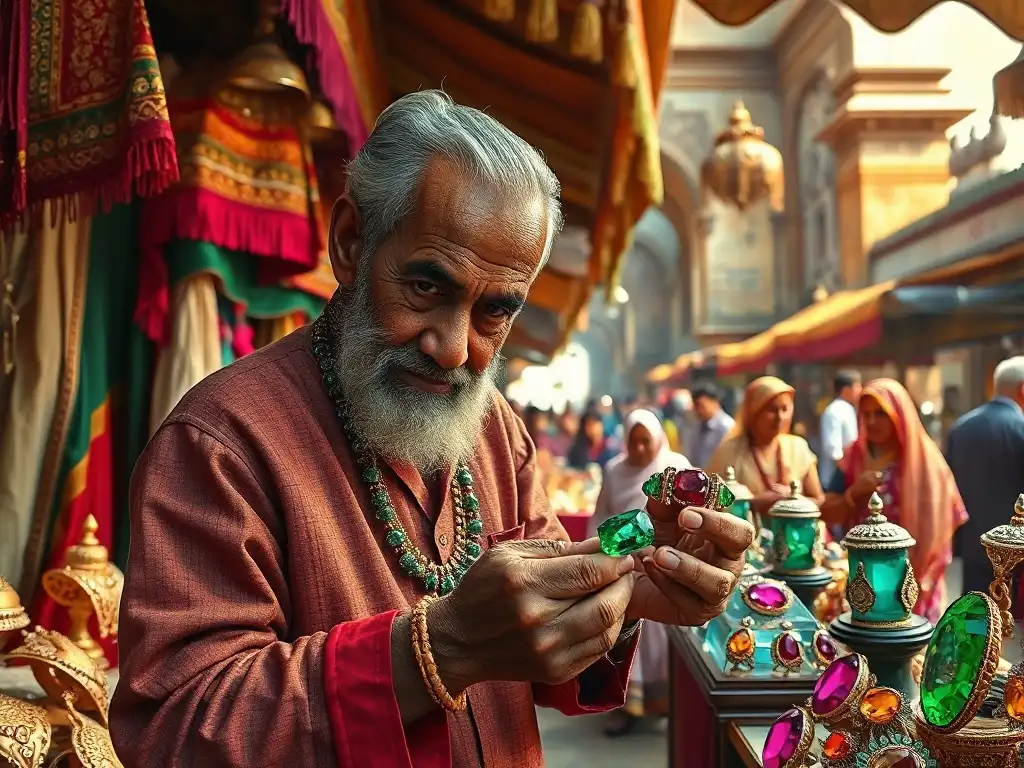
The Indian gemstone market is deeply intertwined with the cultural, spiritual, and historical fabric of the country. From ancient times, gemstones have been revered not only for their beauty but also for their perceived metaphysical properties and cultural significance. The sourcing of gemstones is heavily influenced by various cultural traditions, beliefs, and practices that vary from region to region, shaping the market dynamics and consumer preferences.
In India, gemstones are often associated with astrological beliefs, where each stone holds a specific significance. For instance, rubies are linked to the sun and are believed to bring prosperity, while emeralds are associated with Mercury and are thought to enhance intellect. This spiritual connection influences the demand for specific gemstones in various communities, reflecting their cultural heritage and traditions.
Traditional Beliefs and Gemstone Significance
Traditional beliefs regarding gemstones in India have been passed down through generations. Many communities still adhere to the idea that wearing certain stones can bring good fortune or ward off negative energies. For example, the significance of diamonds in bridal jewelry is monumental; they are seen as symbols of love and commitment.
Moreover, gemstones are often used in religious rituals and practices. Certain stones are believed to enhance spiritual connections and are used in the creation of talismans and amulets. This has led to a thriving market for gemstones that are specifically sought after for their spiritual benefits, thus driving the sourcing processes to align with these cultural beliefs.
Festivals and Gemstone Trading
Festivals in India play a pivotal role in the gemstone market, acting as major catalysts for trading activities. Events such as Diwali, Navratri, and weddings are marked by a surge in demand for gemstones, as they are considered auspicious gifts. During these celebrations, traders often showcase their finest collections, and consumers are more inclined to purchase gemstones as part of their festivities.
The gemstone trading during festivals is not just about commerce; it is a social affair where families come together to celebrate their cultural heritage. The interaction between buyers and sellers during these times fosters a sense of community and tradition, further embedding gemstones into the cultural landscape of India. This cyclical pattern of demand tied to festivals ensures a continuous flow in the sourcing and trading of gemstones.
Challenges Faced by the Indian Gemstone Market
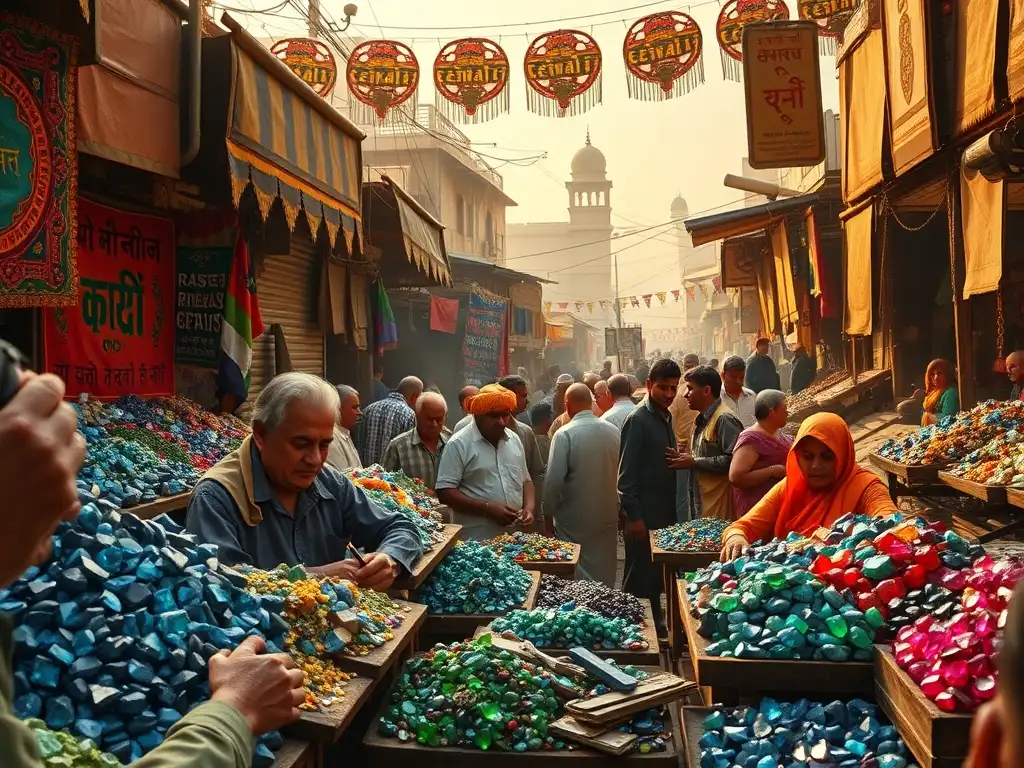
The Indian gemstone market, while vibrant and culturally rich, faces several challenges that impact its growth and sustainability. These challenges stem from both internal dynamics and external pressures, necessitating proactive measures to ensure the market remains competitive and ethical.
Ethical Sourcing and Environmental Concerns
One of the primary challenges is ensuring ethical sourcing of gemstones. With increasing global awareness of labor practices and environmental sustainability, there is a growing demand for ethically sourced gemstones. Concerns about child labor, unsafe working conditions, and the environmental impact of mining practices have prompted consumers to seek transparency in the sourcing of gemstones.
Moreover, the impact of mining on local ecosystems is significant. Deforestation, soil erosion, and water pollution are direct consequences of mining activities, raising alarms among environmental activists. The Indian gemstone market must navigate these ethical dilemmas to retain consumer trust and comply with international standards that increasingly prioritize sustainability.
Global Competition and Market Dynamics
The Indian gemstone market also faces tough competition from other countries known for their gemstone production, such as Sri Lanka, Colombia, and Brazil. These regions often offer lower prices and are becoming increasingly attractive to global consumers. The competition is further intensified by the rise of synthetic gemstones, which provide a more affordable alternative without compromising on aesthetics.
To counter these challenges, the Indian gemstone market must innovate and adapt. This includes investing in technology for better mining practices, enhancing the quality of gemstones, and promoting unique Indian designs that differentiate them from competitors. By harnessing their rich cultural heritage and craftsmanship, Indian traders can create an appealing narrative that resonates with consumers worldwide, thus maintaining their edge in the global market.
Conclusion: The Future of the Indian Gemstone Market
The Indian gemstone market stands at a pivotal juncture as it navigates the complexities of modern commerce while cherishing its rich historical roots. With advancements in technology and growing global demand, the industry is poised for substantial growth. The introduction of digital platforms has revolutionized how gemstones are sourced, traded, and sold, enabling artisans and traders to reach a wider audience than ever before.
Moreover, the increasing emphasis on ethical sourcing and sustainability is reshaping consumer preferences. Buyers are now more informed and conscious about the origins of the gemstones they purchase. This shift is encouraging producers to adopt transparent practices, ensuring that gemstones are ethically mined and crafted.
As the market adapts to these trends, it is essential for stakeholders to embrace innovation while preserving traditional craftsmanship. The fusion of modern techniques with age-old practices can create a unique offering that appeals to both domestic and international markets.
The future of the Indian gemstone market looks promising, characterized by a blend of tradition and modernity, and a commitment to ethical practices. Stakeholders must remain agile and responsive to changing market dynamics to harness this potential fully.
Call to Action: Explore the Vibrant Indian Gemstone Market
Embark on a journey through the enchanting world of the Indian gemstone market! Whether you are a seasoned collector or a curious newcomer, there’s something for everyone to discover.
- Visit Local Markets: Experience the vibrant atmosphere of renowned gemstone markets such as Jaipur's Johari Bazaar or Mumbai's Zaveri Bazaar. Engage with local artisans and gain insights into their craftsmanship.
- Attend Gem Shows: Participate in gem exhibitions and trade shows that showcase the best of Indian gemstones. These events offer an excellent opportunity to connect with industry experts and explore a diverse range of gemstones.
- Learn About Gemstone Care: Understanding how to maintain and care for your gemstones can enhance their beauty and longevity. Seek guidance from experts or online resources dedicated to gemstone care.
- Stay Informed: Follow the latest trends and developments in the gemstone industry through reputable publications and online platforms. This knowledge can empower you to make informed purchasing decisions.
By exploring the vibrant Indian gemstone market, you not only enrich your own experience but also support the artisans and communities that have preserved this rich heritage for generations. Dive into this colorful world and uncover the beauty and history that each gemstone has to offer! ✨
- Introduction to Indian Gemstone Market History
- The Origins of Gemstone Trading in India
- Key Gemstone Markets in India
- The Process of Sourcing Gemstones in India
- The Role of Cultural Influences on Gemstone Sourcing
- Traditional Beliefs and Gemstone Significance
- Festivals and Gemstone Trading
- Challenges Faced by the Indian Gemstone Market
- Conclusion: The Future of the Indian Gemstone Market
- Call to Action: Explore the Vibrant Indian Gemstone Market
- What is the significance of the Indian gemstone market history?
- How did ancient Indian civilizations contribute to the gemstone trade?
- What types of gemstones have been historically sourced from India?
- How did the Gupta Empire influence the gemstone market?
- What are the modern implications of India's gemstone market history?
Frequently Asked Questions
What is the significance of the Indian gemstone market history?
The Indian gemstone market history showcases the trade and craftsmanship that has developed over centuries, influencing both local and global markets.
How did ancient Indian civilizations contribute to the gemstone trade?
Ancient Indian civilizations, especially during the Indus Valley period, were known for their gemstone cutting and trading techniques, which laid the foundation for India's rich gemstone heritage.
What types of gemstones have been historically sourced from India?
India has been known for a variety of gemstones, including diamonds, sapphires, and emeralds, each with unique cultural significance and market demand.
How did the Gupta Empire influence the gemstone market?
The Gupta Empire played a crucial role in enhancing the craftsmanship and trade routes for gemstones, contributing to the prosperity of the gemstone industry.
What are the modern implications of India's gemstone market history?
Understanding the Indian gemstone market history helps in appreciating contemporary practices in sourcing, trading, and sustainability efforts within the industry today.
Final Reflection: The Timeless Allure of Indian Gemstones
The journey of Indian gemstones from raw to radiant is not just a tale of commerce; it is a rich tapestry woven with history, culture, and artistry that continues to resonate today. The Indian gemstone market, with its deep-rooted traditions and evolving practices, serves as a testament to the enduring allure of these precious stones. As we navigate the complexities of modern markets, the significance of understanding this history becomes increasingly vital, reminding us of the stories and craftsmanship behind each gem.
The influence of the Indian gemstone market extends far beyond mere aesthetics; it shapes cultural identities and economic landscapes. The intricate designs and vibrant colors of Indian gemstones have inspired countless artisans and jewelers around the world, fostering a global appreciation for this unique heritage. As Mahatma Gandhi once said, "The best way to find yourself is to lose yourself in the service of others." This sentiment echoes through the generations of craftsmen who have dedicated their lives to perfecting their art, ensuring that each gemstone carries a piece of their soul.
As we reflect on the rich history and current relevance of the Indian gemstone market, I invite you to consider how these lessons can be applied in your own life. Take a moment to appreciate the beauty that surrounds you, whether in the form of a gemstone or the people who craft them. Embrace the stories behind the objects you cherish, and let them inspire you to seek deeper connections in your own journey. The world of Indian gemstones is not just about luxury; it is about heritage, passion, and the timeless pursuit of beauty.
Unveil the Beauty of Gemstone Sourcing Today!
Thank you for diving into the fascinating world of Indian gemstone sourcing! Your exploration into how these treasures transition from raw materials to stunning pieces has revealed the beauty and intricacies behind this ancient craft. Now, let’s transform your newfound knowledge into meaningful action.
Here’s how you can engage with the vibrant world of gemstones:
- Explore local markets: Visit your nearest gem and jewelry market to witness the art of gemstone crafting firsthand. Engaging with artisans can provide you with valuable insights!
- Share the sparkle: Start a conversation about the significance of ethical gemstone sourcing with friends and family. You can ignite curiosity and awareness within your community!
- Join a workshop: Look for online or local workshops on gemstone identification or jewelry making. It’s a fun way to deepen your appreciation for these radiant wonders.
As you embark on this journey, ask yourself: What gemstone story do you want to uncover next, and how will you share it with the world?