
A Gem Enthusiast's Guide: Where to Find the Best Gemstones in India

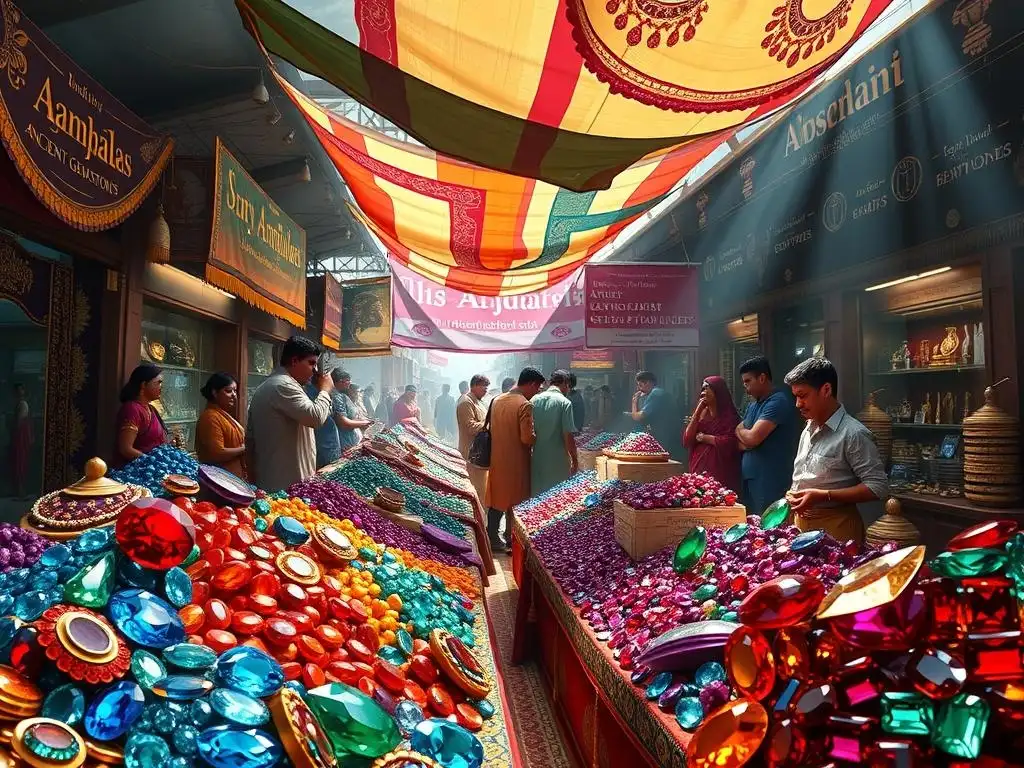
Welcome to Ancient India History, where we embark on an extraordinary journey through the vibrant tapestry of ancient Indian civilizations. Delve into the rich culture and remarkable contributions that have shaped our world, from the enigmatic Indus Valley to the illustrious Gupta Empire. In our featured article, “A Gem Enthusiast's Guide: Where to Find the Best Gemstones in India,” we unearth the fascinating legacy of gemstones that adorned royalty and symbolized wealth and power.
Curious about where to discover these sparkling treasures and their historical significance? Join us as we explore the allure of the best gemstones in ancient India and uncover the stories behind their brilliance. Your adventure into the past begins here!
- Introduction to the Best Gemstones in Ancient India
- Top Locations for the Best Gemstones in India
- Ancient Techniques in Gemstone Crafting
- Tips for Gemstone Enthusiasts: How to Choose the Best Gemstones in India
- Conclusion: Embracing the Richness of India's Gemstone Heritage
- Frequently Asked Questions
- Final Reflection: The Timeless Allure of India's Gemstones
- Unearth Your Passion for Gemstones!
Introduction to the Best Gemstones in Ancient India
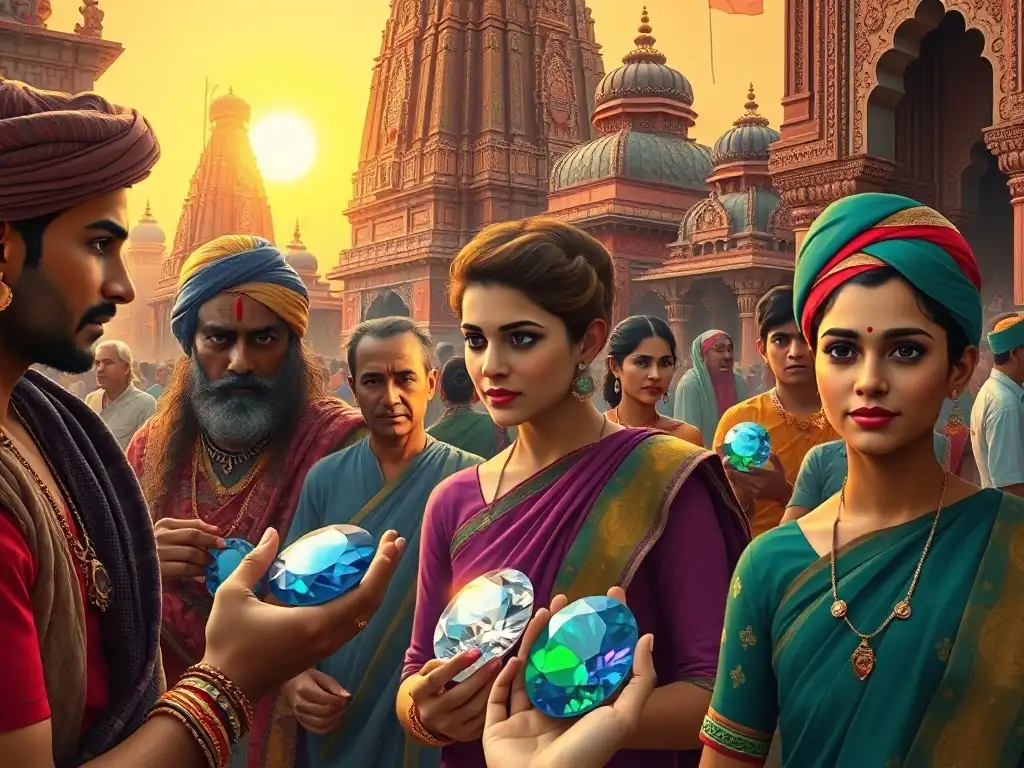
The allure of gemstones has captivated humanity for millennia, and ancient India stands as a beacon of this fascination. Renowned for its rich deposits of precious and semi-precious stones, India has been a pivotal player in the global gemstone trade since antiquity. From the glistening diamonds of Golconda to the vibrant rubies of Kashmir, the best gemstones in ancient India not only served as adornments but also held significant cultural, economic, and spiritual value. This article delves into the historical depth of these precious stones, exploring their origins, significance, and the vibrant markets where they were traded.
Understanding the Historical Significance of Gemstones
Gemstones in ancient India were more than mere decorative items; they were symbols of power and prestige. Historical texts, including the Vedas and Puranas, mention various gemstones and their attributed powers. For instance, diamonds were believed to possess protective qualities, while emeralds were associated with wisdom and prosperity.
- Key Historical Points:
- The Indus Valley Civilization (circa 3300–1300 BCE) utilized lapidary skills to craft intricate jewelry, showcasing their advanced techniques in working with gemstones.
- By the time of the Maurya Empire (circa 322–185 BCE), gemstones became central to trade routes, connecting India with the Roman Empire and beyond, enhancing India's economic stature on the global stage.
- The Gupta Empire (circa 240–550 CE) saw a flourishing of artistry in gemstone cutting and setting, establishing traditions that would influence generations.
The craftsmanship and trade of gemstones were vital in the development of ancient Indian civilization, illustrating a rich tapestry of cultural exchange and innovation.
The Cultural Impact of Gemstones in Ancient Indian Civilizations
The cultural significance of gemstones in ancient India is profound, intertwining with various aspects of life, from religion to social status.
- Cultural Aspects:
- Religious Symbolism: Many gemstones were used in religious artifacts and rituals. For example, the sapphire is often associated with the planet Saturn in Hindu astrology, believed to bring good fortune.
- Social Hierarchies: Gemstones often denoted status and wealth. The possession of rare stones like rubies or pearls was typically reserved for royalty and nobility, reinforcing social stratifications within society.
- Artistic Expression: Jewelry adorned with gemstones served as a canvas for artistic expression. The intricate designs and settings not only showcased craftsmanship but also conveyed stories and cultural narratives.
The best gemstones in ancient India were not just valued for their beauty but were also deeply embedded in the societal fabric, influencing trade, culture, and spirituality. Understanding this rich history enhances our appreciation for the gemstones that continue to be celebrated today.
Top Locations for the Best Gemstones in India
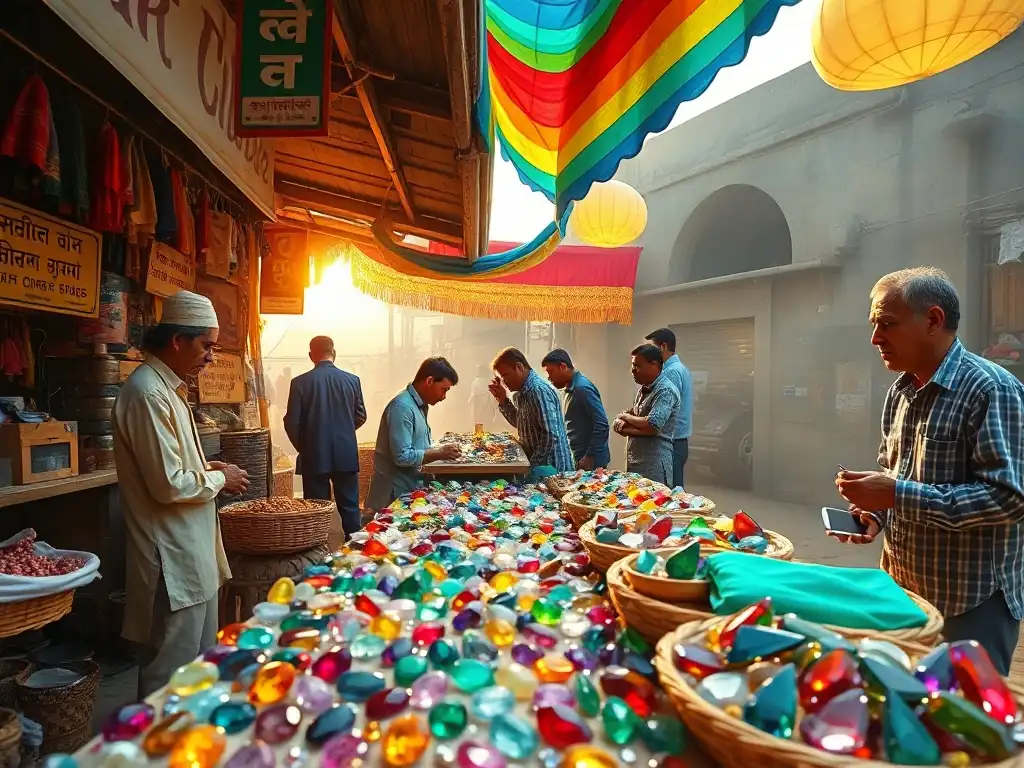
1. Jaipur: The Pink City and Its Gemstone Markets
Overview of Jaipur's Gemstone Trade
Jaipur, often referred to as the Pink City, is renowned for its vibrant gemstone trade, with a history that dates back centuries. The city serves as a significant hub for the best gemstones in ancient India, attracting gem enthusiasts from around the globe. The artisans here have mastered the art of cutting and polishing gemstones, which has resulted in a flourishing market that features both traditional and contemporary pieces.
The Pink City is home to various gemstone markets, where one can find an array of precious and semi-precious stones. The trade in Jaipur not only supports local artisans but also contributes to the economy, making it an essential part of the city’s cultural heritage. The annual Jaipur Gem & Jewelry Show further highlights the significance of gemstones in the region, showcasing stunning collections and innovations in jewelry design.
Notable Shops: Gem Palace, Soni Gems
Among the myriad of shops in Jaipur, Gem Palace stands out as a historic establishment known for its exquisite collection of gemstones and jewelry. Founded in 1852, this family-run business has a reputation for high-quality craftsmanship and offers a wide range of items, from traditional Rajasthani pieces to modern designs.
Another notable mention is Soni Gems, which specializes in both wholesale and retail of gemstones. This shop is particularly famous for its vast selection of rubies, emeralds, and sapphires, attracting both local customers and international buyers. The knowledgeable staff at Soni Gems provides expert guidance, ensuring that customers find the best gemstones that suit their preferences.
Best Gemstones to Buy: Rubies, Emeralds, and Sapphires
In Jaipur, the quest for the best gemstones in ancient India often leads to the discovery of high-quality rubies, emeralds, and sapphires. These gemstones are not only beautiful but also hold significant cultural value.
- Rubies: Known for their deep red hue, rubies are considered a symbol of love and passion. Jaipur is famous for its vibrant rubies, which are often sourced from neighboring regions.
- Emeralds: These lush green stones are believed to bring good fortune and are highly sought after in the market. Jaipur's artisans excel in cutting emeralds to enhance their natural beauty.
- Sapphires: Available in various colors, sapphires are prized for their durability and brilliance. The blue sapphires from this region are particularly well-regarded.
Jodhpur's Unique Position in the Gemstone Industry
Jodhpur, known as the Blue City due to its distinctive blue-painted houses, holds a unique position in the gemstone industry. The city boasts a rich history of gemstone mining and trade, and it serves as a critical supply center for various gemstones. The local artisans are skilled in creating intricate jewelry pieces that reflect the cultural heritage of the region.
Jodhpur's strategic location near major gemstone mining regions makes it an ideal marketplace for both precious and semi-precious stones. The city's vibrant markets are filled with shops that offer a plethora of options, from traditional to contemporary designs, catering to a wide range of tastes and budgets.
Recommended Markets: Jodhpur Gem & Jewelry Show
One of the most anticipated events in Jodhpur's gemstone calendar is the Jodhpur Gem & Jewelry Show. This exhibition attracts exhibitors and buyers from all over India and beyond, showcasing the finest collections of gemstones, jewels, and intricate designs.
Visitors can explore numerous stalls featuring a variety of gemstones, and the event provides an excellent opportunity to interact with artisans and learn about their craft. Other notable markets in Jodhpur include the Sardar Market, where local vendors offer a unique selection of gemstones and jewelry at competitive prices.
Popular Gemstones: Lapis Lazuli and Turquoise
In Jodhpur, gemstone enthusiasts often gravitate towards lapis lazuli and turquoise, both of which hold historical significance in Indian culture.
- Lapis Lazuli: This deep blue gemstone is cherished for its vibrant color and has been used in jewelry for centuries. It is believed to promote inner vision and self-knowledge, making it a popular choice among collectors.
- Turquoise: Known for its striking blue-green hue, turquoise is associated with protection and healing. The artisans in Jodhpur often incorporate this gemstone into their designs, resulting in stunning pieces that reflect the city's artistic heritage.
Jaipur and Jodhpur offer some of the best gemstones in ancient India, each providing a unique glimpse into the vibrant culture and craftsmanship of these historic cities. Whether you're a seasoned gem enthusiast or a casual shopper, these locations promise an unforgettable experience in the world of gemstones.
3. Varanasi: Spiritual Stones and Their Significance
Varanasi, often referred to as the spiritual capital of India, is not only famous for its ghats and temples but also for its unique and spiritually significant gemstones. The city holds a special place in the hearts of gem enthusiasts due to its rich cultural heritage, where gemstones are intertwined with spiritual beliefs and practices. Many locals believe that certain stones possess healing properties and can bring good fortune, making them highly sought after by visitors and devotees alike.
The Role of Gemstones in Varanasi’s Culture
In Varanasi, gemstones are deeply embedded in religious rituals and traditional practices. They are often used in religious ceremonies, worn as talismans, and considered to enhance spiritual energy. For example, the belief in the protective qualities of certain stones has led to the use of gemstones in the creation of malas (prayer beads). The spiritual significance of stones like turquoise and lapis lazuli is particularly noteworthy, as they are believed to facilitate communication with the divine and enhance meditation experiences.
Furthermore, gemstones are often gifted during auspicious occasions such as weddings or religious festivals, symbolizing prosperity and blessings. The connection between Varanasi and astrological beliefs also plays a crucial role, as many people consult astrologers to choose specific gemstones that align with their birth charts for improved luck and fortune.
Key Stores: Banaras Gems, Kashi Jewels
When visiting Varanasi, two prominent stores stand out for their exceptional collection of gemstones:
- Banaras Gems: Known for its authentic selection and knowledgeable staff, Banaras Gems offers a diverse range of spiritual stones, including traditional and contemporary designs. Customers can find everything from rings and pendants to intricate mala beads, all crafted with care and precision.
- Kashi Jewels: This store is celebrated for its exquisite craftsmanship and unique designs that reflect the essence of Varanasi’s spirituality. Kashi Jewels specializes in custom-made jewelry, allowing customers to select their preferred gemstones and have them set in personalized designs.
Best Finds: Moonstone and Carnelian
Among the various gemstones available in Varanasi, moonstone and carnelian are particularly popular:
- Moonstone: Revered for its ethereal glow and calming properties, moonstone is believed to enhance intuition and promote emotional balance. It is often used in jewelry that resonates with spiritual seekers.
- Carnelian: This vibrant orange stone is associated with vitality and courage. In Varanasi, carnelian is often used in malas and is thought to inspire creativity and motivation, making it a favorite among locals and visitors alike.
4. Delhi: The Capital’s Diverse Gemstone Offerings
Delhi, India's bustling capital, is a treasure trove for gemstone enthusiasts. With its rich history and diverse cultural influences, the city boasts a wide array of gemstones and jewelry markets that cater to all tastes and budgets. From traditional designs to contemporary styles, Delhi's gemstone offerings reflect the city's vibrant character and artistic flair.
Exploring Delhi’s Gemstone Market Landscape
Delhi's gemstone market is characterized by its diversity and accessibility. Key areas like Chandni Chowk and Daryaganj are known for their vibrant markets where both locals and tourists can explore countless shops and stalls filled with gemstones. The markets are bustling with activity, offering everything from raw stones to intricately designed jewelry.
Additionally, the presence of numerous gem exhibitions and trade fairs in Delhi makes it an ideal destination for gem enthusiasts looking to discover unique finds and connect with expert jewelers. Visitors can engage with artisans who are skilled in traditional techniques, as well as modern craftsmen who incorporate contemporary designs into their work.
Top Retailers: Daryaganj Gem Market, Rajesh Exports
In Delhi, two standout retailers have garnered attention for their exceptional gemstone selections:
- Daryaganj Gem Market: This iconic market is a hub for gemstone lovers, featuring a wide range of retailers specializing in both precious and semi-precious stones. The market is known for its competitive prices and knowledgeable vendors who are eager to share their expertise.
- Rajesh Exports: A well-respected name in the gemstone industry, Rajesh Exports offers a vast collection of high-quality gemstones, including diamonds. Their commitment to craftsmanship and authenticity has made them a trusted choice for both domestic and international customers.
Must-Have Gemstones: Diamonds and Amethyst
Among the gems that catch the eye in Delhi, diamonds and amethyst stand out as must-haves:
- Diamonds: Renowned for their brilliance and durability, diamonds are a timeless classic. In Delhi, they are available in various cuts and settings, making them perfect for engagement rings, necklaces, and other fine jewelry.
- Amethyst: This stunning purple stone is cherished for its beauty and perceived healing properties. Amethyst is often used in various jewelry pieces, including earrings and bracelets, and is thought to promote tranquility and clarity of mind.
Varanasi and Delhi offer diverse gemstone experiences, each reflecting their unique cultural significance and market dynamics. Whether you are drawn to the spiritual stones of Varanasi or the vibrant offerings of Delhi, these cities are essential stops for any gem enthusiast exploring the best gemstones in ancient India.
Ancient Techniques in Gemstone Crafting
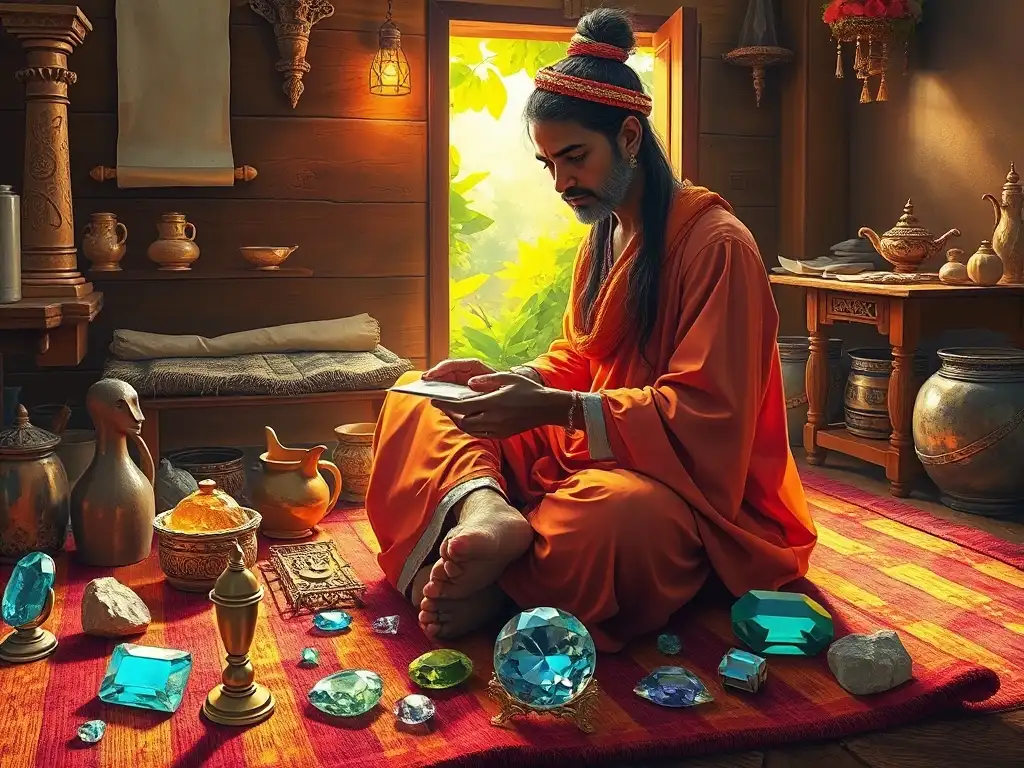
The art of gemstone crafting in ancient India is a testament to the advanced skills and rich traditions that have been passed down through generations. The meticulous techniques used by artisans not only reflect a deep understanding of the materials but also encapsulate the cultural significance of gemstones in Indian society. From the Indus Valley Civilization to the Gupta Empire, these ancient methods laid the groundwork for what we recognize today as the best gemstones in ancient India.
Traditional Methods Used in Ancient Indian Gemstone Processing
Ancient Indian artisans employed various traditional methods that emphasized craftsmanship and attention to detail. Here are some key techniques:
- Lapidary Techniques:
- Cutting and Shaping: The process began with rough stones that were meticulously shaped and polished using abrasive materials like sand and emery. This method required profound skill to enhance the stone's natural beauty while retaining its structural integrity.
- Drilling: Artisans used rudimentary tools made from harder materials to drill holes in gemstones, allowing for their incorporation into jewelry.
- Polishing:
- Natural Abrasives: Gemstones were polished using natural abrasives such as powdered quartz and diamond dust, which were combined with oils to achieve a fine finish. This method not only enhanced the gem's luster but also preserved its color and clarity.
- Heat Treatment:
- Color Enhancement: Heat treatment was often employed to enhance the color of certain gemstones. For instance, sapphires were subjected to high temperatures to intensify their blue hue.
- Inlay Techniques:
- Kundan and Meenakari: Ancient jewelers perfected the art of inlaying gemstones using techniques like Kundan, which involved setting stones in gold, and Meenakari, which added vibrant enamel work. These techniques highlighted the craftsmanship and artistry of ancient Indian jewelry.
- Engraving and Carving:
- Gemstone Carvings: Carving intricate designs into gemstones was a revered skill. Artisans used hand tools to create detailed motifs, often depicting religious symbols or nature, which held significant cultural meaning.
The knowledge and preservation of these techniques have been crucial in maintaining the authenticity of Indian gemstones, especially in markets where the demand for ancient styles continues to thrive.
How Ancient Techniques Influence Modern Gemstone Markets
The influence of ancient gemstone crafting techniques is still palpable in today’s gemstone markets across India. Here are several ways these traditional methods shape contemporary practices:
- Revival of Traditional Crafts: There is a growing trend among modern artisans to revive ancient techniques. This resurgence is driven by consumer demand for authenticity and craftsmanship, leading to a renewed appreciation for the best gemstones in ancient India.
- Sustainable Practices: Many modern gemstone businesses are adopting sustainable practices reminiscent of ancient methods. For example, the use of natural abrasives and minimalistic approaches to processing gemstones align with eco-friendly values.
- Cultural Heritage: The cultural significance of gemstones remains intact, influencing how they are marketed. Modern jewelers often highlight the historical techniques behind their products to attract buyers interested in cultural heritage.
- Quality Over Quantity: Ancient techniques emphasized quality and precision, a principle that modern gemstone markets are increasingly adopting. This focus ensures that consumers receive high-quality gemstones that reflect the artistry of ancient Indian craftsmanship.
- Educational Initiatives: Workshops and training programs that teach traditional methods are becoming popular, bridging the gap between ancient practices and modern techniques. These initiatives foster a deeper understanding of the historical context of gemstones, enhancing their value in the market.
Ancient techniques in gemstone crafting not only laid the foundation for the rich history of gemstones in India but continue to influence modern practices, ensuring that the legacy of the best gemstones in ancient India endures. The blend of tradition and innovation in today’s markets offers a unique opportunity for enthusiasts and collectors to appreciate the enduring beauty and significance of these precious stones.
Tips for Gemstone Enthusiasts: How to Choose the Best Gemstones in India
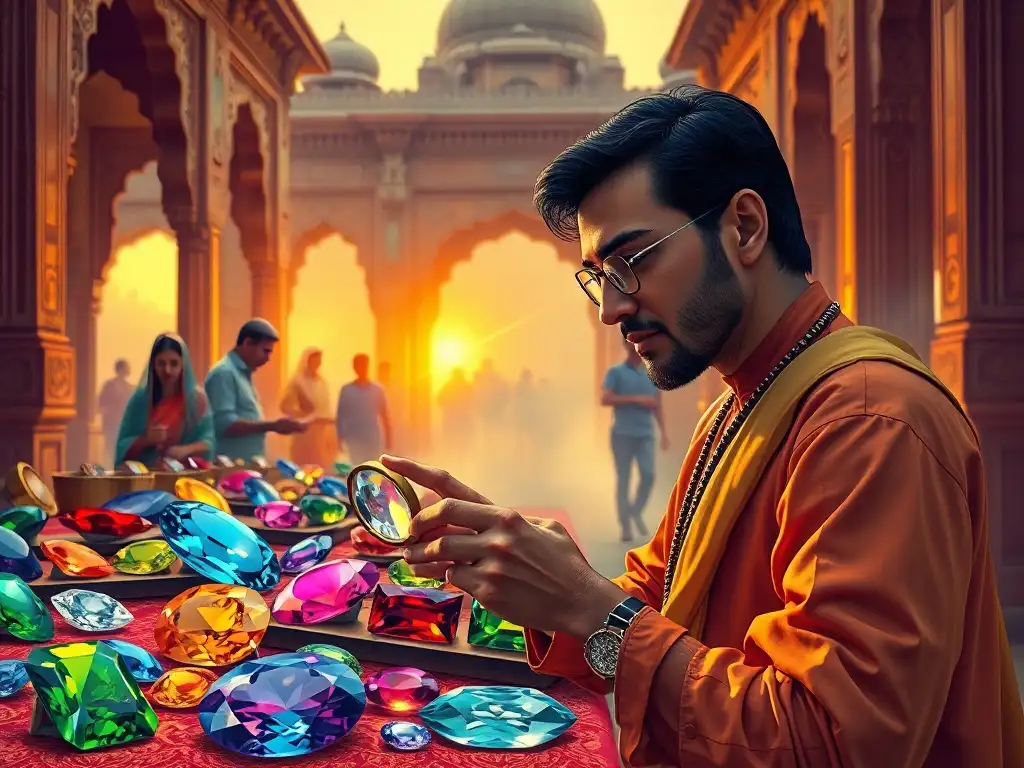
When it comes to selecting the best gemstones in ancient India, enthusiasts should equip themselves with the right knowledge and preparation. Understanding the cultural significance, historical context, and market trends can greatly enhance the gemstone purchasing experience. Here are some essential tips for gemstone enthusiasts looking to make informed decisions:
- Research the Market: Familiarize yourself with the key gemstone markets in India, including Jaipur, Delhi, and Surat. Each location has its unique offerings, specialties, and pricing structures.
- Know Your Gemstones: Whether you are interested in rubies, emeralds, sapphires, or semi-precious stones like amethyst and garnet, understanding the characteristics of each gemstone will help you make better choices.
- Seek Authenticity: Verify the authenticity of the gemstones by requesting certification from recognized gemological laboratories. This will ensure that you are purchasing genuine stones.
- Bargain Wisely: In many Indian markets, haggling is a common practice. Be prepared to negotiate to get the best price while maintaining respect for the seller.
- Consider the Source: Understanding where the gemstones come from can provide insight into their quality and value. Certain regions are known for producing superior gemstones.
Factors to Consider When Purchasing Gemstones
When purchasing gemstones in India, several factors can influence your decision-making process. Here are the most critical considerations:
- Origin: The origin of a gemstone can significantly impact its value. For example, Kashmir sapphires and Burmese rubies are highly sought after due to their historical significance and rarity.
- Market Trends: Stay updated on current market trends and prices. The value of gemstones can fluctuate based on demand and availability.
- Investment Potential: If you are considering gemstones as an investment, research historical price trends and future forecasts. Some gemstones appreciate in value over time, while others may not.
- Personal Preferences: Ultimately, select gemstones that resonate with you personally, whether due to their beauty, color, or cultural significance.
Understanding Gemstone Quality: Cut, Clarity, Color, and Carat Weight
To ensure you are purchasing the best gemstones in ancient India, it's crucial to comprehend the four essential qualities of gemstones, often referred to as the "Four Cs":
- Cut: The cut of a gemstone refers to how well it has been shaped and faceted. A well-cut gemstone will reflect light beautifully, enhancing its brilliance and overall appearance. The quality of the cut can significantly affect the stone's value.
- Clarity: Clarity refers to the absence of inclusions or blemishes within a gemstone. Higher clarity generally means a more valuable stone. Use a jeweler's loupe to inspect stones for clarity, as even minor imperfections can affect the stone's beauty and worth.
- Color: The color of a gemstone is one of its most crucial attributes. Rich, vibrant hues are typically more desirable. For example, in sapphires, a deep blue is preferred, while emeralds are valued for their lush green tones.
- Carat Weight: Carat weight measures the size of the gemstone. While larger stones are often more valuable, the overall quality, including cut, color, and clarity, also plays a significant role in determining a gemstone's worth.
By carefully considering these factors and understanding the qualities that define the best gemstones in ancient India, enthusiasts can make informed decisions and find pieces that are not only beautiful but also culturally significant.
Conclusion: Embracing the Richness of India's Gemstone Heritage
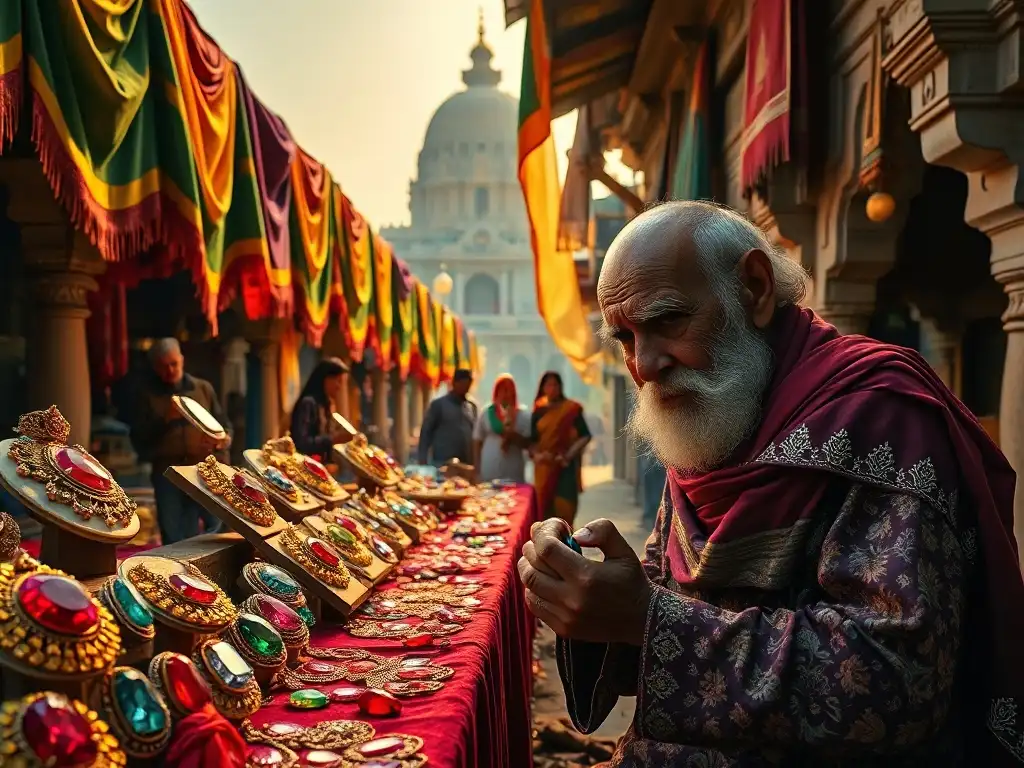
Exploring the best gemstones in ancient India reveals not only the beauty and artistry inherent in these precious stones but also the deep cultural and historical significance they carry. Ancient Indian civilizations, particularly during the Indus Valley and Maurya periods, showcased a profound understanding of gemology, leading to the creation of exquisite jewelry that has stood the test of time.
Gemstones such as diamonds, emeralds, rubies, and sapphires were not merely adornments; they were considered symbols of power, spirituality, and wealth. The ancient texts and scriptures often mention the mystical properties of these stones, linking them to various deities and astrological beliefs. Therefore, the legacy of gemstones in India is both rich and layered, reflecting the intricate interplay between culture, artistry, and trade.
As we conclude this exploration, it’s essential to acknowledge the ongoing legacy of these ancient gemstones and their continuing influence on modern jewelry design. By understanding their significance, we can appreciate the craftsmanship of contemporary artisans who draw inspiration from this timeless heritage.
How to Incorporate Ancient Gemstones into Modern Jewelry
Integrating ancient gemstones into modern jewelry designs offers a unique way to celebrate history while creating stunning pieces that resonate with contemporary aesthetics. Here are some innovative approaches:
- Reclaimed Vintage Designs: Consider using gemstones sourced from antique jewelry. This not only preserves history but also adds character and story to new creations.
- Fusion Techniques: Blend traditional Indian jewelry-making techniques with modern styles. For instance, pairing a vintage emerald with minimalist gold settings can create a striking contrast.
- Symbolic Settings: Use gemstones that reflect cultural or astrological significance in their designs. This could involve creating pieces that align with the traditional beliefs surrounding specific stones, such as using a ruby for courage or a pearl for purity.
- Custom Engravings: Personalize pieces by engraving meaningful symbols or texts that connect the wearer to the ancient cultural significance of the gemstones.
- Sustainable Practices: As the demand for ethical sourcing rises, integrating ancient gemstones into sustainable jewelry practices can appeal to environmentally conscious consumers.
By adopting these techniques, jewelers can create modern pieces that honor the rich legacy of ancient Indian gemstones while appealing to contemporary tastes.
Final Recommendations for Gemstone Shopping in India
When shopping for gemstones in India, especially those with historical significance, consider the following recommendations to ensure a fulfilling experience:
- Research Reputable Dealers: Always seek out established vendors known for their authenticity and ethical practices. Look for certifications that validate the quality and origin of the gemstones.
- Explore Local Markets: Some of the best gemstones can be found in local markets across India. Notable places include:
- Jaipur: Renowned for its vibrant gemstone market, particularly rubies, emeralds, and sapphires.
- Delhi: Offers a wide range of antique and modern gemstone jewelry.
- Varanasi: Known for its traditional craftsmanship and unique gemstones.
- Understand the Gemstone Value: Familiarize yourself with the factors that determine the value of gemstones, such as cut, clarity, color, and carat weight. This knowledge will empower you during your purchase.
- Negotiate Wisely: Bargaining is a common practice in Indian markets. Be respectful and informed about the fair prices to negotiate effectively.
- Seek Guidance: If you're unsure about a gemstone's authenticity or value, consider consulting a gemologist or an experienced jeweler.
By following these recommendations, you can navigate the vibrant world of Indian gem shopping with confidence, leading to the discovery of exquisite pieces that embody the rich heritage of ancient India.
Frequently Asked Questions
What are the best gemstones found in ancient India?
Ancient India is known for its rich deposits of gemstones such as diamonds, rubies, and sapphires. These gems were highly valued for their beauty and cultural significance.
How did ancient Indians source gemstones?
Gemstones in ancient India were sourced from riverbeds, mountains, and specific mining regions. The Indus Valley and regions like Mysore were significant for gemstone extraction.
What role did gemstones play in ancient Indian culture?
Gemstones were not just decorative; they held symbolic meanings and were used in jewelry, religious artifacts, and even medicine, reflecting their cultural importance.
Were gemstones important in trade during ancient times?
Yes, gemstones were crucial in trade networks, establishing India as a hub for gemstone commerce. They were exchanged along the Silk Road and other trade routes.
How can I learn more about the gemstone history of ancient India?
To explore the gemstone history, consider visiting museums, reading scholarly articles, or exploring dedicated history websites that focus on ancient Indian civilizations.
Final Reflection: The Timeless Allure of India's Gemstones
In exploring the best gemstones in ancient India, we uncover a rich tapestry of history, culture, and artistry that continues to resonate today. The allure of these precious stones is not merely their beauty but the stories they tell—stories of craftsmanship, tradition, and the deep connection between nature and humanity. As we navigate the modern world, the significance of these gemstones remains profound, reminding us of our heritage and the artistry that has shaped our past.
The influence of gemstones in Indian culture is immense, shaping not only the art and jewelry of the region but also its social and spiritual fabric. Each gemstone carries with it a legacy, a piece of history that connects us to our ancestors. The reverence for these stones is encapsulated in the words of the renowned gemologist, “Jewels are the memories of the earth, and each one tells a story.” > This sentiment underscores the ongoing impact of gemstones, inviting us to appreciate their historical significance and the craftsmanship that has been passed down through generations.
As you reflect on the beauty and significance of gemstones, consider how these treasures can inspire your own journey. Embrace the stories behind each stone and let them guide you in your exploration of culture and heritage. Whether you seek to collect, wear, or simply admire these gems, allow their timeless allure to spark a deeper appreciation for the artistry and history they embody. Your journey into the world of gemstones is not just about finding beauty; it's about connecting with a legacy that transcends time.
Unearth Your Passion for Gemstones!
Thank you for diving into the sparkling world of gemstones in India! By exploring this guide, you’ve taken the first step toward discovering the rich beauty and unique characteristics of these natural treasures. Now, it’s time to turn that knowledge into action and embark on your own gemstone journey.
Here are a few ways you can start your adventure:
- Plan a trip to one of the renowned gemstone markets or mines to experience the vibrant culture and craftsmanship firsthand!
- Share your newfound knowledge about gemstones with friends or family. Host a gemstone-themed gathering to discuss your favorite finds!
- Join a local gem enthusiast group or an online forum to connect with others who share your passion and exchange tips on sourcing the best pieces.
What type of gemstone are you most excited to explore, and how do you plan to incorporate your passion into your daily life?