
Navigating the Colors of India: An Insider's Look at Gemstone Market Trends

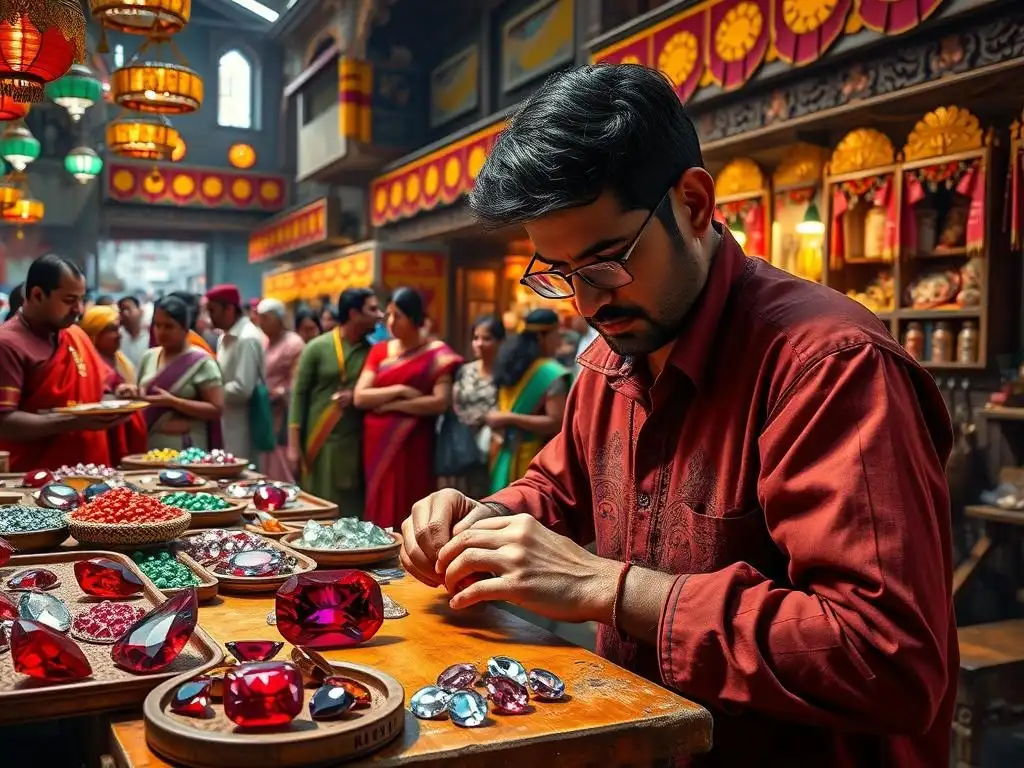
Welcome to Ancient India History, where we embark on a fascinating journey through time to uncover the rich tapestry of India's past. In this exploration, we delve into the ancient Indian gemstones history, revealing the vibrant hues and intriguing stories behind these precious stones that have captivated hearts and minds for centuries. Join us as we unravel the trends in the gemstone market, offering you an insider's perspective that connects the brilliance of gemstones with the grandeur of ancient civilizations. Prepare to be inspired and enlightened—your adventure into the colorful world of India's heritage begins now!
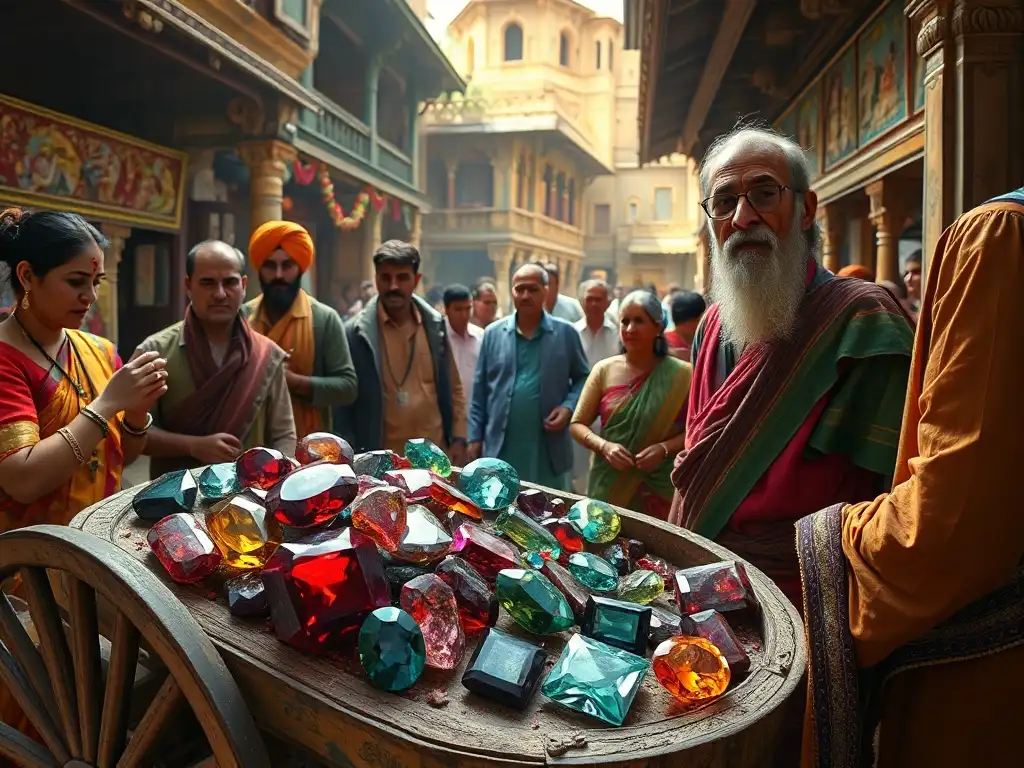
Introduction to Ancient Indian Gemstones History
The history of gemstones in ancient India is as vibrant and intricate as the gems themselves. From the majestic peaks of the Himalayas to the fertile plains of the Indus Valley, ancient Indian civilizations have long been captivated by the allure of gemstones. These precious stones not only played a significant role in trade and commerce but also held deep cultural and religious significance. As we delve into the ancient Indian gemstones history, we uncover a rich narrative that intertwines artistry, spirituality, and economic prosperity.
Gemstones such as diamonds, rubies, emeralds, and sapphires were not merely adornments; they were seen as symbols of power, protection, and prosperity. Their usage can be traced back to various ancient Indian texts and archaeological findings, reflecting the expertise of artisans and the economic intricacies of the time. Understanding this historical context provides us with valuable insights into how these gemstones shaped the cultural landscape of ancient India and continue to influence modern markets.
The Rich Tapestry of Ancient Indian Gemstones
The gemstone industry in ancient India was characterized by a diversity of stones and a wide array of craftsmanship. This section explores the historical significance and the various notable gemstones that emerged from this period.
Historical Context of Gemstones in Ancient India
In ancient India, gemstones were often associated with various mythologies and religious beliefs. The Vedas, one of the oldest sacred texts, mention gemstones like ruby and emerald as symbols of wealth and divinity. Additionally, ancient rulers adorned themselves with these stones, believing they bestowed power and protection.
Trade routes such as the Silk Road facilitated the exchange of gemstones, leading to the establishment of bustling markets in cities like Varanasi and Delhi. These markets served not only as centers for commerce but also as melting pots of culture and artistry, where skilled artisans crafted intricate jewelry that showcased the beauty of these gems.
Notable Gemstones from Ancient India
Several gemstones stand out in the rich history of ancient Indian civilizations:
- Diamonds: Renowned for their brilliance, diamonds were treasured by royalty and were often set in ceremonial pieces.
- Emeralds: Considered sacred, emeralds were believed to bring wisdom and prosperity, frequently used in royal insignia.
- Rubies: Known as the "King of Gems," rubies symbolized love and passion and were often worn by warriors for protection in battle.
- Sapphires: Associated with the heavens, sapphires were thought to bring peace and harmony to their wearers.
These gemstones not only exemplified the artistry of ancient jewelers but also mirrored the societal values and beliefs of the time, making them integral to understanding the broader narrative of ancient Indian history.
Key Gemstone Markets in India Today
India has long been celebrated for its vibrant gemstone market, deeply rooted in its historical and cultural heritage. The key gemstone markets in India today are not just centers for trade but also reflect the rich legacy of craftsmanship that has been passed down through generations. Prominent cities such as Jaipur, Surat, and Hyderabad play pivotal roles in the gemstone industry, each contributing uniquely to the overall landscape.
These markets thrive on a blend of traditional artistry and modern commerce, making them essential hubs for both local and international buyers. The recent surge in demand for ethically sourced and unique gemstones has further influenced these markets, leading to innovative practices and the introduction of new business models.
Jaipur: The Pink City and Its Gemstone Legacy
Jaipur, often referred to as the Pink City, is renowned for its historical connection to gemstones. The city has been a significant center for gemstone trading and cutting for centuries, particularly famous for its exquisite colored stones like rubies, emeralds, and sapphires. The legacy of gemstone craftsmanship in Jaipur is evident in the intricate designs and artistry displayed in the local jewelry.
Several factors contribute to Jaipur's status as a gemstone market leader:
- Historical Significance: The royal patronage in Rajasthan has historically favored the use of precious and semi-precious stones in jewelry, which has fostered a culture of craftsmanship.
- Skilled Artisans: Jaipur is home to a large community of skilled artisans who specialize in various gemstone cutting and polishing techniques, ensuring high-quality products.
- Vibrant Marketplaces: The bustling markets, such as Johari Bazaar and Bapu Bazaar, offer a wide array of gemstones and jewelry, attracting tourists and traders alike.
Jaipur's gemstone legacy continues to thrive, blending traditional techniques with contemporary designs, making it a must-visit destination for gemstone enthusiasts.
Surat: The Diamond Capital of India
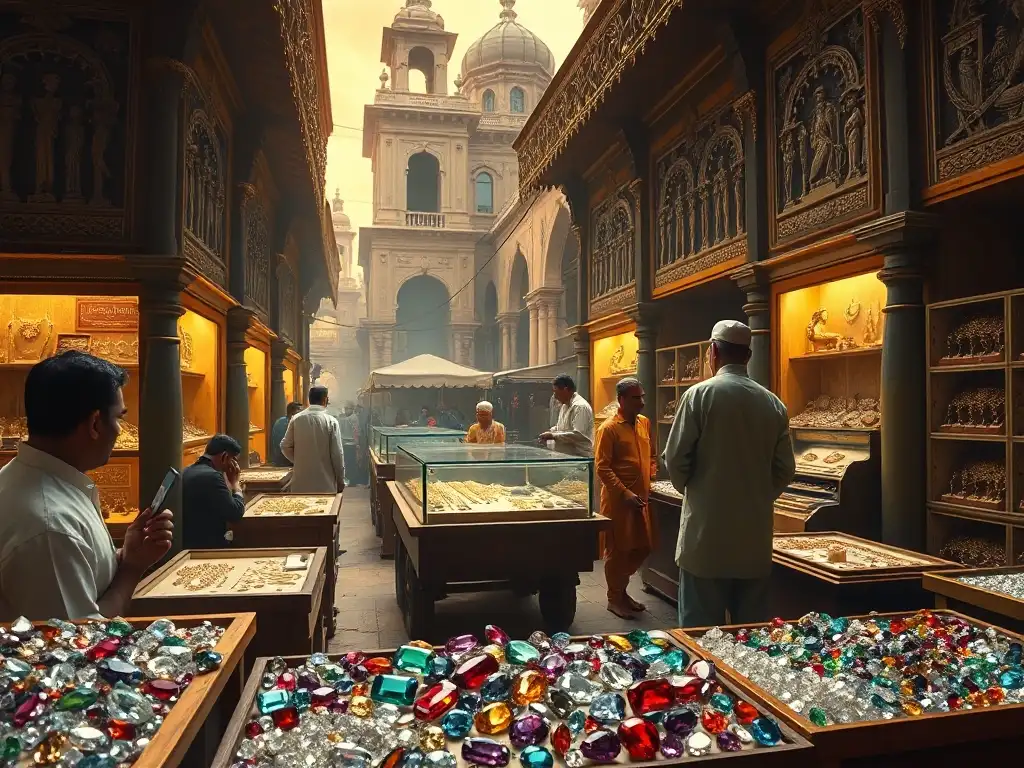
Surat has earned its reputation as the Diamond Capital of India, processing about 90% of the world's diamonds. This city has established itself as a global leader in diamond cutting and polishing, showcasing the remarkable skills of its artisans.
Key characteristics of Surat's diamond market include:
- Massive Processing Industry: Surat's diamond industry is supported by a vast network of cutting and polishing units, employing hundreds of thousands of workers and contributing significantly to the local economy.
- Quality and Variety: The city offers a diverse range of diamonds, from low-cost options to high-end luxury stones, catering to various market segments.
- Innovation and Technology: Surat has embraced modern technology in diamond processing, which has enhanced efficiency and precision, thereby maintaining its competitive edge in the global market.
Surat's continuous evolution and adaptation to market demands highlight its crucial role in the global gemstone industry, especially in diamonds.
Hyderabad: Home to Exceptional Pearls and Gemstones
Hyderabad is often associated with its historical pearl trade, earning it the nickname "City of Pearls." While pearls remain a significant aspect of Hyderabad's gemstone identity, the city is also emerging as a hub for various other gemstones.
Significant aspects of Hyderabad's gemstone market include:
- Rich Cultural Heritage: The Nizams of Hyderabad were known for their love of opulence, leading to a flourishing market for pearls and gemstones that still thrives today.
- Diverse Offerings: In addition to pearls, Hyderabad is gaining recognition for colored gemstones, including topaz and tourmaline, making it a versatile market.
- Jewelry Craftsmanship: The city is famous for its intricate jewelry designs, such as the traditional Hyderabadi pearl jewelry, which combines elegance with cultural significance.
Hyderabad's blend of historical richness and modern innovation makes it a vibrant player in the gemstone market, attracting buyers from around the globe.
Understanding Current Market Trends in the Gemstone Industry
The gemstone industry in India is experiencing noteworthy trends influenced by various factors, including consumer preferences, economic shifts, and technological advancements. Understanding these trends is essential for stakeholders aiming to navigate the complexities of the market effectively.
Current trends include:
- Sustainable Practices: There is a growing demand for ethically sourced gemstones, prompting traders to adopt more sustainable practices in mining and trading.
- Personalization: Consumers are increasingly seeking personalized and unique pieces, leading to a rise in bespoke jewelry services.
- Digital Transformation: E-commerce and online platforms are reshaping how gemstones are marketed and sold, expanding access to a wider audience.
The Influence of Ancient Indian Gemstones History on Modern Trends
The history of gemstones in ancient India significantly impacts modern market trends. Ancient texts and historical practices related to gemstones have laid the groundwork for contemporary beliefs about their significance, value, and aesthetic appeal.
- Cultural Significance: Gemstones have long been associated with various cultural and spiritual beliefs in India, influencing modern consumers who seek not only beauty but also meaning in their purchases.
- Traditional Techniques: Many modern jewelers draw inspiration from ancient craftsmanship techniques, blending them with contemporary designs to create unique offerings that appeal to both traditional and modern tastes.
- Heritage and Authenticity: The demand for authentic and heritage-rich pieces is on the rise, as consumers are increasingly interested in the stories behind their gemstones.
The connection between ancient practices and modern preferences underscores the enduring legacy of gemstones in Indian culture, driving current market trends.
Pricing Trends and Economic Factors
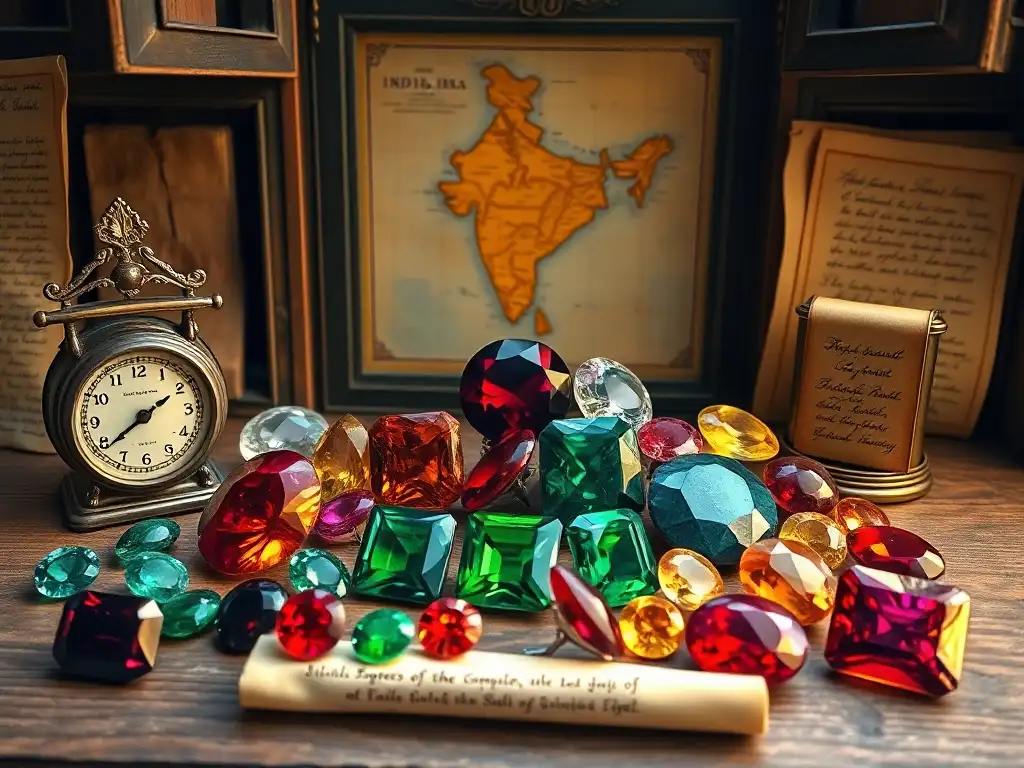
Pricing trends in the gemstone market are influenced by a myriad of economic factors, including supply and demand dynamics, market accessibility, and global economic conditions.
- Supply Chain Variability: Fluctuations in the availability of gemstones due to mining conditions and geopolitical factors can lead to significant price variations.
- Consumer Demand: The growing appetite for unique and ethically sourced gemstones has created a competitive market, pushing prices up for certain categories.
- Economic Indicators: Broader economic conditions, such as inflation rates and consumer spending patterns, also play a crucial role in determining gemstone prices.
Understanding these pricing trends is vital for both buyers and sellers in the gemstone market, as it helps them make informed decisions about purchasing and investment.
Buying Guide for Gemstones in India
When navigating the vibrant gemstone market in India, it’s essential to approach your purchase with knowledge and confidence. The intricacies of gemstones—from their origins to their cultural significance—play a crucial role in their value and appeal. Here’s a comprehensive buying guide to help you make informed decisions when purchasing gemstones in India.
Essential Factors to Consider When Purchasing Gemstones
-
Certification and Authenticity
Always seek gemstones that come with a certification from recognized gemological laboratories. This certification verifies the authenticity of the gemstone, including its type, origin, and treatment. Look for certifications from organizations such as the Gemological Institute of America (GIA) or the International Gemological Institute (IGI).
-
Color and Clarity
The color of a gemstone is one of its most critical attributes. Different gemstones exhibit a wide range of colors, and the most valuable stones often have vivid, saturated hues. Clarity refers to the presence of inclusions or blemishes; a clearer stone is generally more desirable. Evaluate these factors against industry standards to gauge quality.
-
Cut and Carat Weight
The cut of a gemstone affects its brilliance and sparkle. A well-cut stone reflects light beautifully, enhancing its visual appeal. Carat weight, on the other hand, measures the size of the gemstone. Larger stones are rarer and typically more expensive, but the quality of the cut and color can outweigh size in terms of value.
-
Origin and Historical Significance
The source of a gemstone can significantly impact its value and desirability. For instance, stones from traditional Indian mines, like those in Rajasthan, carry historical significance and cultural value. Understanding the provenance of a gemstone enhances its story and allure.
-
Market Trends and Pricing
Being aware of current market trends can help you negotiate better prices. The gemstone market is influenced by various factors, including demand, economic fluctuations, and seasonal trends. Researching these trends can provide insights into the best time to buy or sell gemstones.
Recommended Gemstone Retailers and Online Platforms
When purchasing gemstones in India, it’s advisable to choose reputable retailers known for their quality and credibility. Here are some recommended options:
- Local Jewelers: Established jewelers in cities like Jaipur, Mumbai, and Delhi often have a vast selection of gemstones and provide personalized service. Look for jewelers with a long-standing reputation in the community.
- Online Platforms: The rise of e-commerce has made it easier to buy gemstones online. Some trusted platforms include:
- BlueStone: Known for its wide range of certified gemstones and jewelry.
- CaratLane: Offers a transparent pricing model and quality assurance for gemstones and jewelry.
- GemPundit: Specializes in natural gemstones and provides certification for all its products.
- Gem Shows and Exhibitions: Attending gem and jewelry exhibitions can provide opportunities to buy directly from vendors. Events like the Jaipur Gem and Jewelry Show showcase a plethora of gemstones and are ideal for direct purchases.
Conclusion: The Future of the Gemstone Market in India
The future of the gemstone market in India looks promising, driven by a combination of rich cultural heritage and modern consumer trends. With increasing awareness of gemstone authentication and ethical sourcing, buyers are becoming more discerning. This shift is leading to a rise in demand for responsibly sourced and certified gemstones.
Furthermore, advancements in technology and online retail are transforming how consumers shop for gemstones. The integration of augmented reality (AR) and virtual reality (VR) in online platforms allows buyers to visualize gemstones in real-time, enhancing the shopping experience.
As global markets expand and the appreciation for ancient Indian gemstones history continues to grow, the prospects for the Indian gemstone market appear bright. By staying informed about trends and making educated purchases, both collectors and enthusiasts can navigate this colorful landscape with confidence.
Call to Action
As we explore the vibrant world of gemstones in ancient India, it becomes evident that the historical significance and cultural relevance of these precious stones extend far beyond mere aesthetics. The intricate artistry, regional specialties, and enduring traditions surrounding gemstones in Indian history are a testament to the craftsmanship and creativity of our ancestors.
If you are inspired by the rich tapestry of ancient Indian gemstones history, we invite you to delve deeper into this captivating subject. Here are a few ways to engage further:
- Visit Local Markets: Explore your nearby gemstone markets to experience firsthand the beauty and variety of gemstones reminiscent of those traded in ancient times.
- Attend Workshops: Join workshops that focus on gemstone cutting, polishing, or designing jewelry inspired by ancient techniques. This hands-on experience can deepen your appreciation for the craft.
- Read More: Dive into books and articles that cover the history and significance of gemstones in ancient India. Understanding their cultural context can enhance your knowledge and appreciation.
- Connect with Experts: Engage with gemologists or historians specializing in ancient Indian gemstones. Their insights can provide a richer understanding of the market trends and historical significance of these stones.
- Collect and Curate: If you have a passion for gemstones, consider starting your own collection. Focus on specific types of gemstones that have roots in ancient Indian history, such as diamonds from Golconda or emeralds from the Mughal era.
By taking these steps, you not only deepen your understanding of ancient Indian gemstones history but also contribute to the preservation and appreciation of this ancient art form. 🌟
- Introduction to Ancient Indian Gemstones History
- The Rich Tapestry of Ancient Indian Gemstones
- Key Gemstone Markets in India Today
- Jaipur: The Pink City and Its Gemstone Legacy
- Surat: The Diamond Capital of India
- Hyderabad: Home to Exceptional Pearls and Gemstones
- Understanding Current Market Trends in the Gemstone Industry
- The Influence of Ancient Indian Gemstones History on Modern Trends
- Pricing Trends and Economic Factors
- Buying Guide for Gemstones in India
- Conclusion: The Future of the Gemstone Market in India
- Call to Action
- What are the main gemstones associated with ancient Indian history?
- How did ancient Indian civilizations influence the gemstone market?
- What role did gemstones play in Indian culture?
- How did the Indus Valley Civilization contribute to the gemstone trade?
- What are some current trends in the Indian gemstone market?
Frequently Asked Questions
What are the main gemstones associated with ancient Indian history?
Ancient India is known for its precious gemstones like diamonds, rubies, and emeralds, which were highly valued and often used in royal jewelry and trade.
How did ancient Indian civilizations influence the gemstone market?
Ancient Indian civilizations established a robust trade network, which not only enhanced the gemstone market but also influenced gem-cutting techniques and craftsmanship that are still admired today.
What role did gemstones play in Indian culture?
Gemstones held significant cultural importance in ancient India, symbolizing wealth, power, and spirituality, often linked to various deities and worn as amulets for protection.
How did the Indus Valley Civilization contribute to the gemstone trade?
The Indus Valley Civilization was one of the earliest societies to engage in the gemstone trade, showcasing their skills in craftsmanship and the use of semi-precious stones in various artifacts.
What are some current trends in the Indian gemstone market?
Modern trends in the Indian gemstone market include an emphasis on sustainability, the rise of ethical sourcing, and a growing interest in vintage and antique gemstones that reflect India's rich heritage.
Final Reflection: Embracing the Legacy of Ancient Indian Gemstones
The rich tapestry of ancient Indian gemstones history continues to resonate in today's vibrant gemstone market, revealing a profound connection between our past and present. As we explore the trends and intricacies of this age-old industry, it becomes evident that the allure of these gemstones transcends mere aesthetics; they embody stories, traditions, and cultural significance that shape our understanding of beauty and value in contemporary society.
The influence of ancient Indian gemstones is not just a relic of the past but a living testament to our evolving cultural landscape. From royal adornments to modern jewelry, these stones have woven themselves into the fabric of our identity, inspiring artisans and consumers alike. As Mahatma Gandhi once said, "> The best way to find yourself is to lose yourself in the service of others." This sentiment rings true in the gemstone market, where the craftsmanship and heritage behind each piece serve as a reminder of our collective history and the importance of preserving it for future generations.
As you reflect on the insights shared in this article, consider how you can engage with the world of gemstones in a meaningful way. Whether through supporting ethical sourcing, learning about the stories behind these precious stones, or simply appreciating their beauty, you have the power to honor the legacy of ancient Indian gemstones. Let this exploration inspire you to delve deeper into the rich history and cultural significance of these treasures, fostering a greater appreciation for the artistry that has endured through the ages.
Unveil the Vibrant World of Gemstones!
Thank you for diving into the colorful insights of India's gemstone market with us! We hope you discovered unique trends and valuable knowledge that sparks your curiosity about these stunning gems. Now, let’s keep that momentum going and take action!
Here are three exciting ways you can further explore the enchanting world of gemstones:
- Visit a local gemstone market to experience the beauty and variety firsthand—don’t forget to ask questions and engage with vendors!
- Share your favorite gemstone find with friends or on social media. Use the hashtag #GemstoneJourney to connect with a community of gemstone enthusiasts!
- Start a collection of your favorite gemstones—research their meanings and origins to deepen your appreciation.
What gemstone resonates with you the most, and how will you celebrate its beauty in your life? Let's discuss in the comments!