
The Spiritual Quest: Exploring the Philosophical Schools of Northern India

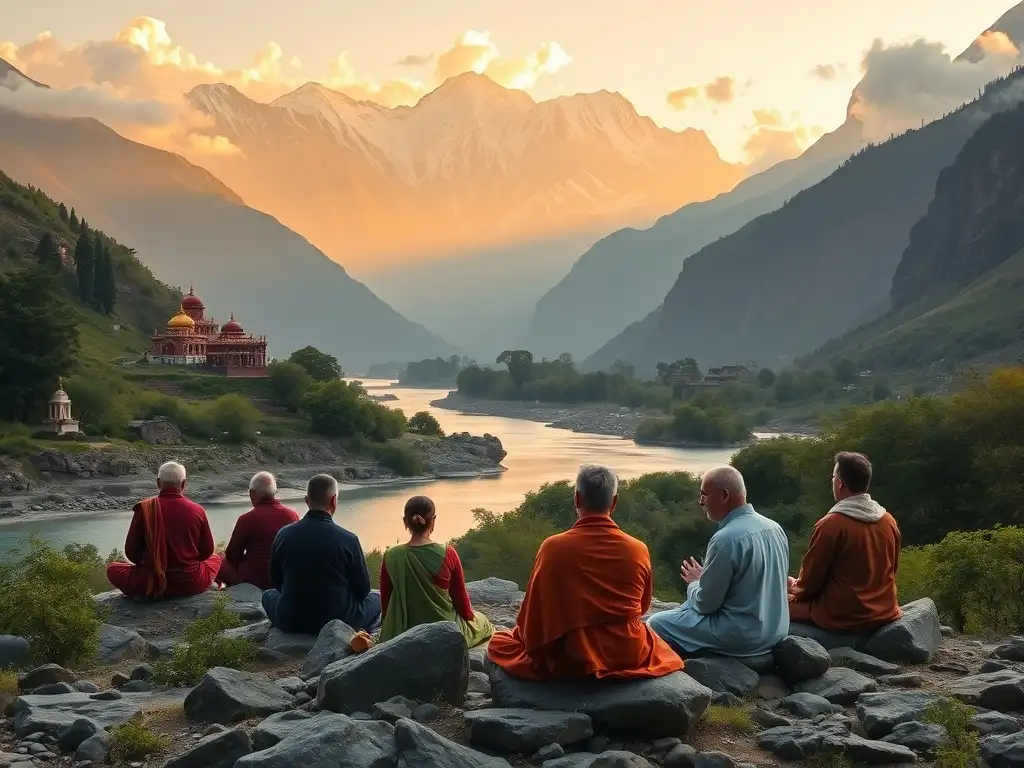
Welcome to Ancient India History, where we embark on a captivating journey through the rich tapestry of ancient Indian civilizations. In this exploration, we delve into the Philosophical Schools of Northern India, uncovering the profound ideas and teachings that have shaped spiritual thought for centuries. From the mystical realms of the Indus Valley to the intellectual heights of the Gupta Empire, each era offers a unique perspective on philosophy and culture. Are you ready to uncover the wisdom that still resonates today? Join us as we unravel the layers of history and thought that define Northern India's spiritual quest.

Introduction to the Philosophical Schools of Northern India
The philosophical schools of Northern India represent a profound aspect of the region's diverse cultural and intellectual heritage. These schools not only shaped the spiritual landscape of ancient India but also laid the groundwork for various contemporary philosophical discussions. From the early contemplations of the Vedic texts to the systematic inquiries of later thinkers, the philosophical traditions of Northern India provide valuable insights into the human quest for knowledge, ethics, and the ultimate purpose of existence.
Overview of Northern India's Spiritual Landscape
Northern India has been a cradle for numerous philosophical traditions, with its spiritual landscape characterized by a rich tapestry of beliefs and practices. The region is home to notable philosophies, including:
- Vedanta: Focused on the interpretation of the Vedas and Upanishads, emphasizing the nature of reality and the self.
- Samkhya: A dualistic philosophy that explores the relationship between consciousness and matter.
- Buddhism: Founded by Siddhartha Gautama (the Buddha), this school promotes the path to enlightenment through the Four Noble Truths and the Eightfold Path.
- Jainism: Emphasizing non-violence and truth, Jainism offers a unique perspective on liberation and morality.
These philosophical schools not only reflect the spiritual yearnings of their time but also interact with one another, leading to a dynamic intellectual environment.
Importance of Philosophical Schools in Ancient Indian Culture
The philosophical schools of Northern India played a crucial role in shaping ancient Indian culture. They served as:
- Centers of Learning: Many schools established monastic institutions that became hubs of education and scholarly activity.
- Influencers of Governance: Philosophical ideas influenced political thought, ethics, and governance, guiding rulers in their decision-making.
- Cultural Integration: They facilitated the synthesis of various cultural and spiritual ideas, contributing to a more cohesive society.
The enduring legacy of these schools can be seen in various aspects of modern Indian thought, spirituality, and cultural practices.
Historical Context of Philosophical Schools
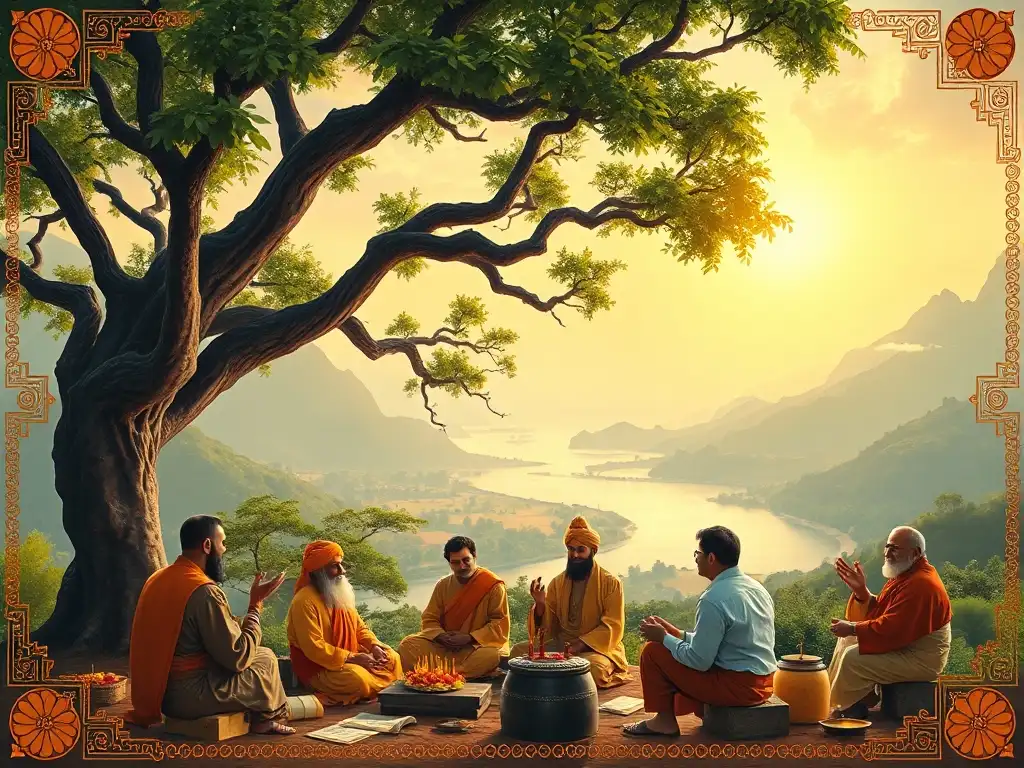
To fully understand the philosophical schools of Northern India, it is essential to explore their historical context.
The Emergence of Philosophical Thought in Northern India
The roots of philosophical inquiry in Northern India can be traced back to the Vedic period (around 1500 BCE), where early texts began to question the nature of existence, the self, and the universe. Over time, this inquiry evolved, leading to the formulation of distinct schools of thought during the later Vedic period and the rise of influential thinkers such as:
- Adi Shankaracharya: A proponent of Advaita Vedanta who emphasized the non-duality of existence.
- Kapila: The founder of the Samkhya school, known for its systematic approach to understanding reality.
These thinkers laid the foundations for subsequent philosophical developments, influencing a wide range of disciplines from metaphysics to ethics.
Influences of Religion and Spirituality on Philosophy
Religion and spirituality have been instrumental in shaping the philosophical schools of Northern India. The intertwining of these elements is evident in various ways:
- Integration with Rituals: Philosophical concepts often coexisted with religious practices, enhancing their significance in daily life.
- Dialogue with Spiritual Leaders: Many philosophical ideas emerged from dialogues between ascetics, monks, and laypersons, creating a rich intellectual discourse.
- Responses to Social Issues: Philosophers addressed contemporary social concerns, such as caste, ethics, and the nature of suffering, reflecting the dynamic interplay between thought and society.
As we delve deeper into the philosophical schools of Northern India, we will uncover the intricate connections between their teachings and the broader historical trajectory of the region's spiritual evolution.
Major Philosophical Schools of Northern India
Northern India has been a crucible of philosophical thought, where various schools have flourished, each contributing uniquely to the spiritual and intellectual landscape of the region. The major philosophical schools include:
- Vedanta: Rooted in the Upanishads, Vedanta emphasizes the nature of reality and the self. It explores concepts such as Brahman (the ultimate reality) and Atman (the individual soul), advocating for the realization of the unity of both.
- Sankhya: This dualistic school posits a distinction between consciousness (Purusha) and matter (Prakriti). Sankhya philosophy lays the groundwork for understanding the universe's structure and the evolution of consciousness.
- Yoga: Closely associated with the teachings of Patanjali, the Yoga school emphasizes practices that lead to spiritual liberation (moksha). It advocates for a disciplined lifestyle that encompasses ethical conduct, meditation, and physical postures.
- Nyaya: As a school of logic and epistemology, Nyaya focuses on the means of gaining knowledge. It provides a systematic approach to reasoning and argumentation, emphasizing the importance of valid inference and perception.
- Vaisheshika: Complementing Nyaya, Vaisheshika deals with the nature of reality and categorizes it into substances, qualities, and actions. It explores atomic theory and seeks to understand the nature of the physical universe.
- Mimamsa: Centered on the ritualistic interpretations of the Vedas, Mimamsa stresses the significance of dharma (duty) and proper action. It lays down the rules for conducting Vedic rituals and understanding their philosophical implications.
These schools have interwoven threads of thought, influencing each other while also diverging in their interpretations of existence, knowledge, and ultimate reality.
Overview of Key Philosophical Schools
Each of the philosophical schools mentioned above has distinct features and teachings:
- Vedanta: The most influential school in contemporary Hindu philosophy, it is divided into several sub-schools, including Advaita (non-dualism), Vishishtadvaita (qualified non-dualism), and Dvaita (dualism). Each offers unique interpretations of the relationship between the individual soul and the ultimate reality.
- Sankhya: Its significance lies in its classification of the elements of existence and the human experience. The enumeration of 25 principles, including the three gunas (sattva, rajas, and tamas), provides insight into human behavior and the cosmic order.
- Yoga: Beyond philosophy, Yoga encompasses a comprehensive lifestyle that integrates physical, mental, and spiritual practices. The Yoga Sutras of Patanjali remain foundational texts, presenting an eightfold path (Ashtanga) for achieving enlightenment.
- Nyaya: The Nyaya Sutras, authored by Gautama, are pivotal in establishing a systematic approach to logic. This school emphasizes the importance of pramanas (means of knowledge) such as perception, inference, and testimony in philosophical discourse.
- Vaisheshika: This school contributes to metaphysics and examines categories of existence, including substance, quality, and action, leading to a nuanced understanding of both the material and spiritual worlds.
- Mimamsa: It holds that understanding the Vedas is essential for performing rituals that sustain cosmic order. The philosophy underlines the importance of action and duty in achieving spiritual goals.
Comparative Analysis of Philosophical Schools
The philosophical schools of Northern India are interconnected yet distinct, each presenting unique perspectives on key philosophical questions. A comparative analysis reveals both synergies and divergences among them.
- Nature of Reality:
- Vedanta asserts a non-dualistic view, suggesting that the ultimate reality is a singular, unified existence.
- Sankhya distinguishes between consciousness and matter, fostering a dualistic understanding.
- Vaisheshika focuses on the material aspects of reality, positing a pluralistic view.
- Means of Knowledge:
- Nyaya emphasizes logic and epistemology, prioritizing valid inference and perception.
- Mimamsa values scriptural authority, viewing the Vedas as the ultimate source of knowledge.
- Path to Liberation:
- Yoga provides practical techniques for achieving liberation through disciplined practice.
- Vedanta emphasizes knowledge and realization of the self as the path to moksha.
- Sankhya underscores understanding the distinction between Purusha and Prakriti as key to liberation.
- Ethics and Duty:
- Mimamsa places a strong emphasis on dharma and ritual as essential for maintaining cosmic order.
- Yoga incorporates ethical precepts (Yamas and Niyamas) as foundational to spiritual practice.
Differences and Similarities Among Key Philosophical Schools
While the philosophical schools of Northern India offer varied perspectives, they share a common goal: the pursuit of truth and understanding of the self and the universe.
- Similarities:
- All schools recognize the significance of knowledge and its role in achieving spiritual liberation.
- They engage deeply with the concepts of dharma and ethical living, although the interpretations may vary.
- A focus on meditation and introspection is prevalent, particularly in Yoga and Vedanta.
- Differences:
- The metaphysical assumptions vary widely; for instance, Vedanta's non-dualism contrasts sharply with Sankhya's dualistic framework.
- The methods of inquiry differ, with Nyaya's logical approach competing with the ritualistic focus of Mimamsa.
Understanding these philosophical schools provides a comprehensive view of the rich intellectual heritage of Northern India, highlighting how they collectively contribute to the broader discourse on spirituality and ethics. This exploration not only deepens our appreciation of ancient wisdom but also invites contemporary reflections on these enduring teachings.
Influence of Philosophical Schools on Indian Society
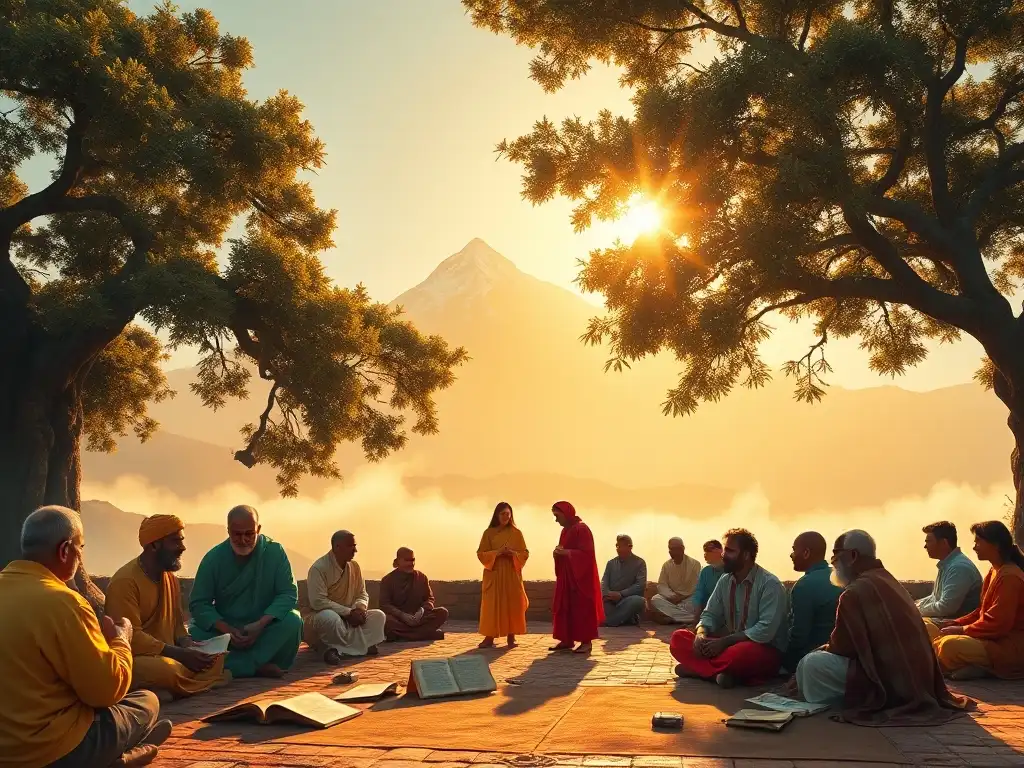
The philosophical schools of Northern India have had a profound influence on various aspects of Indian society, shaping not only the intellectual landscape but also the cultural and social fabric. These schools, primarily rooted in ancient texts like the Vedas, Upanishads, and later philosophical works, provided a framework for understanding existence, ethics, and the nature of reality. Their teachings have permeated through centuries, affecting diverse fields such as art, literature, and moral frameworks, thus leaving a lasting legacy that continues to resonate in modern times.
Impact on Art, Literature, and Culture
The philosophical schools of Northern India significantly impacted the realms of art and literature. For instance, the concepts of Dharma and Karma from Hindu philosophy inspired countless works of literature, poetry, and drama. Texts like the Mahabharata and Ramayana embody these philosophical ideas, offering moral lessons that transcend time.
In the visual arts, the influence of philosophical thought is evident in the intricate symbolism found in sculptures and paintings. For example, Buddhist art often reflects the principles of impermanence and enlightenment, emphasizing the journey toward spiritual awakening. Similarly, the intricate designs and motifs in temple architecture often embody philosophical concepts, manifesting the relationship between the divine and the material world.
Moreover, the interplay between philosophy and culture is evident in the festivals and rituals that pervade Indian life, which often encapsulate philosophical teachings, thus nurturing a collective identity rooted in these ancient ideas.
Contribution to Ethical and Moral Frameworks
The philosophical schools have also contributed significantly to the ethical and moral frameworks within Indian society. Schools such as Nyaya and Vaisheshika focused on logic and epistemology, establishing a basis for rational thought and ethical reasoning. They encouraged individuals to seek truth and justice, promoting a society grounded in fairness and moral integrity.
The teachings of Buddhism and Jainism, with their emphasis on non-violence ( Ahimsa) and compassion, contributed to the moral underpinnings of Indian society. These principles have influenced social norms, encouraging peaceful coexistence and respect for all living beings. Such ethical frameworks continue to guide contemporary Indian society, impacting legal systems, social justice movements, and personal conduct.
Modern Relevance of Ancient Philosophical Schools
The relevance of ancient philosophical schools in modern India is profound, as they provide timeless wisdom that can address contemporary challenges. Their teachings foster dialogue on pressing issues such as environmental sustainability, social equity, and mental well-being, making them increasingly pertinent in today's context.
How Ancient Philosophical Thought Influences Contemporary India
Ancient philosophical thought influences contemporary India by offering frameworks for understanding identity, spirituality, and ethical decision-making. Modern thinkers and leaders often draw upon these philosophies to address social issues. For instance, the concept of Satyagraha, rooted in Gandhian philosophy, emphasizes truth and non-violence as essential tools for social change, inspiring movements for justice and equality.
Furthermore, the resurgence of interest in mindfulness and meditation practices, which have their roots in ancient Indian philosophy, reflects a growing recognition of the importance of mental well-being and self-awareness in today’s fast-paced world. As individuals search for meaning and connection in a globalized society, the teachings of ancient philosophical schools provide valuable insights.
Reviving Interest in Ancient Philosophical Schools
In recent years, there has been a revival of interest in ancient philosophical schools, spurred by a desire to reconnect with India's rich intellectual heritage. Academic institutions are increasingly incorporating these philosophies into their curricula, promoting research and dialogue around them.
Moreover, cultural organizations and workshops focused on Indian philosophy are gaining popularity, fostering community engagement and encouraging the exploration of ancient texts and ideas. This revival not only enriches cultural identity but also empowers individuals to draw upon these timeless teachings to navigate the complexities of modern life, ensuring that the wisdom of the past continues to illuminate the path forward.
Conclusion: The Legacy of Philosophical Schools in Northern India
The philosophical schools of Northern India have left an indelible mark on the intellectual landscape, not just within the subcontinent but across the world. These ancient traditions, characterized by rigorous inquiry and deep spiritual exploration, have shaped not only religious thought but also ethical frameworks, social norms, and cultural practices. The legacy of these schools can be observed in various modern philosophical discourses and spiritual practices, demonstrating how the teachings of figures like Gautama Buddha, Adi Shankaracharya, and others continue to inspire and influence contemporary thought.
The diversity of philosophical traditions, from the materialist views of Charvaka to the spiritual insights of Vedanta, reflects the rich tapestry of thought that flourished in Northern India. This intellectual diversity fosters a spirit of inquiry that encourages individuals to explore the nature of existence, consciousness, and the universe. The schools of Northern India have thus provided a foundation for critical thinking and debate, encouraging seekers to delve into life's profound questions.
In today’s globalized world, the concepts of dharma, karma, and moksha resonate with many, transcending geographical and cultural boundaries. The philosophical schools of Northern India have not only contributed to the spiritual heritage of India but have also enriched the global philosophical discourse, making it essential to recognize and celebrate their enduring influence.
Summarizing the Enduring Influence of Northern Indian Philosophy
The enduring influence of Northern Indian philosophy can be summarized through several key aspects:
- Integration of Thought: Philosophical schools like Jainism and Buddhism introduced concepts such as non-violence (ahimsa) and impermanence, shaping ethical frameworks that have permeated various cultures and religions over centuries.
- Spiritual Practices: Many meditation and yoga practices trace their roots back to ancient philosophies, particularly those espoused by the Upanishads and the Yoga Sutras of Patanjali. These practices continue to attract global interest, promoting mental well-being and self-realization.
- Cultural Exchange: The philosophical ideas developed in Northern India facilitated dialogue and interaction with neighboring civilizations, influencing philosophies in regions such as Tibet, China, and even the Greco-Roman world. This cultural exchange enriched the philosophical traditions of these regions.
- Modern Relevance: The principles of Northern Indian philosophy are increasingly relevant in contemporary discussions about spirituality, ethics, and environmentalism. Concepts such as interconnectedness and sustainability echo the ancient teachings, urging modern societies to rethink their relationship with nature and each other.
By recognizing these aspects, we can appreciate the profound impact that the philosophical schools of Northern India have had on both historical and modern contexts, illustrating the timeless nature of their teachings.
Final Thoughts on the Spiritual Quest in Ancient India
The spiritual quest in ancient India, particularly through the lens of the philosophical schools of Northern India, represents a significant chapter in the broader narrative of human thought and understanding. This quest was not merely an intellectual endeavor but a deeply personal journey that sought to unravel the mysteries of existence, suffering, and the ultimate purpose of life.
As seekers engaged with diverse philosophies, they explored various pathways to enlightenment, often emphasizing the importance of personal experience and introspection. This emphasis on individual exploration fostered a rich tradition of debate and dialogue, allowing for the flourishing of multiple perspectives on the nature of reality and the self.
The spiritual quest in ancient India, epitomized by the philosophical schools of Northern India, continues to inspire generations. As we reflect on this legacy, it becomes clear that these ancient teachings are not relics of the past; rather, they serve as guiding principles for understanding our place in the world and the pursuit of a meaningful existence. The quest for wisdom and understanding remains as relevant today as it was in ancient times, urging us to engage with the profound questions that define the human experience.
- Introduction to the Philosophical Schools of Northern India
- Overview of Northern India's Spiritual Landscape
- Importance of Philosophical Schools in Ancient Indian Culture
- Historical Context of Philosophical Schools
- Major Philosophical Schools of Northern India
- Comparative Analysis of Philosophical Schools
- Influence of Philosophical Schools on Indian Society
- Modern Relevance of Ancient Philosophical Schools
- Conclusion: The Legacy of Philosophical Schools in Northern India
- What are the main philosophical schools of Northern India?
- How did philosophical schools influence ancient Indian culture?
- What role did the Gupta Empire play in the development of these schools?
- Can you explain the significance of the Indus Valley Civilization in the context of Indian philosophy?
- How do these philosophical schools relate to modern thought?
Frequently Asked Questions
What are the main philosophical schools of Northern India?
The main philosophical schools include Nyaya, Vaisheshika, Sankhya, Yoga, Mimamsa, and Vedanta, each offering unique perspectives on knowledge, reality, and spirituality.
How did philosophical schools influence ancient Indian culture?
These schools significantly shaped ancient Indian culture by providing frameworks for ethics, metaphysics, and spiritual practices, which were integral to daily life and governance.
What role did the Gupta Empire play in the development of these schools?
The Gupta Empire (c. 320-550 CE) fostered a cultural renaissance that allowed philosophical schools to flourish, promoting scholarship, debate, and the synthesis of various philosophical ideas.
Can you explain the significance of the Indus Valley Civilization in the context of Indian philosophy?
While the Indus Valley Civilization (c. 3300-1300 BCE) predates formal philosophical schools, its artifacts and rituals suggest early spiritual practices that laid the groundwork for later philosophical development.
How do these philosophical schools relate to modern thought?
Many concepts from ancient philosophical schools continue to influence modern philosophy, psychology, and spirituality, particularly in areas like self-realization and the nature of reality.
Final Reflection: The Enduring Legacy of Northern India's Philosophical Schools
The exploration of the philosophical schools of Northern India remains profoundly relevant today, as it offers timeless wisdom that resonates with our contemporary search for meaning and understanding. In a world increasingly marked by chaos and uncertainty, the teachings of these ancient traditions provide a guiding light, urging us to delve deeper into our own spiritual quests and to seek harmony within ourselves and with the universe around us.
The philosophical schools of Northern India have not only shaped spiritual thought but have also woven themselves into the very fabric of our cultural and social landscapes. Their influence is evident in modern discussions on ethics, consciousness, and the nature of reality. As we navigate the complexities of modern life, we can draw inspiration from these teachings to foster a sense of community and interconnectedness. The greatest gift of the philosophical schools is the ability to question and to seek, for in the quest lies the essence of our humanity.
As you reflect on the insights gained from the rich tapestry of Northern India's philosophical traditions, I invite you to embrace your own spiritual journey with curiosity and openness. Consider how these ancient teachings can inform your daily life, guiding you toward greater self-awareness and compassion. Let the wisdom of the past inspire you to cultivate a deeper connection with yourself and others, as you embark on your own quest for truth and fulfillment.
Embark on Your Spiritual Journey Today!
Thank you for dedicating your time to explore the rich tapestry of Northern India's philosophical schools. You've uncovered insights that could transform your understanding of spirituality and philosophy. Now, it’s your turn to take meaningful steps toward your spiritual quest!
Here’s how you can continue your journey:
- Dive Deeper: Choose a philosophical school that resonates with you and read a relevant book or article about its teachings. This focused exploration can enhance both your understanding and practice.
- Join a Community: Look for a local or online group that engages in discussions about Eastern philosophies. Sharing insights with others can deepen your experience and inspire new ideas.
- Engage with Nature: Take a contemplative walk in a natural setting to reflect on the philosophies you’ve discovered. Allow the tranquility of nature to inspire new perspectives.
What aspect of Northern Indian philosophy intrigues you the most, and how will you integrate it into your daily life?