
Key Poets of Sangam Literature: Meet the Masters of Ancient Tamil Poetry

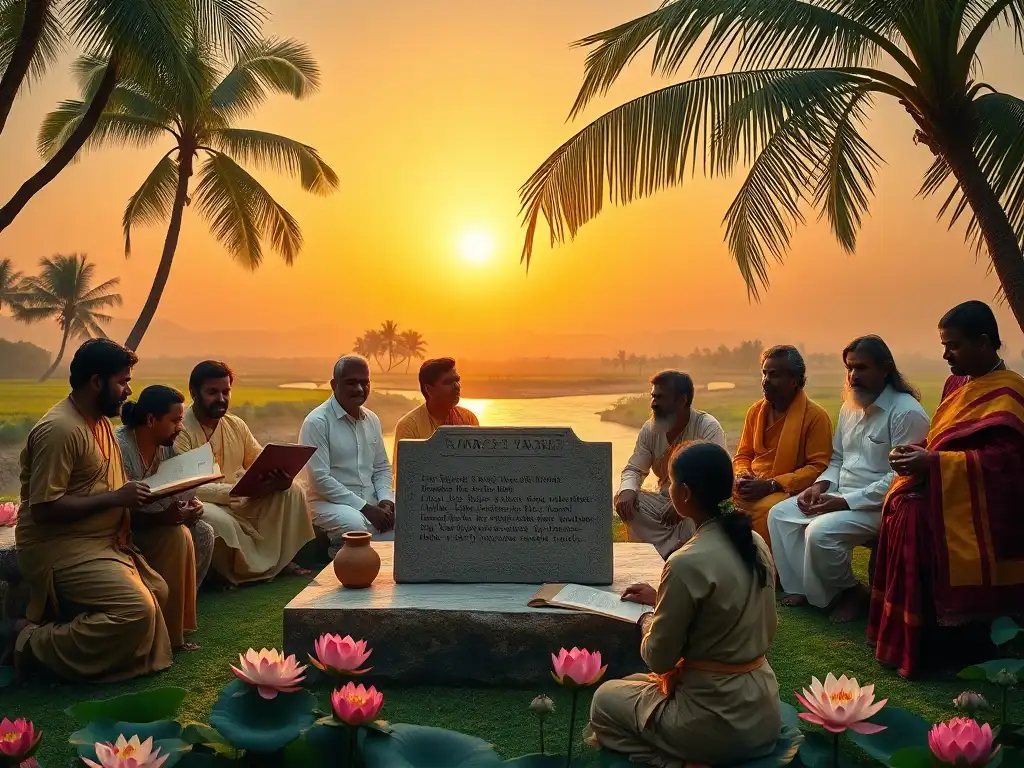
Welcome to Ancient India History, where we invite you to embark on a captivating journey through the rich tapestry of India's past. Dive deep into the world of Sangam literature, a treasure trove of ancient Tamil poetry that showcases the brilliance of its key poets.
In our latest article, "Key Poets of Sangam Literature: Meet the Masters of Ancient Tamil Poetry," we unravel the profound contributions of these literary luminaries and explore how their verses continue to resonate through the ages. Prepare to be inspired and intrigued as we uncover the stories behind the words, inviting you to explore the vibrant culture and heritage that shaped ancient India.
Sangam literature represents a remarkable period in the history of ancient Tamil poetry, flourishing between approximately 300 BCE and 300 CE in the southern part of India. This era produced a wealth of poetic works that not only reflect the linguistic and literary excellence of the Tamils but also provide deep insights into the social, cultural, and political milieu of the time. The poets of Sangam literature, often referred to as the "Sangam poets," are celebrated for their profound contributions that encompass themes of love, valor, and the beauty of nature, among others.
With a legacy that extends beyond mere literary achievement, these poets played a crucial role in shaping the identity of Tamil culture and language. Their works are not just poems; they are a treasure trove of historical and sociological information that offers a glimpse into the lives and values of ancient Tamil society. In this article, we will delve into the lives and works of some of the key poets of Sangam literature, exploring their unique styles and the lasting impact of their contributions to ancient Tamil poetry.
Overview of Sangam Literature
Sangam literature is characterized by its rich use of metaphors, imagery, and emotional depth. It is composed of various types of poems, ranging from akam (inner, love-related themes) to puram (outer, themes of heroism and valor). The collection of poems, believed to have been composed by multiple authors over centuries, provides a comprehensive view of the values and aesthetics of the ancient Tamil civilization.
Key Features of Sangam Poets
The poets of Sangam literature are distinguished not only by their literary genius but also by their profound understanding of human emotions and nature. Some key features of these poets include:
- Diversity of Themes: The poets addressed a variety of themes, including love, war, ethics, and the beauty of nature.
- Cultural Significance: Their works often reflect the customs, traditions, and social structures of ancient Tamil society.
- Use of Language: The poets employed a unique style of Tamil that has influenced generations of writers and poets.
Prominent Poets of the Sangam Era
Several poets stand out in the annals of Sangam literature, each contributing uniquely to the literary landscape of ancient Tamil. Among them are:
- Alankudi Adigal: Known for his intricate verses on love and nature.
- Kapilar: A prominent poet whose works reflect the values of heroism and loyalty.
- Nakkirar: Renowned for his lyrical prowess and philosophical insights.
In the following sections, we will explore these poets and their contributions in greater detail, celebrating the legacy of Sangam literature and its masters.
Introduction to Sangam Literature
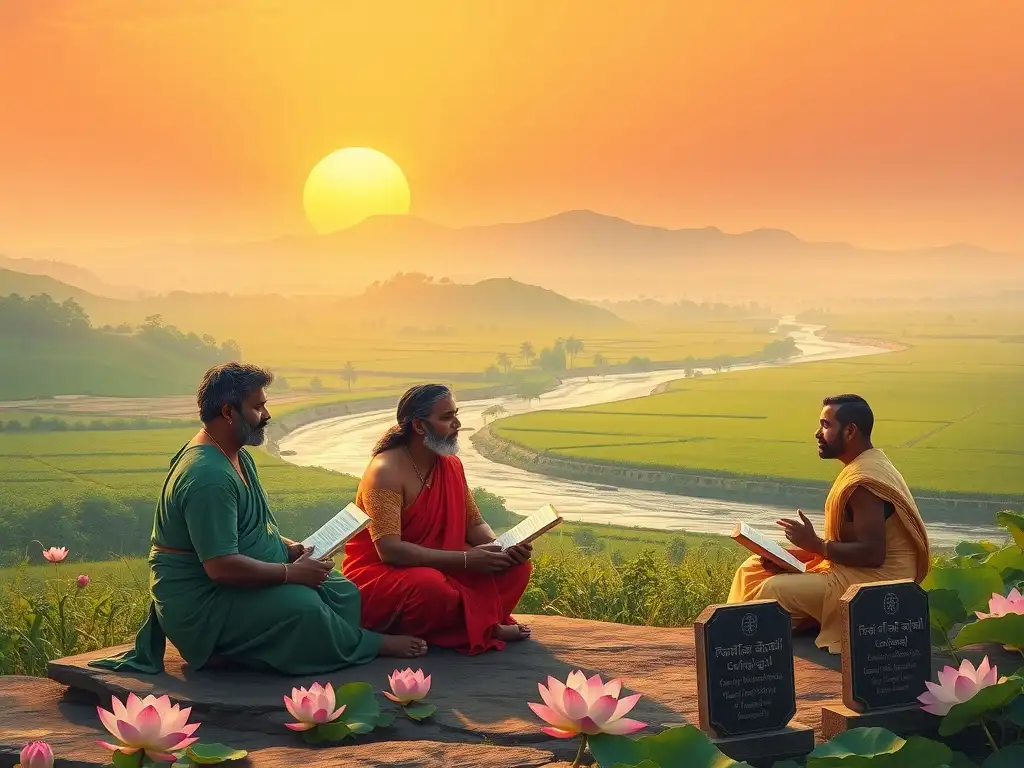
Sangam literature represents one of the most significant and ancient literary traditions of Tamil Nadu, India, encompassing a vast array of poetry composed between 300 BCE and 300 CE. This body of work, created by a myriad of poets, is primarily characterized by its exploration of themes such as love, valor, nature, and the intricate social life of the time. The term "Sangam" refers to the assembly of poets, who contributed to this rich literary tradition, and the literature produced during this era is often hailed for its linguistic beauty and profound philosophical insights.
Overview of Sangam Literature and Its Significance
Sangam literature is classified into three main categories: Akam (inner or personal themes), Puram (outer or social themes), and Kalavu (love and separation). Each category serves to highlight different aspects of human experience, painting a comprehensive picture of the ancient Tamil world.
- Akam literature focuses on personal emotions and relationships, particularly romantic love and its complexities. The poets skillfully portray the subtleties of love through vivid imagery and metaphors, creating a deep emotional resonance.
- Puram literature, on the other hand, deals with societal themes, including heroism, valor, and the responsibilities of rulers and warriors. It often celebrates important historical figures and their deeds, reflecting the socio-political context of the time.
- Kalavu poetry delves into the theme of love and separation, exploring the poignant feelings associated with longing and absence.
The significance of Sangam literature lies not only in its artistic merit but also in its historical value. It serves as a crucial source for understanding the culture, social structure, and values of ancient Tamil society. The works of Sangam poets provide insights into the lives of people, their customs, and their interactions with nature and the divine, making it an essential component of Tamil heritage.
Historical Context of Ancient Tamil Poetry
The historical context of Sangam literature is deeply intertwined with the socio-political landscape of ancient Tamil Nadu. The Sangam period is believed to have flourished under several kingdoms, notably the Cheras, Cholas, and Pandyas, who patronized poets and artists, thereby fostering a vibrant cultural environment.
- Political Structure: The Tamil kingdoms were often engaged in warfare and alliances, which significantly influenced the themes explored in Sangam poetry. The poets often celebrated the valor of kings and warriors, recounting battles and conquests alongside the personal tales of love and loss.
- Cultural Exchange: The period was marked by extensive trade relations with other regions, including those in South Asia and beyond. This exchange facilitated not only the flow of goods but also ideas, enriching the literary landscape.
- Religious Influences: The philosophical underpinnings of Sangam literature also reflect the religious beliefs of the time, with influences from Shaivism and Vaishnavism. The interplay of spirituality and human emotions is a recurring theme, allowing for a deeper exploration of the human condition.
Understanding the historical context of Sangam literature enriches our appreciation of its poetic mastery and its role in shaping the cultural identity of ancient Tamil civilization. The works produced during this era continue to inspire poets and scholars, serving as a testament to the enduring legacy of Sangam poets in the realm of ancient Tamil poetry.
The Masters of Sangam Literature
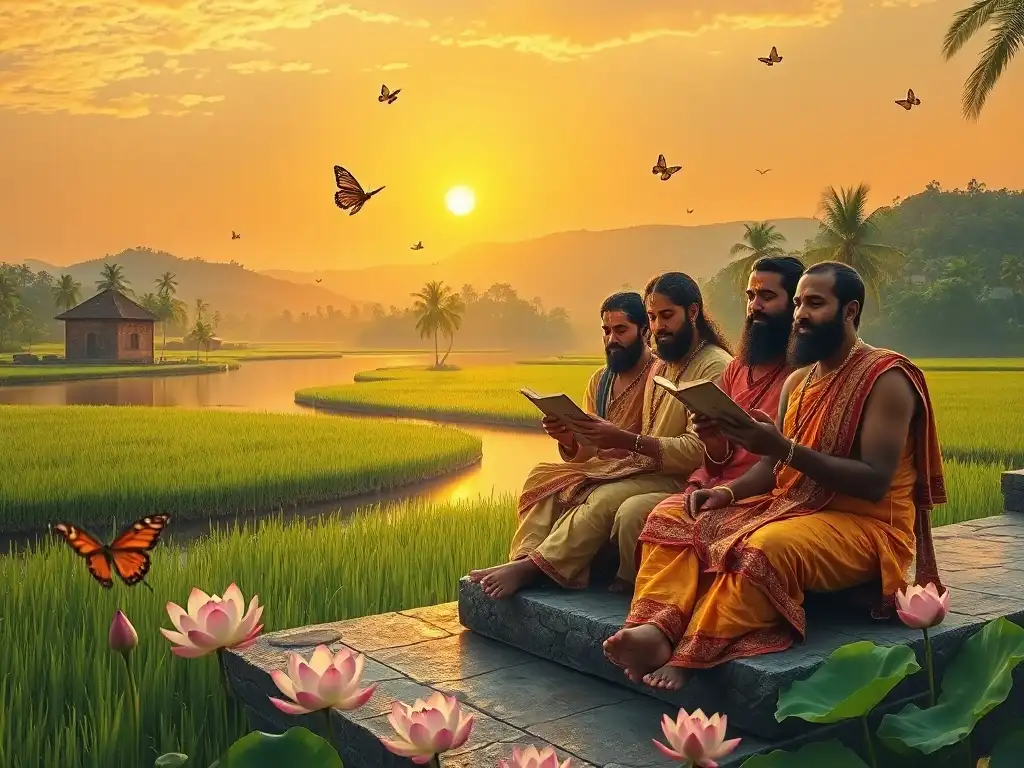
Sangam literature, a treasure trove of ancient Tamil poetry, flourished between 300 BCE and 300 CE in the Tamil-speaking regions of South India. This literary tradition is characterized by its profound exploration of human emotions, nature, and social life, articulated by a cadre of talented poets known as the Sangam poets. These poets hailed from various backgrounds and regions, yet their collective works reflect a remarkable unity in themes and style, creating a vibrant tapestry of Tamil culture.
Among the most prominent poets of this era are Auvaiyar, Kapilar, Kaniyan Poongundranar, and Maruthanayagam. Each of these masters has left an indelible mark on the literary landscape, contributing to the richness of Sangam literature. Their poems often revolve around love, valor, and the beauty of nature, encapsulating the essence of the human experience in ancient Tamil society.
Defining Characteristics of Sangam Poets
The Sangam poets are noted for several defining characteristics that set their works apart:
- Themes of Love and Valor:
- The poetry often explores two primary themes:Akam (inner life) and Puram (outer life).
- Akam poetry focuses on love and relationships, while Puram reflects on heroism and the responsibilities of warriors.
- Imagery and Symbolism:
- The use of vivid imagery and rich symbolism is prevalent, creating a sensory experience that immerses the reader in the emotions conveyed.
- Nature plays a significant role, with landscapes symbolizing the poet’s feelings and thoughts.
- Emotional Depth:
- Sangam poetry is renowned for its emotional intensity, capturing the complexities of human feelings with remarkable precision.
- The poets often delve into the nuances of love, longing, and loss, reflecting the multifaceted nature of relationships.
- Social Commentary:
- Many poets integrated social and political commentary into their works, addressing issues such as ethics, governance, and societal norms.
- This aspect of their poetry provides valuable insights into the socio-political landscape of ancient Tamil Nadu.
- Musicality and Structure:
- The poetry is known for its musical quality, often composed to be sung.
- The structured form, including meter and rhyme, adds to the rhythmic beauty of the verses.
Importance of Poetic Contributions in Ancient Tamil Culture
The contributions of Sangam poets are not only significant in the realm of literature but also in shaping the cultural identity of ancient Tamil society. Here are some key points highlighting their importance:
- Cultural Preservation:
- Sangam literature serves as a crucial record of the social, cultural, and historical context of ancient Tamil Nadu.
- These poems preserve the customs, traditions, and values of the time, offering a glimpse into the lives of the people.
- Language Development:
- The poets played a pivotal role in the evolution of the Tamil language, enriching its vocabulary and stylistic expressions.
- Their works laid the foundation for future literary developments in Tamil, influencing generations of writers.
- Influence on Later Literature:
- The themes and styles established by Sangam poets have had a lasting impact on subsequent literary traditions in Tamil and beyond.
- Their exploration of universal themes of love, nature, and heroism continues to resonate in modern literature.
- Promotion of Tamil Identity:
- The poetic works fostered a sense of pride in Tamil culture and identity, uniting people through shared language and stories.
- This cultural solidarity has endured through centuries, contributing to the preservation of Tamil heritage.
The masters of Sangam literature not only crafted exquisite poetry but also played a vital role in shaping the cultural and linguistic landscape of ancient Tamil civilization. Their contributions continue to be celebrated, reflecting the enduring legacy of Sangam literature and its profound influence on Tamil culture.
Prominent Poets of Sangam Literature
1. Thiruvalluvar: The Philosopher Poet
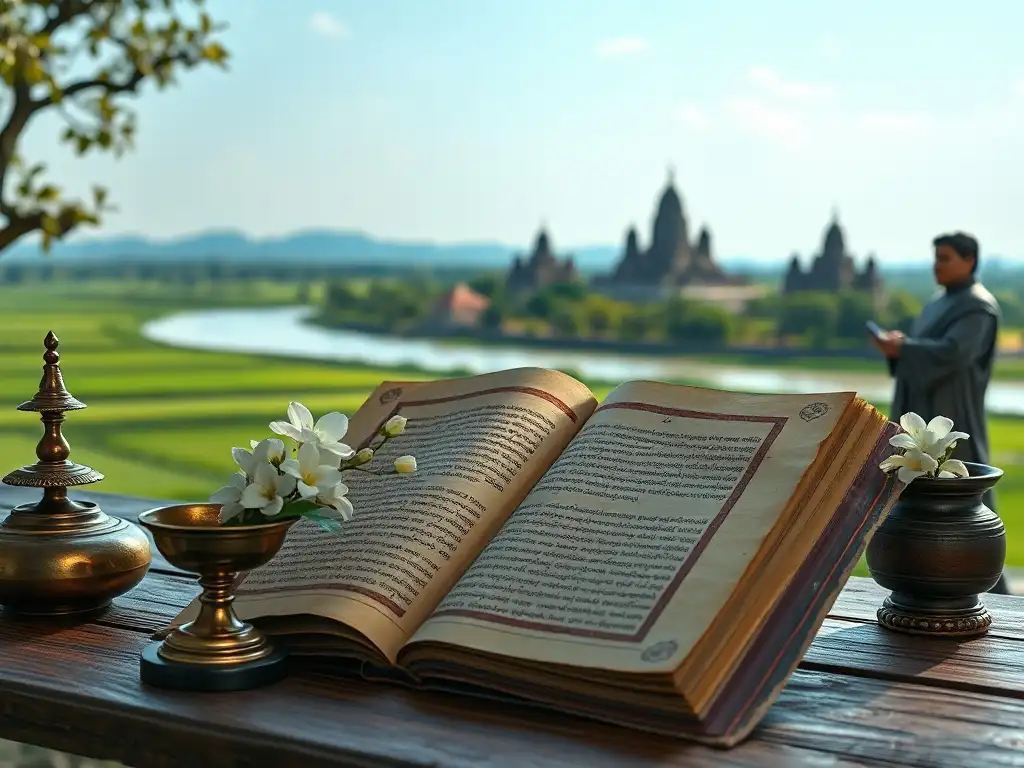
Thiruvalluvar, often regarded as one of the greatest poets in Tamil literature, is best known for his seminal work, the Thirukkural. His poetry encapsulates a wealth of philosophical concepts, ethical values, and practical wisdom. Living during the early centuries of the Common Era, Thiruvalluvar's verses transcend the boundaries of time, making his contributions to Sangam literature enduring and impactful.
Key Works and Themes in Thirukkural
The Thirukkural consists of 1,330 couplets (kurals) divided into three sections: Aram (virtue), Porul (wealth), and Inbam (love). Each section addresses fundamental aspects of human life and societal values.
- Aram: This section emphasizes ethical living and moral virtue, offering insights on personal conduct and righteousness.
- Porul: Here, Thiruvalluvar delves into the pursuit of wealth and governance, discussing the responsibilities of rulers and the importance of just leadership.
- Inbam: This part explores the nuances of love and relationships, celebrating the beauty of emotional connections.
Thiruvalluvar's use of parables and metaphors makes his work accessible while provoking deep reflection on moral dilemmas and human interactions.
Impact on Tamil Language and Literature
Thirukkural has been instrumental in shaping the Tamil language, establishing a standard for poetic expression and philosophical discourse. His concise and profound style has influenced countless poets and thinkers, reinforcing the elegance and depth of Tamil literature. The Thirukkural is not merely a poetic work; it has been adopted as a moral guide, revered in Tamil culture, and is frequently quoted in various contexts, from literature to politics.
Through his contributions, Thiruvalluvar has elevated the status of Tamil literature, showcasing its potential to convey complex ideas with simplicity and beauty.
2. Ilango Adigal: The Epic Poet
Ilango Adigal is celebrated as the author of the epic Silappatikaram, one of the five great epics of Tamil literature. His work is a rich tapestry of narrative art, weaving together themes of love, loss, and moral dilemmas within a historical and cultural framework. The poem not only narrates a tragic love story but also reflects the societal norms and values of ancient Tamil civilization.
Analysis of Silappatikaram and Its Narrative Style
Silappatikaram tells the story of Kannagi and Kovalan, exploring themes of fidelity, justice, and revenge. The narrative is structured into three distinct parts, each illustrating the journey of the protagonists through various challenges:
- The Union: Focuses on the love and marriage of Kannagi and Kovalan.
- The Separation: Chronicles Kovalan's infidelity and the subsequent fallout.
- The Revenge: Details Kannagi's quest for justice after Kovalan's wrongful execution.
Ilango Adigal employs a vivid and descriptive narrative style, using rich imagery and symbolism to enhance emotional resonance. His ability to blend fiction with moral lessons makes Silappatikaram a profound exploration of human emotions and societal justice.
Cultural Reflections in Ilango's Poetry
Ilango's poetry serves as a mirror to the culture and society of ancient Tamil Nadu. His characters embody the virtues and vices prevalent in society, while the settings provide insight into the socio-political landscape of the time. Themes such as dharma (duty), love, and social justice resonate throughout the text, making it a valuable resource for understanding ancient Tamil culture.
Moreover, Silappatikaram has influenced not only literature but also art, music, and dance in Tamil culture, ensuring Ilango Adigal's legacy endures through the ages. His work continues to inspire contemporary artists and writers, marking him as a pivotal figure in the realm of Sangam literature.
3. Kapilar: The Rustic Bard
Kapilar, a notable figure in Sangam literature, is often celebrated for his profound depictions of rural life and the beauty of nature. His poetry, marked by its lyrical quality, showcases a deep connection with the landscape and the emotions tied to love and longing. Kapilar's verses often reflect the simplicity and richness of agrarian life, portraying the struggles and joys of the people through vivid imagery and poignant expressions. His works resonate with the ethos of his time, capturing the essence of human experiences in a pastoral setting.
In addition to his poetic talent, Kapilar is known for his role as a wandering bard, sharing his compositions across villages and courts. This mobility allowed him to gather various influences and experiences, enriching his poetry and making it relatable to a wider audience. His ability to connect with the everyday lives of people positions him as a key figure in the development of Tamil poetry, bridging the gap between the elite and the common folk.
Themes of Nature and Love in Kapilar's Works
Kapilar's poetry is particularly distinguished by its exploration of nature and love, two themes that are intricately intertwined in his verses. He often employs natural imagery to evoke emotions associated with love, using elements like the landscape, flora, and fauna as metaphors for human feelings. For instance, his references to blooming flowers or the changing seasons often parallel the stages of romantic relationships, illustrating the beauty and transience of love.
In his works, nature is not merely a backdrop but a living character that interacts with the emotions of the poet. This personification of nature enhances the emotional depth of his poems, allowing readers to experience the vibrancy of the world through Kapilar’s eyes. His ability to weave personal emotions with the external environment reflects a profound understanding of the interconnectedness of life, making his poetry timeless and universally relatable.
His Influence on Tamil Folk Traditions
Kapilar's impact extends beyond his poetry; he has significantly influenced Tamil folk traditions. His themes and storytelling techniques have been integrated into folk songs and oral narratives, ensuring that his works resonate across generations. The simplicity and relatability of his verses have made them accessible to the common people, allowing his messages to be transmitted through various cultural forms.
Additionally, Kapilar’s focus on everyday life and the struggles of the rural populace has inspired countless poets and writers in Tamil literature. His portrayal of love, loss, and resilience in the face of adversity has become a defining characteristic of Tamil folk poetry. The traditional storytelling methods and the emphasis on communal experiences in his works continue to shape the cultural landscape of Tamil Nadu, highlighting his lasting legacy in the region’s literary heritage.
4. Auvaiyar: The Wisdom of a Woman Poet
Auvaiyar stands out as one of the most revered poets in Sangam literature, known for her profound wisdom and unique perspective as a woman poet in a predominantly male literary sphere. Her contributions are not only significant for their literary quality but also for the social commentary they provide on the roles and experiences of women in ancient Tamil society. Auvaiyar's poetry often embodies a blend of philosophical insights, moral teachings, and emotional depth, resonating with readers of all ages.
Her distinctive voice and approach to poetry challenge the norms of her time, offering insights into the complexities of love, virtue, and the human condition. Auvaiyar's works reflect a deep understanding of life’s intricacies, making her poetry timeless and relevant even in contemporary contexts.
Unique Perspectives in Auvaiyar's Poetry
Auvaiyar's poetry is characterized by her unique perspectives on various themes, including love, morality, and the transient nature of life. Unlike many of her male contemporaries, she often addresses the inner lives of women, exploring their emotions and experiences with sensitivity and depth. Her poems often convey a sense of empathy and understanding, allowing readers to connect with the feelings of women in a patriarchal society.
One of the hallmarks of Auvaiyar's work is her use of simple yet profound language, making her messages accessible to a broad audience. Her poetry often incorporates folk wisdom and proverbs, reflecting the collective knowledge and experiences of the Tamil people. This approach not only highlights her literary skill but also her role as a custodian of cultural heritage, preserving the values and wisdom of her community.
Contributions to Tamil Literature and Society
Auvaiyar's contributions to Tamil literature extend beyond her poetic works. She has had a significant influence on the social fabric of her time, advocating for moral values and ethical living. Her emphasis on wisdom, compassion, and self-reflection resonates through her poetry, encouraging individuals to navigate life's challenges with integrity.
Moreover, Auvaiyar’s role as a female poet in a male-dominated literary tradition paved the way for future generations of women writers and poets. Her legacy serves as an inspiration for women to express themselves creatively, fostering a sense of empowerment within Tamil society. By challenging societal norms and articulating the struggles and aspirations of women, Auvaiyar not only enriched Tamil literature but also contributed to the broader discourse on gender and identity in ancient India.
5. Nakkirar: The Contest Poet
Nakkirar, one of the most celebrated poets of Sangam literature, is often referred to as the "Contest Poet" due to his unique contributions to the poetic tradition of the Tamil-speaking world. His works are characterized by their intricate style, depth of emotion, and philosophical insights, which not only reflect the cultural ethos of the Sangam era but also exhibit a keen understanding of human experiences and nature. Nakkirar's poetry often revolves around themes of love, valor, and the beauty of the natural world, making him a pivotal figure in ancient Tamil literature.
Exploration of Nakkirar's Role in the Sangam Era
Nakkirar's prominence in the Sangam era can be attributed to his participation in the famous literary contests, known as "pattimandram," where poets would compete to showcase their poetic prowess. These contests were held at royal courts and served as a platform for poets to demonstrate their skills in front of an audience composed of nobles, chieftains, and other poets. Nakkirar's mastery of metaphors, similes, and vivid imagery allowed him to stand out in these contests, earning him a revered status among his contemporaries.
His poetry often reflects the socio-political landscape of the time, addressing both personal and collective themes. Through his works, he captured the essence of Tamil culture, expressing the values and emotions of the people. Nakkirar's voice resonates in various anthologies of Sangam literature, particularly in the "Ettuthokai" and "Pattupattu," where his contributions provide valuable insights into the customs and beliefs of ancient Tamil society.
Notable Poems and Their Significance
Nakkirar's oeuvre includes several notable poems that encapsulate the spirit of the Sangam era. One of his most famous compositions is the "Kannan Pattu," which celebrates the beauty of Lord Krishna and the joy of love. This poem not only showcases Nakkirar's lyrical prowess but also highlights the integration of spirituality and love, a recurring theme in Sangam literature.
Another significant work is the "Muthal Nakkirar," where he skillfully employs nature as a metaphor for human emotions and relationships. The poem's rich descriptions of landscapes and natural elements serve to evoke deep feelings of nostalgia and longing, resonating with readers on multiple levels.
Nakkirar's poetry is characterized by its emotional depth and philosophical undertones, making it an essential component of Sangam literature. His works continue to inspire modern Tamil poets and readers alike, reinforcing the timeless nature of his themes and the relevance of his insights into human experiences. Through Nakkirar, we witness the profound impact of poetry on culture and identity, solidifying his legacy as a master of ancient Tamil poetry.
Themes and Styles in Sangam Poetry
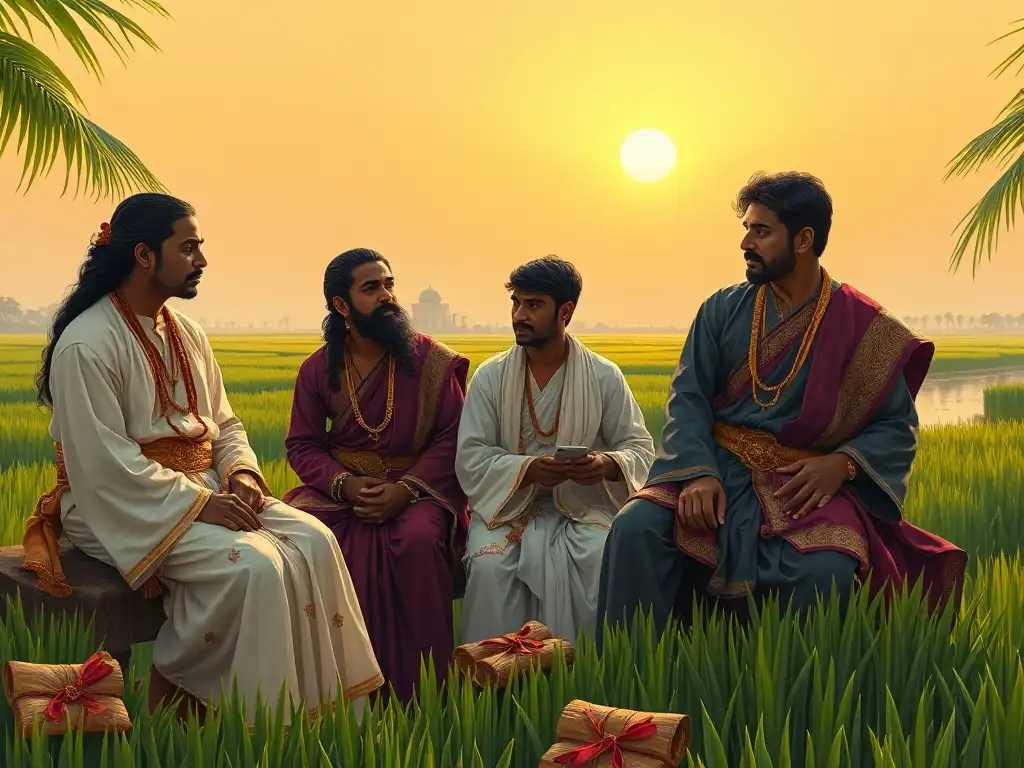
Sangam literature, a remarkable body of ancient Tamil poetry, is celebrated for its rich thematic diversity and stylistic intricacies. The poems, composed by various poets over several centuries, reflect the socio-cultural fabric of ancient Tamil Nadu. This section explores the primary themes and styles that define this literary treasure.
Nature and Landscape in Sangam Literature
Nature serves as a pivotal backdrop in Sangam poetry, with poets often drawing inspiration from the diverse landscapes of Tamil Nadu. The depiction of flora, fauna, and geographical features not only paints a vivid picture but also symbolizes the emotional states and experiences of the poets.
- Five Landscapes (Tinais): Sangam poets categorize the natural world into five distinct landscapes, each associated with specific themes and emotions:
- Marudham: Agricultural land, symbolizing growth and fertility.
- Mullai: Forested areas, representing love and solitude.
- Neidhal: Coastal regions, often linked to the themes of longing and separation.
- Palai: Desert landscapes, denoting desolation and loss.
- Kurinji: Mountainous terrains, symbolizing romance and beauty.
These landscapes serve as metaphors for human emotions, allowing readers to connect deeply with the poetic expressions. The poets skillfully weave nature into the fabric of their narratives, reflecting the intricate relationship between humans and their environment.
Love and Relationships: A Central Theme
Love is arguably the most significant theme in Sangam literature, encompassing various dimensions of human emotions, relationships, and societal norms. The exploration of love is often depicted through poetic forms that resonate with universal human experiences.
- Types of Love:
- Marital Love: The bond between husband and wife is celebrated, showcasing intimacy and shared experiences.
- Romantic Love: The excitement and turmoil of love between lovers is captured through passionate imagery and emotive language.
- Friendship: The camaraderie among individuals is highlighted, emphasizing loyalty and support.
The poets of Sangam literature portray love not just as a personal emotion but as a vital force that influences social dynamics and cultural values. The interplay of love and longing, joy and sorrow is skillfully articulated, allowing readers to experience the depth of these relationships.
Heroism and Valour in Ancient Tamil Poetry
Heroism and valor are prominent themes in Sangam poetry, reflecting the ethos of the times when bravery in battles and noble deeds were highly esteemed. The poets often celebrate the lives and exploits of kings, warriors, and mythical figures, instilling a sense of pride and honor.
- Chivalric Ideals: The poems extol the virtues of courage, loyalty, and honor. Heroes are depicted as paragons of strength and righteousness, often facing formidable challenges with unwavering resolve.
- War and Conflict: Many poems recount tales of battles, emphasizing the strategic prowess and valor exhibited by warriors. This not only serves to glorify the heroes but also to instill a sense of identity and unity among the people.
The portrayal of heroism in Sangam literature transcends mere physical strength; it emphasizes moral integrity and the pursuit of justice. The themes of heroism and valor resonate with the cultural consciousness of ancient Tamil society, reflecting their values and aspirations.
The themes and styles present in Sangam literature reveal a complex interplay of nature, love, and heroism, providing a profound insight into the ancient Tamil psyche. Each poetic expression is a testament to the rich cultural heritage of Tamil Nadu, preserving the voices of its poets for generations to come.
The Influence of Sangam Poets on Later Tamil Literature
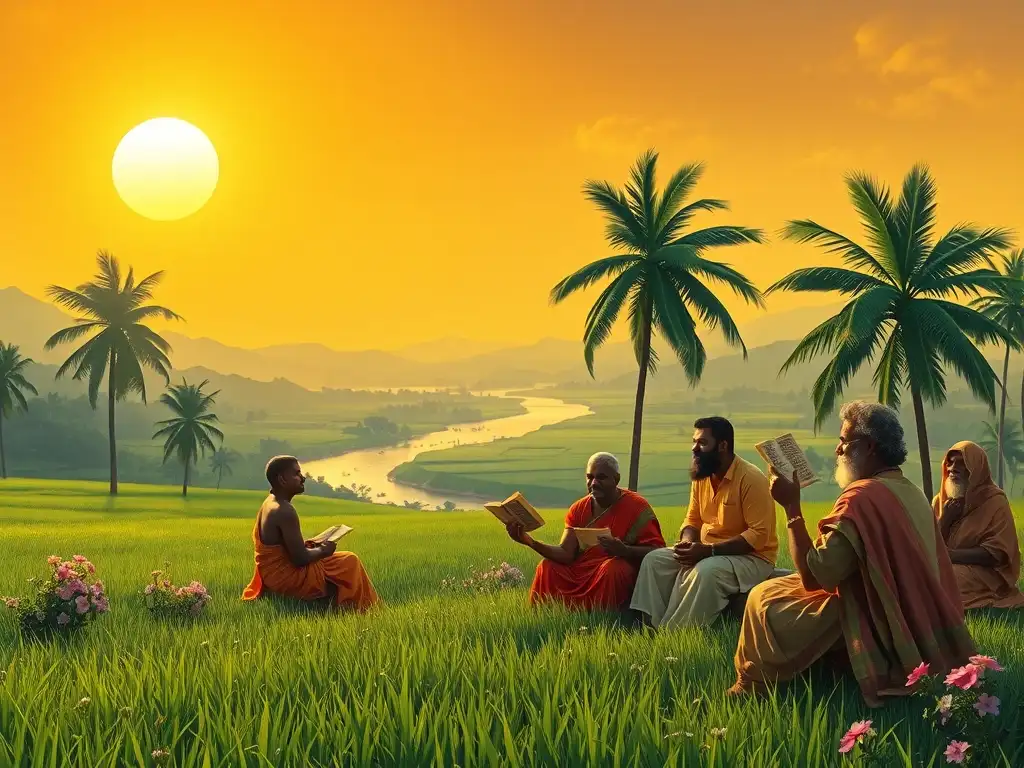
The influence of Sangam poets on later Tamil literature is profound and far-reaching, shaping the trajectory of Tamil poetic expression for centuries. Sangam literature, dating back to approximately 300 BCE to 300 CE, laid the foundation for various literary forms that followed, establishing thematic and stylistic conventions that are still revered today.
Continuity of Themes and Styles in Tamil Poetry
Sangam poetry is marked by its rich exploration of themes such as love (akam), valor (puram), nature, and the human condition. Many of these themes found continuity in later Tamil literature, creating a tapestry that binds ancient and modern works together.
-
Themes of Love and Nature
The depiction of love in Sangam poetry, categorized into various types such as karpu (chaste love) and vinai (fated love), has been echoed in subsequent Tamil works. Notable poets like Thiruvalluvar, who authored the Tirukkural, drew inspiration from these themes, weaving them into moral and philosophical reflections.
- Nature Imagery: The vivid imagery of landscapes and the emotional resonance of nature, prevalent in Sangam poems, continued to influence later poets. For example, the works of Kannadasan and Bharathiyar in the 20th century often reflect this deep connection with the natural world.
-
Heroic Valor and Ethics
The valorous themes in Sangam literature, celebrated through the lives of kings and warriors, established a template that was later adopted by poets of the medieval and modern eras. The ethical dilemma faced by characters in Sangam poems resonates in the writings of poets like Subramaniya Bharathi, who infused a sense of nationalism into his poetry.
- Cultural Resonance: The portrayal of ethics and righteousness in heroic tales has led to the emergence of a distinct Tamil ethos, emphasizing courage and integrity, which continues to inspire contemporary writers.
-
Stylistic Devices
The use of metaphors, similes, and intricate wordplay in Sangam poetry has been emulated by later Tamil poets. The sindhu (river) metaphor, for instance, symbolizes the flow of emotions and ideas, creating a bridge between the past and present.
- Innovative Forms: The sollukattu (musical rhythm) established in Sangam literature has given rise to various poetic forms, such as villupattu and kavithai, enriching the Tamil literary tradition.
Legacy of Sangam Literature in Modern Tamil Culture
The legacy of Sangam literature extends beyond the realm of poetry; it permeates various aspects of modern Tamil culture, influencing music, dance, and cinema.
-
Cultural Festivals and Celebrations
Many cultural festivals in Tamil Nadu celebrate the themes found in Sangam literature. The Pongal festival, for instance, reflects the agricultural cycles and the reverence for nature echoed in ancient poems.
- Artistic Expressions: Traditional art forms, such as kuthu dances and Karagattam, often draw upon the themes of love, valor, and nature, showcasing the timeless relevance of Sangam poetry.
-
Influence on Modern Literature
Contemporary Tamil writers frequently pay homage to the Sangam poets, incorporating their themes and styles into modern narratives. Authors like Sujatha Rangarajan and Jayakanthan have drawn inspiration from the rich heritage of Sangam literature, adapting ancient motifs to address modern societal issues.
-
Cinema and Music
The influence of Sangam literature is vividly seen in Tamil cinema, where many films incorporate poetic dialogues and song lyrics that resonate with the themes of love and valor. Directors like Mani Ratnam often weave these elements into their storytelling, creating a cinematic experience deeply rooted in Tamil literary tradition.
- Music: Composers such as Ilaiyaraaja and A.R. Rahman have integrated classical Tamil poetry, including Sangam verses, into their compositions, celebrating the lyrical beauty and cultural richness of the Tamil language.
The impact of Sangam poets on Tamil literature is a testament to their enduring legacy. The themes, styles, and cultural significance established during the Sangam period continue to resonate in modern Tamil society, ensuring that the voices of these ancient poets remain alive and influential.
Conclusion: The Enduring Legacy of Sangam Poets
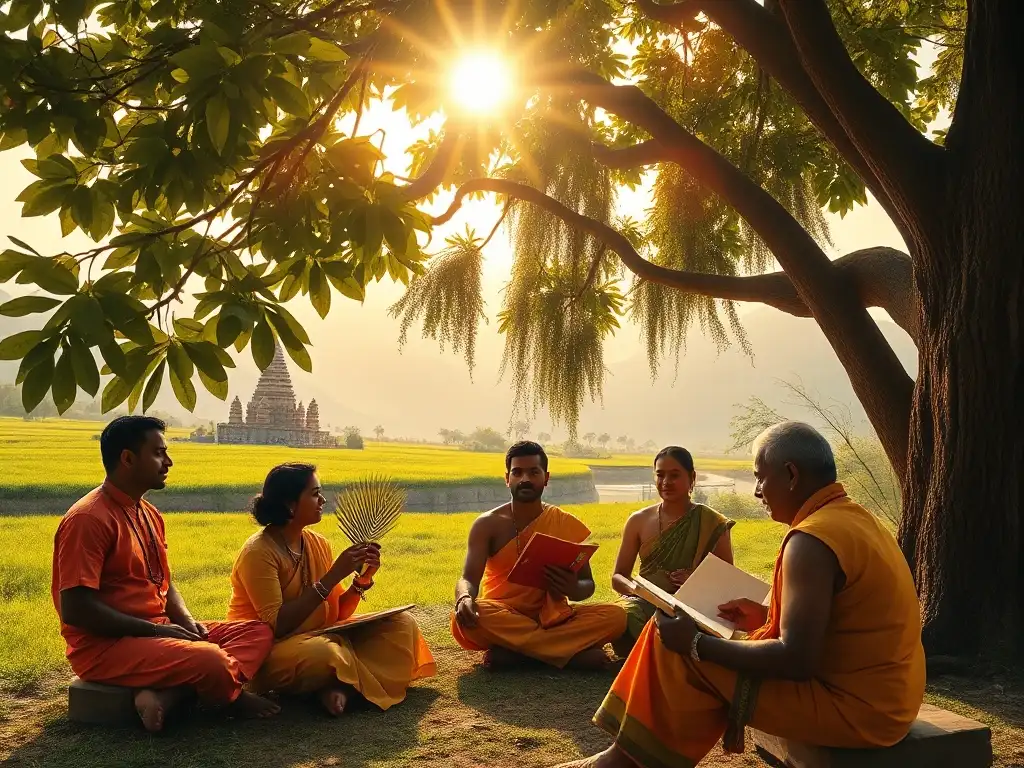
The legacy of the Sangam poets is a testament to the rich cultural and literary heritage of ancient Tamil Nadu. These poets, through their exquisite verses, have left an indelible mark on the landscape of Tamil literature and continue to influence contemporary art, poetry, and societal values. Their work not only reflects the ethos of their times but also encapsulates universal themes of love, nature, valor, and the human experience.
Reflection on the Impact of Ancient Tamil Poets
The ancient Tamil poets of the Sangam period played a pivotal role in shaping the Tamil language and its literary tradition. By employing a diverse range of styles and forms, they brought forth a richness that is still celebrated today. The poetic output of this era, characterized by its depth and emotional resonance, resonates with themes of:
- Nature: The poets often drew inspiration from the natural world, depicting landscapes and seasons that evoke vivid imagery. This connection to nature is evident in the works of poets like Akkiniyar and Kabilar, who intricately wove the environment into their narratives.
- Love and Relationships: The exploration of love, both romantic and platonic, is a recurring theme in Sangam literature. Poets such as Ilango Adigal showcased the nuances of human emotions, presenting love in its myriad forms. Their ability to express complex feelings has ensured that these poems remain relatable across generations.
- Heroism and Valor: The Sangam poets celebrated the valor of warriors and the spirit of bravery. Poems like "Purananuru" recount the exploits of heroes, instilling a sense of pride and identity among the Tamil people.
Ultimately, the influence of these poets extends beyond their historical context, as their works continue to inspire modern Tamil literature, music, and art forms. The verses serve as a bridge connecting contemporary audiences with the profound wisdom and creative expression of ancient times.
The Relevance of Sangam Literature Today
Sangam literature holds significant relevance in today’s world, offering insights into the socio-cultural fabric of ancient Tamil society. The themes explored by the poets resonate with modern issues, making their works timeless and pertinent.
- Cultural Identity: In an era of globalization, the exploration of local culture through Sangam literature reinforces the importance of cultural identity. It fosters a sense of belonging and pride in Tamil heritage, encouraging younger generations to explore and celebrate their roots.
- Literary Inspiration: Modern poets and writers often draw inspiration from the Sangam tradition. The poetic forms, metaphors, and themes are revisited and reinterpreted in contemporary works, showcasing the adaptability and richness of Tamil literature.
- Philosophical Insights: The philosophical underpinnings of Sangam poetry, which address universal truths about love, loss, and nature, continue to resonate with readers. This timeless wisdom encourages reflection on personal experiences and the human condition.
- Educational Value: Sangam literature is increasingly being included in academic curricula, providing students with a lens to explore ancient philosophies and cultural practices. This educational engagement helps to preserve the literary tradition and its relevance in a modern context.
The legacy of Sangam poets is not merely a relic of the past but a living tradition that continues to shape and inspire the cultural and literary landscape of Tamil Nadu and beyond. Their works serve as a reminder of the power of poetry to transcend time and connect hearts through shared human experiences.
Further Reading and Resources on Sangam Literature
Recommended Books on Sangam Poetry
Sangam literature is a treasure trove of ancient Tamil poetry that captures the cultural, social, and spiritual essence of the Tamil people. For scholars, enthusiasts, and anyone interested in delving deeper into this rich body of work, the following books are highly recommended:
- "Sangam Literature: An Introduction" by A. K. Ramanujan
- This book provides an insightful overview of Sangam literature, exploring its themes, forms, and historical context. Ramanujan, a celebrated poet and scholar, offers translations and interpretations that bring the ancient texts to life.
- "The Tamil Epic: A Study of the Sangam Poems" by P. R. Ramachander
- This comprehensive study focuses on the epics within Sangam poetry and examines their influence on Tamil culture. Ramachander's analysis includes discussions on the socio-political climate during the Sangam period.
- "The Sangam Anthology: An English Translation" by K. S. Rajasekaran
- This anthology presents a curated selection of Sangam poems, translated into English. Rajasekaran's translations are praised for their fidelity to the original texts while making them accessible to a broader audience.
- "The Love Poems of the Sangam" by K. K. A. Seshadri
- A focused exploration of the love poetry from the Sangam period, this book delves into the emotional depth and complexity of romantic themes, offering interpretations that highlight the nuances of ancient Tamil expressions of love.
- "Sangam Literature: A Historical Overview" by N. S. Ramesh
- This work provides a detailed historical context for Sangam literature, tracing its origins and evolution. Ramesh places the poetry within the larger narrative of Tamil history and culture, making it an essential read for understanding the background of these works.
Online Resources for Exploring Ancient Tamil Literature
The digital age has made it easier than ever to access resources on Sangam literature and ancient Tamil poetry. Here are some valuable online platforms and resources to enhance your exploration:
-
Project Madurai
A digital library initiative that aims to provide free access to Tamil literature, Project Madurai includes a significant collection of Sangam texts. The website offers both original Tamil scripts and translations, making it an invaluable resource for researchers and enthusiasts alike.
-
Tamil Virtual University
This online portal offers various courses and resources related to Tamil literature, culture, and history. The site features lectures, articles, and interactive materials that delve into the nuances of Sangam poetry and its cultural significance.
-
Academia.edu
A platform where scholars share their research papers and articles, Academia.edu has numerous papers on Sangam literature. You can find in-depth analyses, critical essays, and discussions by experts in the field.
-
YouTube Channels
Educational YouTube channels dedicated to Tamil literature often feature lectures, discussions, and readings of Sangam poetry. These channels can provide auditory and visual interpretations of the poems, enhancing understanding through multimedia.
-
Digital South Asia Library
This resource offers a wealth of information about South Asian materials, including texts and scholarly articles related to Sangam literature. It serves as a repository for historical documents and literary works, making it an excellent starting point for research.
By utilizing these books and online resources, you can deepen your understanding of Sangam literature and the profound impact of ancient Tamil poets on cultural heritage.
Frequently Asked Questions
What is Sangam literature?
Sangam literature refers to the ancient Tamil poetry created during the Sangam period, which is believed to have lasted from around 300 BCE to 300 CE. It consists of poems and songs celebrating love, valor, and the beauty of nature.
Who are the key poets of Sangam literature?
Some of the key poets include Tiruvalluvar, known for the Tirukkural, and Kapilar, famous for his lyrical verses. These poets played a significant role in shaping the themes and styles of ancient Tamil poetry.
What themes are explored in Sangam literature?
Sangam literature explores themes such as love, war, heroism, and nature. The poems often reflect the cultural and social life of the Tamil people during ancient times.
How does Sangam literature influence modern Tamil culture?
Sangam literature has a profound impact on modern Tamil culture, inspiring literature, music, and art. Its themes and styles continue to resonate in contemporary Tamil works and cultural expressions.
Why is Sangam literature important in Indian history?
Sangam literature is crucial in Indian history because it provides insights into the social structures, economy, and traditions of ancient Tamil civilization. It is a foundational element of Tamil heritage and identity.
Final Reflection: The Enduring Legacy of Sangam Literature and Its Poets
The exploration of Sangam literature and its ancient Tamil poets reveals a rich tapestry of cultural heritage that continues to resonate in today's world. The themes of love, valor, and nature found in these timeless works not only reflect the societal values of their time but also offer profound insights into the human experience. As we navigate our modern lives, the wisdom and artistry of these poets remind us of the universal truths that transcend time and place, urging us to appreciate the beauty of our own narratives.
The influence of Sangam literature extends far beyond its historical context, shaping the cultural and social landscape of Tamil Nadu and beyond. These poets, through their evocative verses, have woven a sense of identity and belonging that still inspires generations. Their ability to capture the essence of human emotions and relationships is a testament to the power of poetry as a medium for connection. As poet Kaniyan Poongundranar famously said, The world is a garden, and the poets are its flowers,
highlighting the vital role that these literary figures play in enriching our lives and culture.
As we reflect on the lessons imparted by the masters of Sangam literature, I invite you to embrace the spirit of these ancient poets in your own life. Consider how their themes of love, nature, and valor can inspire your actions and thoughts today. Let their words encourage you to express your own story, to find beauty in the mundane, and to connect deeply with those around you. In doing so, we not only honor their legacy but also contribute to the ongoing narrative of our shared humanity.
Dive Deeper into the Richness of Tamil Poetry!
Thank you for taking the time to explore the fascinating world of Sangam literature! You’ve gained incredible insights into the masters who shaped ancient Tamil poetry. Now, it's your turn to keep the flame of this cultural heritage alive!
Here are some action-oriented steps you can take:
- Explore more: Delve into the works of a specific poet, whether online or at your local library, to discover their unique style and themes.
- Share your knowledge: Engage in discussions about what you’ve learned with friends or join an online forum dedicated to Tamil literature to connect with other enthusiasts.
- Create your own poetry: Get inspired and try your hand at crafting a poem that reflects the themes of Sangam literature; consider sharing it with a community of writers!
What aspect of Sangam poetry do you find most inspiring, and how does it resonate with your own creative ideas?