
Gupta Empire Sculpture: A Glimpse into Artistic Mastery

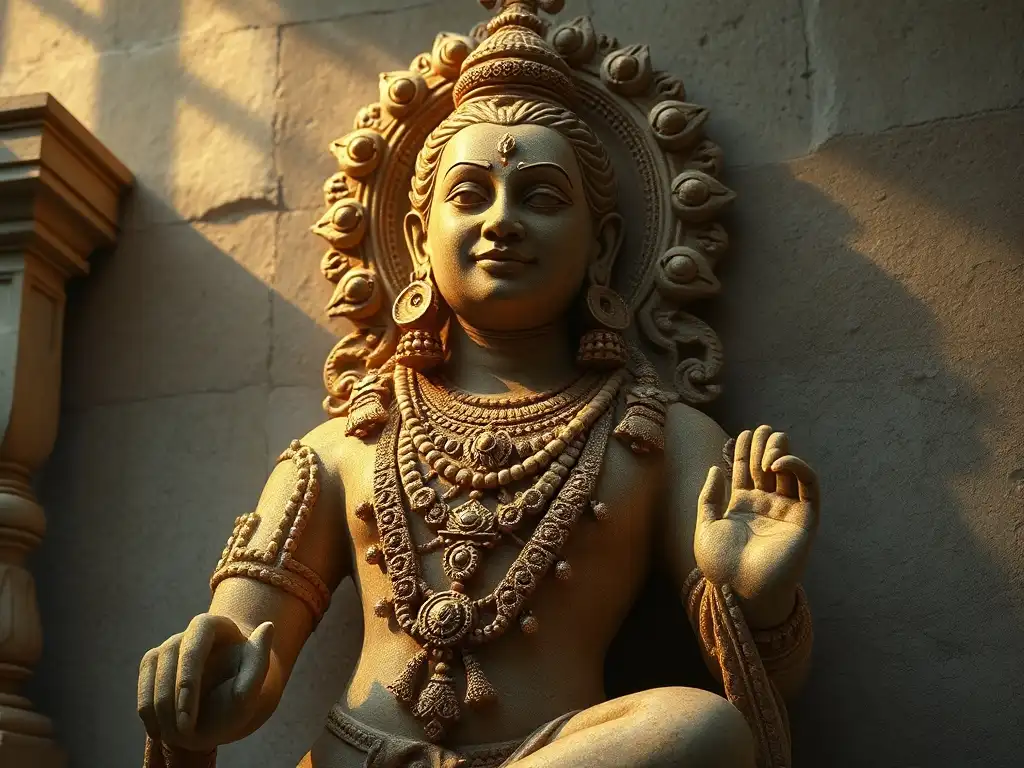
Welcome to Ancient India History, where we embark on a fascinating journey through the rich tapestry of ancient Indian civilizations. Today, we delve into the exquisite world of Gupta Empire sculpture art techniques, a testament to the unparalleled artistic mastery of the time. As we explore the intricate methods and cultural significance behind these stunning works, prepare to uncover the stories and innovations that shaped a golden age of creativity. Join us as we unveil the beauty and complexity of Gupta sculpture, and discover how these ancient artisans left an indelible mark on the world of art.
Introduction to Gupta Empire Sculpture Art Techniques
The Gupta Empire, often heralded as the "Golden Age" of ancient India, was a period marked by significant advancements in various fields, including art, science, and philosophy. Among its most notable contributions is the exquisite sculpture that flourished during this era. Gupta Empire sculpture art techniques encapsulate the artistic mastery of this time, showcasing a blend of creativity, skill, and cultural depth.
This article delves into the intricacies of Gupta sculptures, exploring their distinctive features, materials, and the rich iconography that defines this remarkable artistic tradition. Understanding these elements not only highlights the aesthetic brilliance of the period but also provides insight into the socio-religious fabric of Gupta society.
Overview of the Gupta Empire
The Gupta Empire, which thrived from approximately 320 to 550 CE, is recognized for its unparalleled achievements in various domains. Founded by Maharaja Sri Gupta, the empire reached its zenith under rulers like Chandragupta II and Samudragupta. This period was marked by:
- Political Stability: A centralized government that fostered trade and cultural exchange.
- Cultural Flourishing: An explosion of artistic and intellectual pursuits, particularly in literature, astronomy, and mathematics.
- Religious Harmony: Coexistence of Hinduism, Buddhism, and Jainism, each influencing the other and contributing to a rich cultural tapestry.
Through these developments, the Gupta Empire set the stage for a unique artistic expression that would leave a lasting legacy in Indian history.
Importance of Sculpture in Gupta Culture
Sculpture during the Gupta period served not just as an artistic endeavor but also as a vital means of communication and expression. The significance of sculpture in Gupta culture can be summarized as follows:
- Religious Expression: Sculptures were integral to temples and religious sites, depicting deities, mythological narratives, and spiritual concepts.
- Cultural Identity: Art in the Gupta Empire reflected the values, beliefs, and daily life of its people, reinforcing a sense of identity and continuity.
- Historical Record: Gupta sculptures provide valuable insights into the social and political conditions of the time, serving as historical documents that illuminate past practices and ideologies.
Characteristics of Gupta Empire Sculpture
The Gupta Empire's sculptures are characterized by a unique blend of style, technique, and thematic depth, setting them apart from earlier artistic traditions.
Distinctive Features of Gupta Sculpture Art
Gupta sculptures are renowned for their elegance, grace, and intricate detailing. Key features include:
- Naturalism: A shift towards more lifelike representations of figures, emphasizing anatomical accuracy and fluidity of movement.
- Refined Proportions: Sculptors mastered the use of proportion, creating harmonious and balanced compositions.
- Expressive Faces: The faces of sculptures often convey a range of emotions, from serenity to joy, showcasing the artist's ability to imbue life into stone.
Material and Techniques Used in Gupta Sculptures
The materials and techniques employed in Gupta sculpture reflect the artistic sophistication of the period:
- Stone Carving: Primarily using sandstone, granite, and limestone, Gupta artisans demonstrated exceptional skill in stone carving.
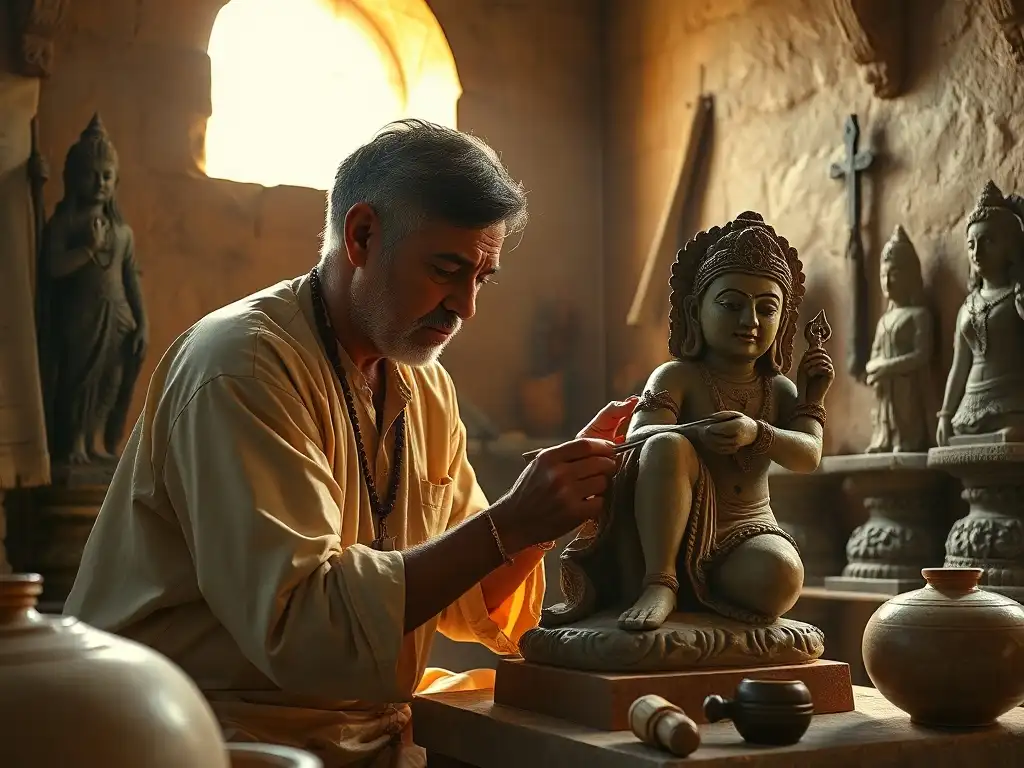
- Chiseling Techniques: Fine chiseling methods allowed for intricate detailing, with tools that enabled both broad strokes and delicate work.
- Polishing: Sculptures were often polished to a smooth finish, enhancing their aesthetic appeal and visual impact.
Iconography in Gupta Sculpture: Themes and Symbols
Gupta sculpture is rich in iconography, where themes and symbols play a crucial role in conveying deeper meanings. Common elements include:
- Deities and Divine Figures: Sculptures of Hindu gods like Vishnu and Shiva, as well as Buddhist figures like the Buddha himself, were prevalent.
- Mythological Narratives: Many sculptures depicted scenes from Hindu epics such as the Ramayana and Mahabharata, illustrating moral and philosophical lessons.
- Symbolic Representations: Elements like lotus flowers, animals, and celestial motifs are often used symbolically to convey purity, strength, and divinity.
Through this exploration of Gupta Empire sculpture art techniques, we uncover a profound legacy that not only defines an era but also continues to inspire artistic endeavors to this day.
Historical Context of Gupta Sculpture Art
The Gupta Empire, often referred to as the Golden Age of India, flourished between approximately 320 to 550 CE. This period was marked by significant advancements in art, culture, science, and governance. The political stability provided by the Gupta rulers allowed for the patronage of various art forms, particularly sculpture. Gupta sculpture is characterized by its intricate detailing, elegant figures, and a shift towards more naturalistic representations of human forms and divine entities. The flourishing of trade and interaction with various cultures during this time also played a crucial role in shaping the artistic landscape.
Sculpture in the Gupta period was not merely an artistic endeavor but a reflection of the sociopolitical and religious milieu. The artworks often depicted themes from Hindu mythology, Buddhist teachings, and Jain philosophies, showcasing the diverse spiritual fabric of the empire. This historical context laid the foundation for the rich artistic expressions that would define Gupta sculpture art techniques, emphasizing both aesthetic beauty and spiritual significance.
The Role of Religion in Gupta Sculpture
Religion was a pivotal influence on Gupta sculpture, with Hinduism, Buddhism, and Jainism being the primary faiths represented. Sculptors were tasked with creating divine images that were not only aesthetically pleasing but also served as objects of worship. In Hindu art, deities like Vishnu, Shiva, and Durga were frequently portrayed in various forms, often accompanied by intricate carvings of motifs and narratives from the epics like the Mahabharata and Ramayana.
Buddhist sculpture also thrived during this period, with the depiction of the Buddha in various mudras (hand gestures) symbolizing teachings and enlightenment. The construction of stupas and monastic complexes during this time provided ample opportunities for sculptors to explore and innovate in their craft. Jain art, characterized by its meticulous detail and emphasis on non-violence, further enriched the sculptural landscape, promoting the portrayal of Tirthankaras (spiritual teachers) in serene and idealized forms.
Influences from Earlier Indian Sculptures
The artistic techniques and styles of Gupta sculpture were deeply rooted in the traditions established by earlier Indian civilizations, particularly the Maurya and post-Maurya periods. Mauryan sculptures, known for their grand scale and polished surfaces, influenced Gupta artists in their pursuit of perfection and beauty. The famous Ashoka Pillars and the sculptures found in Sanchi and Bodh Gaya provided foundational elements that sculptors of the Gupta Empire would adapt and refine.
Moreover, the influence of regional styles, such as the art of the Amaravati and Mathura schools, played a significant role in shaping Gupta art techniques. The Mathura school, with its emphasis on red sandstone and expressive figures, contributed to the development of the idealized forms seen in Gupta sculpture, while the Amaravati school’s intricate relief work inspired narrative storytelling in stone. This amalgamation of influences culminated in a unique Gupta style that was both innovative and reflective of its rich heritage.
The Evolution of Artistic Techniques During the Gupta Period
During the Gupta period, sculptors experimented with various artistic techniques that enhanced the realism and expressiveness of their works. One of the most notable advancements was the shift towards smoother surfaces and a greater understanding of human anatomy, which allowed for more lifelike representations. The use of drapery to depict the texture of clothing and the play of light and shadow on figures became more pronounced, contributing to the overall dynamism of the sculptures.
Moreover, the introduction of new materials, such as high-quality sandstone and later, bronze, enabled more intricate detailing and durability. Techniques such as carving in the round and relief sculpture reached new heights, allowing for more complex compositions. Artists employed techniques like inlay work and gilding to enhance the visual appeal of their pieces. This evolution of artistic techniques not only reflected the skill of the artisans but also the changing aesthetic preferences of the society.
Prominent Examples of Gupta Empire Sculpture
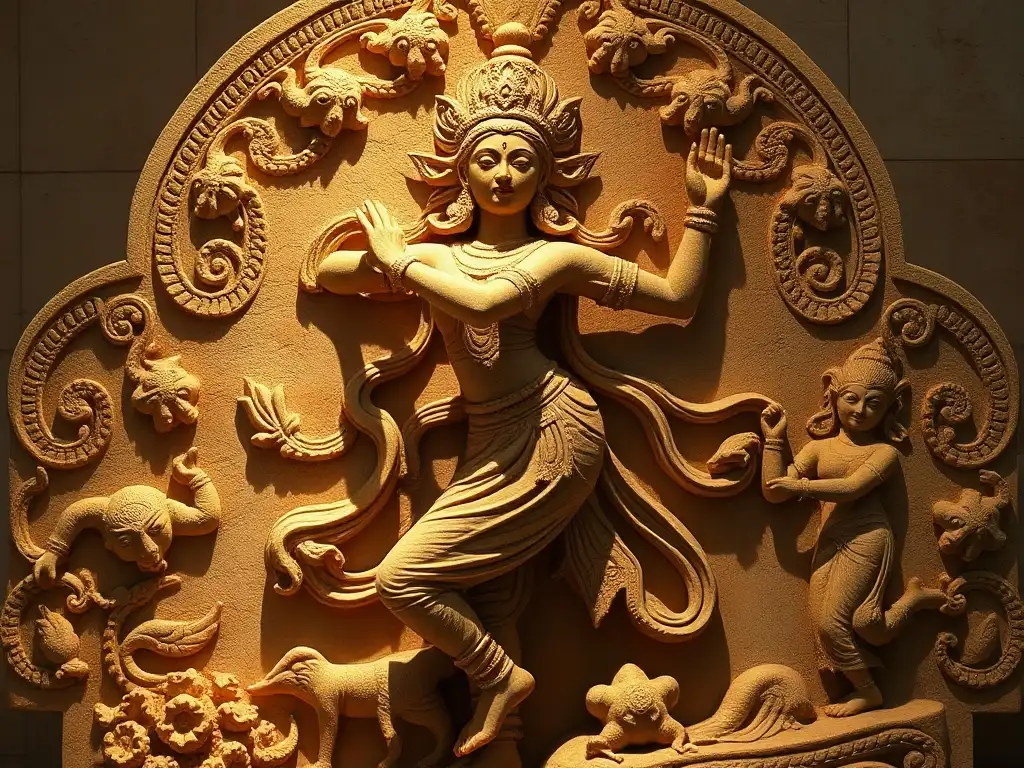
The Gupta Empire is renowned for its remarkable sculptures that showcase the artistic mastery of the time. Notable examples include the stunning representations of deities and intricate relief carvings found in various temples and monastic sites throughout the empire. These sculptures not only served religious functions but also illustrated the philosophical and cultural narratives of the period.
Notable Sculptures and Their Significance
Among the most significant works of Gupta sculpture is the colossal statue of Vishnu at Deogarh, depicting the deity in a serene and majestic pose, showcasing the intricate detailing of the figure and the meticulous attention to the drapery. Another prominent example is the Bodhisattva Avalokiteshvara statue from the Gupta period, which exemplifies the blend of grace and power characteristic of Buddhist art at that time.
These sculptures often held cultural and religious significance, serving as focal points for worship and community gatherings. They embodied the values and beliefs of the society, making them essential to understanding the historical and cultural context of the Gupta Empire.
Regional Variations in Gupta Sculpture Art Techniques
The Gupta Empire encompassed a vast geographical area, leading to the emergence of regional variations in sculpture art techniques. In the northern regions, particularly in Mathura and Kannauj, artists focused on elaborate ornamentation and expressive facial features, while southern regions, like Gujarat, displayed a preference for more robust and monumental forms.
The stylistic differences can also be attributed to local materials and cultural influences, which shaped the artistic output. For instance, the use of local sandstone in the north allowed for finer details, while the availability of granite in the south resulted in more substantial and enduring structures. These regional variations enriched the overall tapestry of Gupta sculpture, contributing to its legacy as one of the most celebrated artistic traditions in ancient India.
Famous Sculptors and Their Contributions
While individual sculptors from the Gupta period are less documented compared to their later counterparts, several artists have been recognized for their contributions to this golden age of art. Notable figures include those who worked in the renowned workshops of temples and monasteries, where collaborative efforts led to some of the most breathtaking sculptures of the time.
The contributions of sculptors like those at the Udayagiri Caves cannot be overstated; their works, including the famous depiction of Varaha rescuing the Earth, illustrate not only artistic skill but also the integration of narrative and spirituality in Gupta art. These artisans set the groundwork for future generations, influencing the trajectory of Indian sculpture for centuries to come.
The Impact of Gupta Empire Sculpture on Later Art
The Gupta Empire, often heralded as the Golden Age of India, left a profound impact on the evolution of sculpture art techniques that resonated through subsequent artistic periods. The intricate craftsmanship, aesthetic sensibilities, and thematic depth of Gupta sculptures not only defined the artistic standards of their time but also set a benchmark for future generations of artists. The emphasis on naturalism, intricate detailing, and spiritual themes became foundational elements in the artistic practices of later Indian civilizations.
The Gupta sculptors excelled in creating lifelike representations of deities and figures, characterized by graceful postures and elaborate ornamentation. This focus on realism and spirituality influenced medieval Indian sculpture, which adopted similar techniques and motifs, further enriching the artistic landscape of India. The use of stone as a medium, alongside advancements in carving techniques, allowed for the creation of larger and more complex sculptures, paving the way for the grand temples and sculptures of the medieval period.
Influence on Medieval Indian Sculpture
The influence of Gupta Empire sculpture on medieval Indian sculpture is evident in various artistic styles that emerged across the subcontinent. As the techniques developed during the Gupta period became integrated into the regional art forms, elements such as graceful drapery, expressive facial features, and dynamic poses became hallmarks of later sculptures.
Notable examples include the sculptures found in the temples of Khajuraho and the rock-cut temples of Ellora and Ajanta, which showcase the continuation and evolution of Gupta artistic techniques. The integration of Gupta-inspired motifs in these works illustrates the enduring legacy of this period, as artists sought to replicate and build upon the high standards set by their predecessors.
Furthermore, the Gupta emphasis on iconography and symbolism influenced the spiritual dimensions of medieval sculpture. Various deities were depicted with an increased sense of emotion and narrative context, enhancing their connection to the viewer. The thematic richness of Gupta art thus became a source of inspiration for medieval artisans, enriching the spiritual and cultural fabric of Indian art.
Legacy of Gupta Techniques in Contemporary Art
The legacy of Gupta sculpture techniques extends into contemporary art, where modern artists continue to draw inspiration from the rich traditions of this era. The principles of balance, proportion, and harmony that were central to Gupta art are still revered by sculptors today. Many contemporary artists incorporate traditional motifs and themes into their works, blending ancient techniques with modern sensibilities.
In addition, the revival of interest in ancient Indian art forms has led to workshops and courses that teach Gupta sculpture techniques, ensuring that these skills are passed on to future generations. This not only preserves the artistic heritage of the Gupta Empire but also allows for innovation as artists experiment with new materials and forms while honoring the past.
The appreciation for Gupta sculptures in contemporary art is also reflected in exhibitions and art fairs, where ancient techniques are showcased alongside modern interpretations. This dialogue between past and present illustrates the timeless relevance of Gupta artistic contributions and their continued influence on the art world today.
Conclusion: The Enduring Legacy of Gupta Empire Sculpture
The Gupta Empire's contributions to sculpture art techniques represent a critical chapter in the history of Indian art. The combination of technical mastery, aesthetic beauty, and profound thematic exploration established a legacy that continues to shape artistic practices in India and beyond.
Summary of Artistic Contributions
The artistic contributions of the Gupta Empire are characterized by:
- Naturalism: A focus on realistic representations of human figures and divine beings.
- Intricate Detailing: Meticulous craftsmanship that showcased the skill of Gupta sculptors.
- Spiritual Themes: An emphasis on iconography that captured the religious and philosophical essence of the time.
These elements not only defined the artistic landscape of the Gupta Empire but also influenced subsequent generations, creating a rich tapestry of cultural heritage that is still celebrated today.
Reflection on the Importance of Gupta Sculpture in Ancient Indian History
Gupta sculpture holds a place of great importance in ancient Indian history, serving as a testament to the cultural, religious, and artistic advancements of the time. It reflects the societal values, beliefs, and aesthetics of the Gupta period, acting as a mirror to the civilization’s achievements.
The enduring impact of Gupta sculpture art techniques on later art forms highlights the significance of this era in the broader narrative of Indian history, emphasizing its role in the evolution of art and culture. As we continue to explore and appreciate these contributions, we gain a deeper understanding of the richness and complexity of ancient Indian civilization.
- Introduction to Gupta Empire Sculpture Art Techniques
- Characteristics of Gupta Empire Sculpture
- Historical Context of Gupta Sculpture Art
- Prominent Examples of Gupta Empire Sculpture
- The Impact of Gupta Empire Sculpture on Later Art
- Conclusion: The Enduring Legacy of Gupta Empire Sculpture
Frequently Asked Questions
What is the Gupta Empire known for in terms of art?
The Gupta Empire is renowned for its exceptional sculpture art techniques, showcasing intricate carvings and expressive forms that reflect the cultural richness of the era.
How did the sculpture art techniques evolve during the Gupta period?
During the Gupta period, sculpture art techniques evolved to include greater realism and expressive detail, influenced by earlier styles while integrating new themes from Hindu and Buddhist traditions.
What materials were commonly used in Gupta Empire sculpture?
Artists in the Gupta Empire primarily used stone (like sandstone and marble) and bronze for sculptures, allowing for durability and intricate detailing in their art.
How did religion influence Gupta sculpture art techniques?
Religion played a crucial role, as many sculptures depicted deities and religious narratives, employing symbolism and iconography that conveyed spiritual beliefs and cultural values.
What are some notable examples of Gupta Empire sculptures?
Some notable examples include the Buddha statues from Sarnath and the Kandariya Mahadeva Temple sculptures, which exemplify the artistic mastery and technical skills of Gupta artisans.
Final Reflection: The Enduring Legacy of Gupta Empire Sculpture Art Techniques
The Gupta Empire sculpture art techniques represent not only a pinnacle of artistic achievement but also a profound connection to cultural identity and historical narrative. In today's world, where art continues to serve as a powerful medium for expression and communication, the intricate craftsmanship of Gupta sculptures invites us to reflect on our own artistic heritage and the stories we choose to tell through our creations. The legacy of this era is a striking reminder that art transcends time, speaking to the universal human experience.
The influence of Gupta sculpture is palpable in contemporary art, where the interplay of form, texture, and spirituality continues to inspire artists and enthusiasts alike. As we explore the depths of these ancient techniques, we uncover a rich tapestry of cultural significance that resonates with our modern sensibilities. The beauty and precision of Gupta sculptures encourage us to appreciate the artistry in our surroundings and recognize the importance of preserving our artistic traditions. Art is the most beautiful of all lies.
— Claude Debussy. This quote encapsulates the essence of how art can evoke emotions and provoke thought, bridging the gap between past and present.
As we conclude our exploration of Gupta Empire sculpture, I invite you to reflect on the art that surrounds you and consider how it shapes your understanding of culture and history. Embrace the lessons of craftsmanship, creativity, and storytelling inherent in these ancient techniques, and let them inspire you to create and appreciate art in your own life. Remember, every piece of art has a story to tell—what will yours be?
Unveil the Wonders of Gupta Empire Artistry!
Thank you for taking the time to dive into the exquisite world of Gupta Empire sculpture with us! We hope you have discovered the rich artistic legacy and historical significance behind these remarkable works. Now, let’s take your newfound appreciation to the next level!
Here’s how you can deepen your exploration and contribute to the conversation:
- Explore further: Visit a local museum or gallery that features ancient art collections to see similar sculptures in person. Experience the history and craftsmanship up close!
- Join our community: Share your insights and thoughts about Gupta art by participating in our discussion forum. Let’s connect with fellow enthusiasts and broaden our understanding together.
- Educate others: Share this article with friends or on social media to spark discussions about the vibrant artistry of the Gupta Empire.
What aspect of Gupta sculpture captivates you the most, and why do you think it remains relevant in today's art world? We’d love to hear your thoughts!