
Ancient Indian Surgery: Unraveling the Mysteries of Historical Techniques

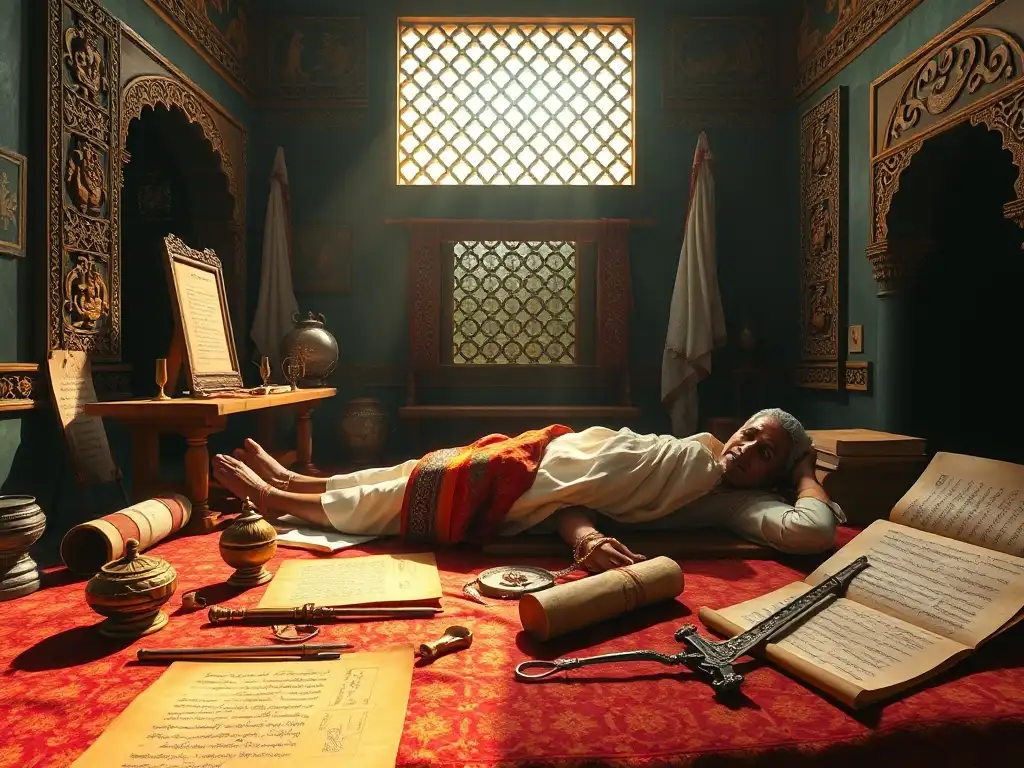
Welcome to Ancient India History, where we embark on a fascinating journey through the vibrant tapestry of ancient Indian civilizations. Today, we delve into the remarkable world of ancient Indian surgical techniques, unearthing secrets that have shaped the field of medicine for centuries. What innovative practices did ancient surgeons employ, and how do they compare to our modern methods? Join us as we unravel the mysteries of historical techniques that not only highlight the ingenuity of our ancestors but also their profound contributions to science and healing. Your exploration begins here—dive deeper into this captivating topic!
- Introduction to Ancient Indian Surgical Techniques
- Historical Context of Ancient Indian Surgery
- Key Ancient Indian Surgical Techniques
- Tools and Instruments Used in Ancient Indian Surgery
- Case Studies of Successful Ancient Surgeries
- Myths and Realities of Ancient Indian Surgical Techniques
- Conclusion: The Enduring Influence of Ancient Indian Surgical Techniques
- References and Further Reading
-
Frequently Asked Questions
- What were ancient Indian surgical techniques known for?
- Who was a prominent figure in ancient Indian surgery?
- How did ancient Indian surgical techniques influence modern medicine?
- What materials were commonly used in ancient Indian surgical tools?
- How did the Gupta Empire contribute to surgical practices?
- Final Reflection: The Enduring Legacy of Ancient Indian Surgical Techniques
- Unveil the Secrets of Ancient Healing!
Introduction to Ancient Indian Surgical Techniques
The exploration of ancient Indian surgical techniques reveals a fascinating intersection of science, medicine, and culture that flourished in the Indian subcontinent. With roots tracing back thousands of years, these techniques not only showcase the advanced understanding of human anatomy and healing practices but also highlight the philosophical and spiritual dimensions that influenced medical practices.
Ancient Indian medicine, particularly through texts like the Sushruta Samhita, offers a treasure trove of knowledge about surgical procedures, instruments, and the holistic approach to health that characterized the time. This article aims to delve into the rich tapestry of ancient Indian surgical techniques, examining their significance, evolution, and the lasting contributions they have made to modern medicine.
Overview of Ancient Indian Medicine
Ancient Indian medicine, often referred to as Ayurveda, is one of the oldest healing systems in the world, with roots that extend back to over 3,000 years ago. This holistic approach emphasizes balance among the body, mind, and spirit, and utilizes a variety of techniques for diagnosis and treatment.
- Key Texts: The Sushruta Samhita and Charaka Samhita are two seminal texts that outline medical practices, including surgical procedures, herbal remedies, and dietary guidelines.
- Surgical Innovations: Ancient Indian surgeons, particularly Sushruta, are credited with pioneering various surgical techniques, including:
- Plastic Surgery: Reconstruction of noses and ears.
- Cataract Surgery: Techniques for eye surgery that are remarkably advanced for their time.
- Use of Anesthesia: Utilization of natural substances to alleviate pain during procedures.
The understanding of anatomy, derived from meticulous observation and dissection, laid the groundwork for these techniques, demonstrating a sophisticated level of medical knowledge.
Importance of Surgical Techniques in Ancient India
The surgical techniques developed in ancient India were not merely about physical healing; they also played a crucial role in societal and cultural contexts.
- Cultural Significance: Surgery was often viewed as a sacred practice, intertwined with spiritual beliefs about the body and health. The healer's role extended beyond that of a technician to a custodian of life.
- Training and Expertise: Surgeons underwent rigorous training, often learning under esteemed practitioners, which ensured that techniques were passed down with precision and respect.
- Contributions to Global Medicine: Ancient Indian surgical practices influenced other civilizations, with their techniques being documented and adapted by Greek and Arab scholars, furthering the global body of medical knowledge.
Purpose of the Article: Unraveling Historical Mysteries
This article aims to unravel the historical mysteries surrounding ancient Indian surgical techniques, shedding light on their development, significance, and enduring legacy in the field of medicine. By examining the methodologies, instruments, and practices employed by ancient Indian surgeons, we hope to:
- Highlight the intricacies and innovations that characterized ancient surgical practices.
- Explore the philosophical underpinnings that shaped medical ethics and practice in ancient India.
- Provide insights into how these techniques have influenced modern surgical practices and continue to resonate in contemporary medicine.
Through this exploration, we aim to appreciate not only the technical prowess of ancient Indian surgeons but also the cultural and historical contexts that fostered such advancements in medical science.
Historical Context of Ancient Indian Surgery
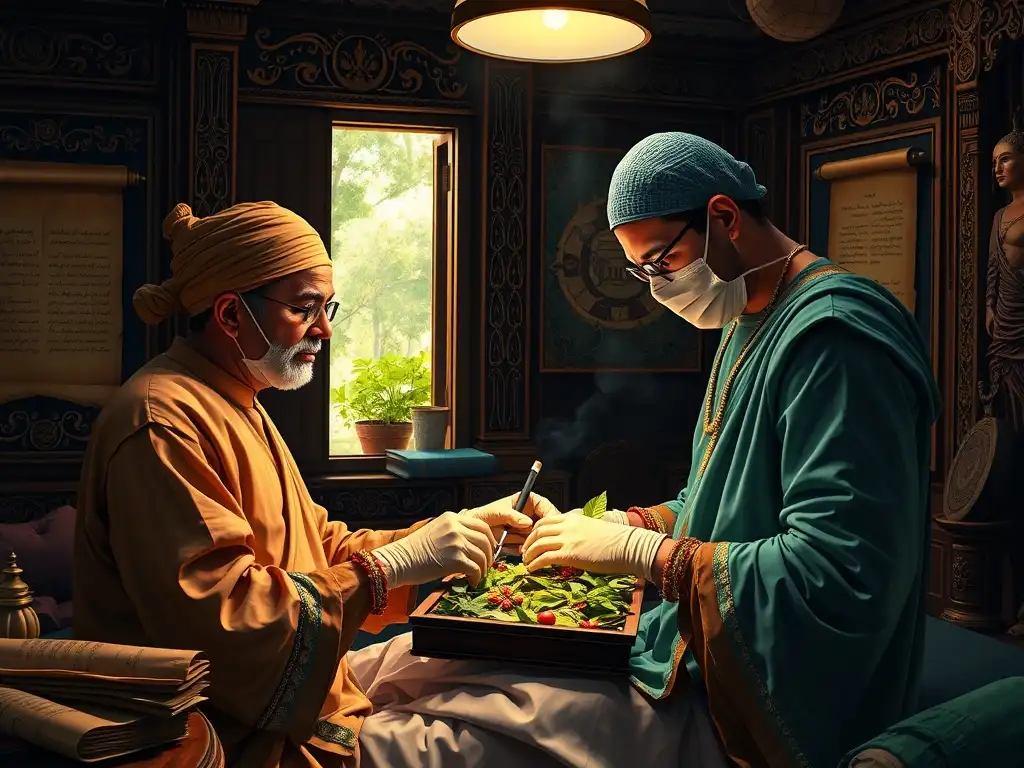
The Indus Valley Civilization and Early Medical Practices
The Indus Valley Civilization, flourishing around 2500 BCE, laid the foundational stones for what would become a sophisticated understanding of medicine and surgery in ancient India. Archaeological findings, including surgical tools made of copper and bronze, indicate that early practitioners had a practical approach to healthcare. Evidence suggests that they performed procedures such as trepanation, a technique where a hole is drilled into the skull, likely to treat head injuries or alleviate pressure.
Researchers have uncovered graves that contain skeletons with signs of surgical interventions, pointing to an advanced understanding of human anatomy and the use of antiseptic techniques. The hygiene practices of the Indus Valley people, including the use of public baths and sophisticated drainage systems, likely contributed to the effective practice of surgery. Overall, this civilization set the stage for the development of more advanced surgical techniques in subsequent periods.
Contributions of Ayurveda to Surgical Techniques
Ayurveda, the ancient Indian system of medicine, has played a pivotal role in the evolution of surgical techniques throughout history. Dating back to around 1500 BCE, Ayurveda is rooted in a holistic approach to health, emphasizing balance in the body, mind, and spirit. This system not only focused on medicinal herbs but also included surgical practices that were well-documented in ancient texts.
One of the key contributions of Ayurveda to surgery is the concept of Shalya Tantra, which translates to "the science of surgery." This specialized branch outlined various surgical techniques, including suturing, incision, and the use of instruments. Ayurvedic texts, such as the Sushruta Samhita, describe over 120 surgical instruments, showcasing the advanced understanding of surgical procedures during that era.
Furthermore, Ayurvedic practitioners emphasized the importance of pre-operative and post-operative care, which included dietary recommendations and the use of herbal remedies to enhance recovery. This comprehensive approach not only improved surgical outcomes but also highlighted the interconnectedness of surgery and overall health in ancient Indian practices.
Influence of Ancient Texts: Sushruta Samhita and Charaka Samhita
The Sushruta Samhita and Charaka Samhita are two seminal texts that profoundly influenced ancient Indian surgical techniques. Compiled around the 6th century BCE, the Sushruta Samhita is often regarded as the foundational text of surgery. It details various surgical procedures, including plastic surgery for reconstructing noses and ears, and discusses the use of anesthesia, notably using herbal mixtures to induce unconsciousness during operations.
In contrast, the Charaka Samhita, which focuses more on internal medicine, also touches upon surgical methods, emphasizing the importance of understanding bodily functions and the impact of surgery on overall health. Together, these texts provide a comprehensive view of ancient Indian medical practices, illustrating a high level of sophistication in both surgical and medicinal knowledge.
The Sushruta Samhita, in particular, includes a detailed classification of surgical procedures and instruments, such as scalpels and forceps, which are still relevant in modern surgical practices. The techniques described in these texts laid the groundwork for future medical advancements, showcasing the enduring legacy of ancient Indian surgical techniques in the realm of medicine.
Key Ancient Indian Surgical Techniques
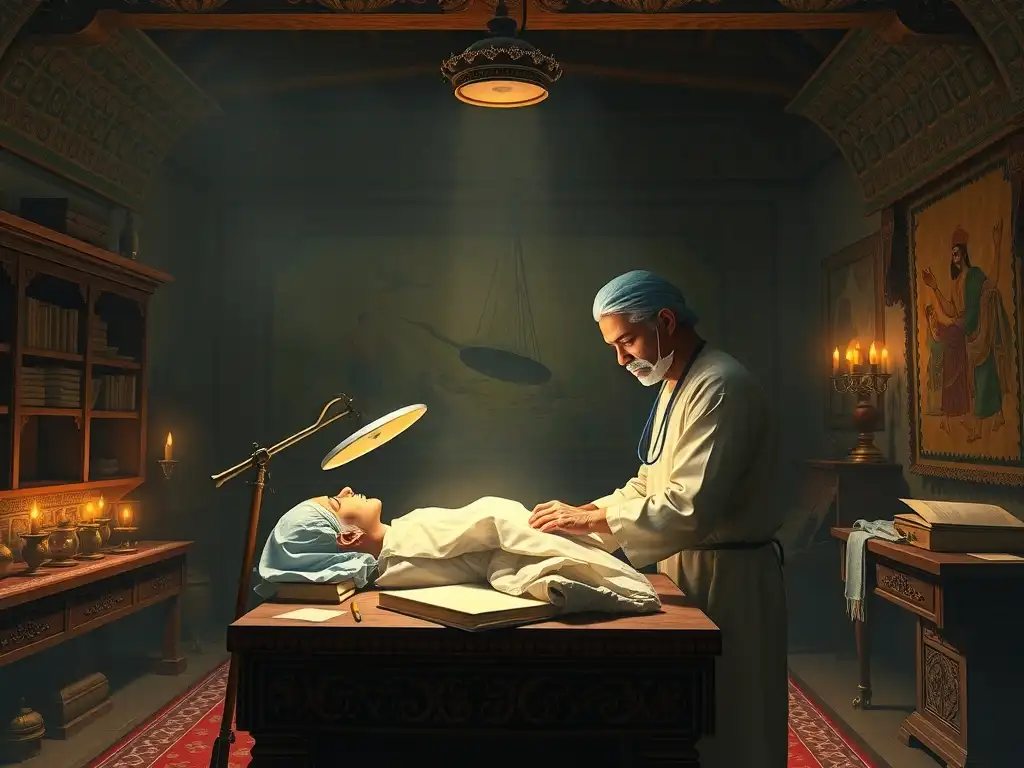
Sushruta's Surgical Innovations
Sushruta, often referred to as the "Father of Surgery," made significant contributions to ancient Indian surgical techniques through his seminal work, the Sushruta Samhita. This text, believed to be composed around 600 BCE, laid the foundation for surgical practices and procedures that were both sophisticated and effective. Sushruta's methodologies encompassed a wide range of surgical disciplines, including plastic surgery, ophthalmology, and trauma care. His approach combined theoretical knowledge with practical skills, emphasizing the importance of hands-on experience.
Rhinoplasty: The Art of Nose Reconstruction
One of the most remarkable techniques documented by Sushruta is rhinoplasty, or nose reconstruction. This procedure was notably performed to repair noses damaged due to injuries or punishments. Sushruta described a detailed method that involved the use of skin grafts taken from the forehead.
- Procedure Overview:
- Preparation: The patient is positioned comfortably, with the area to be operated on thoroughly cleaned.
- Graft Harvesting: A flap of skin is carefully dissected from the forehead, ensuring that it remains attached to its blood supply.
- Nose Reconstruction: The flap is then shaped and sutured in place to form a new nose.
This technique not only restored the physical appearance but also had profound psychological implications for the patients, allowing them to reintegrate into society.
Cataract Surgery: Techniques and Instruments
Cataract surgery, known as couching in ancient India, was another advanced surgical practice. Sushruta described methods to treat cataracts by displacing the cloudy lens to restore vision. His techniques were remarkably precise, showcasing an understanding of ocular anatomy that was ahead of its time.
- Instruments Used:
- Sharp Needle (Sushruta's couching needle): A specially designed needle was used to dislocate the opaque lens.
- Cautery Instruments: Tools were employed to ensure minimal bleeding during the procedure.
The success of these operations is illustrated by the fact that Sushruta's methods remained influential for centuries, with variations of these techniques still being utilized in modern ophthalmology.
Amputation and Trauma Surgery: Methods and Tools
Ancient Indian surgical techniques also included methods for amputation and trauma surgery. Sushruta provided detailed accounts of treating wounds, fractures, and performing amputations, emphasizing the need for sterilization and careful handling of instruments.
- Surgical Techniques:
- Ligation of Blood Vessels: To prevent excessive blood loss during amputations, Sushruta instructed on the ligation of blood vessels.
- Use of Sutures: Various types of sutures were utilized to close wounds, showcasing a sophisticated understanding of tissue healing.
The careful attention to detail in these surgical practices highlights the advanced nature of ancient Indian medicine and its commitment to patient care and recovery.
Use of Herbal Remedies in Surgery
Herbal remedies played a crucial role in supporting surgical practices in ancient India. The utilization of medicinal plants was integrated into surgical procedures for anesthesia, pain relief, and wound healing.
- Commonly Used Herbs:
- Mandukaparni (Centella Asiatica): Known for its wound healing properties.
- Turmeric (Curcuma longa): Valued for its anti-inflammatory and antiseptic qualities.
- Brahmi (Bacopa monnieri): Used for its cognitive enhancement and calming effects.
These herbal remedies were often prepared in various forms, such as pastes, powders, or decoctions, and were administered pre- and post-surgery to enhance recovery and reduce complications.
The integration of herbal medicine into surgical practices not only reflects the holistic approach of ancient Indian medicine but also emphasizes the importance of natural remedies in promoting health and healing.
Anesthesia Practices in Ancient India
Anesthesia, a critical component of modern surgical procedures, has its roots deeply embedded in ancient medical practices, including those of ancient India. Ancient Indian surgeons, particularly those associated with the Ayurvedic tradition, employed various methods to alleviate pain during surgical interventions, showcasing a sophisticated understanding of the human body and its responses to trauma.
Herbal Anesthetics
Ancient Indian texts, such as the Sushruta Samhita, document the use of herbal anesthetics. These texts describe numerous plants with analgesic properties that were used to induce a state of insensibility. Some notable examples include:
- Soma: A sacred plant mentioned in Vedic texts, believed to have psychoactive properties.
- Cannabis: Used for its pain-relieving effects, it was sometimes combined with other herbs for enhanced efficacy.
- Mustard oil: Known for its numbing effects, it was often applied topically before surgical procedures.
These herbal concoctions were meticulously prepared, and the knowledge of their effects was carefully passed down through generations.
Techniques of Induction
The methods of anesthesia induction in ancient India were both innovative and varied. Some techniques included the inhalation of vapors from burning medicinal plants. This practice was akin to modern inhalation anesthesia. Additionally, certain concoctions were administered orally or applied locally to minimize pain during surgeries.
The Sushruta Samhita also describes manual techniques to distract patients from pain, such as inducing a trance-like state through rhythmic chanting or music, which may have helped in reducing anxiety and discomfort during procedures.
Surgical Settings and Practices
Surgeons in ancient India often conducted operations in clean and serene environments, which played a vital role in the effectiveness of anesthesia. The use of calming surroundings, combined with herbal anesthetics, helped patients to stay calm and relaxed. The careful consideration of the patient's emotional and psychological state reflects the holistic approach of ancient Indian medicine.
Legacy and Evolution
The anesthesia practices of ancient India laid the groundwork for future developments in surgical techniques and pain management. The principles established by ancient surgeons continue to influence modern practices, particularly in integrating herbal medicine and holistic approaches into contemporary healthcare.
Ancient Indian surgical techniques were advanced and reflected a deep understanding of anatomy and pharmacology. The use of anesthetics, whether herbal or through distraction methods, illustrates the sophistication of ancient practices that have significantly contributed to the evolution of surgery and pain management in medicine today.
Tools and Instruments Used in Ancient Indian Surgery
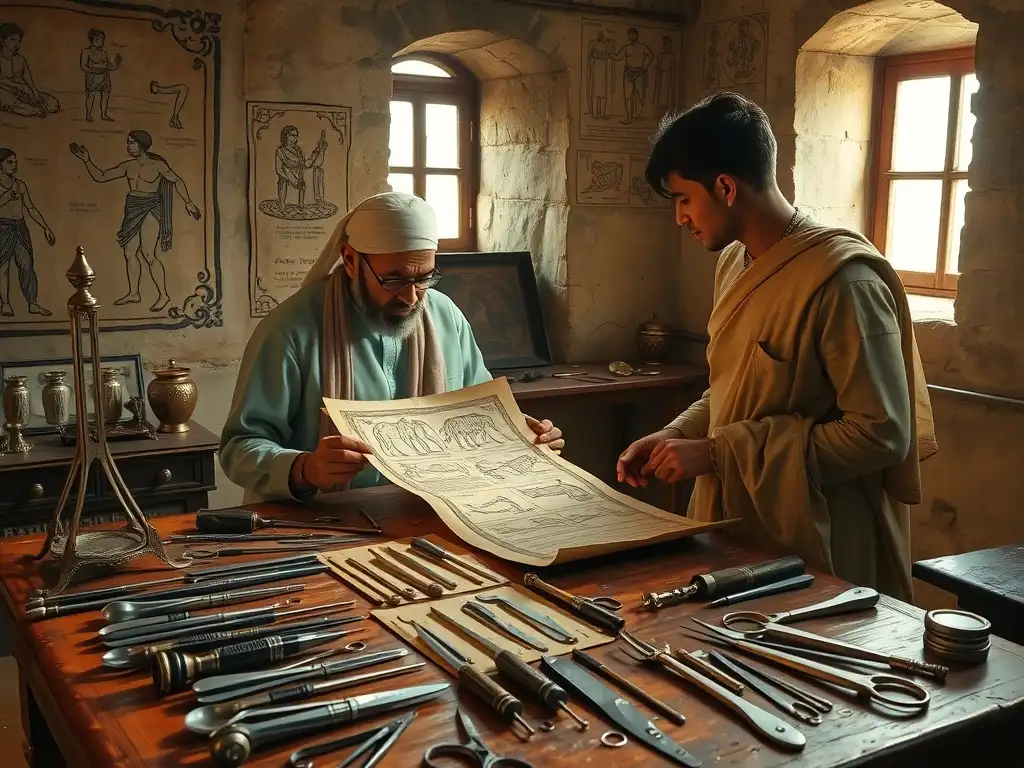
Surgical Instruments: Materials and Designs
Ancient Indian surgery, particularly as documented in texts such as the Sushruta Samhita, reveals a sophisticated understanding of surgical instruments, their materials, and designs. The instruments were primarily crafted from the following materials:
- Metals:
- Gold and silver were often used for their antimicrobial properties.
- Iron was commonplace due to its durability and availability.
- Wood:
- Certain tools were made from wood, especially for procedures that required less precision.
- Stone and Bone:
- In some cases, instruments were fashioned from stone and bone, particularly for specialized surgical tasks.
The designs of these tools were meticulously crafted to suit various surgical needs. For instance, the Sushruta Samhita describes over 120 surgical instruments, which can be categorized into several types:
- Scalpels: Sharp blades for incisions.
- Forceps: Used for grasping tissue, with different designs tailored for various procedures.
- Probes: For exploring wounds or body cavities.
- Needles: Intricately designed for suturing wounds, often made of metal.
The precision and ingenuity behind these instruments demonstrate the advanced state of medical knowledge in ancient India. For example, the Sushruta Samhita illustrates the design of a specific instrument called the “Shalaka,” a probe used to examine and treat fistulas, showcasing both functional design and the understanding of human anatomy.
Evolution of Tools Throughout the Ages
The evolution of surgical instruments in ancient India reflects broader trends in technology, materials science, and medical knowledge. Over centuries, instruments became more refined, with enhancements driven by the following factors:
- Cultural Exchange: As trade routes expanded, knowledge and materials from other civilizations influenced Indian surgical practices. For instance, interactions with Greco-Roman medicine introduced new techniques and tools.
- Advancements in Metallurgy: The development of metallurgy allowed for the creation of sharper and more durable instruments. The introduction of new alloys improved the quality and longevity of surgical tools.
- Increased Specialization: As surgical practices became more specialized, the need for a diverse range of instruments grew. This led to the invention of tools designed for specific procedures, such as cataract surgery or cesarean sections.
Notably, the transition from basic tools to more intricate devices illustrates a significant leap in both surgical technique and the understanding of human physiology. The gradual refinement of these tools is documented in various ancient texts, emphasizing their role in advancing surgical practices.
Comparison with Contemporary Surgical Instruments
When comparing ancient Indian surgical instruments with contemporary surgical tools, several key differences and similarities emerge:
| Aspect | Ancient Indian Instruments | Contemporary Instruments |
|---|---|---|
| Materials | Primarily metal, wood, stone, and bone | Stainless steel, plastics, and composites |
| Design Complexity | Basic shapes, tailored for specific tasks | Highly specialized, ergonomic designs |
| Functionality | Focused on manual techniques | Incorporates advanced technology such as robotics and imaging |
| Antimicrobial Features | Use of gold and silver for their properties | Utilizes advanced coatings and sterilization methods |
| Precision | Limited precision capabilities | High precision with advanced surgical techniques |
Despite the vast advancements in materials and technology, some principles of surgery remain unchanged. The focus on patient safety, anatomical knowledge, and the importance of skilled practitioners are timeless elements that connect ancient practices with modern methodologies.
While ancient Indian surgical techniques were limited by their era’s technology, they laid foundational principles that continue to influence surgical practices today. The legacy of these early instruments and the wisdom of ancient surgeons are invaluable to the history of medicine.
Case Studies of Successful Ancient Surgeries
Notable Historical Accounts of Surgical Achievements
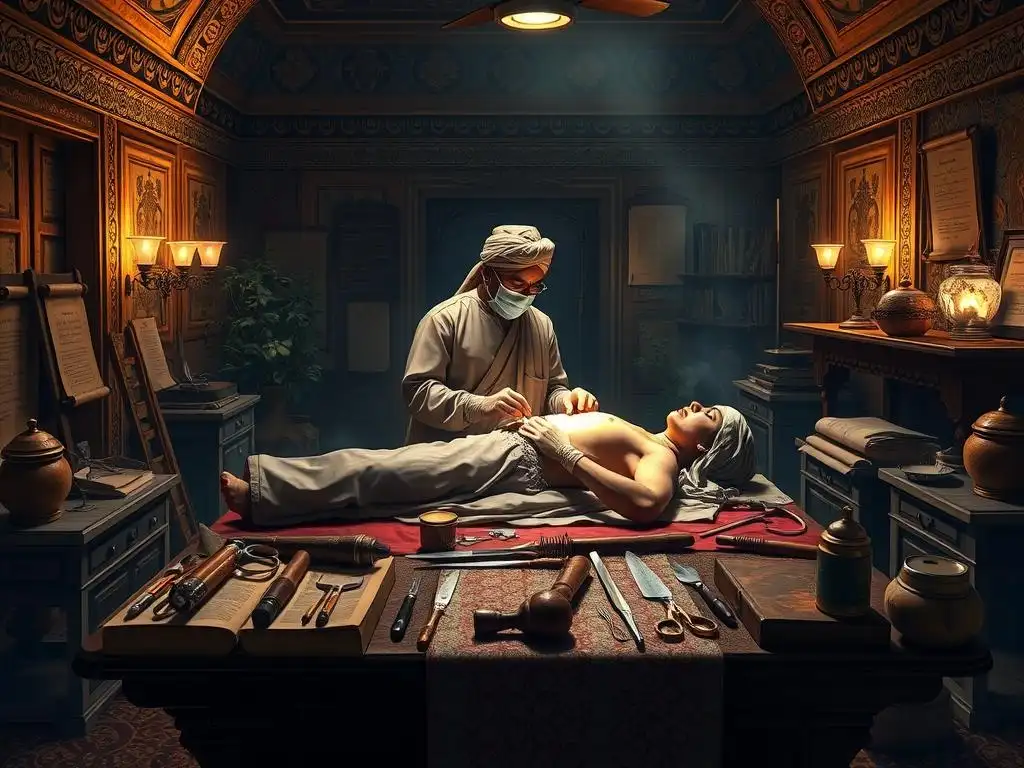
Ancient Indian surgical techniques, particularly those documented in texts like the Sushruta Samhita, provide fascinating insights into the surgical practices of the time. One of the most notable accounts involves Sushruta, often referred to as the "father of surgery." He is credited with performing complex surgeries, including rhinoplasty (reconstruction of the nose) and cataract operations. Historical accounts suggest that Sushruta successfully reconstructed noses using skin grafts, a procedure that was both innovative and ahead of its time.
In addition to rhinoplasty, Sushruta also described various surgical instruments and techniques that were used for different procedures. For instance, he elaborated on the use of scalpels, forceps, and surgical needles, emphasizing the need for precision and cleanliness. Another remarkable case documented in ancient texts is the successful removal of tumors and abscesses, showcasing the advanced understanding of anatomy and pathology among ancient Indian surgeons.
Impact on Patient Outcomes and Quality of Life
The impact of ancient Indian surgical techniques on patient outcomes was profound. Successful surgeries not only alleviated physical ailments but also improved the overall quality of life for patients. In many cases, individuals who underwent surgeries, such as rhinoplasty, experienced significant psychological benefits alongside their physical recovery. The restoration of a person's appearance, particularly after traumatic injuries, played a crucial role in their social reintegration and emotional well-being.
Moreover, the meticulous nature of these surgeries, as detailed in the Sushruta Samhita, indicates a level of post-operative care that is still relevant today. Sushruta emphasized the importance of diet, hygiene, and follow-up care, which are essential components of modern surgical practices. This holistic approach not only aided physical recovery but also supported mental health, demonstrating an understanding of the interconnectedness of mind and body.
Relevance of These Techniques in Modern Surgery
The relevance of ancient Indian surgical techniques in modern surgery cannot be understated. Many principles and practices outlined in texts like the Sushruta Samhita have found their way into contemporary surgical methods. For example, the concept of asepsis and the use of sterilized instruments can be traced back to ancient practices that prioritized cleanliness and minimal infection risk.
Furthermore, the surgical instruments developed during ancient times exhibit remarkable similarities to modern tools. Instruments such as scalpels and forceps continue to be fundamental in surgical procedures today. The emphasis on patient-centered care and the psychological aspects of recovery highlighted by ancient surgeons resonates with current practices that advocate for comprehensive patient support.
The exploration of ancient Indian surgical techniques not only enriches our understanding of historical medical practices but also informs and enhances contemporary surgical approaches. This ongoing dialogue between ancient wisdom and modern science underscores the timeless relevance of these historical techniques in the evolving field of surgery.
Myths and Realities of Ancient Indian Surgical Techniques
Common Misconceptions about Ancient Indian Surgery
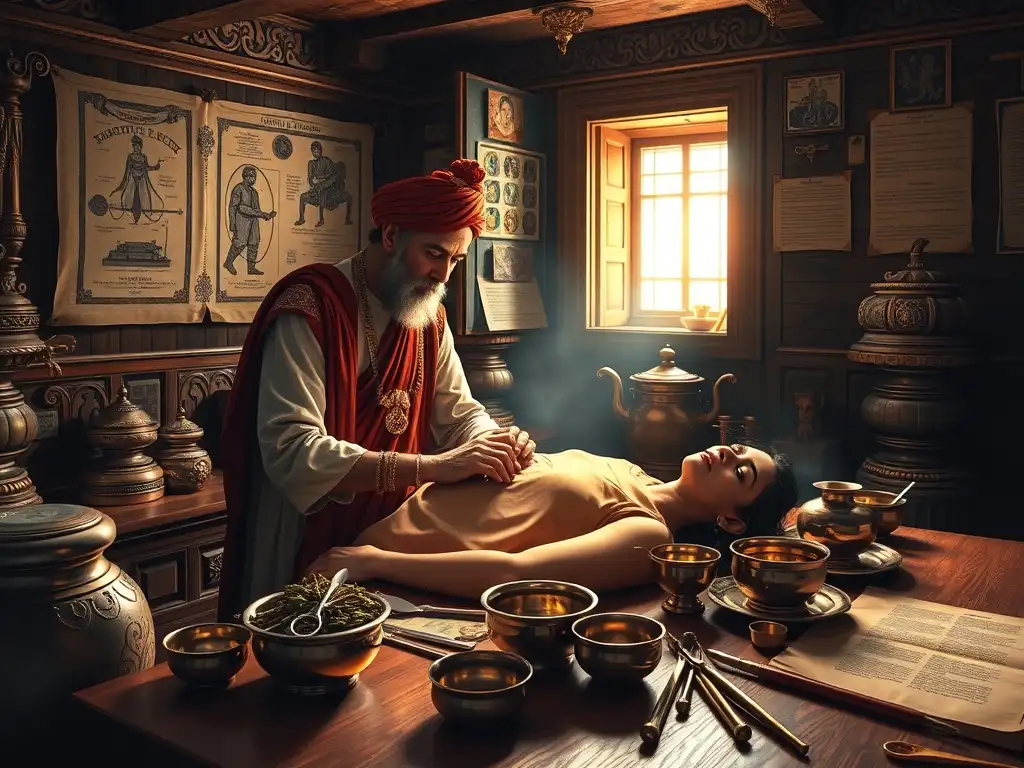
Ancient Indian surgical techniques are often shrouded in myths that can obscure their true complexity and effectiveness. One common misconception is that these techniques were primitive and rudimentary, lacking the sophistication seen in contemporary practices. However, historical texts, such as the Sushruta Samhita, reveal a profound understanding of anatomy, surgical methods, and patient care that contradicts this view.
Another prevalent myth is the belief that ancient Indian surgeons primarily relied on spiritual or supernatural interventions rather than empirical methods. In reality, ancient texts showcase a systematic approach to surgery, including detailed descriptions of surgical instruments, procedures, and post-operative care. This empirical foundation highlights the advanced medical knowledge of ancient Indian practitioners.
Additionally, many people assume that ancient Indian surgery was limited to a few procedures. In truth, surgical practices were extensive, covering a range of specialties including obstetrics, orthopedics, and even plastic surgery, as evidenced by techniques for repairing nasal deformities known as nasal reconstruction.
Evidence Supporting Historical Practices
The evidence for ancient Indian surgical techniques is robust, stemming from various historical texts, archaeological findings, and even oral traditions that have survived over the centuries. The Sushruta Samhita, an ancient Sanskrit text attributed to the physician Sushruta, stands as a cornerstone of ancient surgical knowledge. It contains over 300 surgical procedures, over 120 surgical instruments, and detailed instructions on anatomy and surgical techniques. Notably, it describes methods for performing cataract surgery and complex surgical operations like cesarean sections.
Archaeological discoveries, such as surgical tools made from iron and bronze, bolster the case for the sophistication of ancient Indian surgical practices. These tools, often found in sites associated with the Indus Valley Civilization, indicate a high level of craftsmanship and a deep understanding of the requirements for surgical interventions.
In addition, the existence of medical schools in ancient India, where surgical techniques were taught, further supports the notion of a structured approach to medicine. These institutions fostered an environment where knowledge was preserved, practiced, and improved upon, ensuring the continuity of ancient Indian surgical traditions.
The Legacy of Ancient Surgical Techniques in Modern Medicine
The legacy of ancient Indian surgical techniques can be seen in various aspects of contemporary medicine. Many principles established by ancient surgeons continue to resonate in modern surgical practices. For instance, methods of sterilization and surgical hygiene, which were part of ancient practices, have been validated by modern science as essential components in preventing infections during surgical procedures.
The techniques described in the Sushruta Samhita have also inspired modern reconstructive surgeries. The concept of skin grafting, for example, is rooted in ancient practices of flap surgery. Furthermore, ancient texts have contributed to the understanding of anesthesia, with references to herbal concoctions used to dull pain during surgeries, paving the way for the development of modern anesthetic practices.
In a broader context, the holistic approach to healthcare in ancient Indian medicine, which emphasized the balance of body, mind, and spirit, continues to influence modern integrative medical practices. This perspective encourages a comprehensive approach to patient care, integrating surgical techniques with other forms of treatment and wellness strategies.
The rich history of ancient Indian surgical techniques not only reshapes our understanding of the past but also provides valuable insights and methodologies that continue to impact modern medicine. The exploration of these techniques reveals a legacy that is both profound and far-reaching, illustrating the enduring influence of ancient knowledge on contemporary practices.
Conclusion: The Enduring Influence of Ancient Indian Surgical Techniques
Summary of Key Points
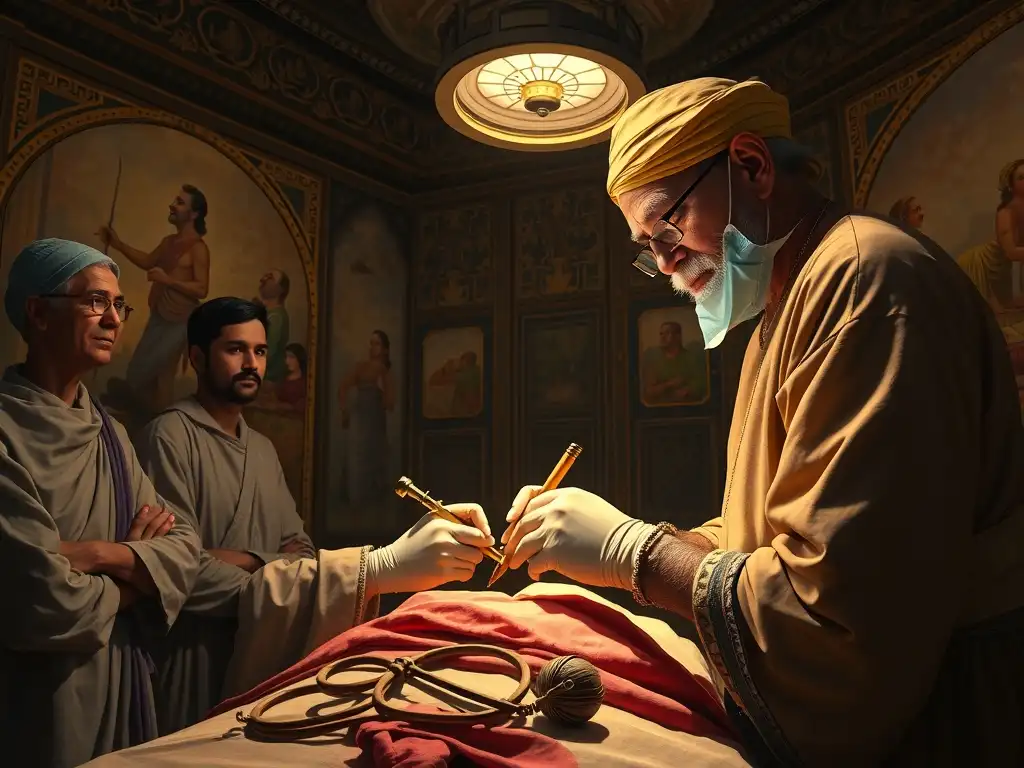
Ancient Indian surgical techniques, particularly as documented in texts like the Sushruta Samhita, showcase a sophisticated understanding of medicine and surgery that was ahead of its time. Key points include:
- Innovative Procedures: Ancient Indian surgeons developed a variety of surgical techniques, including rhinoplasty, cataract surgery, and orthopedic procedures. These techniques demonstrated not only surgical skill but also an understanding of anatomy and healing.
- Use of Instruments: A wide array of surgical instruments was meticulously crafted and used by ancient Indian surgeons, many of which bear resemblance to modern surgical tools. Instruments made from metals like bronze and iron were utilized for various procedures.
- Holistic Approach: The integration of surgery with Ayurveda, a traditional Indian system of medicine, highlights the holistic approach to health that characterized ancient Indian medical practices. This encompassed not just the physical aspects of surgery but also the importance of diet, lifestyle, and herbal remedies.
- Ethical Considerations: Texts such as the Sushruta Samhita also delve into the ethical considerations of surgery, emphasizing the need for skilled practitioners and the moral responsibility they hold in treating patients.
The Importance of Preserving Ancient Medical Knowledge
Preserving ancient medical knowledge, particularly in the realm of ancient Indian surgical techniques, is crucial for several reasons:
- Cultural Heritage: These techniques represent a significant part of India's cultural and scientific heritage. Understanding them allows for a deeper appreciation of the contributions made by ancient civilizations to the field of medicine.
- Educational Value: Studying ancient surgical techniques can provide valuable insights into the evolution of surgical practices. This knowledge can inform current medical education and inspire future generations of healthcare professionals.
- Potential Modern Applications: Some ancient practices may still hold relevance in today's medical context. Research into ancient techniques could lead to the rediscovery of effective methods and materials that could be adapted for contemporary use.
- Interdisciplinary Research Opportunities: The preservation of this knowledge promotes interdisciplinary research, encouraging collaboration between historians, archaeologists, and medical professionals to explore the full scope of ancient medical practices.
Future Research Directions in Ancient Indian Surgery
Future research in ancient Indian surgery can take several promising directions:
- Archaeological Investigations: Continued archaeological excavations in areas associated with ancient Indian civilizations, such as the Indus Valley, may unearth new evidence related to surgical practices and tools, enhancing our understanding of the historical context.
- Comparative Studies: Conducting comparative studies between ancient Indian surgical techniques and those from other ancient cultures (such as Greek or Egyptian) can illuminate similarities and differences in medical practices, potentially leading to a broader understanding of ancient medicine.
- Interdisciplinary Collaborations: Collaborations between historians, medical professionals, and technologists can pave the way for reconstructing ancient surgical instruments and techniques, enabling practical demonstrations and further exploration of their effectiveness.
- Digitization and Archiving: The digitization of ancient medical texts and manuscripts is vital. This effort would not only facilitate easy access to valuable information but also preserve this knowledge for future generations.
The exploration of ancient Indian surgical techniques not only enriches our understanding of historical medical practices but also lays a foundation for future innovations in surgery and healthcare. The enduring influence of these techniques continues to inspire both medical professionals and historians alike.
References and Further Reading
Key Texts on Ancient Indian Surgery
Ancient Indian surgical techniques are meticulously documented in several classical texts that serve as foundational resources for understanding the practices and principles of surgery in ancient India. The following texts are essential for anyone interested in the historical context and methodologies of ancient Indian surgery:
- Sushruta Samhita: Often regarded as the foundational text of ancient Indian surgery, the Sushruta Samhita was authored by Sushruta, who is considered the "father of surgery." This text covers various surgical techniques, including operations on the eyes, abdominal surgeries, and plastic surgeries. The Samhita is notable for its detailed descriptions of surgical instruments and procedures, emphasizing the importance of hygiene and patient care.
- Charaka Samhita: While primarily a text on medicine and Ayurveda, the Charaka Samhita contains valuable insights into surgical practices. It discusses the importance of diagnosis and treatment, including surgical interventions as part of holistic patient care. The text emphasizes the need for a thorough understanding of human anatomy, which is crucial for effective surgical practices.
- Ashtanga Hridaya: This comprehensive text integrates various aspects of Ayurveda, including surgery, and provides detailed accounts of surgical techniques and their applications. It serves as a bridge between surgical practice and holistic medicine, highlighting the interconnectedness of bodily functions.
- Bower Manuscript: A lesser-known but significant text, the Bower Manuscript is an ancient manuscript that includes references to surgical and medical practices in ancient India. It provides insights into the cultural and practical aspects of surgery during that period.
Recommended Resources for Further Exploration
For those looking to delve deeper into the subject of ancient Indian surgical techniques, the following resources are highly recommended:
- Online Archives and Digital Libraries: Many universities and institutions host digital collections of ancient texts, including translations and commentaries on works like the Sushruta Samhita and Charaka Samhita. Websites like the Internet Archive and Google Books often have accessible versions of these texts.
- Academic Journals: Research papers and articles published in journals such as the Indian Journal of History of Science or the Journal of Ayurveda and Integrative Medicine often explore various aspects of ancient Indian surgical techniques, providing modern interpretations and analyses of historical practices.
- Documentaries and Lectures: Various educational platforms offer documentaries and recorded lectures on ancient Indian medicine and surgery. Platforms like YouTube or educational websites may have content from historians and medical experts discussing the evolution and significance of surgical techniques in ancient India.
- Books on Ancient Indian Medicine: Titles like "Medicine in Ancient India" by S. G. S. Nair and "The Roots of Ayurveda" edited by Dominik Wujastyk provide expansive overviews of the medical practices, including surgical techniques, in ancient Indian civilization.
By exploring these texts and resources, readers can gain a comprehensive understanding of ancient Indian surgical techniques and their lasting influence on modern medicine.
Frequently Asked Questions
What were ancient Indian surgical techniques known for?
Ancient Indian surgical techniques were renowned for their advanced methods and innovative tools, significantly contributing to the field of medicine. These techniques included procedures like plastic surgery and cesarean sections.
Who was a prominent figure in ancient Indian surgery?
Sushruta, often referred to as the father of surgery, made significant contributions to the field through his work, the Sushruta Samhita, which detailed various surgical practices and instruments.
How did ancient Indian surgical techniques influence modern medicine?
The detailed descriptions of surgical procedures in ancient texts have greatly influenced modern surgical practices and techniques, showcasing the advanced understanding of human anatomy in ancient India.
What materials were commonly used in ancient Indian surgical tools?
Ancient Indian surgeons utilized a variety of materials for surgical tools, including bronze, iron, and sharp stones, demonstrating their craftsmanship and understanding of materials science.
How did the Gupta Empire contribute to surgical practices?
During the Gupta Empire, there was a notable advancement in medical knowledge, including surgery. This period saw further development and documentation of surgical techniques, enhancing the legacy of ancient Indian medicine.
Final Reflection: The Enduring Legacy of Ancient Indian Surgical Techniques
The exploration of ancient Indian surgical techniques reveals not only the remarkable ingenuity of early medical practitioners but also their profound understanding of human anatomy and healing. Today, as we stand on the shoulders of these historical giants, we recognize that their contributions are not merely relics of the past but foundational elements that continue to influence modern medicine. The intricate methods and philosophies of ancient Indian surgery remind us that innovation often has deep roots, and the wisdom of our ancestors can illuminate the path forward.
The impact of these ancient practices extends far beyond the operating table; they have shaped cultural perceptions of health and wellness throughout history. As we delve into the rich tapestry of ancient Indian medicine, we uncover a narrative that intertwines spirituality, ethics, and science. This holistic approach resonates with contemporary movements towards integrative health practices. As the renowned surgeon Sushruta once said, A physician who fails to treat his patient with compassion is no better than a butcher.
This perspective emphasizes the importance of empathy and care in the healing process, a principle that remains vital in today’s healthcare landscape.
As we reflect on the lessons of ancient Indian surgical techniques, let us carry forward the spirit of inquiry and compassion that characterized these early healers. I invite you to consider how you can integrate these timeless principles into your own life, whether through fostering a deeper understanding of health, advocating for holistic practices, or simply approaching your interactions with greater empathy. The wisdom of the past is a powerful tool for shaping a more compassionate and informed future in healthcare and beyond.
Unveil the Secrets of Ancient Healing!
Thank you for diving into the fascinating world of ancient Indian surgery with us! Your exploration of these historical techniques not only enriches your knowledge but also connects you to a profound legacy of healing and innovation. Now, it’s time to take that inspired curiosity a step further!
Here are a few ways you can engage with this captivating topic:
- Dive Deeper: Explore our extensive articles and resources on ancient medical practices to uncover the rich history and evolution of these techniques.
- Share Your Insights: Join our community by sharing this article with friends or on social media – let others experience the marvels of ancient wisdom!
- Engage with Experts: Participate in our upcoming webinar on ancient surgical techniques, where you can ask questions and gain valuable insights from historians and medical professionals.
What aspect of ancient surgery captivates your imagination the most? How do you believe these historical techniques can influence modern medical practices?