
How Ancient Indian Surgeons Employed Precision in Their Techniques

Welcome to Ancient India History, where we embark on a fascinating journey through the rich tapestry of ancient Indian civilizations! Here, we delve into the extraordinary contributions that shaped not only India but the world. Today, we invite you to explore the remarkable world of Ancient Indian surgical techniques.
Discover how skilled surgeons from the Indus Valley to the Gupta Empire wielded precision and innovation in their practices, laying the groundwork for modern medicine. As you immerse yourself in this captivating narrative, prepare to uncover the secrets of a civilization that thrived on knowledge and expertise. Let the adventure begin!
- Introduction to Ancient Indian Surgical Techniques
- Historical Context of Ancient Indian Surgeons
- Precision Techniques Used by Ancient Indian Surgeons
- Case Studies of Successful Surgeries
- The Impact of Ancient Indian Surgical Techniques
- Conclusion
-
Frequently Asked Questions
- What were some key surgical techniques used in ancient India?
- Who were the notable figures in ancient Indian surgery?
- How did ancient Indian surgeons ensure sterility during procedures?
- What materials did ancient Indian surgeons use for surgical tools?
- How did ancient Indian surgical techniques influence modern medicine?
- Final Reflection: The Enduring Legacy of Ancient Indian Surgical Techniques
- Unveil the Secrets of Ancient Surgical Mastery!
Introduction to Ancient Indian Surgical Techniques
The history of medicine in ancient India is a fascinating tapestry woven with intricate knowledge, practices, and innovations that laid the foundation for modern medical science. Among the many remarkable aspects of this rich tradition are the surgical techniques developed by ancient Indian surgeons, who demonstrated an exceptional understanding of human anatomy and a remarkable level of precision in their methods. From the sophisticated procedures of the Indus Valley civilization to the advanced surgical practices seen during the Gupta Empire, ancient Indian surgeons utilized a blend of empirical observation, practical experience, and extensive theoretical knowledge.
In this article, we will explore how these ancient practitioners employed precision in their techniques, the significance of their contributions to the field of surgery, and the enduring legacy of their work in contemporary medicine. By understanding the depth and complexity of ancient Indian surgical practices, we can appreciate the innovative spirit and intellectual rigor that characterized one of history's most advanced medical traditions.
Overview of Ancient Indian Medicine
Ancient Indian medicine, often encapsulated in the Ayurvedic system, represents one of the oldest forms of healthcare in the world. Rooted in texts such as the Sushruta Samhita and the Charaka Samhita, this tradition not only emphasizes holistic healing but also includes detailed surgical knowledge.
- Key Texts:
- Sushruta Samhita: Often referred to as the "father of surgery," Sushruta's work outlines various surgical procedures, instruments, and techniques.
- Charaka Samhita: Focused more on internal medicine, it complements the surgical aspects with its insights into diseases and treatments.
- Principles of Ayurveda:
- Balancing the three doshas (Vata, Pitta, Kapha) is crucial for maintaining health.
- Emphasis on preventive measures and natural remedies, which includes surgery as a last resort.
The ancient Indian understanding of medicine was both practical and philosophical, integrating physical health with mental and spiritual well-being, thus creating a holistic approach that was ahead of its time.
Importance of Precision in Ancient Surgery
Precision in surgical techniques was not merely a matter of skill; it was integral to the success of procedures and the well-being of patients. Ancient Indian surgeons demonstrated a profound understanding of human anatomy and surgical methods, which is evident in several key areas:
- Surgical Instruments:
- The development of specialized tools for various procedures, such as scalpels, forceps, and probes, reflects a high degree of craftsmanship and an understanding of their applications.
- Techniques and Procedures:
- Ancient texts describe complex surgeries like cataract removal and cesarean sections, showcasing the need for precision in execution.
- Techniques such as suturing and anesthesia (using herbal concoctions) indicate a sophisticated approach to minimizing pain and promoting healing.
- Training and Education:
- Aspiring surgeons underwent rigorous training under experienced practitioners, ensuring that skills were honed to achieve the necessary precision in delicate operations.
The emphasis on precision not only highlights the technical prowess of ancient Indian surgeons but also underscores the cultural significance of medicine and surgery in society. Their contributions have influenced surgical practices worldwide, demonstrating that the legacy of ancient Indian surgical techniques continues to resonate in modern medicine.
Historical Context of Ancient Indian Surgeons
The historical context of ancient Indian surgeons is rooted in a rich tapestry of cultural and scientific advancements that date back to the Indus Valley Civilization (circa 2500 BCE). This period laid the groundwork for an understanding of medicine and surgery that would flourish in subsequent centuries. Ancient Indian surgeons operated within a framework that combined empirical observation, spiritual beliefs, and systematic methodologies.
By the time of the Vedic period (circa 1500-500 BCE), the foundations of medical knowledge were being established, culminating in a distinct focus on surgical practices by the time of the Maurya Empire (circa 322-185 BCE). During this era, a growing emphasis on the anatomical study and surgical procedures began to emerge, reflecting a sophisticated understanding of the human body.
The societal structure of ancient India, which included various castes, played a significant role in shaping the medical profession. Surgeons, often referred to as shalya-vaidya, were typically part of the Kshatriya or Vaishya classes, with their practices often passed down through generations.
Evolution of Surgical Practices in Ancient India
The evolution of surgical practices in ancient India can be traced through significant advancements in techniques, instruments, and theoretical frameworks. Early surgical practices were mainly concerned with trauma and wound management. The use of herbal remedies and basic surgical tools, such as scalpels made from stone or metal, were prevalent. As society progressed, so did the complexity of surgical procedures.
By the time of the Gupta Empire (circa 320-550 CE), a remarkable transformation occurred. This period is often referred to as the Golden Age of India, characterized by extensive advancements in science, mathematics, and medicine. Surgical techniques began to encompass a wider array of procedures, including:
- Amputation: Techniques were refined for the safe removal of limbs.
- Cauterization: The use of heat to control bleeding and prevent infection became more widespread.
- Suturing: Methods for closing wounds improved, utilizing materials such as silk and cotton threads.
These innovations were not merely practical; they represented a philosophical approach to medicine that emphasized precision and a deep understanding of bodily functions.
Influential Texts on Ancient Indian Surgery
Ancient Indian surgeons were guided by several influential texts that codified surgical knowledge and practices, with two primary texts standing out: the Sushruta Samhita and the Charaka Samhita. These works not only documented surgical techniques but also integrated them into the broader framework of Ayurvedic medicine.
Sushruta Samhita: The Pioneering Surgical Text
The Sushruta Samhita, attributed to the ancient surgeon Sushruta, is regarded as one of the earliest and most comprehensive texts on surgery. Written around the 6th century BCE, it encompasses over 1,120 different illnesses and procedures, detailing over 300 surgical techniques. Key contributions from this text include:
- Detailed Surgical Instruments: The text describes various surgical tools, such as scalpels, forceps, and probes, emphasizing the importance of precision in surgical procedures.
- Plastic Surgery: Notably, the Sushruta Samhita includes descriptions of rhinoplasty (reconstruction of the nose) and other forms of reconstructive surgery, showcasing an advanced understanding of human anatomy.
- Anesthesia Techniques: Sushruta also documented the use of herbal concoctions for anesthesia, highlighting a sophisticated approach to patient care during surgical interventions.
The Sushruta Samhita is not only significant for its surgical insights but also for its holistic approach to medicine, stressing the importance of a physician's ethical conduct.
Charaka Samhita: Contributions to Medical Knowledge
While the Sushruta Samhita focuses on surgical techniques, the Charaka Samhita, attributed to the physician Charaka, is a foundational text in Ayurveda that emphasizes internal medicine. Written around the same time as the Sushruta Samhita, it provides valuable insights into the following:
- Diagnosis and Treatment: The text outlines methods for diagnosing conditions and prescribing treatments, including surgical interventions when necessary.
- Pharmacology: It includes extensive information on herbal remedies and their therapeutic uses, complementing surgical practices with a strong emphasis on holistic healing.
- Preventive Medicine: Charaka's work underscores the importance of lifestyle and diet in maintaining health, reflecting an integrated approach to medicine that includes both preventive and curative aspects.
Together, these texts form the cornerstone of ancient Indian surgical techniques, showcasing a blend of empirical knowledge and philosophical thought that shaped the practice of medicine in ancient India.
Precision Techniques Used by Ancient Indian Surgeons
Surgical Instruments and Tools in Ancient India
Ancient Indian surgeons were known for their remarkable skill and precision, largely attributed to their advanced surgical instruments and tools. These instruments were meticulously designed and crafted for various surgical procedures, reflecting a deep understanding of human anatomy and the principles of surgery.
Types of Surgical Instruments
Ancient texts, particularly the Sushruta Samhita, detail a variety of instruments used by surgeons. Some of the notable surgical instruments include:
- Scalpels (Shalaka): Sharp tools used for making incisions. They were usually made from steel or bronze.
- Forceps (Prakartana): Employed for grasping and holding tissues. They came in various shapes and sizes for different applications.
- Scissors (Sankhya): Used for cutting tissues and sutures, these were crafted for precision and ease of handling.
- Needles (Nadi): Surgical needles were designed for suturing wounds and came in different sizes for various types of surgery.
- Chisels and Mallets: Employed in more invasive procedures, such as bone surgery, showcasing the versatility of tools available to ancient Indian surgeons.
The variety of instruments highlighted the surgeons' ability to perform complex surgical tasks with precision, minimizing damage to surrounding tissues.
Material and Craftsmanship of Surgical Tools
The materials used in the crafting of surgical instruments were primarily metals, including iron, bronze, and later, steel. The craftsmanship involved in creating these tools was remarkable:
- Metallurgy: Ancient Indian metallurgists developed techniques to forge and temper metals, providing the tools with durability and sharpness.
- Artisanal Skills: Skilled artisans were responsible for shaping and polishing tools, ensuring that they met the high standards necessary for surgical procedures.
- Hygiene Practices: Instruments were often sterilized using various methods, including boiling in water, to prevent infections, reflecting an early understanding of surgical hygiene.
These practices ensured that ancient Indian surgical tools were not only effective but also reliable, contributing to the success of surgical procedures.
Techniques for Precision in Surgery
The precision employed by ancient Indian surgeons was also evident in the techniques they used during surgical procedures. These techniques were informed by extensive medical knowledge and practical experience, emphasizing meticulousness and care.
Suturing Techniques: Methods and Materials
Suturing was a critical aspect of surgery, and ancient Indian surgeons utilized various techniques to close wounds effectively:
- Types of Sutures: They employed different types of sutures, including interrupted and continuous sutures, depending on the nature of the wound.
- Materials Used: Suture materials included threads made from natural fibers like cotton, silk, and even animal sinews, known for their strength and biocompatibility.
- Knot Techniques: Specific knot-tying techniques were developed to secure sutures tightly without causing tissue damage, showcasing the precision required in the suturing process.
This attention to detail in suturing contributed significantly to the healing process and reduced complications.
Use of Anesthesia and Pain Management
Ancient Indian surgeons recognized the importance of managing pain during surgical procedures. They employed various methods for anesthesia and pain relief:
- Herbal Anesthetics: A range of herbal concoctions, such as those derived from the soma plant, were used to induce unconsciousness or sedation.
- Local Anesthesia Techniques: Techniques involving the application of herbal pastes or oils were common for numbing specific areas of the body before surgery.
- Postoperative Pain Management: Following surgery, patients were treated with a variety of herbal remedies aimed at alleviating pain and promoting recovery.
The integration of these anesthetic techniques demonstrated a sophisticated understanding of patient care and the need for comfort during surgical procedures.
Case Studies of Successful Surgeries
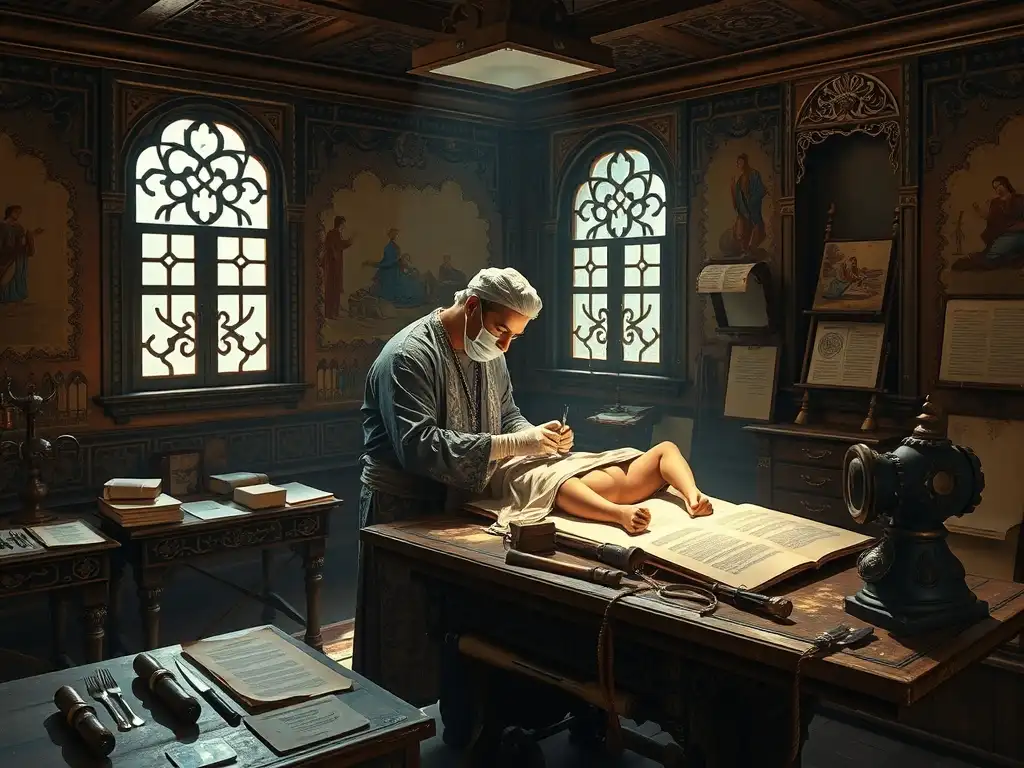
The exploration of ancient Indian surgical techniques reveals a rich tapestry of medical knowledge that was practiced with remarkable precision. These techniques, documented in ancient texts, provide insight into the capabilities of surgeons in India centuries ago. Here, we delve into notable surgical procedures that highlight the ingenuity and skill of ancient Indian surgeons.
Notable Surgical Procedures from Ancient Texts
Ancient Indian medical literature, particularly the Sushruta Samhita, serves as a cornerstone for understanding surgical practices. This text, attributed to Sushruta, a revered figure in ancient medicine, outlines various surgical techniques and procedures. The meticulous descriptions of surgeries indicate a sophisticated understanding of anatomy and surgical methods.
Key characteristics of these surgical practices include:
- Use of Anesthesia: Ancient texts mention the use of herbal concoctions to induce unconsciousness during surgical procedures.
- Sterile Techniques: Methods to maintain hygiene were noted, such as the cleansing of instruments and the surgical site.
- Precision Instruments: Surgeons utilized a variety of tools, crafted from metals and other materials, specifically designed for different surgical tasks.
The successful execution of surgeries in ancient India is evident in the detailed accounts of specific procedures, particularly in reconstructive and corrective surgeries.
Rhinoplasty: Reconstructive Surgery of the Nose
Rhinoplasty, or nasal reconstruction, stands out as one of the remarkable achievements in ancient Indian surgical techniques. The Sushruta Samhita provides comprehensive guidance on the procedure, showcasing the skill and artistry of ancient surgeons.
- Procedure Overview: The surgery involved the reconstruction of the nose, often performed on patients who had suffered injuries or deformities. Techniques included grafting skin from other parts of the body, such as the forehead or cheeks.
- Cultural Significance: The nose held significant cultural importance in ancient Indian society, both for aesthetic reasons and social status. Successful rhinoplasty not only restored appearance but also improved the quality of life for individuals.
- Historical Impact: The meticulous nature of rhinoplasty in ancient India influenced surgical practices globally, with similar techniques appearing in later medical texts from other cultures.
Cataract Surgery: Techniques and Outcomes
Cataract surgery is another highlight of ancient Indian surgical prowess, demonstrating the advanced understanding of ocular anatomy and surgical intervention.
- Technique Description: The procedure involved the removal of the cloudy lens from the eye, often using a technique known as couching. This method required precise manipulation to dislocate the cataract lens, allowing for improved vision.
- Instruments Used: Surgeons employed specially designed instruments, such as needles and hooks, to safely perform cataract surgery. The design and function of these tools reflect a high level of craftsmanship and knowledge of the human body.
- Outcomes and Effectiveness: Historical accounts suggest a high success rate for cataract surgeries in ancient India. Patients often reported significant improvements in vision post-operation, leading to a greater emphasis on the importance of eye health in medical practices.
The case studies of surgical procedures from ancient Indian texts reveal the depth of knowledge and skill that ancient surgeons possessed. The techniques employed, from rhinoplasty to cataract surgery, underscore the precision and care that characterized ancient Indian surgical practices, leaving a lasting legacy in the field of medicine.
The Impact of Ancient Indian Surgical Techniques
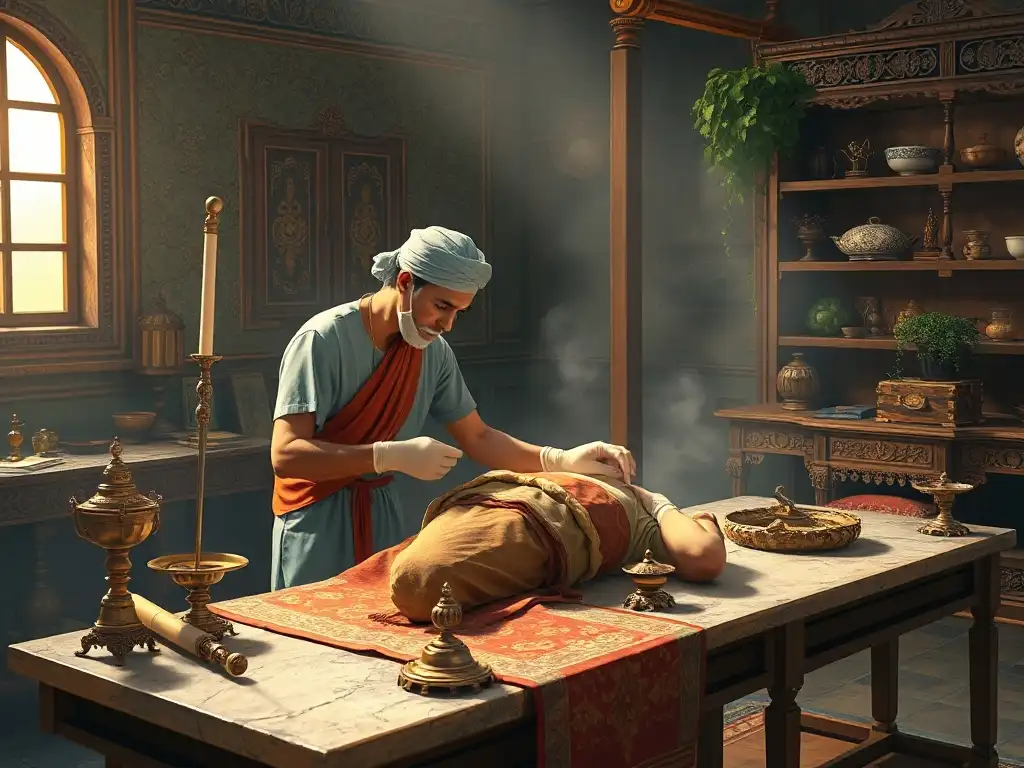
Contributions to Global Surgical Practices
Ancient Indian surgical techniques, primarily documented in texts such as the Sushruta Samhita, have significantly influenced surgical practices worldwide. Sushruta, often referred to as the "father of surgery," compiled extensive knowledge on various surgical procedures, including plastic surgery, cataract extraction, and wound management. His methodologies emphasized precision and hygiene, critical components that resonate with modern surgical practices.
- Innovative Procedures: Sushruta detailed over 120 surgical procedures and over 300 medicinal plants, providing a comprehensive understanding of surgery. Among these procedures, rhinoplasty (reconstruction of the nose) is particularly noteworthy. This technique was not only revolutionary for its time but also served as a foundation for similar practices globally.
- Surgical Instruments: The ancient texts describe a variety of surgical instruments, many of which were remarkably sophisticated for their time. Instruments such as scalpels, forceps, and probes were crafted with precision, facilitating intricate surgical procedures. The design and purpose of these tools laid the groundwork for the surgical instruments used today.
- Principles of Surgery: Ancient Indian surgeons emphasized techniques such as aseptic practices, the importance of patient positioning, and the necessity of understanding human anatomy. These principles were ahead of their time and contributed to safer surgical practices, influencing subsequent medical traditions in Greece, Rome, and eventually, the Islamic Golden Age.
- Cultural Exchange: The spread of ancient Indian surgical texts through trade routes facilitated cross-cultural exchanges. Scholars from various regions, including Persia and Greece, studied these texts, incorporating Indian surgical knowledge into their own practices. This exchange fostered advancements in surgery across different civilizations.
Influence on Modern Medicine and Surgery
The legacy of ancient Indian surgical techniques is evident in various aspects of modern medicine and surgery. The principles established thousands of years ago continue to inform contemporary practices.
- Surgical Techniques: Many modern surgical techniques can trace their roots back to ancient Indian methods. For instance, the principles behind surgical suturing, as described in the Sushruta Samhita, are still employed today, showcasing the enduring relevance of these ancient practices.
- Anesthesia and Pain Management: Ancient texts highlighted the use of herbal anesthetics and pain management techniques. The emphasis on patient comfort and pain relief has evolved, but the core philosophy remains integral to modern anesthesiology.
- Holistic Approach to Medicine: Ancient Indian surgeons practiced a holistic approach, focusing not just on the physical aspects of surgery but also on the mental and emotional well-being of patients. This perspective is increasingly recognized in modern medicine, where patient-centered care is becoming a standard.
- Education and Training: The structured training of surgeons in ancient India set a precedent for medical education. The emphasis on apprenticeship and hands-on experience in surgical techniques mirrors contemporary medical training programs, highlighting the importance of experiential learning.
- Research and Development: Ongoing research into ancient Indian surgical techniques continues to inspire innovations in modern medicine. Studies on ancient practices inform current surgical methodologies and contribute to the development of new techniques that merge traditional wisdom with modern technology.
Ancient Indian surgical techniques represent a significant chapter in the history of medicine, influencing both global surgical practices and modern medical approaches. Their emphasis on precision, comprehensive methodology, and patient care continues to resonate within the field of surgery today, underscoring the invaluable contributions of ancient Indian civilization to contemporary medicine.
Conclusion
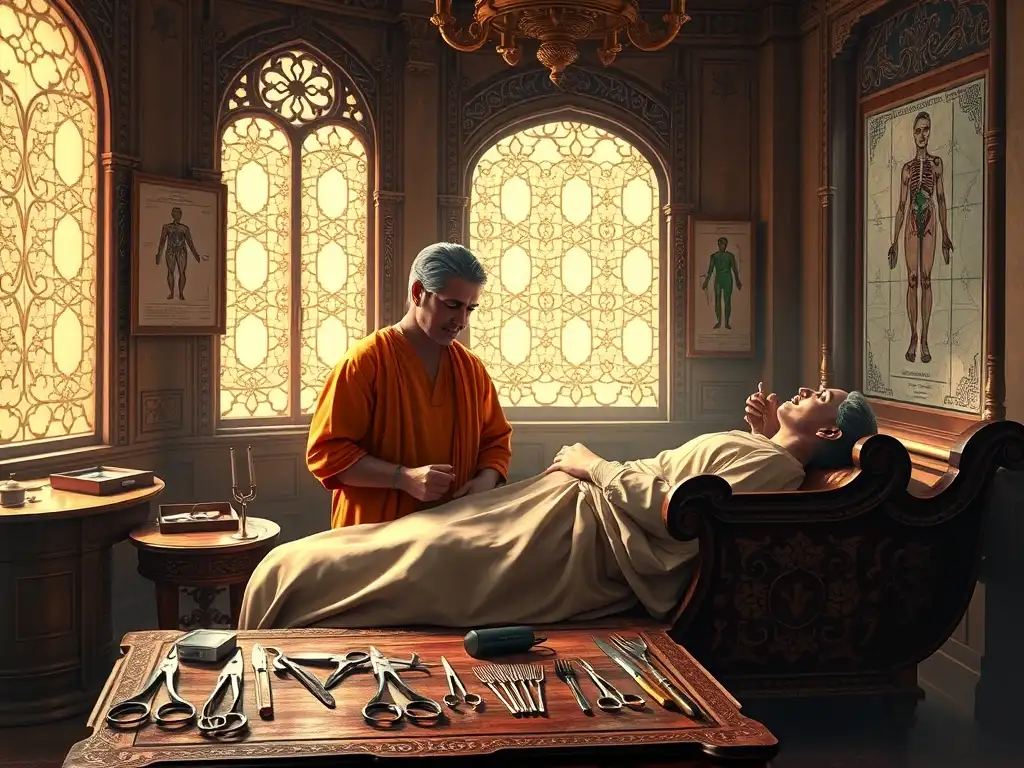
The legacy of ancient Indian surgical techniques is both profound and far-reaching, influencing not only the medical practices of India but also leaving an indelible mark on the global landscape of surgery. Ancient texts, such as the Sushruta Samhita, serve as a testament to the sophisticated understanding of human anatomy and surgical methods that were prevalent in ancient India. This foundational work, attributed to Sushruta, outlines various surgical procedures, tools, and techniques that demonstrate a remarkable level of precision and skill.
Legacy of Ancient Indian Surgical Techniques
Ancient Indian surgical techniques laid the groundwork for many modern practices still in use today. The meticulous approaches to procedures such as rhinoplasty (reconstruction of the nose) and cataract surgery highlight the advanced knowledge possessed by surgeons of that era. The techniques emphasized the importance of cleanliness and sterilization, well before the advent of modern germ theory.
| Key Contributions | Description |
|---|---|
| Rhinoplasty | Reconstruction of the nose using grafts from other parts of the body. |
| Cataract Surgery | Techniques for removing cataracts using primitive yet effective methods. |
| Use of Surgical Tools | Development of specialized instruments made from metals like bronze and steel. |
| Anesthesia Techniques | Use of herbal concoctions and other methods to minimize pain during surgery. |
The teachings from ancient texts were not only preserved in India but also traveled across cultures, influencing other civilizations, particularly in the Middle East and Europe. The integration of these ancient practices into the medical systems of various cultures showcased the sophistication and universality of surgical knowledge.
Reflection on the Precision and Skill of Ancient Indian Surgeons
The precision and skill demonstrated by ancient Indian surgeons were remarkable, especially considering the rudimentary tools and limited technology available at the time. The surgical methods employed were characterized by:
- Detailed Anatomical Knowledge: Surgeons had a profound understanding of the human body, which allowed them to perform complex procedures with accuracy.
- Innovative Techniques: They developed innovative techniques that minimized trauma and promoted faster recovery, highlighting their advanced surgical acumen.
- Patient-Centric Approaches: Ancient Indian surgeons prioritized the well-being of patients, focusing on pain management and post-operative care, which are essential components of modern surgical practices.
The legacy of ancient Indian surgical techniques showcases an era of exceptional medical advancements. The precision and skill of ancient Indian surgeons not only reflect their expertise but also their commitment to improving the quality of life for their patients. This rich heritage continues to inspire contemporary medical practices, affirming that the contributions of ancient Indian civilization are invaluable to the history of medicine.
Frequently Asked Questions
What were some key surgical techniques used in ancient India?
Ancient Indian surgeons practiced several advanced surgical techniques, including plastic surgery, cataract surgery, and the use of suturing methods that showcased their precision and skill.
Who were the notable figures in ancient Indian surgery?
Sushruta, often referred to as the "Father of Surgery," is a prominent figure known for his comprehensive text, the Sushruta Samhita, which details various surgical procedures and techniques.
How did ancient Indian surgeons ensure sterility during procedures?
Ancient Indian texts emphasized the importance of cleanliness and sterility, using methods like boiling instruments and herbal antiseptics to prevent infections during surgeries.
What materials did ancient Indian surgeons use for surgical tools?
Surgeons in ancient India crafted their tools from materials like iron, bronze, and stone, allowing them to perform intricate procedures with a range of specialized instruments.
How did ancient Indian surgical techniques influence modern medicine?
The precision and methodologies of ancient Indian surgical techniques have informed and influenced modern surgical practices, showcasing the enduring legacy of these early medical pioneers.
Final Reflection: The Enduring Legacy of Ancient Indian Surgical Techniques
The precision and ingenuity of ancient Indian surgical techniques remain profoundly relevant today, as they not only laid the groundwork for modern medicine but also challenge our understanding of historical medical practices. The remarkable skills of ancient Indian surgeons demonstrate that the pursuit of knowledge and excellence in healthcare is a timeless endeavor. Their innovative methods, which included advanced surgical instruments and techniques, remind us that the quest for healing transcends time and culture.
The influence of these ancient practices can still be felt in contemporary medicine, as they inspire a renewed appreciation for holistic approaches to health and well-being. The meticulous attention to detail exhibited by these surgeons serves as a testament to the importance of precision in medical procedures today. Medicine is a science of uncertainty and an art of probability.
– William Osler. This quote encapsulates the delicate balance between the empirical and the intuitive, a balance that ancient Indian surgeons mastered long before modern science took shape.
As we reflect on the lessons from ancient Indian surgical techniques, let us embrace the spirit of innovation and dedication to healing that these pioneers embodied. I invite you to explore how you can apply the principles of precision, care, and respect for the human body in your own life, whether in health, relationships, or personal growth. By honoring the legacy of these ancient surgeons, we can cultivate a deeper understanding of our own practices and contribute to a future where healing continues to evolve with wisdom and compassion.
Unveil the Secrets of Ancient Surgical Mastery!
Thank you for delving into the fascinating world of ancient Indian surgeons with us! You've discovered how their precision techniques not only advanced medicine but also laid the groundwork for modern surgery. Now, it’s time to turn that inspiration into action!
Here’s how you can deepen your engagement with this captivating topic:
- Explore further: Visit our other articles on ancient medical practices to expand your understanding of their impact on contemporary healthcare.
- Share your insights: Join the conversation! Discuss your favorite surgical techniques from the article in the comments below or share on social media to spark interest.
- Dive into a project: Consider researching an ancient surgical instrument or technique and share your findings with our community or even create a visual presentation.
What aspect of ancient Indian surgery intrigues you the most, and how do you think it could influence modern practices? We would love to hear your thoughts!