
The Rich Tapestry of Ancient Indian Folklore: A Heritage Tour Experience

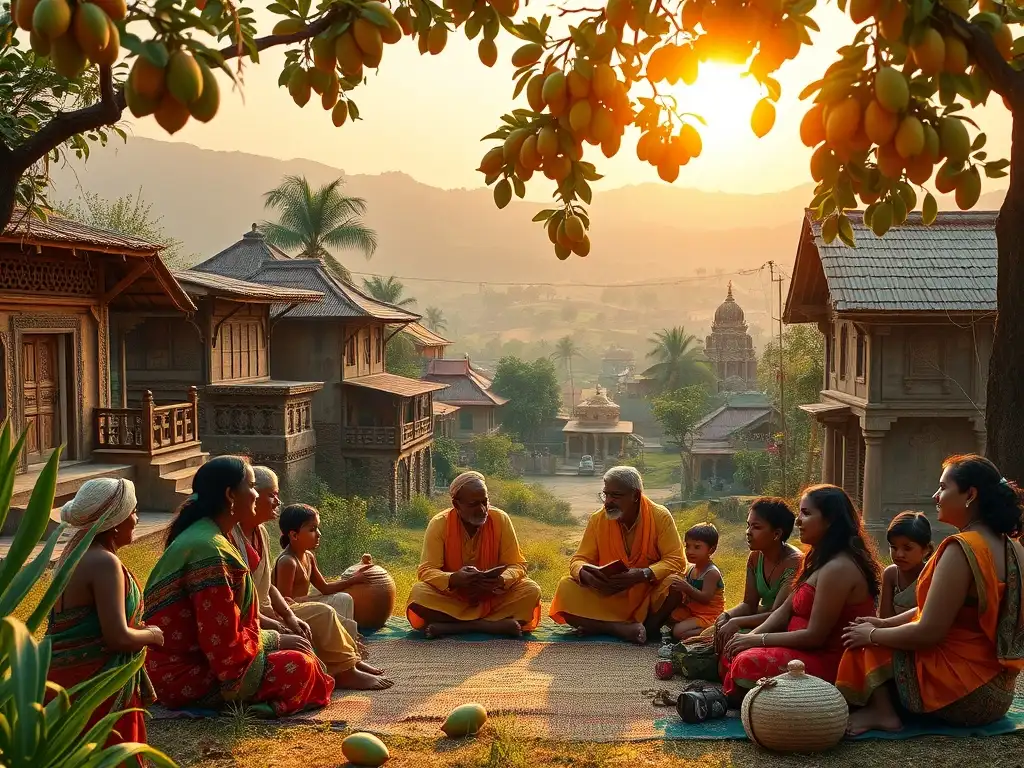
Welcome to Ancient India History, where we invite you to embark on an extraordinary journey through the rich tapestry of ancient Indian civilizations. From the enigmatic Indus Valley to the illustrious Gupta Empire, our website is your gateway to exploring the profound cultural heritage that has shaped India's identity.
Dive into our featured article, "The Rich Tapestry of Ancient Indian Folklore: A Heritage Tour Experience," where we unveil the captivating stories and traditions that define our folklore heritage. Get ready to uncover the hidden gems of history and culture that await you on this luxurious and enlightening adventure—your exploration starts here!
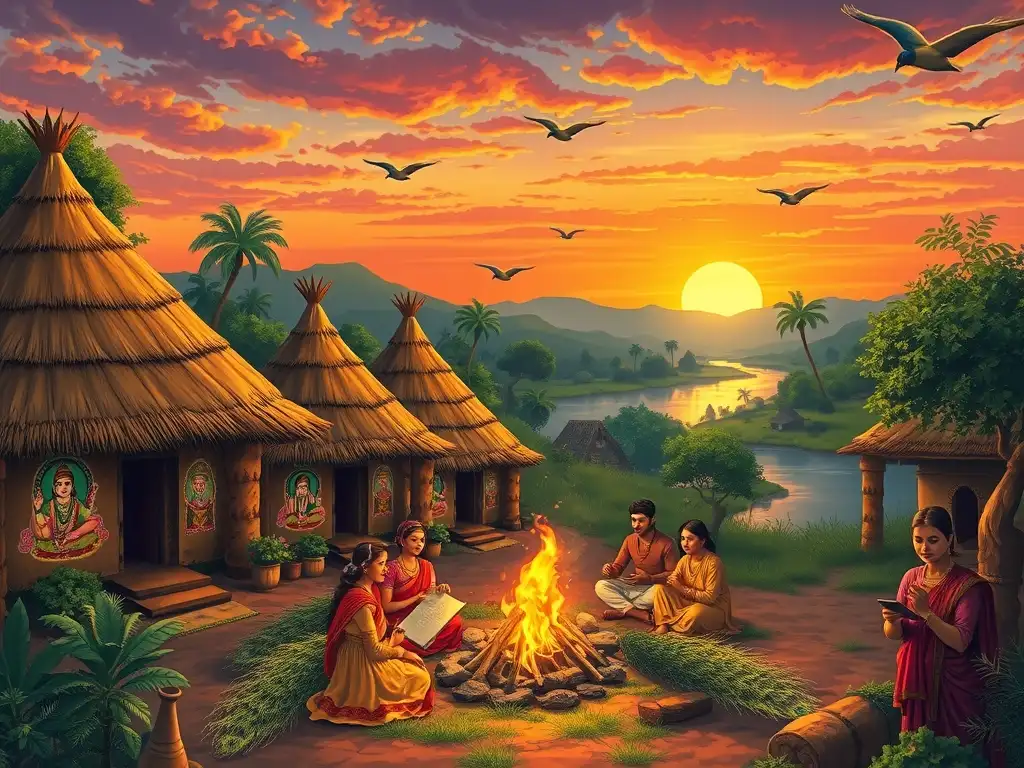
Introduction to Ancient Indian Folklore Heritage Tours
Ancient Indian folklore is a vital thread in the intricate tapestry of India's cultural heritage, encapsulating the myths, legends, and traditions that have been passed down through generations. A heritage tour focusing on ancient Indian folklore offers travelers a unique opportunity to explore the stories that shaped civilizations, revealing the rich narratives embedded in the very fabric of society.
From the mystical tales of the Indus Valley to the moral fables of the Gupta Empire, these tours immerse visitors in the captivating world of folklore, providing insights into the values, beliefs, and practices that defined ancient Indian life. With each story, participants not only witness the historical significance but also engage with the living culture that continues to thrive today.
The Significance of Folklore in Ancient Indian Civilizations
Folklore serves as a vital repository of collective memory and cultural identity in ancient Indian civilizations. It reflects the ethos of the time, capturing the essence of societal norms, values, and struggles. This section delves into the multifaceted role of folklore, illustrating its importance in shaping the cultural landscape of ancient India.
Understanding Folklore and Its Role in Society
Folklore is more than mere storytelling; it encompasses a wide range of oral traditions including myths, legends, fables, and proverbs. In ancient Indian societies, folklore played a crucial role in:
- Education and Morality: Folklore often contained moral lessons, passing on wisdom from one generation to the next. Tales of valor, honesty, and kindness were prevalent, teaching essential life values.
- Cultural Identity: These stories fostered a sense of belonging and community, allowing diverse groups to connect over shared narratives and experiences.
- Religious and Spiritual Significance: Many folk tales are deeply intertwined with religious beliefs and practices, offering insights into the spiritual life of ancient Indians and their relationship with the divine.
- Historical Record: Folklore also serves as an informal record of historical events, preserving the struggles and triumphs of the people through allegorical storytelling.
Major Themes in Ancient Indian Folklore
Ancient Indian folklore is rich with diverse themes that reflect the complexities of human experience. Some major themes include:
- Heroism and Valor: Stories of heroes, such as those found in the Mahabharata and Ramayana, illustrate ideals of bravery and duty, reflecting the societal aspirations of ancient warriors.
- Love and Sacrifice: Tales of love often depict profound sacrifices made for the sake of others, highlighting the importance of relationships and emotional bonds.
- Nature and the Cosmos: Many folk tales explore the relationship between humans and nature, often personifying natural elements and emphasizing the need for harmony with the environment.
- Moral Dilemmas: Folklore frequently presents characters facing moral choices, prompting audiences to reflect on ethical values and societal norms.
By engaging with these themes, heritage tours offer participants not just a glimpse into the past, but also an understanding of how these narratives continue to inform and inspire contemporary Indian culture.
Planning Your Ancient Indian Folklore Heritage Tour
Embarking on an Ancient Indian folklore heritage tour requires thoughtful planning to ensure a rich and immersive experience. Begin by identifying your interests; do you wish to explore the legends of the Indus Valley, delve into the tales of the Mahabharata, or experience the vibrant traditions of regional folklore? Understanding your interests will help you select the right destinations and activities.
Next, consider the duration of your tour. A week or two will allow you to cover multiple regions, each rich in folklore. Create a flexible itinerary that balances travel time with exploration, ensuring you have ample opportunity to engage with local storytellers, artisans, and cultural sites.
Additionally, research reputable tour operators specializing in heritage and folklore tours. These operators can provide insights into local customs and arrange unique experiences, such as attending traditional storytelling sessions or participating in folk art workshops. Lastly, prepare for practical considerations such as accommodations, transportation, and dietary preferences, all of which can enhance your comfort during the tour.
Key Destinations for Folklore Enthusiasts
India's diverse folklore is woven into the fabric of its many regions. Here are some key destinations that every folklore enthusiast should consider:
- Rajasthan: Known for its colorful traditions, Rajasthan boasts tales of valor and romance. Cities like Jaipur, Udaipur, and Jaisalmer are filled with folk music, dance, and vibrant art forms.
- Kerala: The land of backwaters and Ayurvedic healing, Kerala's folklore is rich with myths related to nature and spirituality. Experience Kathakali performances and interact with local artisans.
- Punjab: Famous for its folk songs and dances, Punjab offers a glimpse into the life of its agrarian society through Bhangra and Gidda performances, along with stories that celebrate community and resilience.
- West Bengal: Explore the folklore surrounding the Durga Puja and the tales of the Sundarbans, where mythical creatures and gods are interwoven with the local culture.
- Maharashtra: The state is home to the vibrant Lavani dance and the folklore of the Maratha Empire. Cities like Pune and Mumbai have rich storytelling traditions that reflect the region’s history.
Best Time to Experience Ancient Indian Folklore Tours
Timing plays a crucial role in experiencing the best of ancient Indian folklore. The ideal period for folklore heritage tours is generally from October to March. During these months, the weather is more pleasant, making travel comfortable and enjoyable.
- Festivals: Aligning your tour with local festivals can enrich your experience. Events such as Diwali in North India and Pongal in Tamil Nadu showcase folklore through vibrant celebrations, rituals, and storytelling.
- Cultural Events: Many cultural festivals, such as the Surajkund Mela in Haryana, feature folk performances and crafts, providing a great opportunity to witness the rich tapestry of India's folk traditions.
- Off-Peak Seasons: If you prefer to avoid crowds, consider traveling during the off-peak season (April to June), although it may be hotter. This time can offer a more intimate exploration of folklore with fewer tourists.
Must-See Landmarks on Your Folklore Heritage Tour
As you delve into the folklore of ancient India, several landmarks stand out for their historical and cultural significance. These sites not only tell stories of the past but also serve as cultural touchstones for local traditions.
Historical Sites with Rich Folklore Connections
- Hampi: This UNESCO World Heritage site is known for its ancient temples and ruins. Legends abound here, particularly those surrounding the epic Ramayana, making it a treasure trove for folklore enthusiasts.
- Khajuraho: Famous for its intricate temple sculptures, Khajuraho is steeped in stories of love and divinity. The temples narrate tales that blend mythology with the human experience, showcasing the region's artistic heritage.
- Ajanta and Ellora Caves: These rock-cut caves are adorned with stunning murals and sculptures, many depicting folklore and religious narratives. They offer profound insights into the cultural practices of ancient India.
- The Great Rann of Kutch: Known for its stunning salt desert, this region is home to the Rabari and Kutchhi communities, who share rich folklore traditions tied to their nomadic lifestyle.
Cultural Experiences to Enhance Your Tour
Enhancing your folklore heritage tour involves engaging in cultural practices that allow for deeper connections with the local customs:
- Storytelling Sessions: Attend local storytelling events where folk tales are shared orally. This tradition is prevalent in many regions and offers an authentic glimpse into the local culture.
- Workshops: Participate in workshops that delve into folk arts, such as pottery, weaving, or dance. Learning these crafts provides a hands-on experience of the traditions that have been passed down through generations.
- Cuisine Exploration: Indulge in local culinary experiences that tell their own tales through flavors and ingredients. Each region has its unique dishes, often steeped in folklore that explains their origins.
- Community Interactions: Engage with local communities and artisans. These interactions can lead to personal stories that enrich your understanding of the folklore that shapes their lives.
By planning thoughtfully and immersing yourself in the rich cultural experiences, your journey through ancient Indian folklore will undoubtedly be a memorable one.
Recommended Tours and Packages for Ancient Indian Folklore Heritage
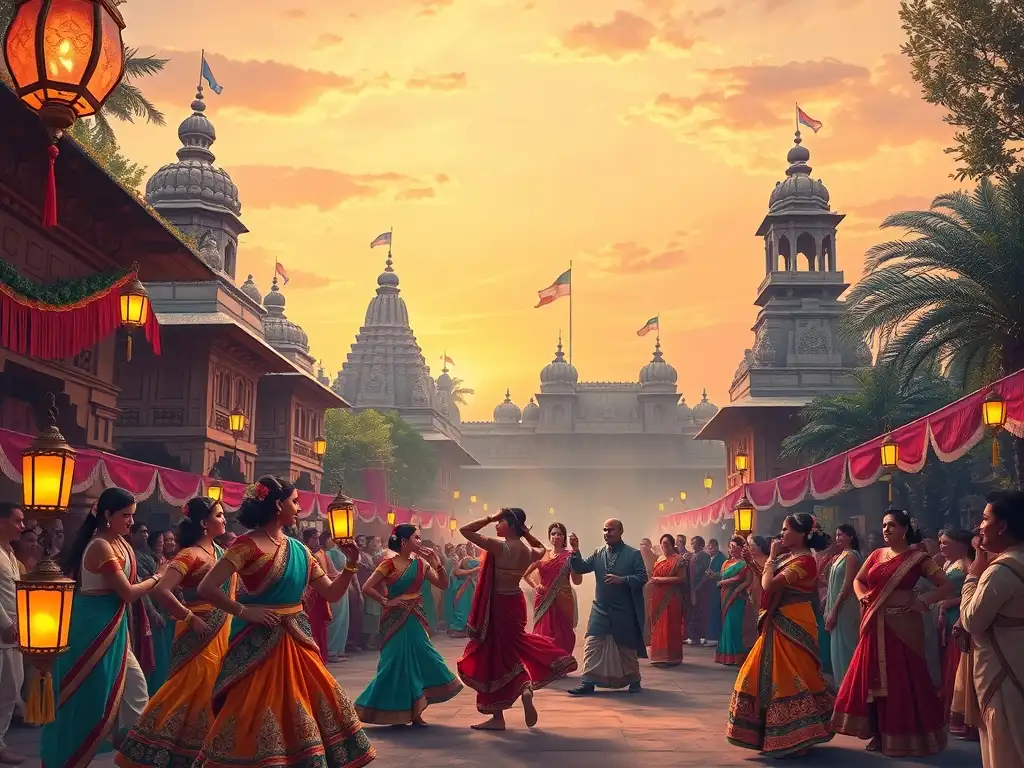
Exploring ancient Indian folklore through dedicated heritage tours offers travelers a unique opportunity to immerse themselves in the rich narratives and traditions that have shaped India's cultural landscape. Numerous tour operators curate specialized packages that focus on folklore, ensuring visitors connect deeply with regional stories, myths, and local practices.
These tours often include visits to historical sites, traditional storytelling sessions, and interactions with local artisans and cultural practitioners. Some popular packages feature:
- Cultural Journey through Rajasthan: This tour takes visitors to vibrant villages known for their folklore, allowing interaction with local storytellers and participation in folk dances.
- Tamil Nadu Heritage Experience: A package that focuses on the folk traditions of Tamil Nadu, including visits to ancient temples and workshops with local craftspersons.
- The Great Indian Folklore Trail: A comprehensive journey that traverses multiple regions, highlighting diverse folklore traditions from north to south India.
By choosing a package tailored to ancient Indian folklore, travelers can ensure an enriching experience that honors the legacy of these narratives.
Luxury Tour Operators Specializing in Folklore Experiences
For those seeking a more opulent experience while exploring ancient Indian folklore, several luxury tour operators specialize in crafting bespoke journeys. These operators offer personalized services, including:
- Elegant Accommodations: Stay in heritage hotels, palaces, and luxury resorts that reflect the historical richness of the regions visited.
- Private Guides: Engage expert local guides who provide in-depth insights into folklore, offering a deeper understanding of myths and legends.
- Exclusive Experiences: Participate in private storytelling sessions, traditional music performances, and cooking classes that highlight the culinary folklore of the region.
Some renowned luxury tour operators include:
- Taj Tours: Known for their lavish experiences, they offer curated folklore tours that combine comfort with cultural depth.
- Luxury Escapes India: Specializes in creating tailor-made itineraries focused on folklore and heritage, ensuring a unique travel experience.
Choosing a luxury operator enhances the journey, allowing travelers to indulge while exploring the narratives that define ancient Indian culture.
Budget-Friendly Options for Folklore Heritage Tours
Travelers on a budget need not miss out on the enchanting world of ancient Indian folklore. Many tour operators provide affordable options that capture the essence of folklore heritage without breaking the bank. Budget-friendly tours typically include:
- Group Tours: Join a group of like-minded travelers, which can significantly reduce costs while sharing experiences and stories.
- Homestays and Guesthouses: Opt for local accommodations that provide authentic experiences and often host folklore events and storytelling nights.
- Public Transport: Utilize local transportation to visit folklore-rich regions, which offers a more immersive experience of daily life.
Examples of budget-friendly options include:
- Folklore Trails of Odisha: A budget tour that takes you through rural Odisha, exploring local tribes and their rich storytelling traditions.
- Cultural Walks in Himachal Pradesh: Affordable guided walks that delve into the folklore of the Himachal region, including visits to local festivals.
These options allow travelers to experience the depth of ancient Indian folklore heritage tours while maintaining a budget-conscious approach.
Tips for an Enriching Folklore Heritage Tour
To maximize the enriching experience of exploring ancient Indian folklore, consider the following tips:
- Research Before You Go: Familiarize yourself with the folklore of the regions you plan to visit. Understanding local stories and legends will enhance your appreciation and engagement during the tour.
- Attend Local Performances: Seek out traditional dance and music performances that often accompany folklore tales, providing an immersive experience of the culture.
- Participate Actively: Engage with storytellers and locals during your visit. Ask questions and show genuine interest in their narratives, creating a more personal connection.
Engaging with Local Communities and Their Stories
Engaging with local communities is vital to experiencing the true essence of ancient Indian folklore. Here are ways to foster meaningful interactions:
- Attend Community Festivals: Participate in local festivals that celebrate folklore through music, dance, and storytelling, allowing a genuine immersion into the culture.
- Visit Artisan Workshops: Meet local artisans who craft traditional items influenced by folklore. Learning about their crafts can provide insights into the stories that inspire their work.
- Share Your Own Stories: Foster a reciprocal exchange by sharing your experiences and stories, creating a bond that transcends cultural boundaries.
These interactions not only enrich your understanding of folklore but also support local communities by valuing their heritage.
Capturing Memories: Photography and Documentation Tips
Documenting your ancient Indian folklore heritage tour is essential for recalling the vibrant experiences and stories encountered. Here are some tips for capturing memories effectively:
- Respect Local Customs: Always ask for permission before photographing people, especially during religious or cultural ceremonies. Respecting privacy fosters goodwill with locals.
- Focus on Details: Capture the intricate details of traditional attire, crafts, and rituals. Close-up shots can convey the depth of the culture.
- Keep a Travel Journal: Document your daily experiences and reflections. Writing down stories shared by locals will help preserve their narratives beyond the tour.
Utilizing these tips will ensure you capture the rich essence of your folklore heritage tour while showing respect for the local culture and traditions.
Conclusion: Embracing the Richness of Ancient Indian Folklore
The journey through ancient Indian folklore offers not just a glimpse into the tales and traditions that have shaped the cultural landscape of the subcontinent, but also an opportunity to connect with the very essence of its history. As you traverse the paths of this rich narrative tapestry, you come to appreciate how folklore serves as a vital thread that weaves together the past and present, illuminating the values, beliefs, and experiences of the people who have inhabited this land for millennia.
Participating in an Ancient Indian folklore heritage tour allows travelers to immerse themselves in the stories that have been passed down through generations. From the legendary exploits of deities and heroes to the moral lessons encapsulated in folk tales, each narrative reveals profound insights into human nature and societal norms. This cultural exploration not only enriches one’s understanding of India's diverse heritage but also fosters a sense of connection to the universal themes of love, sacrifice, wisdom, and resilience.
In embracing the richness of ancient Indian folklore, we not only preserve these stories for future generations but also partake in a living tradition that continues to inspire creativity and community. Whether through storytelling, dance, or local crafts, the legacy of folklore remains vibrant, encouraging travelers to engage with the local culture in meaningful ways. Thus, embarking on a folklore heritage tour is not just about witnessing history; it is about celebrating the enduring spirit of a civilization that has much to teach us about our own lives today.
Additional Resources
To further enhance your understanding and experience of ancient Indian folklore, here are some valuable resources that can guide you on your journey.
Recommended Reading on Ancient Indian Folklore
- "Folktales of India" by A.K. Ramanujan: A collection of vibrant stories that capture the diversity of Indian folklore across different regions.
- "Indian Mythology: Tales, Symbols, and Rituals from the Heart of India" by Devdutt Pattanaik: An engaging exploration of the myths and their significance in Indian culture.
- "The Ramayana" and "The Mahabharata": These epic texts are foundational to understanding the narratives that inform much of Indian folklore.
- "The Complete Tales of the Panchatantra": A classic anthology of fables that convey moral lessons through animal characters.
Useful Links for Booking Your Folklore Heritage Tour
- Heritage Tours India: Offers a variety of curated tours that focus on the folklore of different regions, including itineraries that feature local storytellers and cultural experiences.
- Incredible India: The official tourism website provides information on folklore-themed tours and cultural experiences across the country.
- Cultural Heritage Tours: Specializes in immersive experiences that connect travelers with local folklore and traditions, focusing on storytelling workshops and village visits.
- India's Folklore Adventures: This travel service focuses specifically on folklore tours, providing unique insights into the narratives and traditions of various communities.
By utilizing these resources, you'll be well-equipped to embark on a fulfilling exploration of the rich heritage of ancient Indian folklore.
- Introduction to Ancient Indian Folklore Heritage Tours
- The Significance of Folklore in Ancient Indian Civilizations
- Planning Your Ancient Indian Folklore Heritage Tour
- Must-See Landmarks on Your Folklore Heritage Tour
- Recommended Tours and Packages for Ancient Indian Folklore Heritage
- Tips for an Enriching Folklore Heritage Tour
- Conclusion: Embracing the Richness of Ancient Indian Folklore
- Additional Resources
- What is the significance of ancient Indian folklore?
- How can one experience an ancient Indian folklore heritage tour?
- What are some key elements of ancient Indian folklore?
- How does folklore contribute to the cultural identity of India?
- What regions are known for their rich folklore traditions in India?
Frequently Asked Questions
What is the significance of ancient Indian folklore?
Ancient Indian folklore plays a crucial role in understanding the cultural heritage of India, providing insights into its traditions, belief systems, and social values.
How can one experience an ancient Indian folklore heritage tour?
An ancient Indian folklore heritage tour can be experienced by visiting regions known for their rich storytelling traditions, participating in local festivals, and engaging with folklore artists to learn about their crafts.
What are some key elements of ancient Indian folklore?
Key elements include myths, legends, fables, and oral traditions that reflect the diverse cultural landscape of India, showcasing its historical narratives and moral lessons.
How does folklore contribute to the cultural identity of India?
Folklore contributes to cultural identity by preserving the distinctive traits of various communities, fostering a sense of belonging, and reinforcing shared values across generations.
What regions are known for their rich folklore traditions in India?
Regions such as Rajasthan, Punjab, and West Bengal are renowned for their vibrant folklore traditions, featuring unique art forms, dance, and music that celebrate their cultural narratives.
Final Reflection: Embracing the Legacy of Ancient Indian Folklore
The exploration of ancient Indian folklore is not merely a journey through stories; it is a profound connection to our cultural roots that remains vital in today's fast-paced world. As we navigate modernity, the rich narratives and traditions of our past serve as a guiding light, reminding us of the values and wisdom that have shaped our identities. The importance of preserving these stories cannot be overstated, as they enrich our understanding of who we are and where we come from.
The influence of ancient Indian folklore extends far beyond the pages of history; it continues to resonate within our contemporary cultural landscape. The tales of valor, love, and morality not only entertain but also impart lessons that are relevant even today. As we engage with these narratives through heritage tours, we foster a deeper appreciation for our diverse cultural fabric. Folklore is the heart of a culture, a reflection of its values and beliefs.
This ongoing dialogue between the past and present encourages us to celebrate our heritage and instills a sense of pride in our collective identity.
As you reflect on the themes presented in this article, I invite you to embark on your own journey of discovery. Consider how the stories of ancient Indian folklore can inspire you in your daily life. Whether through visiting heritage sites, sharing these tales with others, or simply taking a moment to appreciate the wisdom they offer, let these narratives guide you toward a deeper understanding of your own heritage. Embrace the richness of our folklore and allow it to shape your perspective as you navigate the complexities of modern life.
Unveil the Magic of Ancient Indian Folklore Today!
Thank you for diving into the enchanting world of Ancient Indian Folklore with us! We hope you’ve discovered the rich narratives that breathe life into our heritage. Now, let’s turn that inspiration into action!
Here are some simple yet impactful steps to keep your journey alive:
- Join a Local Folklore Group: Connect with fellow enthusiasts to explore stories and traditions that may have been lost over time.
- Share What You've Learned: Bring the magic of these tales to your social circles by posting about your favorite folklore on social media platforms.
- Plan a Heritage Tour: Consider embarking on a guided tour of historical sites that celebrate Indian folklore, or create your own unique itinerary!
Which story from our rich heritage resonates with you the most, and how do you plan to share it with others?