
Exploring the Ethical Practices of Ancient Indian Surgeons

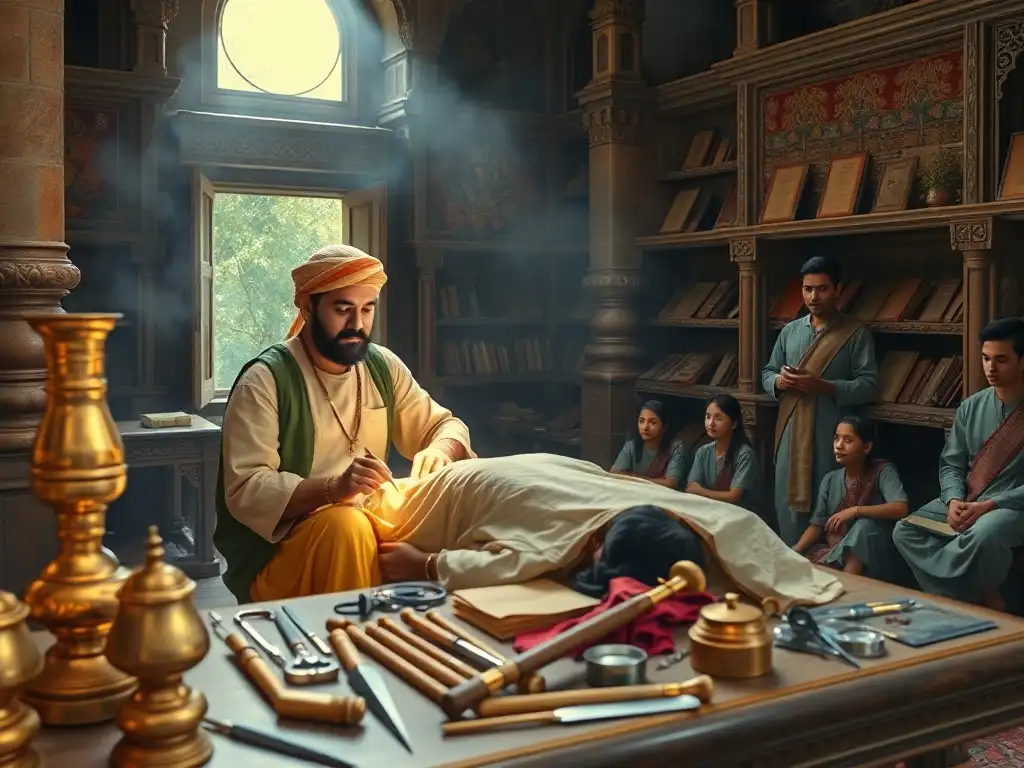
Welcome to Ancient India History, where we embark on a captivating journey through the rich tapestry of ancient Indian civilizations. Today, we delve into the remarkable world of ancient Indian surgical practices, uncovering the sophisticated techniques and ethical principles that guided the healers of yore. Ever wondered how these early surgeons laid the groundwork for modern medicine? As you explore this article, prepare to be fascinated by the blend of science and spirituality that shaped medical practices in ancient India. Dive in and discover the extraordinary contributions that still resonate in today's medical landscape!
- Introduction to Ancient Indian Surgical Practices
- Historical Context of Ancient Indian Surgeons
- Ethical Standards in Ancient Indian Surgery
- Techniques and Tools Used by Ancient Indian Surgeons
- Case Studies of Notable Ancient Indian Surgeons
- The Legacy of Ancient Indian Surgical Practices
- Conclusion: The Importance of Ethical Practices in Ancient Indian Surgery
-
Frequently Asked Questions
- What were the ancient Indian surgical practices known for?
- Who was Sushruta and what was his contribution?
- How did ancient Indian surgeons ensure the ethical practice of surgery?
- What types of surgeries were performed in ancient India?
- How did ancient Indian surgical practices influence modern medicine?
- Final Reflection: The Enduring Legacy of Ancient Indian Surgical Practices
- Unveil the Wisdom of Ancient Surgeons Today!
Introduction to Ancient Indian Surgical Practices
The exploration of ancient Indian surgical practices provides a fascinating glimpse into the advanced medical knowledge and ethical frameworks that characterized the healthcare systems of early Indian civilizations. From the meticulous techniques of the Indus Valley civilization to the sophisticated methodologies of the Gupta Empire, ancient Indian surgeons made significant contributions to the field of medicine.
This article delves into the ethical practices that guided these surgeons, reflecting the values and principles that underpinned their work. Understanding these practices not only sheds light on the historical context of medicine in India but also highlights the enduring legacy of ancient surgical techniques that continue to influence modern medical practices.
Overview of Ancient Indian Medicine
Ancient Indian medicine, often referred to as Ayurveda, encompasses a holistic approach to health and well-being. Rooted in spiritual and philosophical traditions, Ayurveda emphasizes the balance between mind, body, and spirit. Surgical practices were an integral part of this medical system, with texts like the Sushruta Samhita serving as foundational works that documented surgical techniques, instruments, and ethical considerations.
- Key Contributions:
- Sushruta: Often regarded as the "father of surgery," Sushruta's contributions included detailed descriptions of surgical procedures such as rhinoplasty and cataract surgery.
- Instruments: Ancient Indian surgeons developed a variety of surgical tools, many of which were crafted from materials like bronze and steel, showcasing their advanced understanding of metallurgy.
- Techniques: Techniques like suturing and cauterization were systematically documented, emphasizing precision and care in surgical practices.
The rich tradition of ancient Indian medicine reflects a deep understanding of human anatomy and a commitment to healing, emphasizing the importance of both physical and ethical considerations in medical practice.
Significance of Ethical Practices in Surgery
Ethical practices in ancient Indian surgery were paramount, ensuring that patient welfare was prioritized alongside surgical proficiency. These practices were shaped by cultural, philosophical, and religious beliefs that underscored the sanctity of life and the moral responsibilities of medical practitioners.
- Core Ethical Principles:
- Do No Harm: Surgeons adhered to the principle of ahimsa (non-violence), which guided their actions and decisions, ensuring minimal harm to patients during procedures.
- Informed Consent: Although formal consent as understood today may not have been practiced, ancient texts suggest that patients were informed about their conditions and the risks involved in surgical interventions.
- Compassion and Empathy: A strong emphasis was placed on the humane treatment of patients, fostering a compassionate approach to care.
Understanding these ethical frameworks not only highlights the progressive nature of ancient Indian surgical practices but also serves as a reminder of the values that continue to influence modern medicine. The commitment to ethical standards in surgery reflects a deep-seated respect for life and an unwavering dedication to the art of healing.
Historical Context of Ancient Indian Surgeons
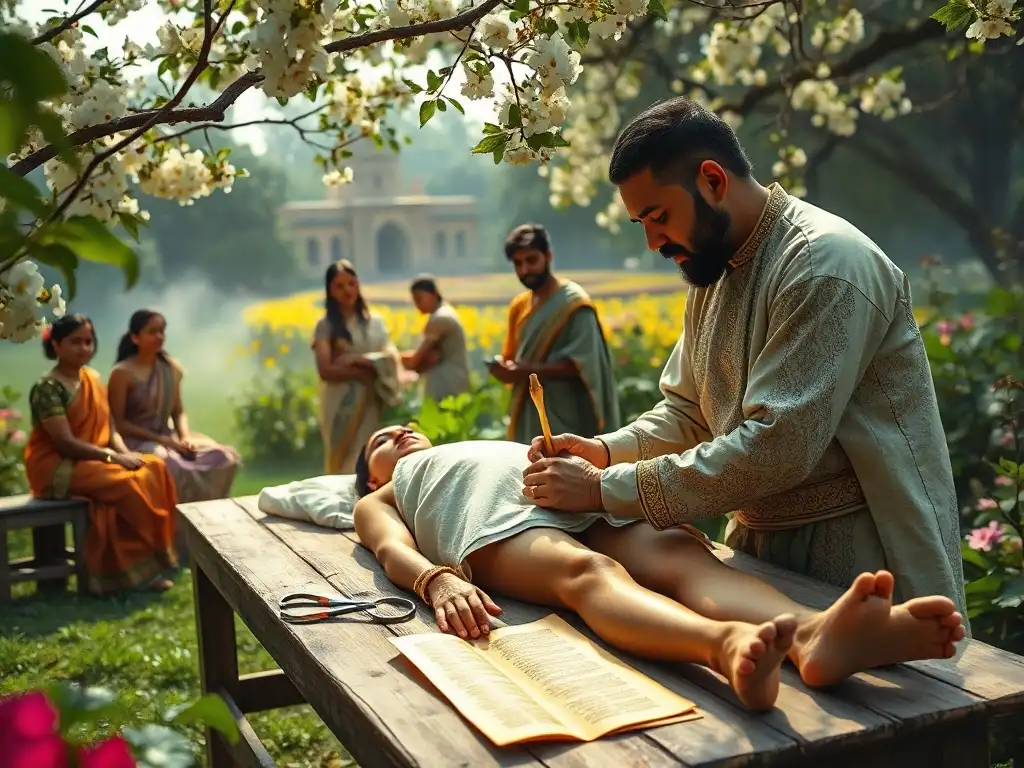
The Evolution of Surgery in Ancient India
The practice of surgery in ancient India has roots that stretch back thousands of years, showcasing a profound understanding of medical science that was advanced for its time. Archaeological findings, such as surgical instruments made from iron and bronze, indicate that surgical practices were not only prevalent but also systematic. Ancient Indian surgeons, known as "Shalyakara," developed techniques that would later influence medical practices globally.
By the time of the Indus Valley Civilization (circa 2500-1900 BCE), evidence of surgical skills is apparent through seals depicting surgical instruments and possible surgical practices. The subsequent Vedic period (1500-500 BCE) saw a more structured approach to medicine, where the integration of spirituality and medicinal practices began to take shape.
During the later Mauryan period (322-185 BCE) and into the Gupta Empire (circa 320-550 CE), surgical practices advanced significantly. These eras were marked by the establishment of hospitals and medical schools, which provided a formal education to aspiring surgeons. The emphasis on ethical practices in surgery, including patient consent and the importance of hygiene, became fundamental principles that shaped ancient Indian surgical practices.
Influential Texts on Ancient Indian Surgical Techniques
The evolution of surgical practices in ancient India is documented in several key texts that have been pivotal in shaping the field of medicine. Two of the most influential texts are the Sushruta Samhita and the Charaka Samhita. Each of these texts contributed significantly to the understanding and practice of surgery and medicine in ancient India.
The Sushruta Samhita
The Sushruta Samhita, attributed to the ancient surgeon Sushruta, is often regarded as the foundational text of surgery in ancient India. Written in Sanskrit around the 6th century BCE, this text is a comprehensive manual that covers various aspects of surgical practices, including techniques, instruments, and ethical considerations.
- Key Contributions:
- Surgical Techniques: The text describes over 300 surgical procedures, including complex operations like rhinoplasty (reconstruction of the nose) and cataract surgery. Sushruta's techniques laid the groundwork for future surgical practices.
- Instrumentation: The Sushruta Samhita details around 125 surgical instruments, many of which are still relevant today. These include scalpels, forceps, and probes, showcasing the advanced understanding of surgical tools.
- Ethical Practices: Sushruta emphasized the importance of ethics in medicine, advocating for patient consent and the necessity of a surgeon's skill to prevent harm.
The Charaka Samhita
While the Sushruta Samhita primarily focuses on surgical practices, the Charaka Samhita, attributed to the physician Charaka, delves into the principles of medicine and holistic health. Also written in Sanskrit, this text dates back to approximately the 2nd century CE and complements the surgical insights provided by Sushruta.
- Key Contributions:
- Holistic Approach: The Charaka Samhita discusses the importance of understanding the patient as a whole, incorporating diet, lifestyle, and psychological factors into medical treatment.
- Pharmacology: This text is notable for its comprehensive analysis of medicinal drugs, their properties, and their applications, which were crucial for pre-surgical preparations and post-operative care.
- Patient-Centric Ethics: Charaka emphasized the ethical responsibility of physicians, advocating for compassionate care and the importance of patient-doctor relationships.
Through these texts, ancient Indian surgical practices were not only recorded but also refined, ensuring that the knowledge transcended generations and influenced medical practices well beyond India's borders.
Ethical Standards in Ancient Indian Surgery
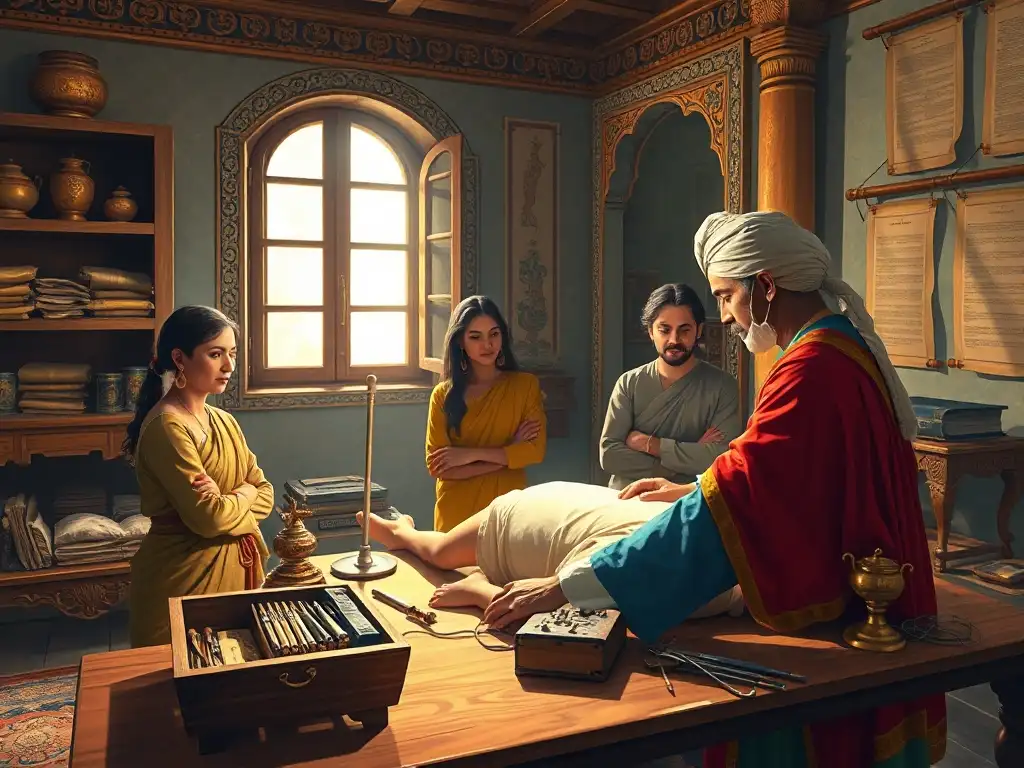
Principles of Medical Ethics in Ancient Indian Texts
Ancient Indian surgical practices were deeply rooted in ethical considerations, which can be traced back to foundational texts such as the Sushruta Samhita and the Charaka Samhita. These texts not only served as manuals for surgical techniques but also provided a framework for medical ethics. The principles outlined in these ancient texts emphasized the importance of compassion, skill, and integrity in the practice of surgery.
- Non-Maleficence: One of the foremost ethical principles highlighted in these texts is the concept of do no harm. Surgeons were trained to understand the potential risks associated with surgical procedures and to weigh them against the expected benefits. This principle ensured that the well-being of the patient was always the primary concern.
- Beneficence: The texts encouraged surgeons to act in the best interest of their patients, promoting healing and alleviating suffering. This involved not only performing surgeries skillfully but also providing holistic care that considered the physical, emotional, and spiritual needs of the patient.
- Confidentiality: The ancient texts also stressed the importance of maintaining patient confidentiality. Surgeons were expected to respect the privacy of their patients, which fostered a trusting relationship that was crucial for effective treatment.
- Informed Consent: Although the concept of informed consent as understood today was not explicitly defined, the ethical frameworks in texts implied that patients should be made aware of the nature of their ailments and the procedures proposed. This allowed for a form of patient autonomy, where individuals could make informed choices regarding their treatment.
The Role of Dharma in Surgical Practices
In ancient India, the concept of dharma played a pivotal role in shaping ethical practices in surgery. Dharma, often translated as "duty" or "righteousness," encompassed moral obligations that guided individuals in their professional lives, including surgeons. Here’s how dharma influenced surgical practices:
- Moral Responsibility: Surgeons were seen as custodians of life and health, and their commitment to dharma required them to uphold high moral standards. This meant taking responsibility for their actions and ensuring that their practices aligned with ethical norms.
- Social Duty: The practice of surgery was viewed as a social responsibility. Surgeons were expected to contribute to the welfare of the community by providing care and treatment to those in need, regardless of their social status. This communal aspect of dharma reinforced the idea that surgical practice was not merely a profession but a service to society.
- Training and Mentorship: The adherence to dharma also influenced the training of aspiring surgeons. Experienced practitioners were expected to mentor their students, instilling in them the values of ethical practice, respect for life, and the importance of continuous learning.
Respect for Life and Patient Autonomy
Respect for life was a cornerstone of ancient Indian surgical practices, deeply embedded in both philosophical and ethical frameworks. This respect manifested in various ways:
- Holistic Approach: Ancient Indian surgeons viewed the human body and mind as interconnected. Surgical practices were designed not only to address physical ailments but also to consider the overall well-being of the patient. This holistic approach underscored a profound respect for life and the intricate balance of health.
- Patient-Centric Care: The ethical obligation to respect patient autonomy was evident in the way surgeons engaged with their patients. Although the exact practices varied, there was a prevailing belief that patients should be active participants in their treatment. Surgeons often consulted with patients about their preferences and concerns, fostering a collaborative environment.
- Cultural Sensitivity: Finally, ancient Indian surgical practices demonstrated a keen awareness of cultural beliefs and traditions. Surgeons were trained to approach their patients with sensitivity to cultural values, which reinforced respect for life and individual autonomy.
The ethical standards that governed ancient Indian surgical practices were complex and multifaceted. They were rooted in deeply held philosophical beliefs and reinforced by texts that prioritized the well-being of patients, ethical responsibility, and a holistic approach to health care. These principles continue to resonate in modern medical ethics, highlighting the enduring legacy of ancient Indian surgical practices.
Techniques and Tools Used by Ancient Indian Surgeons
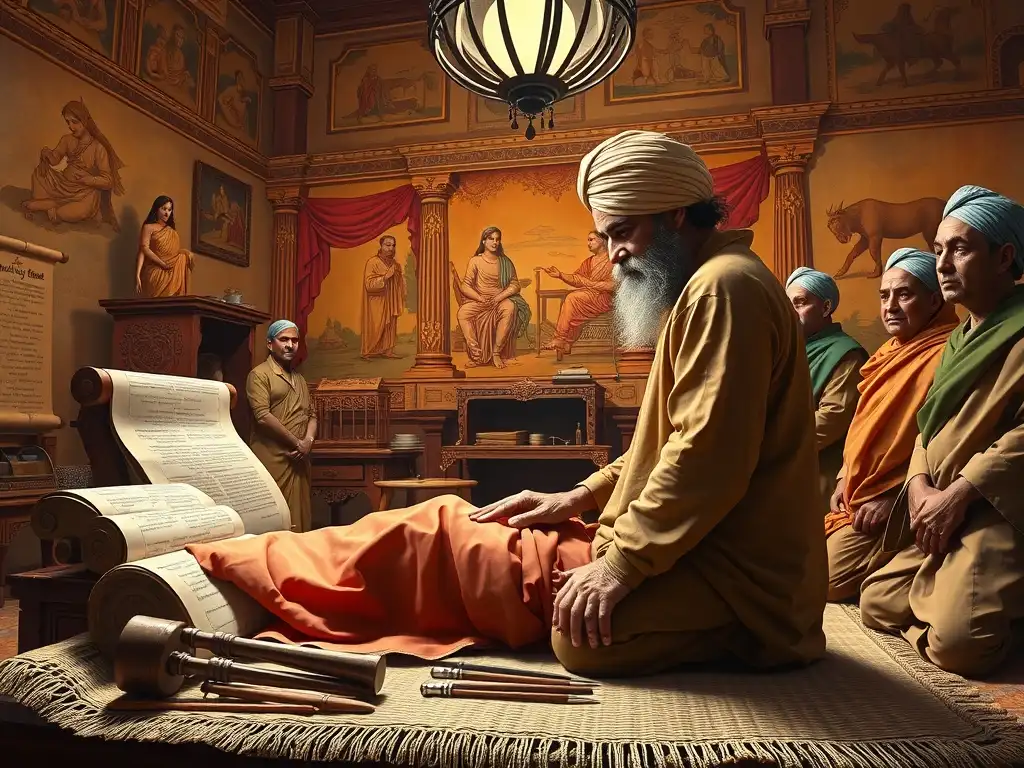
Instruments Employed in Ancient Surgical Procedures
Ancient Indian surgeons, known as sushrutas, were pioneers in the field of surgery, utilizing a variety of specialized instruments that showcased their advanced understanding of human anatomy and surgical techniques. The Sushruta Samhita, an ancient text attributed to Sushruta, provides a comprehensive overview of these instruments and their applications.
Key surgical instruments included:
- Scalpels: Crafted from sharp metals, used for making incisions.
- Forceps: Employed for grasping and holding tissues during surgery.
- Needles: Large, curved needles made from metal were used for suturing wounds.
- Cauteries: Instruments used to burn or cut tissue, preventing blood loss during surgery.
- Speculums: Devices that allowed surgeons to hold open a wound or body cavity for better visibility.
These instruments were not only meticulously designed but also made from materials that ensured durability and sterility, reflecting the ethical practices of ancient Indian surgeons who prioritized patient safety and care.
The Art of Suturing and Wound Management
Suturing techniques in ancient Indian surgical practices were remarkably sophisticated. Surgeons understood the importance of proper wound closure and management to promote healing and reduce complications. The methods of suturing involved not just the mechanical act of stitching but also a profound knowledge of tissue types and healing processes.
Key aspects of suturing included:
- Types of Sutures: Various suture materials were used, ranging from linen to animal gut, chosen based on the location and type of wound.
- Suture Techniques: Techniques such as the interrupted suture, continuous suture, and mattress suture were employed to ensure effective wound closure.
- Post-operative Care: Surgeons emphasized the importance of cleanliness and proper wound care to prevent infections, a practice that aligns with modern antiseptic principles.
The ethical implications of these practices were significant; ancient surgeons recognized their responsibility towards the well-being of their patients, ensuring that the techniques employed not only facilitated physical healing but also respected the dignity of the individual.
Surgical Procedures and Their Ethical Implications
The surgical procedures conducted by ancient Indian surgeons were varied and complex, encompassing a wide range of conditions from trauma to reconstructive surgery. These procedures were performed with a strong ethical framework that prioritized patient consent, safety, and holistic well-being.
Some notable surgical procedures included:
- Cataract Surgery: A delicate procedure where the lens of the eye was removed. Surgeons practiced this with precision to restore vision.
- Plastic Surgery: Remarkably advanced for its time, surgeries such as rhinoplasty (reconstruction of the nose) were performed, showing an understanding of both aesthetic and functional outcomes.
- Amputation: Conducted when necessary, with careful consideration of the patient's overall health and recovery potential.
The ethical implications of these surgical practices were profound. Ancient Indian surgeons adhered to principles that emphasized:
- Informed Consent: Patients were made aware of the procedures and potential risks involved.
- Non-maleficence: A commitment to do no harm, ensuring that surgical interventions were justified and necessary.
- Holistic Care: The well-being of the patient extended beyond physical health, addressing psychological and emotional needs.
The ancient Indian surgical practices were characterized by innovative techniques and tools, a sophisticated understanding of suturing and wound management, and a strong ethical foundation that continues to influence modern medical practices today.
Case Studies of Notable Ancient Indian Surgeons
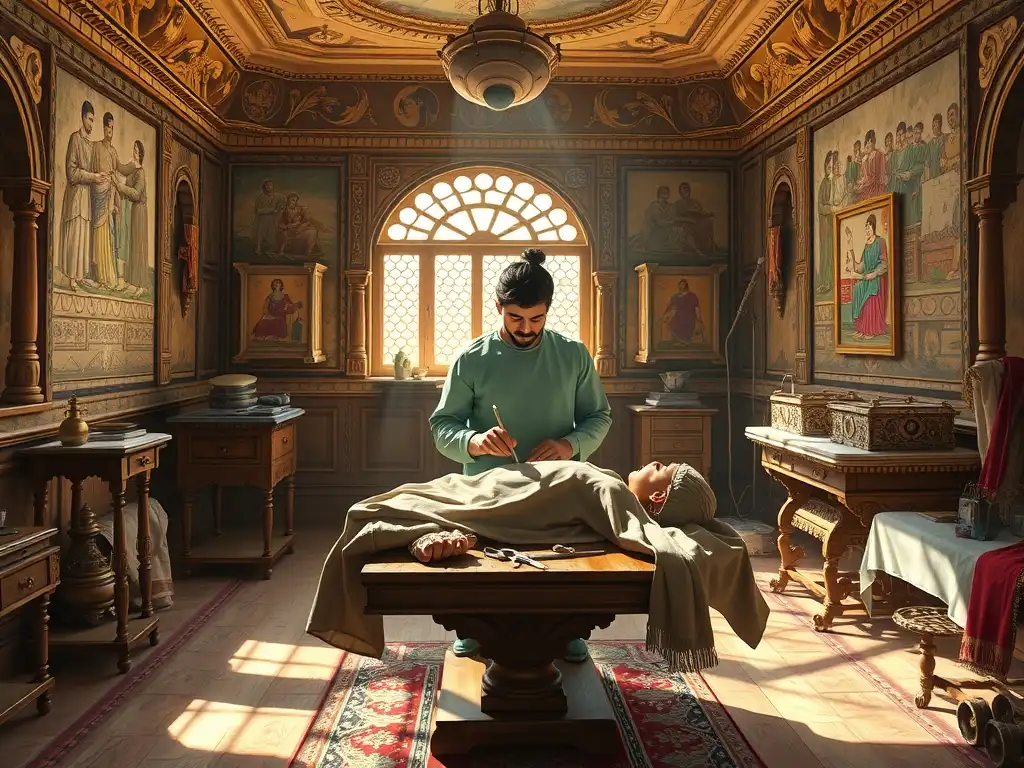
Sushruta: The Father of Surgery
Sushruta, often hailed as the "Father of Surgery," is a pivotal figure in the history of ancient Indian surgical practices. His seminal work, the Sushruta Samhita, is one of the earliest texts on surgery and is a cornerstone of ancient Indian medicine. Written in the 6th century BCE, this comprehensive treatise covers a wide array of surgical techniques, instruments, and ethical considerations that underscore the professional integrity of surgeons in ancient India.
Contributions to Surgical Techniques
Sushruta's contributions to surgical techniques are both profound and varied. He is credited with the introduction of numerous surgical procedures, including:
- Rhinoplasty: Sushruta is particularly renowned for his techniques in reconstructive surgery, especially in the repair of nasal injuries. His method involved the use of a flap of skin from the forehead to reconstruct the nose, a practice that laid the groundwork for modern plastic surgery.
- Cataract Surgery: Sushruta also described techniques for treating cataracts, employing a procedure called couching, wherein the lens was dislocated to restore vision.
- Amputation and Trauma Surgery: The Sushruta Samhita outlines procedures for the amputation of limbs and the treatment of wounds, showcasing an understanding of trauma surgery that was advanced for its time.
Sushruta's methods were not only innovative but also demonstrated a deep understanding of human anatomy, which he gained through meticulous observation and practice. His emphasis on sterilization and cleanliness in surgical procedures indicates an early recognition of the importance of hygiene, an aspect often overlooked in ancient medical practices globally.
Ethical Considerations in Sushruta's Practices
Sushruta's ethical framework is integral to his surgical practices. He emphasized the need for surgeons to adhere to a strict code of conduct, which included:
- Informed Consent: Sushruta advocated for the necessity of obtaining consent from patients before performing surgeries, marking a significant ethical consideration in medical practice.
- Compassion and Care: He stressed the importance of compassion in treating patients, positing that a surgeon should not only possess technical skill but also a genuine concern for patient welfare.
- Professional Integrity: Sushruta highlighted the need for surgeons to continually educate themselves and uphold the dignity of their profession, reflecting an early understanding of medical ethics.
His ethical considerations resonate with contemporary medical practices, illustrating a timeless commitment to patient care and professional responsibility.
Other Prominent Surgeons and Their Ethical Frameworks
Beyond Sushruta, ancient India was home to other notable surgeons who upheld ethical practices in their professions. Among them are:
- Charaka: Although primarily known for his contributions to Ayurveda, Charaka emphasized the moral responsibilities of physicians, including the need for honesty, integrity, and thorough understanding of the patient's condition.
- Vagbhatta: Another figure in ancient Indian medicine, Vagbhatta's texts discussed not only surgical techniques but also the ethical implications of treatment, including the importance of patient trust and the ethical obligation to avoid harm.
- Dhanvantari: Recognized as a divine figure in Ayurvedic medicine, Dhanvantari's contributions include the importance of holistic care and the ethical duty of physicians to prioritize the health and well-being of their patients.
The ethical frameworks established by these surgeons reflect a sophisticated understanding of medical practice that extends beyond technique to encompass the moral dimensions of patient care. These principles laid the groundwork for modern medical ethics in India and continue to influence contemporary practices.
The exploration of ancient Indian surgical practices reveals a rich tapestry of innovation and ethical responsibility, primarily exemplified by figures like Sushruta and his contemporaries. Their legacy serves as a vital reminder of the importance of integrating ethical considerations into medical practice, a principle that remains relevant today.
The Legacy of Ancient Indian Surgical Practices

The legacy of ancient Indian surgical practices is profound and has significantly influenced the field of medicine throughout history. The roots of these practices can be traced back to ancient texts, most notably the Sushruta Samhita, attributed to the ancient surgeon Sushruta, often referred to as the "Father of Surgery." This foundational text provides detailed insights into various surgical techniques, instruments, and ethical considerations surrounding surgical practices.
Influence on Modern Surgical Techniques
The techniques developed by ancient Indian surgeons have left an indelible mark on modern surgical practices. Notably, Sushruta's methods for performing procedures such as cataract surgery and rhinoplasty are still referenced today. The meticulous descriptions of surgical instruments and techniques highlight an advanced understanding of human anatomy and the importance of hygiene and aseptic methods.
- Cataract Surgery: Sushruta's technique involved a procedure known as couching, where the lens of the eye was dislocated to restore vision. This early form of cataract surgery laid the groundwork for contemporary techniques.
- Rhinoplasty: The ancient practice of reconstructing the nose (rhinoplasty) showcased not only surgical skill but also an understanding of the psychological and social implications of disfigurement. This procedure is still performed today, often referred to as reconstructive surgery.
The emphasis on ethics in surgical practices is another significant contribution of ancient Indian medicine. The ethical guidelines outlined in the Sushruta Samhita emphasized the necessity of consent, the importance of skill, and the moral responsibilities of surgeons towards their patients.
Continuing Ethical Discussions in Medicine
The ethical discussions initiated by ancient Indian surgeons remain relevant in contemporary medical discourse. They introduced principles that are still foundational in medical ethics today, such as:
- Informed Consent: The ancient texts advocate for the importance of obtaining consent from patients before proceeding with surgical interventions.
- Do No Harm: The ethical principle of causing no harm, known in modern medicine as the Hippocratic Oath, was implicitly recognized in ancient Indian surgical practices, emphasizing the need for competence and care in surgical procedures.
- Patient Welfare: Ancient Indian surgeons were trained to prioritize the well-being of their patients, a principle that continues to be at the heart of medical ethics today.
These enduring principles serve as a reminder of the responsibility that medical practitioners hold in terms of ethical conduct and patient care.
Preservation of Ancient Knowledge in Contemporary Practices
The preservation of ancient knowledge is crucial for the continued evolution of surgical practices. In India, institutions focused on Ayurveda and traditional medicine have worked to integrate ancient surgical knowledge with modern practices. This integration is seen in several ways:
- Educational Institutions: Various medical schools in India incorporate ancient texts into their curriculum, allowing students to learn about historical techniques alongside contemporary methods.
- Research and Documentation: Efforts to document and study ancient surgical practices have led to a resurgence of interest in these techniques. Modern researchers are exploring the efficacy of these practices and their potential applications in contemporary medicine.
- Holistic Approaches: The holistic philosophy of ancient Indian medicine, which considers the physical, emotional, and spiritual aspects of health, has found its way into modern integrative medicine practices.
By recognizing and valuing the contributions of ancient Indian surgical practices, modern medicine can not only enhance its techniques but also foster a deeper understanding of the ethical dimensions of healthcare. This continuity ensures that the wisdom of the past informs the practices of the present and future, enriching the field of medicine as a whole.
Conclusion: The Importance of Ethical Practices in Ancient Indian Surgery
The ethical practices of ancient Indian surgeons are a testament to the profound understanding of morality and responsibility that governed their medical profession. These principles not only guided their surgical techniques but also shaped the overall healthcare landscape of ancient India.
The emphasis on ethics ensured that patient welfare was prioritized, resulting in a system that was not only advanced for its time but also deeply humane. Ancient texts, such as the Sushruta Samhita, underscore the commitment to ethical medical practices, including informed consent and the necessity of a thorough understanding of anatomy, which further solidified the surgeons' credibility in society.
Reflection on the Contributions of Ancient Indian Surgeons
Ancient Indian surgeons, particularly Sushruta, made remarkable contributions that laid the groundwork for modern surgical techniques. Sushruta's detailed descriptions of surgical instruments and procedures illustrate an advanced level of practical knowledge and ethical consideration. For instance, the meticulous approach to surgical procedures—emphasizing cleanliness, patient comfort, and ethical treatment—highlighted a significant commitment to patient care that resonates even today.
The ethical framework established by ancient Indian surgeons included:
- Informed Consent: Patients were educated about the risks and benefits of surgical procedures, empowering them to make informed decisions about their healthcare.
- Humane Treatment: The practice of anesthesia and pain management reflected a compassionate approach to surgery, prioritizing the patient's well-being.
- Respect for Life: The ethical stance against unnecessary surgeries and exploitation showcased a profound respect for life and the human body.
These contributions emphasized the importance of ethics in medicine, illustrating how ancient practices can inform contemporary discussions about patient rights and medical responsibility.
Future Implications for Medical Ethics in Modern Surgery
The ethical principles established by ancient Indian surgeons hold significant relevance in today's medical landscape. As we advance into an era characterized by rapid technological innovations and complex medical procedures, the lessons from ancient Indian surgical practices can guide modern practitioners in navigating ethical dilemmas.
Key implications for modern surgical ethics include:
- Reinforcing Informed Consent: Echoing ancient practices, modern surgeons must ensure that patients are fully informed about their treatment options, fostering a collaborative relationship centered on trust.
- Emphasizing Patient-Centric Care: Drawing from the ancient emphasis on humane treatment, current medical professionals can advocate for practices that prioritize patient comfort and dignity during procedures.
- Integrating Ethical Training: Incorporating the rich ethical traditions of ancient India into medical education can prepare future surgeons to approach their practice with a strong moral compass.
The ethical practices of ancient Indian surgeons not only advanced surgical techniques but also established a foundation of medical ethics that remains crucial to contemporary medicine. By reflecting on these historical practices, modern surgeons can enhance their commitment to ethical standards, ensuring that patient welfare continues to be at the forefront of surgical care.
Frequently Asked Questions
What were the ancient Indian surgical practices known for?
Ancient Indian surgical practices were remarkable for their advanced techniques and understanding of human anatomy, often documented in texts like the Sushruta Samhita.
Who was Sushruta and what was his contribution?
Sushruta is often referred to as the father of surgery in ancient India, credited with developing surgical procedures and instruments that laid the foundation for modern surgical practices.
How did ancient Indian surgeons ensure the ethical practice of surgery?
Ancient Indian surgeons adhered to a code of ethics emphasizing patient welfare, informed consent, and surgical precision, ensuring that the safety of patients was a priority.
What types of surgeries were performed in ancient India?
Surgeons in ancient India performed various surgeries, including cataract removal, plastic surgery, and treatment of wounds, showcasing their expertise in diverse medical fields.
How did ancient Indian surgical practices influence modern medicine?
The techniques and principles established by ancient Indian surgeons have significantly influenced modern medicine, particularly in surgical methodologies and medical ethics, highlighting their lasting legacy.
Final Reflection: The Enduring Legacy of Ancient Indian Surgical Practices
The exploration of ancient Indian surgical practices reveals a profound understanding of ethics and humanity that resonates deeply in today's medical landscape. As we navigate the complexities of modern healthcare, the principles established by these early practitioners remind us that the essence of medicine transcends mere technical skill; it is rooted in compassion, integrity, and respect for life. The ethical frameworks they developed continue to influence contemporary discussions on medical ethics, highlighting the timeless relevance of their contributions.
Cultural and social landscapes have been shaped significantly by the ethical practices of ancient Indian surgeons. Their commitment to patient welfare and holistic healing laid the groundwork for a medical tradition that values both science and the human experience. As we reflect on this legacy, we recognize that the wisdom of the past informs our present. The art of healing is not just about curing ailments but nurturing the spirit.
This perspective encourages us to view healthcare as a collaborative journey between healer and patient, fostering a deeper connection that is often overlooked in modern practices.
As we conclude this exploration, I invite you to reflect on how the ethical principles of ancient Indian surgical practices can inspire your own life and choices. Consider how you can embody compassion and integrity in your interactions, whether in healthcare or everyday situations. By embracing these timeless values, we can honor the legacy of those who came before us and contribute to a more humane and ethical future in our communities. Let us carry forward the lessons of the past, ensuring that the spirit of healing remains at the forefront of our endeavors.
Unveil the Wisdom of Ancient Surgeons Today!
Thank you for diving into the fascinating world of ancient Indian surgery! Your interest in the ethical practices of these surgeons highlights the significance of medical integrity and innovation throughout history. Now that you’ve gained insights into their remarkable techniques, it’s time to take action and deepen your understanding.
Here are a few steps you can take to continue your journey:
- Explore more about ancient medical practices by visiting our comprehensive articles on various healing traditions.
- Share your newfound knowledge with friends or on social media—ignite a discussion about the ethical implications of modern versus ancient practices.
- Consider joining an online forum or community focused on ancient medicine to exchange ideas and learn from others who are passionate about this subject.
What aspect of ancient surgical ethics intrigued you the most, and how do you think it could influence contemporary medical practices? Let's keep the conversation going!