
The Traditional Healing Practices That Complemented Ancient Surgery

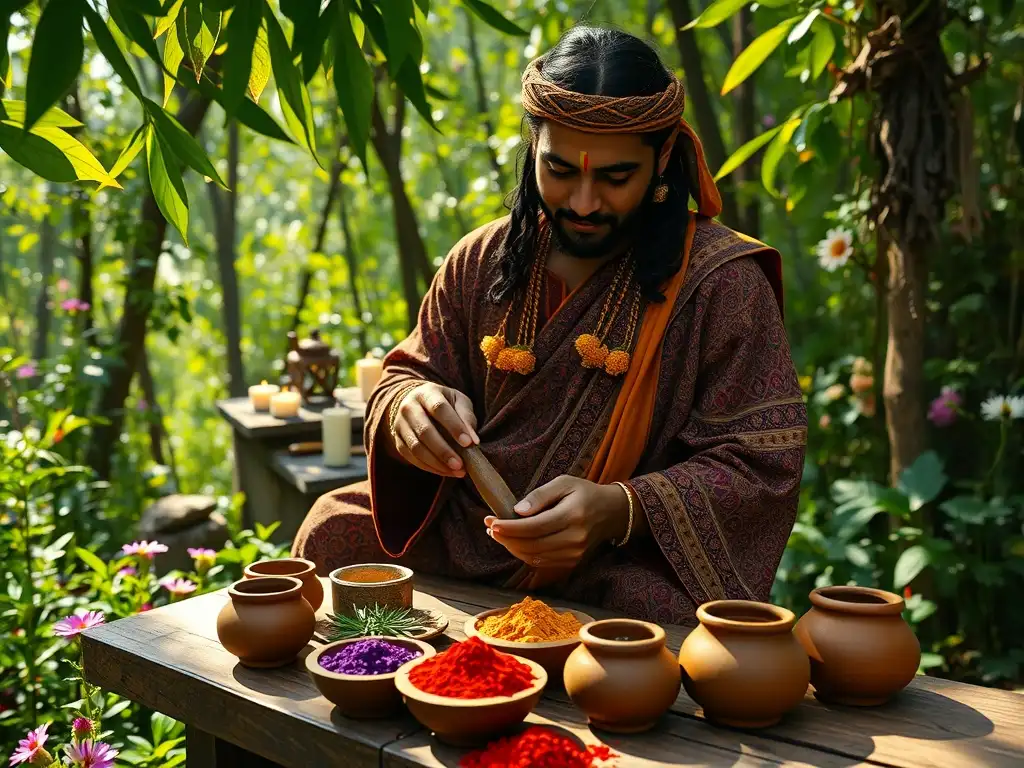
Welcome to Ancient India History, where we embark on a fascinating journey through the rich tapestry of ancient Indian civilizations. Here, we delve into the intricate healing practices that not only complemented surgical techniques but also reflect the profound wisdom of our ancestors. Have you ever wondered how ancient Indian healing practices shaped the landscape of medicine? Join us as we uncover the secrets of these time-honored traditions and their impact on health and wellness in the ancient world. Your exploration begins now—dive deeper into the remarkable synergy of science and culture that defines our heritage!
- Introduction to Ancient Indian Healing Practices
- Historical Context of Ancient Surgery in India
- Traditional Healing Practices in Ancient India
- The Integration of Healing Practices and Surgery
- The Impact of Cultural Beliefs on Healing Practices
- Conclusion: The Legacy of Ancient Indian Healing Practices
- Frequently Asked Questions
- Final Reflection: Embracing the Wisdom of Ancient Indian Healing Practices
- Embrace & Honor Ancient Healing Wisdom!
Introduction to Ancient Indian Healing Practices
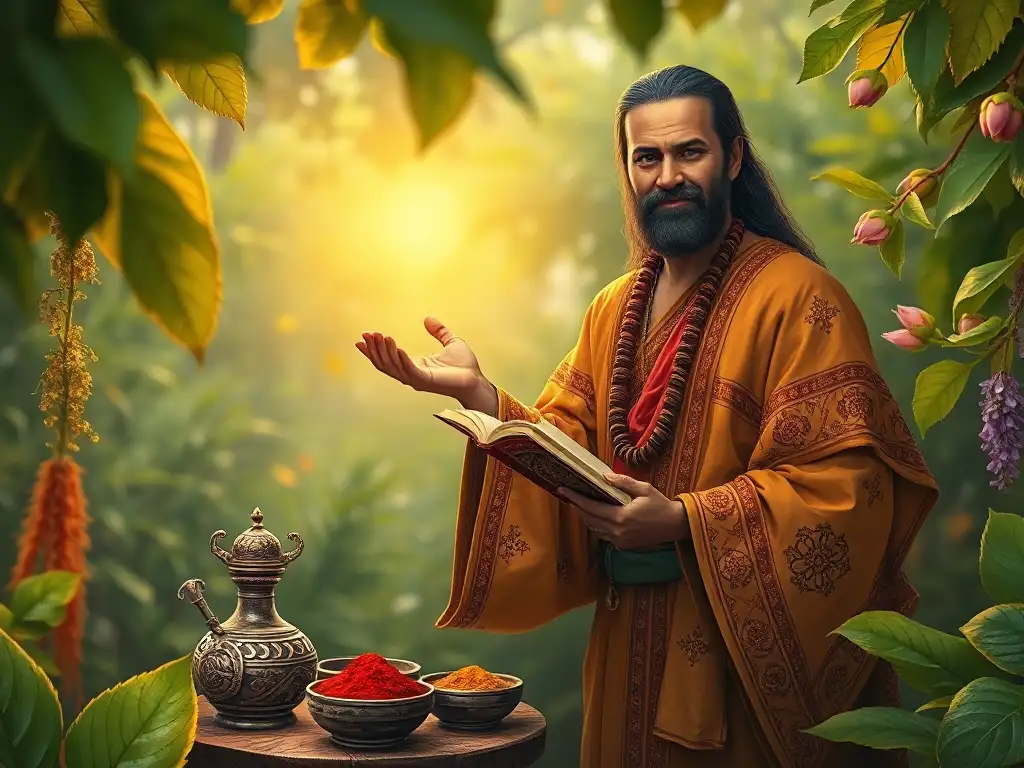
Ancient India is renowned not only for its remarkable advancements in surgery but also for its profound healing practices that complemented these medical techniques. The intricate tapestry of ancient Indian healing practices, often intertwined with spiritual beliefs, provided a holistic approach to health and well-being.
From the sophisticated surgical methods of the Indus Valley civilization to the herbal remedies employed during the Gupta Empire, these practices played a crucial role in the treatment of various ailments. This article delves into the traditional healing practices that flourished alongside ancient surgical techniques, highlighting their significance in the broader context of ancient Indian medicine.
Overview of Ancient Indian Medicine
Ancient Indian medicine, primarily encapsulated in texts like the Sushruta Samhita and Charaka Samhita, is a rich repository of knowledge that dates back thousands of years. These texts not only outline surgical procedures but also encompass a variety of healing practices that were integral to patient care.
- Ayurveda: This ancient system emphasizes balance among body, mind, and spirit. It utilizes natural remedies, dietary changes, and lifestyle modifications to promote health.
- Herbal Medicine: A wide range of herbs and plants were used for their medicinal properties. For example, turmeric was often employed for its anti-inflammatory benefits, while ashwagandha was used as a rejuvenating tonic.
- Yoga and Meditation: These practices were not just physical exercises but were also believed to aid in mental clarity and emotional stability, essential for holistic healing.
In ancient Indian society, the integration of these practices with surgical methods ensured that treatment was not merely about addressing physical ailments but also about nurturing the overall health of individuals.
Importance of Complementary Healing Techniques
The significance of complementary healing techniques in ancient Indian medicine cannot be overstated. These practices offered a multi-faceted approach to health care, enhancing the outcomes of surgical interventions. Here are some key aspects of their importance:
- Holistic Approach: By addressing both physical and mental health, complementary techniques provided a more comprehensive path to recovery.
- Enhanced Recovery: Techniques such as meditation and yoga were believed to accelerate healing processes, reduce stress, and improve patient outcomes.
- Cultural Integration: These healing practices were deeply rooted in the cultural and spiritual fabric of ancient India, making them more acceptable and effective in the eyes of the populace.
Ancient Indian healing practices not only enriched the surgical landscape but also contributed to a profound understanding of health that resonates even in modern times. Their legacy continues to influence contemporary approaches to medicine and wellness, highlighting the enduring wisdom of ancient civilizations.
Historical Context of Ancient Surgery in India
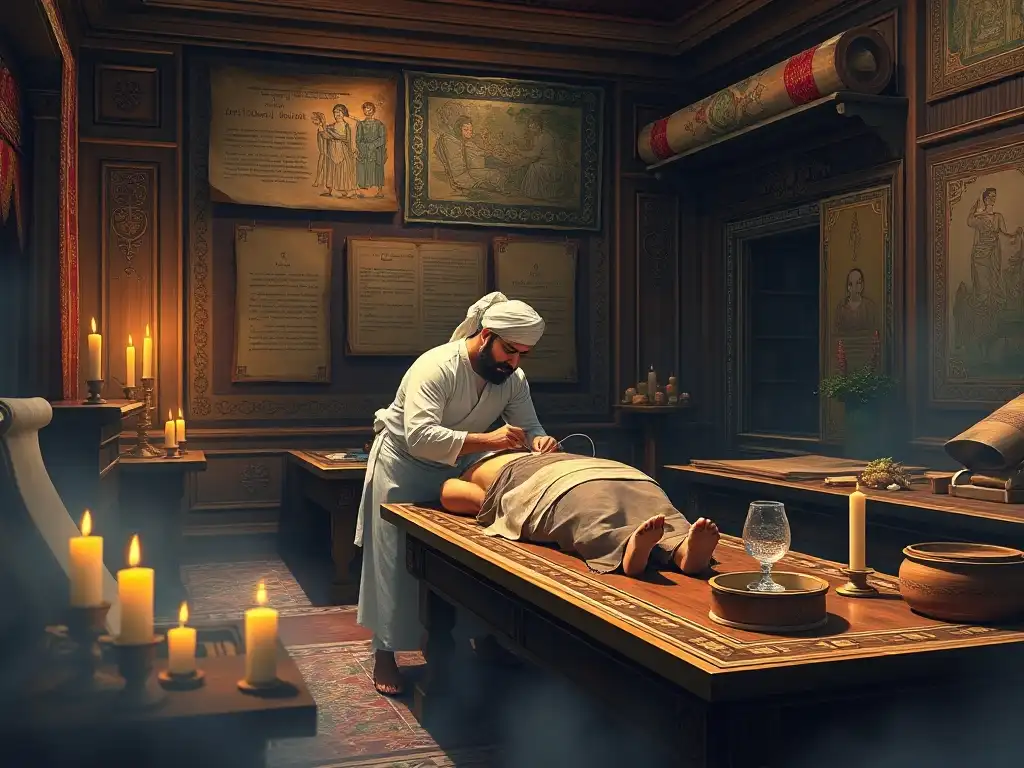
The history of surgery in ancient India is a testament to the sophistication and depth of medical practices that were prevalent in the region. Dating back to as early as the Indus Valley Civilization (c. 3300–1300 BCE), evidence suggests that surgical practices were not only known but also actively performed. Archaeological findings, such as surgical tools made of bronze and copper, indicate that surgeries like trepanation were practiced.
The ancient texts, particularly the Sushruta Samhita, composed by the revered physician Sushruta around the 6th century BCE, serve as a crucial source of knowledge detailing surgical methods, instruments, and the principles of ancient Indian healing practices. This foundational text emphasizes the holistic approach to medicine, integrating surgical techniques with various healing practices, including herbal remedies, diet, and lifestyle changes.
Evolution of Surgical Techniques in Ancient India
The evolution of surgical techniques in ancient India can be attributed to a combination of empirical observation, spiritual beliefs, and the meticulous documentation of knowledge.
- Early Techniques: Initially, surgeries focused on trauma management and wound care. Techniques for suturing wounds and reducing fractures were developed, showcasing an understanding of human anatomy that was remarkable for the time.
- Sushruta's Contributions: Sushruta is often hailed as the "father of surgery" due to his comprehensive approach to surgical procedures. He classified surgeries into eight categories, including excision, injection, and suturing. His detailed descriptions of over 120 surgical instruments, along with guidelines for sterilization and the importance of patient care, highlight the advanced nature of ancient Indian surgical practices.
- Ayurvedic Integration: The integration of Ayurveda into surgical practices facilitated a more holistic approach to healing. Surgical procedures were often complemented by Ayurvedic treatments, which included herbal medicines and dietary recommendations aimed at restoring balance in the body.
- Innovative Techniques: Ancient Indian surgeons performed complex procedures such as rhinoplasty (reconstruction of the nose) and cataract surgery, employing techniques that demonstrated a profound understanding of human anatomy. The use of anesthesia derived from natural substances, such as cannabis and poppy, further showcased the innovative spirit of ancient Indian medicine.
Key Figures in Ancient Indian Surgery
Several key figures emerged in ancient India, each contributing significantly to the field of surgery and the broader understanding of medical practices.
- Sushruta: As mentioned earlier, Sushruta's contributions are unparalleled. His systematic approach to surgery and emphasis on patient care laid the groundwork for future medical practices in India and beyond.
- Charaka: Another pivotal figure, Charaka, focused on internal medicine and is credited with the Charaka Samhita, a foundational text that complements Sushruta's work by emphasizing the importance of internal health and holistic healing.
- Jivaka: Known as the personal physician of Buddha, Jivaka made notable contributions to surgical practices, particularly in the treatment of wounds and injuries. His teachings included the application of herbal medicines to enhance recovery post-surgery.
- Vagbhata: A later figure in the timeline, Vagbhata integrated surgical practices with Ayurvedic principles, emphasizing preventive care and the importance of lifestyle in maintaining health.
These figures collectively highlight the rich tradition of ancient Indian healing practices, showcasing a comprehensive understanding that encompassed both surgical interventions and holistic care. The legacy of their work continues to influence modern medical practices and underscores the importance of integrating traditional knowledge with contemporary techniques.
Traditional Healing Practices in Ancient India
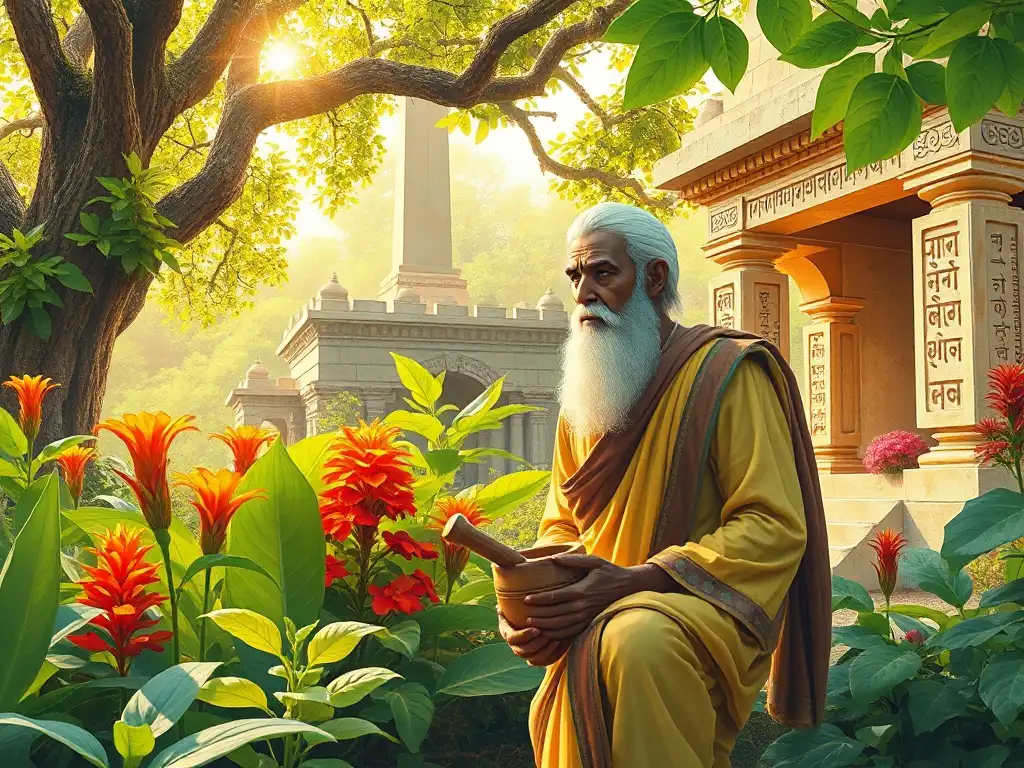
Ayurveda: The Science of Life
Ayurveda, one of the oldest healing systems in the world, originated in ancient India around 1500 BCE. It is not merely a system of medicine; rather, it embodies a holistic approach to health and well-being, emphasizing balance in the body, mind, and spirit. The term "Ayurveda" translates to "the science of life," reflecting its comprehensive nature. The practices of Ayurveda were deeply intertwined with the surgical techniques of ancient India, providing a rich foundation for healing and recovery.
Principles of Ayurveda
The essence of Ayurveda lies in its foundational principles, which revolve around the concept of doshas—Vata, Pitta, and Kapha. These doshas represent different combinations of the five elements (earth, water, fire, air, and space) and govern various physiological and psychological functions in the body.
- Vata: Represents air and space; responsible for movement and communication.
- Pitta: Represents fire and water; governs transformation and metabolism.
- Kapha: Represents earth and water; provides structure and stability.
Balancing these doshas is crucial for maintaining health. Ayurvedic practitioners would assess patients' individual constitutions (Prakriti) and imbalances (Vikriti) to tailor treatments that included dietary recommendations, herbal remedies, and lifestyle changes.
Key Ayurvedic Practices:
- Panchakarma: A detoxification process involving five therapeutic procedures to cleanse the body.
- Yoga and Meditation: Integral practices that promote mental clarity and physical strength.
- Dietary Adjustments: Specific food choices based on dosha balance to support recovery.
Role of Ayurveda in Surgical Recovery
Ayurveda played a significant role in the recovery process following surgical interventions in ancient India. It emphasized not only the physical healing of wounds but also the restoration of the body’s overall balance and vitality.
- Herbal Formulations: Certain herbs, such as Turmeric and Ashwagandha, were used to enhance healing and reduce inflammation. Turmeric, known for its anti-inflammatory properties, was often applied topically or consumed in food to expedite recovery.
- Dietary Recommendations: Post-surgical diets were carefully designed to incorporate easily digestible foods that support healing, such as warm broths and cooked vegetables, while avoiding heavy or spicy items that could disturb digestion.
- Rejuvenation Therapies: Ayurvedic practices included therapies like Rasayana, aimed at rejuvenating and revitalizing the body after trauma.
The integration of Ayurvedic principles into post-surgical care ensured that patients experienced not just physical healing but also mental and emotional support during their recovery.
Siddha Medicine: Ancient Healing Traditions
Siddha medicine, another ancient healing system from India, has its roots in Tamil Nadu and is considered to be one of the oldest medicinal traditions in the world. It is deeply intertwined with yoga and alchemical practices, focusing on the physical and spiritual aspects of health. Siddha practitioners believe in achieving wellness through a combination of physical medicine, spiritual disciplines, and herbal remedies.
Foundational Concepts of Siddha
The Siddha system is based on the principles of Pancha Bhoota (five elements) and Tridosha (similar to Ayurveda but with a distinct interpretation). The five elements are earth, water, fire, air, and space, which combine to form three humors (Vata, Pitta, Kapha).
- Elements and Humors: The balance between these elements and humors is crucial for maintaining health. An imbalance can lead to physical and mental disorders.
- Siddhars: The practitioners, known as Siddhars, were believed to have attained extraordinary powers through meditation and alchemical practices, enabling them to create potent remedies.
Siddha Practices:
- Herbal Remedies: The use of a wide range of herbs and minerals tailored to individual needs.
- Spiritual Practices: Meditation and yoga were essential components to enhance mental clarity and spiritual growth.
Siddha Remedies for Post-Surgical Care
Siddha medicine offers a variety of remedies aimed at supporting patients during their post-surgical recovery phase. These remedies are tailored to the individual's constitution and specific needs.
- Medicinal Oils: Various oils infused with herbs such as Neem and Ginger are used for massaging surgical sites to promote healing and reduce swelling.
- Herbal Decoctions: Specific formulations, like Kashayam, made from boiling herbs, are consumed to strengthen the immune system and prevent infections.
- Dietary Guidelines: Similar to Ayurveda, Siddha emphasizes a balanced diet with light, nutritious foods to aid digestion and promote healing.
By combining these remedies with a focus on spiritual and emotional well-being, Siddha medicine creates a holistic approach to recovery that respects the body's natural healing processes.
The integration of Ancient Indian healing practices such as Ayurveda and Siddha medicine with surgical techniques showcases the profound understanding of health and wellness that ancient Indian civilizations possessed. These practices not only addressed physical ailments but also emphasized the importance of mental and emotional health, providing a comprehensive approach to healing that is still relevant today.
Herbal Remedies: Nature’s Pharmacy
Herbal remedies have long been a cornerstone of traditional healing practices in ancient India, functioning as a natural pharmacy that provided remedies for various ailments. These practices were deeply rooted in the understanding of local flora and the properties of various plants. Ancient Indian scholars documented extensive knowledge about herbs and their therapeutic effects, as seen in texts such as the "Charaka Samhita" and "Sushruta Samhita," which served not only as surgical manuals but also as guides to herbal medicine.
The use of herbal remedies often complemented surgical techniques and treatments, providing holistic care that addressed both physical and emotional well-being. Remedies were applied not just for their curative properties but also as preventive measures, reflecting a profound understanding of health that integrated body, mind, and spirit. The emphasis on balance and harmony in the body was a significant aspect of ancient Indian medicine, where herbal remedies played a crucial role in achieving this equilibrium.
Common Herbs Used in Ancient Healing
Ancient Indian healing practices featured a diverse range of herbs, each with unique properties and uses. Here are some of the most common herbs utilized in traditional healing:
- Tulsi (Holy Basil): Revered for its adaptogenic properties, tulsi was used to reduce stress, enhance immunity, and treat respiratory ailments.
- Ashwagandha: Known for its restorative and rejuvenating properties, ashwagandha was commonly used to combat fatigue, enhance vitality, and improve overall health.
- Turmeric: Celebrated for its anti-inflammatory and antimicrobial qualities, turmeric was used in treatments for wounds, digestive issues, and skin conditions.
- Neem: With potent antibacterial and antifungal properties, neem was employed to treat skin disorders and purify the blood.
- Ginger: Used for its digestive benefits, ginger was a common remedy for nausea, indigestion, and respiratory issues.
- Amla (Indian Gooseberry): Rich in vitamin C, amla was utilized to boost immunity, enhance skin health, and promote overall vitality.
These herbs were not only integral to treating specific ailments but also held cultural significance, often being associated with rituals and spiritual practices.
Preparation and Application of Herbal Remedies
The preparation and application of herbal remedies in ancient India involved meticulous processes to ensure the efficacy and safety of the treatments. Practitioners followed specific methods for harvesting, drying, and processing herbs, which were critical in preserving their medicinal properties.
- Harvesting: Herbs were typically harvested at specific times of the year, often during particular lunar phases, to maximize their potency.
- Drying: Fresh herbs were carefully dried in the shade to prevent loss of essential oils and active compounds. This process ensured that the herbs could be stored for longer periods without losing efficacy.
- Infusions and Decoctions: Herbal preparations were often made as infusions (soaking herbs in boiling water) or decoctions (boiling herbs in water for prolonged periods). These methods helped extract the active ingredients effectively.
- Pastes and Powders: Some herbs were ground into fine powders or mixed with other ingredients to create pastes, which were then applied topically for various conditions, including skin ailments and joint pain.
- Dosages and Administration: Traditional healers determined the appropriate dosages based on the patient's condition, age, and constitution. Remedies were administered in various forms, including teas, powders, and topical applications.
The careful preparation and application of these herbal remedies underscore the sophisticated understanding of plant medicine that ancient Indian healers possessed, forming a vital aspect of the holistic approach to health and healing in their culture.
The Integration of Healing Practices and Surgery
Synergy Between Surgery and Traditional Healing
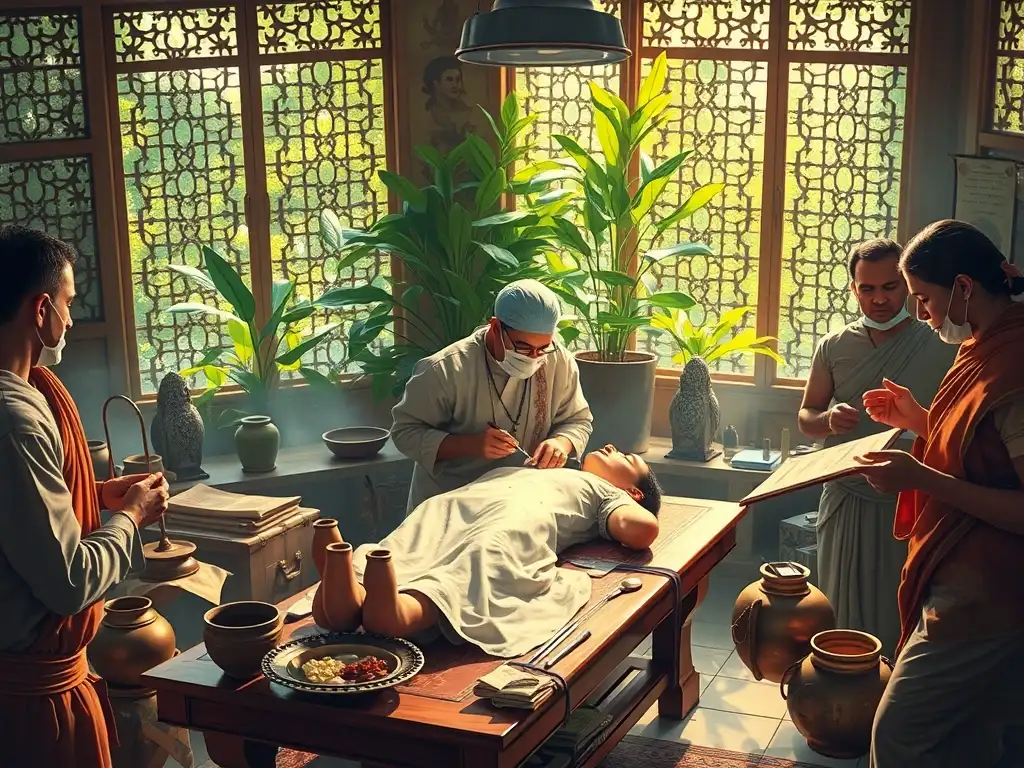
In ancient India, the practice of surgery was not a solitary endeavor; it was deeply intertwined with various traditional healing practices. This synergy created a holistic approach to treatment, acknowledging the physical, mental, and spiritual dimensions of health. Ancient Indian healing practices, such as Ayurveda and Siddha, played a crucial role in enhancing surgical outcomes and patient recovery.
Ayurveda, known as the "science of life," emphasized balance within the body and the use of natural remedies. The integration of Ayurvedic principles into surgical practices involved preoperative and postoperative care that focused on optimizing the patient's overall health. For instance, the use of herbal concoctions to prepare the body for surgery was common. Herbs like ashwagandha (Withania somnifera) were utilized to strengthen vitality, while turmeric (Curcuma longa) was employed for its antiseptic and anti-inflammatory properties.
On the other hand, Siddha medicine emphasized the use of minerals and metals to promote healing. This system incorporated alchemical techniques, often involving the preparation of rasa shastra (medicinal metals) that were believed to enhance recovery post-surgery. The synergistic approach allowed surgeons to focus not only on the technical execution of surgical procedures but also on the patient's holistic wellbeing.
Case Studies of Successful Integrations
Historical texts and case studies reveal numerous instances where ancient Indian healing practices complemented surgical techniques, leading to remarkable patient outcomes.
- The Sushruta Samhita: This seminal text, attributed to the ancient surgeon Sushruta, details various surgical procedures and emphasizes the integration of herbal remedies in postoperative care. For example, Sushruta advocated the use of ghee (clarified butter) infused with medicinal herbs to facilitate wound healing and reduce inflammation. This approach exemplifies how ancient Indian healing practices were not merely adjuncts but integral components of surgical success.
- Cataract Surgery: Ancient texts document the performance of cataract surgeries using a technique known as couching, which involved displacing the cataract. Post-surgery, patients were prescribed a regimen of herbal pastes and oils, such as mahabhringraj oil, which was believed to promote ocular health. This combination of surgical intervention and herbal medicine significantly improved recovery times and visual outcomes.
- Trauma Recovery: In cases of severe trauma, surgeons would perform complex repairs and then employ traditional healing practices to manage pain and inflammation. Prakash's account from the Gupta period illustrates how trauma patients benefited from a combination of surgical techniques and the application of panchakarma therapies, such as detoxification and rejuvenation processes, which facilitated faster and more effective recovery.
These case studies highlight the effectiveness of integrating ancient Indian healing practices with surgical techniques, demonstrating a comprehensive approach to patient care. The wisdom of these practices continues to inspire contemporary approaches in holistic and integrative medicine today.
The ancient Indian approach to surgery was characterized by a profound understanding of the body's interconnectedness, where surgical precision met the nurturing touch of traditional healing practices. This remarkable synergy not only improved surgical outcomes but also laid the foundation for a rich legacy in medical history that still resonates in modern practices.
The Impact of Cultural Beliefs on Healing Practices

The healing practices in ancient India were deeply intertwined with the cultural and spiritual beliefs of the time. The holistic approach to health, which encompassed both physical and spiritual well-being, played a significant role in shaping the methods used for healing. Ancient Indian healing practices were not merely about treating the body but also about addressing the spirit and mind, reflecting the interconnectedness of all aspects of life.
Spiritual Aspects of Healing in Ancient India
Spirituality was a cornerstone of ancient Indian healing practices. The belief in the presence of a life force, known as Prana, was central to many healing traditions. Practitioners believed that a balance of this life force was essential for maintaining health. Various spiritual practices, such as meditation and yoga, were employed to enhance this balance, promoting both physical health and emotional stability.
Key Concepts in Spiritual Healing
- Prana: The life force that sustains all living beings. Ancient texts suggest that disturbances in Prana could lead to illness.
- Chakras: Energy centers within the body that correspond to different physical and emotional states. Healing practices often aimed to align and balance these chakras.
- Karma: The belief that past actions influence present health. This concept encouraged individuals to engage in ethical living as a means to promote well-being.
Ancient practitioners often combined these spiritual concepts with physical treatments, creating a comprehensive approach to health. For example, Ayurveda, a prominent healing system, emphasizes the balance of the body's energies (Vata, Pitta, and Kapha) alongside spiritual practices.
Rituals and Their Importance in Recovery
Rituals played a pivotal role in the recovery process within ancient Indian healing practices. These rituals were not only ceremonial but also served to instill a sense of peace and hope in patients, which is now recognized as an essential component of healing.
Types of Healing Rituals
- Puja (Worship): Involved offerings to deities for healing and protection, invoking divine assistance in the recovery process.
- Yajna (Sacred Fire Ceremony): Performed for purification and to promote health, often involving specific chants and offerings to the fire.
- Mantras: Recitation of specific sounds or phrases believed to possess healing properties, enhancing mental clarity and focus.
The psychological impact of these rituals should not be underestimated. Engaging in rituals provided emotional support, reduced anxiety, and fostered a sense of community, which were all critical components of the healing journey.
The Role of Healers
Healers, often referred to as Vaids or Siddhas, were not only skilled in medicinal practices but also trained in the spiritual aspects of healing. They would assess not just the physical symptoms but also the emotional and spiritual state of the patient, tailoring treatments to fit the individual’s needs. This personalized approach highlighted the importance of understanding the whole person rather than just the ailment.
The integration of cultural beliefs and healing practices in ancient India offers valuable insights into the holistic approaches to health that are still relevant today. By understanding the spiritual and ritualistic dimensions of these ancient Indian healing practices, modern practitioners can glean lessons that complement contemporary medical practices.
Conclusion: The Legacy of Ancient Indian Healing Practices
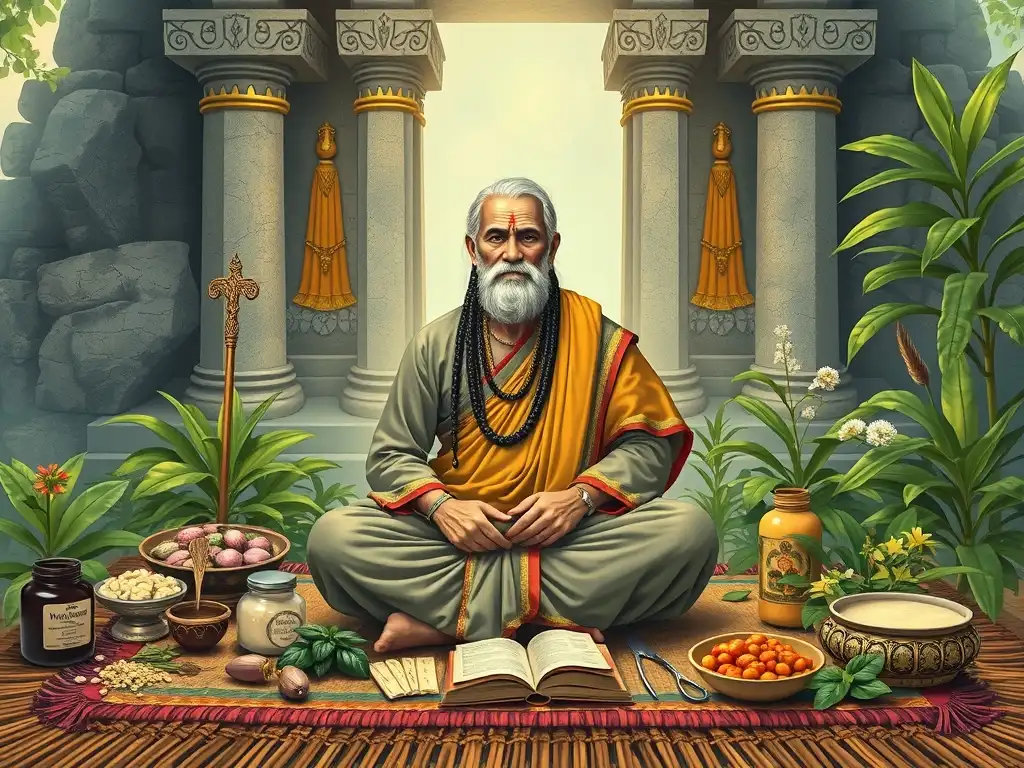
The legacy of ancient Indian healing practices is profound and enduring, reflecting a deep understanding of the human body, mind, and spirit. These practices, which evolved alongside surgical techniques in ancient India, offer a holistic approach to health that integrates physical, mental, and spiritual well-being. From herbal remedies to mindfulness techniques, the wisdom embedded in these practices provides valuable insights into the interconnectedness of healing modalities.
Ancient Indian healing practices, particularly those rooted in Ayurveda, emphasized the balance of the three doshas (Vata, Pitta, and Kapha) as essential for maintaining health. Practitioners utilized a variety of natural substances, including plants, minerals, and animal products, to create remedies that complemented surgical interventions. This holistic approach not only addressed immediate physical ailments but also aimed to prevent future health issues by promoting overall wellness.
As the world increasingly recognizes the value of integrative medicine, the principles and techniques from ancient Indian healing continue to resonate in modern health discussions. By exploring these practices, we can appreciate their historical significance and their potential role in enhancing contemporary medical practices.
Modern Relevance of Ancient Healing Techniques
The relevance of ancient Indian healing techniques in today's medical landscape is increasingly evident. Many contemporary practitioners are turning to these time-honored practices to complement modern medical interventions. For instance, Ayurvedic principles are often integrated into wellness programs that focus on preventive care and lifestyle modifications.
- Holistic Health Approaches: Modern medicine is gradually embracing holistic health approaches, recognizing that emotional and mental well-being is critical for recovery. Techniques such as yoga and meditation, rooted in ancient practices, are now commonly recommended in conjunction with medical treatments.
- Herbal Medicine: The use of herbal remedies, a cornerstone of ancient Indian healing, is gaining traction in modern herbalism and phytotherapy. Research into the efficacy of traditional herbs like Ashwagandha and Turmeric has demonstrated their potential benefits for various health issues, including stress management and inflammation.
- Mind-Body Connection: The emphasis on the mind-body connection in ancient healing practices is reflected in contemporary fields such as psychoneuroimmunology, which studies how psychological factors affect physical health. Techniques from ancient traditions are increasingly used in stress reduction and pain management protocols.
Continuing Influence of Ancient Practices on Contemporary Medicine
The continuing influence of ancient Indian healing practices on contemporary medicine is multifaceted, shaping various aspects of health care today.
| Ancient Practice | Modern Application |
|---|---|
| Ayurveda | Integrative health and wellness programs |
| Yoga and Meditation | Stress management and rehabilitation |
| Herbal Remedies | Phytotherapy and natural supplements |
| Panchakarma (detoxification) | Holistic detox programs |
- Research and Development: There is a growing body of research that validates many ancient practices, leading to their incorporation into clinical trials and treatment protocols. For example, Ayurvedic formulations are undergoing scientific scrutiny to explore their efficacy in treating chronic diseases.
- Global Influence: The principles of ancient Indian healing have transcended geographical boundaries. Practices such as yoga have become global phenomena, embraced by millions as a means of achieving physical fitness and mental clarity.
- Educational Programs: Institutions worldwide now offer courses on Ayurveda, traditional medicine, and holistic health practices, ensuring that the knowledge of ancient Indian healing continues to be passed down and integrated into contemporary education.
The ancient Indian healing practices not only enriched the medical landscape of their time but continue to influence modern health paradigms. By merging traditional wisdom with contemporary scientific understanding, we can create a more comprehensive approach to health that honors the past while addressing the needs of the present.
Frequently Asked Questions
What are some ancient Indian healing practices?
Ancient Indian healing practices include Ayurveda, yoga, and herbal medicine, which were integral to the overall health and wellness of individuals during that time.
How did ancient Indian surgery relate to healing practices?
Surgery in ancient India was often complemented by traditional healing practices, such as the use of herbs and spiritual rituals, to promote faster recovery and overall well-being.
What role did Ayurveda play in ancient Indian healthcare?
Ayurveda served as a comprehensive system of medicine, focusing on balancing bodily energies and using natural remedies to treat various ailments alongside surgical interventions.
Were there any specific herbs used in ancient Indian healing?
Yes, certain herbs like Tulsi, Ashwagandha, and Turmeric were frequently used in ancient Indian healing practices for their anti-inflammatory and antiseptic properties.
How do ancient Indian healing practices influence modern medicine?
Many principles of Ayurveda and other ancient practices are being integrated into modern holistic approaches, emphasizing the importance of mind-body connection and natural healing methods.
Final Reflection: Embracing the Wisdom of Ancient Indian Healing Practices
The exploration of ancient Indian healing practices reveals a profound connection between tradition and modern medicine. In an era where the quest for holistic health is gaining momentum, understanding how these time-honored techniques complemented ancient surgical practices is not just fascinating but essential. The wisdom embedded in these practices offers invaluable insights into the balance of body, mind, and spirit, reminding us that healing is a multifaceted journey rather than a mere clinical procedure.
Cultural and social landscapes are continually shaped by the legacies of our ancestors, and ancient Indian healing practices are no exception. These methods have not only survived the test of time but have also found their place in contemporary wellness paradigms. As we navigate the complexities of modern healthcare, we can draw inspiration from the past to foster a more integrative approach to healing. The greatest medicine of all is to teach people how not to need it.
– Hippocrates. This quote encapsulates the essence of ancient practices, emphasizing prevention and holistic well-being over mere treatment.
As we reflect on the lessons from ancient Indian healing practices, I invite you to consider how you can incorporate these timeless principles into your own life. Take a moment to explore the healing traditions that resonate with you, whether through mindfulness, herbal remedies, or community support. By embracing these practices, you not only honor the wisdom of the past but also empower yourself to cultivate a healthier, more balanced future. Let us carry forward this legacy of holistic healing, ensuring that the knowledge of our ancestors continues to illuminate our paths toward wellness.
Embrace & Honor Ancient Healing Wisdom!
Thank you for journeying through the remarkable world of traditional healing practices and ancient surgical techniques. You've uncovered a rich tapestry of knowledge that has significantly shaped our health and wellness traditions! Now, it’s time to bring this wisdom into your everyday life.
Here are some actionable steps you can take to deepen your connection with these practices:
- Incorporate herbal remedies into your daily routine by experimenting with a different herb each week.
- Join a community group or online forum focused on traditional healing to share experiences and learn from others.
- Explore local workshops or virtual classes to gain hands-on experience in ancient healing techniques.
Which ancient healing practice resonates with you the most, and how do you plan to integrate it into your modern lifestyle?