
The Cultural Significance of Gupta Jewelry and Adornments

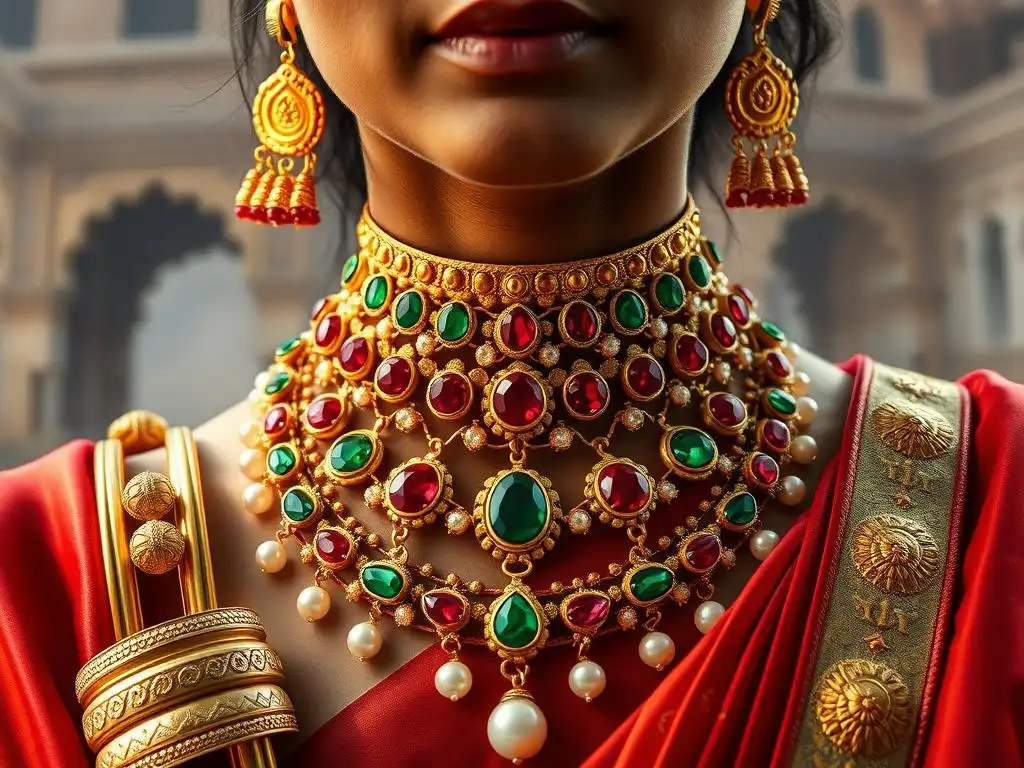
Welcome to Ancient India History, where we embark on a fascinating journey through time to unveil the rich tapestry of ancient Indian civilizations. In this exploration, we delve into the cultural significance of Gupta Empire jewelry and adornments, revealing not just their beauty, but the stories and traditions woven into each piece. What did these exquisite jewels symbolize in their time? How did they reflect the values and artistry of the Gupta era? Join us as we uncover the answers and more, igniting your curiosity about the wonders of ancient India.
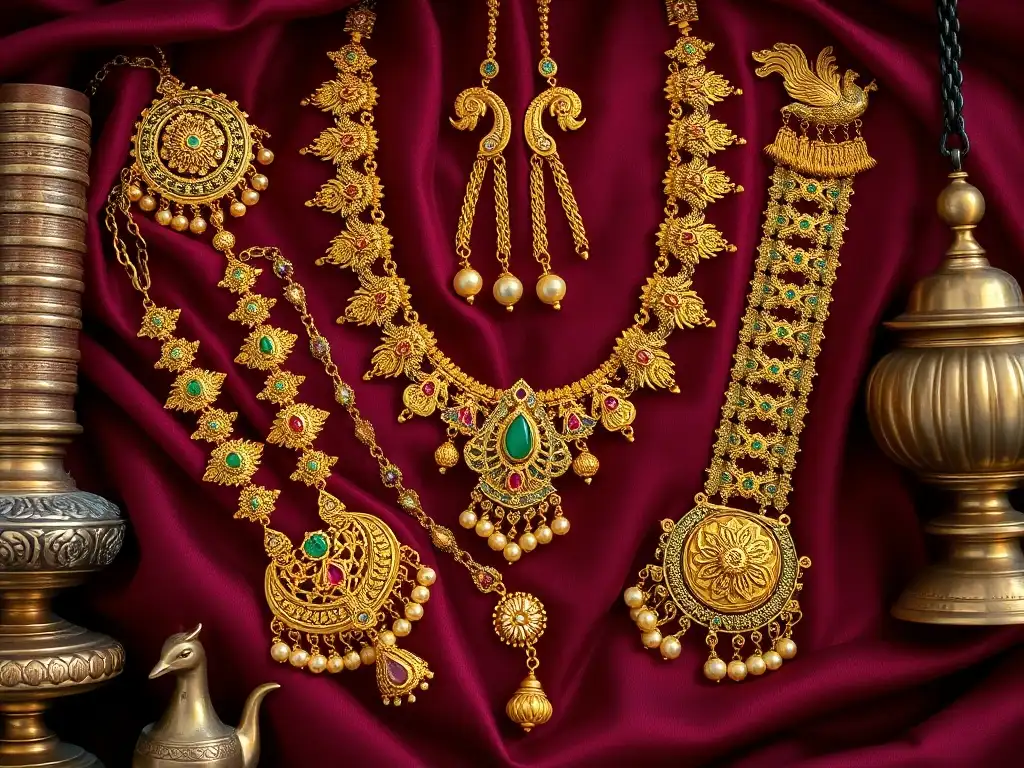
Introduction to Gupta Empire Jewelry Significance
The Gupta Empire, often termed the "Golden Age" of India, flourished from approximately 320 to 550 CE. This era is renowned not only for its remarkable advancements in science, mathematics, and literature but also for its rich artistic expressions, particularly in the realm of jewelry and adornments. Gupta Empire jewelry significance extends beyond mere aesthetics; it embodies the cultural, religious, and social aspects of the time. As we delve into this topic, we will explore how Gupta jewelry reflected the empire’s values, its craftsmanship, and the societal roles it played.
Overview of the Gupta Empire
The Gupta Empire emerged as a dominant force in northern India, establishing a vast territory that fostered trade, urbanization, and cultural exchange. Under the rule of notable emperors like Chandragupta I and Samudragupta, the empire became a hub for innovation and creativity. One of the distinctive features of this period was the flourishing of art and culture, which manifested prominently in various forms, including sculpture, architecture, and jewelry. The Gupta artisans were known for their exceptional skill in metallurgy and precious stone setting, which greatly influenced the design and significance of jewelry during this time.
Importance of Jewelry in Ancient Indian Culture
Jewelry in ancient India was much more than an accessory; it held deep cultural and spiritual significance. It was often associated with various life events and rituals, symbolizing prosperity, status, and protection. In the Gupta period, jewelry played a vital role in both daily life and ceremonial occasions. From ornate necklaces to intricate bangles, each piece was meticulously crafted, embodying the artistry and symbolism of the time. Jewelry also served as a means of investment and wealth preservation, showcasing the social hierarchy and the economic prosperity of the Gupta Empire.
Historical Context of Gupta Jewelry
The Evolution of Jewelry in Ancient India
The history of Indian jewelry can be traced back to the Indus Valley Civilization, where early forms of adornments were created using clay and semi-precious stones. Over centuries, the techniques and materials evolved, leading to the sophisticated jewelry styles of the Gupta period. Artisans began employing advanced methods such as granulation, filigree, and enameling, which resulted in stunning pieces that were both visually captivating and culturally significant. The Gupta Empire marked a pivotal moment in this evolution, as it integrated diverse influences and refined existing practices to create unique jewelry styles.
The Role of the Gupta Empire in Art and Craftsmanship
The Gupta Empire was instrumental in the advancement of artistic expressions, particularly in the field of craftsmanship. The empire’s patronage of the arts led to the establishment of guilds that specialized in jewelry making. These guilds were responsible for preserving traditional techniques while also embracing innovation. The jewelry produced during this time often featured motifs inspired by nature, mythology, and religious themes, reflecting the artistic sensibilities of the Gupta period. This craftsmanship not only enhanced the beauty of the jewelry but also imbued it with meaning, making it significant in both personal and communal contexts.
The significance of Gupta jewelry transcends its aesthetic appeal, revealing a profound connection to the cultural heritage of ancient India. Through the exploration of its historical context and craftsmanship, we can better appreciate the enduring legacy of jewelry from the Gupta Empire.
Materials and Techniques in Gupta Jewelry
The Gupta Empire, flourishing from approximately 320 to 550 CE, is renowned for its exquisite jewelry and adornments that reflect the era's cultural richness and artistic achievements. The materials and craftsmanship techniques used during this period played a crucial role in creating pieces that were not only aesthetically pleasing but also carried deep cultural significance.
Common Materials Used in Gupta Adornments
Jewelry from the Gupta period was crafted using a variety of materials, each chosen for its beauty and symbolic meaning. Some of the most common materials included:
- Gold: The most prestigious of materials, gold was extensively used for creating intricate jewelry. Its malleability allowed artisans to create detailed designs and motifs that adorned necklaces, earrings, and crowns.
- Precious and Semi-Precious Stones: Gemstones such as diamonds, rubies, emeralds, and pearls were popular in Gupta jewelry. These stones were often set in gold and silver, enhancing the overall elegance of the pieces. The use of colorful stones also symbolized wealth and status.
- Silver: While gold was preferred for high-status pieces, silver was also commonly used, especially for everyday jewelry. Silver pieces often featured elaborate designs, showcasing the skill of the artisans.
- Beads and Shells: Beaded jewelry made from various materials, including shells and semi-precious stones, was prevalent. These pieces were often worn in layers, creating a vibrant and colorful appearance.
The combination of these materials in Gupta jewelry not only highlighted the artistic capabilities of the craftsmen but also served to signify the wealth and social status of the wearer.
Craftsmanship Techniques Unique to the Gupta Period
The Gupta period is characterized by advanced jewelry-making techniques that set it apart from earlier eras. Key craftsmanship techniques included:
- Filigree Work: This intricate technique involved twisting fine threads of gold or silver to create delicate lace-like designs. Filigree work was often used to embellish earrings, necklaces, and bracelets, adding a touch of sophistication.
- Granulation: A method where small metal spheres were fused onto a surface to create textured patterns, granulation added depth and complexity to jewelry pieces.
- Stone Setting: Gupta artisans were skilled in various stone-setting techniques, including bezel and prong settings, allowing them to secure gemstones in a way that maximized their brilliance and visibility.
- Repoussé: This technique involved hammering metal from the reverse side to create raised designs on the front, giving pieces a three-dimensional aspect that enhanced their visual appeal.
These techniques not only demonstrated the high level of skill among Gupta artisans but also allowed for the creation of unique and intricate designs that have captivated collectors and historians alike.
Symbolism and Meaning Behind Gupta Jewelry
Jewelry in the Gupta Empire transcended mere adornment; it served as a vessel for cultural expression and conveyed significant meanings. Each piece often represented deeper spiritual, social, and personal values.
Religious and Spiritual Significance of Jewelry
Jewelry held profound religious and spiritual significance in Gupta society. Many pieces were associated with various deities and were believed to offer protection, blessings, and good fortune. For instance:
- Amulets and Talismans: These were crafted to invoke divine favor and safeguard the wearer from harm. Often inscribed with sacred symbols or texts, they were worn close to the body.
- Symbols of Divinity: Jewelry often featured motifs representing Hindu deities, such as lotus flowers or conch shells, which were thought to embody purity and divinity.
- Ceremonial Use: Certain adornments were worn during religious ceremonies and festivals, signifying the wearer's devotion and reinforcing their connection to the divine.
This spiritual dimension of jewelry reflected the intertwining of everyday life with religious beliefs in Gupta culture.
Social Status and Identity Reflected in Adornments
Jewelry was a powerful indicator of social status and identity in Gupta society. The type, quality, and quantity of jewelry worn could signify a person's wealth, caste, and position within the community. Important aspects include:
- Hierarchy of Adornments: Different styles and quantities of jewelry were associated with various social classes. Nobility and wealthy merchants adorned themselves with elaborate gold pieces, while commoners typically wore simpler designs made from less expensive materials.
- Marriage and Identity: Jewelry played a crucial role in marital identity, with specific adornments symbolizing a woman's marital status. For example, the mangalsutra, a sacred necklace, was worn by married women as a sign of their commitment and social standing.
- Cultural Identity: Regional variations in jewelry styles reflected local customs and traditions, allowing individuals to express their cultural identity through their adornments.
In essence, Gupta jewelry was not merely decorative; it was a complex symbol of social structure and personal identity, deeply embedded in the cultural fabric of the time.
Styles and Designs of Gupta Jewelry
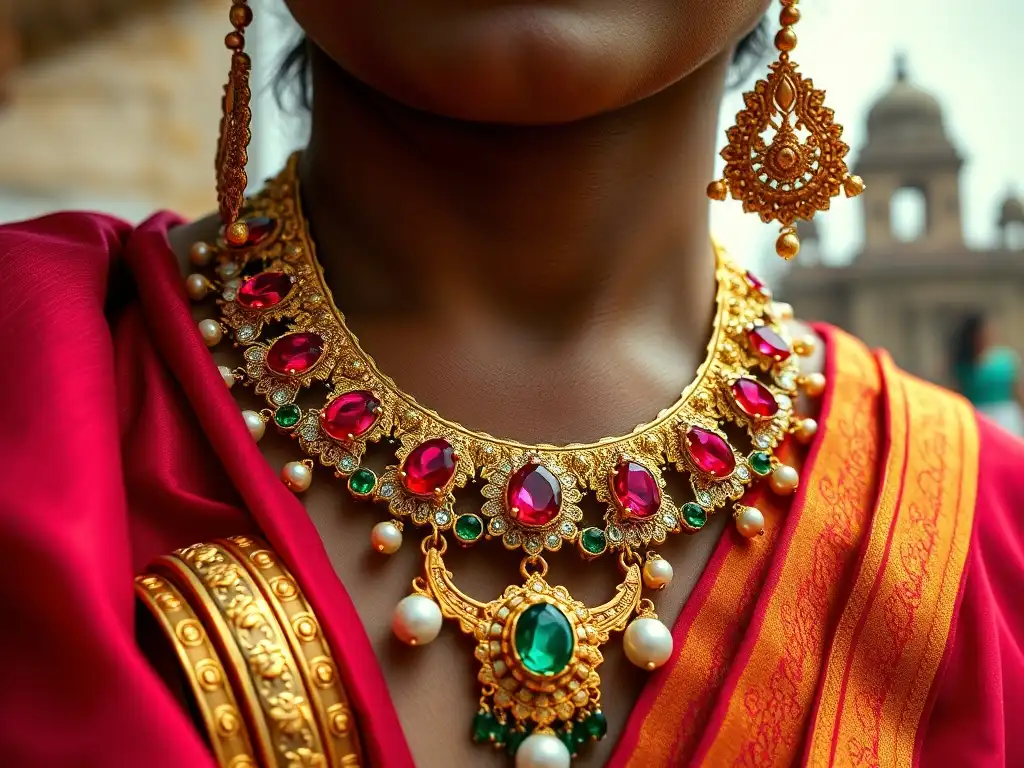
The Gupta Empire, flourishing from around 320 to 550 CE, is renowned for its remarkable contributions to art and culture, with jewelry being a prominent aspect of this legacy. Gupta jewelry is characterized by intricate designs, superior craftsmanship, and the use of a variety of materials, including gold, silver, and precious stones. The styles of jewelry from this period reflect both the social status of the wearer and the artistic innovations of the time.
The designs often exhibit symmetry and balance, with a preference for geometric shapes and elaborate patterns. Necklaces, earrings, bracelets, and rings were commonly adorned with gemstones such as rubies, emeralds, and pearls, showcasing not only aesthetic appeal but also the wealth and power of the elite. The use of filigree work, where fine threads of metal are twisted and shaped into delicate patterns, adds a layer of sophistication and intricacy to the pieces.
Traditional Designs and Patterns Found in Gupta Jewelry
Traditional designs in Gupta jewelry often draw on motifs from nature and mythology, reflecting the cultural values of the time. Common patterns include floral and faunal motifs, which symbolize fertility and beauty, indicative of the Gupta society's reverence for nature.
Several notable designs include:
- Lotus Flowers: Representing purity and enlightenment, the lotus motif is frequently found in necklaces and earrings.
- Animal Figures: Elephants and peacocks, revered creatures in Indian culture, often appear in jewelry, symbolizing strength and grace.
- Geometric Patterns: Triangular and circular designs are prevalent, showcasing the mathematical prowess of the Gupta artisans.
These traditional patterns not only held aesthetic value but also conveyed deeper meanings and connections to the spiritual beliefs of the Gupta people, making each piece a representation of cultural identity.
The Influence of Nature and Mythology on Jewelry Styles
Nature and mythology significantly influenced the styles of Gupta jewelry, intertwining the natural world with spiritual beliefs. The artisans of the Gupta Empire often took inspiration from the rich tapestry of Hindu mythology, leading to the creation of jewelry that depicted deities and mythological events.
For instance, pieces might feature:
- Images of Deities: Jewelry would often include engravings or pendants depicting gods and goddesses, serving as both adornment and talisman for protection and blessings.
- Nature-Inspired Elements: Designs mimicking vines, leaves, and animals not only reflected the beauty of the natural world but also symbolized the interconnectedness of life and spirituality.
This fusion of nature and mythology in jewelry design underscores the Gupta Empire's cultural ethos, where art served as a medium to express reverence for both the divine and the natural environment.
Regional Variations in Gupta Adornments
The Gupta Empire was vast, encompassing various regions, each contributing unique styles and characteristics to the jewelry of the time. These regional variations are essential to understanding the diversity within Gupta adornments and highlight the local resources and cultural influences.
Distinctive Features of Jewelry from Different Regions of the Gupta Empire
Jewelry from different regions of the Gupta Empire showcases distinctive features influenced by local traditions, materials, and craftsmanship. For example:
- Eastern Gupta: The jewelry from this region often includes intricate beadwork and colorful glass, reflecting the vibrant culture of Bengal.
- Western Gupta: Known for its use of gold and elaborate designs, jewelry from this area often features detailed carvings and motifs derived from local flora and fauna.
- Northern Gupta: Here, the influence of Buddhist art is evident, with jewelry often depicting Buddhist symbols and figures, showcasing the region's spiritual heritage.
These regional differences not only illustrate the richness of Gupta jewelry but also how local customs and available materials shaped artistic expressions across the empire.
Cross-Cultural Influences in Gupta Jewelry Design
The Gupta Empire was a melting pot of cultures due to trade and interactions with neighboring civilizations, leading to significant cross-cultural influences in jewelry design. This exchange is evident in the incorporation of styles and motifs from various regions, such as:
- Hellenistic Influence: The contact with Greco-Roman cultures introduced new techniques and designs, leading to the adoption of more elaborate and ornate styles in Gupta jewelry.
- Persian Artistry: Elements of Persian motifs found their way into Gupta designs, particularly in the use of colorful gems and intricate metalwork.
- Buddhist Imagery: The spread of Buddhism during the Gupta period also influenced jewelry, as artisans began to create pieces that reflected Buddhist iconography and themes.
This cross-cultural interaction enriched the artistic vocabulary of Gupta jewelry, making it a unique blend of indigenous and foreign elements that exemplified the cosmopolitan nature of the Gupta Empire.
Gupta Jewelry in Contemporary Culture
The influence of Gupta Empire jewelry extends far beyond its historical context, resonating within contemporary culture. Modern Indian jewelry often draws inspiration from the intricate designs and craftsmanship of the Gupta period, evident in the revival of traditional motifs, patterns, and techniques. This resurgence is particularly noticeable in bridal jewelry, where artisans incorporate elements reminiscent of ancient adornments, blending history with modern aesthetics.
Moreover, the significance of Gupta jewelry is not limited to fashion; it also plays a vital role in cultural identity. In various Indian festivals and ceremonies, traditional jewelry inspired by the Gupta era is worn to celebrate heritage and showcase the richness of Indian culture. This connection between past and present helps to instill a sense of pride among individuals, reinforcing their ties to a glorious history.
The Legacy of Gupta Jewelry in Modern Indian Art
The legacy of Gupta jewelry is profoundly reflected in modern Indian art. Artists and designers frequently reference Gupta-era motifs, such as floral patterns, geometric designs, and the use of gemstones, in their creations. This fusion of ancient techniques with contemporary styles has given rise to a unique artistic expression that pays homage to the rich cultural heritage of the Gupta Empire.
Exhibitions and galleries showcasing jewelry inspired by the Gupta period are increasingly popular, attracting art enthusiasts who appreciate the blend of history and innovation. Furthermore, the meticulous craftsmanship associated with Gupta jewelry serves as a benchmark for quality in contemporary Indian jewelry making, influencing both aesthetic choices and production methods today.
Revival and Appreciation of Ancient Gupta Jewelry
In recent years, there has been a notable revival and appreciation for ancient Gupta jewelry, spurred by a growing interest in traditional crafts. This revival is characterized by initiatives aimed at preserving ancient techniques such as lost-wax casting and intricate stone-setting methods. Artisans are now trained in these age-old practices, ensuring that the skills associated with Gupta jewelry are not lost to time.
Cultural festivals and workshops dedicated to traditional art forms have also played a crucial role in this revival. They provide platforms for artisans to showcase their work, educate the public about the significance of ancient jewelry, and promote sustainable practices within the jewelry industry. This renewed focus fosters a deeper appreciation for the cultural and historical context of Gupta jewelry, bridging generational gaps in knowledge and skill.
Conclusion: The Lasting Impact of Gupta Empire Jewelry Significance
The significance of Gupta Empire jewelry transcends mere adornment; it represents a rich tapestry of cultural identity, artistic excellence, and historical continuity. The intricate craftsmanship and design principles established during this period have left an indelible mark on the world of jewelry, influencing contemporary practices and inspiring new generations of artisans.
Summary of Key Points on Gupta Jewelry and Culture
- Cultural Identity: Gupta jewelry serves as a symbol of cultural pride and heritage in modern India.
- Artistic Influence: The legacy of Gupta jewelry shapes contemporary Indian art, inspiring artists and designers.
- Revival Initiatives: Growing appreciation for ancient techniques promotes the revival of traditional craftsmanship.
- Educational Platforms: Workshops and festivals enhance public understanding of Gupta jewelry's historical significance.
Reflection on the Importance of Preserving Ancient Art Forms
Preserving ancient art forms like Gupta jewelry is crucial for maintaining cultural heritage. These art forms not only reflect the aesthetic sensibilities of their time but also convey stories and traditions that have been passed down through generations. By valuing and promoting the craftsmanship of the past, we ensure that future generations can appreciate the cultural richness and historical significance of their heritage. This preservation effort fosters a continuum of creativity, allowing ancient techniques to inspire modern innovations while honoring the legacy of our ancestors.
- Introduction to Gupta Empire Jewelry Significance
- Historical Context of Gupta Jewelry
- Materials and Techniques in Gupta Jewelry
- Symbolism and Meaning Behind Gupta Jewelry
- Styles and Designs of Gupta Jewelry
- Regional Variations in Gupta Adornments
- Gupta Jewelry in Contemporary Culture
- Conclusion: The Lasting Impact of Gupta Empire Jewelry Significance
- What was the significance of jewelry in the Gupta Empire?
- What materials were commonly used in Gupta jewelry?
- How did Gupta jewelry reflect the society of its time?
- Were there specific types of jewelry that were more popular during the Gupta period?
- How did Gupta jewelry influence later Indian traditions?
Frequently Asked Questions
What was the significance of jewelry in the Gupta Empire?
Jewelry in the Gupta Empire held great cultural significance, symbolizing wealth, status, and artistic expression. It was often intricately designed, reflecting the sophistication of Gupta artistry.
What materials were commonly used in Gupta jewelry?
Artisans of the Gupta Empire used a variety of materials such as gold, silver, and precious stones. These materials were chosen for their beauty and value, enhancing the jewelry's prestige.
How did Gupta jewelry reflect the society of its time?
The designs and styles of Gupta jewelry mirrored the social hierarchy and cultural values of the time, often depicting themes from mythology and religion, thus serving as a testament to the civilization's beliefs.
Were there specific types of jewelry that were more popular during the Gupta period?
Yes, items like necklaces, earrings, and bracelets were particularly popular. The variety and intricacy of these adornments showcased the artisanship and wealth of Gupta society.
How did Gupta jewelry influence later Indian traditions?
The jewelry styles and techniques developed during the Gupta Empire laid the foundation for later Indian adornment traditions, influencing design and craftsmanship in subsequent dynasties.
Final Reflection: The Timeless Elegance of Gupta Jewelry
The cultural significance of Gupta Empire jewelry resonates profoundly in today's world, reminding us of the intricate artistry and rich heritage that shaped ancient civilizations. As we explore the beauty and craftsmanship of these adornments, we uncover a narrative that transcends time, illustrating how art and culture intertwine to reflect societal values and personal identity. The exquisite designs of Gupta jewelry not only served as personal adornments but also as symbols of status and spirituality, making them a vital part of the cultural tapestry of their era.
The influence of Gupta jewelry extends beyond mere aesthetics; it has left an indelible mark on contemporary art and fashion. The intricate techniques and motifs found in these ancient pieces continue to inspire modern artisans and designers, fostering a renewed appreciation for craftsmanship that honors tradition while embracing innovation. As noted by art historian Dr. Anjali Sharma, The legacy of Gupta jewelry is not just in its beauty, but in its ability to connect us to our past and inspire future generations.
This ongoing dialogue between the past and present underscores the enduring relevance of Gupta adornments in our cultural landscape.
As we reflect on the significance of Gupta jewelry, let us embrace the lessons it imparts about the importance of heritage and artistry in our lives. I invite you to explore your own connections to cultural artifacts, whether through personal adornments or the appreciation of art in your surroundings. Consider how these elements shape your identity and the stories they tell about your own heritage. By honoring the past, we pave the way for a future rich in creativity and cultural understanding, ensuring that the elegance of Gupta jewelry continues to inspire and resonate for generations to come.
Explore the Timeless Beauty of Gupta Jewelry!
Thank you for diving into the fascinating world of Gupta jewelry and its rich cultural significance! Your interest in this vibrant aspect of ancient India showcases a desire to understand the artistry and heritage behind these stunning adornments. Now, it’s time to take that interest a step further!
Here are some inspiring actions you can take right now:
- Discover unique styles of Gupta jewelry by visiting a local museum or exploring an online exhibition dedicated to ancient Indian artifacts.
- Join a community or forum that celebrates ancient cultures and share your insights or findings about these exquisite adornments.
- Create your own piece inspired by Gupta designs; unleash your creativity and craft something truly unique!
What aspects of Gupta jewelry resonate with you the most, and how do they inspire your own personal style?