
The Future of Indian Gemstones: Preserving a Rich Heritage for Generations to Come

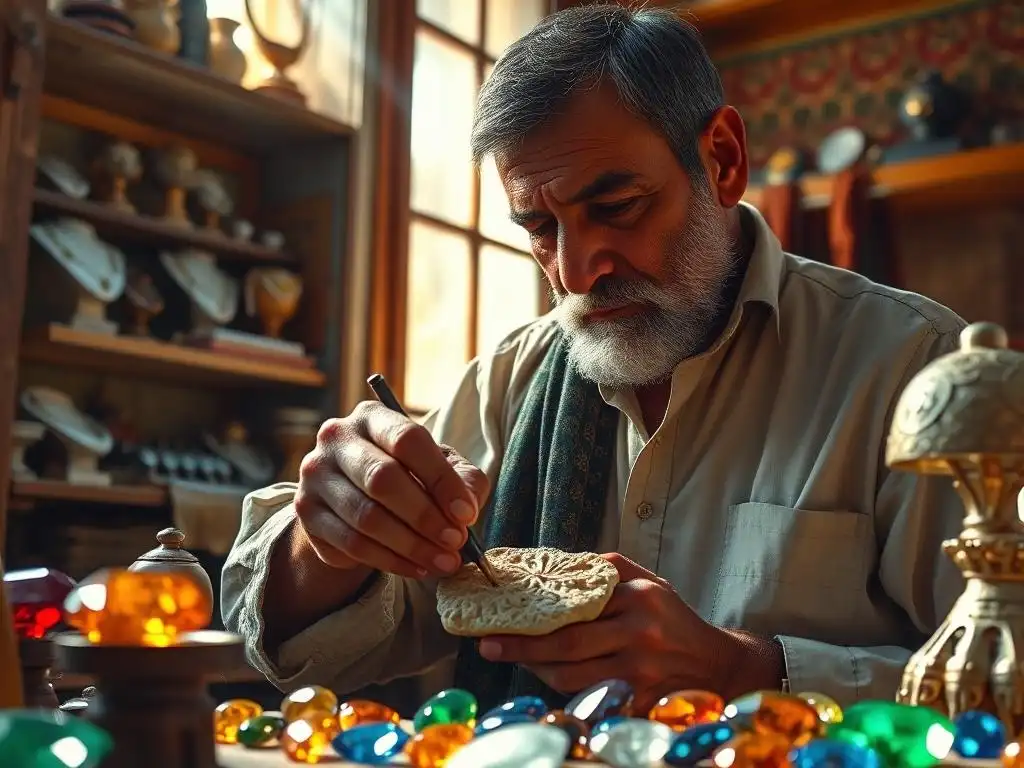
Welcome to Ancient India History, where we embark on a captivating journey through the rich and diverse tapestry of Indian civilizations. In our featured article, "The Future of Indian Gemstones: Preserving a Rich Heritage for Generations to Come," we delve into the mesmerizing world of Indian gemstones cultural heritage. Discover how the vibrant hues and intricate craftsmanship of these precious stones not only reflect the artistic spirit of ancient India but also play a vital role in sustaining our cultural narratives.
Join us as we explore the stories behind these gems and the legacy they carry, inspiring curiosity and a deeper appreciation for a heritage that continues to shine brightly through the ages. Keep reading to unearth the secrets of this dazzling legacy!
Introduction to Indian Gemstones Cultural Heritage
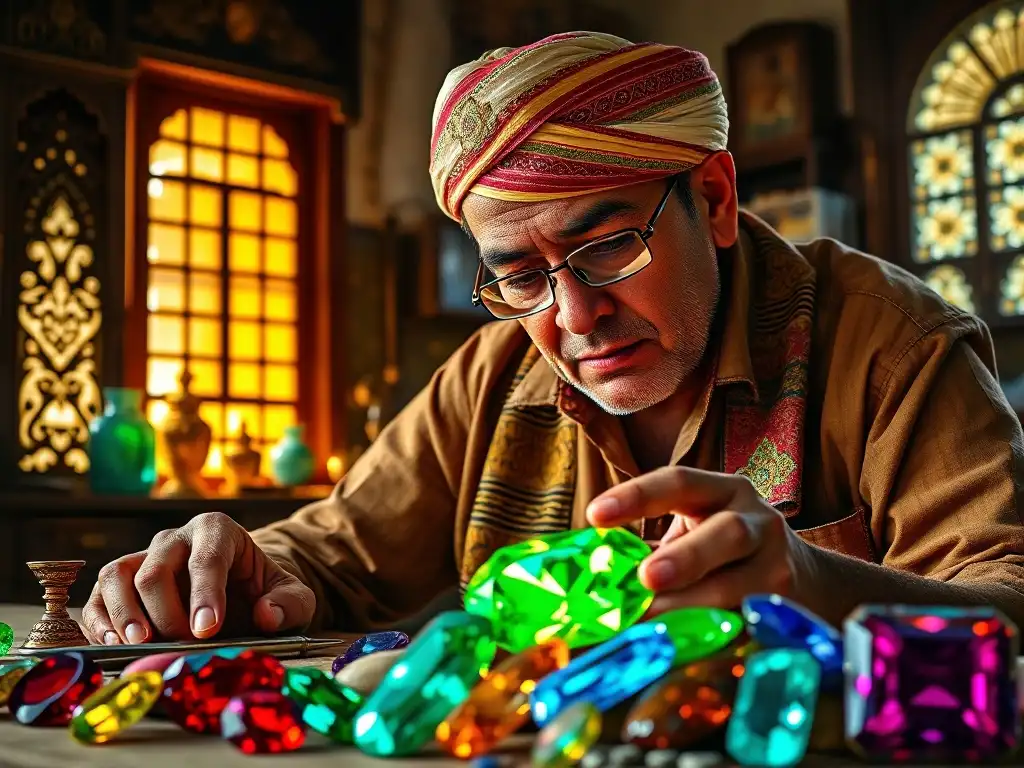
The realm of Indian gemstones is a vibrant tapestry woven through the rich and diverse history of the subcontinent. From the ancient streets of the Indus Valley Civilization to the opulent courts of the Mughal Empire, gemstones have held a place of paramount importance, not just as adornments but as symbols of status, spirituality, and artistry.
The cultural heritage surrounding Indian gemstones extends beyond mere aesthetics; it encapsulates the craftsmanship, traditions, and beliefs that have been passed down through generations. As we look to the future, it becomes imperative to explore how these precious stones not only reflect the past but also shape the identity of Indian culture today and tomorrow.
The Historical Significance of Indian Gemstones
Indian gemstones have played a pivotal role throughout history, serving as valuable commodities in trade and as integral elements of royal regalia. The Indus Valley Civilization (circa 3300–1300 BCE) is renowned for its early use of semi-precious stones like carnelian and agate, which were fashioned into intricate beads and seals. These artifacts not only exhibit the advanced craftsmanship of the time but also indicate the significance placed on gemstones in social and economic exchanges.
Key Historical Milestones:
- Mughal Era (1526–1857): The Mughals elevated gem-studded jewelry to an art form. The famous Koh-i-Noor diamond and the Hope diamond are prime examples of gemstones that became synonymous with power and prestige.
- Trade Routes: Indian gemstones were highly sought after along the Silk Road and maritime trade routes, facilitating cultural exchanges and influencing jewelry styles across the globe.
- Spiritual Symbolism: Many gemstones are associated with various deities in Hinduism and Buddhism, underscoring their spiritual significance and reverence in Indian culture.
Cultural Practices Surrounding Indian Gemstones
The cultural practices surrounding Indian gemstones are as varied and colorful as the stones themselves. From traditional rituals to contemporary uses, gemstones continue to play a vital role in the lives of many Indians.
Notable Practices Include:
- Astrological Beliefs: Many individuals wear specific gemstones believed to enhance their astrological fortunes. For instance, ruby is associated with the Sun and is thought to bring vitality and wealth.
- Ritualistic Uses: In Hindu weddings, gemstones are often incorporated into the bridal attire, symbolizing prosperity and good fortune.
- Craftsmanship Traditions: Regions like Jaipur are famed for their gemstone cutting and polishing techniques, where artisans utilize age-old methods to create exquisite jewelry pieces that reflect India's artistic heritage.
As we delve deeper into the future of Indian gemstones, it becomes essential to recognize and preserve this cultural heritage. By safeguarding the traditions and practices that have flourished over centuries, we can ensure that the beauty and significance of Indian gemstones continue to shine brightly for generations to come.
Challenges Facing the Preservation of Indian Gemstones
The preservation of Indian gemstones is fraught with numerous challenges that threaten the rich cultural heritage they embody. One of the primary issues is the commercial exploitation of gemstone resources, which often prioritizes profit over sustainable practices. This rampant mining can lead to the depletion of natural resources, adversely affecting local ecosystems and the communities that depend on them.
Another significant challenge is the lack of awareness regarding the historical and cultural significance of these gemstones. Many artisans and gem traders focus solely on market trends, neglecting the traditional techniques and stories that imbue these gemstones with value. This disconnect poses a risk of losing centuries-old craftsmanship and the unique identity tied to specific gemstones.
Additionally, the impact of globalization has introduced a wave of synthetic and mass-produced alternatives that flood the market. These imitations often overshadow authentic Indian gemstones, making it difficult for consumers to appreciate their true value. As a result, the demand for genuine gemstones diminishes, putting pressure on traditional mining and craftsmanship.
Lastly, climate change poses a growing threat to the environments where these gemstones are sourced. Fluctuating weather patterns can disrupt mining operations and affect the quality of gemstones. The combined effects of these challenges necessitate immediate attention to ensure the preservation of India's gemstone heritage for future generations.
Innovative Approaches to Preserve Indian Gemstones
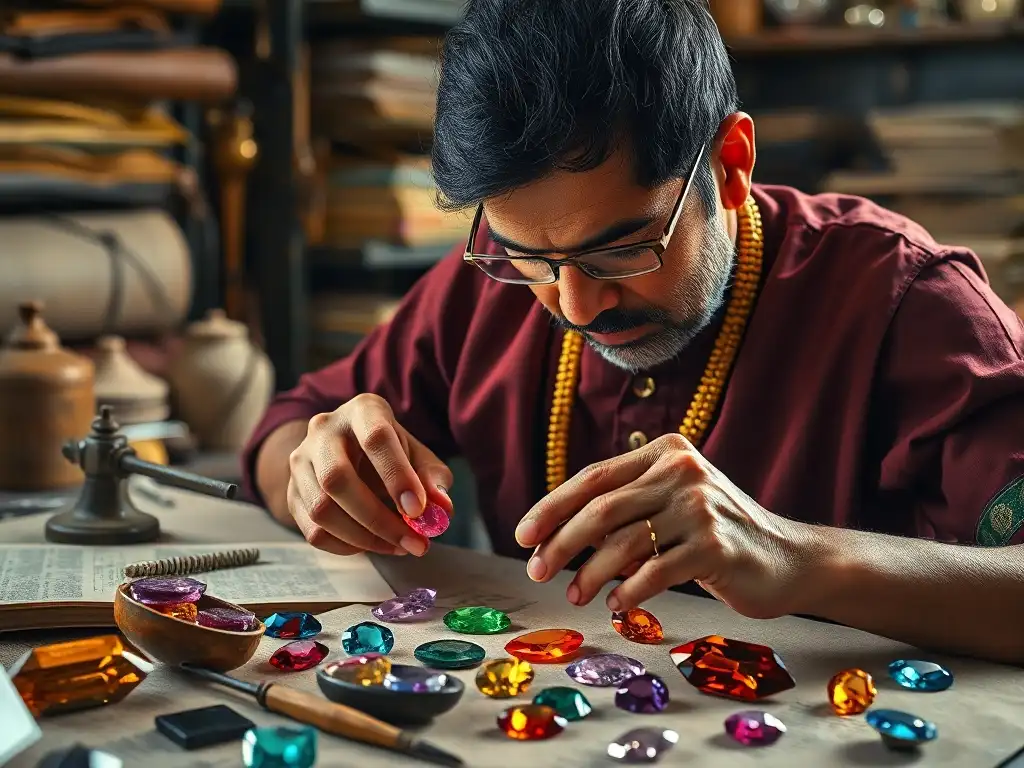
To combat the challenges faced in preserving Indian gemstones, several innovative approaches have emerged. One effective strategy is the promotion of sustainable mining practices that prioritize environmental conservation and community welfare. This includes the implementation of eco-friendly mining techniques and the establishment of regulations that restrict over-exploitation of resources. By balancing economic interests with environmental stewardship, the future of gemstone mining can be safeguarded.
Another promising approach is the integration of technology in gemstone identification and certification. Advanced methods such as laser inscription and blockchain technology can help authenticate gemstones, providing consumers with confidence in their purchases. This not only protects the heritage of authentic Indian gemstones but also empowers artisans by adding value to their work.
Collaborative initiatives between government bodies, NGOs, and local communities are also vital for preserving gemstone heritage. By fostering partnerships, stakeholders can work together to create awareness campaigns, educational programs, and conservation projects that highlight the importance of Indian gemstones. Such collaborations can also facilitate skill development among artisans, ensuring that traditional craftsmanship is passed down through generations.
Lastly, the revival of traditional arts and crafts associated with gemstones is crucial. Encouraging artisans to adopt and innovate upon ancient techniques can help maintain the cultural significance of gemstones. Workshops, exhibitions, and fairs can showcase these efforts, attracting interest and investment in preserving this unique heritage.
The Role of Education in Preserving Gemstone Heritage
Education plays a pivotal role in the preservation of Indian gemstones and their rich cultural heritage. By incorporating gemstone studies into educational curricula, schools and universities can foster a deeper understanding of the historical, cultural, and economic significance of gemstones among students. This knowledge not only cultivates appreciation but also inspires future generations to engage with and protect this heritage.
Moreover, community-based education programs can empower local artisans and gemstone traders by teaching them about sustainable practices, market trends, and the importance of preserving traditional techniques. Such programs can also emphasize the storytelling aspect of gemstones, helping artisans articulate the cultural narratives embedded in their work.
Workshops and training sessions focused on traditional craftsmanship can further enrich the skills of artisans, ensuring that the methods used in creating and processing gemstones are not lost. By encouraging innovation alongside tradition, education can bridge the gap between past practices and contemporary market demands.
Finally, awareness campaigns targeting consumers are essential. Educating the public about the value of authentic Indian gemstones and the importance of sustainable purchasing decisions can drive demand for ethically sourced products. By fostering a culture of informed consumerism, education can play a crucial role in preserving the future of Indian gemstones and their cultural heritage.
Future Trends in the Indian Gemstone Market
The Indian gemstone market is poised for significant transformation, driven by a combination of technological advancements, changing consumer preferences, and a growing appreciation for sustainable practices. One notable trend is the increasing demand for ethically sourced and conflict-free gemstones. Consumers are becoming more aware of the environmental and social impacts of gemstone mining, leading to a preference for stones that are mined and processed in ways that promote sustainability and community welfare.
Moreover, the rise of e-commerce has revolutionized how gemstones are bought and sold. Online platforms are now providing customers access to a wider range of gemstones, often with verified certifications that ensure quality and authenticity. This shift not only democratizes access to gemstones but also allows artisans and small-scale miners to reach a global audience, thereby enhancing their livelihoods.
Another significant trend is the integration of technology in gemstone valuation and certification. Innovations such as blockchain are being explored to create transparent supply chains, enabling consumers to trace the origin of their gemstones. This transparency is likely to build trust and foster a deeper appreciation for the cultural heritage tied to each stone.
Recommendations for Supporting Indian Gemstones Cultural Heritage
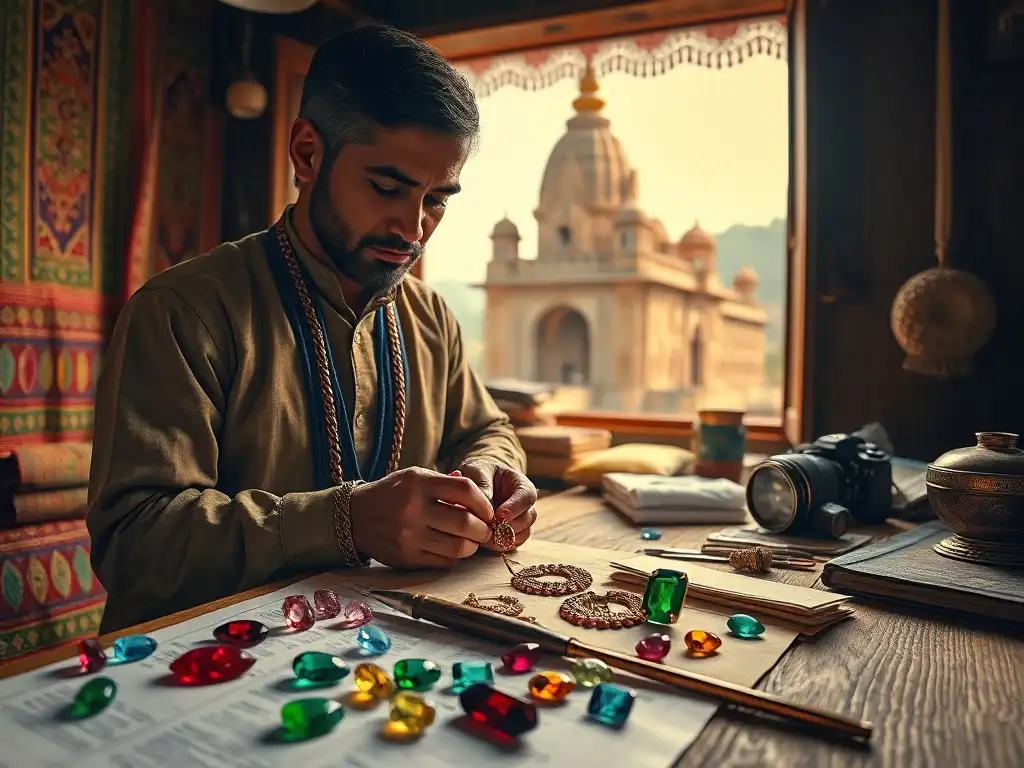
To ensure the preservation of Indian gemstones cultural heritage, several strategies can be implemented. First and foremost, education and awareness programs should be established to inform both consumers and artisans about the historical significance and craftsmanship involved in gemstone production. Workshops and community events can serve as platforms for sharing knowledge and fostering pride in this rich cultural legacy.
Another recommendation is to promote collaborations between artisans and designers. By encouraging partnerships that blend traditional techniques with contemporary designs, the unique characteristics of Indian gemstones can be showcased in new and exciting ways. This not only helps in keeping traditional craftsmanship alive but also attracts a younger audience interested in unique, culturally rich jewelry.
Government initiatives can also play a pivotal role in supporting the industry. Policies that provide financial assistance, training programs, and marketing support for local artisans can significantly enhance their capacity to produce high-quality gemstones while preserving traditional methods. Establishing fair trade practices will further enrich the cultural heritage by ensuring that artisans receive fair compensation for their work.
Finally, promoting tourism centered around gemstone heritage can create economic opportunities while educating visitors about India's rich history in this field. Tours highlighting traditional mining and crafting processes, as well as exhibitions showcasing the beauty of Indian gemstones, can inspire appreciation and respect for this vital cultural heritage.
Conclusion: A Call to Action for Future Generations
As we look towards the future of Indian gemstones, it is imperative for current and future generations to recognize the significance of preserving this cultural heritage. The rich history of gemstones in India is not just about beauty; it embodies stories of tradition, craftsmanship, and community. By embracing sustainable practices, supporting local artisans, and fostering education, we can ensure that these precious stones continue to reflect the cultural identity of India.
We call upon individuals, communities, and policymakers to take actionable steps toward preserving this heritage. Whether through conscious consumer choices, advocacy for artisan rights, or participation in educational initiatives, every effort counts. Together, we can safeguard the future of Indian gemstones, ensuring that they continue to shine brightly in the annals of history for generations to come.
References and Further Reading
To deepen your understanding of the rich tapestry of Indian gemstones and their cultural heritage, the following references and readings are highly recommended. These sources provide valuable insights into the historical significance, craftsmanship, and ongoing preservation efforts associated with Indian gemstones.
-
Books
-
"Indian Gemstones: A Comprehensive Guide" by R. S. Sharma
This book explores various gemstones found in India, their geographical origins, and cultural significance throughout history. It discusses the techniques used in gemstone mining and crafting, providing a thorough overview of the industry.
-
"The Art of Indian Jewelry" by Anjali Mehta
Anjali Mehta delves into the intricate designs and craftsmanship that characterize Indian jewelry, highlighting gemstone usage from ancient times to the present day.
-
"Gemstones of India" by Prakash Mehta
A detailed examination of the different gemstones native to India, this book offers insights into their properties, uses, and the cultural beliefs surrounding them.
-
-
Research Articles
-
"Cultural Significance of Gemstones in Ancient India" published in the Journal of Archaeological Science
This article investigates the role of gemstones in ancient Indian society, including their use in rituals, trade, and as symbols of power and status.
-
"Sustainable Practices in Gemstone Mining: A Case Study from India" in Environmental Science & Policy
This research focuses on the challenges and solutions in the gemstone mining sector, emphasizing the need for sustainable practices to preserve the environment and cultural heritage.
-
-
Web Resources
-
The Gemological Institute of America (GIA)
The GIA provides a wealth of educational resources on gemstones, including their origins, properties, and the cultural context of different gems, particularly those from India.
-
Cultural Heritage of India – UNESCO
The UNESCO website contains information on the cultural heritage of India, including the historical significance of gemstones and jewelry in various Indian cultures.
-
-
Documentaries and Films
-
"Gems of India: A Journey Through Time"
This documentary explores the historical journey of Indian gemstones, showcasing their significance in various cultures and traditions.
-
"The Craft of Indian Jewelry"
A visually stunning film that captures the craftsmanship behind Indian jewelry making, focusing on the artisans who work with gemstones.
-
By engaging with these resources, readers can gain a more comprehensive understanding of the cultural heritage of Indian gemstones and the importance of preserving this legacy for future generations.
- Introduction to Indian Gemstones Cultural Heritage
- The Historical Significance of Indian Gemstones
- Cultural Practices Surrounding Indian Gemstones
- Challenges Facing the Preservation of Indian Gemstones
- Innovative Approaches to Preserve Indian Gemstones
- The Role of Education in Preserving Gemstone Heritage
- Future Trends in the Indian Gemstone Market
- Recommendations for Supporting Indian Gemstones Cultural Heritage
- Conclusion: A Call to Action for Future Generations
- References and Further Reading
- What are the main types of Indian gemstones recognized for their cultural significance?
- How do Indian gemstones reflect the country’s cultural heritage?
- What is being done to preserve the cultural heritage of Indian gemstones today?
- Why are Indian gemstones important for understanding ancient Indian civilizations?
- How can one support the preservation of Indian gemstones and their cultural heritage?
Frequently Asked Questions
What are the main types of Indian gemstones recognized for their cultural significance?
Indian gemstones include diamonds, emeralds, rubies, and sapphires. Each has a unique cultural heritage and has been valued in Indian society for centuries.
How do Indian gemstones reflect the country’s cultural heritage?
Indian gemstones are often associated with mythology, tradition, and art, symbolizing wealth and spirituality. Their use in jewelry and adornments showcases the aesthetic values of ancient Indian civilizations.
What is being done to preserve the cultural heritage of Indian gemstones today?
Efforts include sustainable mining practices, education programs, and promoting artisan craftsmanship. These aim to ensure that the rich history and techniques are passed down through generations.
Why are Indian gemstones important for understanding ancient Indian civilizations?
They provide insights into trade routes, economic status, and social structures of ancient societies. The demand for these gems indicates their significance in cultural exchanges and historical narratives.
How can one support the preservation of Indian gemstones and their cultural heritage?
Support can be shown by purchasing from ethical sources, promoting local artisans, and participating in educational initiatives that raise awareness about the history and value of Indian gemstones.
Final Reflection: Preserving the Cultural Heritage of Indian Gemstones for Future Generations
The discussion surrounding Indian gemstones and their cultural heritage is not merely an exploration of beauty and craftsmanship; it is a vital conversation about identity, history, and sustainability. Today, as we face the rapid globalization of markets and the dilution of traditional practices, it becomes increasingly important to recognize the value of preserving these gemstones as symbols of our rich heritage. The future of Indian gemstones is intertwined with the stories they tell and the cultural significance they hold, reminding us that every gem is a fragment of our shared history.
The influence of Indian gemstones extends far beyond their aesthetic appeal; they are a testament to the craftsmanship and artistry that have been passed down through generations. As we navigate the complexities of modern society, the cultural significance of these gemstones serves as a reminder of our roots and the importance of maintaining our traditions. The beauty of a gemstone lies not only in its brilliance but also in the stories it carries.
This ongoing legacy shapes our cultural landscape, inspiring artisans and collectors alike to honor the past while innovating for the future. The preservation of this heritage is not just about the gems themselves, but about the communities and traditions that surround them.
As we reflect on the future of Indian gemstones, I invite you to consider your own connection to cultural heritage and the role you can play in its preservation. Whether through supporting local artisans, educating others about the significance of these gemstones, or simply cherishing the stories behind them, each of us has the power to contribute to this rich legacy. Let us embrace the responsibility of safeguarding our cultural treasures, ensuring that the beauty and significance of Indian gemstones continue to shine brightly for generations to come.
Embrace and Celebrate the Beauty of Indian Gemstones!
Thank you for taking the time to explore the rich tradition of Indian gemstones with us! Your interest helps keep this magnificent heritage alive. As you reflect on the insights gained, it's time to connect more deeply with this vibrant legacy and take meaningful action.
Here are a few ways you can contribute to preserving the future of Indian gemstones:
- Discover Your Piece: Visit a local jeweler who specializes in Indian gemstones and find a unique piece that resonates with you. By supporting skilled artisans, you help sustain their craft and promote the continued appreciation of these stunning gems!
- Share the Knowledge: Spread the word about Indian gemstones to your friends and family. Consider hosting a gem-themed gathering or sharing fascinating facts on social media to raise awareness and ignite interest.
- Engage with the Community: Join online forums or local groups dedicated to the appreciation of gemstones. Engaging with others who share your passion can deepen your understanding and help build a supportive community around this remarkable heritage.
How do you envision your role in preserving the rich history of Indian gemstones for future generations? Let's share our thoughts in the comments!