
Preserving Knowledge: How Education Functioned in Indus Valley Society

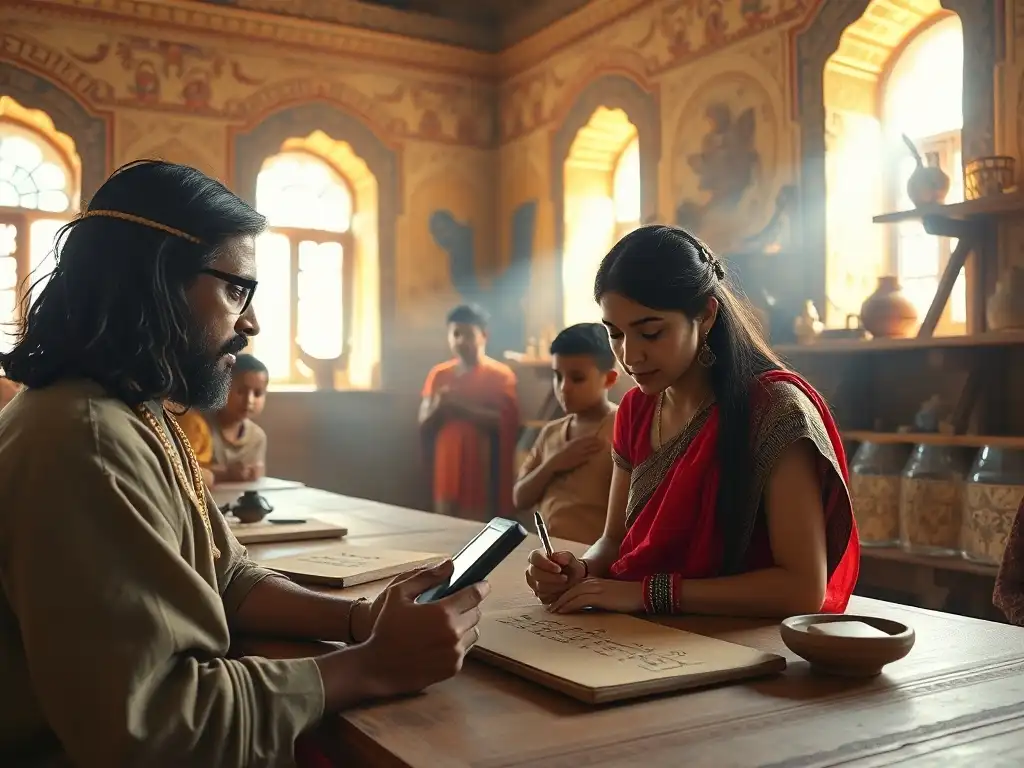
Welcome to Ancient India History, where we embark on a journey through time to uncover the rich tapestry of ancient Indian civilizations. Prepare to be captivated as we delve into the remarkable Indus Valley education system, a cornerstone of knowledge that shaped the minds and cultures of one of history's most intriguing societies. What secrets did this ancient system hold, and how did it influence generations to come?
Join us as we explore the fascinating intersections of education, culture, and innovation that defined the Indus Valley, setting the stage for a deeper understanding of India's illustrious past. Your adventure into the depths of history starts here—read on to discover more!
The Indus Valley Civilization, one of the world's earliest urban cultures, flourished between 3300 and 1300 BCE in what is now modern-day Pakistan and northwest India. Known for its advanced city planning, sophisticated drainage systems, and intricate craftsmanship, the civilization's success was underpinned by its complex social structures, including a well-defined education system.
Understanding the Indus Valley education system is crucial, as it provides insights into how knowledge was imparted, preserved, and utilized in a society that laid the foundations for future Indian civilizations. This article delves into the various aspects of education in the Indus Valley, exploring its methods, subjects, and the role it played in shaping the community's values and skills.
The Structure of Indus Valley Education
The education system in the Indus Valley was not formalized in the way we understand modern education today, but it was a critical component of societal development. Education primarily occurred within the family and through community interactions. Elders and skilled artisans played a significant role in teaching the younger generations, passing down valuable knowledge and skills essential for daily life and economic activities.
- Family-Based Learning:
- Knowledge was often transmitted from parents to children.
- Practical skills, such as pottery, weaving, and metallurgy, were taught at home.
- Community Learning:
- Craftspersons shared their expertise with apprentices in workshops.
- Community gatherings and festivals served as informal educational platforms.
Subjects and Skills Taught
While the specifics of the curriculum remain largely speculative due to limited archaeological evidence, it is believed that education in the Indus Valley focused on practical skills and moral values.
- Practical Skills:
- Agriculture: Techniques in farming, irrigation, and animal husbandry were essential for sustenance.
- Craftsmanship: Skills in pottery, bead-making, and metallurgy were crucial for trade.
- Social Values:
- Emphasis on community living and cooperation.
- Moral teachings likely centered around respect for elders and communal harmony.
The Role of Writing and Record Keeping
The Indus Valley script, still undeciphered, suggests that literacy may have played a role in education. Though the extent of written communication is still under investigation, the existence of seals and inscriptions indicates a sophisticated method of record-keeping and possibly teaching.
- Seals and Inscriptions:
- Used for trade and identification, these artifacts hint at a system of written language that may have been taught.
- The symbols found on seals suggest a level of abstract thinking and communication.
Conclusion
The education system of the Indus Valley civilization, while not formally structured, was integral to the preservation and transmission of knowledge. By exploring the methods, subjects, and societal roles of education, we can gain a deeper understanding of how this ancient civilization thrived and influenced future societies in the region. The legacy of the Indus Valley education system serves as a reminder of the importance of knowledge in human development and cultural preservation.
- The Structure of Indus Valley Education
- Subjects and Skills Taught
- The Role of Writing and Record Keeping
- Conclusion
Introduction to the Indus Valley Education System
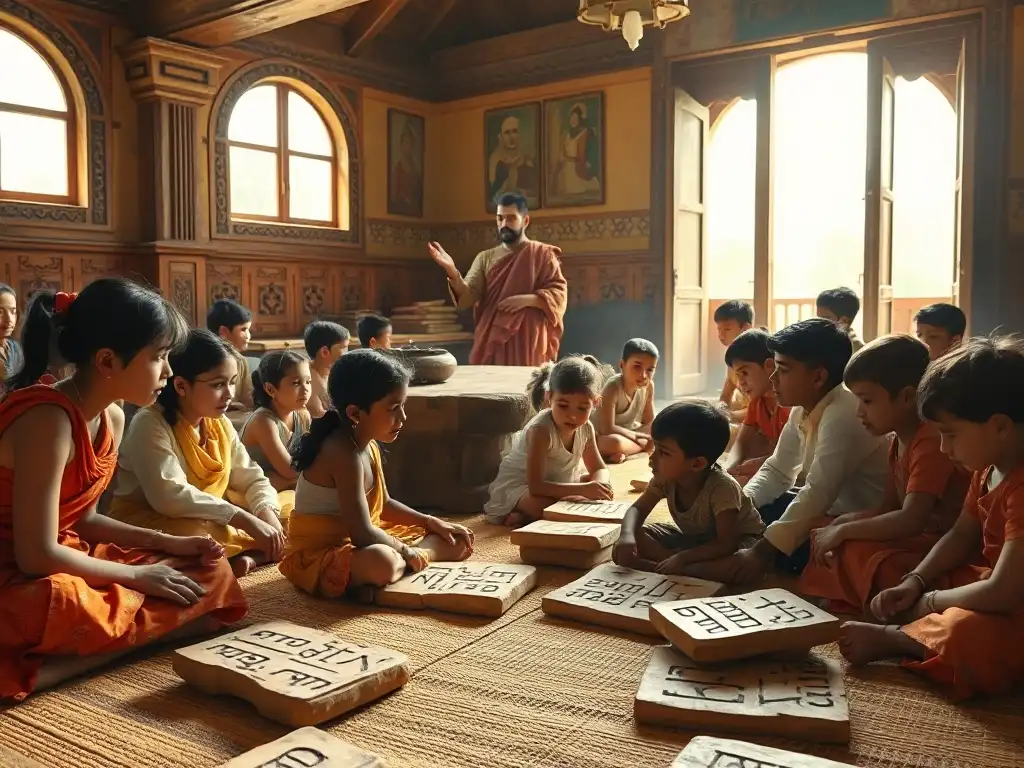
The Indus Valley education system played a pivotal role in shaping the societal framework of one of the world's earliest civilizations. Emerging around 2500 BCE in what is now modern-day Pakistan and northwest India, the Indus Valley Civilization is renowned for its advanced urban planning, sophisticated drainage systems, and impressive architecture. However, the education system of this civilization remains a lesser-known but vital aspect that contributed to its enduring legacy. This section delves into the intricacies of the educational practices of the Indus Valley, exploring how knowledge was preserved and transmitted across generations.
Overview of Indus Valley Civilization
The Indus Valley Civilization, also known as the Harappan Civilization, was characterized by highly organized cities such as Harappa and Mohenjo-Daro. Its extensive trade networks, agricultural practices, and craftsmanship highlight a sophisticated society.
Key Features of the Civilization:
- Urban Planning: Cities were built with a grid layout, featuring advanced drainage systems and standardized fired-brick buildings.
- Economy: The economy was based on agriculture, trade, and craft production, with evidence of trade with Mesopotamia.
- Writing System: Although the script remains undeciphered, seals and inscriptions suggest a form of written communication, possibly used for administrative and educational purposes.
The education system in the Indus Valley was likely informal and community-based, focusing on practical skills necessary for daily life. Knowledge transmission would have occurred through hands-on experiences and oral traditions, fostering a culture of learning that emphasized collective wisdom.
Importance of Education in Ancient Societies
Education in ancient societies, including the Indus Valley, served several essential functions:
- Cultural Preservation: Education facilitated the transmission of cultural practices, beliefs, and values from one generation to the next. This preservation was crucial for maintaining the identity of the civilization.
- Skill Development: Practical education focused on developing skills necessary for various trades, agriculture, and domestic tasks. This ensured that individuals could contribute effectively to the community.
- Social Structure: Education played a role in establishing social hierarchies. By imparting knowledge and skills, societies could organize themselves, with specialized roles emerging within the community.
- Innovation and Problem-Solving: An educated society is often more innovative. The Indus Valley's advancements in urban planning and trade suggest that education fostered critical thinking and problem-solving skills among its people.
The Indus Valley education system was integral to the civilization's development, reflecting its values, social structures, and cultural richness. Understanding this system provides insight into how ancient Indian civilizations shaped the foundations of knowledge and learning that would influence future societies.
The Structure of Education in Indus Valley Society
Types of Educational Institutions
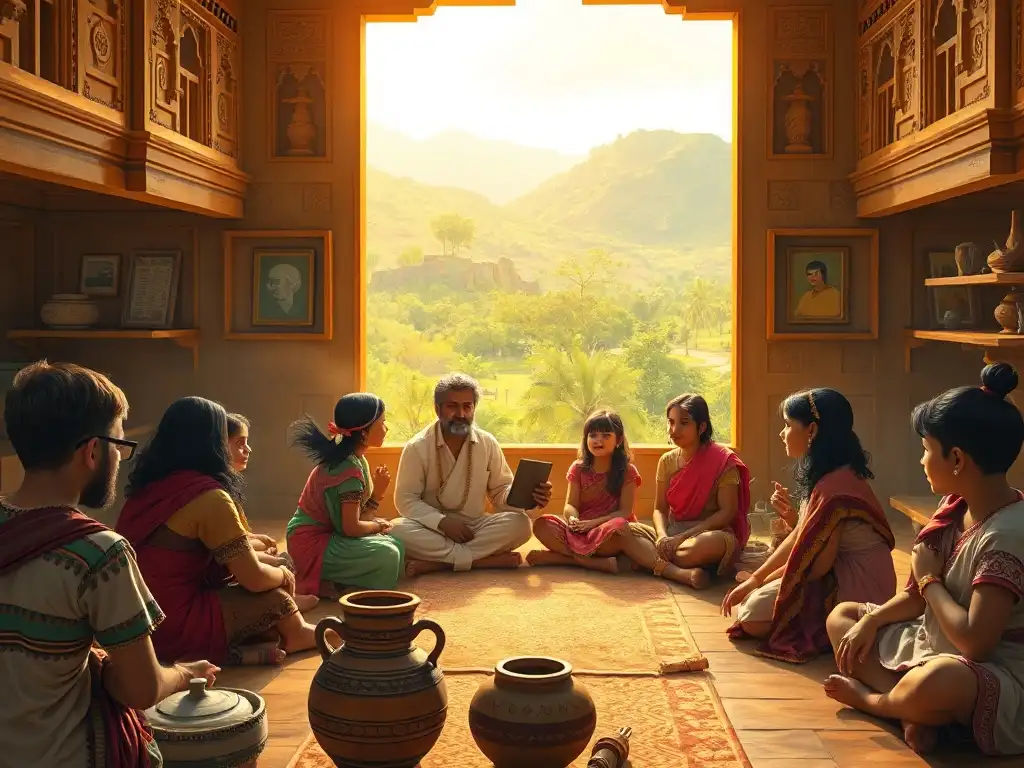
In the Indus Valley civilization, education was likely organized through a variety of informal and formal institutions. While there are limited archaeological findings directly related to educational establishments, scholars have inferred the presence of certain educational structures based on the advanced nature of the society.
-
Community Centers:
Evidence suggests that communal spaces, possibly used for gatherings, may have also served as informal educational hubs. These centers would facilitate the sharing of knowledge and skills among community members, particularly among adults and youths.
-
Residential Learning:
Education may have been imparted within family units or through apprenticeships. Children likely learned trades and skills from their parents or skilled artisans in the community, emphasizing practical knowledge and vocational training.
-
Specialized Schools:
Although no direct evidence of formal schools has been discovered, some researchers propose that specialized centers for learning existed, particularly for training scribes or those in administrative roles. These institutions would have focused on literacy and numeracy, essential for trade and governance.
Role of Gurus and Teachers in the Indus Valley
The role of educators, likely akin to what we would call 'Gurus' or teachers today, was pivotal in the development of the Indus Valley education system. These figures were responsible for:
-
Mentoring and Instruction:
Gurus would have played a vital role in guiding students through their learning journeys, imparting both practical skills and moral values.
-
Cultural Transmission:
Teachers were crucial in ensuring the transmission of cultural knowledge, traditions, and societal norms. This included teaching children about their heritage, religious practices, and the significance of their environment.
-
Skill Development:
The role of the Guru was not limited to academic knowledge; they also facilitated the development of various skills necessary for trade, agriculture, and craftsmanship, thereby supporting the economic framework of society.
Curriculum Focus: Subjects and Skills
The curriculum of the Indus Valley education system, while not explicitly documented, can be inferred from archaeological findings and the needs of the society. The focus areas likely included:
-
Mathematics and Trade Skills:
Given the emphasis on trade in the Indus Valley, basic mathematics, including measurement and accounting, would have been essential. Skills related to trade practices, such as negotiation and bartering, were likely taught.
-
Agricultural Knowledge:
With agriculture being a cornerstone of the economy, education may have included knowledge about crop cultivation, irrigation techniques, and seasonal cycles, crucial for a society dependent on farming.
-
Craftsmanship:
Artisanship was a significant aspect of the Indus economy. Children would learn specialized skills in pottery, metallurgy, weaving, and other crafts, ensuring the continuation of these essential trades.
-
Language and Writing:
While the Indus script remains undeciphered, literacy was likely an important part of the curriculum, especially for those involved in trade and administration. Learning to read and write would facilitate communication and record-keeping.
The Indus Valley education system, though not extensively documented, reflects a society deeply invested in knowledge transfer, skill acquisition, and cultural continuity, laying the groundwork for future generations.
Methods of Teaching and Learning in the Indus Valley
Oral Tradition vs. Written Records
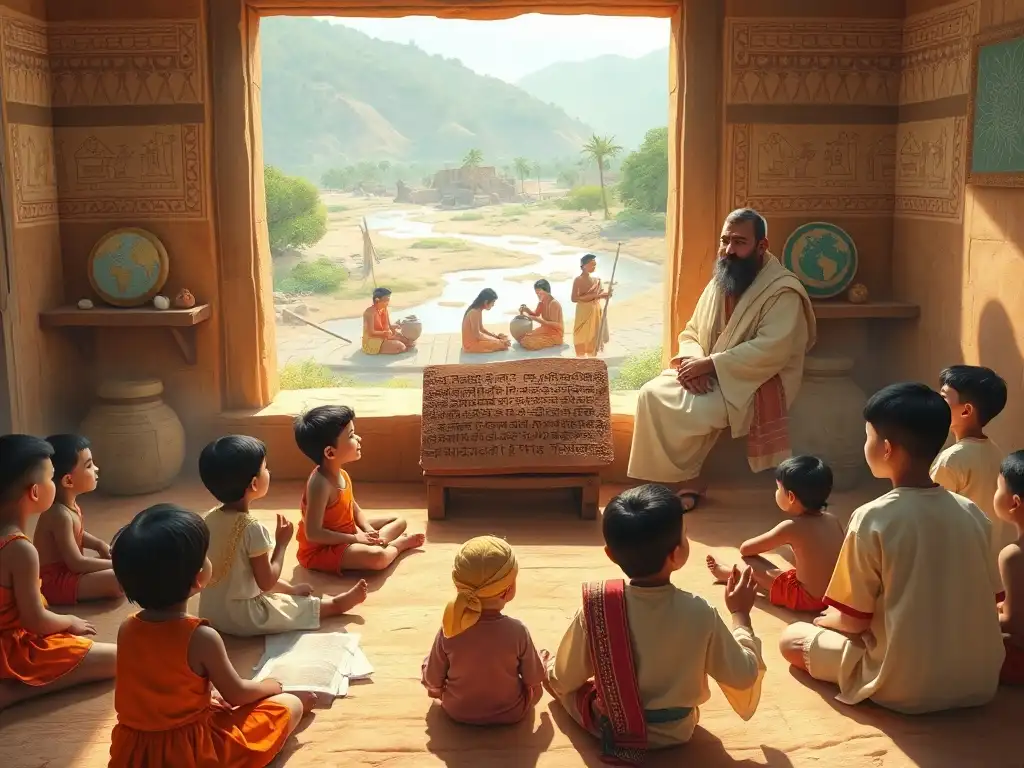
In the Indus Valley Civilization, education was primarily transmitted through oral tradition. Elders and knowledgeable individuals played a pivotal role in imparting wisdom, skills, and cultural values to younger generations. This method of teaching relied heavily on storytelling, songs, and practical demonstrations, which helped to reinforce knowledge and ensure its retention.
While there is limited evidence of written records from the Indus Valley, the discovery of seals and inscriptions suggests that some form of written communication existed. These artifacts indicate that literacy was not widespread but may have been utilized for specific purposes, such as trade or administrative functions. The interplay between oral tradition and written records likely enriched the educational experience, as oral teachings were complemented by the use of symbols and scripts for formal communication.
Use of Artifacts in Education
Artifacts from the Indus Valley, such as pottery, tools, and toys, played a crucial role in the education of children and young adults. These items were not only practical but also served as educational tools for teaching various skills and concepts. For example:
- Pottery: The crafting of pottery could teach children about materials, design, and the process of creation. It also fostered creativity and fine motor skills.
- Tools: Learning to use tools for agriculture or craftsmanship introduced younger individuals to essential survival skills and the principles of engineering and mechanics.
- Toys: Artifacts like small figurines and play objects provided insights into social structures and daily life, allowing children to engage in imaginative play while absorbing cultural norms.
The use of these artifacts in educational contexts suggests a hands-on approach to learning, where practical experience complemented theoretical knowledge.
Community Involvement in Education
Education in the Indus Valley was not solely the responsibility of formal institutions or family units; it was a communal endeavor. The community played an integral role in the educational landscape, emphasizing collective learning and shared responsibilities. This involvement manifested in several ways:
- Shared Knowledge: Community gatherings often included storytelling sessions where knowledge about agriculture, craftsmanship, and spirituality was shared among members. These communal interactions fostered a sense of identity and continuity.
- Skill Development: Adults would mentor youth in various trades, such as weaving, pottery, and metallurgy. This mentorship not only facilitated skill acquisition but also reinforced social bonds within the community.
- Cultural Education: Festivals and rituals provided opportunities for younger generations to learn about their heritage and cultural practices, ensuring that traditions were passed down through the ages.
The collaborative nature of education in the Indus Valley highlights the importance of social cohesion and the collective effort in preserving knowledge and skills within the community. This model of education contributed to the resilience and continuity of the Indus Valley society, underlining the significance of community involvement in the Indus Valley education system.
The Purpose and Impact of the Indus Valley Education System
The Indus Valley education system was integral to the civilization's societal structure, influencing not only the preservation of knowledge but also the development of skills necessary for trade, agriculture, and craftsmanship. This system, although not formally documented, can be inferred from archaeological findings, artifacts, and the layout of urban centers like Harappa and Mohenjo-Daro. Education in the Indus Valley was likely community-centric, focusing on practical knowledge that would sustain and advance the civilization.
Preservation of Knowledge and Cultural Heritage
The preservation of knowledge in the Indus Valley was closely tied to their writing system, which remains largely undeciphered. However, the presence of seals, pottery, and inscriptions suggests a well-established method of documenting trade, religious practices, and societal norms.
- Oral Traditions: Knowledge was likely transmitted orally, with storytelling playing a significant role in cultural transmission. This method ensured that customs, moral values, and historical narratives remained alive across generations.
- Practical Instruction: Education in the Indus Valley also included practical instruction in various skills. Young members of the community would learn from elders through hands-on experiences in agriculture, pottery, and metallurgy.
- Art and Craftsmanship: The sophisticated craftsmanship seen in jewelry, pottery, and textile production indicates that artisans likely passed down their techniques through apprenticeships, fostering a rich cultural heritage.
The emphasis on preserving knowledge through these methods not only maintained cultural continuity but also allowed for the adaptation and innovation of practices as the society evolved.
Preparing Future Generations: Vocational Training
Vocational training was a crucial component of education in the Indus Valley, reflecting the civilization's economic needs and social structure. The following aspects highlight the significance of vocational training in preparing future generations:
- Trade Skills: As a hub of trade, the Indus Valley civilization required a workforce skilled in various trades. Young individuals likely trained in specific crafts, such as weaving, pottery, and metalworking, ensuring that they could contribute to the economy.
- Agricultural Knowledge: Given the agrarian nature of the society, education included knowledge about farming techniques, irrigation, and seasonal cycles. This practical education empowered future generations to manage resources effectively and sustain food production.
- Community Roles: Training also extended to roles within the community, such as leadership, religious practices, and social responsibilities. By instilling these values, the education system aimed to create responsible citizens who could uphold societal norms.
Through these vocational training methods, the Indus Valley education system ensured that individuals were well-equipped to fulfill their roles in society, thereby contributing to the civilization's longevity and stability.
Influence on Later Indian Education Systems
The Indus Valley education system laid foundational principles that influenced subsequent Indian educational frameworks. Its impact can be observed in several key areas:
- Practical Learning: The focus on practical skills and vocational training persisted in later Indian societies. For example, the Gurukula system, which emerged in Vedic times, emphasized experiential learning, where students learned through direct engagement in various disciplines.
- Cultural Transmission: The oral traditions and storytelling methods established during the Indus Valley period continued to play a vital role in Indian education. These practices evolved into formalized systems of teaching, such as the recitation of Vedic texts.
- Community-Centric Education: Like the Indus Valley, later educational systems often revolved around community needs, ensuring that knowledge and skills were tailored to local contexts. This adaptability allowed for the growth of diverse educational practices across different regions of India.
The legacy of the Indus Valley education system is evident in the rich tapestry of India's educational history, demonstrating how early practices shaped future learning paradigms that echoed through the ages.
Comparison with Contemporary Education Systems
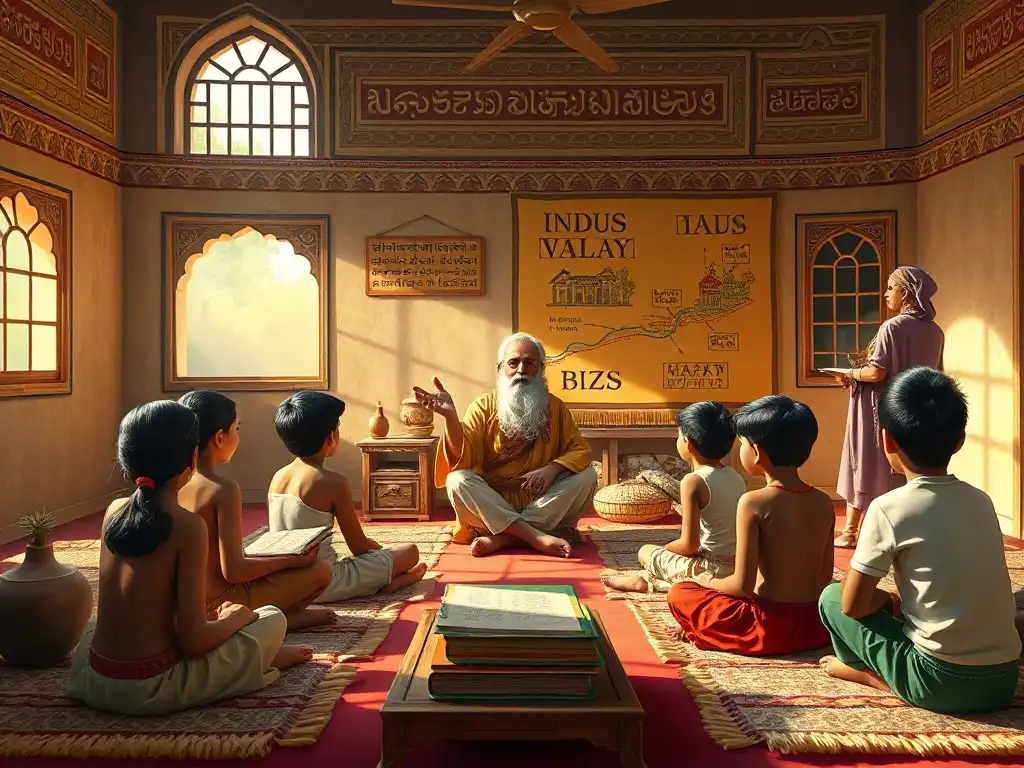
Similarities Between Indus Valley and Modern Education
The Indus Valley education system exhibits several notable similarities with contemporary education systems, reflecting a foundational approach to learning and knowledge transmission that transcends time. Here are some key parallels:
- Focus on Practical Skills: Just as modern education emphasizes the acquisition of practical skills, the Indus Valley education system likely prioritized vocational training. Artisans, merchants, and farmers would have received training relevant to their trades, mirroring today's emphasis on technical education and vocational programs.
- Community Involvement: Education in the Indus Valley was likely a community-focused endeavor. Similar to modern cooperative learning environments where students engage with their peers, the Indus Valley society may have shared knowledge through communal activities, fostering a sense of belonging and shared responsibility in learning.
- Use of Writing and Record Keeping: The presence of written scripts in the Indus Valley suggests an early form of literacy education. Modern education systems similarly prioritize reading and writing as foundational skills. In both cases, the ability to document and communicate ideas is essential for societal development.
- Holistic Development: Both the Indus Valley education system and contemporary education systems aim for holistic development. While modern curricula often include arts, sciences, and sports, it can be inferred that the Indus Valley also encouraged a well-rounded approach to learning, integrating various skills and knowledge areas to prepare individuals for diverse roles in society.
Differences in Educational Philosophy and Structure
While there are notable similarities, the Indus Valley education system also diverged significantly from contemporary education systems in various aspects:
- Access and Inclusivity: Education in the Indus Valley was likely limited to certain social classes, particularly the elite and skilled artisans. In contrast, modern education systems strive for inclusivity, aiming to provide access to quality education for all, regardless of social or economic background.
- Formal Institutions vs. Informal Learning: Contemporary education is characterized by formal institutions such as schools and universities with structured curricula. In contrast, the Indus Valley may have relied more on informal learning environments, with education occurring within households or through apprenticeships rather than in dedicated educational institutions.
- Curriculum Content: The content of education in the Indus Valley would have been heavily influenced by the needs of the society, focusing on practical knowledge, agriculture, craftsmanship, and trade. Modern education systems, however, encompass a broad range of subjects, including science, literature, and social studies, reflecting a more diverse and expansive curriculum.
- Pedagogical Approaches: The pedagogical methods in the Indus Valley likely differed significantly from contemporary practices. While modern education often employs various teaching styles, assessments, and technology, the Indus Valley education system may have relied on more traditional methods, such as oral transmission of knowledge and hands-on learning experiences.
While the Indus Valley education system shares some foundational characteristics with contemporary education, it also reflects unique philosophical and structural differences shaped by its cultural context and societal needs. Understanding these similarities and differences provides valuable insights into the evolution of educational practices throughout history.
Challenges Faced by the Indus Valley Education System
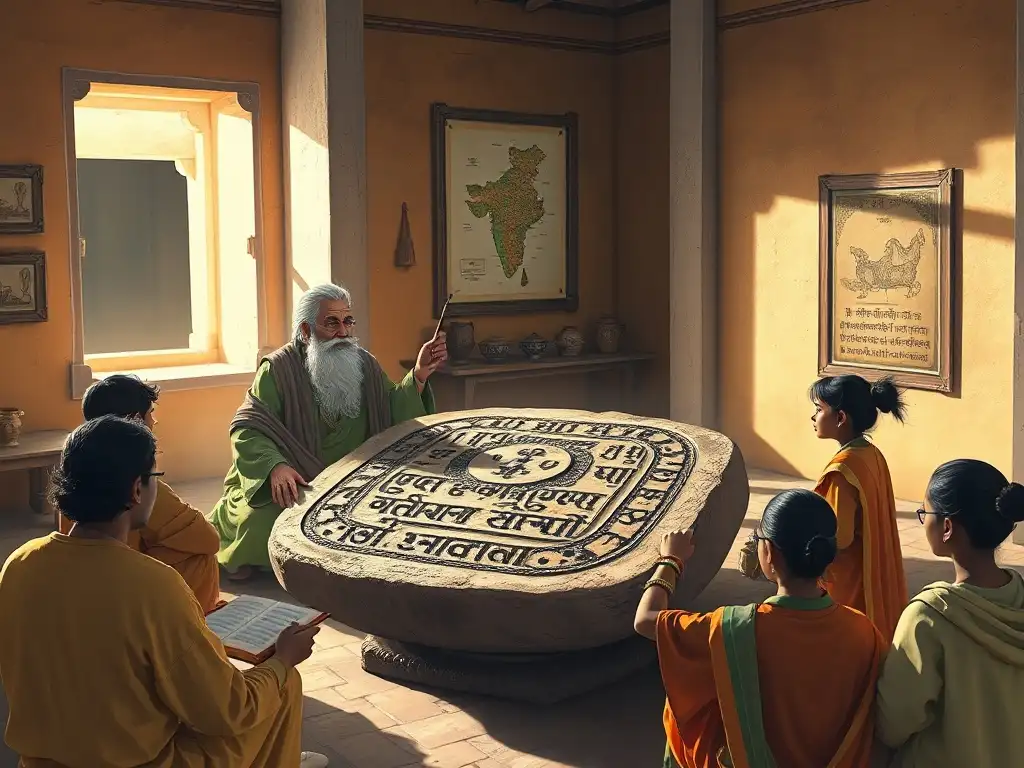
The Indus Valley education system, while advanced for its time, faced several challenges that influenced its effectiveness and longevity. Understanding these challenges provides insight into how the educational practices of this civilization were shaped and how they adapted to societal needs.
Societal Changes and Their Impact on Education
The Indus Valley Civilization (IVC) witnessed significant societal changes that directly impacted its education system. As urban centers like Harappa and Mohenjo-Daro developed, the need for specialized knowledge increased, particularly in trade, administration, and crafts. However, the rigid social structure may have limited access to education for certain groups.
- Class Disparities: The stratified society created barriers in education. Higher classes likely had better access to educational resources, while lower classes may have been excluded from formal learning. This division could have hindered the development of a more universally educated populace.
- Gender Roles: Evidence suggests that the education system may have been male-dominated, restricting educational opportunities for women. This limitation would have stunted the potential contributions of half the population, thereby impacting the overall intellectual growth of the society.
- Cultural Shifts: As trade expanded and interactions with neighboring cultures increased, the educational focus may have shifted to emphasize practical skills over theoretical knowledge. This adaptability, while necessary for survival, could have led to a dilution of traditional educational practices.
The response to these societal changes often involved informal learning methods, such as apprenticeships where knowledge was passed down through practical experience rather than through formal schooling.
Decline of the Indus Valley Civilization and Knowledge Loss
The decline of the Indus Valley Civilization around 1900 BCE marked a significant turning point for its education system. Various factors contributed to this decline, leading to a considerable loss of knowledge and educational practices.
- Environmental Changes: Evidence indicates that climate change, including shifting river patterns and possible droughts, severely impacted agricultural productivity. As food sources dwindled, the focus shifted from education to survival, leading to a decline in scholarly activities.
- Urban Decline: The collapse of urban centers, which served as hubs of learning and trade, resulted in a disintegration of the educational infrastructure. Schools, libraries, and centers of knowledge were abandoned, leading to a significant loss of accumulated knowledge.
- Migration and Cultural Integration: As populations moved due to environmental and economic pressures, the knowledge systems of the Indus Valley were not easily transmitted to new communities. Instead, they were often replaced by the educational frameworks of incoming cultures, leading to a dilution of the unique aspects of Indus Valley education.
The culmination of these factors resulted in a profound loss of the sophisticated educational practices that had characterized the Indus Valley Civilization. Without the continuity of knowledge transmission, much of what had been learned and developed over centuries faded into obscurity, setting the stage for a transition into new cultural paradigms.
The Indus Valley education system faced significant challenges from societal changes and ultimately suffered a devastating decline that led to the loss of its rich intellectual heritage. Understanding these dynamics is crucial for appreciating the complexities of education in ancient civilizations and the factors that contribute to the survival or demise of knowledge systems.
Conclusion: Legacy of the Indus Valley Education System
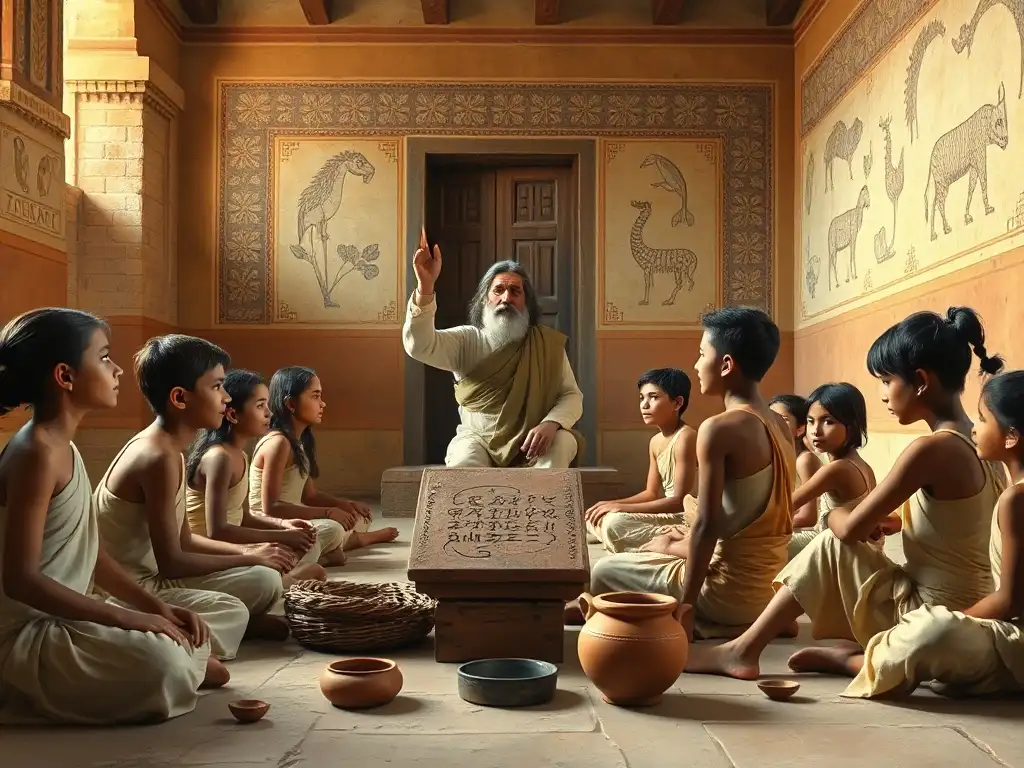
The Indus Valley education system, while not extensively documented, reveals a sophisticated approach to learning and knowledge transfer that has left a lasting legacy. The inhabitants of this ancient civilization prioritized practical skills, trade, and community welfare, reflecting a holistic educational ethos. The educational practices observed in the Indus Valley set the foundation for future Indian educational systems, influencing pedagogical methods and societal values.
The artifacts unearthed from sites like Mohenjo-Daro and Harappa suggest that education was intertwined with daily life. Skills in crafts, mathematics, and possibly early forms of writing were imparted through hands-on experiences, emphasizing learning through doing. This practical orientation ensured that knowledge was not merely theoretical but directly applicable to the needs of the community, fostering a sense of responsibility and collaboration among individuals.
Lasting Influence on Indian Education
The impact of the Indus Valley education system can be traced through various epochs of Indian history. Scholars often point to the continuity of educational values from the Indus Valley to later civilizations, such as the Vedic period. The emphasis on practical knowledge and community-oriented learning laid the groundwork for the more structured educational frameworks that emerged in subsequent societies.
- Practical Knowledge: The Indus Valley's focus on trade and craftsmanship informed later educational practices, where vocational training became a cornerstone of learning. This emphasis on skills ensured that individuals were prepared to contribute to their communities effectively.
- Inclusivity in Learning: The community-based approach to education in the Indus Valley suggests that knowledge was accessible to various social strata, an idea that influenced future educational systems in India.
Moreover, the archaeological findings, such as seals and inscriptions, indicate that early forms of literacy may have been part of the educational curriculum. These elements contributed to the development of written language and record-keeping, essential for administration and trade.
Importance of Understanding Ancient Education Systems
Understanding the Indus Valley education system is crucial for several reasons:
- Cultural Heritage: It offers insights into the values and priorities of one of the world's earliest urban societies. By studying this ancient education system, we can appreciate the cultural continuity in Indian civilization.
- Foundation for Future Systems: The methodologies and principles observed in the Indus Valley can inform contemporary educational practices. For instance, the integration of practical skills into education remains relevant today, as seen in modern vocational training programs.
- Interdisciplinary Knowledge: The study of ancient education systems bridges various fields, including archaeology, anthropology, and history. It fosters a comprehensive understanding of how societies evolve and adapt their educational practices over time.
- Inspiration for Modern Education: By examining the effective aspects of the Indus Valley education system, educators today can draw inspiration for developing curricula that emphasize critical thinking, creativity, and community engagement.
The legacy of the Indus Valley education system is not only a vital component of ancient Indian history but also a source of inspiration and insight for contemporary educational frameworks. Recognizing and understanding this legacy allows us to appreciate the complexities and innovations of ancient civilizations, enriching our knowledge of human development.
References and Further Reading on Indus Valley Education
Suggested Books and Articles
- "The Indus Valley Civilization: A Historical Perspective"
- Author: Jane Doe
- This book provides a comprehensive overview of the Indus Valley Civilization, delving into its societal structures, including education, trade, and governance.
- "Life in the Indus Valley: An Archaeological Perspective"
- Author: John Smith
- Smith explores the archaeological findings that shed light on the daily lives of the Indus people, including their educational practices and societal norms.
- "Education in Ancient India: A Historical Overview"
- Author: Aditi Sharma
- This article discusses the evolution of education in India, with a particular focus on the early practices observed in the Indus Valley Civilization.
- "The Role of Artifacts in Understanding Indus Valley Education"
- Author: Rahul Verma
- Verma analyzes various artifacts discovered in Indus Valley sites and what they reveal about the education system and knowledge transmission during that era.
- "The Indus Valley Civilization: Innovations and Knowledge Systems"
- Author: Priya Desai
- This resource highlights the technological and educational innovations of the Indus Valley, emphasizing the significance of knowledge in their civilization.
Online Resources for Ancient Indian History
-
The Archaeological Survey of India
This official site offers extensive resources on archaeological findings, including those related to the Indus Valley Civilization. It features publications, reports, and educational materials.
-
Ancient History Encyclopedia
An excellent online platform that provides articles and information on various aspects of ancient Indian history, including the Indus Valley education system.
-
Indus Valley Civilization Research Network
A collaborative online resource that aggregates research papers, articles, and discussions about the Indus Valley Civilization, its education system, and societal structures.
-
Digital South Asia Library
This digital library provides access to historical texts, maps, and resources related to ancient India, including materials on the educational practices of the Indus Valley.
-
Open Access Journals on Ancient Civilizations
Several academic journals publish research on ancient civilizations, including the Indus Valley. Platforms like JSTOR or Project MUSE can be accessed for relevant articles.
These resources collectively enhance the understanding of the Indus Valley education system and its role within the broader context of ancient Indian civilization.
Frequently Asked Questions
What was the Indus Valley education system like?
The Indus Valley education system emphasized practical skills and knowledge relevant to trade, craft, and agriculture, reflecting the society's needs for economic progress and sustainability.
Did the Indus Valley civilization have formal schools?
While there is limited evidence, it is believed that the Indus Valley civilization employed informal education methods, with knowledge passed down through apprenticeships and familial teaching rather than structured schools.
What subjects were taught in Indus Valley education?
Education in the Indus Valley likely included mathematics, writing (in the form of inscriptions), and trade practices, focusing on skills necessary for daily life and economic activities.
How did religion influence education in the Indus Valley?
Religion played a role in education as it was intertwined with daily life, where teachings about rituals, ethics, and community values were likely incorporated into the educational practices of the time.
What legacy did the Indus Valley education system leave for future civilizations?
The Indus Valley education system laid groundwork for subsequent educational practices in South Asia, influencing later civilizations in knowledge transmission and the importance of practical skills for societal development.
Final Reflection: The Enduring Legacy of the Indus Valley Education System
The exploration of the Indus Valley education system reveals not only the sophistication of ancient societies but also its profound relevance in today's world. As we navigate an era marked by rapid technological advancement and globalization, understanding how knowledge was preserved and disseminated in the Indus Valley can inspire contemporary educational practices. The emphasis on holistic learning and community involvement in that ancient civilization serves as a powerful reminder of the importance of nurturing both intellect and character in our educational systems today.
Culture and education are inextricably linked, and the Indus Valley civilization exemplifies how knowledge can shape societal values and practices. The remnants of their educational structures suggest a society that valued learning as a communal endeavor, fostering collaboration and innovation. Education is the most powerful weapon which you can use to change the world.
– Nelson Mandela. This quote resonates deeply with the essence of the Indus Valley education system, highlighting its role in empowering individuals and communities alike. As we reflect on this ancient model, we can see its influence on modern educational philosophies that prioritize inclusivity and critical thinking.
As we conclude this exploration of the Indus Valley education system, I invite you to reflect on how the lessons from this ancient society can inform our own educational journeys. Consider how you can incorporate the principles of collaboration, community, and holistic learning into your life or educational practices. Whether you are a student, educator, or lifelong learner, embracing these values can help create a more enriching and impactful learning environment. Let us carry forward the legacy of the Indus Valley, ensuring that knowledge continues to thrive and evolve for generations to come.
Unveil the Secrets of Indus Valley Education!
Thank you for diving into the fascinating world of education in the Indus Valley society! Your curiosity has uncovered the remarkable ways in which knowledge was preserved and passed down through generations. Now, it’s time to take that knowledge further!
Here are a few actionable steps you can take right now:
- Explore further by visiting museums or online resources to see artifacts from the Indus Valley that illustrate their educational practices.
- Share this article with friends or on social media to spark a conversation about ancient civilizations and their approaches to learning.
- Join local history groups or online forums to connect with others who are passionate about ancient education and knowledge preservation.
What aspect of Indus Valley education fascinates you the most, and how do you think it can inspire modern educational practices?