
The Maurya Empire as a Model of Efficiency: Governance Techniques Explored


Welcome to Ancient India History, where we embark on an enlightening journey through the vast tapestry of India's past. Here, we delve into the Maurya Empire governance techniques, exploring how this remarkable civilization established a model of efficiency that shaped the political landscape of ancient India. What innovative strategies did the Maurya rulers employ to maintain order and prosperity? Join us as we uncover the secrets behind their success and invite you to dive deeper into the rich, diverse history and culture that continues to inspire today. Your adventure into the legacies of ancient Indian civilizations begins now!
The Maurya Empire, which thrived in ancient India from approximately 322 to 185 BCE, stands as a remarkable example of efficient governance that significantly influenced the political landscape of the subcontinent. Founded by Chandragupta Maurya and expanded under the rule of his grandson Ashoka, this empire is celebrated not only for its vast territorial expanse but also for its sophisticated administrative techniques. The governance methods employed by the Maurya Empire were instrumental in managing diverse populations, upholding law and order, and promoting economic prosperity.
This article delves deep into the various governance techniques of the Maurya Empire, illustrating how they laid the groundwork for future administrations in India and beyond. By exploring aspects such as centralization of power, bureaucratic organization, taxation systems, and legal frameworks, we aim to highlight the efficiency and effectiveness of Maurya governance. This examination will not only provide insights into historical practices but will also demonstrate the lasting impact of these techniques on subsequent Indian civilizations.
The Structure of Maurya Governance
The Maurya Empire's governance structure was characterized by a highly centralized authority, which was crucial for maintaining control over its vast territories. At the helm was the emperor, who wielded immense power and was viewed as a divine ruler. Below the emperor, a complex bureaucratic system was established to ensure effective administration across different regions.
- Emperor: The supreme authority responsible for law-making and military commands.
- Council of Ministers: Advisors to the emperor, often comprising experienced statesmen and military leaders.
- Provincial Governors: Appointed to oversee various regions, ensuring local governance aligned with imperial policies.
This hierarchical structure enabled efficient decision-making and effective implementation of laws and policies throughout the empire.
Bureaucratic Organization and Administration
The Maurya Empire's bureaucratic organization was advanced for its time, featuring a well-defined system that promoted accountability and efficiency. Administrative tasks were divided among various departments, each overseen by officials who reported directly to the emperor or provincial governors.
- Key Departments:
- Taxation: Responsible for revenue collection and financial management.
- Justice: Handled legal matters and ensured the enforcement of laws.
- Infrastructure: Managed public works, including roads, irrigation, and urban planning.
This division of labor allowed for specialization within the administration, leading to more effective governance.
Taxation and Economic Management
One of the critical components of the Maurya Empire's governance techniques was its sophisticated taxation system. The empire employed various forms of taxation to fund its administration and military while ensuring economic stability.
- Types of Taxes:
- Agricultural Tax: Levied on farmers, a significant source of revenue given the agrarian economy.
- Trade Tax: Imposed on merchants and traders, facilitating trade across the empire.
- Land Revenue: Collected based on land ownership and productivity.
By balancing the burden of taxation with the needs of the populace, the Maurya Empire managed to foster economic growth and stability.
Legal Framework and Justice System
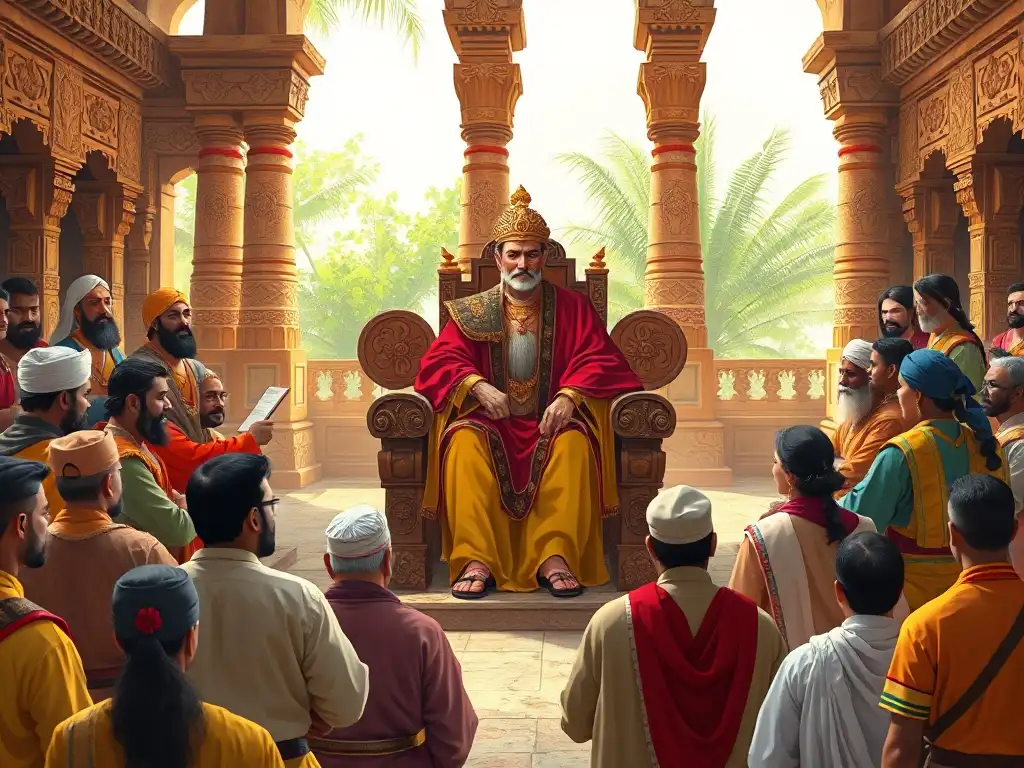
The Maurya Empire also established a comprehensive legal framework that emphasized justice and order. Ashoka, in particular, is noted for his efforts to promote Dharma, or righteous conduct, as a guiding principle for governance.
- Legal Principles:
- Code of Law: Standardized laws that applied to all citizens, promoting equality.
- Judicial System: Local courts facilitated access to justice and resolved disputes efficiently.
This robust legal framework not only maintained social order but also cultivated a sense of fairness within the empire.
Legacy of Maurya Governance Techniques
The governance techniques employed by the Maurya Empire had a profound and lasting impact on subsequent Indian administrations. The principles of centralized authority, bureaucratic organization, effective taxation, and a fair legal system can be observed in later dynasties, shaping the trajectory of Indian governance throughout history.
The Maurya Empire serves as a model of efficiency in governance, showcasing techniques that effectively addressed the challenges of ruling a vast and diverse territory. By examining these methods, we gain valuable insights into the foundations of political and administrative practices that have influenced not only ancient India but also modern governance concepts.
- The Structure of Maurya Governance
- Bureaucratic Organization and Administration
- Taxation and Economic Management
- Legal Framework and Justice System
- Legacy of Maurya Governance Techniques
- What were the key governance techniques of the Maurya Empire?
- How did the Maurya Empire ensure effective communication across its vast territory?
- What role did Dharma play in the governance of the Maurya Empire?
- Who was the most notable ruler of the Maurya Empire, and what were his contributions?
- How did the Maurya Empire influence later Indian governance?
Introduction to the Maurya Empire
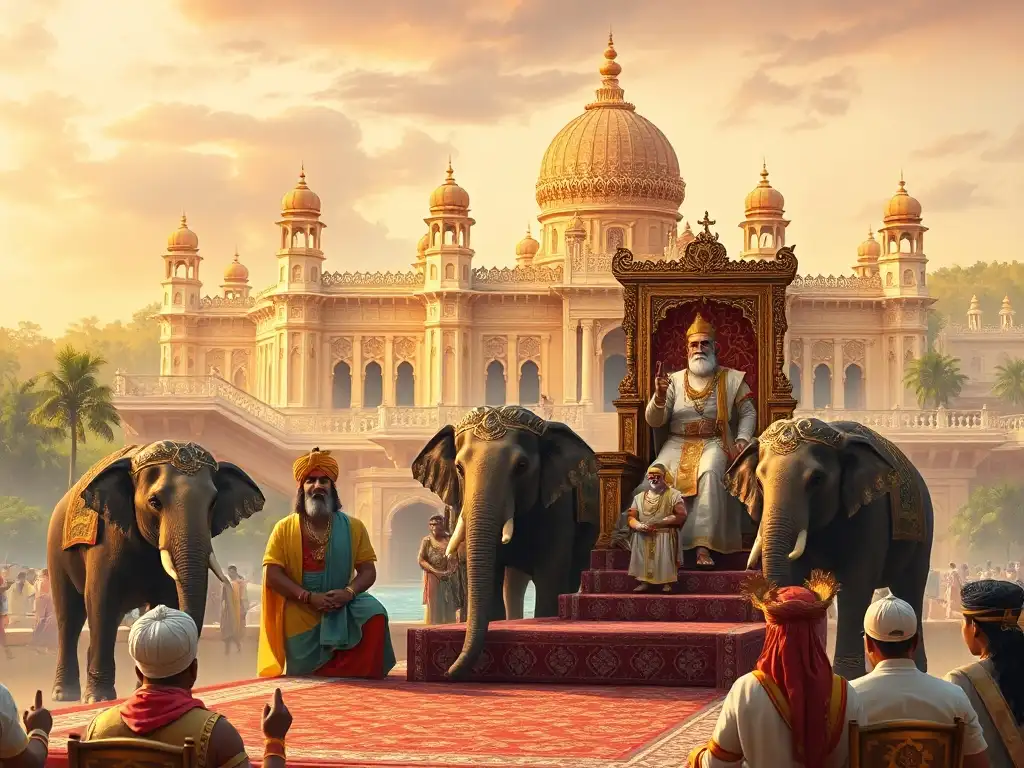
The Maurya Empire was one of the most significant and influential empires in ancient India, spanning from 322 to 185 BCE. It marked a pivotal moment in Indian history, characterized by unprecedented political unification and administrative sophistication. Under the leadership of Chandragupta Maurya and his grandson Ashoka, the empire implemented governance techniques that not only facilitated efficient administration but also left a lasting legacy on Indian civilization and beyond. This section delves into the historical context, the importance of governance, and the objectives of exploring the governance techniques of the Maurya Empire.
Overview of the Maurya Empire's Historical Context
The Maurya Empire emerged in the aftermath of the fragmented political landscape of the Indian subcontinent, marked by small kingdoms and regional powers. Following the decline of the Nanda Dynasty, Chandragupta Maurya established the empire with the support of his mentor, Chanakya (Kautilya), a renowned scholar and strategist.
The Maurya Empire reached its zenith under Ashoka, who significantly expanded its territory to cover most of the Indian subcontinent. This expansion was not merely territorial; it was also a time of cultural and economic flourishing. The introduction of standardized weights and measures, a uniform currency, and an extensive road network facilitated trade and communication across the empire. The historical context of the Maurya Empire underscores the necessity for effective governance techniques, as it laid the groundwork for a stable and prosperous society.
Importance of Governance in Ancient Indian Civilizations
Governance in ancient Indian civilizations was pivotal for maintaining social order, economic stability, and cultural continuity. The Maurya Empire's governance techniques are particularly noteworthy for several reasons:
- Centralized Authority: The Maurya Empire established a strong central government that consolidated power and resources, which allowed for effective decision-making and resource allocation.
- Administrative Divisions: The empire was divided into provinces (Mahajanapadas), each governed by appointed officials, ensuring localized governance while maintaining overarching imperial authority.
- Legal Systems: The codification of laws and regulations provided a framework for justice, facilitating the resolution of disputes and the maintenance of public order.
The importance of these governance techniques cannot be overstated, as they set a precedent for future Indian rulers and influenced governance models in neighboring regions.
Objectives of Exploring Governance Techniques
Understanding the governance techniques of the Maurya Empire serves several essential objectives:
- Analysis of Efficiency: Evaluating how the Maurya Empire managed its vast territory and diverse populations can provide insights into effective governance practices.
- Cultural Integration: The study of governance techniques reveals how the empire integrated various cultures and communities, fostering a sense of unity and identity within its borders.
- Lessons for Modern Governance: The Maurya Empire's administrative strategies can offer valuable lessons for contemporary governance, particularly in terms of centralization, local administration, and legal frameworks.
- Historical Legacy: Exploring these governance techniques helps illuminate the empire's enduring impact on subsequent Indian dynasties and the evolution of governance in the region.
The Maurya Empire's governance techniques exemplify a model of efficiency that not only shaped ancient India's political landscape but also resonates in modern governance discussions. Understanding this historical framework aids in appreciating the complexities and achievements of one of the ancient world's most remarkable civilizations.
Key Governance Techniques of the Maurya Empire
The Maurya Empire, which flourished from 322 to 185 BCE, is often regarded as one of the most efficient and well-organized empires in the annals of ancient history. The governance techniques employed during this period laid the groundwork for effective administration and contributed significantly to the empire's vast territorial expansion and economic prosperity. This section delves into the key governance techniques of the Maurya Empire, highlighting their centralized administration and efficient taxation systems.
Centralized Administration
Centralized administration was a cornerstone of the Maurya Empire's governance structure. This approach allowed for streamlined decision-making and effective implementation of policies across the vast territory.
Role of the Emperor in Governance
The emperor, particularly Ashoka the Great, played a pivotal role in the governance of the Maurya Empire. His authority was absolute, and he was viewed as the ultimate source of law and order. Ashoka's reign is notable for:
- Promotion of Dharma: He emphasized the principles of Dharma (moral law) as a guiding philosophy for governance. This approach fostered a sense of ethical responsibility among officials, encouraging them to act in the best interest of the populace.
- Proactive Communication: The emperor employed edicts inscribed on pillars and rocks throughout the empire to communicate policies and ethical mandates directly to the people. These edicts promoted social welfare and non-violence, reinforcing the emperor's role as a benevolent ruler.
- Direct Oversight: Ashoka maintained direct oversight of regional governors, ensuring that they adhered to imperial policies. This allowed for rapid response to local issues and ensured uniformity in governance.
Structure of the Mauryan Bureaucracy
The Mauryan bureaucracy was characterized by a hierarchical structure that facilitated efficient governance. Key features include:
- Provincial Administration: The empire was divided into several provinces, each governed by a viceroy or a governor who reported directly to the emperor. This decentralization of power ensured local governance while maintaining central authority.
- Specialized Departments: Various departments were established to manage different aspects of governance, such as finance, agriculture, and law enforcement. This specialization allowed for more effective administration and problem-solving.
- Regular Training: Officials were regularly trained in administrative techniques and ethics, ensuring a competent bureaucracy capable of addressing the complexities of governance.
Efficient Taxation Systems
The Maurya Empire's taxation system was crucial for funding its vast administrative apparatus and military endeavors. This efficient taxation approach played a significant role in the empire’s economic stability and growth.
Types of Taxes Implemented
The Maurya Empire employed a variety of taxes to ensure a steady revenue stream:
- Land Revenue: One of the primary sources of income, land revenue was collected from farmers based on the agricultural output. The tax rate was typically around 25% of the harvest, which was considered reasonable and sustainable for farmers.
- Trade Taxes: The empire imposed taxes on goods traded within and outside its borders. These taxes facilitated commerce and contributed to the empire's wealth.
- Customs Duties: Along with trade taxes, customs duties were levied on imports and exports, further enhancing the empire’s revenue.
Impact on Economic Prosperity
The efficient taxation systems of the Maurya Empire had a profound impact on its economic prosperity:
- Infrastructure Development: The revenue generated from taxes was reinvested into infrastructure, including roads, irrigation systems, and urban development, which enhanced trade and commerce.
- Market Regulation: By maintaining a stable and predictable taxation system, the Maurya Empire fostered a conducive environment for trade, leading to increased market activity and economic growth.
- Public Welfare: Tax revenues were also allocated for public welfare projects, including hospitals, education, and religious institutions, contributing to the overall well-being of the populace.
The governance techniques of the Maurya Empire, characterized by centralized administration and efficient taxation systems, not only facilitated effective control over a vast territory but also promoted economic prosperity and social welfare, making it a model of governance in ancient Indian history.
Communication and Infrastructure in Governance
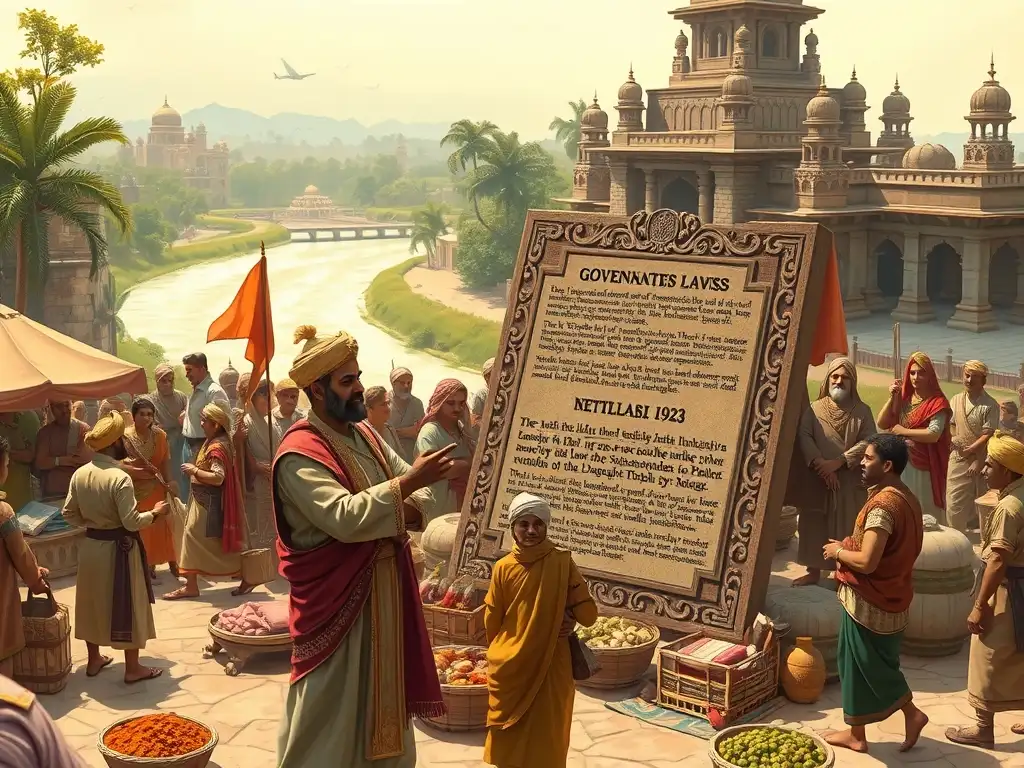
The Maurya Empire is renowned for its sophisticated governance techniques, particularly in the realms of communication and infrastructure. These aspects were pivotal in the efficient administration of vast territories and contributed significantly to the empire's strength and stability. The Mauryan rulers employed various strategies to ensure effective communication across their domains, linking different regions and facilitating the movement of goods, people, and information.
Development of Communication Channels
The Maurya Empire established a comprehensive communication network that was crucial for its governance. The rulers implemented several methods to enhance the flow of information, which in turn aided their administrative control and decision-making processes.
Use of Messengers and Written Edicts
One of the primary methods of communication was the extensive use of messengers. Trained couriers were dispatched throughout the empire to relay important messages, decrees, and orders from the central authority to local governors and officials. This system ensured that information was transmitted quickly and efficiently, allowing the central government to maintain direct oversight over distant provinces.
In addition to verbal communication, the Mauryan administration utilized written edicts to communicate policies and regulations. The famous Edicts of Ashoka, inscribed on pillars and rocks across the empire, are prime examples of this practice. These edicts not only conveyed the emperor's directives but also served to promote ethical governance and social welfare. The use of a common script, such as Brahmi, helped in standardizing communication across diverse linguistic groups.
Infrastructure Projects
The Maurya Empire's governance techniques also encompassed significant infrastructure projects that facilitated communication and trade. These projects were instrumental in enhancing the empire's economic stability and administrative efficiency.
Roads and Trade Routes
The establishment of a vast network of roads played a critical role in connecting various regions of the Maurya Empire. These roads not only facilitated the movement of the military but also promoted trade and commerce. The Grand Trunk Road, which connected the western and eastern parts of the empire, is an enduring legacy of Mauryan infrastructure.
The Mauryan rulers recognized the importance of trade routes in boosting the economy. They ensured the safety of these routes through the establishment of way stations and rest stops for travelers and merchants. This infrastructure not only supported local economies but also integrated the empire into broader trade networks, including those extending to Central Asia and beyond.
Urban Planning and Public Works
Urban planning was another hallmark of Maurya governance. Cities such as Pataliputra (the capital) were meticulously planned with well-defined layouts, including residential, commercial, and administrative areas. The city featured wide streets, drainage systems, and public amenities, reflecting advanced urban design principles.
Public works projects, including the construction of irrigation systems, reservoirs, and temples, were prioritized to improve the living standards of the populace. These initiatives not only demonstrated the rulers' commitment to the welfare of their subjects but also reinforced the central authority's role in managing and developing the empire's resources.
The Maurya Empire's governance techniques, particularly in the realms of communication and infrastructure, were integral to its success. The efficient use of messengers, written edicts, extensive road networks, and innovative urban planning all contributed to the empire's stability and prosperity, setting a precedent for future administrations in ancient India.
Legal and Judicial Systems of the Maurya Empire
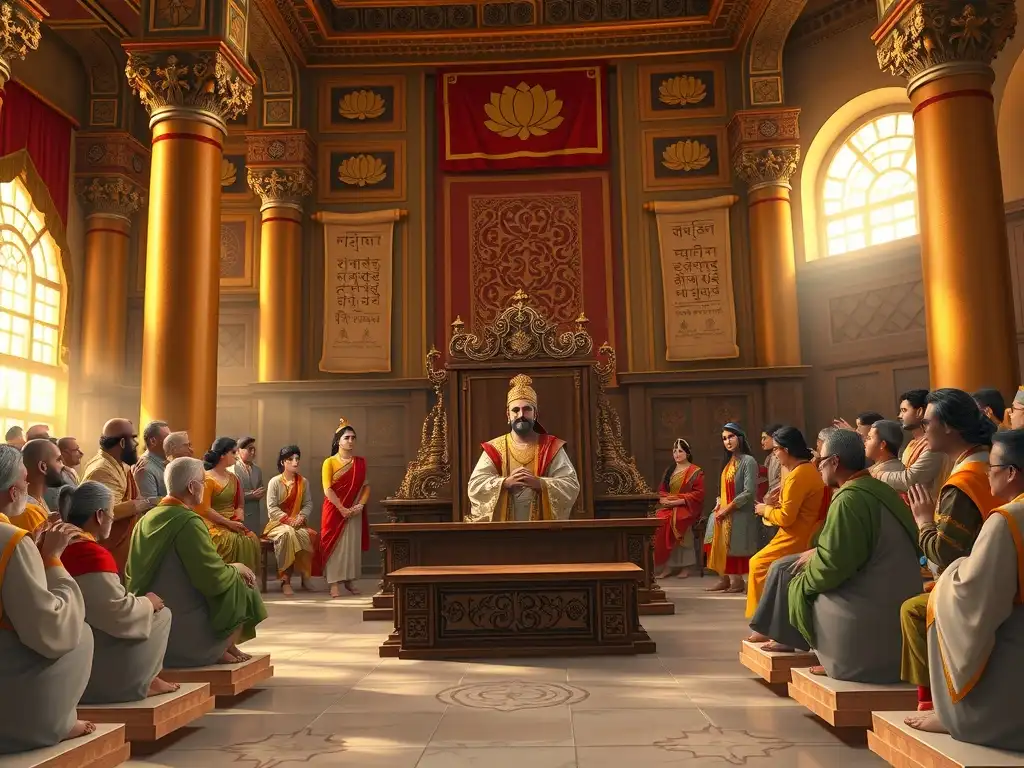
Introduction to Mauryan Law and Order
The Maurya Empire, one of the most influential ancient Indian civilizations, established a sophisticated legal and judicial system that played a crucial role in maintaining order and governance across its vast territories. At the heart of this system was a structured approach to law, characterized by codified regulations and a clear hierarchy of judicial authority. The principles of justice and fairness were paramount, reflecting the empire's commitment to effective governance and societal well-being.
The Mauryan legal framework was influenced by various factors, including religious teachings, customary practices, and philosophical doctrines. Under the reign of Emperor Ashoka, there was a notable emphasis on moral governance, leading to the integration of ethical principles into legal practices. This approach not only aimed at punitive measures but also focused on rehabilitation and social harmony.
Codification of Laws under Ashoka
The Edicts of Ashoka
One of the most significant contributions to Mauryan governance techniques was the codification of laws under Emperor Ashoka. His edicts, inscribed on rocks and pillars throughout the empire, served as a moral and legal compass for the populace. These edicts addressed a range of topics, including:
- Social Welfare: Promoting the welfare of all citizens, emphasizing non-violence, and encouraging kindness towards all living beings.
- Justice: Mandating that judges be fair and impartial, ensuring that the legal system was accessible to everyone, regardless of their social standing.
- Religious Tolerance: Advocating for respect and tolerance among different religious groups within the empire, promoting peace and co-existence.
Ashoka's edicts were revolutionary for their time, demonstrating a unique blend of governance and ethical leadership, which laid the foundation for a more enlightened legal system.
Influence of Dharmashastras
The Mauryan legal system was also influenced by ancient texts known as Dharmashastras, which were comprehensive writings on law and ethics. These texts provided guidance on personal conduct, family law, and societal duties. They emphasized the importance of Dharma (moral duty) and its role in maintaining societal order. The principles espoused in these texts were integrated into the governance techniques of the Maurya Empire, creating a cohesive legal tradition that resonated throughout the empire.
Role of Judges and Local Administration
In the Maurya Empire, judges played a pivotal role in the administration of justice. They were responsible for interpreting laws, adjudicating disputes, and ensuring the enforcement of legal codes. The hierarchy of judicial authority was well-defined, with local courts addressing minor issues while higher courts handled more serious cases.
The Structure of the Judicial System
The judicial system was organized into various levels, similar to a tiered structure, which included:
- Village Panchayats: Local councils that resolved minor disputes and maintained communal harmony.
- District Courts: Presided over by appointed judges who dealt with more complex cases.
- Imperial Courts: Managed by high-ranking officials who handled appeals and significant legal matters.
This multi-tiered approach ensured that justice was accessible at all levels of society, reflecting the Maurya Empire's commitment to an efficient governance system.
Conflict Resolution Mechanisms
Resolving conflicts amicably was an integral part of Mauryan governance. The emphasis on mediation and arbitration reflected a sophisticated understanding of human relations and societal dynamics.
Mediation and Arbitration Practices
Mediation and arbitration were preferred methods of conflict resolution during the Maurya Empire. The process typically involved:
- Involvement of Elders: Community elders often acted as mediators, leveraging their wisdom and experience to facilitate discussions between disputing parties.
- Community Participation: Local assemblies (Sabhas) played an active role in resolving disputes, where members would gather to deliberate and reach a consensus.
- Arbitration Committees: Appointed by local authorities, these committees would hear cases and provide binding resolutions based on fairness and equity.
These practices not only minimized the need for litigation but also fostered a sense of community responsibility and cooperation, further enhancing the Maurya Empire's governance techniques. By prioritizing peaceful conflict resolution, the empire maintained social stability and harmony among its diverse population.
The Maurya Empire is widely recognized for its innovative governance techniques, particularly in the realm of social welfare. Under the leadership of Emperor Ashoka, the Maurya Empire implemented a series of policies aimed at enhancing the well-being of its citizens. These initiatives were rooted in the principles of Dharma, which emphasized moral and ethical governance. By prioritizing the welfare of the populace, the Maurya Empire set a precedent for future administrations in India and beyond.
Emphasis on Dharma and Ethical Governance
The concept of Dharma was central to Ashoka's rule, influencing his approach to governance and social welfare policies. Ashoka believed that a ruler's primary responsibility was to ensure the welfare of his subjects, which he articulated through his edicts. These edicts served not only as proclamations of law but also as moral guidelines for both the rulers and the ruled.
- Moral Governance: Ashoka's commitment to Dharma involved promoting non-violence (Ahimsa), truthfulness, and compassion. This ethical framework guided his policies, encouraging both social harmony and individual responsibility.
- Public Engagement: The Maurya Empire actively involved citizens in the governance process. Town meetings and local assemblies allowed people to voice their concerns and needs, fostering a sense of community and shared responsibility.
Ashoka's Edicts and Social Responsibility
The Edicts of Ashoka, inscribed on rocks and pillars throughout the empire, are a testament to his dedication to social welfare. These edicts addressed various aspects of governance, emphasizing the importance of ethical conduct and social responsibility.
- Promotion of Non-Violence: Ashoka's edicts explicitly encouraged non-violence towards all living beings, reflecting his commitment to ethical governance. He advocated for a peaceful coexistence among different communities and religions, which contributed to social stability.
- Support for the Underprivileged: The edicts underscored the need to care for the poor, the sick, and the elderly. Ashoka established hospitals and shelters to provide assistance, demonstrating a proactive approach to social welfare.
- Cultural and Religious Tolerance: The Maurya Empire under Ashoka promoted a culture of tolerance, allowing various religious practices to flourish. This inclusivity fostered unity and cooperation among diverse groups, enhancing the overall welfare of the society.
Public Health and Education Initiatives
In addition to moral governance, the Maurya Empire made significant strides in public health and education, recognizing the link between a healthy populace and a prosperous state. These initiatives were strategically designed to uplift society and ensure the well-being of all citizens.
- Healthcare Facilities: Ashoka established hospitals that provided free medical care to people, including modern facilities for both humans and animals. This initiative reflects a comprehensive approach to health care, addressing the needs of the entire ecosystem.
- Herbal Medicine and Ayurveda: The empire promoted the use of traditional herbal medicine, ensuring that citizens had access to natural remedies. This was part of a larger effort to educate the populace about health and wellness.
Role of the State in Public Welfare
The state played a crucial role in advancing public welfare during the Maurya Empire. Ashoka's administration recognized that government intervention was necessary to create a just and equitable society.
- Infrastructure Development: The Maurya Empire invested in infrastructure, including roads and irrigation systems, aimed at improving living conditions and facilitating commerce. This not only enhanced trade but also ensured easier access to resources for citizens.
- Educational Reforms: Ashoka championed education, promoting the establishment of schools and centers of learning. By prioritizing education, the empire ensured that knowledge was accessible to all, fostering an informed and engaged citizenry.
- Public Engagement in Governance: The Maurya Empire's governance structure allowed for citizen participation in decision-making processes, enhancing accountability and responsiveness. This approach ensured that the needs of the populace were addressed, contributing to social cohesion and stability.
The Maurya Empire's governance techniques, particularly under Ashoka's leadership, prioritized social welfare through ethical governance, public health initiatives, and education reforms. This holistic approach not only improved the quality of life for its citizens but also established a model of governance that resonated throughout history.
Comparison with Other Ancient Indian Governance Models
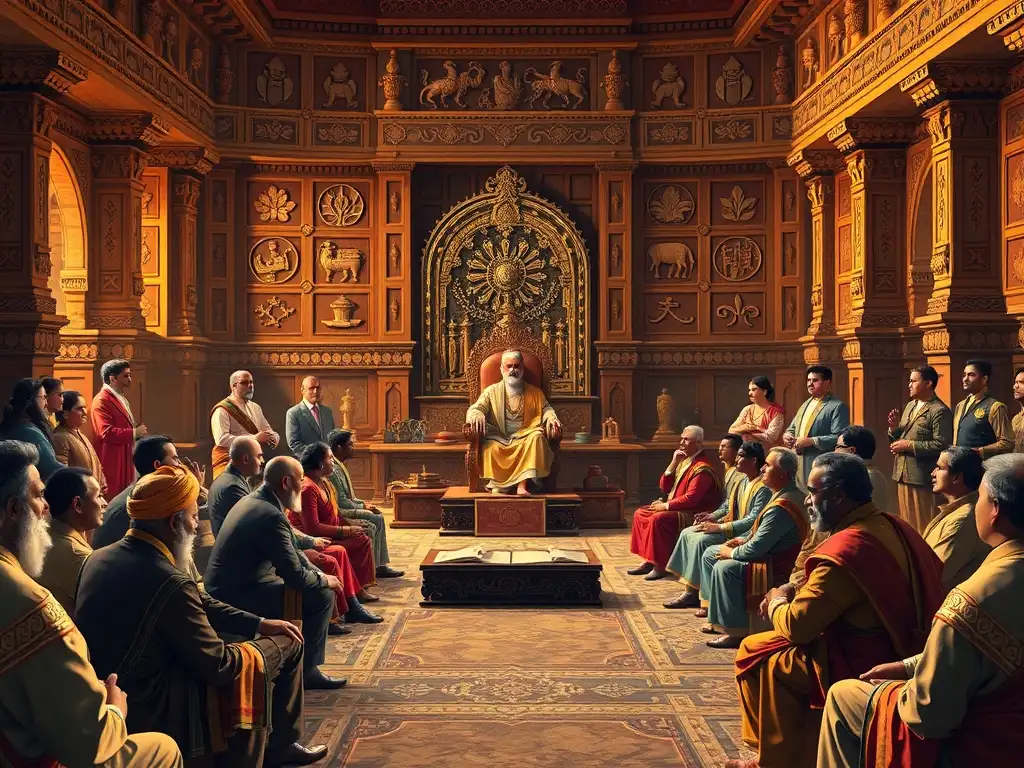
Governance Techniques of the Gupta Empire
The Gupta Empire, which flourished from approximately 240 CE to 550 CE, is often celebrated for its advancements in arts, science, and culture, but its governance techniques also played a crucial role in its prosperity. Unlike the Maurya Empire's centralized administrative approach, the Gupta Empire adopted a more decentralized form of governance. This structure allowed local rulers, or maharajas, significant autonomy, enabling them to manage their territories effectively while still recognizing the Gupta emperor's supremacy.
Key features of the Gupta governance techniques include:
- Decentralization: Local rulers were granted power to govern their regions, which allowed the central government to focus on broader issues such as defense and diplomacy. This led to efficient local administration and enhanced loyalty among subordinates.
- Caste System Utilization: The Gupta administration heavily relied on the caste system to organize society and governance. Officials were often chosen from the higher castes, which ensured a level of social harmony and respect for authority.
- Meritocracy in Administration: While the caste system played a role, meritocratic principles were also emphasized, with positions often filled based on administrative skills and capabilities, particularly in bureaucratic roles like tax collection and public works.
- Judicial System: The Gupta Empire established a structured legal system. Local courts operated under the guidance of district officials, ensuring that justice was accessible and tailored to local customs, which fostered a sense of fairness among the populace.
- Taxation Policies: The Gupta tax system was less burdensome than that of the Maurya Empire. It focused on land revenue and trade taxes, which encouraged agricultural productivity and stimulated commerce.
Overall, the Gupta Empire’s governance techniques emphasized local autonomy, social hierarchy, merit, and accessibility, which contributed to its stability and cultural achievements.
Differences Between Maurya and Gupta Administrative Practices
The administrative practices of the Maurya and Gupta Empires highlight significant differences rooted in their governance philosophies and societal structures. Understanding these contrasts provides insight into how each empire maintained control and facilitated development.
| Aspect | Maurya Empire | Gupta Empire |
|---|---|---|
| Centralization | Highly centralized under a strong emperor | Decentralized with local rulers (maharajas) |
| Bureaucracy | Extensive bureaucracy with a large civil service | More reliance on local governance |
| Taxation | Heavily taxed to support a massive standing army | Lighter tax burdens to encourage agriculture |
| Legal System | Uniform laws enforced across the empire | Localized legal systems tailored to regional customs |
| Caste System | Less emphasis on caste in governance | Utilized caste hierarchy for administrative roles |
| Military Structure | Large, professional army focused on expansion | Smaller, regional armies with local loyalties |
Conclusion
The Maurya Empire’s governance techniques were marked by a strong centralized authority, a vast bureaucracy, and stringent taxation, which enabled it to exert control over a large territory. In contrast, the Gupta Empire’s governance leaned towards decentralization, with local rulers administering their regions, a lighter tax system, and a strong emphasis on social structures like the caste system. These differences not only reflect varied administrative philosophies but also shaped the unique identities and legacies of both empires in the annals of ancient Indian history.
Legacy of Maurya Empire Governance Techniques

The governance techniques of the Maurya Empire have left an indelible mark on the political landscape of India, influencing not just the immediate successors but also shaping governance practices for centuries to come. The Maurya Empire, particularly under the reign of Chandragupta Maurya and his grandson Ashoka, showcased a sophisticated administrative structure that emphasized efficiency, centralization, and integration of diverse cultures and communities.
Influence on Subsequent Indian Empires
The legacy of the Maurya Empire's governance techniques can be seen clearly in several subsequent Indian empires. The following points highlight key influences:
- Centralized Administration: The Maurya Empire established a highly centralized system of governance, which was emulated by later empires such as the Gupta Empire. They maintained a strong central authority, which facilitated uniform policies across vast territories.
- Bureaucratic Innovations: The Mauryan bureaucracy laid the groundwork for structured administrative practices. The use of a well-defined hierarchy of officials and a system of checks and balances became standard in later empires, ensuring accountability and efficiency in governance.
- Legal Frameworks: The Maurya Empire’s codification of laws, especially under Ashoka, set a precedent for legal governance. Subsequent empires adopted similar legal systems, emphasizing justice and public welfare, which became integral to Indian governance.
- Cultural Integration: Ashoka’s promotion of Buddhism and the spread of its principles across his empire encouraged cultural integration. This approach influenced later dynasties, which sought to unify diverse populations through shared cultural and religious practices.
- Taxation and Revenue Systems: The Mauryan techniques in taxation were remarkable for their organization. This system was replicated by later dynasties, which recognized the importance of a stable revenue base for sustaining their empires.
Modern Implications of Ancient Governance Models
The governance techniques of the Maurya Empire offer valuable insights for contemporary governance models, highlighting principles that remain relevant today. Here are some modern implications derived from their practices:
- Decentralization vs. Centralization: The Maurya Empire showcased the benefits of a centralized authority while also acknowledging the importance of local governance. Modern governments can learn from this balance, implementing policies that empower local administrations while maintaining overarching control to ensure coherence.
- Bureaucratic Efficiency: The structured bureaucratic system of the Maurya Empire can serve as a model for modern administrations striving for efficiency. Streamlined processes and clear hierarchies can enhance service delivery and public administration effectiveness.
- Legal Reforms: The emphasis on codified laws during the Maurya period stresses the importance of a legal framework that is accessible and just. Modern governments can take cues from this by ensuring that laws are not only codified but also effectively communicated and enforced, fostering trust in the legal system.
- Cultural Sensitivity: The Maurya Empire's approach to cultural integration through religion and philosophy highlights the significance of inclusivity in governance. Today's leaders could benefit from promoting policies that honor and incorporate diverse cultural backgrounds, fostering unity in diversity.
- Sustainable Revenue Models: The Mauryan taxation system underscores the need for sustainable revenue generation methods. Modern economies can explore innovative taxation and revenue mechanisms that ensure fiscal stability without overburdening citizens.
The legacy of the Maurya Empire's governance techniques remains profoundly influential, offering lessons that span from historical governance to contemporary policy-making. By understanding and adapting these ancient practices, modern societies can navigate the complexities of governance with greater efficacy and inclusivity.
Conclusion
Summary of Maurya Empire Governance Techniques
The Maurya Empire, which flourished from 322 to 185 BCE, has long been regarded as a paragon of governance efficiency in ancient India. Its administrative structure is a testament to the innovative governance techniques employed by its rulers, particularly under the reign of Ashoka the Great. Key features of these techniques include:
- Centralized Administration: The Mauryan governance system was marked by a strong central authority which enabled seamless execution of policies across vast territories. This was facilitated by a hierarchy of officials who reported directly to the emperor.
- Bureaucratic Organization: The empire was divided into various provinces, each governed by a viceroy or governor. This division not only eased administrative burdens but also allowed for local governance that catered to regional needs.
- Legal and Ethical Framework: The Maurya Empire implemented a codified legal system, which provided clarity and consistency in governance. Ashoka's edicts emphasized moral governance and ethical rulership, reflecting the integration of legal authority with ethical considerations.
- Efficient Taxation System: A well-structured taxation system was crucial for the empire's revenue. Taxes were collected at different levels, ensuring that the central administration was well-funded to maintain stability and security.
- Communication and Infrastructure: The establishment of an extensive road network facilitated communication across the empire. This infrastructure not only aided trade but also enabled quick dissemination of imperial edicts and policies.
By analyzing these techniques, it's evident that the Maurya Empire's governance model prioritized efficiency, stability, and ethical administration, setting a precedent in the context of ancient governance.
Final Thoughts on Efficiency in Ancient Governance
The governance techniques of the Maurya Empire serve as an exemplary model for understanding how effective administration can lead to the flourishing of a civilization. The integration of ethical considerations with a robust bureaucratic structure showcases the foresight of its rulers in addressing the complexities of governance.
The legacy of the Maurya Empire's efficient governance continues to resonate, providing valuable insights into the significance of strong centralized authority, ethical leadership, and the importance of local governance structures. As scholars and historians explore these ancient techniques, they reveal not only the organizational prowess of the Maurya Empire but also its enduring influence on subsequent Indian administrations.
Through the lens of the Maurya Empire, we can appreciate the intricacies of governance in ancient societies and the lessons they impart for contemporary governance models. The balance between authority and ethics, the importance of infrastructure in administration, and the need for adaptability in governance remain relevant today, underscoring the timeless nature of the Maurya Empire's approach to effective governance.
Frequently Asked Questions
What were the key governance techniques of the Maurya Empire?
The Maurya Empire implemented centralized administration, efficient tax collection, and a strong judicial system to maintain order and promote economic growth.
How did the Maurya Empire ensure effective communication across its vast territory?
The empire established a network of roads and messenger systems to facilitate quick communication, which was vital for managing its large and diverse regions.
What role did Dharma play in the governance of the Maurya Empire?
Dharma, or moral law, guided the rulers in their decision-making, promoting justice and ethical governance, which helped maintain stability and public trust.
Who was the most notable ruler of the Maurya Empire, and what were his contributions?
Ashoka the Great is the most renowned ruler, known for his promulgation of Buddhism, commitment to non-violence, and implementation of welfare policies for his people.
How did the Maurya Empire influence later Indian governance?
The administrative practices and laws established during the Maurya Empire served as a foundation for future Indian states, influencing governance techniques for centuries to come.
Final Reflection: The Maurya Empire's Governance Techniques as a Timeless Blueprint
The governance techniques of the Maurya Empire resonate profoundly in today's world, illustrating the enduring relevance of effective administration. As we navigate complex societal challenges, the lessons drawn from the Maurya Empire's structured approach to governance remind us that efficient systems can lead to stability and prosperity. The striking reality is that these ancient strategies remain applicable, urging modern leaders to reflect on the foundations of successful governance.
The influence of the Maurya Empire's governance techniques extends beyond historical interest; it shapes our cultural and social landscapes today. As we witness the rise and fall of various political systems, the principles of accountability, organization, and community engagement stand out as crucial elements for any thriving society. The measure of a civilization is how it treats its weakest members.
This quote encapsulates the essence of the Maurya Empire's approach, emphasizing that effective governance must prioritize the welfare of all citizens, a lesson that is increasingly vital in our contemporary discourse.
As you reflect on the insights gained from the Maurya Empire's governance techniques, consider how these principles can be integrated into your own life and community. Embrace the call for efficiency, accountability, and inclusiveness in your actions, whether in leadership roles or everyday interactions. By applying these timeless lessons, you can contribute to a more organized and just society, ensuring that the legacy of the Maurya Empire continues to inspire future generations.
Unleash the Power of Efficient Governance!
Thank you for exploring the fascinating world of the Maurya Empire and its remarkable governance techniques! You've gained insights into how effective leadership can transform a society. Now, let's take those insights and put them into action.
Here are some practical steps you can take right now:
- Conduct a Personal Efficiency Audit: Reflect on your daily routines and identify areas where you can streamline your processes. Apply the core principles of Mauryan governance—organization, responsibility, and clarity—to enhance your productivity.
- Share Your Insights: Discuss the governance techniques of the Maurya Empire with friends or colleagues. Initiate a conversation about how these ancient practices can inspire modern systems.
- Explore Further: Look for additional resources on effective governance throughout history. Investigate other empires that have demonstrated remarkable efficiency and discover parallels in today's world.
What governance techniques from the Maurya Empire do you believe could transform your community today? Let's spark a conversation in the comments!